Introduction: A Pan with a Special Feature
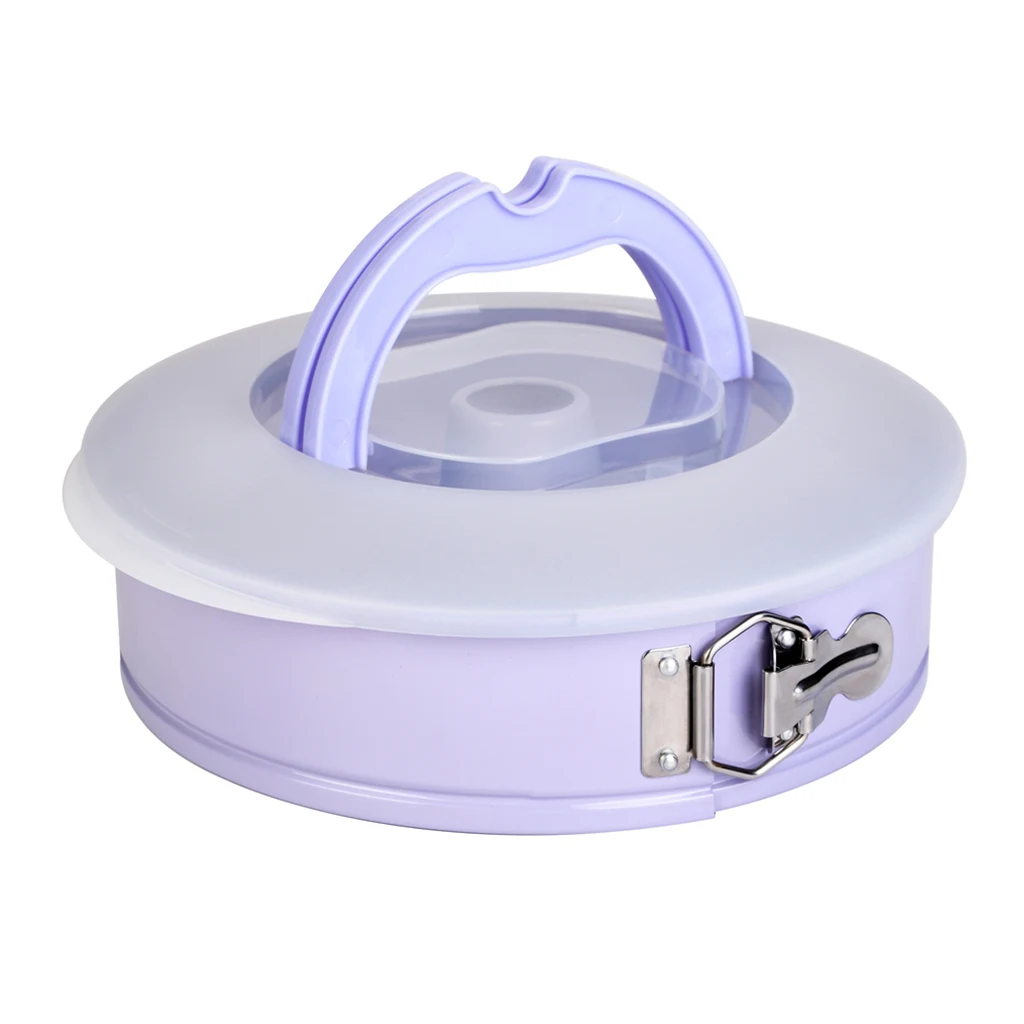
If you have ever baked a cheesecake, you have likely seen a pan with a clamp on the side. This is a springform pan. Unlike regular cake pans, this tool has a removable bottom and a side ring that opens with a latch.
Many home bakers ask the same question: how do I use a springform pan correctly? The answer is not complicated, but a few techniques can help you get better results. Whether you are making cheesecake, deep-dish pizza, or ice cream cake, knowing how do I use a springform pan properly makes a difference.
In this article, you will learn 5 simple steps for using this versatile pan. You will also find tips for preventing leaks, removing the cake without breaking it, and caring for your pan. By the end, you will feel confident answering the question how do I use a springform pan for your baking projects.
What Is a Springform Pan?
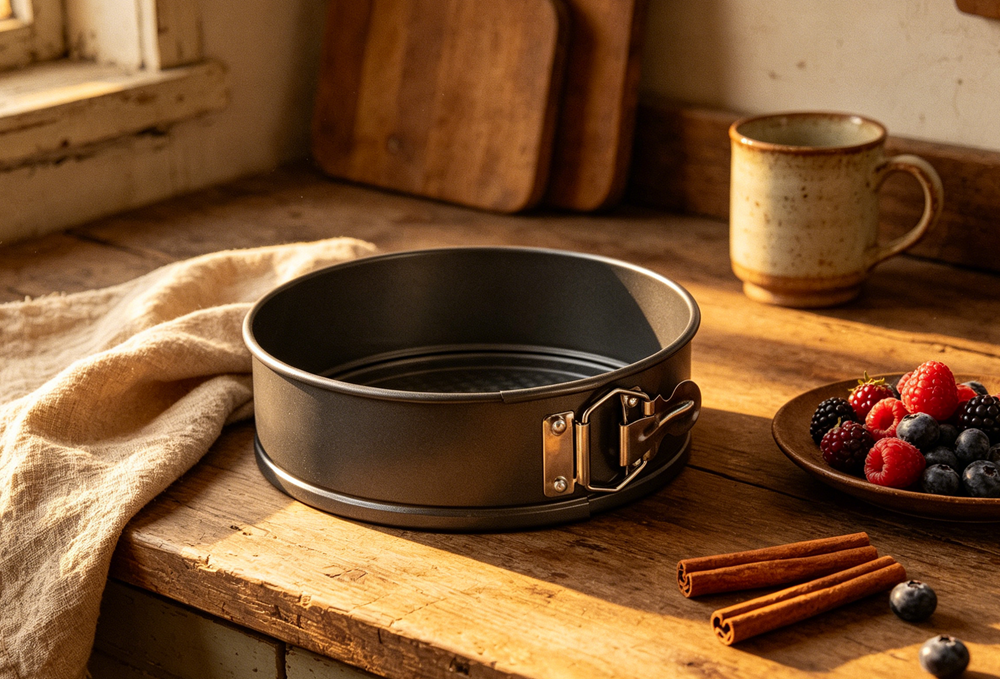
Before we answer how do I use a springform pan, let’s look at what this pan actually is. A springform pan has two main parts: a flat base and a removable side ring. The ring is held in place by a spring-loaded clamp or latch.
When the latch is closed, the ring fits tightly against the base. When the latch is opened, the ring expands slightly and can be lifted away. This design allows you to remove the sides of the pan without flipping the cake upside down.
This feature is especially useful for delicate desserts like cheesecake. If you tried to remove a cheesecake from a regular pan, you would likely damage the surface or break the crust. Understanding how do I use a springform pan starts with knowing why this design is helpful.
Step 1: Prepare Your Springform Pan Before Baking
The first step in learning how do I use a springform pan is proper preparation. Taking a few minutes to prepare the pan can save you from leaks and sticking.
Check the Assembly
Before you begin, make sure the bottom of the pan is facing the right direction. The smooth side of the base should face up. The side with a slight lip or ridge should face down. Close the latch firmly. The ring should fit snugly against the base without gaps.
Grease the Pan
Even if your pan has a non-stick coating, a light layer of grease helps. Use butter, shortening, or cooking spray. Apply it to the bottom and the sides of the pan. Pay extra attention to the seam where the base meets the ring.
Use Parchment Paper
For extra insurance, line the bottom of the pan with parchment paper. Trace the base on a sheet of parchment. Cut out the circle and place it inside the pan before closing the ring. This step makes removal easier and helps you answer how do I use a springform pan with more confidence.
Prevent Leaks
Cheesecake batter is thin and can seep through small gaps. To reduce the risk of leaks, wrap the outside of the pan with aluminum foil. Use a large piece of heavy-duty foil and bring it up the sides. Place the wrapped pan on a baking sheet before putting it in the oven.
Proper preparation is a key part of how do I use a springform pan successfully.
Step 2: Add the Crust and Filling
Now that your pan is ready, you can add the crust and filling. This step is straightforward, but a few tips can help.
Making the Crust
For cheesecake, a crust made of crushed cookies or graham crackers is common. Mix the crumbs with melted butter and sugar. Press the mixture firmly into the bottom of the pan. Use the bottom of a measuring cup or a flat glass to press evenly.
Make sure the crust extends slightly up the sides. This helps seal the gap between the base and the ring. A well-pressed crust is an important part of how do I use a springform pan for cheesecake.
Pouring the Filling
Pour the filling gently into the center of the pan. Let it spread outward on its own. This reduces air bubbles. Fill the pan about three-quarters full. Cheesecake rises slightly during baking but does not puff up like a cake.
After pouring, tap the pan gently on the counter a few times. This brings air bubbles to the surface, where they can pop before baking.
Step 3: Bake the Cheesecake
Baking is where the springform pan does its job. But how do I use a springform pan during baking? Here are some suggestions.
Use a Water Bath
Many cheesecake recipes recommend a water bath. This method helps prevent cracks and promotes even baking. To use a water bath:
Wrap the outside of your pan with two layers of heavy-duty aluminum foil.
Place the wrapped pan in a larger roasting pan or baking dish.
Put the assembly in the oven.
Pour hot water into the larger pan until it reaches about halfway up the sides of the springform pan.
The foil prevents water from seeping into the pan. The water bath provides gentle, even heat. Knowing how do I use a springform pan with a water bath is a valuable skill.
Set the Oven Temperature
Most cheesecakes bake at a moderate temperature, typically between 325°F and 350°F (about 160°C to 175°C). Higher temperatures can cause the cheesecake to puff up and crack.
Check for Doneness
The cheesecake is likely done when the edges look set but the center still jiggles slightly when you gently shake the pan. A toothpick inserted near the center may come out with a few moist crumbs.
Cool Gradually
After baking, turn off the oven and crack the door open. Let the cheesecake cool in the pan inside the oven for about an hour. This gradual cooling reduces the risk of cracks. Then remove the pan from the oven and place it on a wire rack. Cool completely at room temperature.
Proper baking technique is essential to how do I use a springform pan effectively.
Step 4: Chill and Remove the Cheesecake
This step is often where bakers feel most nervous. But with a few careful steps, how do I use a springform pan for removal becomes simple.
Chill Thoroughly
After the cheesecake has cooled to room temperature, place the entire pan in the refrigerator. Chill for at least 4 hours. Overnight chilling often produces better results. The cold temperature helps the cheesecake set firmly, making it less likely to break when you remove the ring.
Open the Latch
Place the pan on a stable, flat surface. Locate the clamp or latch on the side of the springform pan. Gently pull the latch open. You may hear a small click as the side ring releases.
Lift the Side Ring
After opening the latch, the side ring should loosen. Carefully lift the ring straight up and away from the cheesecake. If the ring sticks to the dessert, run a thin knife or offset spatula between the cheesecake and the ring before lifting.
Transfer to a Serving Plate
The cheesecake now sits on the base of the pan. To move it to a serving plate, slide a thin spatula between the crust and the pan base to loosen it. If you used parchment paper, you can simply lift the paper edges to transfer the cheesecake. Many bakers serve the cheesecake directly on the pan base, which is flat and presentable.
Now you know how do I use a springform pan to remove a delicate cheesecake without breaking it.
Step 5: Clean and Store Your Springform Pan
Proper care helps your pan last longer. Here is what to do after baking.
Clean the Pan
After removing the cheesecake, clean the pan promptly. Hand washing is usually recommended, especially for non-stick coatings. Use warm, soapy water and a soft sponge. Avoid abrasive scrubbers or steel wool, as these can damage the surface.
Dry Thoroughly
Dry the pan completely before storing. Moisture can cause rust on some metal pans, especially carbon steel.
Store Carefully
When storing, do not stack heavy items on top of your springform pan. If you must stack, place a paper towel or soft cloth between pans to protect the coating.
Understanding how do I use a springform pan includes knowing how to care for it so it lasts for many years.
Other Uses for a Springform Pan
While cheesecake is a classic use, this pan can do much more. Once you know how do I use a springform pan, you can try other recipes.
Deep-Dish Pizza
Press pizza dough into the bottom and up the sides of the pan. Add sauce, cheese, and toppings. Bake as usual, then release the side ring and slice. The result is a thick, satisfying pizza with a crispy edge.
Ice Cream Cake
Layer ice cream, crushed cookies, and sauce in the pan. Freeze until firm. Then release the sides and slice. The pan helps create neat, even layers that look impressive.
No-Bake Desserts
Many no-bake cheesecakes and mousse cakes work well in a springform pan. The pan holds the dessert while it sets in the refrigerator. When the dessert is firm, you can remove the sides and serve.
Savory Pies and Quiches
Some savory pies and quiches benefit from this pan. The removable sides make serving easier, especially for delicate crusts.
Lasagna or Layered Casseroles
For a different approach, use your pan to make individual or small layered casseroles. The tall sides contain the layers, and the removable ring simplifies serving.
Knowing how do I use a springform pan for different dishes makes this tool more valuable in your kitchen.
Common Questions About Using a Springform Pan
Do I need to grease a springform pan?
Yes, even if the pan has a non-stick coating. A light layer of grease helps the cheesecake release more easily. It also helps if you are wondering how do I use a springform pan without sticking.
How do I prevent batter from leaking?
Wrap the outside of the pan with aluminum foil. Place the wrapped pan on a baking sheet. A well-pressed crust also helps seal the gap. This is a common concern when learning how do I use a springform pan.
Can I use a springform pan for regular cakes?
Yes, but it is not necessary. Regular cakes can be removed from standard pans easily. The springform pan is most useful for delicate desserts that should not be flipped.
My cheesecake cracked. What went wrong?
Cracks can happen for several reasons. The cheesecake may have been overbaked. The temperature may have been too high. The cooling process may have been too fast. A water bath and gradual cooling help prevent cracks. Understanding how do I use a springform pan includes knowing how to avoid common issues.
Troubleshooting Common Issues
| Issue | Possible Cause | Solution |
|---|---|---|
| Batter leaks from pan | Gap between base and ring | Wrap pan with foil; press crust up the sides |
| Cheesecake sticks to sides | Sides not greased enough | Grease the ring thoroughly before adding batter |
| Cheesecake cracks on top | Overbaked or cooled too fast | Use a water bath; cool gradually in the oven |
| Ring does not release easily | Food stuck in latch | Clean the latch area before closing |
| Pan rusts after washing | Not dried thoroughly | Dry the pan completely before storing |
Conclusion
So, how do I use a springform pan? The answer involves five simple steps: prepare the pan, add the crust and filling, bake properly, chill and remove the cheesecake, and clean the pan for next time.
A springform pan is a useful tool for cheesecake, deep-dish pizza, ice cream cake, and many other dishes. With a little practice, you will feel confident using this pan for all kinds of recipes.
Whether you are baking for a holiday, a birthday, or just because you enjoy cheesecake, knowing how do I use a springform pan helps you get consistent, beautiful results.