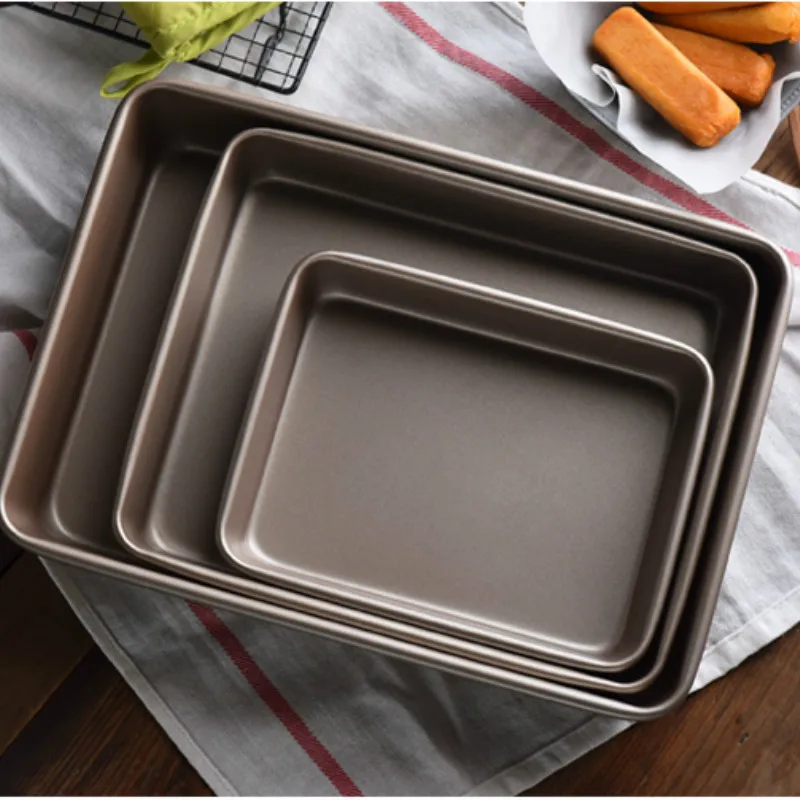
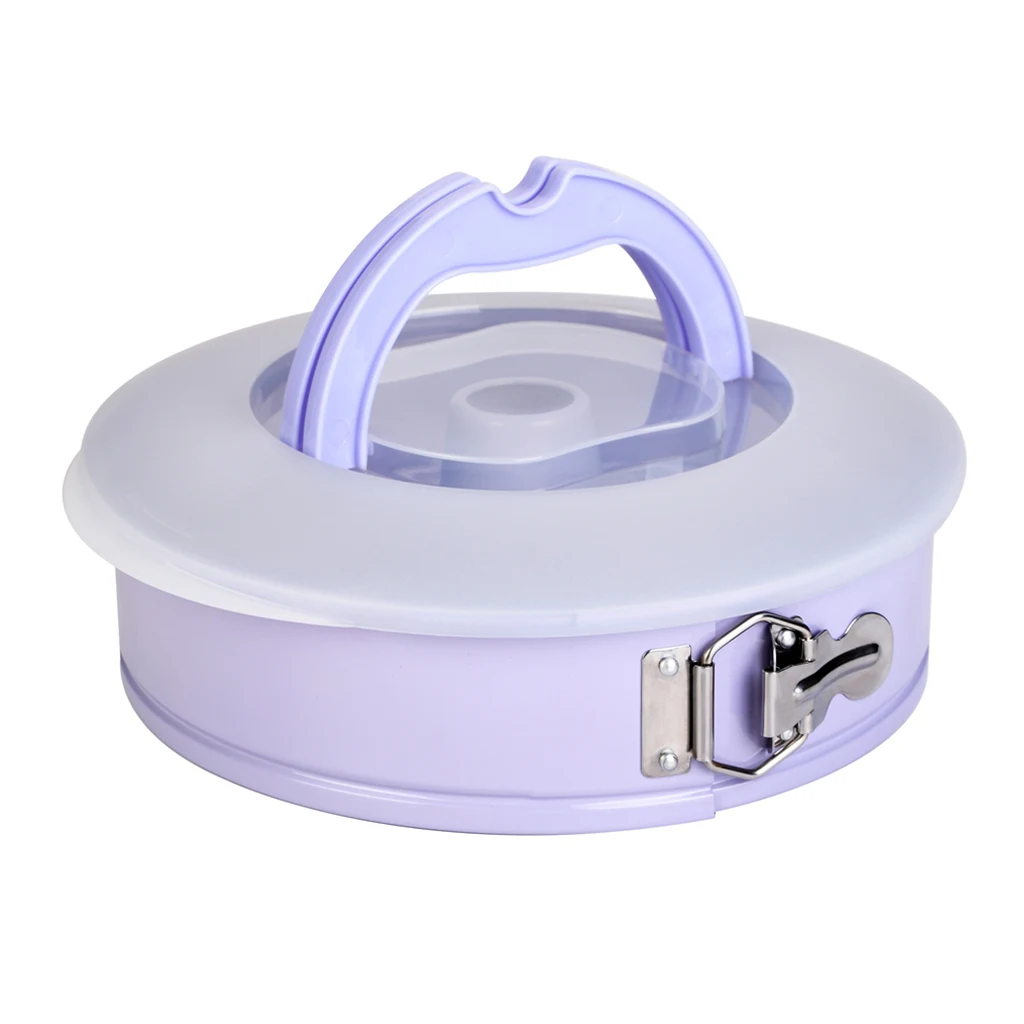
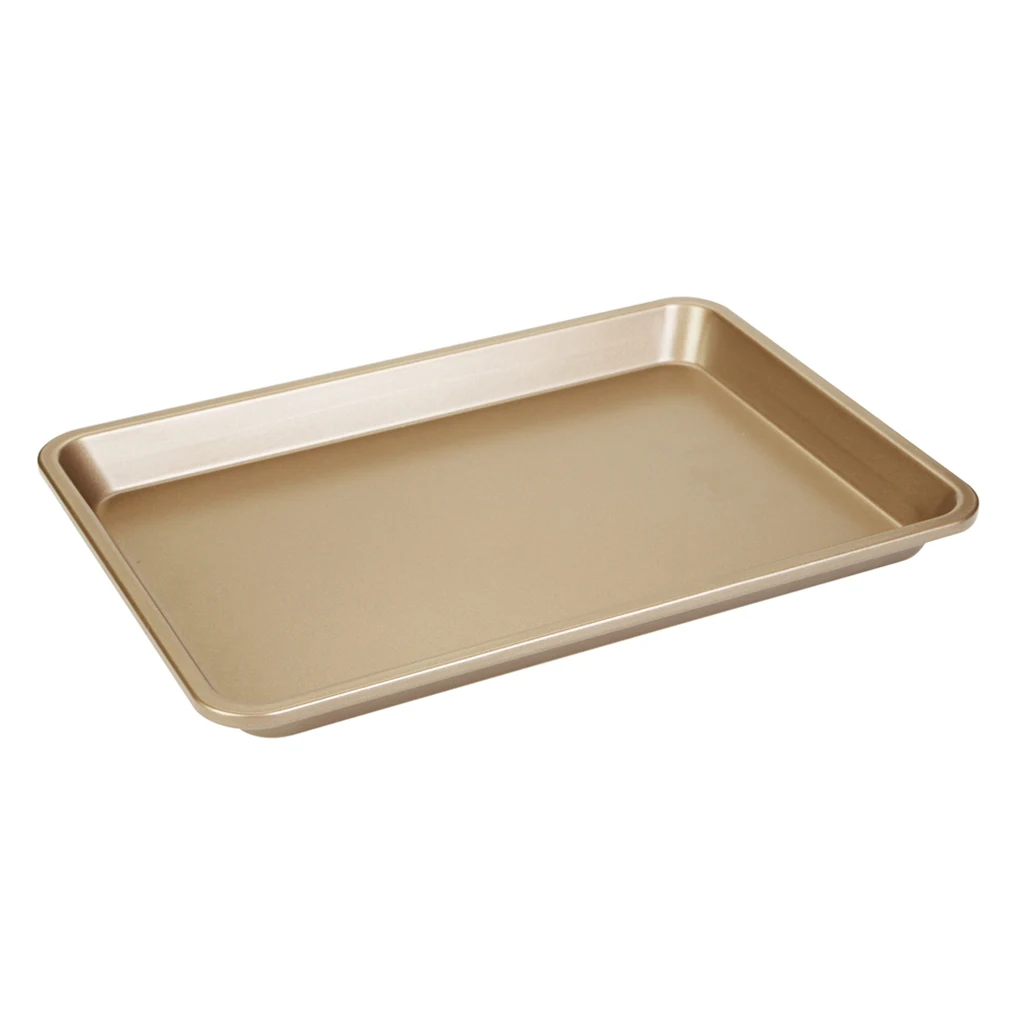
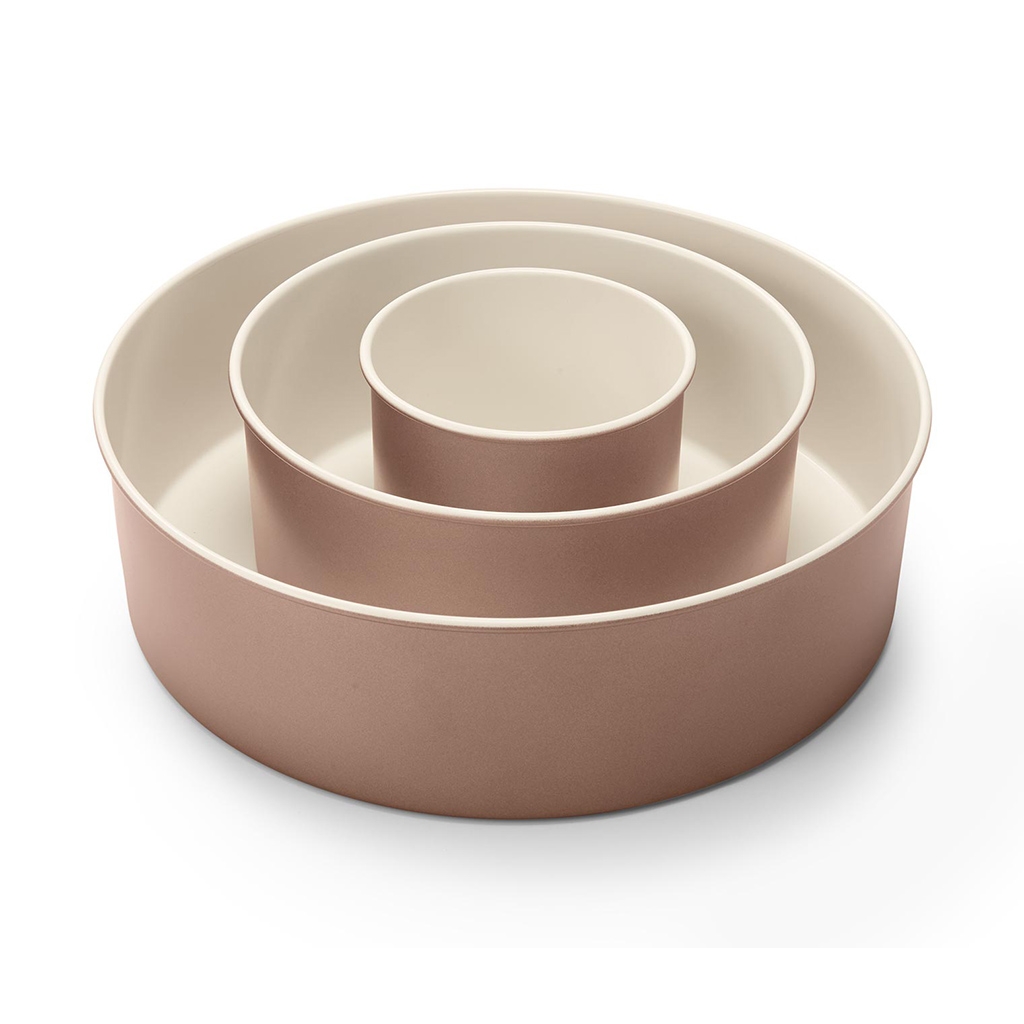
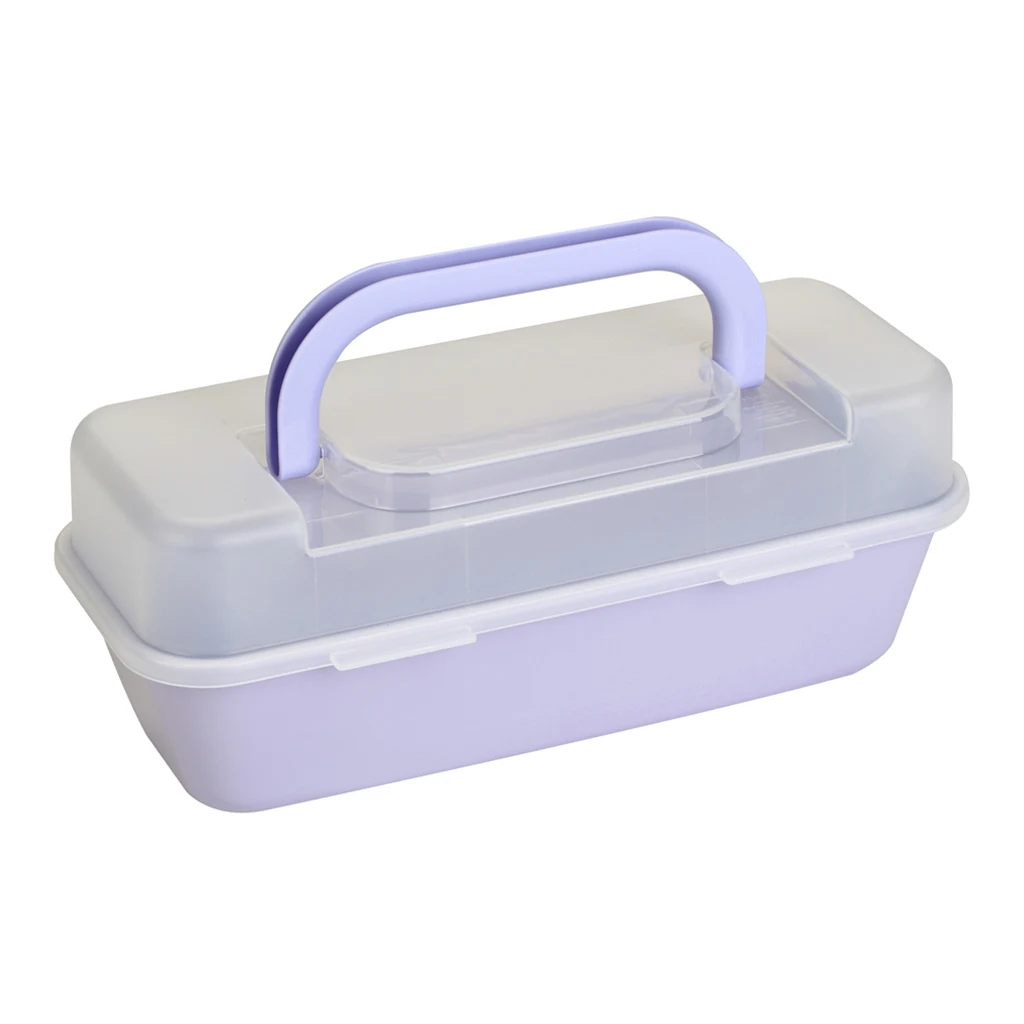
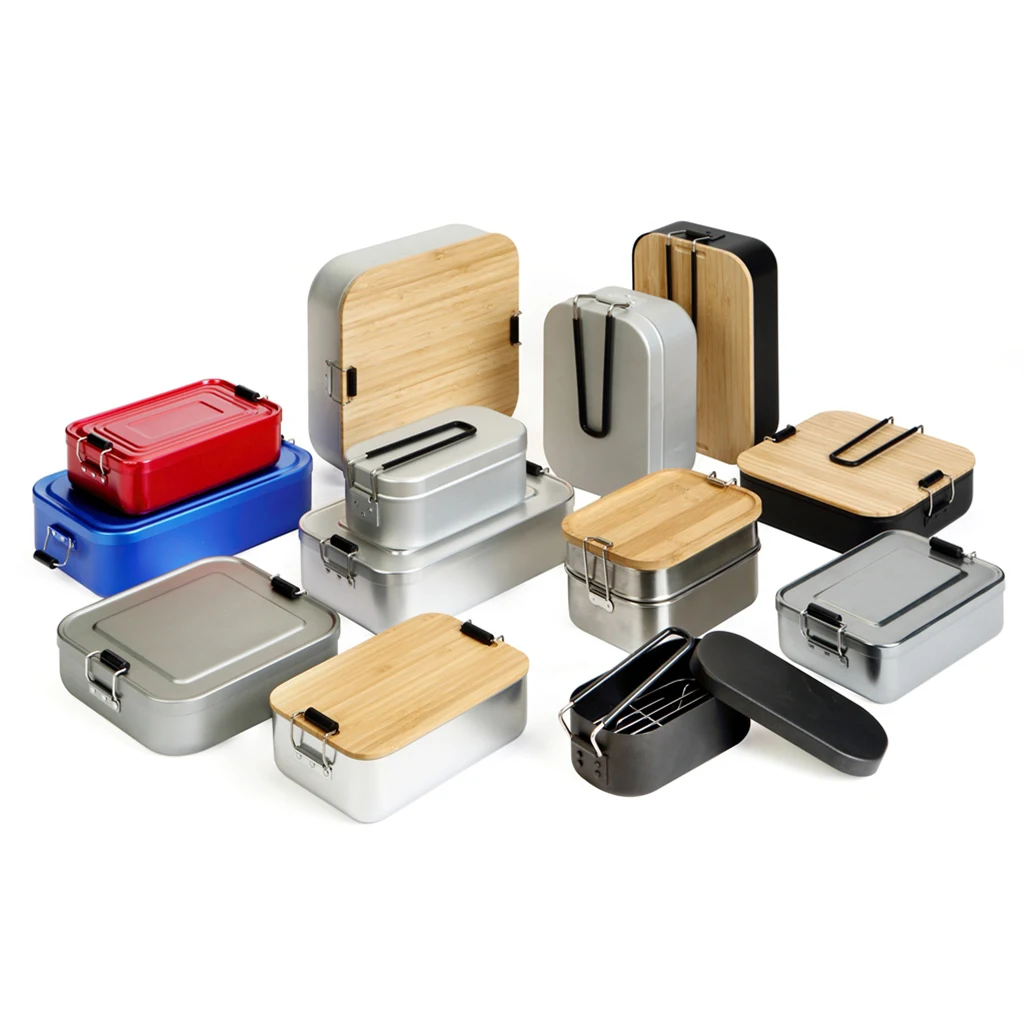
You’re looking at carbon steel baking pans. Some have dark coatings. Some have light coatings. Some are bright red, deep blue, or cheerful yellow. The color catches your eye—but does it matter beyond aesthetics?
Here’s the truth: the color isn’t just for looks. That coating color changes how your pan performs. It affects baking time, browning, and the final texture of everything you make. Choosing the wrong color can sabotage your best recipes. Choosing the right color makes baking easier, more predictable, and more successful.
Here’s what you need to know about selecting the right color for the right job—so every bake turns out exactly as you intended.
How Coating Color Changes Baking
Let’s start with the science. The color of your pan influences how it interacts with heat—and that interaction determines how your food bakes.
Dark colors absorb heat. A dark-coated pan pulls heat from the oven into the metal faster. That heat transfers directly to your food. The result? Your bake gets more heat, quicker. The same recipe in a dark color pan will brown faster, crisp sooner, and finish earlier than in a light pan.
Light colors reflect heat. A light-coated pan bounces heat away. The metal heats more slowly, and your food receives gentler, more gradual warmth. This slower heat transfer gives delicate batters time to rise, set, and develop structure before browning begins.
This isn’t a minor difference. A pan with dark color coating can cut baking time by 5 to 10 minutes compared to a light color pan. Edges brown faster. Bottoms get darker. Crusts form sooner. Everything cooks differently based on that single factor: color.
So which color should you pick? It depends entirely on what you’re baking.
Choose Dark Coating Color For
Dark color coatings—black, charcoal, deep gray—are your go-to when you want aggressive heat and maximum browning.
Baguette Pans
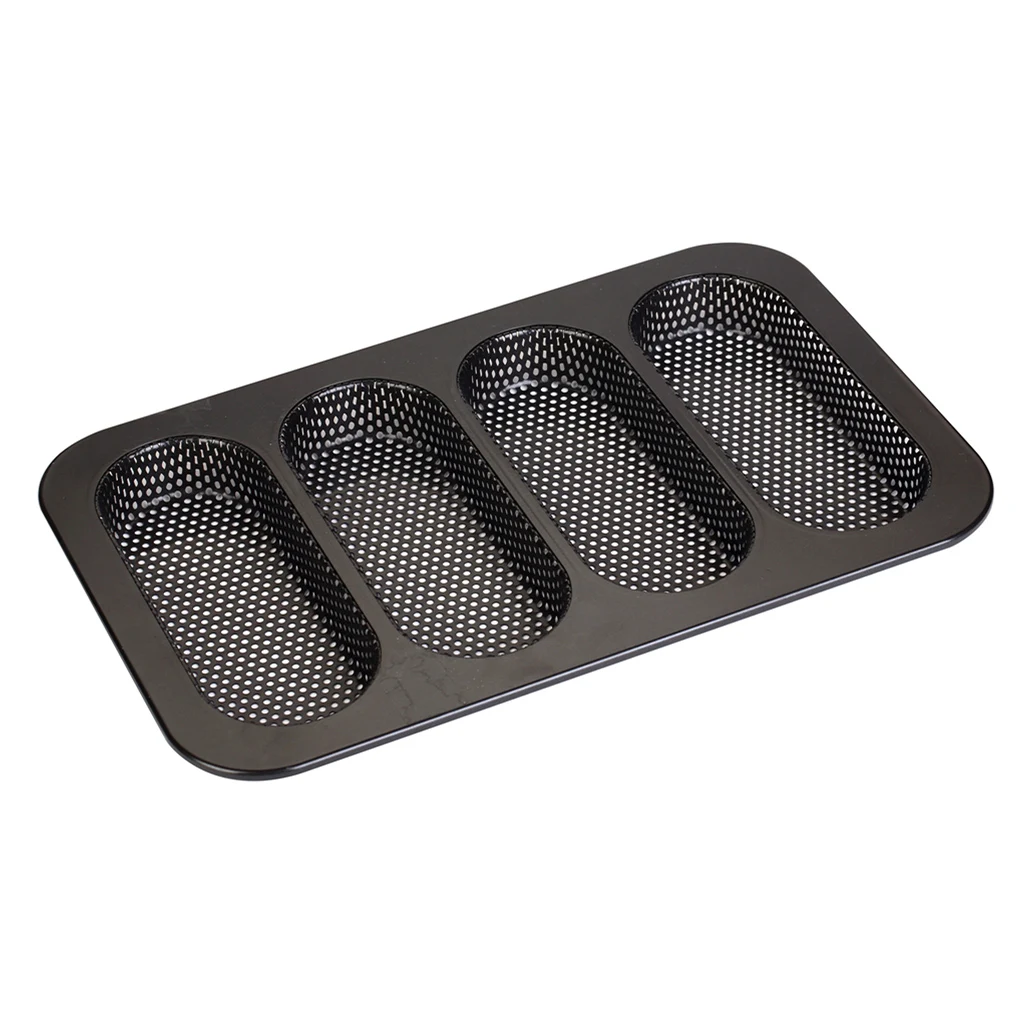
Dark color coating is the right choice here. A dark perforated baguette pan absorbs heat aggressively, giving you that deep golden crust bakery bread is known for. The holes let air circulate while the dark color builds crust fast. You get the crackle, the color, the texture—everything that makes a baguette worth baking.
Perfect for: Crusty baguettes, artisan loaves, sourdough batards—any bread where you want a dark, crackly exterior.
Pizza Pans
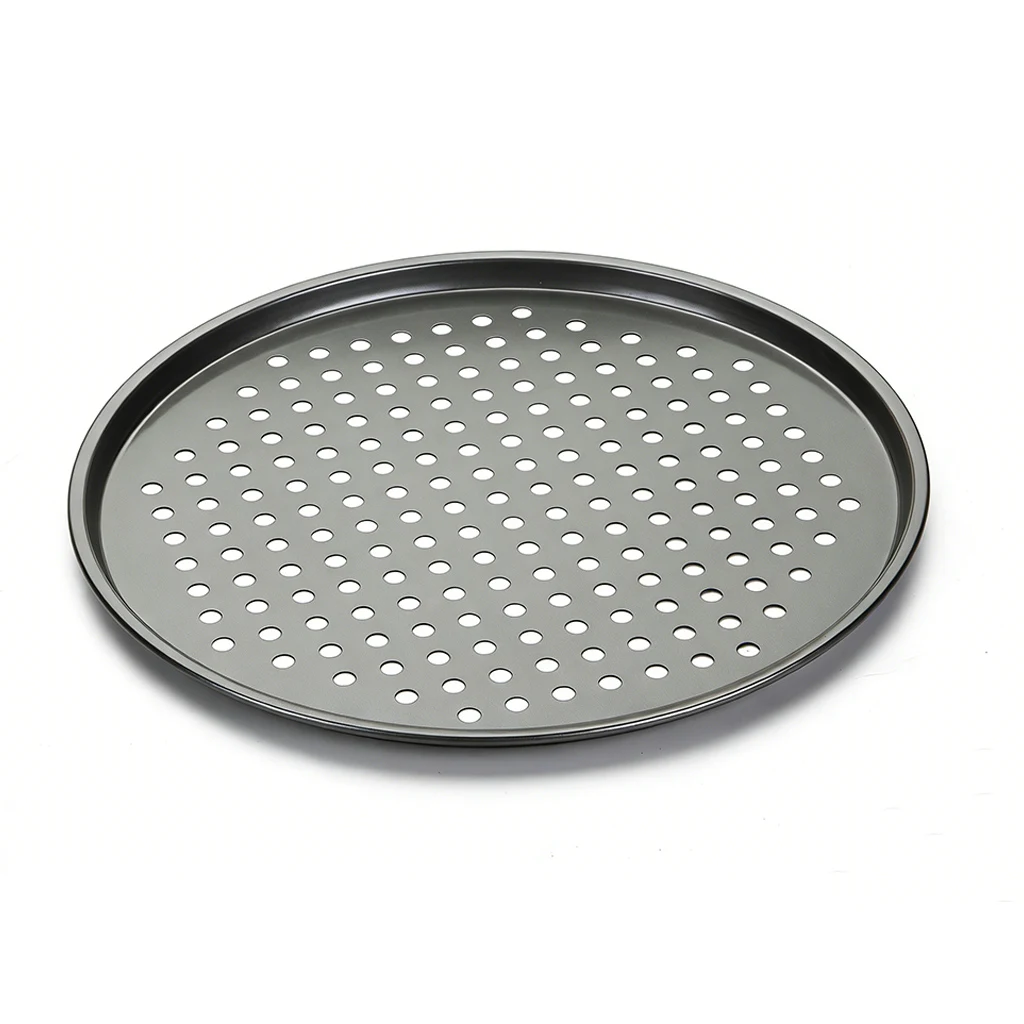
Same logic applies. Dark color coating helps crisp the bottom crust quickly. You get that restaurant-style char without burning the top. The intense heat transfer from a dark color pan mimics a pizza stone, delivering bottom heat that transforms dough into crispy, bubbly perfection.
Perfect for: Thin crust pizza, flatbreads, focaccia, naan.
Roasting Pans
Vegetables love dark color coating. Faster caramelization means sweeter, browner results. That dark color pulls heat into the pan, searing vegetables quickly and locking in flavor. Meat gets better crust. Everything roasts more efficiently. The color of your roasting pan directly affects how quickly your food develops those deep, savory flavors.
Perfect for: Roasted vegetables, sheet pan dinners, chicken with crispy skin, potatoes with golden edges.
Anything Where Crust Matters
If you want dark, crispy, well-browned exteriors, go with a dark color coating. The color works for you—accelerating browning, building texture, delivering results that look and taste professional.
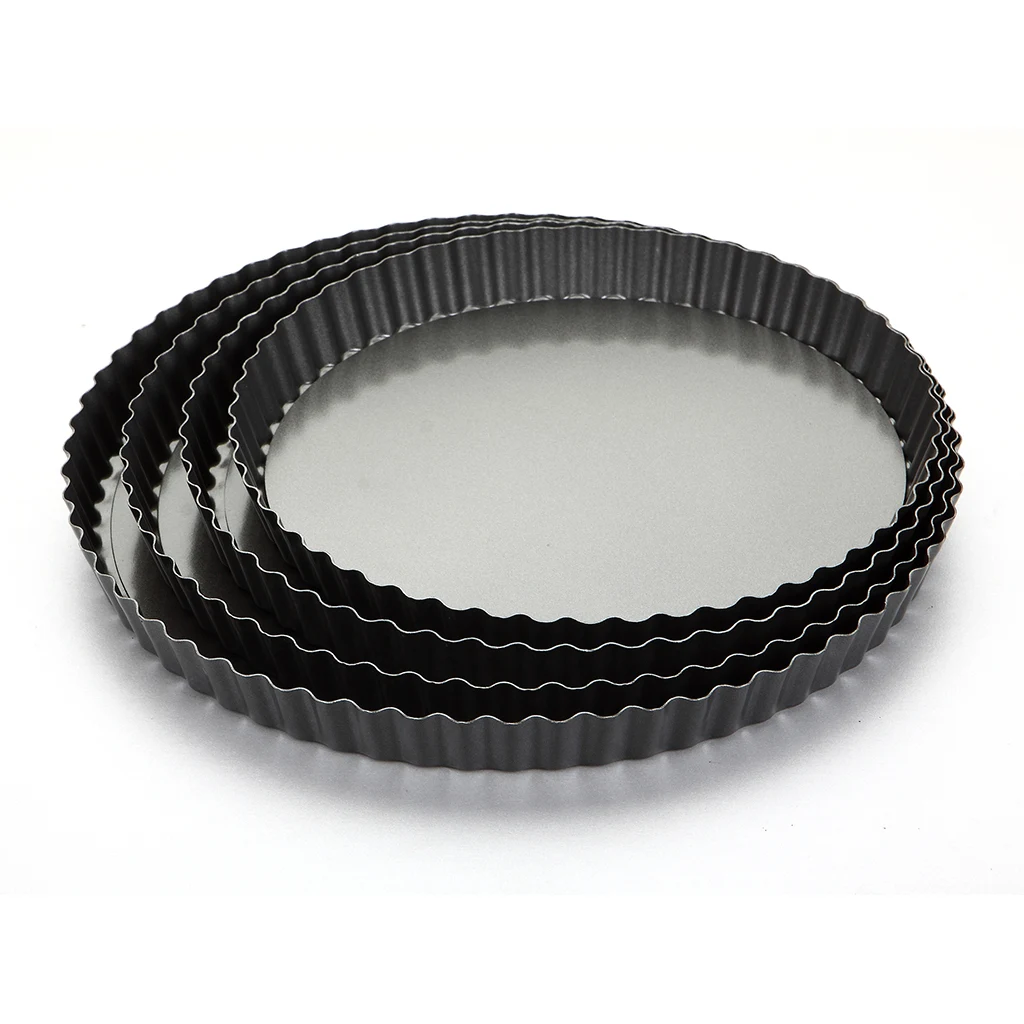
Perfect for: Breads, pies with bottom crusts, tarts, biscuits, scones—anything where a golden finish is the goal.
Choose Light Coating Color For
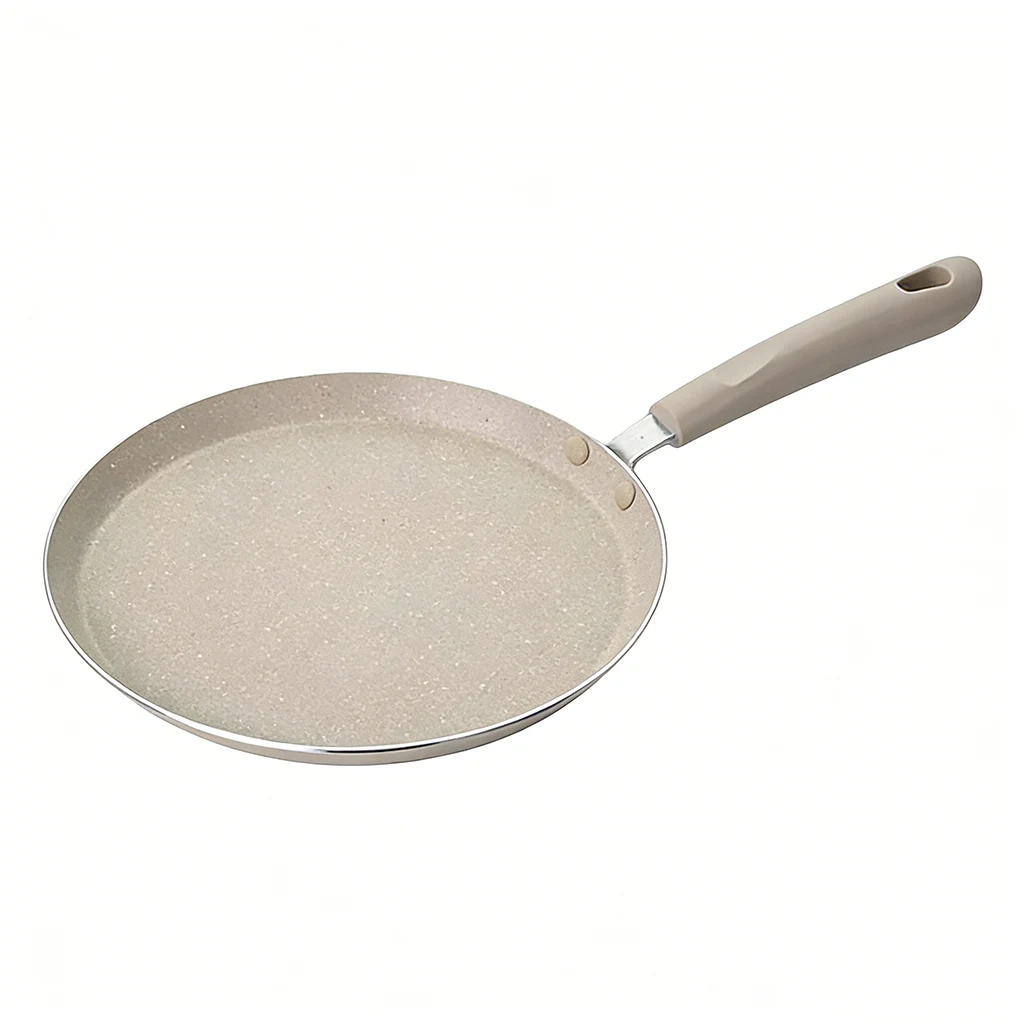
Light color coatings—white, cream, silver, pale gray—are your choice when you need gentle, even heat and controlled browning.
Cake Pans
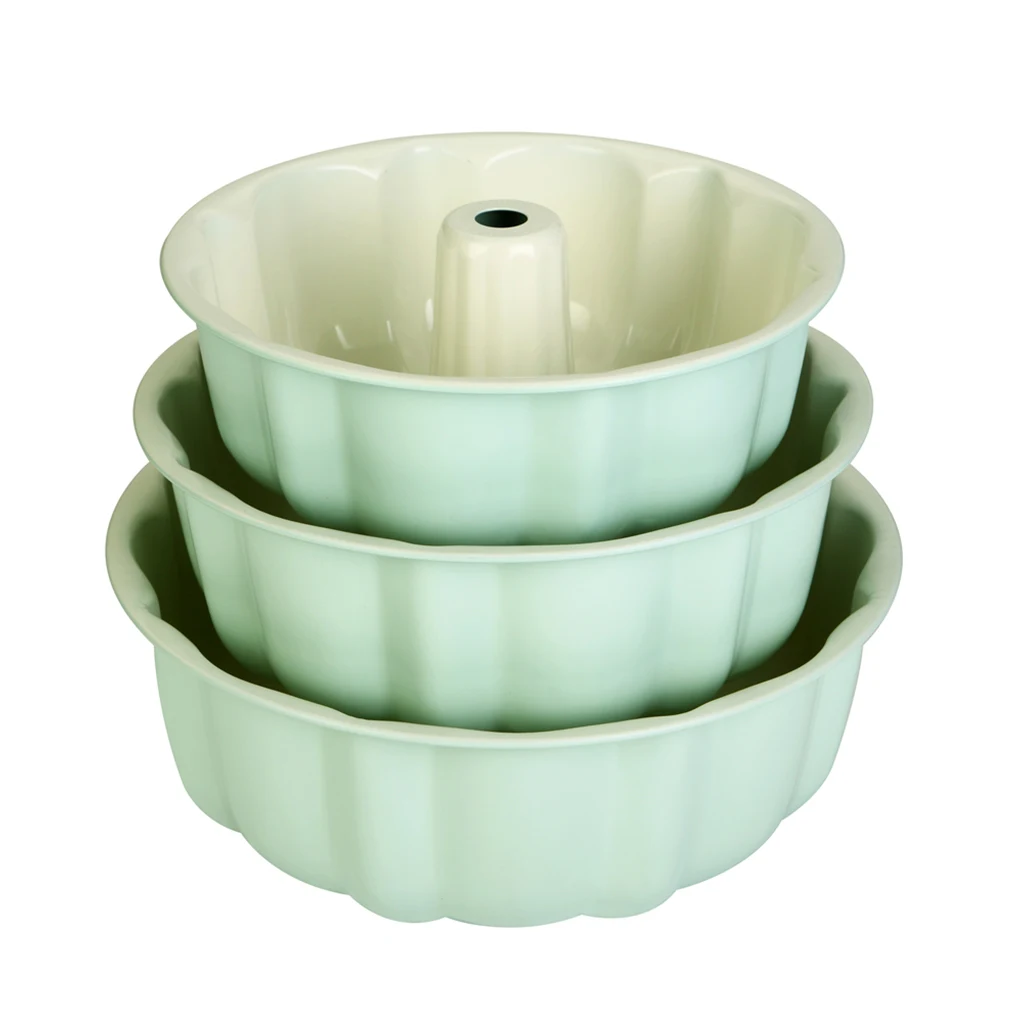
Light color coating is safer for cakes. Dark color can overbrown the edges before the center sets. You end up with dry sides, a thick crust, and an underdone middle—the worst possible outcome for a delicate layer cake. Light color coating heats more gently, giving cake batter time to rise evenly, set properly, and emerge with a tender, uniform crumb.
Perfect for: Layer cakes, pound cakes, chiffon cakes, angel food cakes, anything delicate or high in sugar.
Muffin Tins
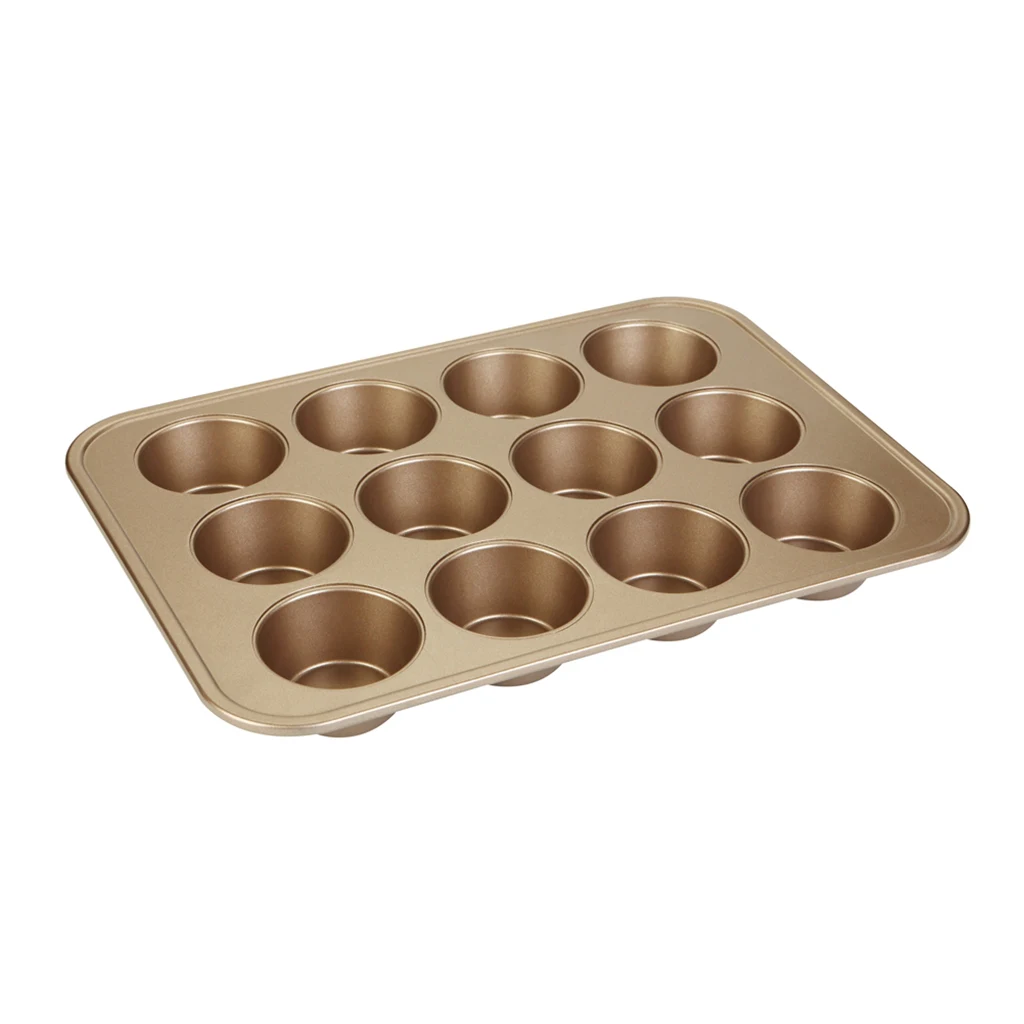
Muffin and cupcake tins benefit significantly from light color coating. Dark color tins brown the outer muffins too fast. The paper liners get dark and unappealing. The edges overbake while centers remain underdone. Light color coating keeps everything more uniform—consistent browning across the entire batch.
Perfect for: Muffins, cupcakes, popovers, Yorkshire puddings, mini loaves.
Cookie Sheets
If you want soft, chewy cookies with pale, tender bottoms, choose light color coating. Dark color sheets spread cookies faster and brown bottoms aggressively. The color of your cookie sheet determines whether your cookies emerge with a crisp base or a soft, chewy texture.
Perfect for: Sugar cookies, shortbread, macarons, meringues, anything where you want light color and controlled spread.
Delicate Pastries
Croissants, danishes, puff pastry—these laminated doughs need gentle heat. Dark color coating can over-brown the bottoms before the layers fully bake and rise. Light color coating lets the pastry puff, separate into delicate layers, and color slowly and evenly.
Perfect for: Laminated doughs, cream puffs, éclairs, delicate tarts, puff pastry—anything easily overbrowned.
What About Bright Colors?
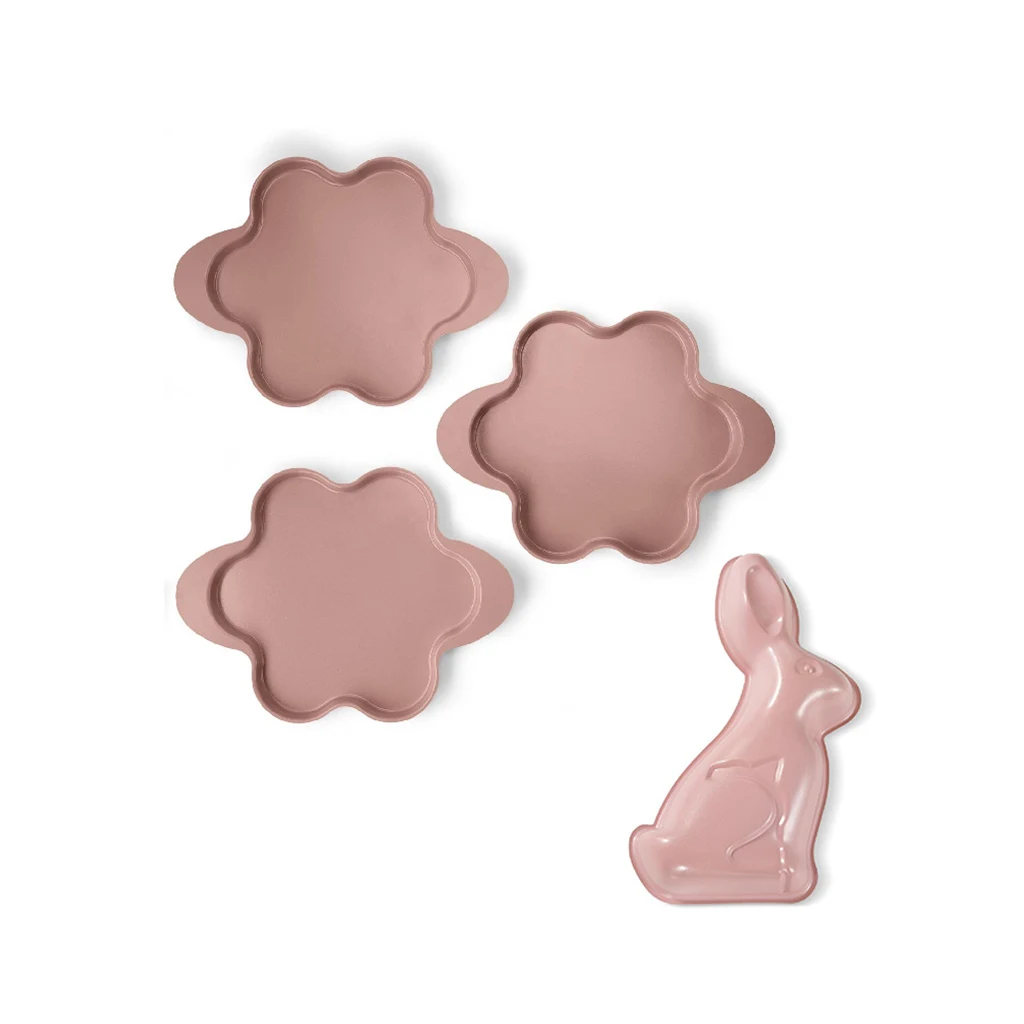
Red, blue, green, orange, yellow—these vibrant colors fall somewhere in between dark and light. And here’s the important part: not all bright colors behave the same way.
A deep red color absorbs nearly as much heat as black. A pale yellow color reflects more like white. There’s no standard across manufacturers. The pigment density, coating thickness, and underlying material all affect how a given color performs.
If you buy a pan with bright color coating, treat it like a dark color pan until you learn how it behaves. Check your bake early. Adjust time and temperature as needed. Keep notes on how that specific color performs in your oven. Over time, you’ll understand exactly how to work with any color you own.
The Carbon Steel Advantage
Carbon steel is different from aluminum or non-stick alternatives. It responds to heat quickly, builds seasoning over time, and lasts forever with proper care. But when you add color coating to carbon steel, you gain even more control.
The color on top of carbon steel adds another layer of precision. Choose a dark color coating when you want aggressive heat transfer—for crusty breads, crispy pizzas, and caramelized vegetables. Choose a light color coating when you want gentle, even baking—for cakes, muffins, and delicate pastries.
And if you’re unsure which color to choose? Go lighter. You can always bake longer. You can’t unbake burnt bottoms. A light color pan gives you margin for error; a dark color pan requires attention and adjustment.
One More Thing About Coating Quality
Not all color coatings are the same. The quality of the coating matters as much as the color itself. A well-made color coating should:
Withstand high heat without peeling, blistering, or discoloring
Apply evenly for consistent heat distribution across the entire pan
Remain stable during baking—no fumes, no off-gassing
Bond properly to the carbon steel surface for lasting durability
Always buy from reputable manufacturers who test their color coatings thoroughly. Your pan should last decades. The color coating should last just as long. Cheap pans with poorly applied color coatings will disappoint you—peeling, fading, and failing when you need them most.
The Bottom Line
Color matters. It’s not just an aesthetic choice—it’s a functional decision that affects every bake.
Dark color coating for crust: breads, pizza, roasted vegetables, anything where you want deep browning and aggressive heat.
Light color coating for gentleness: cakes, muffins, cookies, delicate pastries, anything that needs even, controlled baking.
Bright colors? Treat them like dark pans until you know how they behave.
Match the color coating to the job, and your baking gets easier. Your results become more predictable. Your failures become fewer. And your pans become trusted partners—each one chosen for its color, its purpose, and its performance.
Next time you reach for a baking pan, think about the color. It’s telling you exactly what that pan is designed to do.