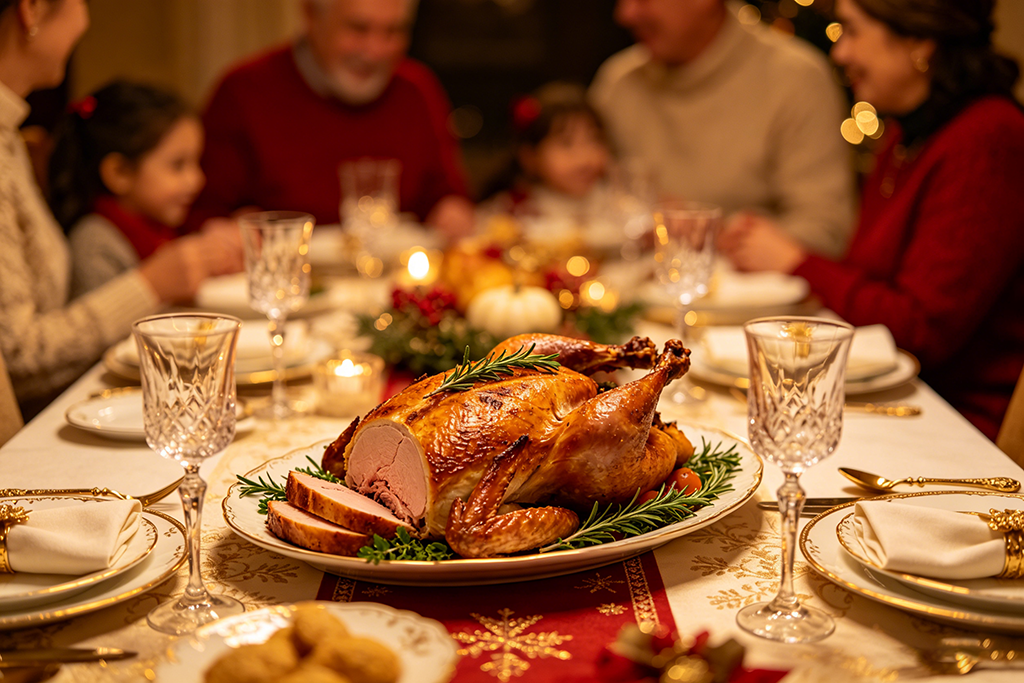
Cooking a whole turkey is often the centerpiece of a holiday feast, yet it remains one of the most intimidating tasks for home cooks. The secret to moving from a stressed-out host to a confident chef lies not just in the bird itself, but in the tools and techniques you use. Specifically, knowing how to cook turkey roasting pan style—utilizing the right equipment like a turkey roasting pan and a roasting pan with rack—is the difference between a dry, unevenly cooked bird and a succulent masterpiece with golden, shattered-glass skin.
In this comprehensive guide, we will dive deep into the science and art of turkey preparation. We will cover everything from selecting the right roasting pan with rack to the final carve, ensuring your next holiday meal is legendary.
“A great roast turkey isn’t just about the recipe; it’s about heat management. A heavy-duty roasting pan acts as an engine for flavor, circulating heat and collecting the liquid gold that becomes your gravy.”
Why the Right Roasting Pan Matters
Before we touch the turkey, we have to talk about the vessel. Many beginners reach for disposable aluminum trays, but these are fraught with peril. They are unstable, prone to collapsing under the weight of a 20-pound bird, and provide poor heat distribution.
The Anatomy of a Professional Turkey Roasting Pan
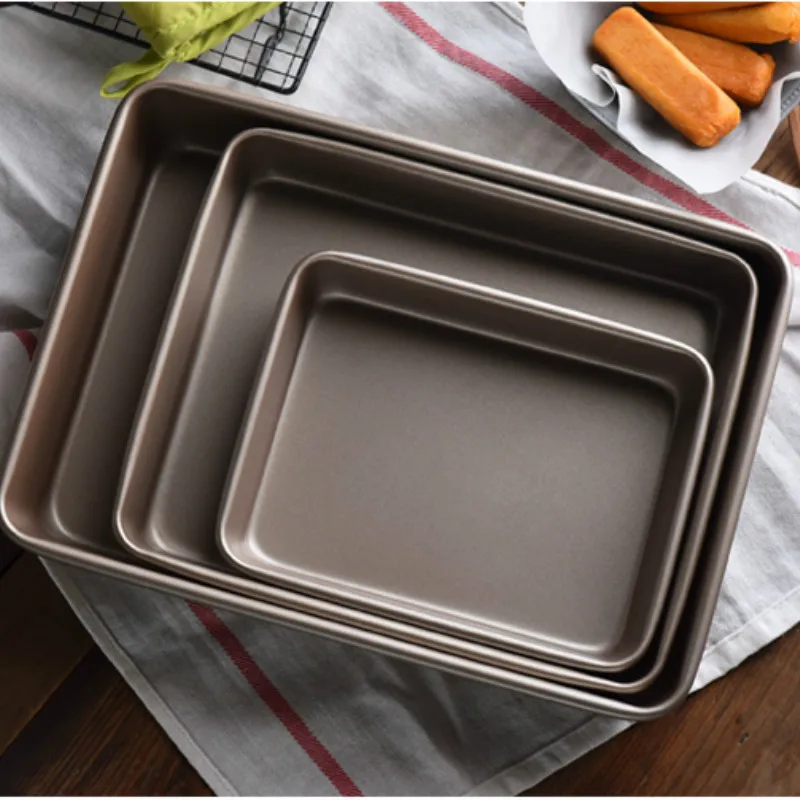
- Material: Stainless steel or tri-ply bonded aluminum are common, but professional chefs often prefer carbon steel for its superior heat conductivity and durability.
- High Sides: You want sides about 3 inches high. High enough to catch splashes and hold vegetables, but low enough to allow heat to reach the lower parts of the turkey legs.
- Sturdy Handles: Look for upright, riveted handles that allow you to grip the pan firmly even while wearing bulky oven mitts.
Spotlight: The Benefits of Carbon Steel Roasting Pans
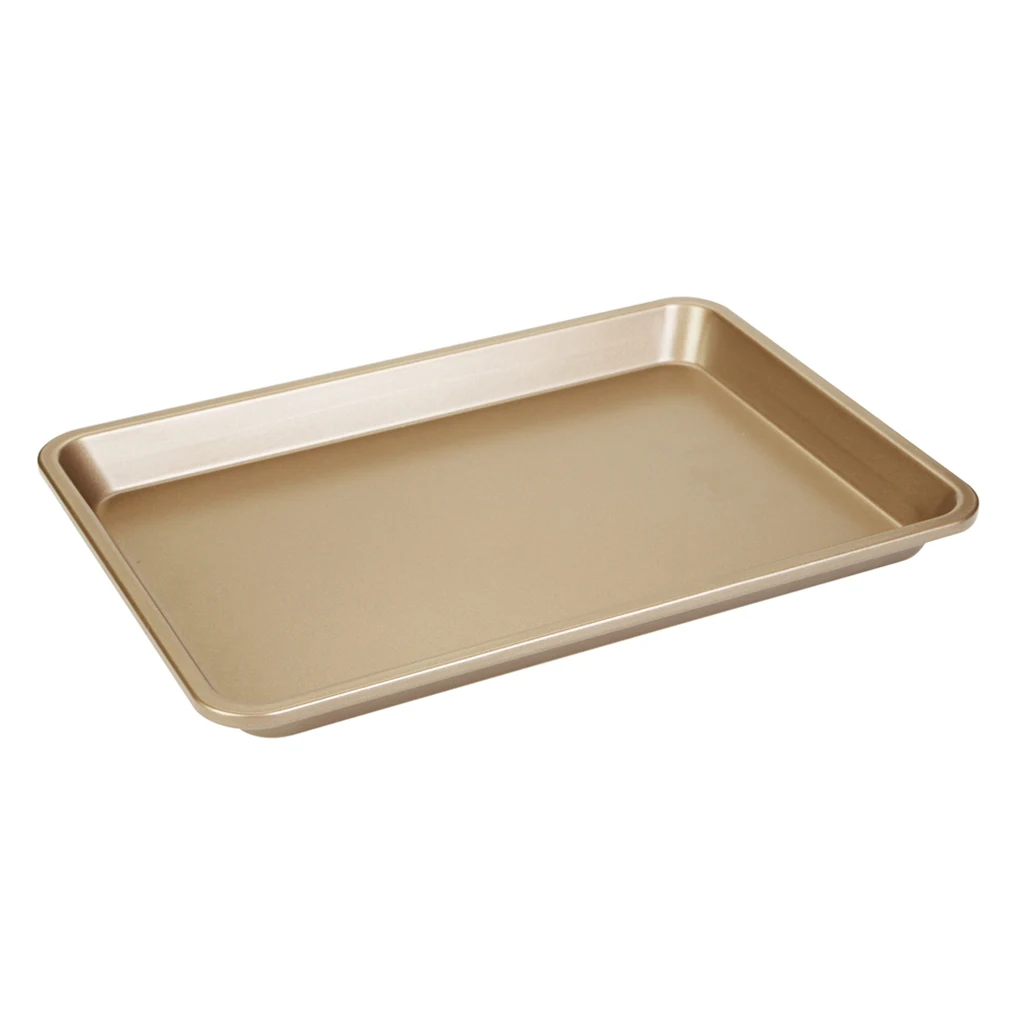
While stainless steel is popular, the carbon steel turkey roasting pan is increasingly becoming the choice for serious home cooks. Carbon steel offers the heat-retention properties of cast iron but at a much lighter weight, making it easier to maneuver a heavy bird. Because carbon steel is highly heat-responsive, it facilitates a better “sear” on the skin and helps the drippings brown more deeply (the Maillard reaction), resulting in a richer, darker gravy. Additionally, carbon steel pans develop a natural non-stick seasoning over time, which makes post-holiday cleanup significantly easier compared to traditional materials. Knowing how to cook turkey roasting pan style with carbon steel can revolutionize your results.
The Essential Roasting Pan with Rack
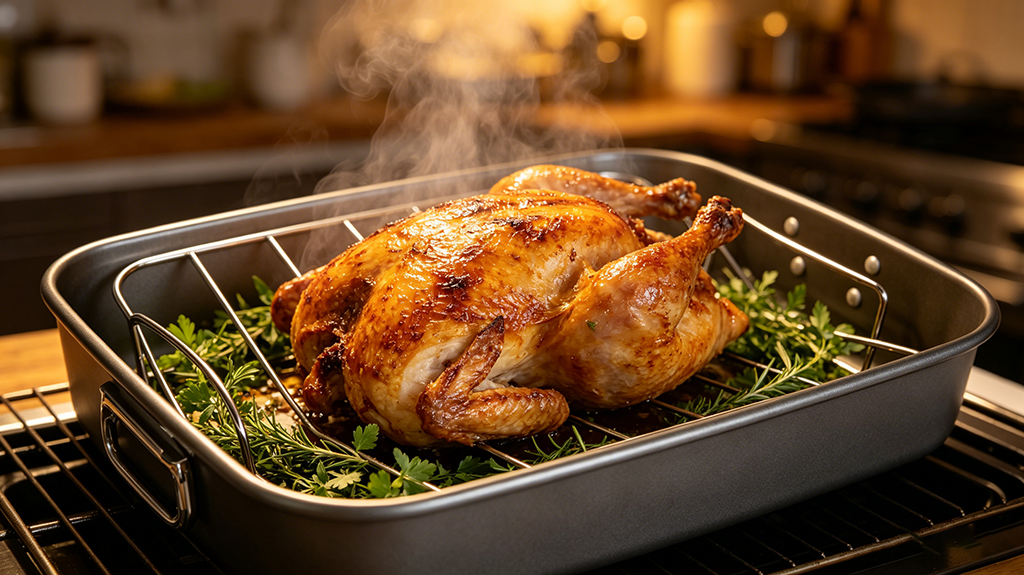
Using a roasting pan with rack is non-negotiable for a professional result. The rack elevates the turkey, allowing hot air to circulate 360 degrees around the bird. Without a rack, the bottom of your turkey sits in its own juices and steams, resulting in soggy skin and uneven cooking. A V-shaped or U-shaped rack is best for cradling the bird securely.
Preparation: Before the Turkey Hits the Pan
Success is 90% preparation. If you want to master how to cook turkey roasting pan methods, you must start days in advance.
1. Thawing: The Patience Phase
Never cook a partially frozen turkey. The outside will overcook before the inside even reaches a safe temperature. The safest method is the refrigerator thaw: allow 24 hours for every 5 pounds of turkey. A 15-pound bird needs three full days in the fridge.
2. To Brine or Not to Brine?
A wet brine (saltwater, sugar, and aromatics) or a dry brine (rubbing the skin with salt) helps the meat retain moisture. We recommend a dry brine for the best skin. Salt the turkey 24 hours before cooking and leave it uncovered in the fridge. This air-dried skin makes it incredibly crispy once it hits the turkey roasting pan.
3. Bringing the Bird to Room Temperature
Take the turkey out of the refrigerator about 1 hour before roasting. Placing a cold bird into a hot oven causes the muscles to tighten, leading to tougher meat. This step ensures more even heat penetration. When you learn how to cook turkey roasting pan dinners, temperature control is key.
Step-by-Step: How to Cook Turkey in a Roasting Pan
Step 1: Prep the Roasting Pan with Rack
Place your roasting pan with rack on your workspace. Pour about 2 cups of water, chicken stock, or white wine into the bottom of the pan. This prevents the drippings from burning and smoking, and it creates a moist environment in the oven.
Step 2: Aromatics and “The Mirepoix”
Roughly chop onions, carrots, and celery. Scatter them at the bottom of the turkey roasting pan. These vegetables will flavor the drippings, which are essential for your gravy later.
Step 3: Seasoning the Bird
Pat the turkey extremely dry with paper towels. Rub the entire surface with softened butter or high-smoke-point oil. Season generously with kosher salt, black pepper, and herbs like sage, rosemary, and thyme. Don’t forget to season the cavity!
Step 4: Positioning
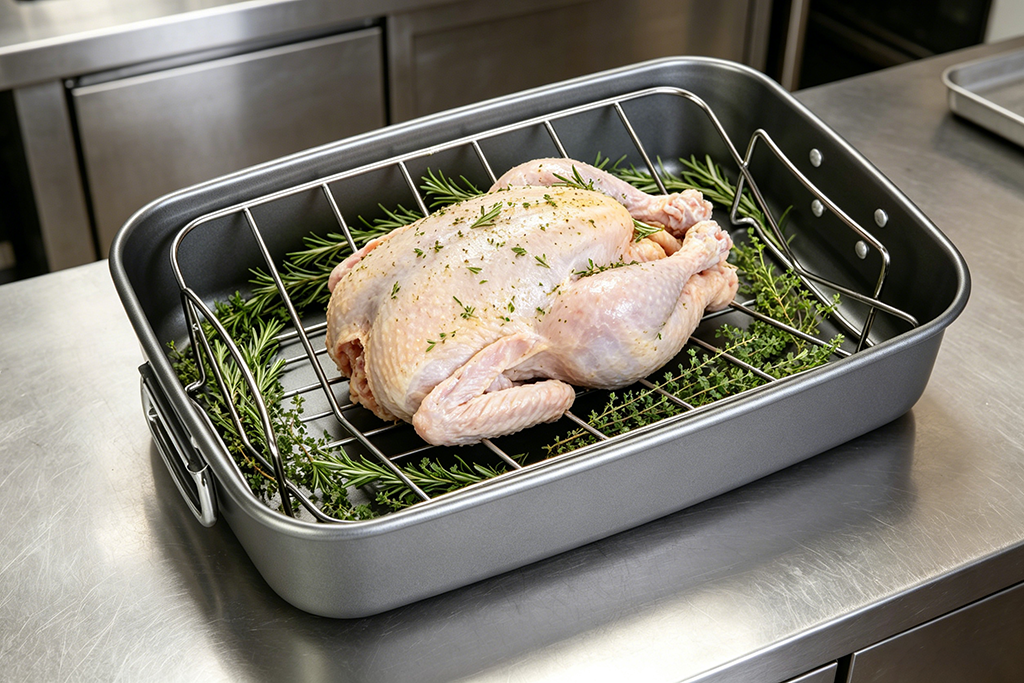
Place the turkey breast-side up on the rack. If you are using a roasting pan with rack, ensure the bird is centered. Tuck the wing tips under the body to prevent them from burning. This is a critical step in how to cook turkey roasting pan recipes.
Step 5: The Roasting Process
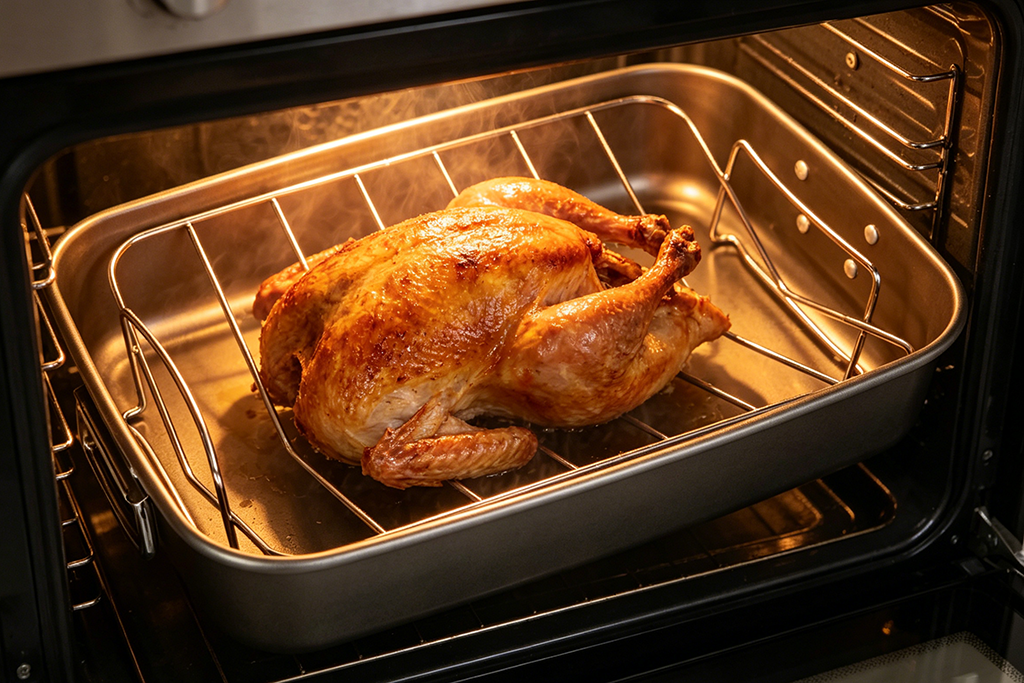
- Initial Blast: Start the oven at 450°F (230°C) for the first 30 minutes. This "shocks" the skin into becoming crispy.
- The Long Roast: Lower the temperature to 325°F (165°C). This gentle heat cooks the meat without drying it out.
- Basting: Every 45 minutes, use a baster to drizzle the juices from the bottom of the Truthahn-Bratpfanne over the bird. Mastering how to cook turkey roasting pan dishes requires patience during the roast.
The Science of Internal Temperature
Forget the “pop-up” timer—it’s notoriously inaccurate. Use a digital meat thermometer. You are looking for:
- Breast: 165°F (74°C)
- Thigh: 170°F – 175°F (77°C – 80°C)
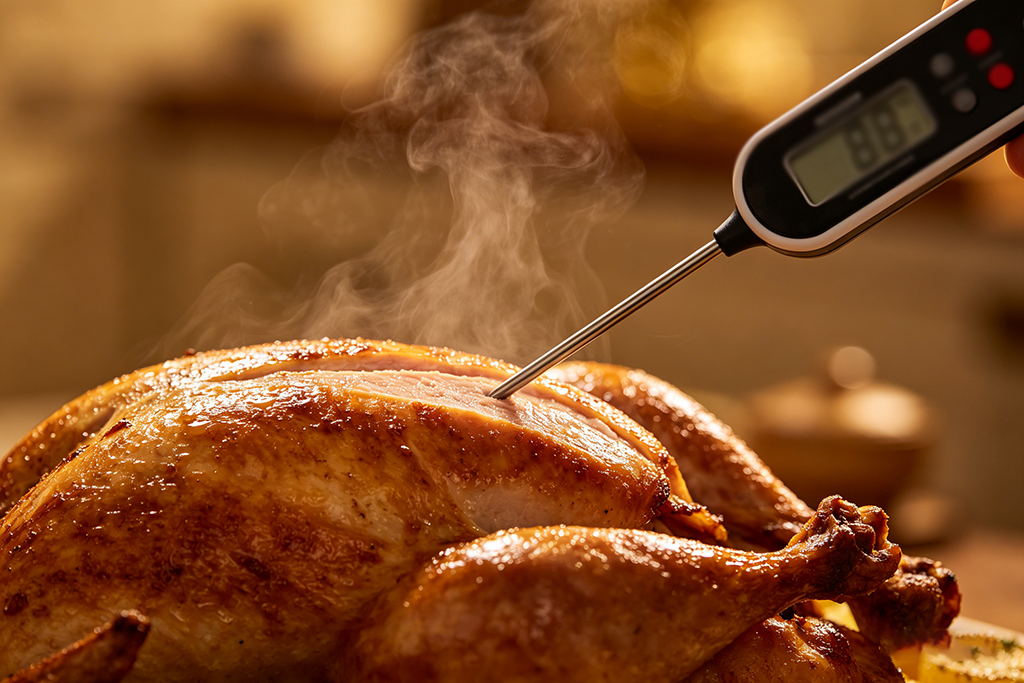
Pull the turkey out when the breast hits 160°F. The "carry-over cooking" will bring it up to 165°F as it rests in the turkey roasting pan. This temperature check is a vital part of how to cook turkey roasting pan success.
The Resting Period: Do Not Skip This!
Once you remove the turkey from the oven, let it rest for at least 30 to 45 minutes. If you cut it immediately, all the delicious juices will run out onto the cutting board. Every guide on how to cook turkey roasting pan methods will emphasize this rest.
Advanced Tips for Using Your Turkey Roasting Pan
Deglazing for Gravy
The dark bits stuck to the bottom of your turkey roasting pan (called “fond”) are concentrated flavor. After removing the turkey and the rack, place the pan directly over two stove burners. Add some wine or stock, and scrape the bottom with a wooden spoon. This liquid is the base for the best gravy you’ve ever tasted.
The Upside-Down Method
Some experts recommend starting the turkey breast-side down on the roasting pan with rack for the first hour. This allows the fat from the dark meat to flow down into the breast meat, keeping it moist. This technique is often discussed when debating how to cook turkey roasting pan variations.
Frequently Asked Questions (FAQ)
Do I need to put water in the bottom of the turkey roasting pan?
Yes, adding a small amount of liquid (water or stock) prevents the fat drippings from smoking and burning. It also helps keep the oven environment moist, which can prevent the meat from drying out.
Can I cook a turkey without a roasting pan with rack?
While possible, it’s not recommended. If you don’t have a rack, you can create a “natural rack” by using large chunks of vegetables to lift the bird. However, a metal rack is superior for how to cook turkey roasting pan results.
How do I clean a carbon steel turkey roasting pan?
If you use a carbon steel turkey roasting pan, avoid harsh detergents. Deglaze the pan while hot to loosen residue, wash with hot water and a soft brush, and dry immediately on the stovetop to prevent rust. Rub a tiny bit of oil on the surface before storing.
What size roasting pan do I need for a 20lb turkey?
A standard 16-inch roasting pan with rack is usually sufficient for turkeys up to 20 pounds. For birds larger than that, you may need an extra-large 18-inch pan to ensure there is enough room for air to circulate and for how to cook turkey roasting pan techniques to work properly.
Is it better to cover the turkey in the roasting pan?
Most experts on how to cook turkey roasting pan styles recommend roasting uncovered to ensure the skin gets crispy. If the breast begins to brown too quickly, you can tent it loosely with aluminum foil.
Summary of Best Practices
| Action | Benefit |
|---|---|
| Dry Brining | Incredibly crispy skin and seasoned meat. |
| Using a Rack | 360-degree heat circulation; no soggy bottom. |
| Room Temp Start | More even cooking throughout the bird. |
| Resting 30+ Mins | Retains juices for moist meat. |
Conclusion
Learning how to cook turkey roasting pan style isn’t just about following a recipe—it’s about mastering your environment. By choosing a high-quality turkey roasting pan—perhaps opting for the heat-efficient carbon steel variety—and utilizing a roasting pan with rack, you set the stage for success. Remember to prep early, monitor the temperature closely, and give the bird plenty of time to rest. With these professional techniques and a solid understanding of how to cook turkey roasting pan meals, your turkey will be the highlight of the feast, boasting juicy meat and perfectly crisp skin every single time.