Introduction
The color of your pans affects how your food bakes. Many home bakers do not realize that dark and light pans produce different results. Understanding these differences helps you choose the right pan for each recipe.
Dark pans absorb more heat than light ones. This means food browns faster and more deeply. Light pans reflect heat and produce gentler browning. Both types have their place in the kitchen.
This article covers 7 key differences between dark and light bakeware. You will learn how color affects baking time, browning, and final texture. By the end, you will know which type to use for bread, cakes, and roasted dishes.
Whether you are baking cookies or roasting vegetables, these tips will help you get better results. Choosing the right bakeware for each recipe makes a real difference. Let us get started with the first difference.
Understanding your bakeware options helps you bake with confidence.
1. Heat Absorption
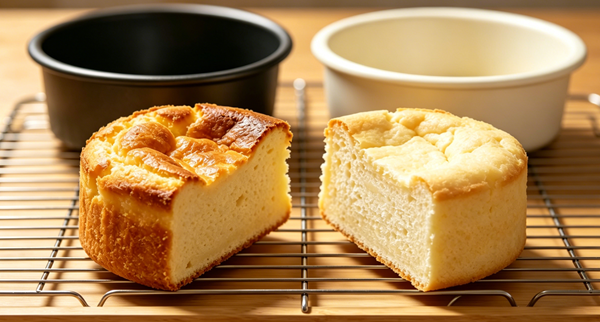
Dark pans absorb more heat from the oven. The dark color pulls heat into the pan faster. This means the bottom and sides of your food get more heat.
Light pans reflect heat away from the pan. The light color bounces heat back into the oven. This means your food heats more slowly and gently.
This is the most important difference between dark and light bakeware. It affects everything else about how your food bakes. Understanding heat absorption helps you adjust your recipes correctly.
For foods that need a crispy bottom, dark pans are a good choice. For delicate cakes that need gentle heat, light bakeware works better.
2. Browning Speed
Dark pan browns food faster. The extra heat creates a darker, deeper crust. This is good for bread and roasted vegetables.
Light pan browns food more slowly. The gentler heat produces lighter, more even browning. This is good for cakes and pastries.
If you use dark pans for a recipe written for light pans, check your food earlier. It may be ready 5 to 10 minutes sooner.
If you use light pans for a recipe written for dark bakeware, you may need to bake longer. The food may take extra time to brown.
3. Baking Time
Dark pan usually requires shorter baking time. The extra heat cooks food faster. This is helpful when you are in a hurry.
Light pan usually requires longer baking time. The reflected heat cooks food more slowly. This gives you more control over the baking process.
When using dark bakeware, start checking your food at the minimum time in the recipe. It may be done earlier than expected.
When using light pans, you can usually follow the recipe time. But always check for doneness near the end of baking.
4. Crust Texture
Dark pan creates a thicker, crispier crust. The extra heat dries the surface of the food. This is good for bread, pizza, and roasted meats.
Light pan creates a thinner, softer crust. The gentler heat keeps the surface more tender. This is good for cakes, muffins, and delicate pastries.
If you want a crispy crust, choose dark bakeware. If you want a soft, tender crust, choose light pans.
The type of crust you prefer helps you decide which dark bakeware or light pan to use for each recipe.
5. Heat Retention
Dark bakeware holds heat longer after coming out of the oven. The dark color absorbs and retains more warmth. This can continue cooking your food after removal.
Light bakeware releases heat more quickly. The reflected heat does not stay in the pan as long. This helps your food cool faster.
If you use dark bakeware, remove your food from the pan soon after baking. Leaving it in the hot pan may cause over-browning.
If you use light pans, you have more flexibility. The pan cools faster, so your food is less likely to overcook.
6. Best Uses
Dark pan is best for foods that benefit from extra heat. Bread, pizza, roasted vegetables, and meats all work well. The dark color helps create a crispy, golden crust.
Light pan is best for delicate foods that need gentle heat. Cakes, muffins, cookies, and pastries all work well. The light color helps prevent over-browning.
Many bakers keep both types of dark bakeware and light pans in their kitchen. They use dark pans for savory dishes and light pans for sweet baked goods.
Choosing the right pan for each recipe helps you get the best results.
7. Temperature Adjustment
Dark bakeware often requires a temperature adjustment. To prevent over-browning, reduce your oven temperature by 25°F (about 15°C). This helps the food cook evenly.
Light bakeware usually does not need a temperature adjustment. You can follow the recipe temperature as written.
If you do not adjust the temperature for dark bakeware, the outside may burn before the inside is done. This is a common mistake among home bakers.
If you are not sure which type of pan to use, check your recipe. Many recipes specify the recommended pan color.
How to Choose Between Dark and Light
When choosing between dark bakeware and light pans, consider what you bake most often.
If you bake bread, pizza, and roasted vegetables, dark bakeware is a good choice. It gives you the crispy, golden results you want.
If you bake cakes, muffins, and cookies, light pans are a better choice. They give you gentle, even browning.
If you bake a mix of both, keep one of each type in your kitchen. This gives you flexibility for any recipe.
Remember that dark bakeware and light pans are both useful. Neither is better than the other. They simply serve different purposes.
Common Questions
Can I use dark bakeware for cakes? Yes, but reduce the temperature by 25°F to prevent over-browning.
Can I use light pans for bread? Yes, but you may need to bake longer for the same browning.
Does pan color affect cooking time? Yes, dark bakeware usually cooks faster than light pans.
Do I need both types of pans? Not necessarily, but having both gives you more options.
Is dark bakeware better than light? Neither is better. They are different tools for different tasks.
How do I know which pan to use? Check your recipe. Many recipes specify the recommended pan color.
Conclusion
Dark bakeware and light pans both have their place in the kitchen. Understanding the differences helps you choose the right pan for each recipe.
The 7 key differences covered in this guide are:
Heat absorption
Browning speed
Baking time
Crust texture
Heat retention
Best uses
Temperature adjustment
A good dark bakeware pan and a light pan are both useful. With the right choice, you can get better results from your baking every time.