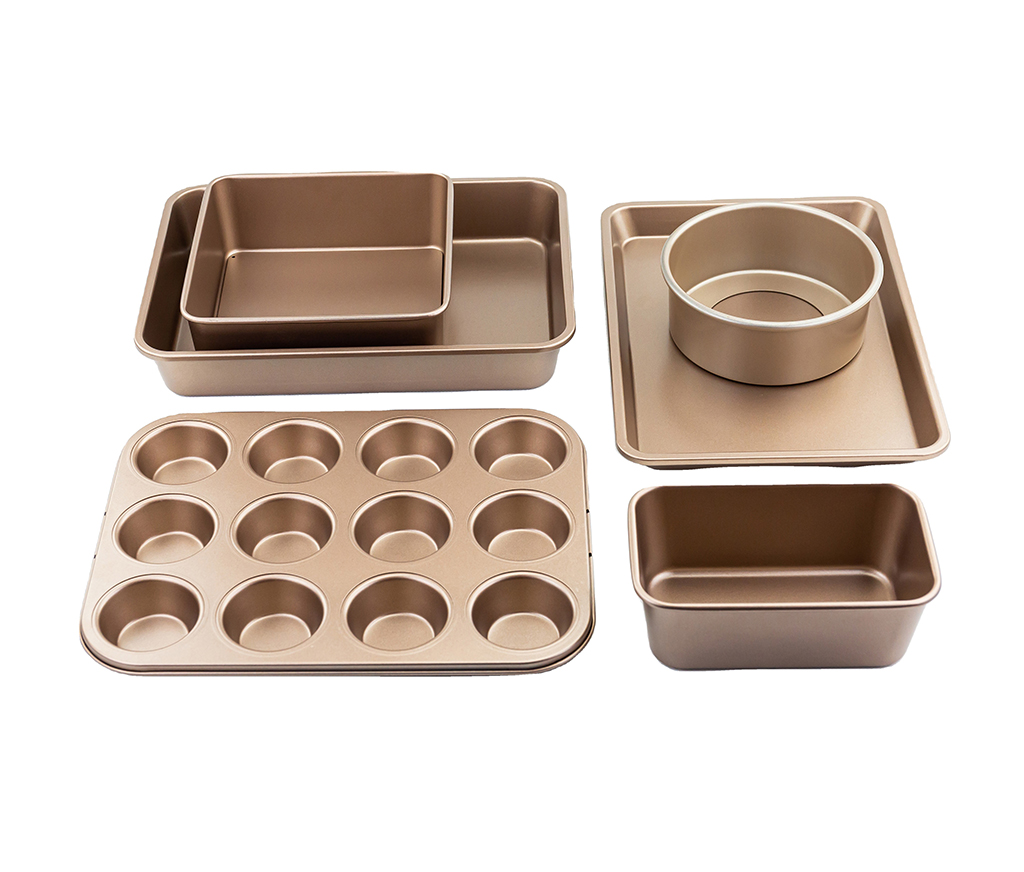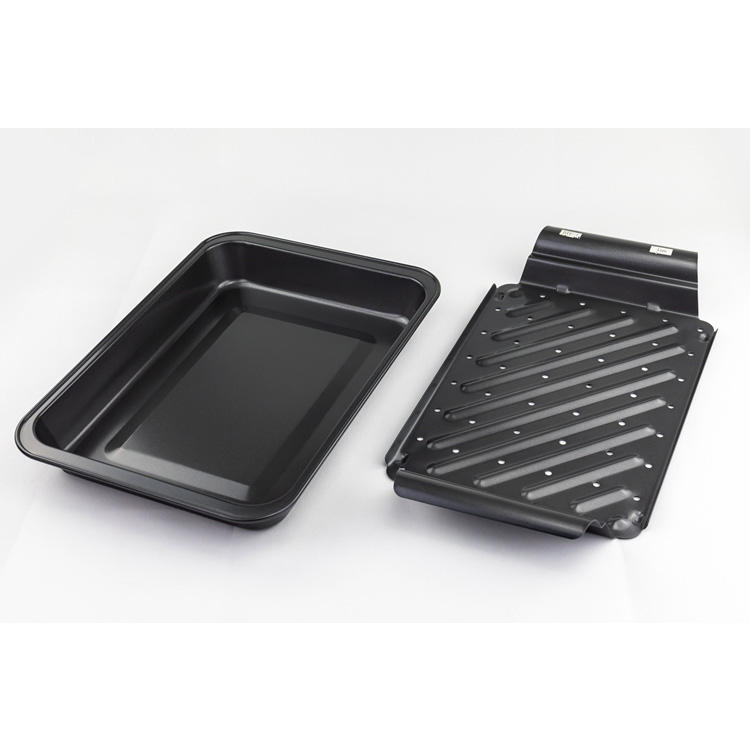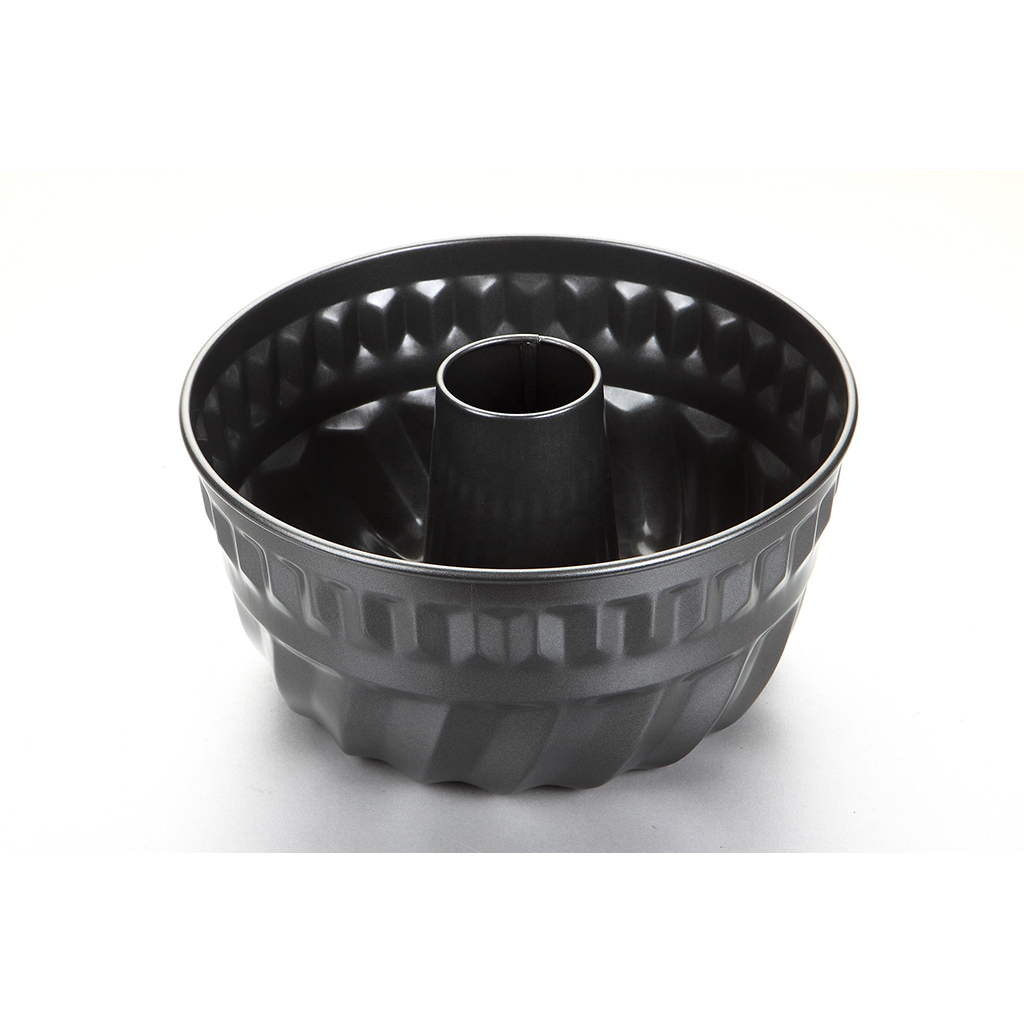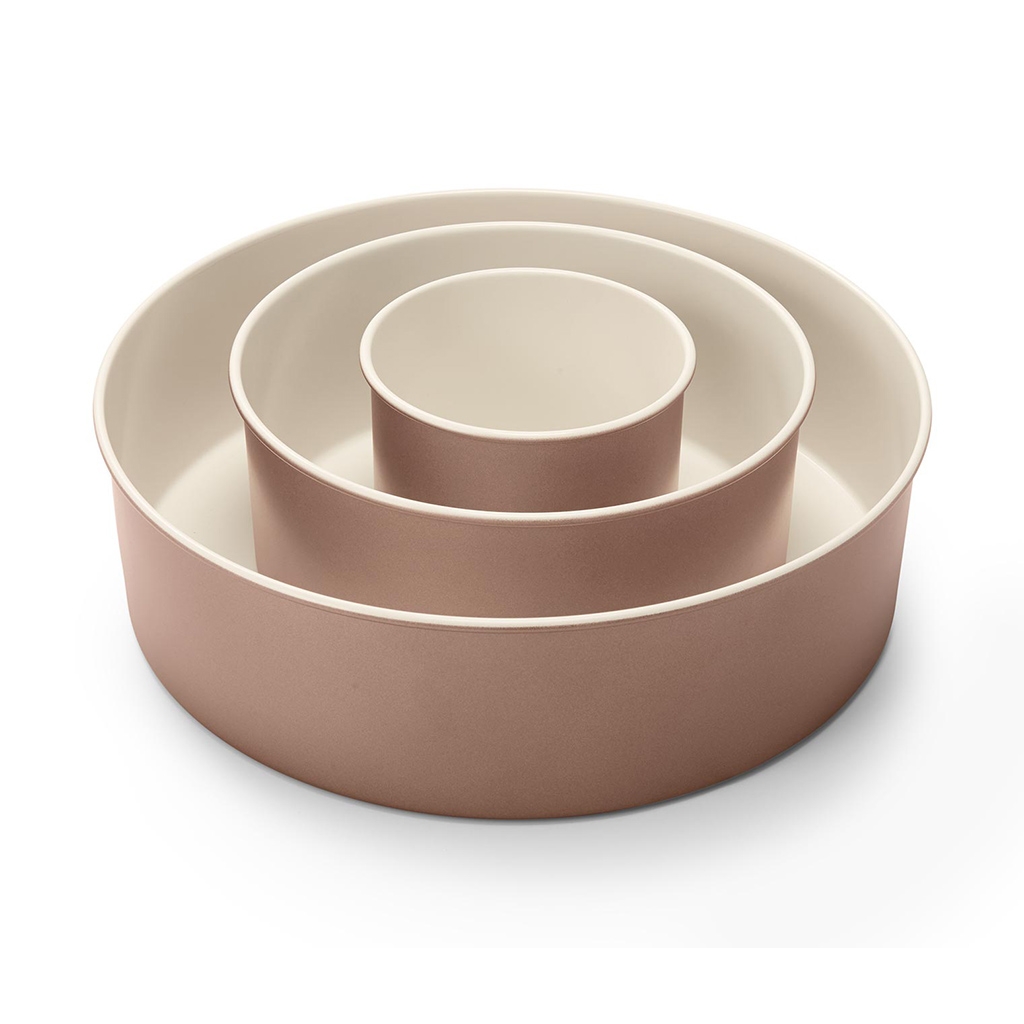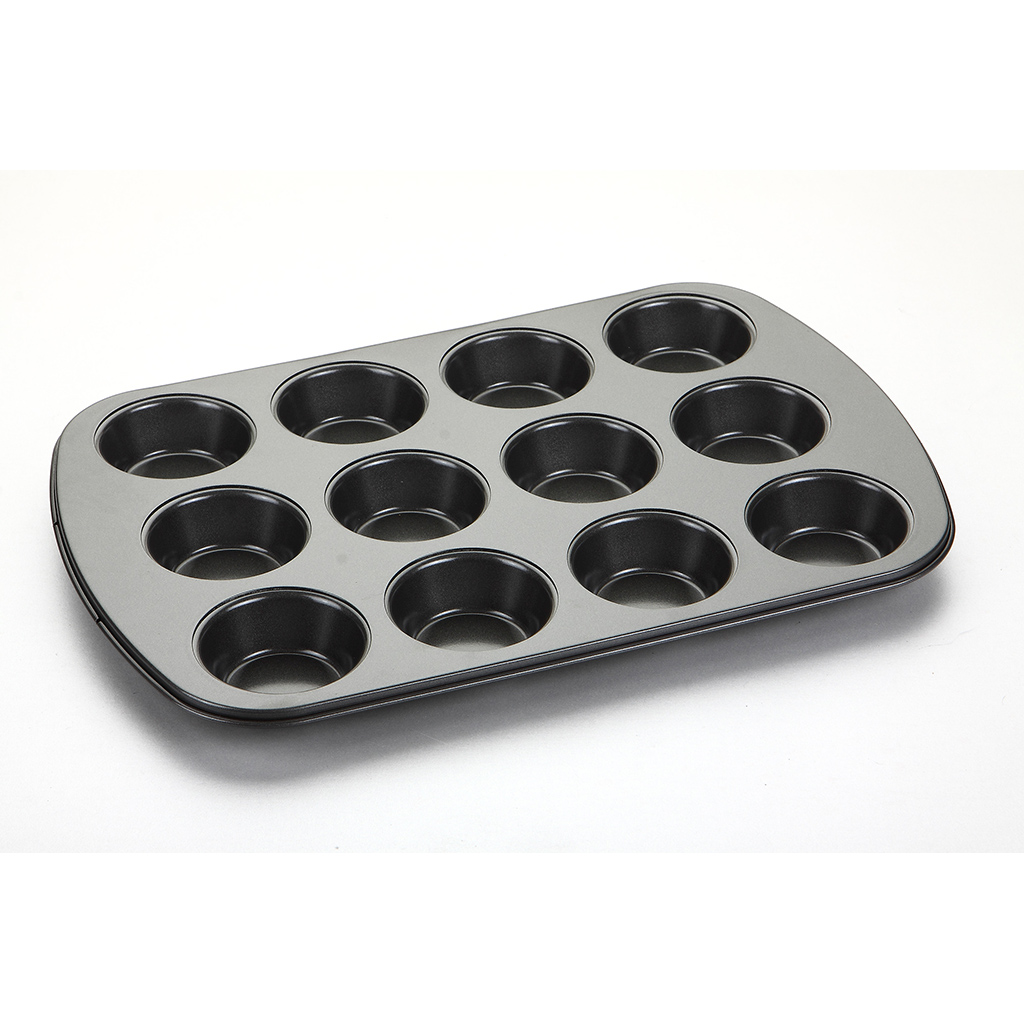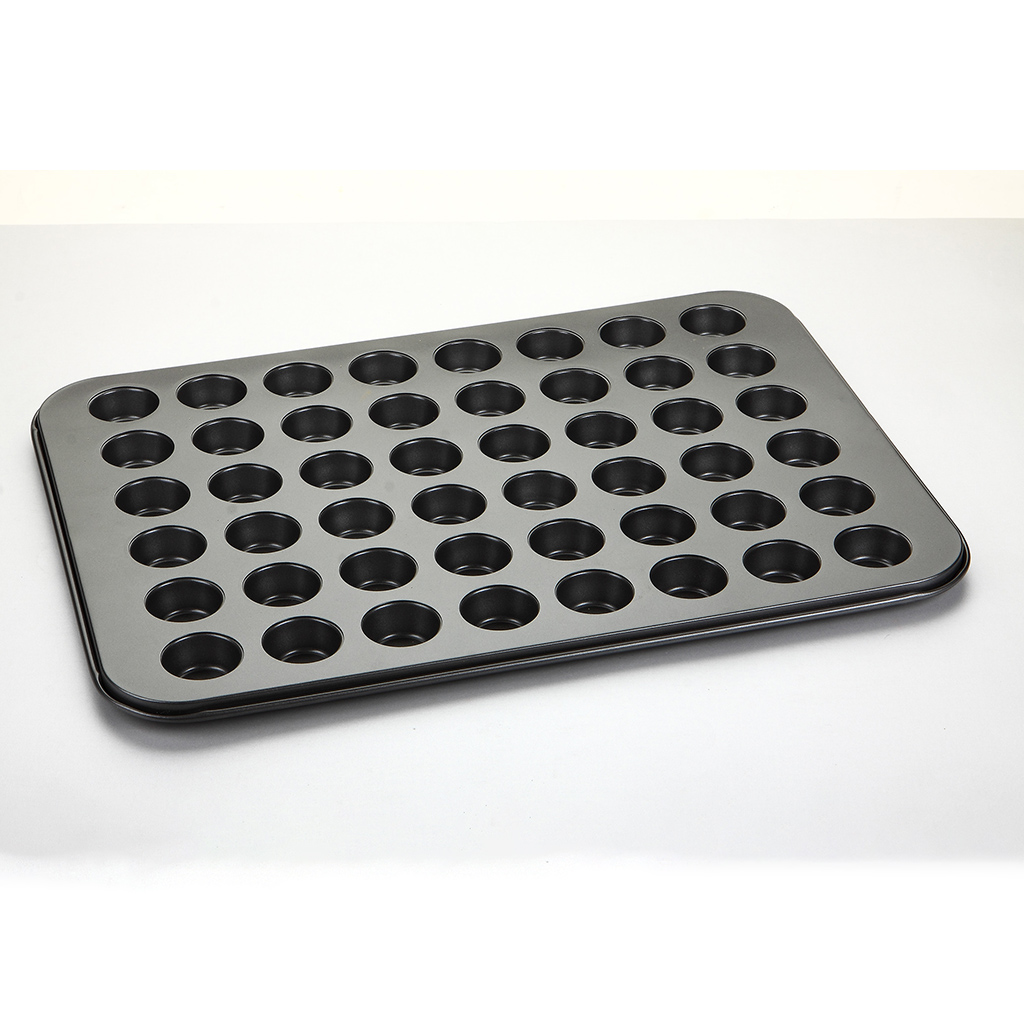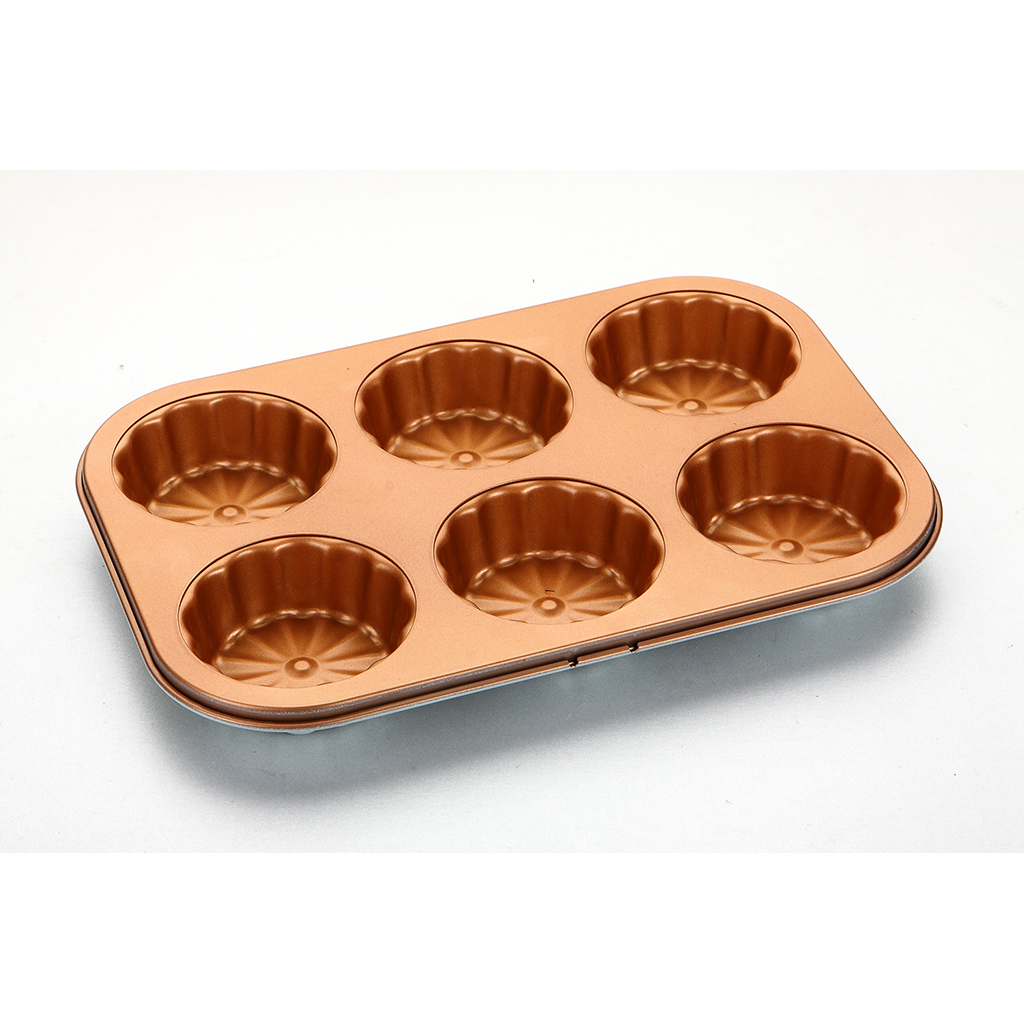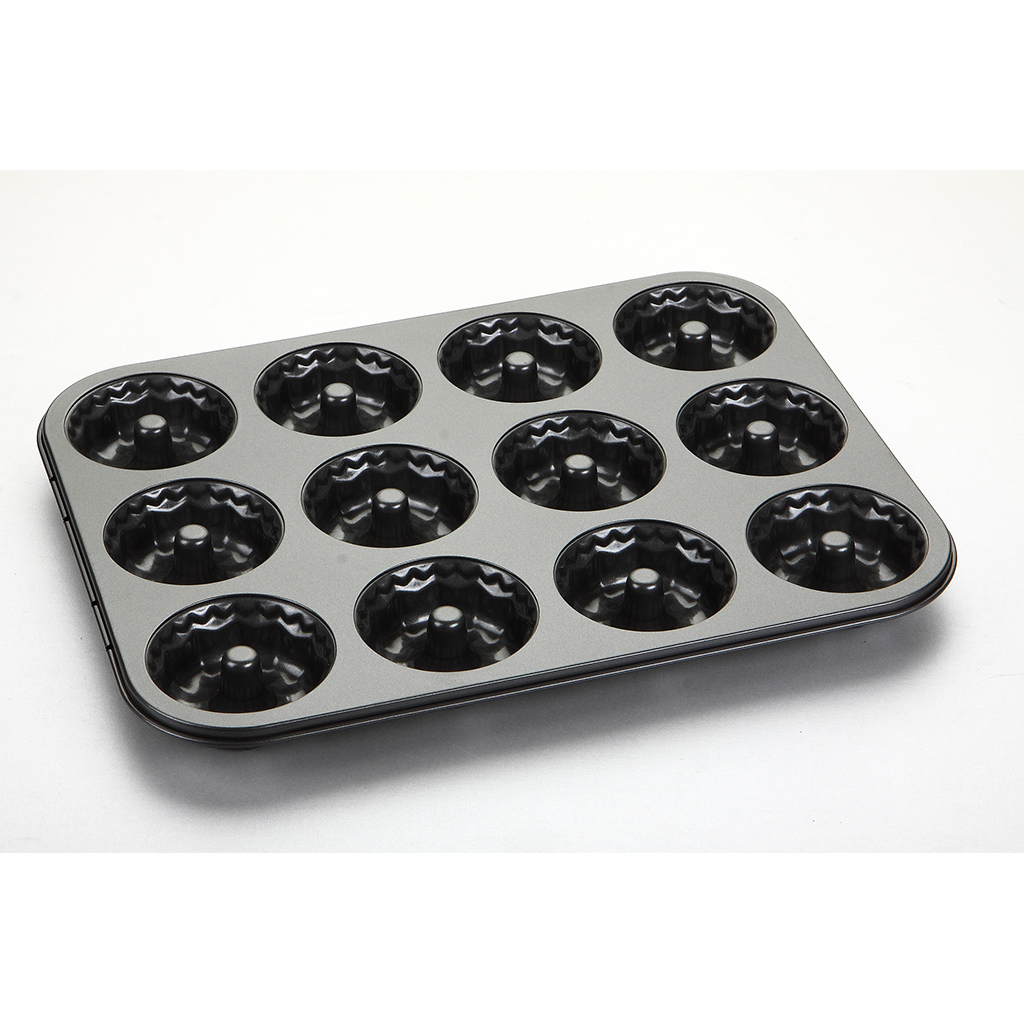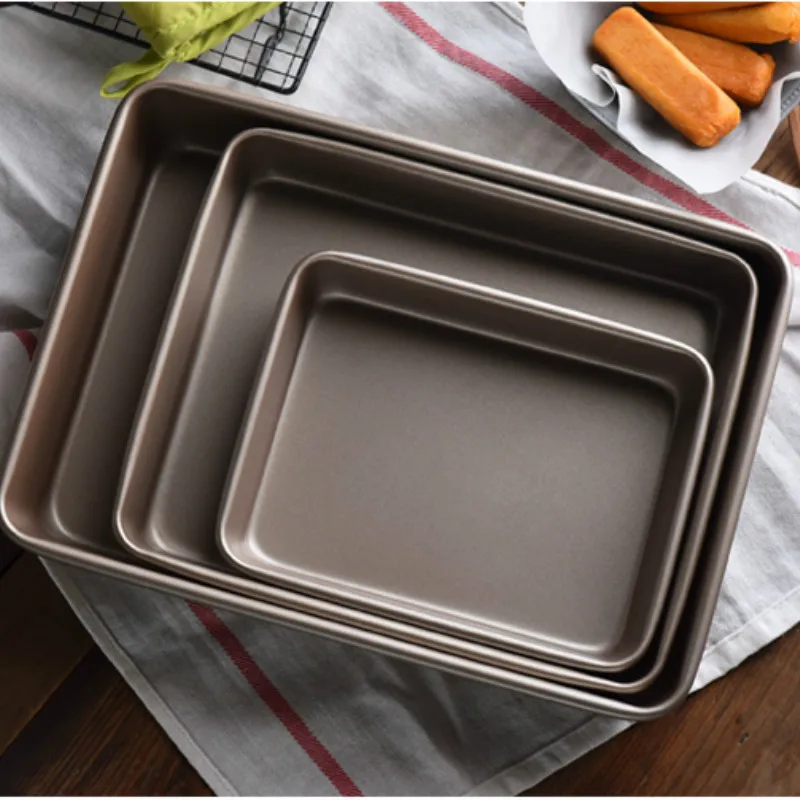
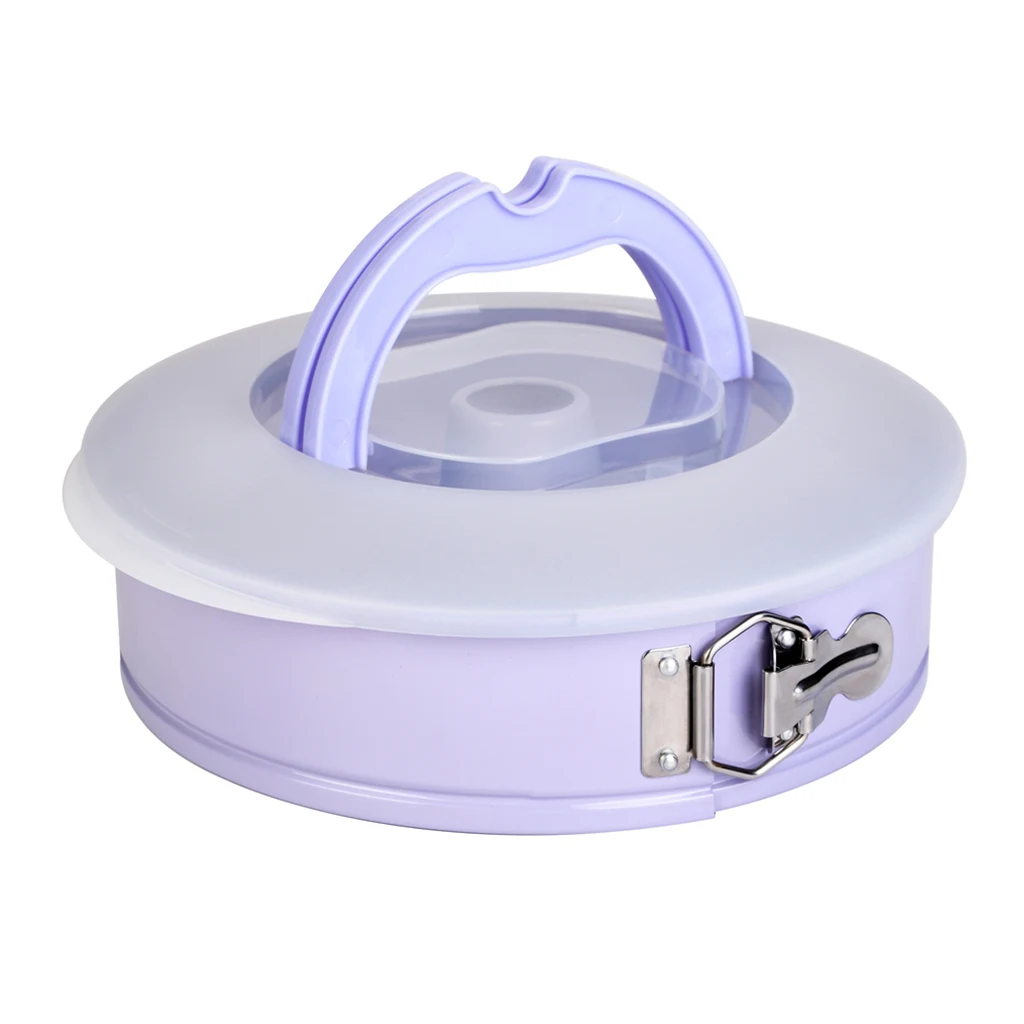
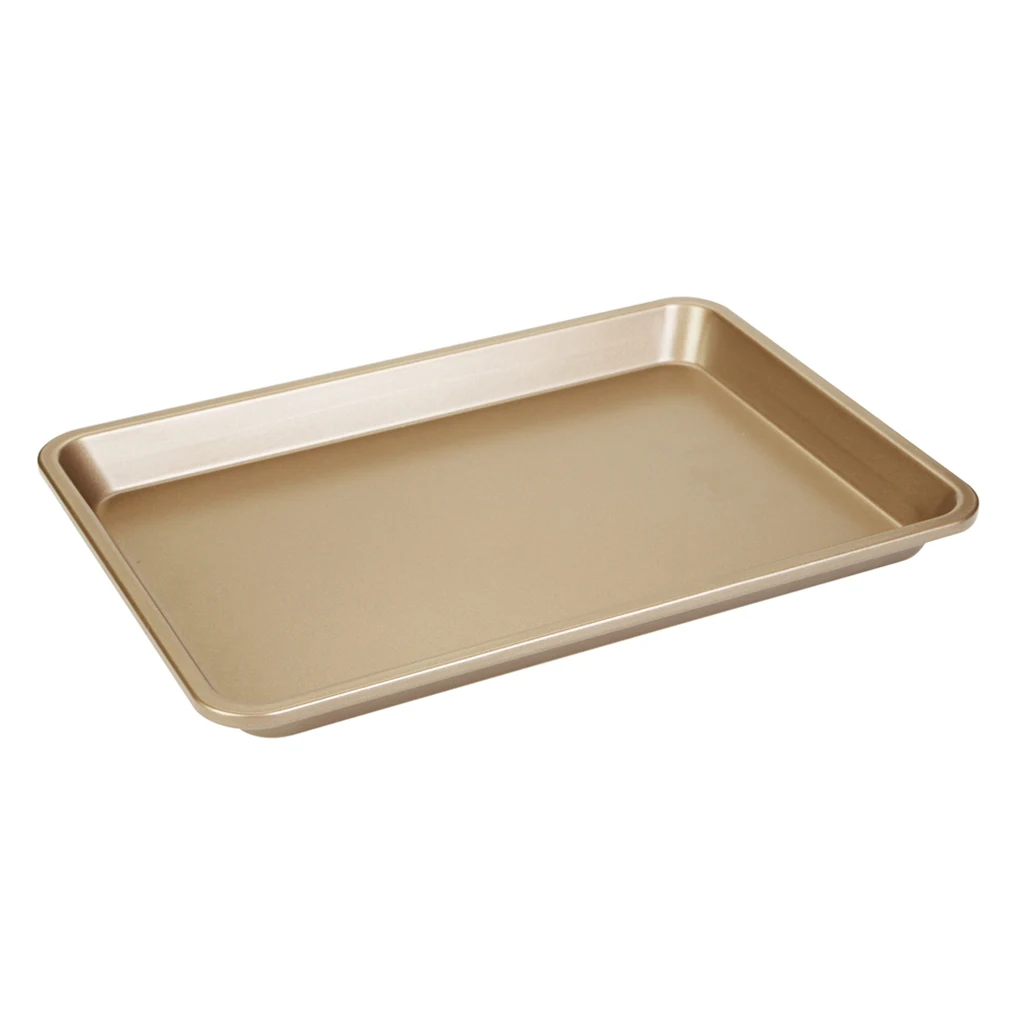
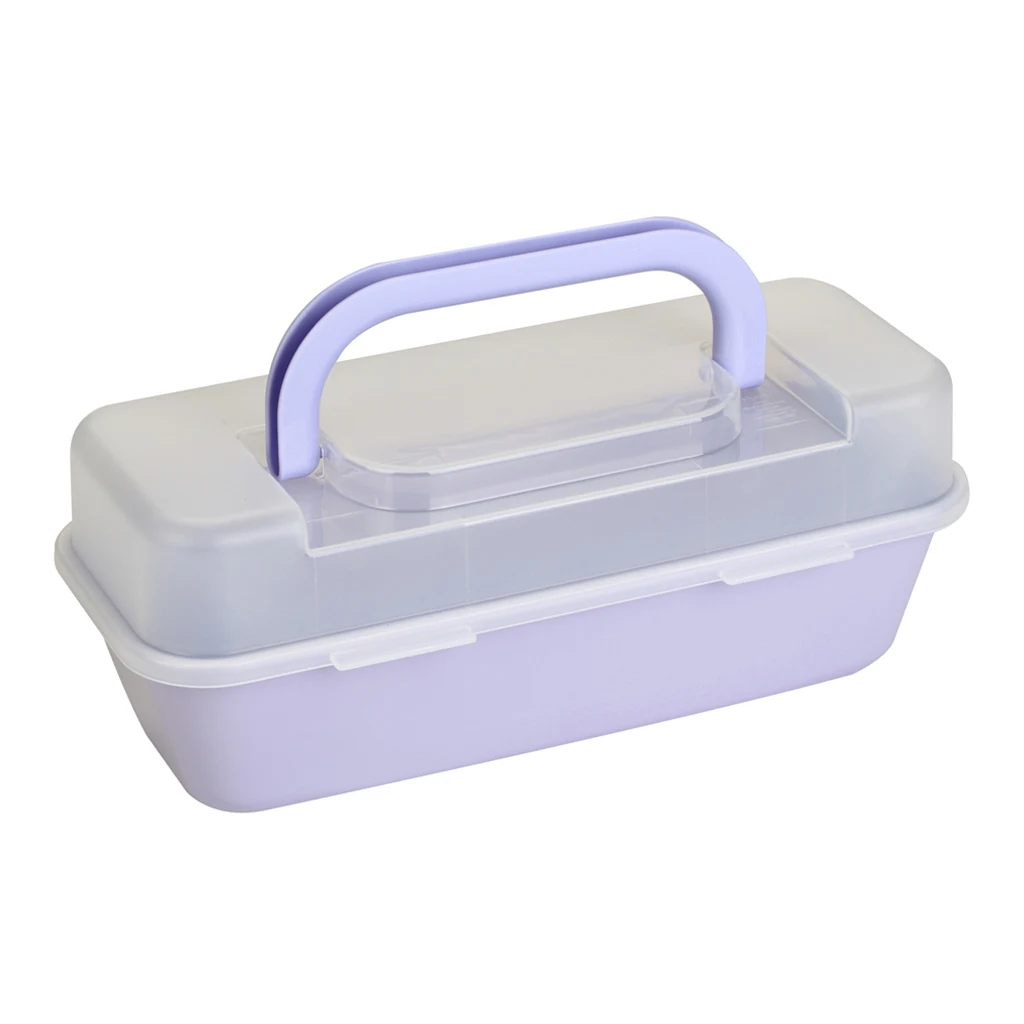
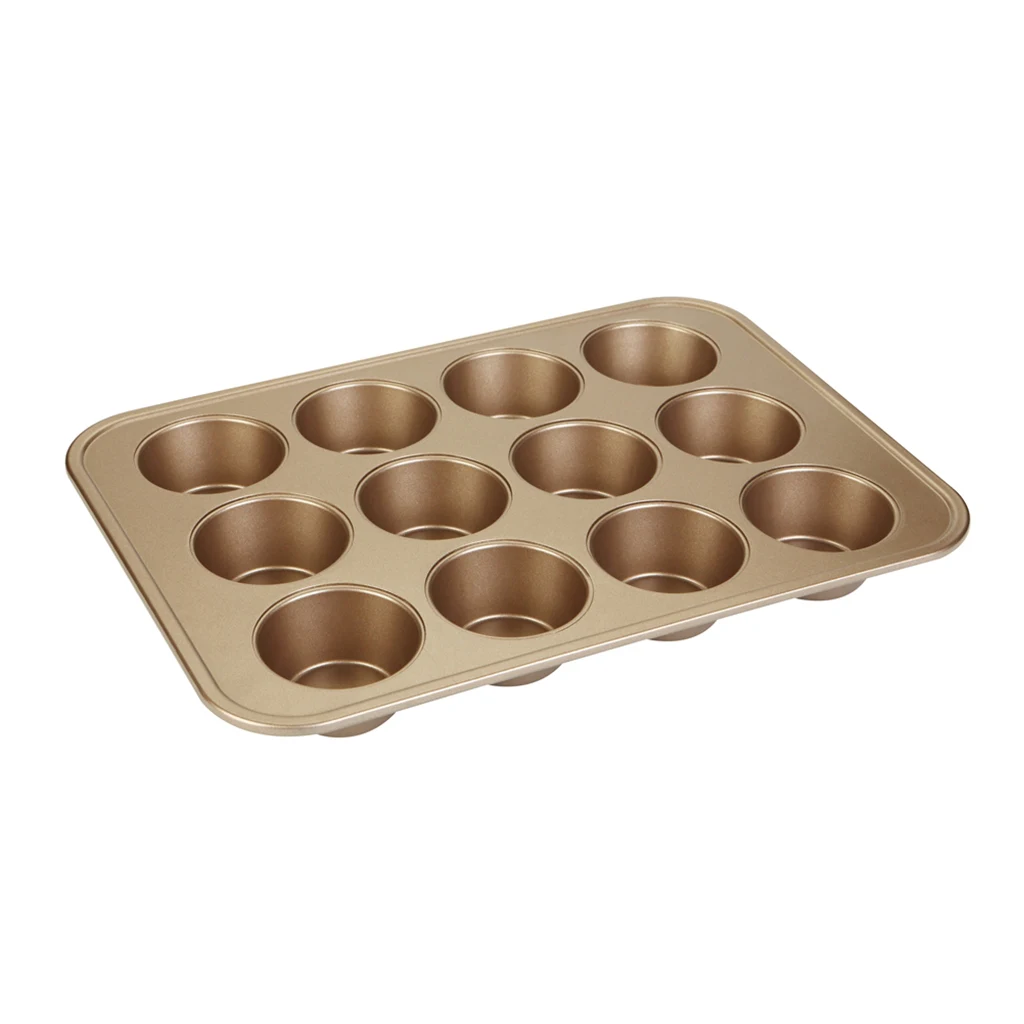
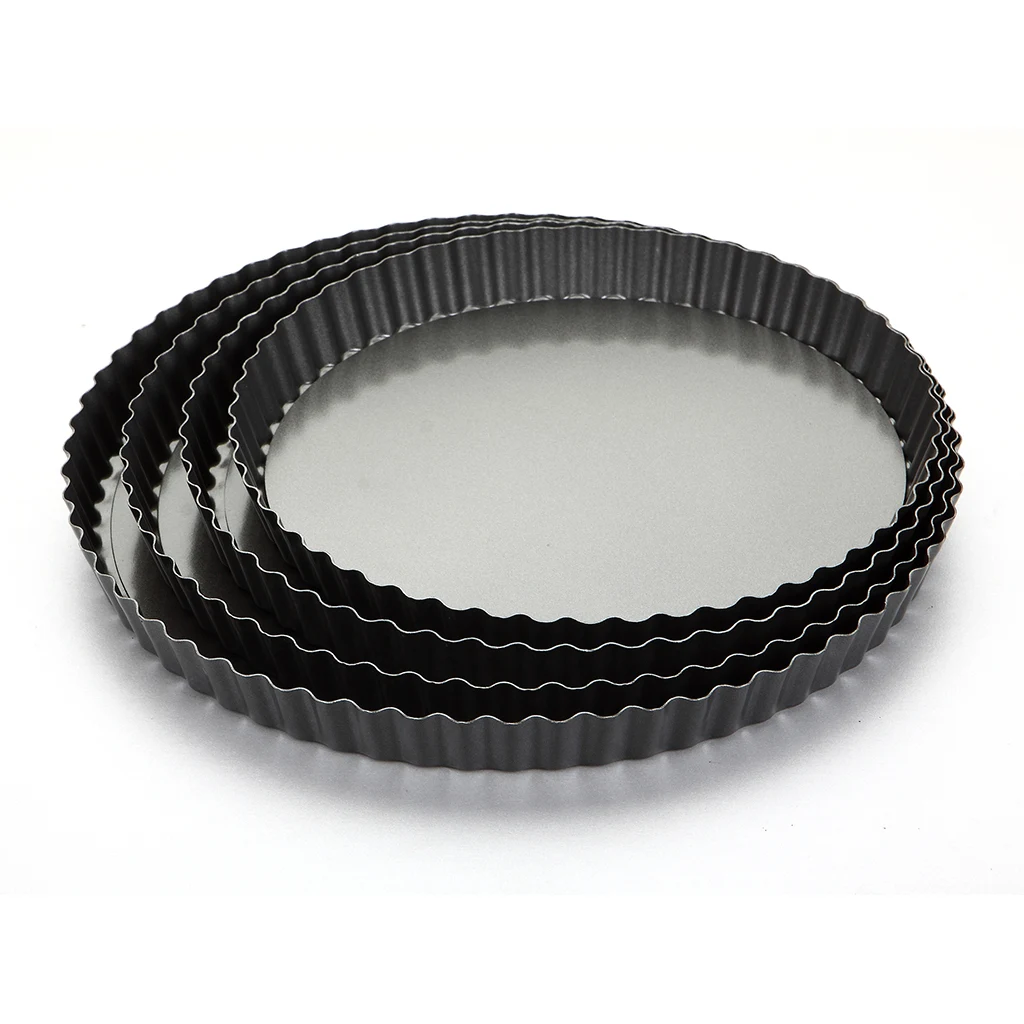
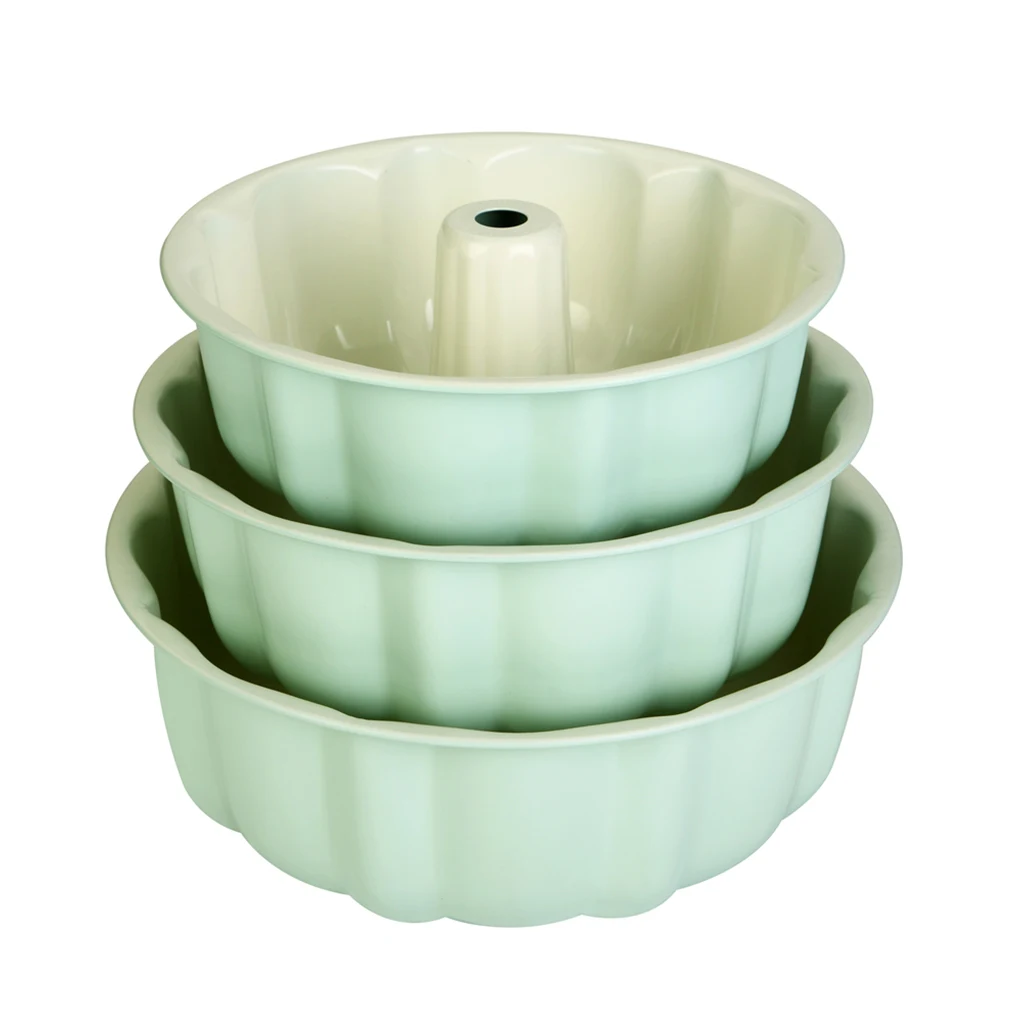
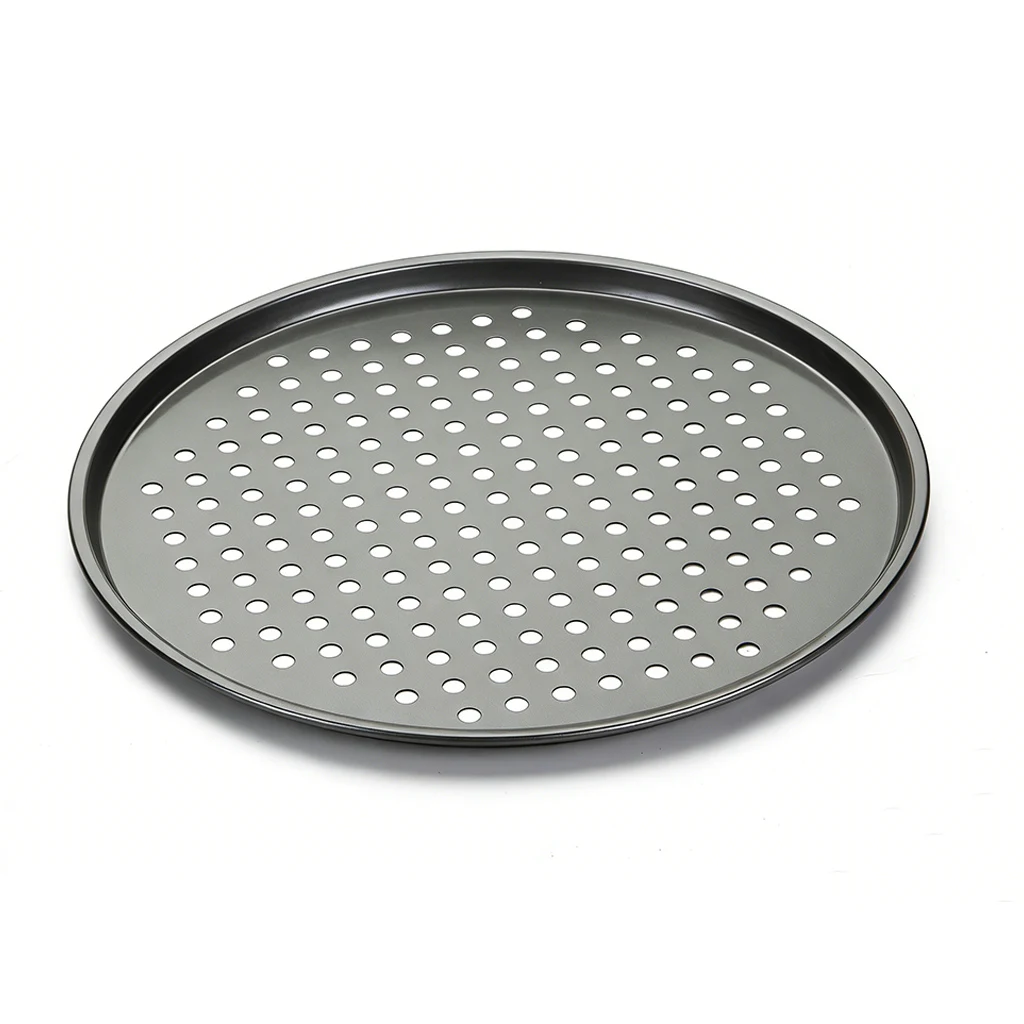
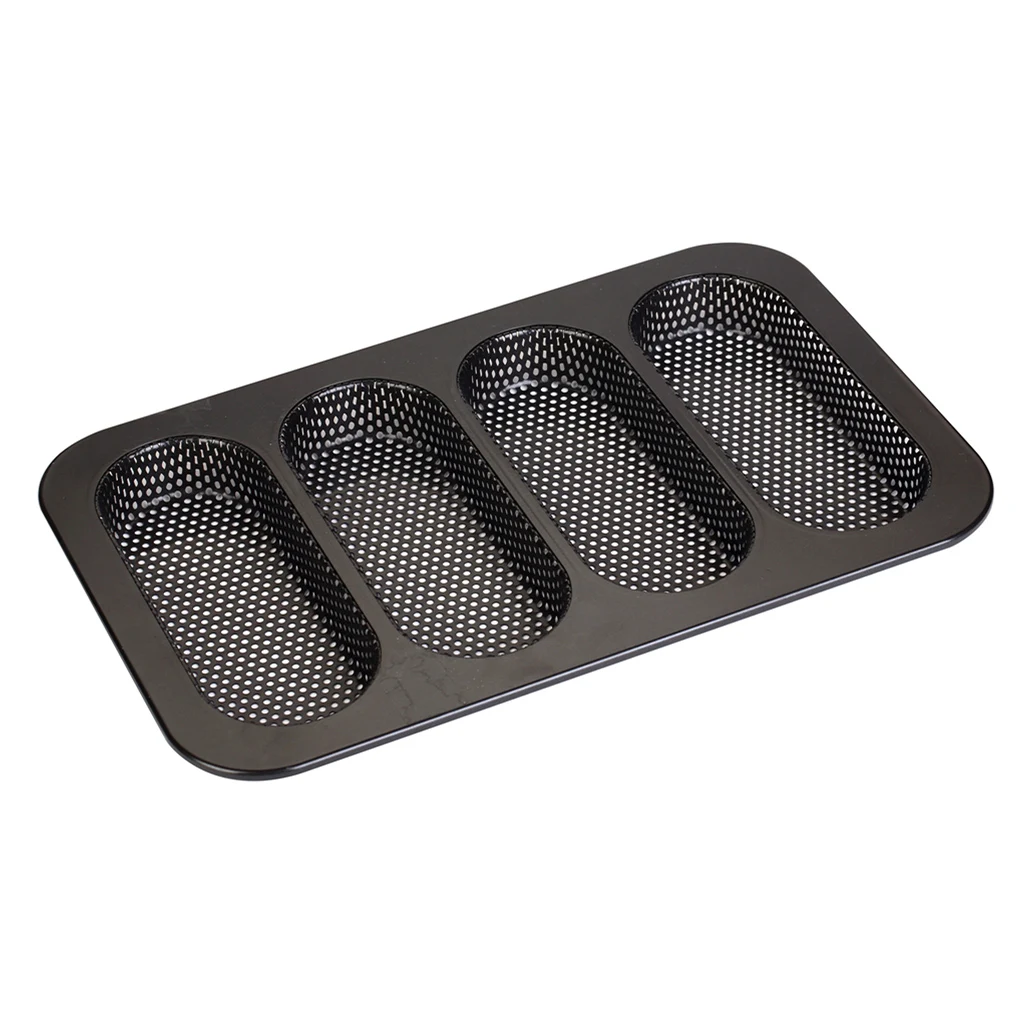
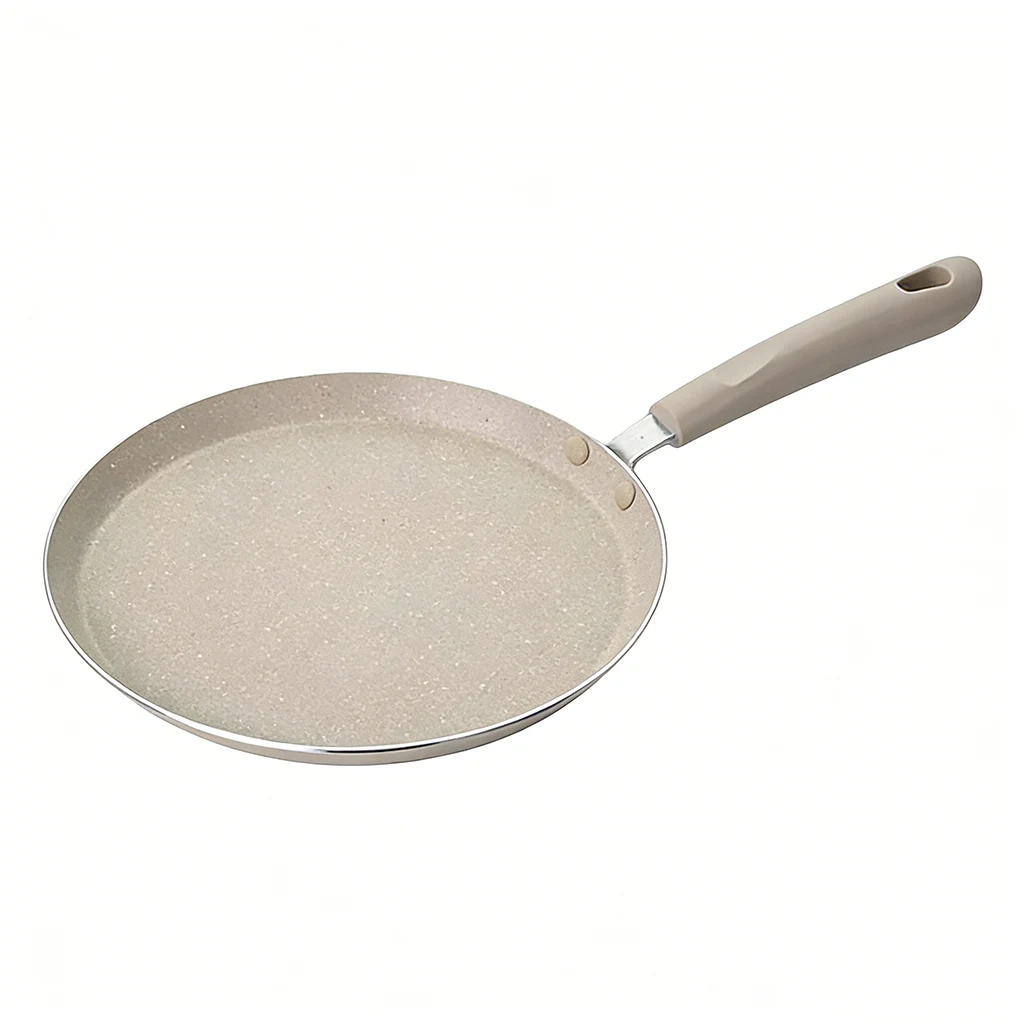
In the global kitchenware supply chain, non-stick bakeware manufactured from high-quality carbon steel dominates the market. Whether it is a muffin pan, a loaf pan, a baking tray, or a springform cake pan, the commercial success of the product relies heavily on one single, critical feature: the durability of its non-stick coating. When a worldwide kitchenware importer, an OEM/ODM brand manager, or a quality assurance inspector from a large supermarket chain evaluates a Chinese manufacturing facility, their primary anxiety centers around coating failure. Will the coating peel, flake, or chip after repeated thermal exposure and mechanical washing?
To eliminate this risk and provide an uncompromised guarantee of excellence, advanced manufacturing facilities rely on strict, standardized empirical laboratory evaluations. Among these, the cross-hatch adhesion test bakeware protocol stands as the definitive industry benchmark for evaluating the mechanical bond strength between a non-stick coating and its raw metal substrate. By utilizing a specialized cross-hatch cutter (or cross-hatch knife) to score the coating down to the metal and testing its resistance with high-tack industrial tape, quality control engineers can definitively simulate years of heavy kitchen wear within minutes.
In this exhaustive technical guide, we will break down the precise step-by-step methodology of the cross-hatch adhesion test bakeware process, explain the international standardization criteria behind it, and illustrate why this scientific rigor is a core asset for B2B global buyers looking to secure zero-defect manufacturing pipelines.
The Science of Coating Adhesion in Modern Bakeware
Before exploring the operational details of the test, it is essential to understand the material physics of high-quality bakeware production. Modern professional bakeware utilizes a heavy-gauge carbon steel base. To give this base its non-stick properties, factories apply complex multi-layer coatings, such as solvent-based silicone non-stick systems or advanced inorganic ceramic non-stick coatings. This application process usually involves chemical pretreatments, physical sandblasting to create an anchoring profile on the metal surface, primer application, topcoat application, and high-temperature curing ovens.
Mechanical Interlocking vs. Chemical Bonding
Adhesion occurs through a combination of mechanical interlocking (where the liquid coating flows into the microscopic valleys of the blasted steel and hardens) and chemical bonding at the molecular interface. If the metal surface is improperly degreased, if the oven curing profile fluctuates by even a few degrees, or if the formulation of the coating is flawed, the adhesion strength drops dramatically. This creates a hidden defect. To the naked eye, the baking pan looks flawless on the factory showroom floor. However, once the end consumer heats the pan to 220°C or washes it in a dishwasher, the coating will begin to separate from the metal, causing catastrophic product returns and damage to the brand’s reputation.
Without standard cross-hatch testing protocols, global suppliers risk shipping thousands of units that appear perfect but are structurally compromised. Environmental factors, paint chemistry batch variances, and automated spray system pressures all introduce micro-variables that require systematic laboratory validation.
Anatomy of a Cross-Hatch Adhesion Testing Apparatus
To perform a reliable, repeatable cross-hatch adhesion test bakeware evaluation, the laboratory must use precise, standardized equipment. The inspection setup consists of three primary components:
1. The Cross-Hatch Cutter (Multi-Blade Knife)
This is a specialized instrument featuring a series of parallel razor-sharp blades precisely spaced apart. For standard industrial bakeware where the coating thickness is typically under 60 microns, engineers use a cutter with a 1mm or 2mm blade spacing. The instrument must be engineered to ensure equal pressure is distributed across all cutting edges simultaneously, allowing them to slice completely through the non-stick film to reach the bare carbon steel layer underneath.
2. The Standardized Pressure-Sensitive Adhesive Tape
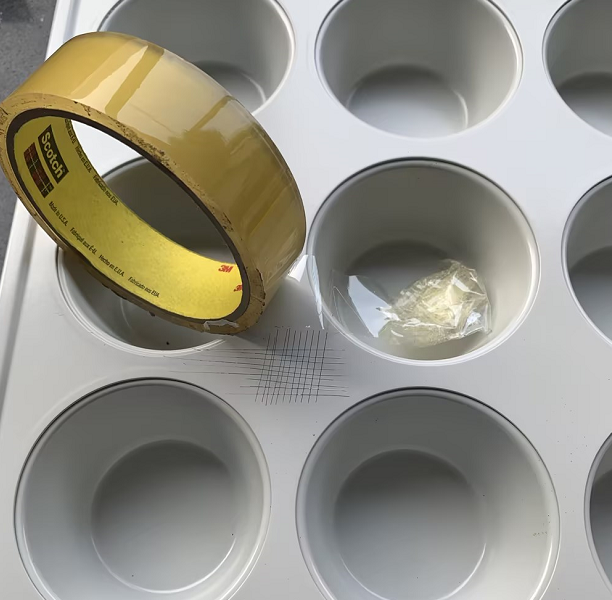
You cannot use standard household clear tape for an industrial quality control test. International standards explicitly mandate the use of high-tack, uniform testing tapes, with 3M Brand Scotch Tape (specifically formulations like 3M 610 or 3M 810) serving as the global calibration standard. This tape possesses a strictly regulated adhesive peel strength, ensuring that the pulling force exerted on the scored squares remains identical across thousands of separate evaluations.
3. Mechanical Guide and Magnification Tools
A cutting guide ensures perfectly linear cuts, while an illuminated optical magnifier (typically 5x to 10x magnification) allows the quality control inspector to scrutinize the grid intersections for microscopic chips, lifts, or fractures after the tape removal phase.
Step-by-Step Protocol: Conducting the Cross-Hatch Adhesion Test on Bakeware
To ensure absolute fairness and compliance with global quality metrics, the factory quality team follows an unwavering, repeatable laboratory testing sequence on randomly selected mass-production samples. This cross-hatch adhesion test bakeware procedure applies strict parameters to identify microscopic structural faults before the inventory reaches global ports.
Step 1: Random Product Sampling and Surface Preparation
From a production batch of finished items coming off the automated spray lines, an inspector randomly extracts a fixed number of finished items. The test sample is brought to the QC lab and allowed to cool to standard ambient temperature (23°C ± 2°C) and relative humidity. The surface is thoroughly inspected to ensure it is completely dry, free of dust, grease, or manufacturing residues that could artificially interfere with the testing tape’s grip.
Step 2: The Slicing Phase (Creating the Test Grid)
The inspector selects a testing position on both the interior cooking surface and the exterior protective coating of the bakeware item. Holding the cross-hatch tool perpendicular to the pan surface, the inspector applies steady downward pressure and draws the multi-blade tool smoothly across the surface, making a series of parallel cuts roughly 20mm long. The blades must cut entirely through the non-stick coating layer to reach the underlying metal surface.
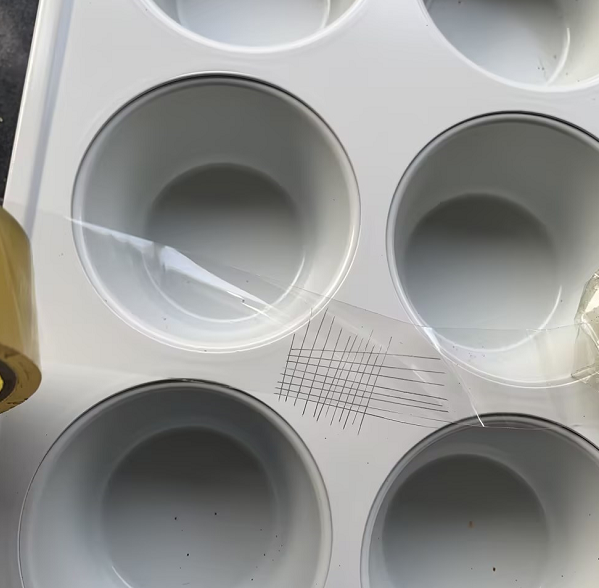
Next, a second identical series of cuts is executed at an angle perpendicular to the first set. This intersecting scoring action generates a functional matrix of small squares across the selected testing zone—forming the classic “cross-hatch” or lattice grid pattern required to evaluate localized bonding limitations.
Step 3: Debris Clearing
Using a soft-bristled industrial brush or a gentle burst of dry compressed air, the inspector lightly cleans the grid area to remove any loose specks of coating material generated solely by the physical slicing action of the blades. This ensures that only chemically adhered material remains on the substrate for the tape pull evaluation.
The Crucial Triple-Peel 3M Tape Testing Mechanism
The core of our quality defense protocol relies on the specific structural stress exerted by premium high-tack tape. A single test pull can easily fail to reveal a latent bonding problem that would otherwise show up after months of client usage. Therefore, our standard cross-hatch adhesion test bakeware workflow mandates an exhaustive triple-tape exposure methodology.
Applying the Standardized Force
A fresh strip of standardized 3M testing tape is unrolled, cutting off a piece roughly 75mm long. The inspector places the center of the tape directly over the cross-hatch matrix. Using a finger or a standardized rubber roller tool, the inspector firmly presses the tape down into the grid, smoothing out any trapped air bubbles. The adhesive must form a complete, continuous molecular connection with the newly formed edges of the scored coating squares.
The Rapid Extraction Mechanics
Within 90 seconds of application, the inspector prepares to pull. Grasping the free overhang end of the tape, the inspector executes a rapid, smooth, un-jerked upward pulling motion at an angle as close to 180 degrees (parallel to the surface) or 90 degrees (perpendicular) as specified by the precise internal lab directive. Slow peeling will not exert the necessary dynamic shear stress required to validate true industrial bonding.
The Triple-Tape Repetition Strategy
In accordance with advanced industrial survival metrics, a single pull is insufficient to prove heavy-use endurance. The inspector cuts a brand-new strip of 3M tape, applies it over the exact same cross-hatch area, rolls it flat, and executes a second rapid extraction pull. This sequence is then repeated a third consecutive time using yet another fresh piece of tape.
This triple-pull cycle subjects the scored matrix to cumulative shear stress, exposing any latent delamination vulnerabilities. If the product demonstrates zero paint or coating loss after all three consecutive tape pulls, the batch is verified as structurally sound, indicating absolute adhesion integrity where none of the tiny squares detach from the metal substrate.
Why the 3M Tape Test Protocol is Non-Negotiable for Non-Stick Performance
For high-volume cookware brands and global importers, specifying flawless adhesion performance across every single item isn’t an arbitrary luxury—it is an economic shield. Let’s look at why a premium cross-hatch adhesion test bakeware process translates directly to real-world profitability and compliance.
Withstanding Thermal Expansion Cycles
When an end-user bakes a sheet of cookies or roasts a turkey, the baking pan experiences sharp temperature shifts from room temperature to over 230°C. Carbon steel expands when heated and contracts when cooled. The non-stick coating must stretch and shrink in perfect synchronization with the steel substrate beneath it. If the cross-hatch test reveals edge flaking, it means the coating lacks the elasticity and bond strength to survive these expansion cycles, which will quickly lead to cracking and peeling in the consumer’s home kitchen.
Dishwasher and Chemical Resistance
Modern consumers frequently wash their bakeware using high-alkalinity dishwasher pods combined with near-boiling water sprays. This harsh environment quickly attacks any microscopic entry points along a coating’s surface. A pan that passes a 3-time tape peel test demonstrates a seamless chemical matrix that locks out moisture, corrosive salts, and dishwashing surfactants, guaranteeing a long product lifespan.
Frequently Asked Questions (FAQs)
Does the cross-hatch test ruin the tested bakeware sample?
Yes, the cross-hatch adhesion test bakeware method is destructive. Because the blades cut entirely through the non-stick film down to the bare carbon steel, the tested pan cannot be packaged or sold. These test samples are documented, cataloged for quality auditing records, and then sent straight to our metal recycling facility. This is a necessary investment to ensure the integrity of the remaining inventory shipped to our B2B clients.
What standards govern this testing methodology?
The cross-hatch adhesion test bakeware protocol is standard practice worldwide, closely aligned with major international standards like ISO 2409 and ASTM D3359. The core testing methodology remains identical across international frameworks, measuring structural separation under targeted pressure. Aolijue’s laboratory reports provide precise data calibrated to match the specific quality documentation preferences of European and American corporate buyers.
Can this test be performed on curved bakeware parts?
Yes. While flat surfaces like the bottom of a roasting pan or cookie sheet are the easiest to test, our experienced inspectors utilize flexible precision templates to perform cross-hatch adhesion test bakeware evaluations on the curved sidewalls of muffin cups, the fluted edges of tart pans, and the internal interlocking seams of springform cake pans to guarantee uniform adhesion across the entire unit.
Why use 3M tape specifically instead of generic adhesive tape?
Generic tapes have highly inconsistent adhesive formulas. Changes in ambient humidity or temperature can cause their stickiness to fluctuate wildly. If an inspector uses a low-tack tape, a defective pan might pass the cross-hatch adhesion test bakeware protocol because the tape lacked the strength to pull away loose coating. Conversely, an overly aggressive tape might tear a perfect coating. Standardized 3M industrial testing tape provides an unvarying, legally defensible, and globally recognized benchmark.
Core Takeaways for Global Bakeware Importers
- The Core Quality Standard: A flawless cross-hatch adhesion test bakeware result with zero peeling after three consecutive high-tack tape pulls is the only reliable guarantee of a durable non-stick baking pan.
- Hidden Defect Prevention: Coating adhesion failure cannot be seen by looking at a finished pan. Only systematic destructive testing protects your brand from widespread field failures and customer returns.
- Choose Certified Manufacturers: Always source your kitchenware from factories like Aolijue that operate fully equipped, in-house QA laboratories and hold comprehensive credentials, including ISO 9001, ISO 22000, and BSCI certifications.
When you partner with Aolijue, you are not just purchasing steel and coating; you are investing in an uncompromised, laboratory-verified manufacturing process. Our dedication to strict testing protocols guarantees that every single pizza tray, cake pan, or roasting pan shipped to your warehouses will deliver outstanding performance for the end consumer.
Secure your supply chain with certified durability. Partner with Aolijue today.
Interested in auditing our complete QA testing protocols or exploring custom product development? Browse our comprehensive catalogs of professional-grade Pizza Pans, Loaf Pans, 、および Baking Trays, or contact our sales engineering division to request certified test reports for your next OEM/ODM batch.