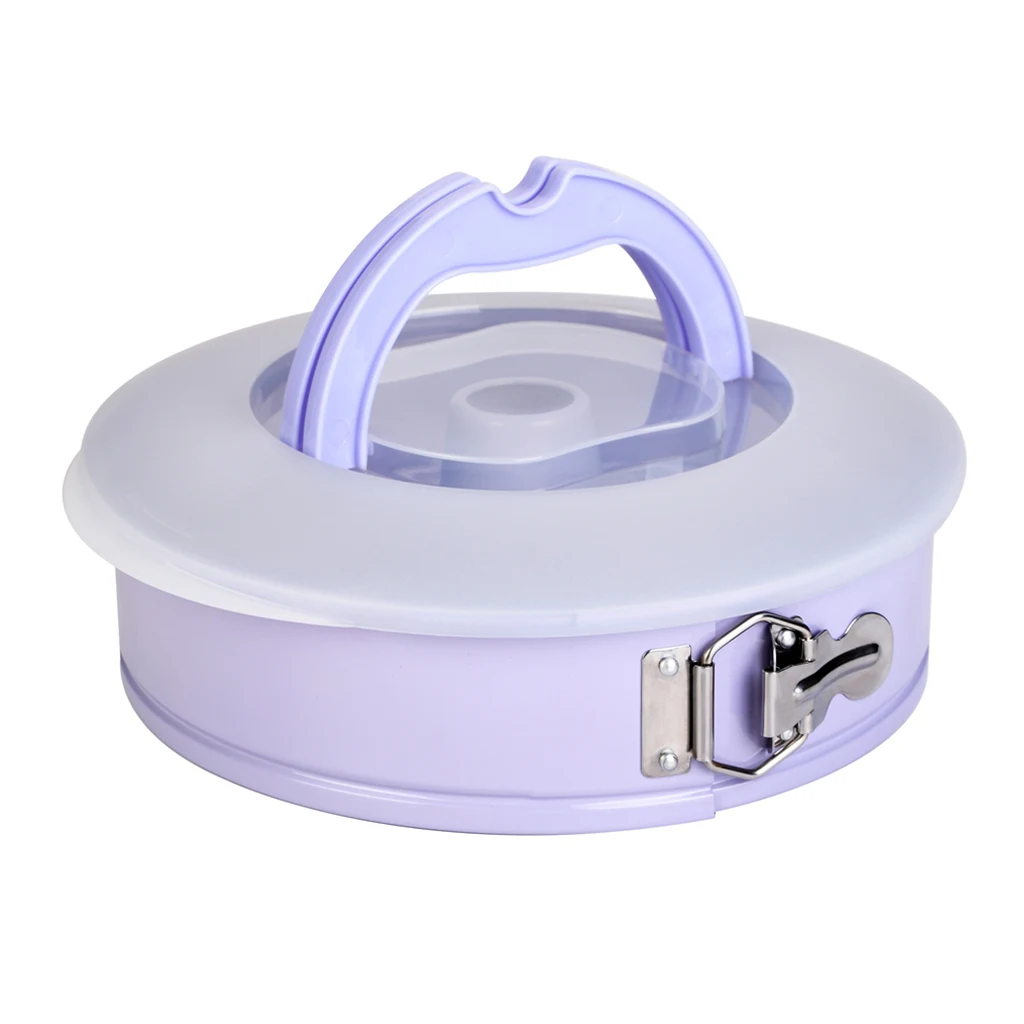
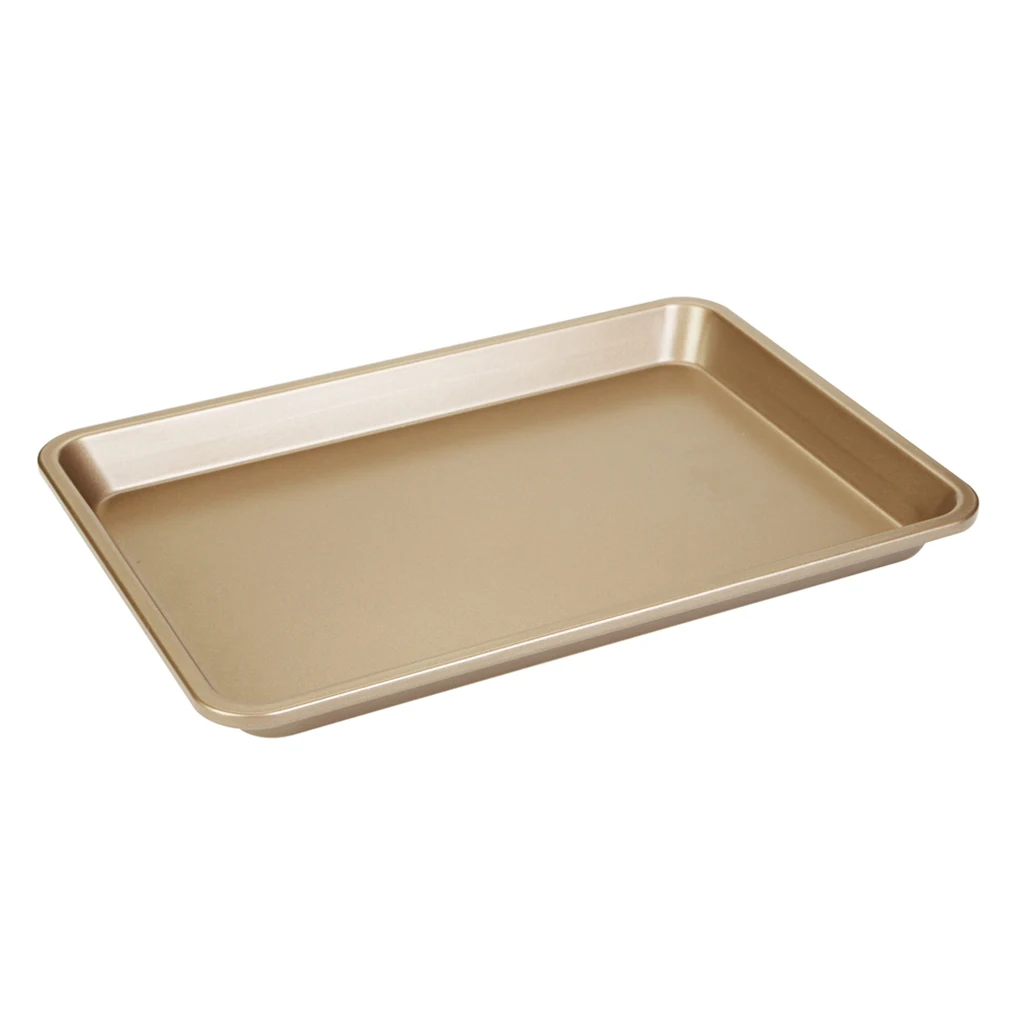
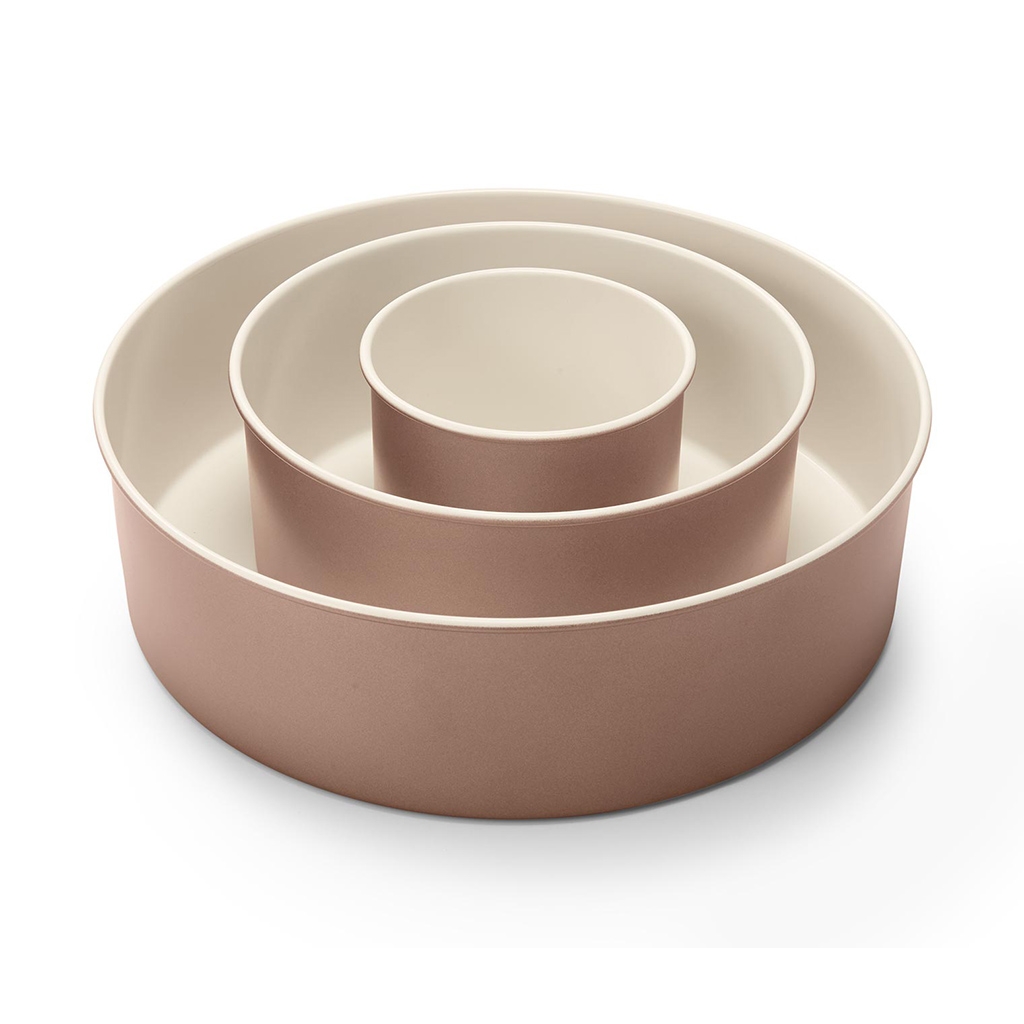
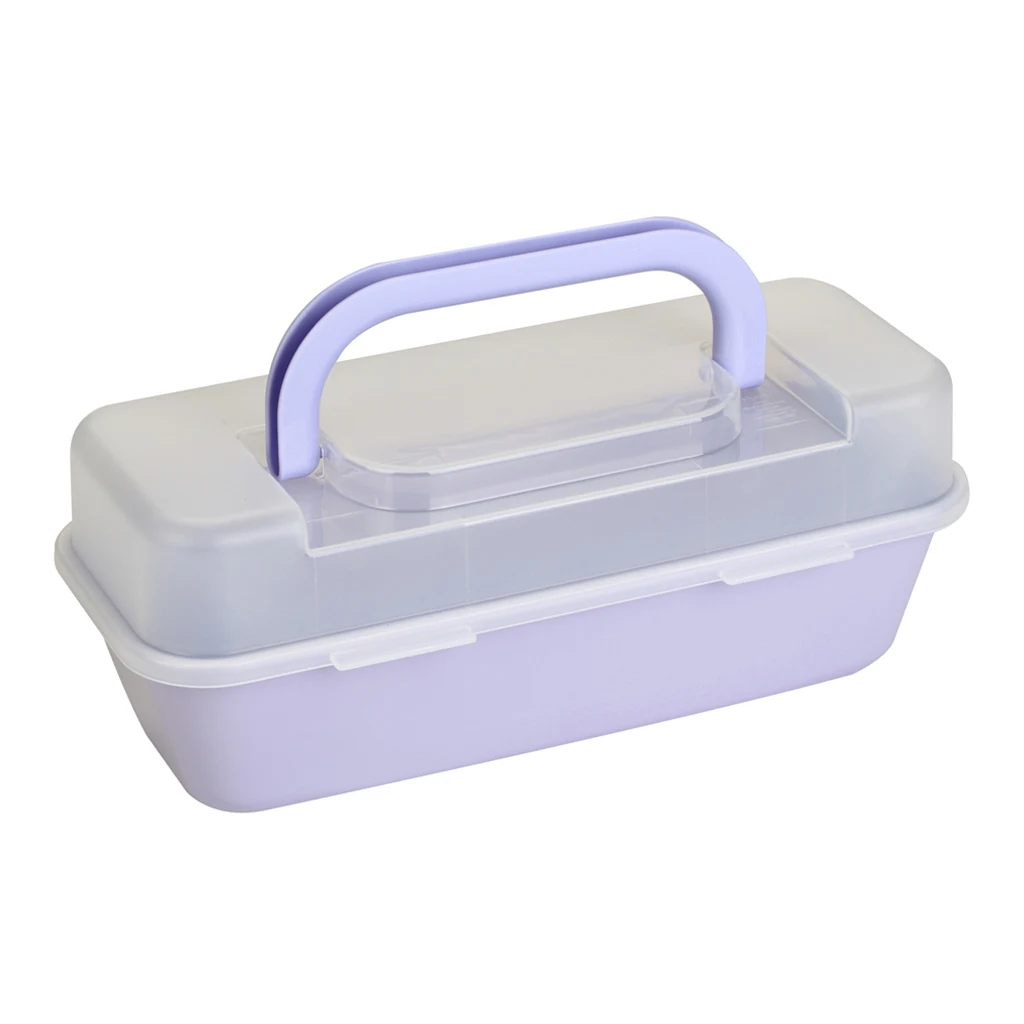
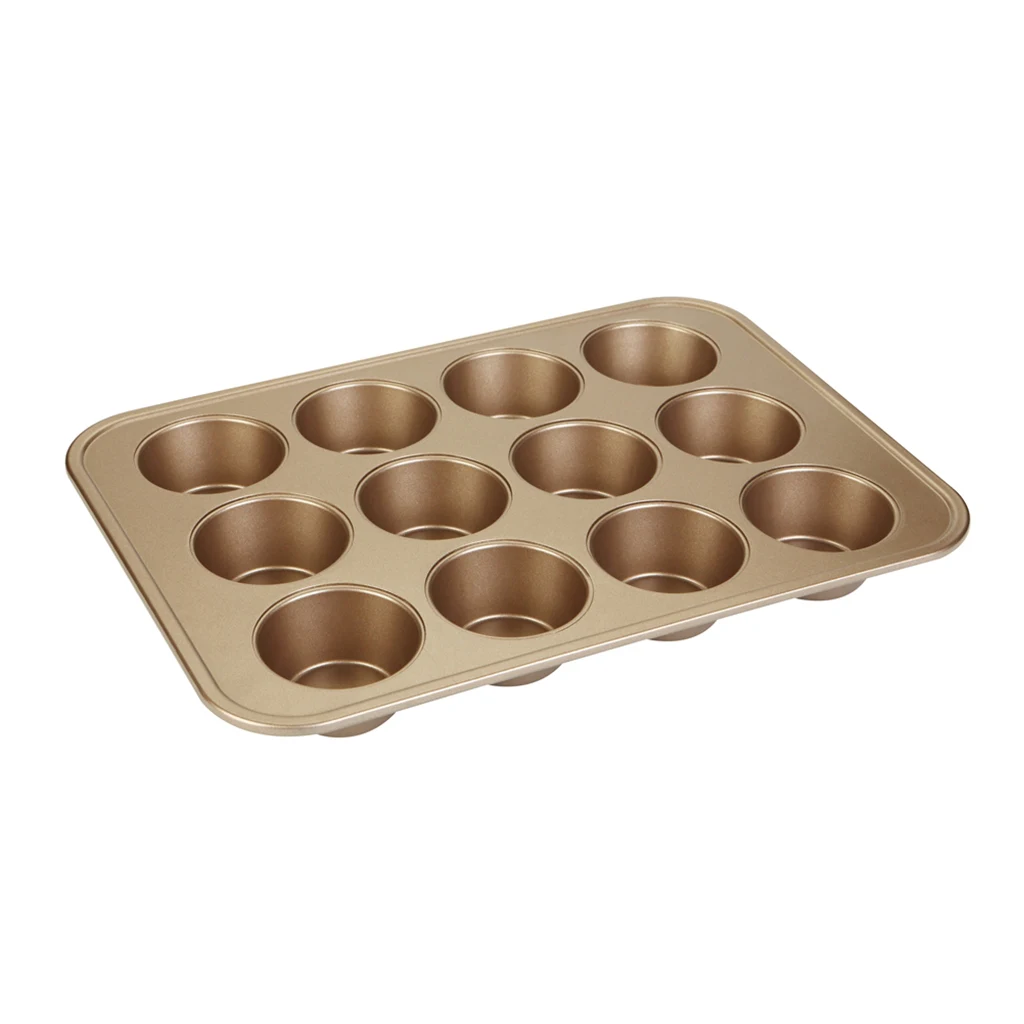
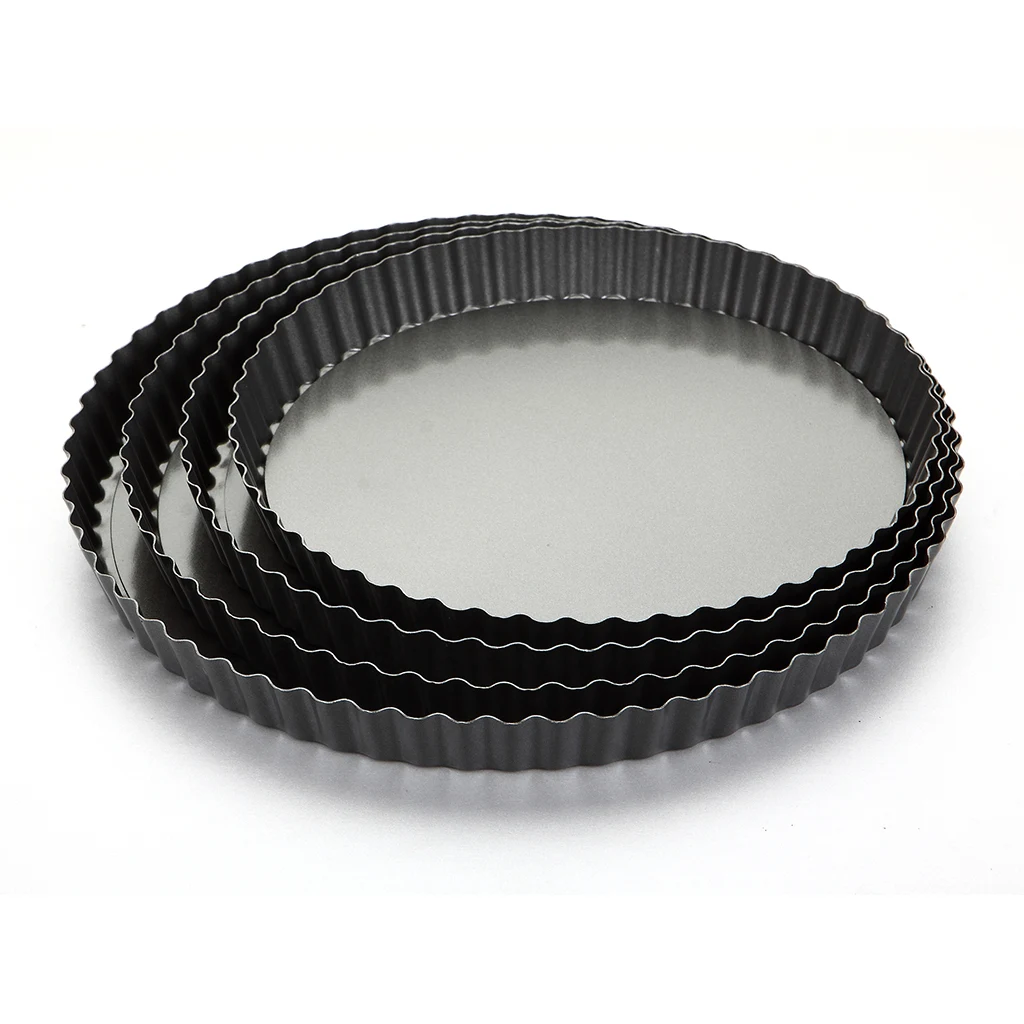
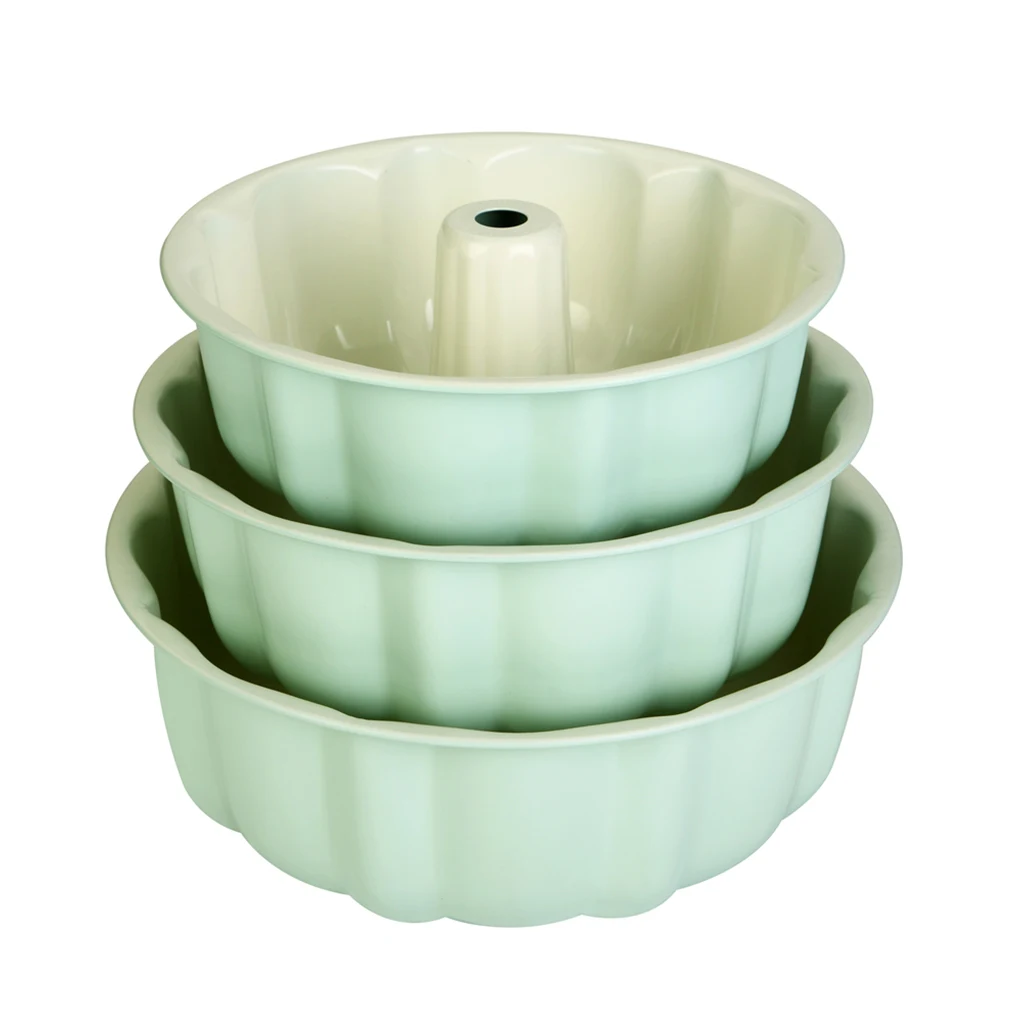
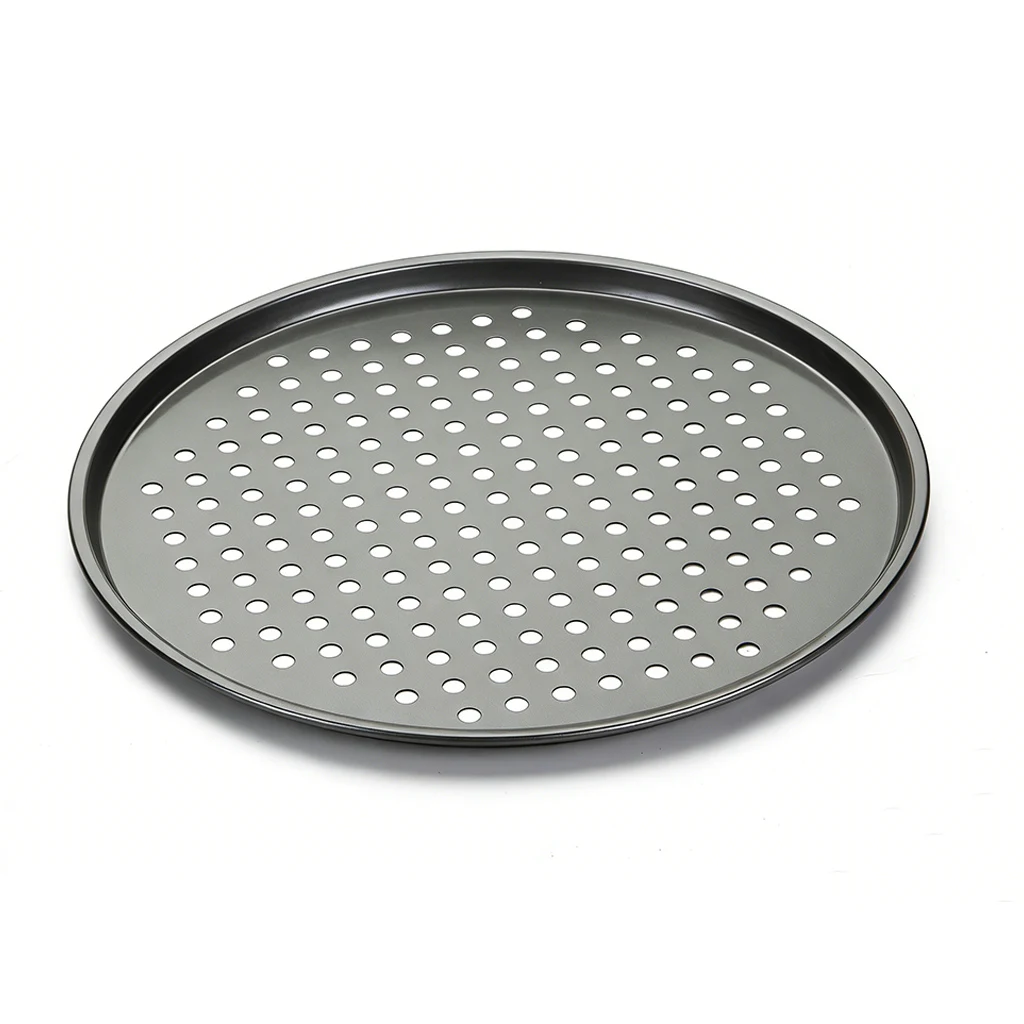
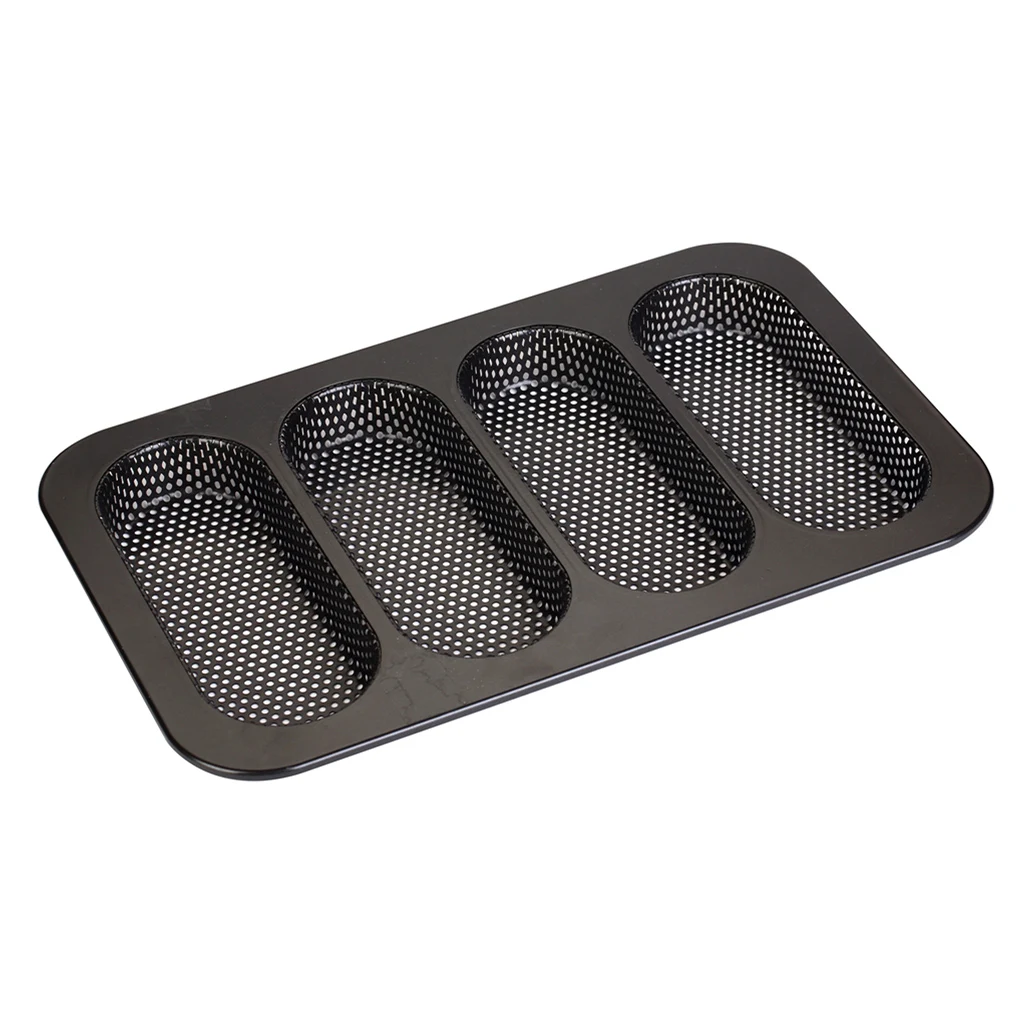
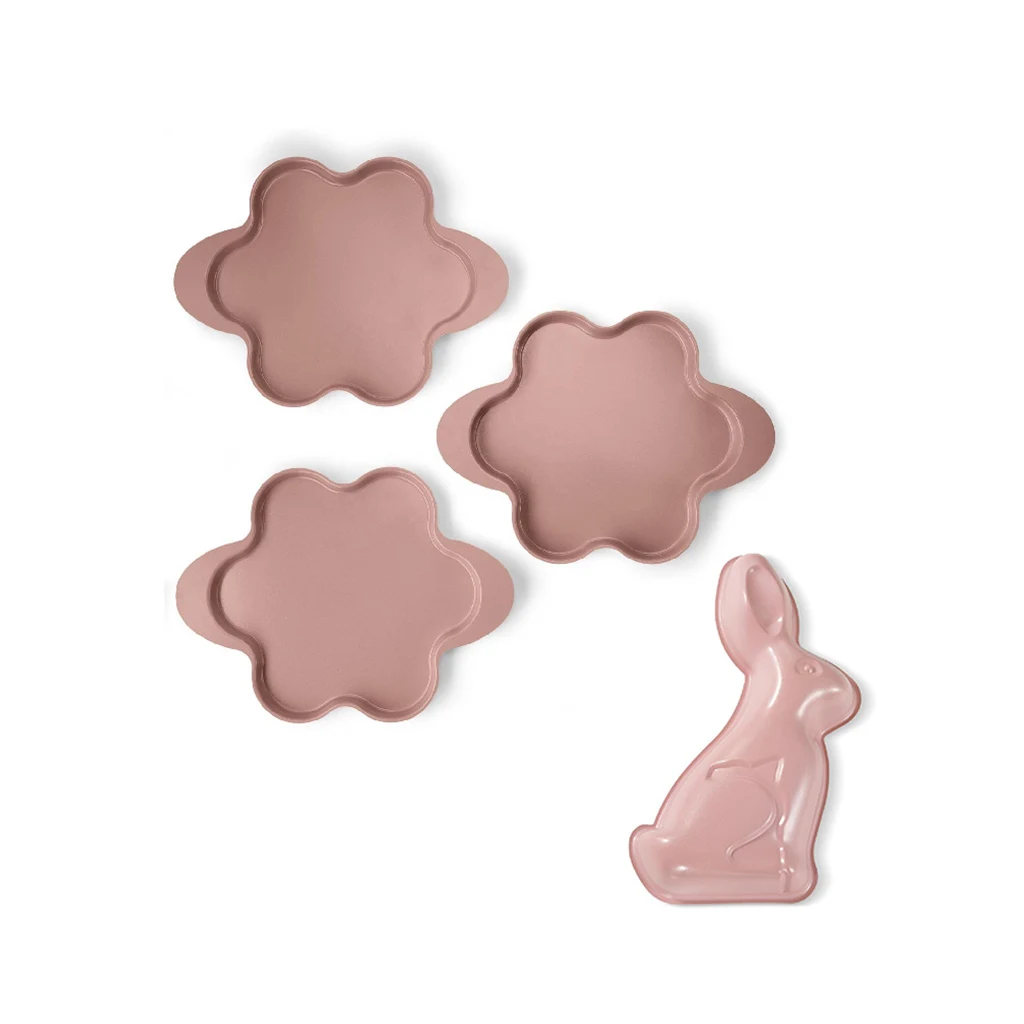
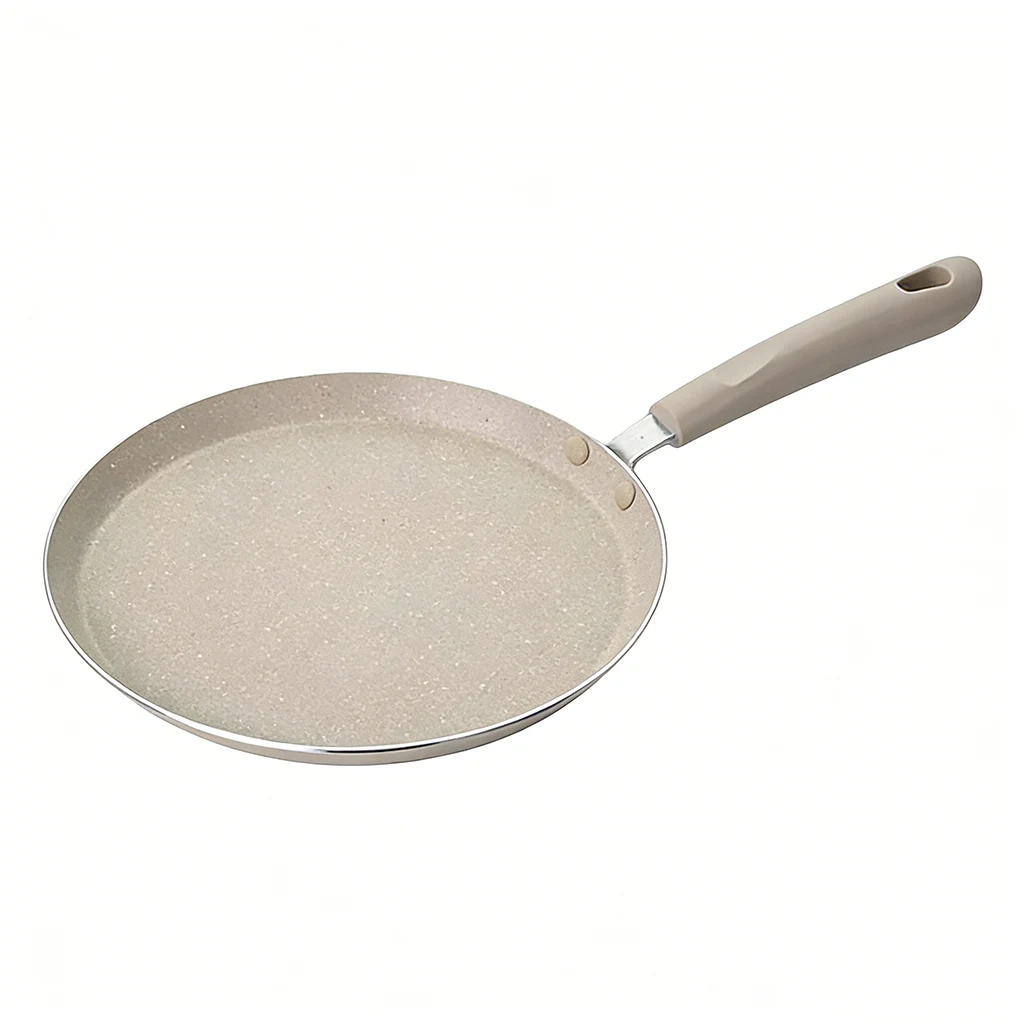
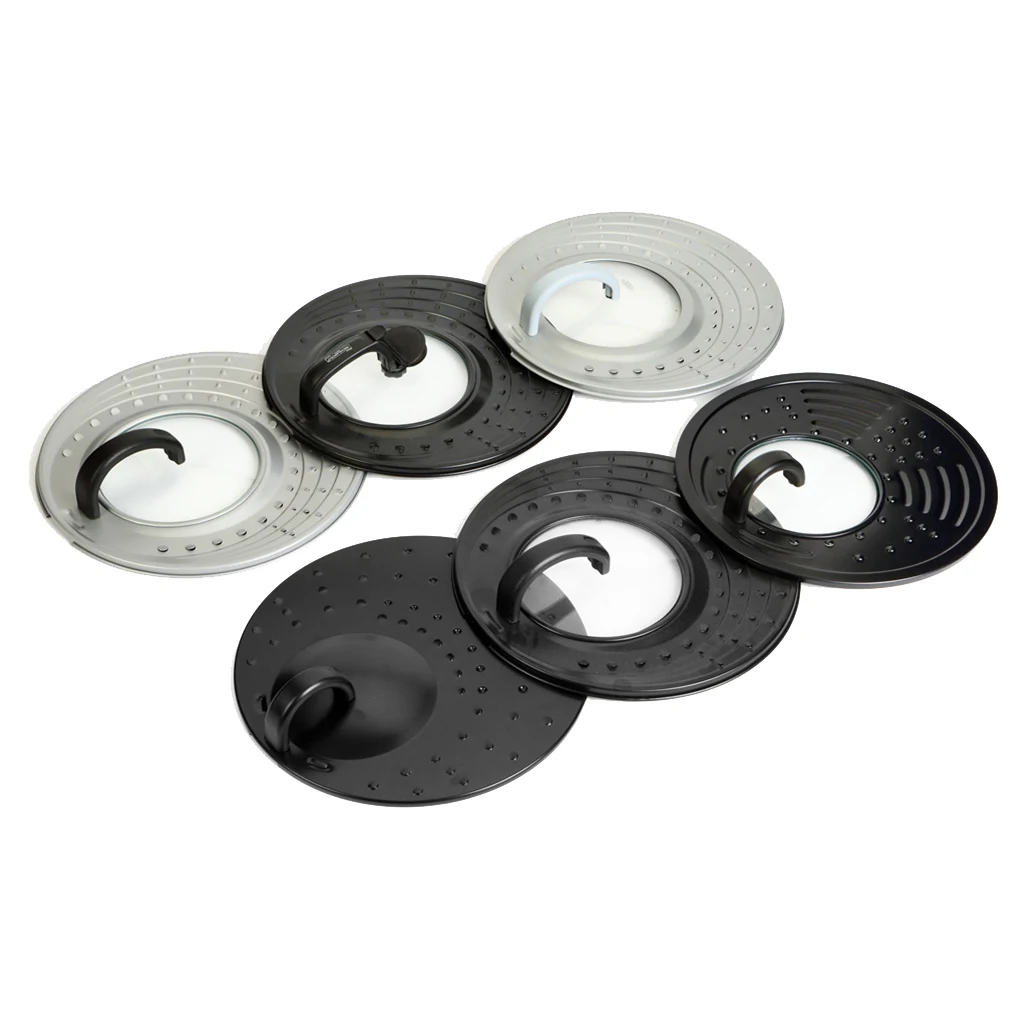
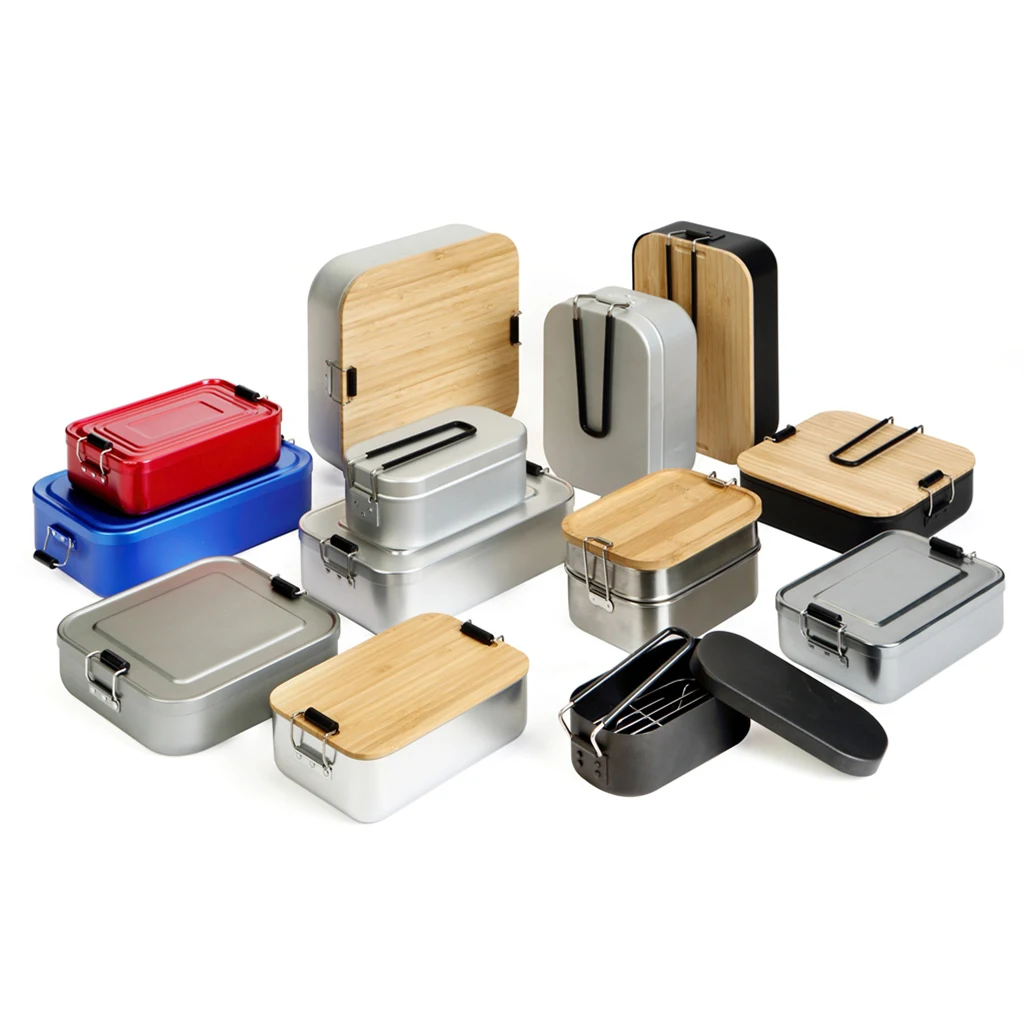
Imagine a baking sheet that releases cookies like they’re on an ice rink, cleans with a casual wipe, and comes with a “green” badge. That’s the promise of ceramic coating—the sleek, modern contender that has stormed the kitchenware scene. But is it just a trendy buzzword, or a genuine upgrade? Let’s move past the marketing gloss and dig into the science, performance, and real-world pros and cons of this popular non-stick alternative. Whether you’re a health-conscious home cook or a pastry pro, understanding ceramic coating helps you decide if it belongs in your oven.
1. So, What Exactly Is It? (Spoiler: It's Not a Clay Pot)
Don’t let the name fool you. The “ceramic” in your bakeware isn’t the same as your favorite mug. It’s a high-tech, sol-gel derived coating primarily made from silicon dioxide (the main component of sand and glass) and other inorganic materials. In simple terms, it’s a liquid glass that’s sprayed onto an aluminum or steel pan and then baked at extremely high temperatures until it hardens into an ultra-smooth, rock-solid layer.
This process creates a surface that is:
PFOA & PTFE-Free: Its chemistry is fundamentally different from traditional non-stick coatings.
Inert and Non-Toxic: Made from naturally occurring minerals.
Exceptionally Hard: More scratch-resistant than many polymer-based coatings from day one.
2. The Shining Advantages: Why You Might Love It
Ceramic coating isn’t popular by accident. It solves specific pain points for the modern cook.
The Effortless Release (Initially): When new, a quality ceramic-coated pan offers spectacular food release. Eggs slide, pancakes flip, and cookies lift off without a trace of oil. It’s a dream for low-fat cooking and delicate pastries.
A Cooler Kitchen Story: It markets itself as a “healthy” and “natural” alternative. Being free of synthetic polymers like PTFE (Teflon™) resonates with eco-aware consumers. It doesn’t release fumes if accidentally overheated, which is a significant safety and peace-of-mind benefit.
Heat Tolerance Champion: It can typically handle higher temperatures than traditional non-stick—often up to 450°F – 500°F (230°C – 260°C). This makes it suitable for most baking and roasting tasks.
Easy to Clean: That glass-like, non-porous surface means most residue wipes away easily with soap and water, often without needing to soak.
3. The Real-World Trade-Offs: What the Brochure Doesn't Always Say
For all its brilliance, ceramic coating has a reputation in professional circles for one key issue: durability. Its performance can diminish faster than a high-quality, reinforced traditional non-stick.
The Lifespan Factor: The ceramic layer, while hard, can be brittle. It’s more susceptible to chipping from impact (e.g., stacking pans carelessly, using metal utensils) and can gradually lose its ultra-slick non-stick properties over time, especially with frequent high-heat use. It often has a shorter peak-performance life.
Not All Ceramics Are Equal: The market is flooded with options. The quality and thickness of the ceramic layer vary wildly. A thin, cheap coating might fail within months, while a premium, professionally applied one can last for years with proper care.
Care is Key: To extend its life, it demands gentle handling. Think soft sponges, silicone tools, and careful storage to avoid scratches and chips. Abrasive cleansers are its enemy.
How to Make It Last: The Care Code
Treat your ceramic-coated pan like the high-performance, slightly delicate tool it is.
1. Use Gentle Utensils: Silicone, wood, or nylon only.
2. Avoid Extreme Thermal Shock: Don’t take a blazing hot pan and run it under cold water.
3. Hand Wash Gently: Use mild detergent and a soft cloth. While some are dishwasher-safe, handwashing is recommended.
4. Store with Care: Avoid stacking other heavy pots directly on the coated surface. Use pan protectors.
5. Moderate Your Heat: Use low to medium heat for best results and longevity. High heat accelerates wear.
The Final Verdict: Is It Right for Your Kitchen?
Ceramic coating is a fantastic choice if your priorities are:
*A natural, mineral-based non-stick option.
*Outstanding initial food release for delicate baking.
*High-heat cooking without fume worries.
It might not be the ultimate forever pan if you need:
*Maximum long-term durability and scratch resistance for daily, heavy-duty use.
*A pan that can withstand occasional utensil mishaps or rough handling.
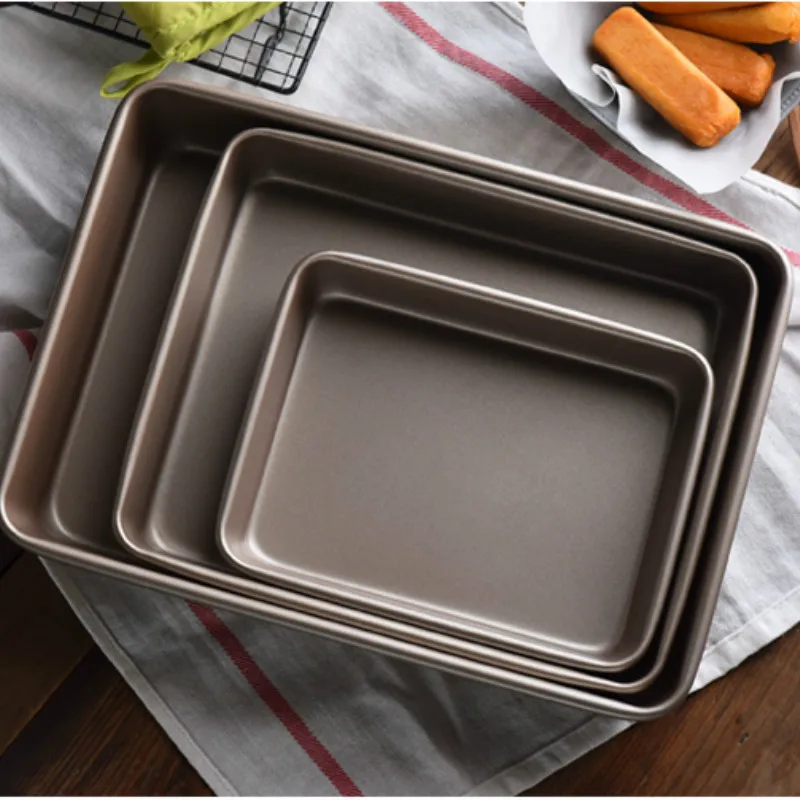
For the discerning baker, the choice often comes down to purpose. A ceramic-coated sheet pan might be perfect for weekly roasting veggies and baking cookies, while a heavy-duty, reinforced traditional non-stick might be the workhorse for daily family meals.
At its best, ceramic coating represents innovation—a safer, high-performing option that makes cooking and cleanup a joy. By understanding its strengths and treating it right, you can enjoy its benefits for years. It’s not magic, but it is smart science for the modern kitchen.
The Bottom Line
Ready to experience the difference for yourself? Explore our curated collection of premium ceramic-coated bakeware, where we’ve done the research so you don’t have to. We’ve selected only coatings with proven durability and performance—no shortcuts, no gimmicks, no mystery chemicals. Each piece is crafted to deliver the perfect balance of effortless release, even heat distribution, and long-lasting resilience. Whether you’re roasting vegetables, baking bread, or whipping up a weeknight dinner, these are the tools that make healthier, stress-free cooking a daily reality.
With our ceramic-coated collection, you can bake with confidence, health, and style—knowing that every pan is built to perform, meal after meal. [Click here to shop the collection] and discover your new kitchen essential.