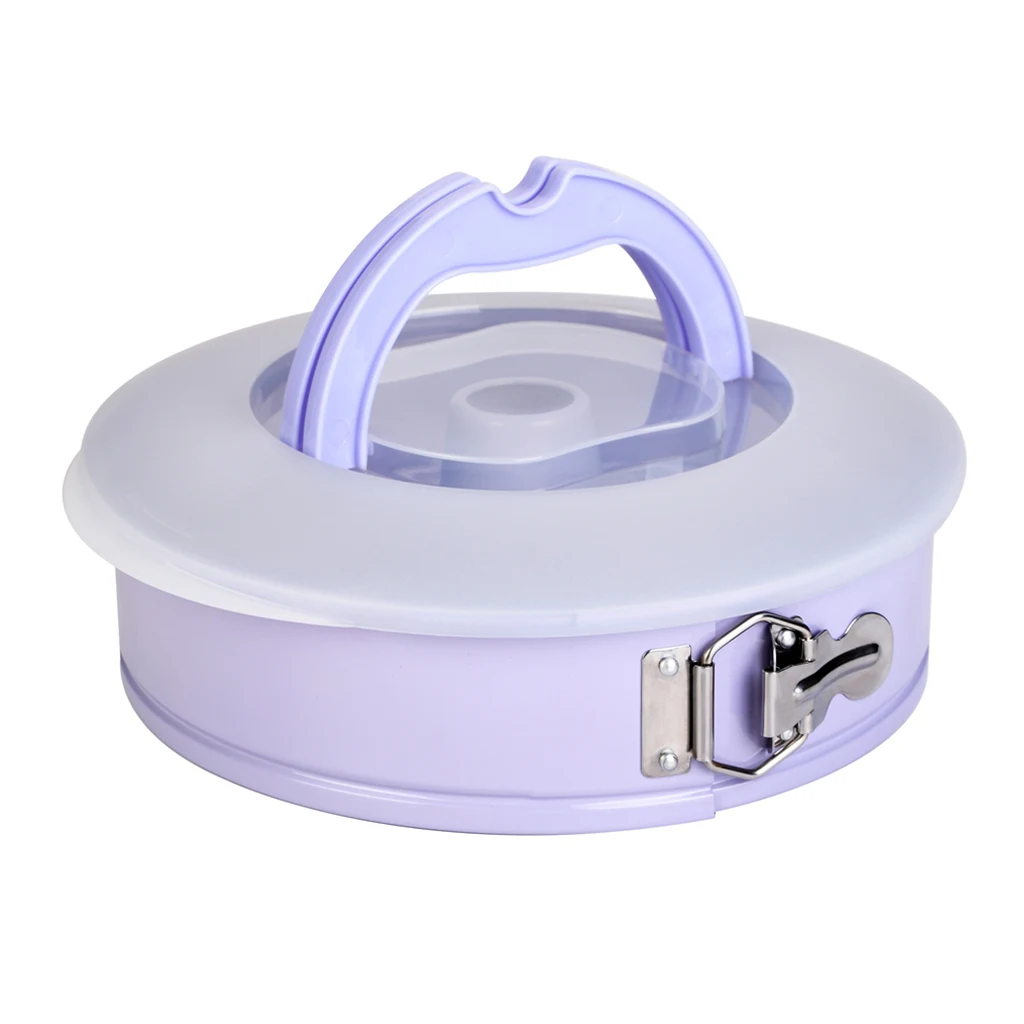
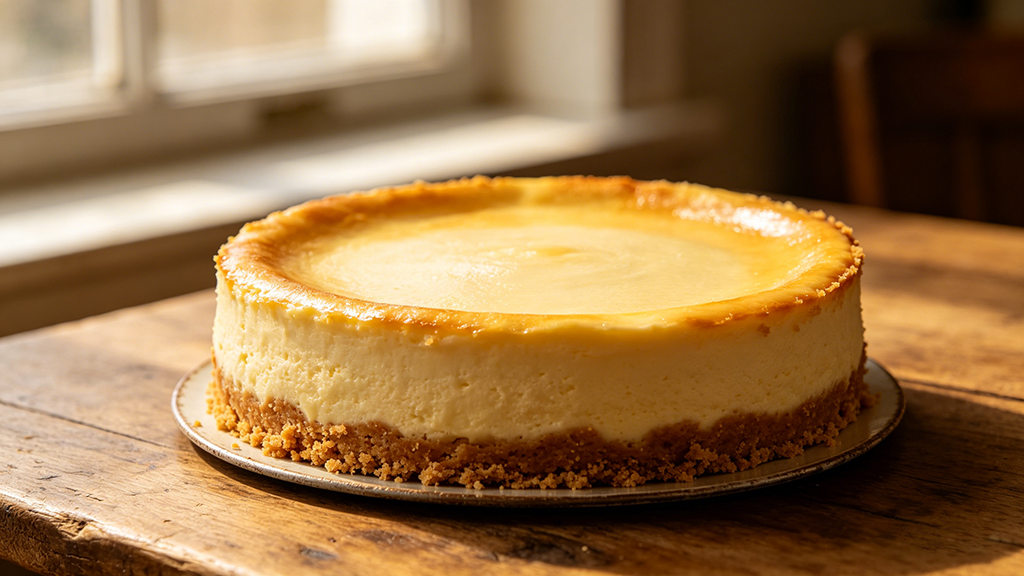
Cheesecake is universally loved for its rich, creamy texture and indulgent flavor. However, traditional recipes almost always call for a specific piece of bakeware: the springform pan. With its removable sides and latch mechanism, it allows bakers to release the delicate cake without flipping it over and risking a catastrophic structural collapse.
But what if you are craving a homemade New York cheesecake right now and realize you do not own a springform pan? Or perhaps you are a commercial importer looking to understand the versatility of different cake pan designs to better advise your B2B retail clients? Can you make cheesecake without a springform pan?
The short answer is a resounding yes! You absolutely can bake a flawless, beautiful cheesecake without a springform pan. In fact, many professional chefs and bakeries prefer alternative methods that yield even better heat distribution and leak-proof security. In this comprehensive guide, we will explore the best substitutes for springform pans, step-by-step extraction hacks, and the science behind achieving a crack-free cheesecake in any vessel.
Why Traditional Recipes Demand a Springform Pan
To understand how to replace a springform pan, we must first understand why it became the industry standard for cheesecakes in the first place. Cheesecake is not a typical cake; it is technically a baked custard. It is incredibly delicate, heavy, and contains a high amount of fat and moisture.
This delicate nature is precisely why so many bakers ask, “can you make cheesecake without a springform pan?” The springform pan offers a specific solution, but as we’ll see, it’s not the only one.
The Problem with Inversion
With a standard sponge cake, you bake it, let it cool, and then flip the pan upside down to release the cake. If you attempt this with a baked cheesecake, the weight of the dense cheese filling combined with the soft texture will cause the cake to crack, smear, or completely fall apart. The springform pan solves this by allowing the walls of the pan to expand and be lifted away, leaving the cake perfectly intact on the base.
The Leakage and Water Bath Dilemma
While springform pans are great for release, they are notorious for leaking. Because the base is a separate piece clipped into the ring, thin batters can seep out. More importantly, when baking a cheesecake in a water bath (bain-marie) to ensure gentle cooking, water can seep into the springform pan, ruining the crust. This is one of the biggest reasons why many modern bakers are actively looking for ways to make cheesecake without a springform pan.
The Top 5 Substitutes for a Springform Pan
If you are looking in your kitchen cupboards and do not see a springform pan, do not panic. Here are the best alternative vessels you can use, ranked by their effectiveness and ease of use.
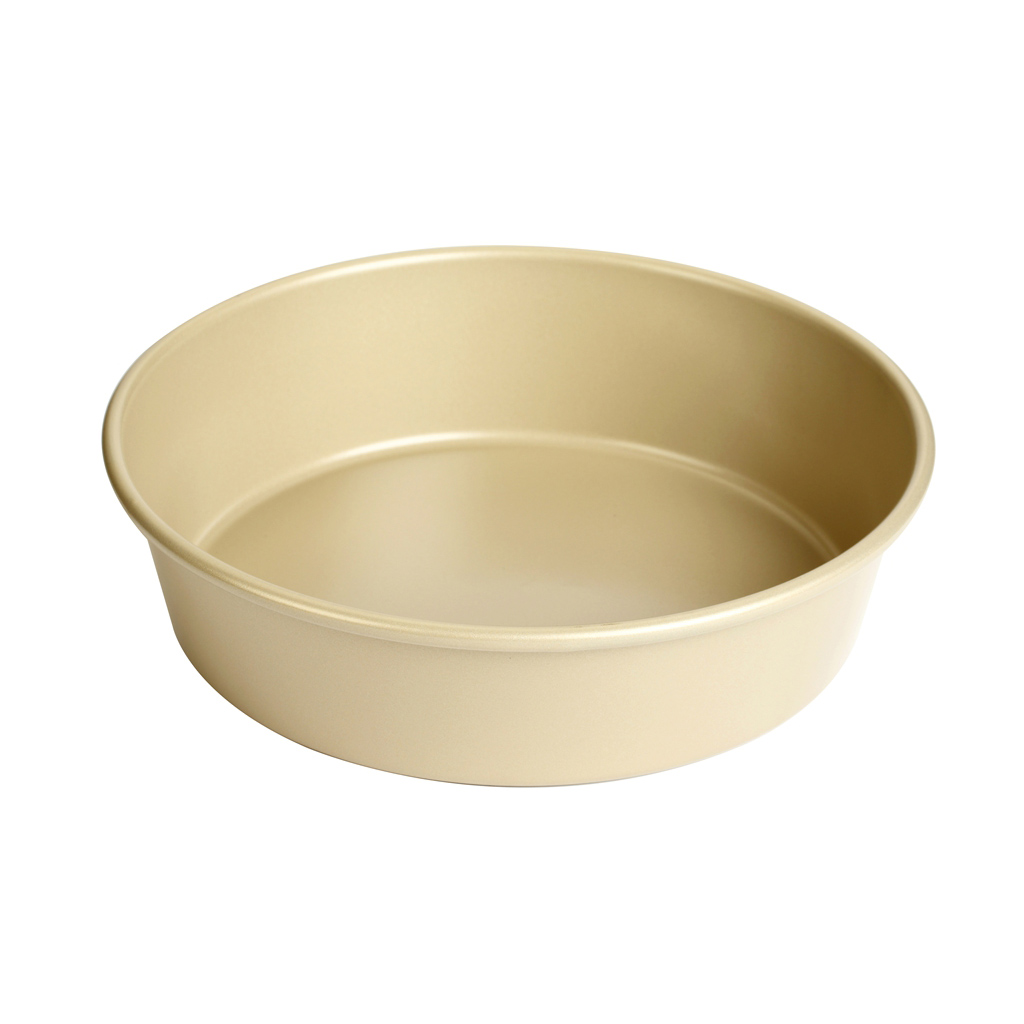
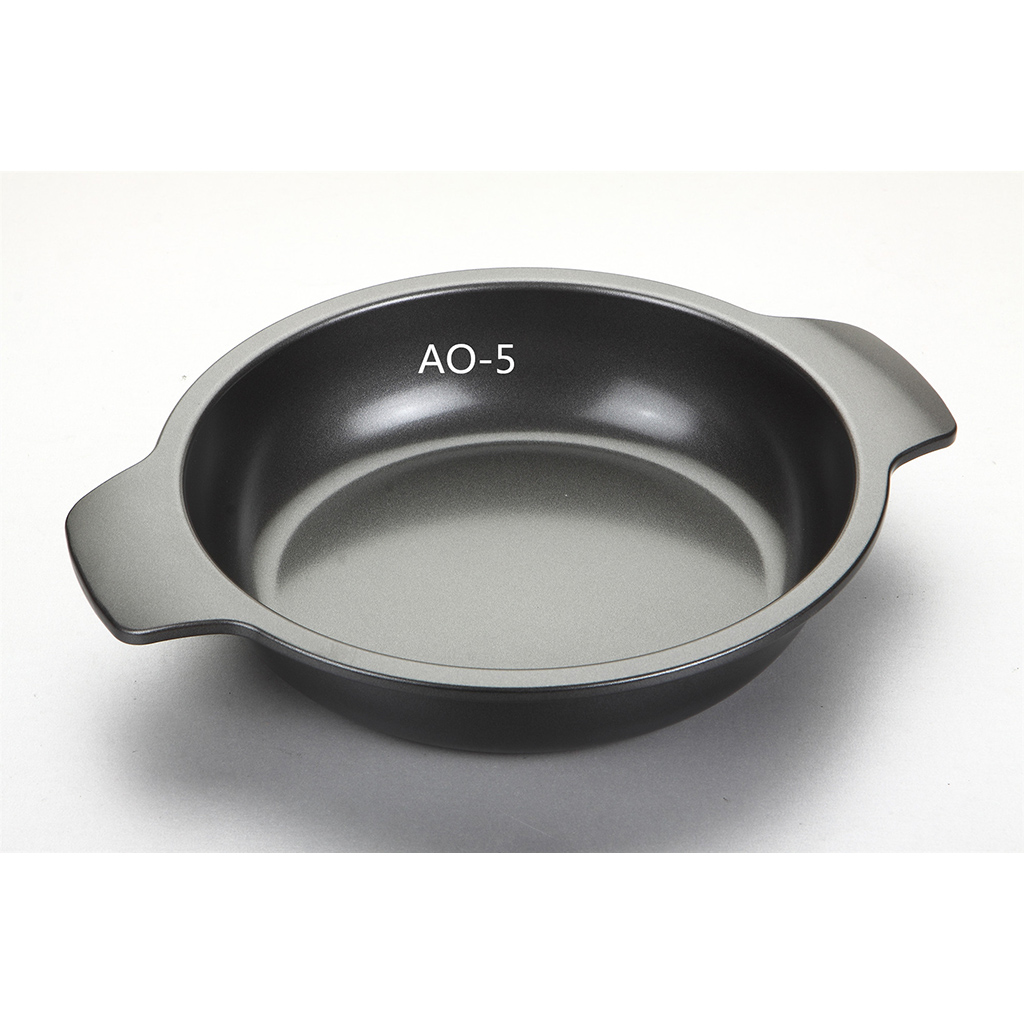
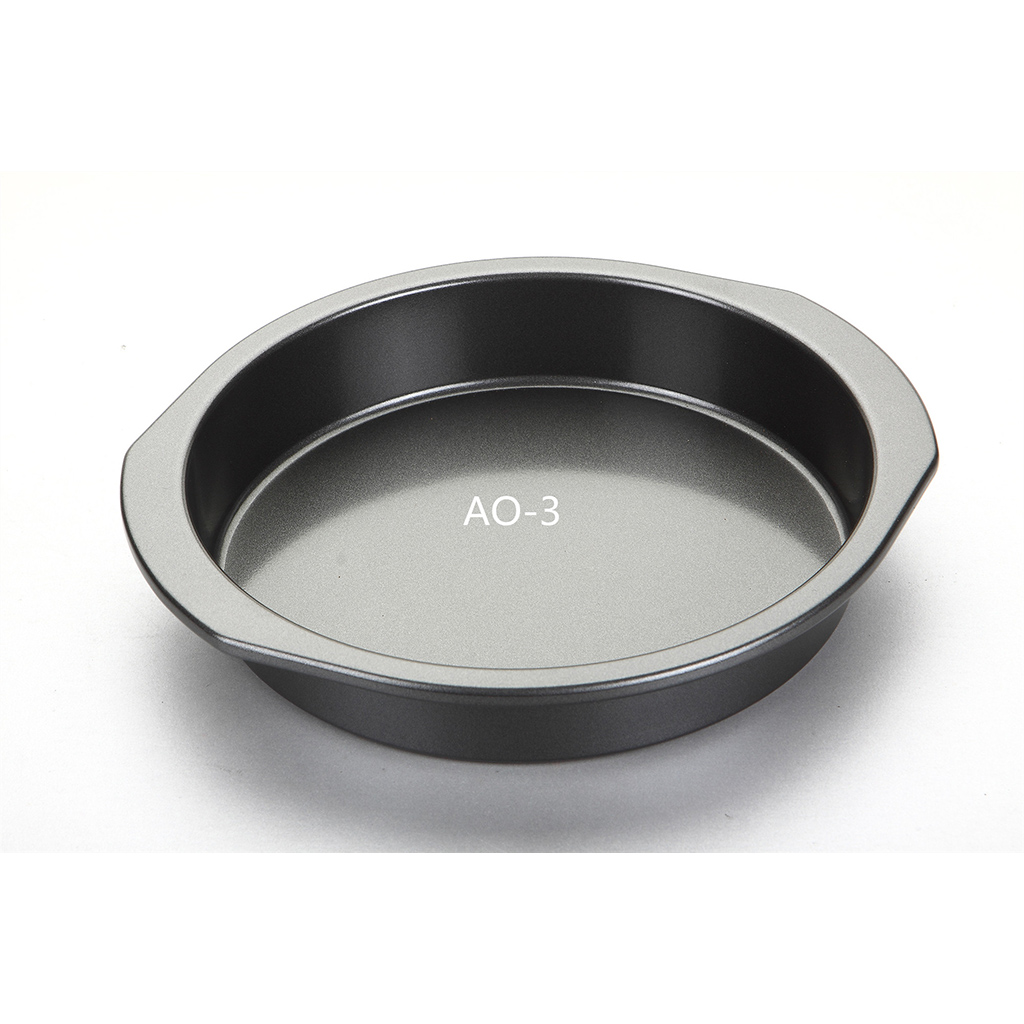
1. Deep Regular Round Cake Pans (The Pro Choice)
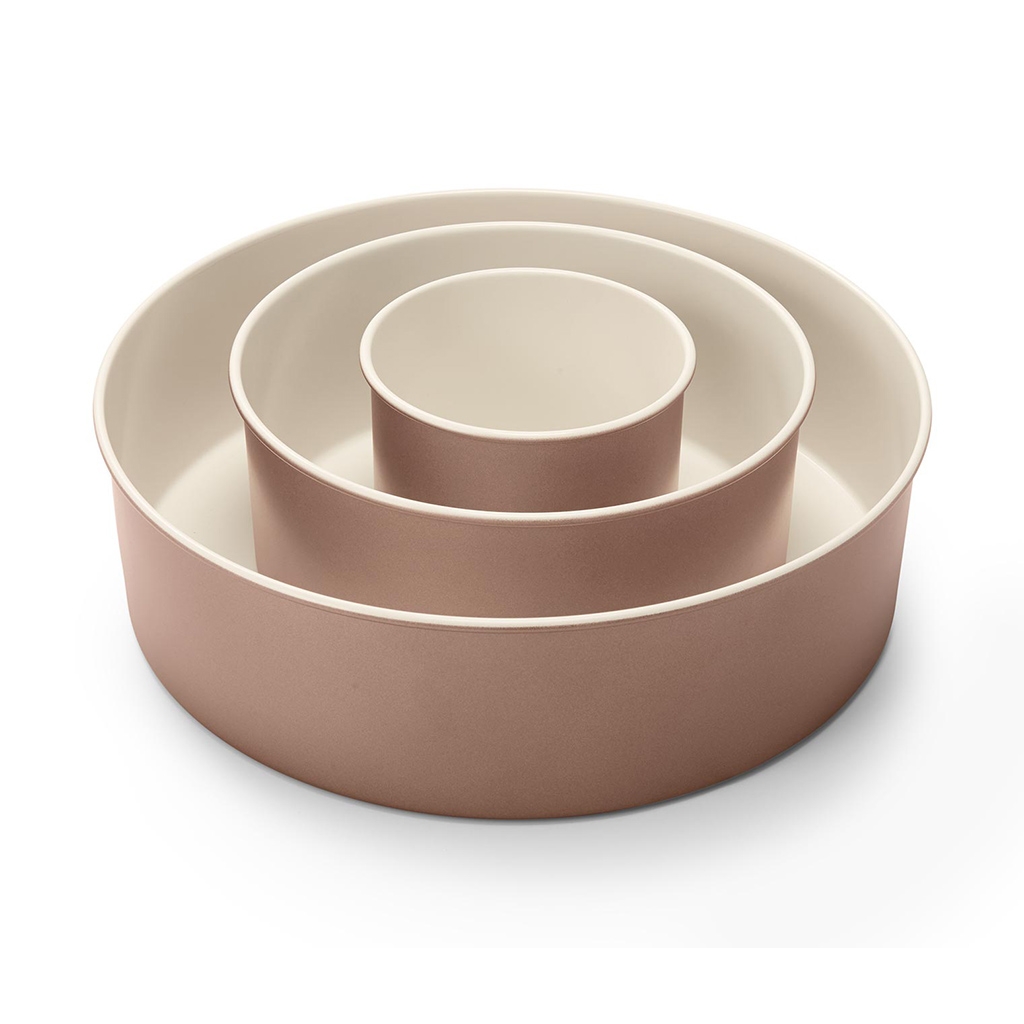
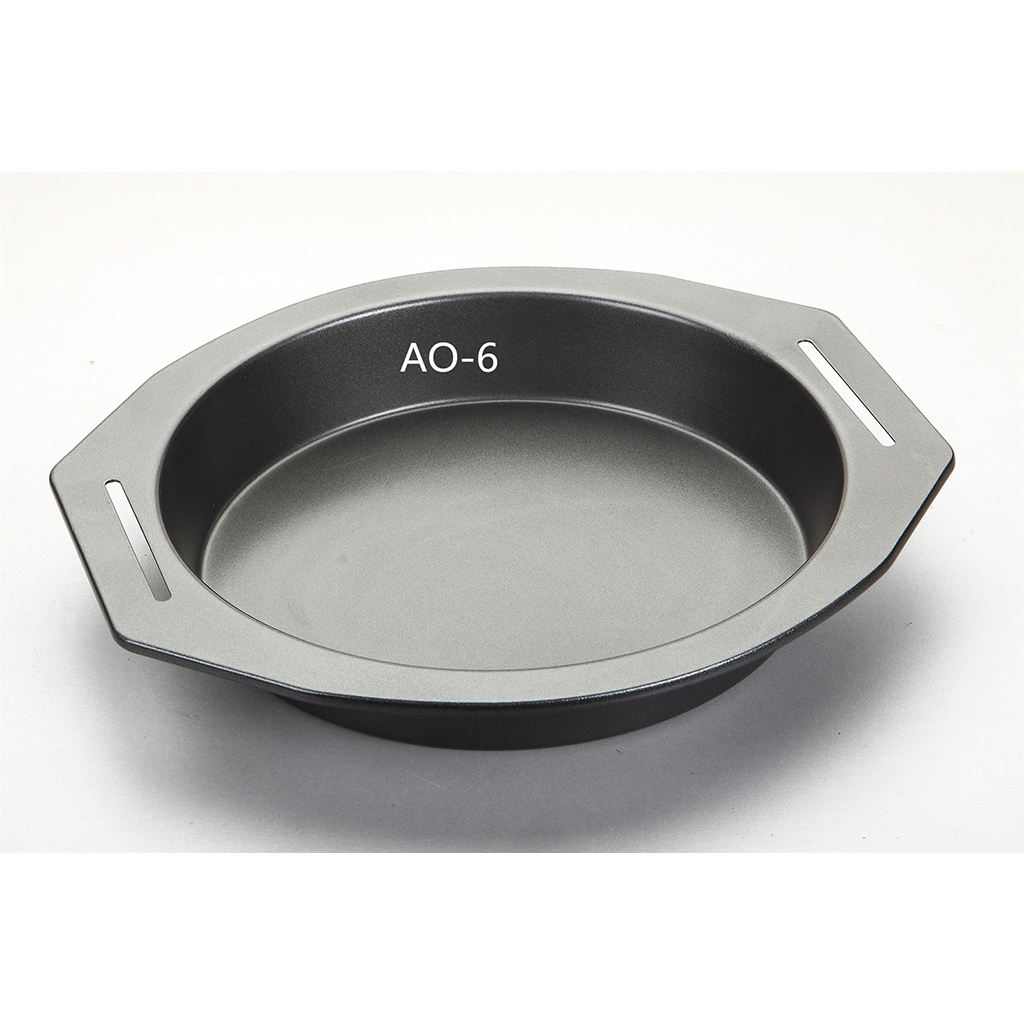
Many professional pastry chefs actually prefer heavy-gauge carbon steel or aluminum round cake pans over springform pans. Why? Because they are a single, solid piece of metal. They never leak, they distribute heat much more evenly, and they are significantly easier to place in a water bath without the hassle of wrapping the bottom in multiple layers of aluminum foil.
- Pros: Excellent heat distribution, zero risk of leaking in a water bath, highly durable.
- Cons: Requires careful lining with parchment paper to ensure the cake can be removed safely.
- Best For: Classic New York-style baked cheesecakes.
This is why many professionals who ask “can you make cheesecake without a springform pan” ultimately choose heavy-gauge solid pans as their go-to solution.
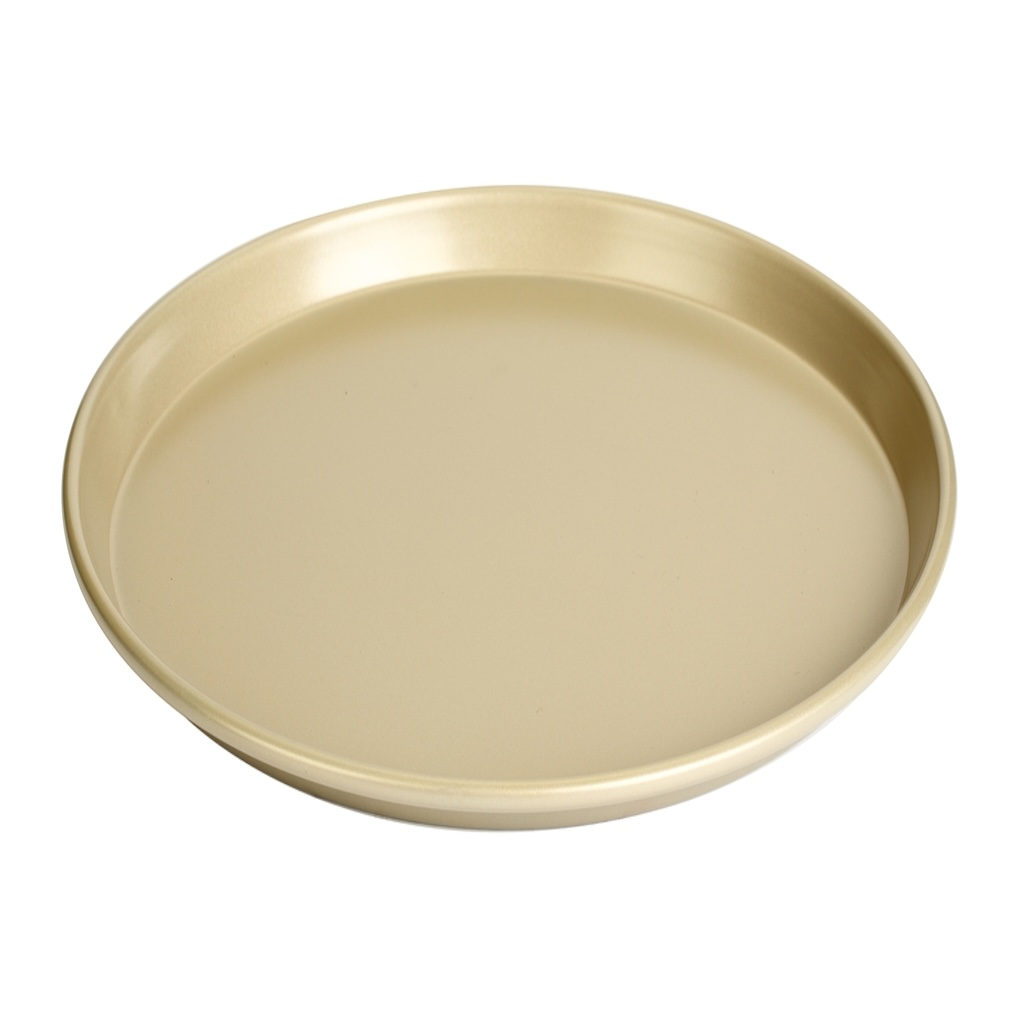
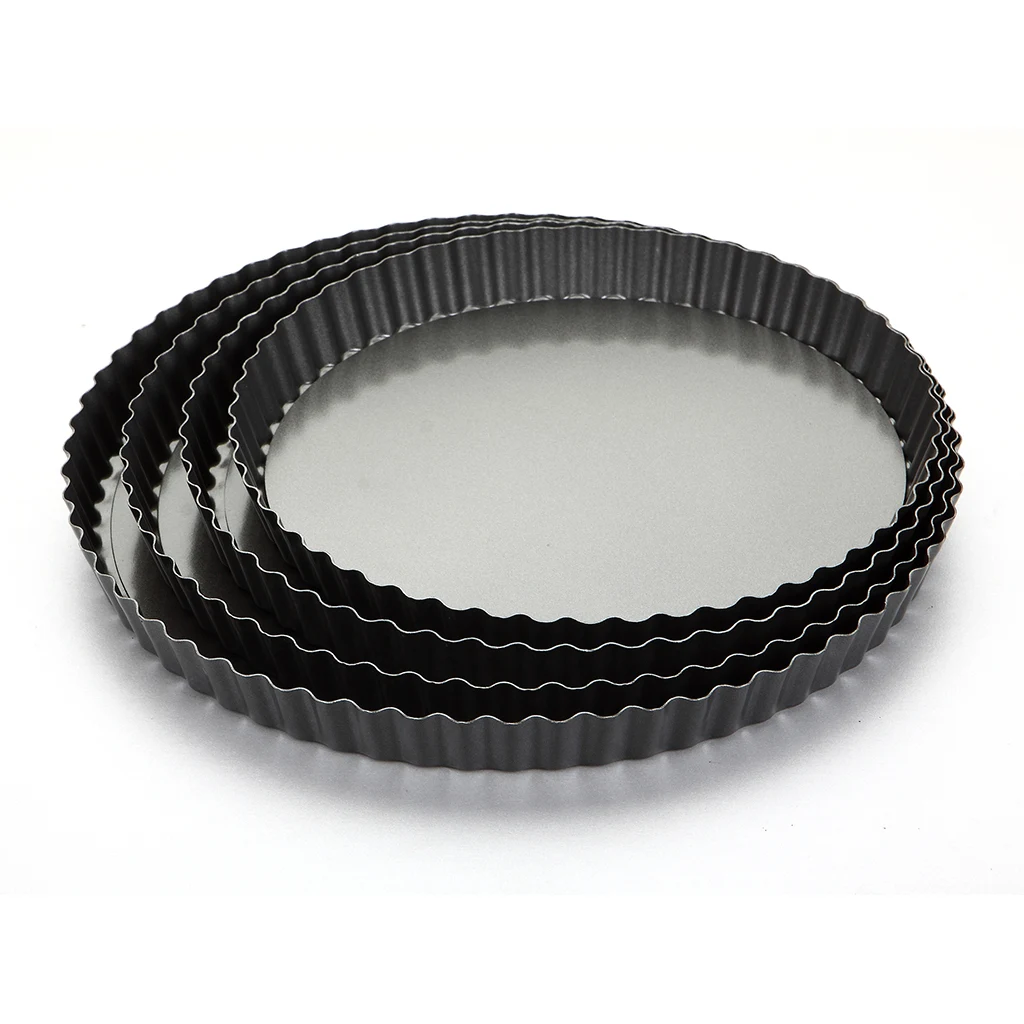
2. Pie Dishes and Tart Pans
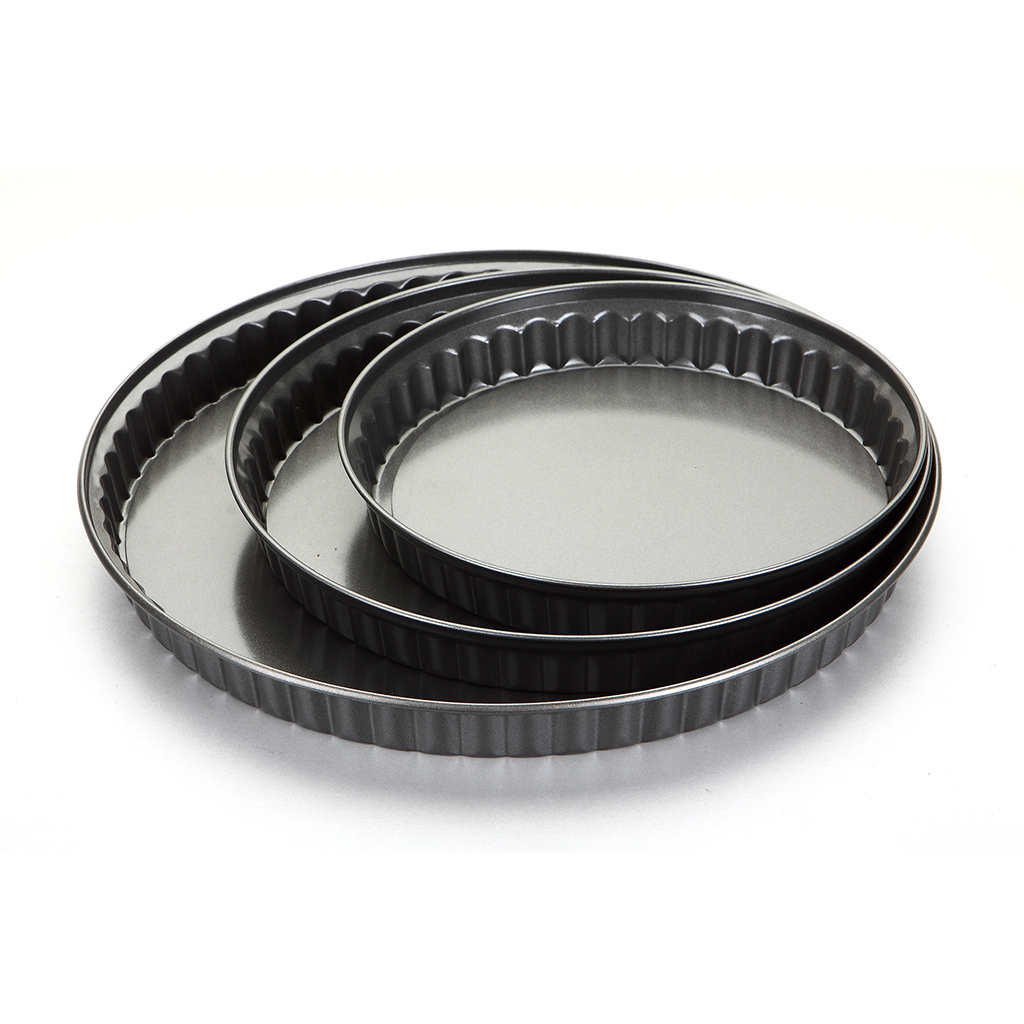
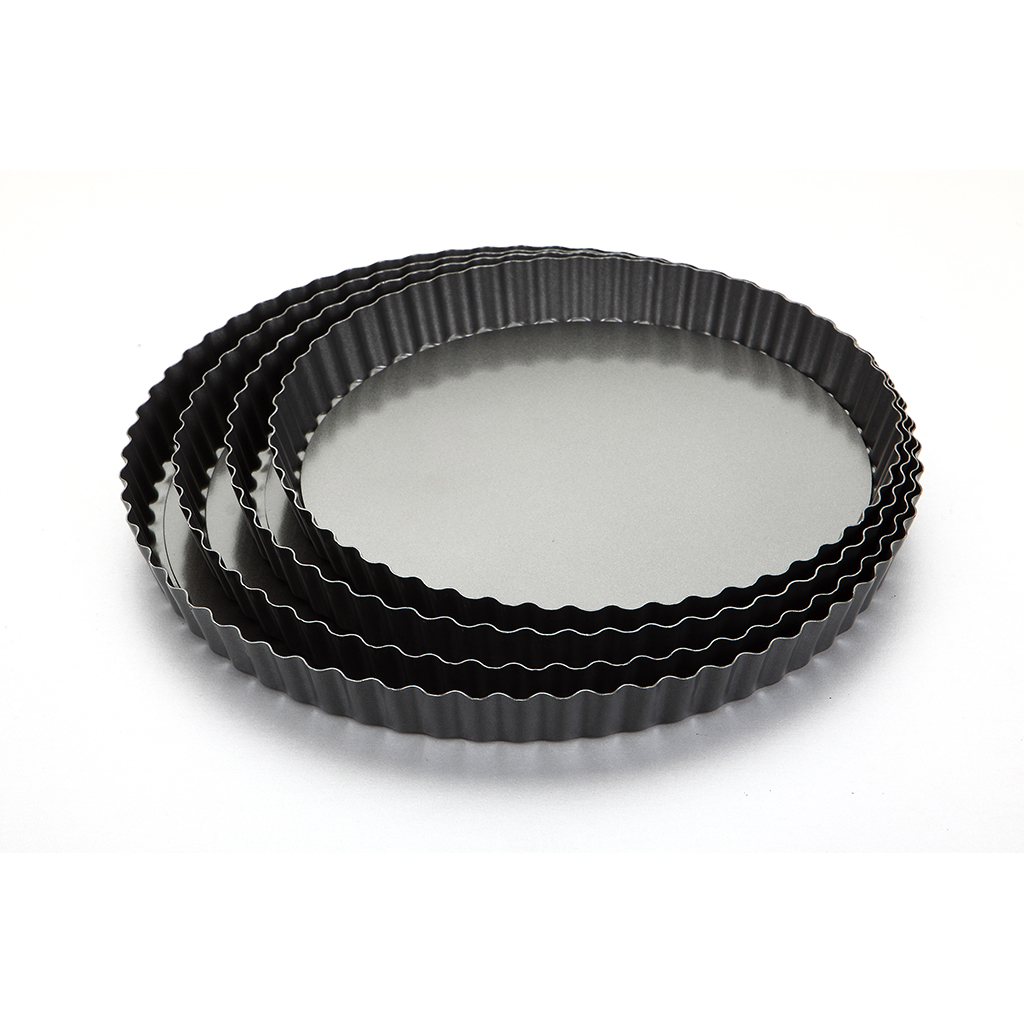
Can you make cheesecake without a springform pan if you want the easiest possible serving method? A standard 9-inch or 10-inch pie plate is an incredible substitute. If you make your cheesecake in a pie dish, you simply do not remove it from the dish! You slice and serve it directly from the pie plate, much like you would with a key lime pie or a French silk pie. This completely eliminates the stress of extracting the cake.
- Pros: Zero extraction stress, creates beautiful rustic edges, widely available.
- Cons: You cannot make ultra-tall, skyscraper-style cheesecakes because pie dishes are typically shallower than springform pans.
- Best For: Casual family gatherings, fruit-topped cheesecakes, and beginner bakers.
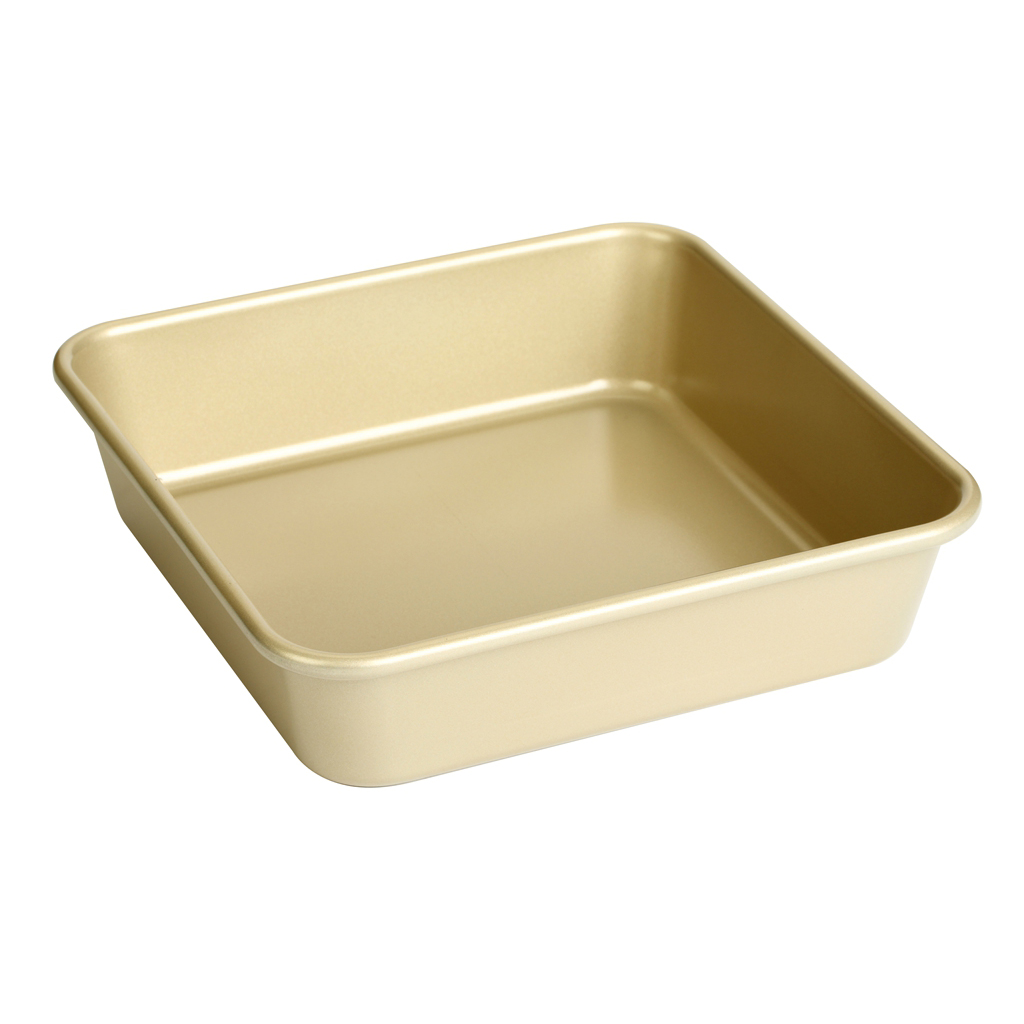
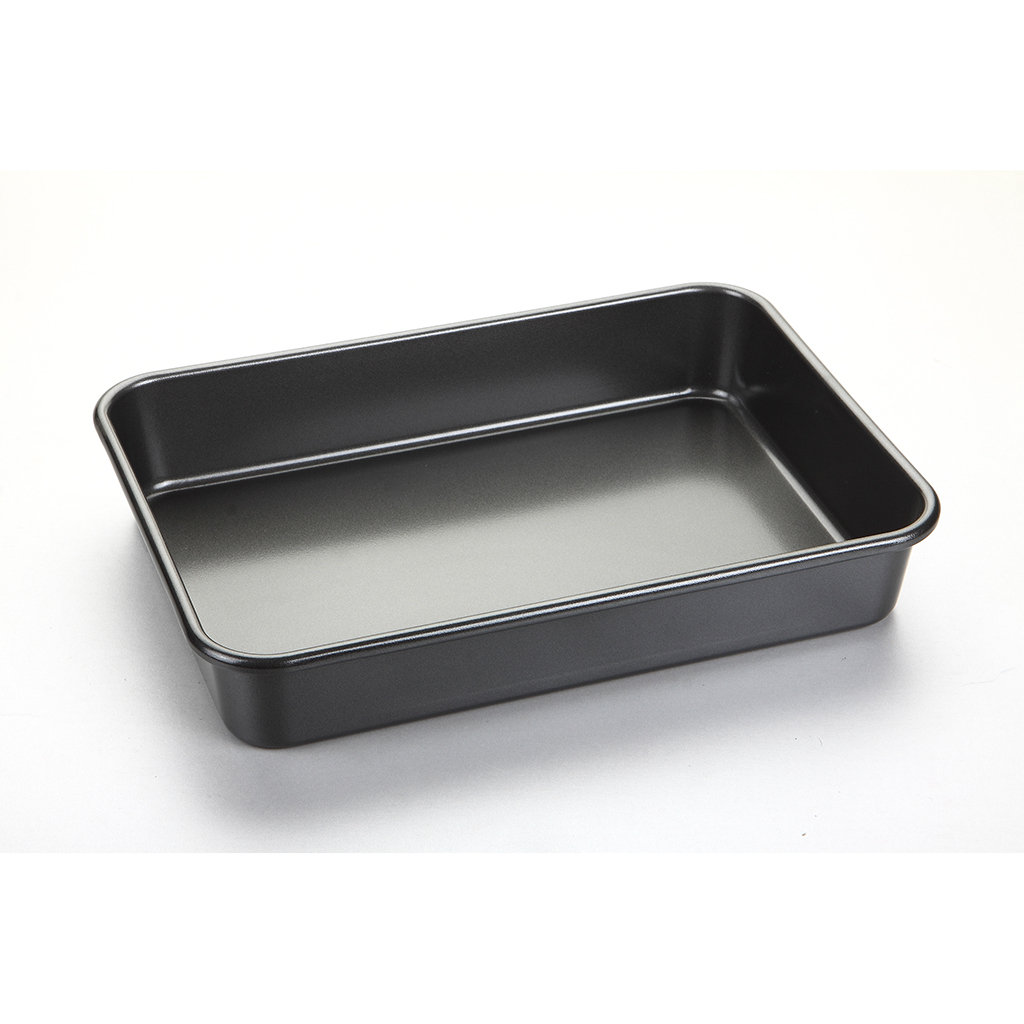
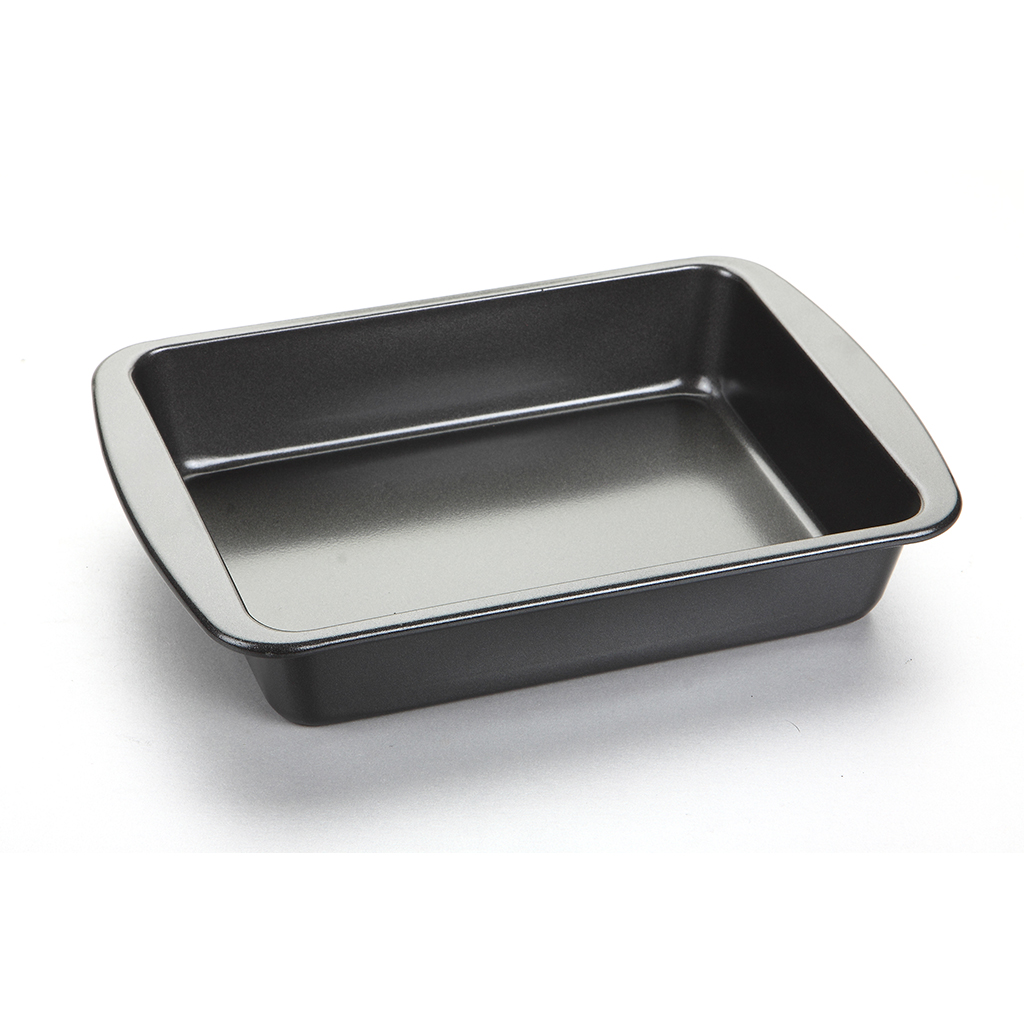
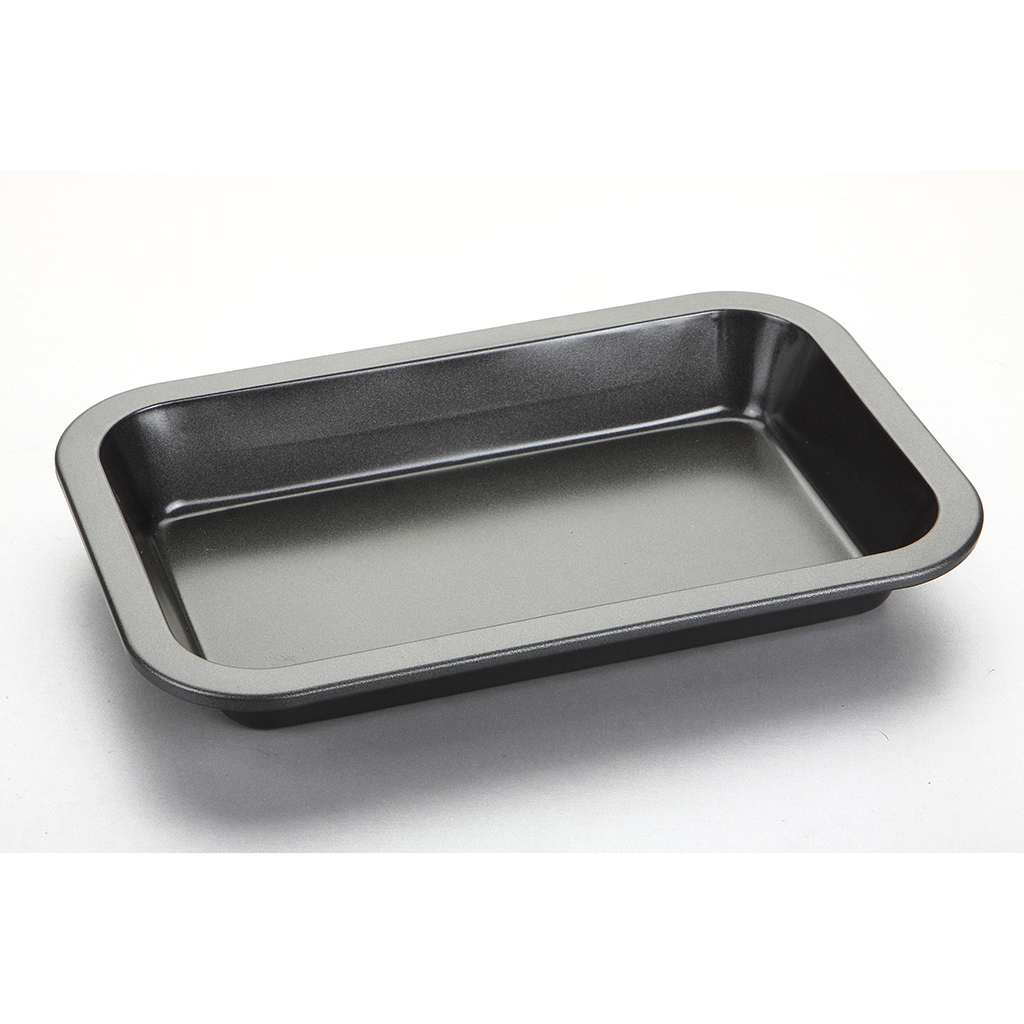
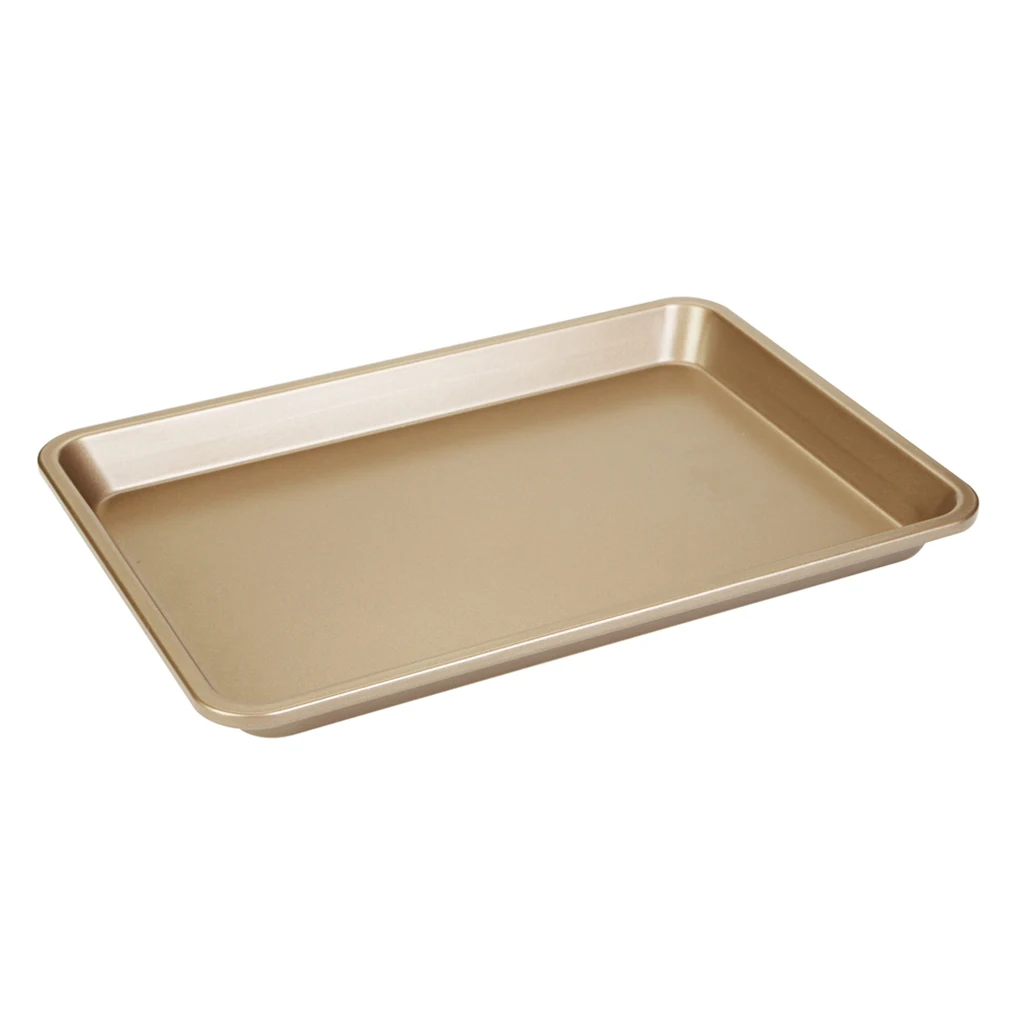
3. Square or Rectangular Baking Pans (Cheesecake Bars)
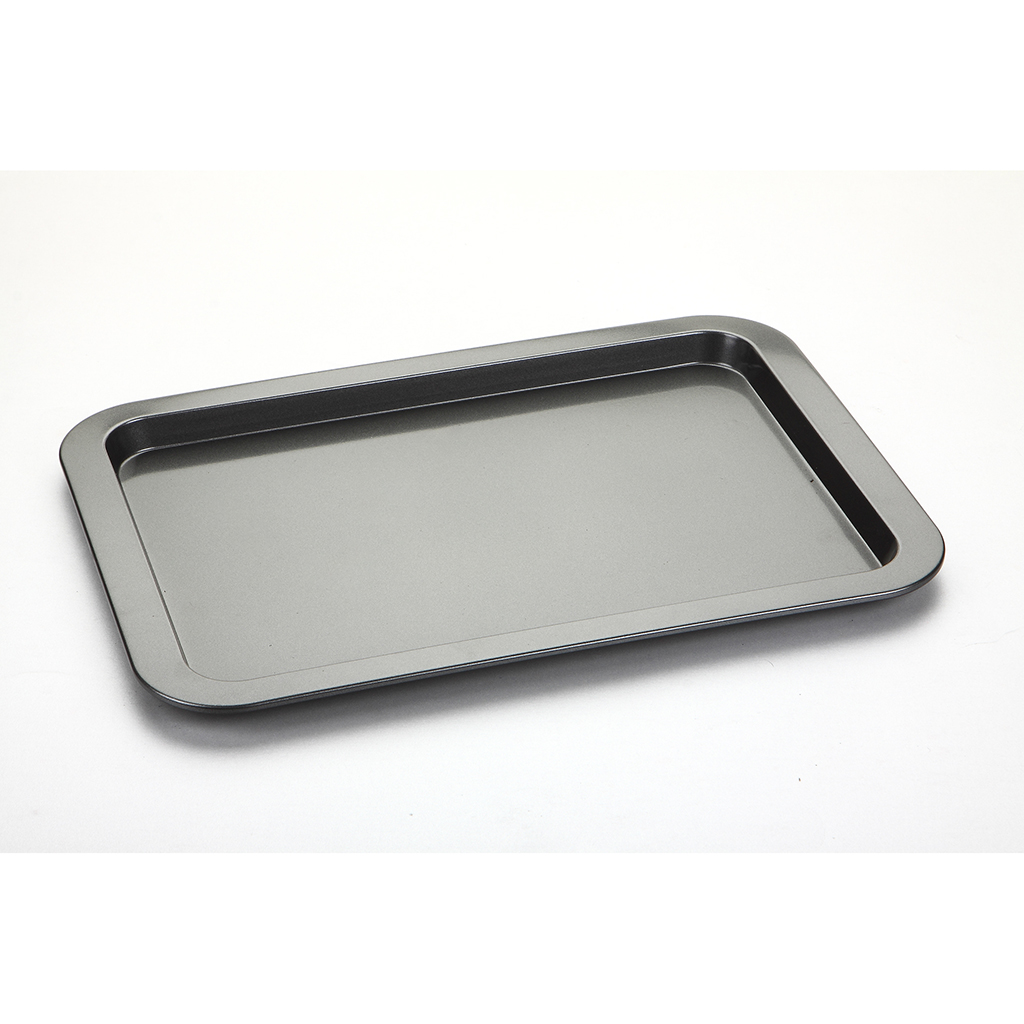
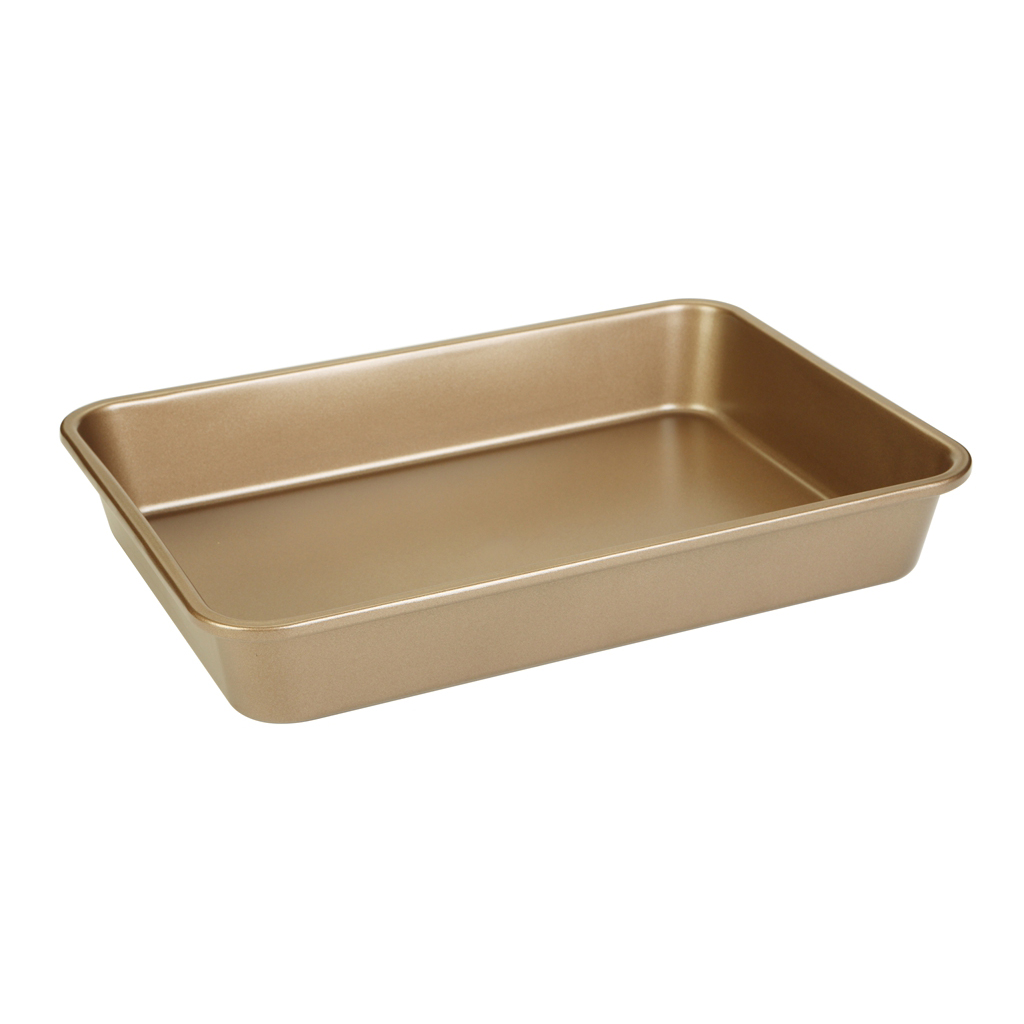
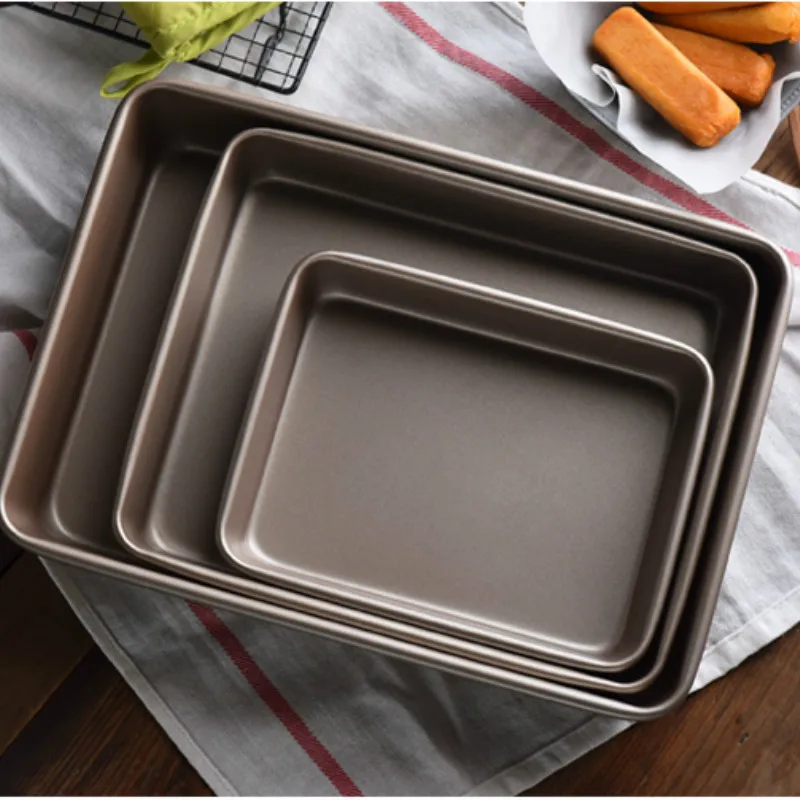
Who says a cheesecake has to be round? Using an 8×8 inch or 9×13 inch square brownie pan is one of the smartest hacks in baking. Instead of fighting to get a massive round cake out in one piece, you bake the cheesecake in a lined square pan and cut it into bite-sized or dessert-sized square bars.
- Pros: Perfect for parties and buffets, incredibly easy to extract using parchment paper, cuts beautifully.
- Cons: Lacks the traditional “cake” aesthetic.
- Best For: Potlucks, bake sales, and chocolate-swirl or caramel-drizzled cheesecakes.
4. Disposable Foil Pans
If you are taking a cheesecake to a party and do not want to worry about getting your good bakeware back, a disposable aluminum foil pan is a lifesaver. Because the metal is so thin and flexible, you can actually use a pair of kitchen shears to carefully cut the sides of the pan away once the cheesecake is fully chilled and set!
- Pros: No cleanup, the easiest extraction method possible (just cut the pan away).
- Cons: Not environmentally friendly for regular use, poor heat distribution can lead to uneven baking. Consider brands like Reynolds for reliable disposable bakeware.
- Best For: Traveling, holiday gifting, and stress-free baking.
5. Silicone Pans
Flexible silicone molds are a viable option due to their non-stick properties and pliability. However, their flexibility is also a drawback; the sides may not provide enough support for the heavy batter during baking and handling, increasing the risk of cracks or slumping.
- Pros: Non-stick, easy release, often come in novelty shapes.
- Cons: Requires a sturdy baking sheet for support, can cause the cheesecake to flex and crack if not handled with extreme care when chilled.
- Best For: No-bake cheesecakes or small, individual portions. Use with caution for traditional baked recipes.
We’ve established that can you make cheesecake without a springform pan is a resounding yes. Now let’s solve the next challenge: getting that heavy, delicate cake out of a solid pan without cracks.
Mastering the Parchment Paper Sling: The Ultimate Extraction Hack
If you choose to use a regular cake pan, a square pan, or a loaf pan, the secret to success lies in the parchment paper sling. This is a non-negotiable step if you want to lift your heavy baked cheesecake out of a solid pan without it cracking.Step-by-Step: How to Create a Parchment Sling
- Grease the Pan: Start by lightly buttering or spraying the inside of your solid cake pan. This acts as a glue for the parchment paper.
- Cut Two Long Strips: Cut two long strips of high-quality parchment paper. The width should match the bottom of the pan, and the length should be long enough to go across the bottom and up the sides, with at least 2 inches of overhang on each side.
- Criss-Cross the Strips: Lay the first strip across the pan, pressing it firmly into the corners and against the sides. Lay the second strip perpendicular to the first, creating a cross or an ‘X’ shape at the bottom.
- Secure the Overhang: You now have four handles of parchment paper hanging over the edges of the pan. You can secure these to the outer rim using metal binder clips while you pour the batter so they do not fall in.
- Pour and Bake: Build your crust and pour your cheesecake batter directly over the parchment paper.
How to Bake a Cheesecake in a Regular Cake Pan Without Damaging It
Baking a cheesecake in a standard solid round pan requires a few slight adjustments to your traditional recipe to ensure the edges do not overcook while the center remains beautifully creamy.Adjusting the Crust
In a springform pan, the crust is often pressed up the high sides of the pan. In a regular cake pan, which is usually only 2 to 3 inches deep, it is often easier and safer to do a bottom-only crust. Pressing crumbs up the sides of a parchment-lined solid pan can make the extraction process slightly more volatile. Stick to a thick, flat bottom crust for the safest results.Temperature and Timing
Regular cake pans, especially those made of high-quality carbon steel or thick aluminum, conduct heat more rapidly and evenly than the bulky locking mechanism of a springform pan. Because of this, your cheesecake might actually bake a little faster! Keep a close eye on the oven during the last 15 minutes of the recommended baking time. You are looking for the classic cheesecake finish: the outer edges should be slightly puffed and set, but the center 2 to 3 inches should still have a gentle, gelatinous jiggle when you tap the side of the pan.The Best No-Bake Cheesecake Methods for Alternative Pans
If the thought of using a water bath and testing for the perfect “jiggle” makes you nervous, there is an even easier route to making cheesecake without a springform pan: the no-bake cheesecake.
No-bake cheesecakes do not contain eggs and do not require oven time. Instead, they rely on heavy whipped cream, cream cheese, and sometimes gelatin to set firmly in the refrigerator. Because they never go in the oven, you have vastly more flexibility with your bakeware!
No-Bake in Glass Dishes or Casserole Pans
You can make a massive, crowd-pleasing no-bake cheesecake in a large glass Pyrex or ceramic casserole dish. You simply press the graham cracker crust into the bottom, pour the whipped cream cheese filling over the top, smooth it out, and let it chill. To serve, you scoop it out like a cobbler or cut it into squares directly in the dish. It is stress-free, looks beautiful with fresh fruit toppings, and tastes incredibly light and refreshing.
Individual Cheesecake Jars
Another fantastic alternative is making individual portion cheesecakes in small glass mason jars, ramekins, or dessert cups.
- Put a spoonful of buttered biscuit crumbs at the bottom of each jar.
- Pipe or spoon the no-bake cheesecake filling on top.
- Finish with a layer of strawberry compote, lemon curd, or chocolate ganache.
This is highly popular in upscale restaurants and D2C food brands because it offers perfect portion control and requires zero pan extraction. Plus, it looks stunning on camera for social media!
The Water Bath Advantage & How to Nail It with Any Pan
A water bath is the single most effective technique for preventing cracks and ensuring a creamy, even texture from edge to center, especially when you make cheesecake without a springform pan.
- Why It Works: The water creates a humid, gentle-heat environment that prevents the eggs in the custard from overcooking and curdling too quickly, which causes cracking.
- The Massive Advantage of Solid Pans: Here, solid pans shine. Unlike springform pans which must be meticulously wrapped in foil, a solid pan is naturally leak-proof. Simply place your cheesecake pan inside a larger roasting pan, pour hot water into the roasting pan until it reaches halfway up the sides of the cheesecake pan, and bake.
B2B Insights: Why Understanding Pan Alternatives Matters for Importers
If you are a bulk importer, a brand manager for kitchenware, or a category manager for a large supermarket chain, understanding that consumers can make cheesecakes in regular pans is highly valuable commercial knowledge.
Diversifying Your Bakeware Catalog
While springform pans will always have a dedicated spot on retail shelves, promoting high-quality, heavy-gauge solid cake pans as multi-purpose baking vessels is a fantastic marketing strategy. Many home bakers are intimidated by the idea of buying a springform pan because they feel it is a “single-use” unit that just takes up space in their kitchen.
By providing content and marketing materials that show how a premium carbon steel round cake pan can be used for tiered sponge cakes, deep-dish pizzas, および flawless cheesecakes, you increase the perceived value of your core bakeware line.
The Push for Leak-Proof Durability
Modern consumers are increasingly looking for durability and ease of use. Springform pans, by nature of their design, have moving parts that can bend or wear out over time, leading to worsening leaks. Highlighting your factory’s ability to produce seamless, deep-draw carbon steel pans with superior non-stick ceramic coatings offers a long-lasting, heavy-duty alternative to traditional springform pans that retail buyers will appreciate.
Frequently Asked Questions
Q:Can you make cheesecake without a springform pan in a glass dish?
A:Yes, particularly for no-bake recipes. For baked cheesecakes, glass is an option but requires caution: reduce your oven temperature by 25°F (about 15°C) as glass retains heat intensely and can lead to overbaking and a rubbery texture. Always ensure the dish is oven-safe to avoid thermal shock.
Q:My cheesecake has a browned, leathery top. What happened?
A:This is typically caused by oven temperature that is too high, baking time that is too long, or not using a water bath. The top overcooks before the center sets. Using a water bath and accurately monitoring doneness with a thermometer or the jiggle test are the best preventions. A browned top is purely cosmetic and can be covered with toppings.
Q:Can I make mini cheesecakes without a springform pan?
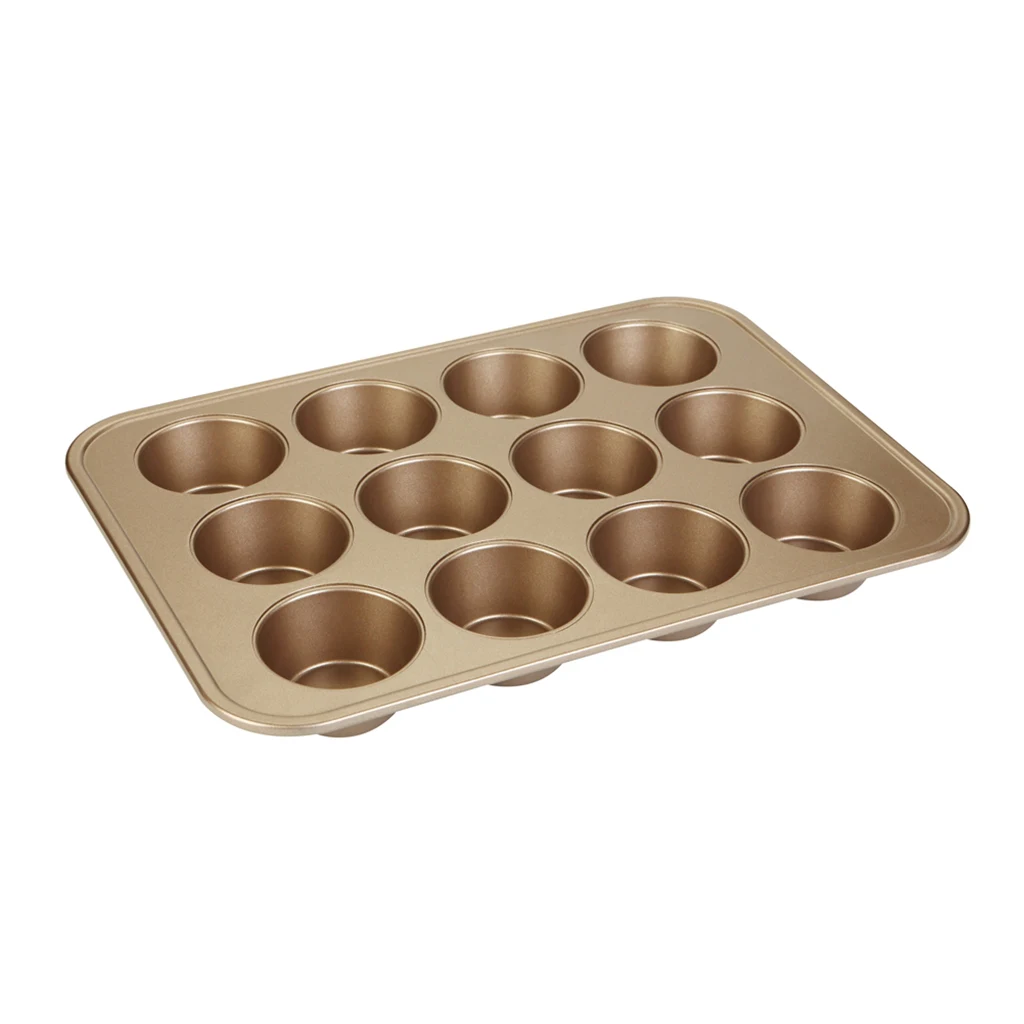
A:Absolutely. A standard muffin tin lined with parchment or foil liners is perfect for individual portions. For baked versions, a water bath is still recommended. Alternatively, use ramekins, jars, or a dedicated mini cheesecake pan for no-bake recipes.
Conclusion: Unleash Your Cheesecake Creativity
The springform pan is a tool, not a rule. As we’ve explored, the answer to “can you make cheesecake without a springform pan” is a definitive yes. A range of common pans—from professional round cake pans and simple pie dishes to square baking sheets—can produce stunning, delicious results, often with fewer hassles like leakage. Furthermore, the no-bake path opens up even more possibilities with serving dishes and individual jars. The keys are understanding the technique: mastering the parchment sling, embracing the water bath, and practicing patience during cooling and chilling.
For bakers, this knowledge liberates you to create without specialized equipment. For businesses in the bakeware industry, it provides a compelling narrative to market durable, multi-purpose professional pans. So, whether you’re a home cook or an industry professional, look at your bakeware with new eyes. The perfect cheesecake might be just one pan—and this guide—away.
Ready to Bake Like a Professional?
For those seeking reliable, professional-grade alternatives to springform pans, consider exploring the Aolijue collection of bakeware . As a registered brand specializing in kitchen utensils and baking molds, Aolijue offers a range of round cake pans, tart pans with removable bottoms, and sturdy baking pans that are ideal for the techniques discussed in this guide. Investing in well-constructed, multi-purpose pans not only expands your baking repertoire but also ensures consistent results for years to come.
Upgrade your ovenware collection today!
Happy baking!