
Why Aluminized Steel Is Popular in Commercial Bakeware
In commercial bakeware manufacturing, aluminized steel has become one of the most widely used materials for baking trays and pans.
But what makes this material so popular?
The answer lies in its balance between durability, heat performance, and corrosion resistance.
What Is Aluminized Steel?
Aluminized steel is carbon steel coated with an aluminum-silicon alloy layer.
This combination provides the structural strength of steel while adding the protective benefits of aluminum.
It is commonly used in:
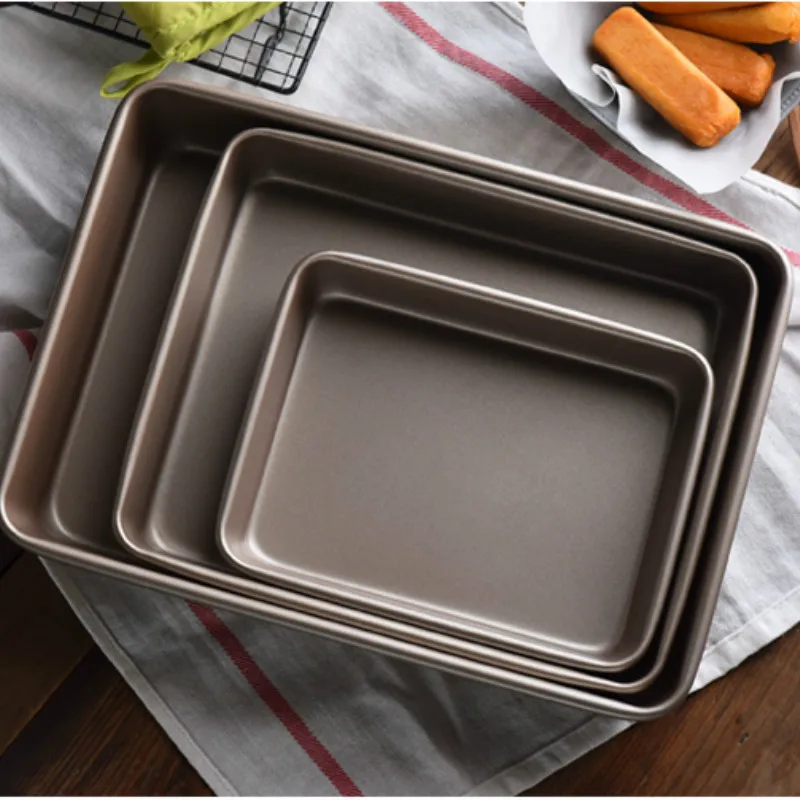
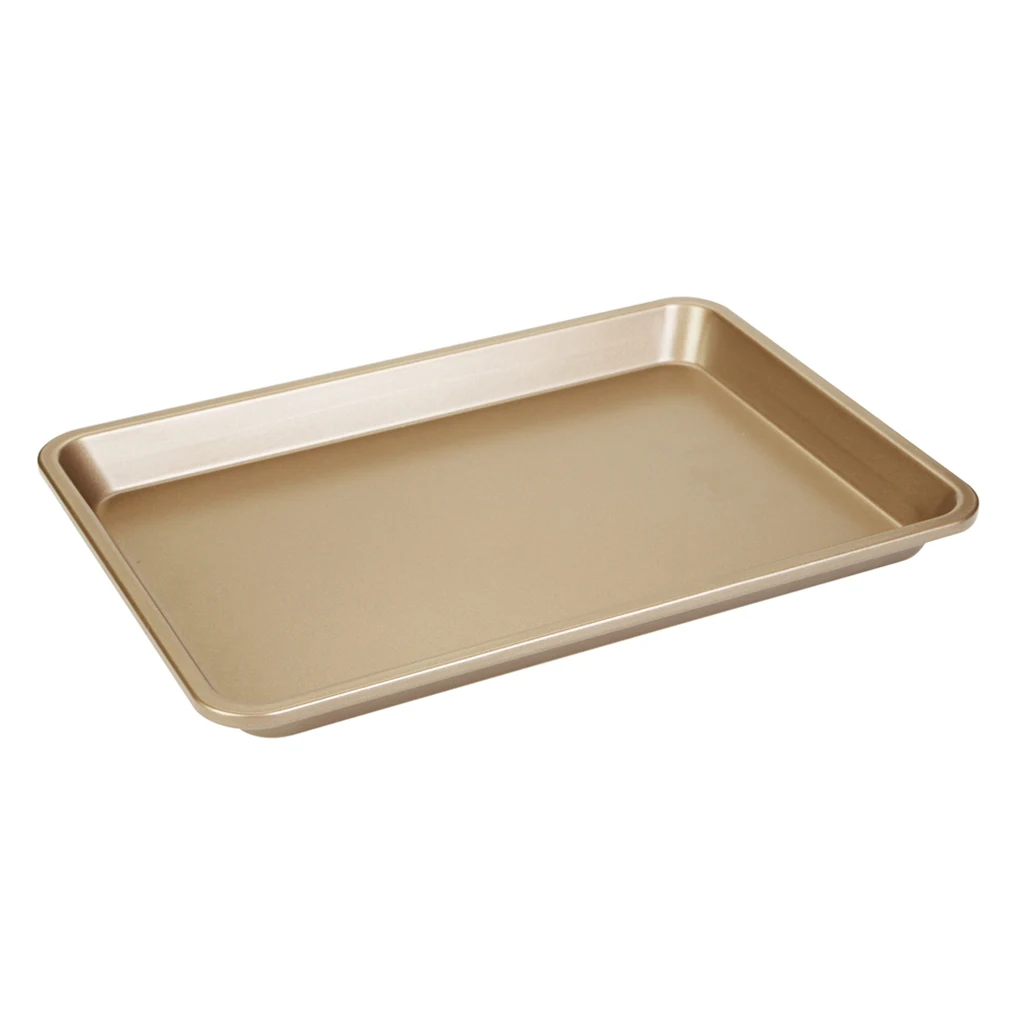
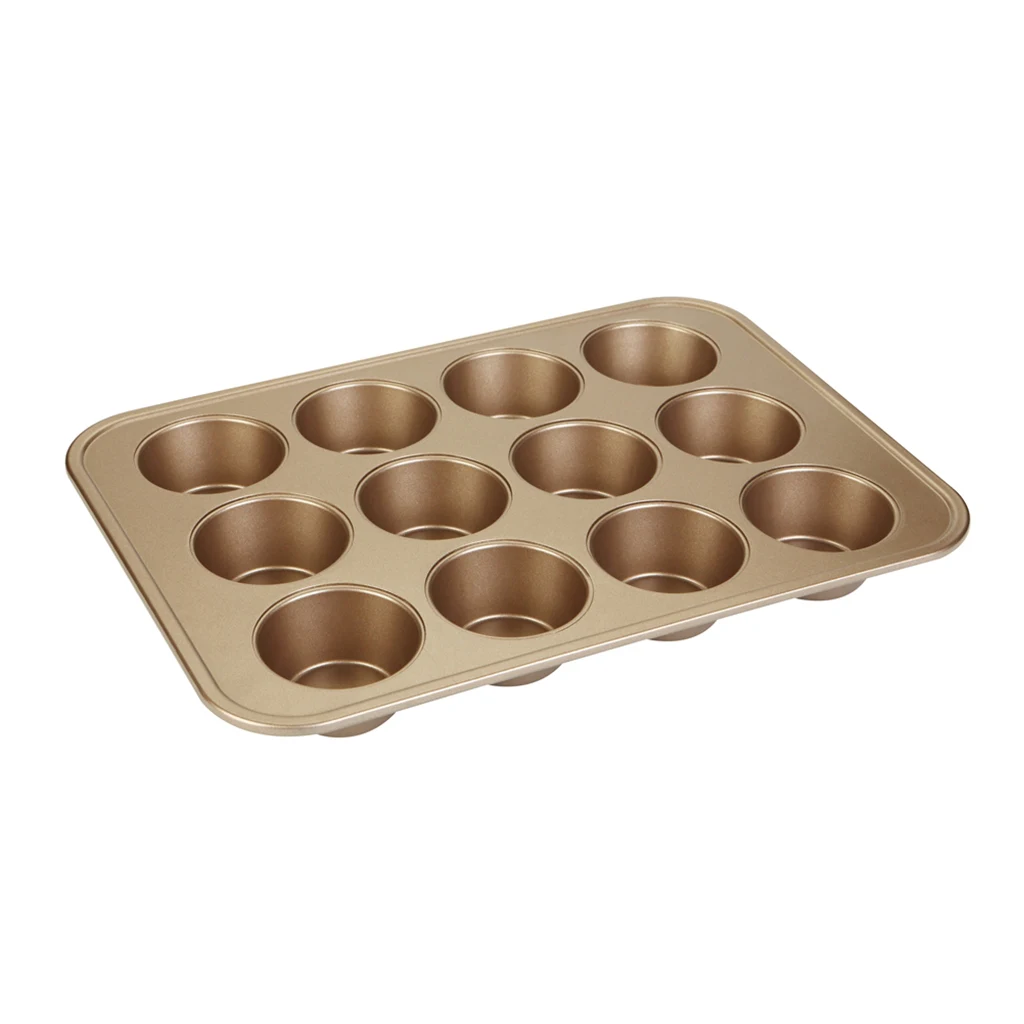
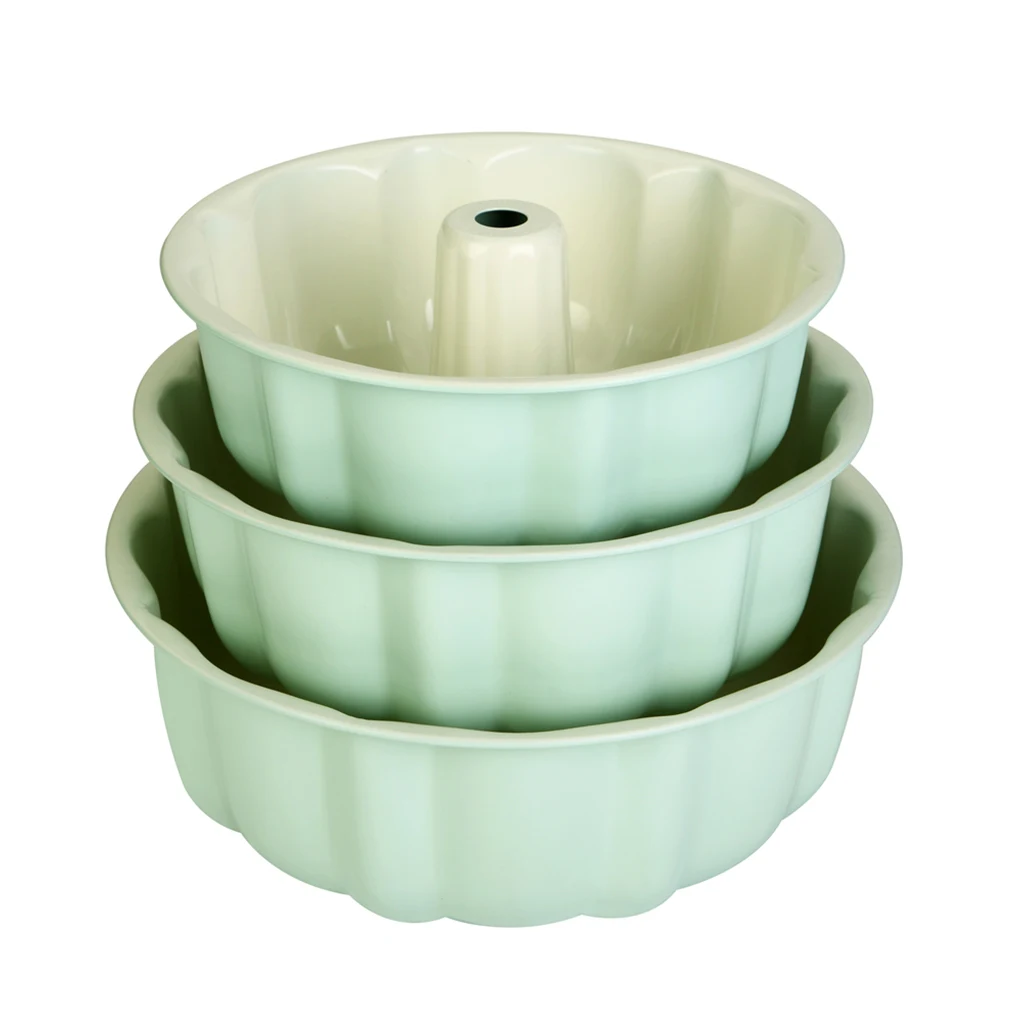
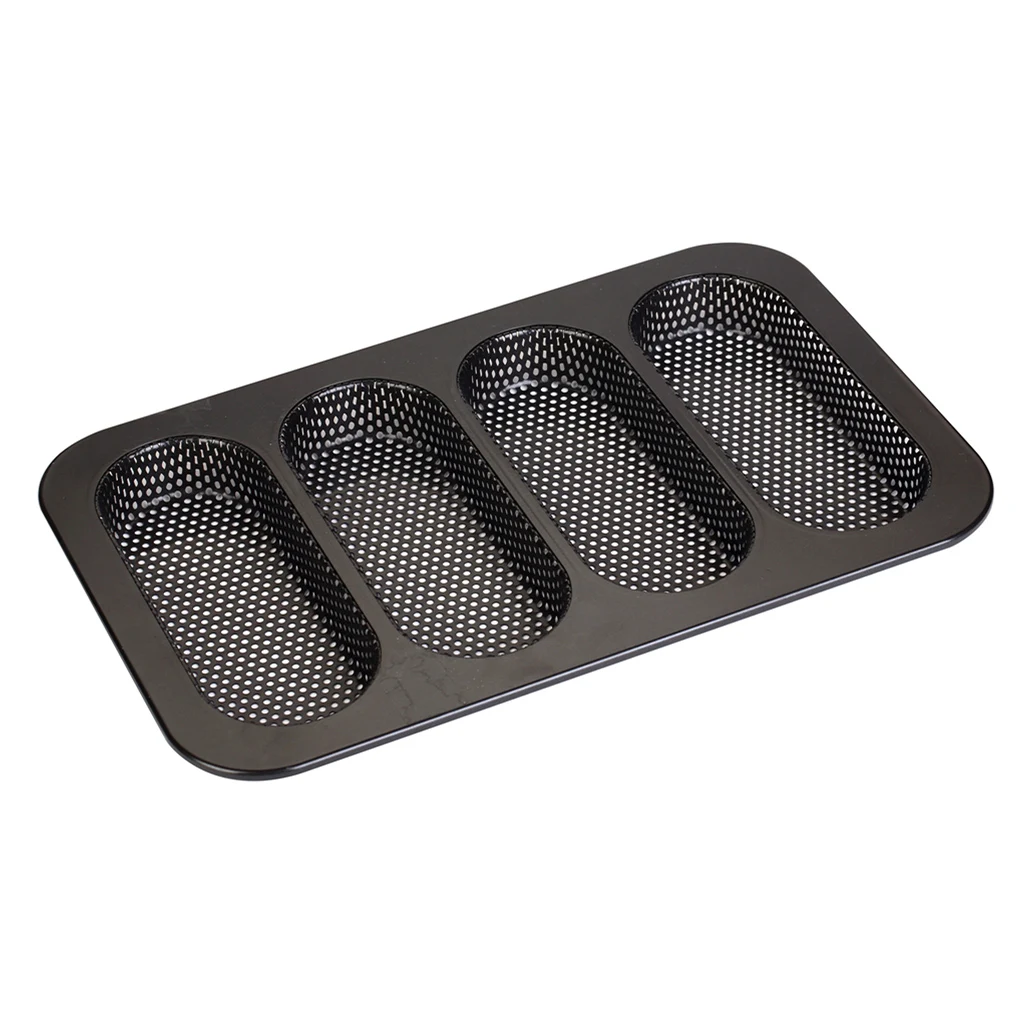
- baking trays
- loaf pans
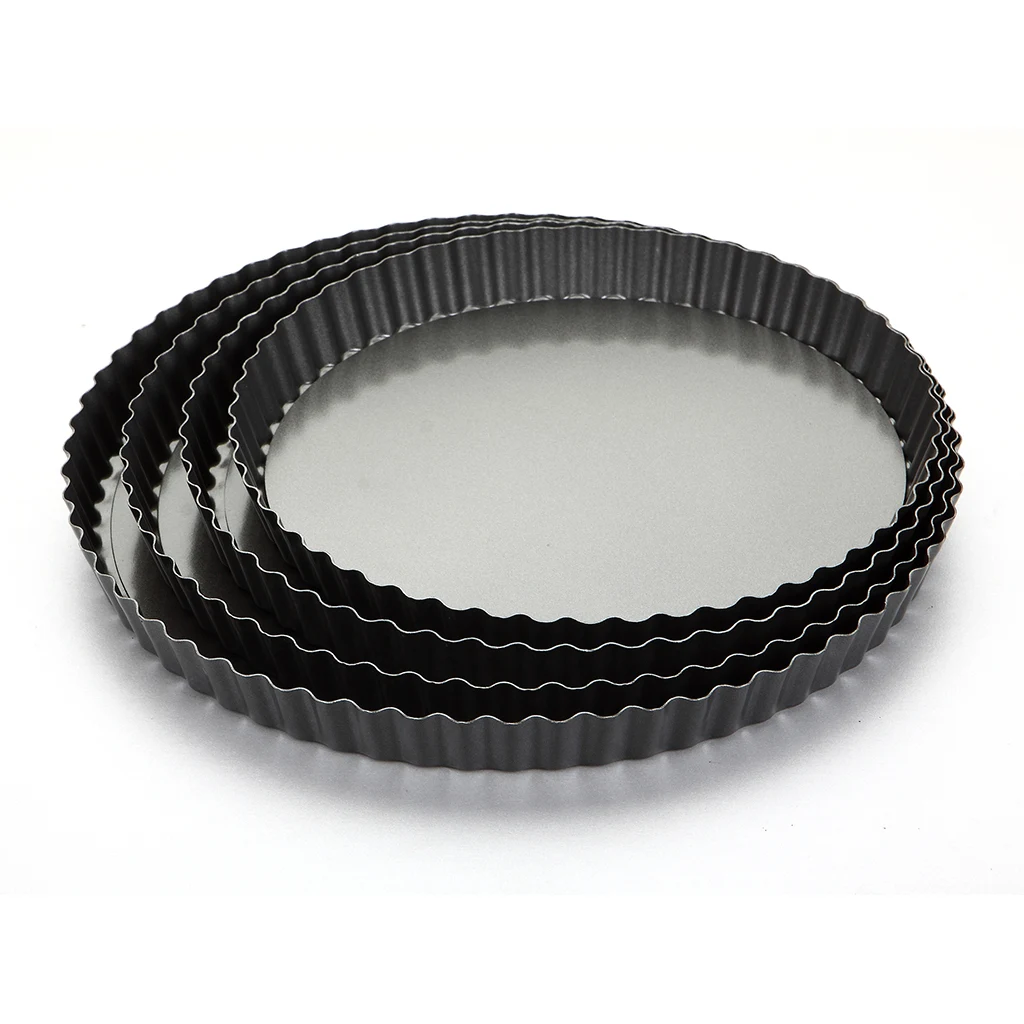
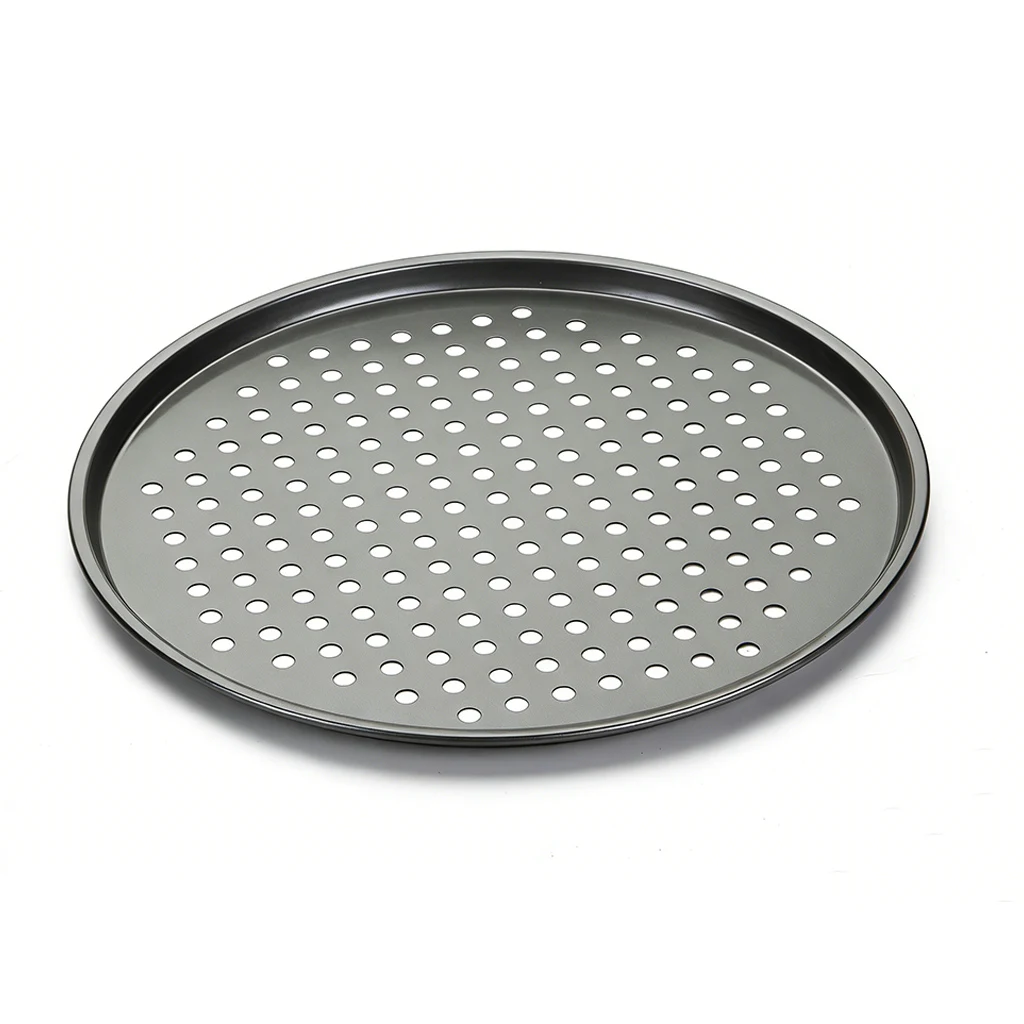
- pizza pans
- commercial sheet pans
Excellent Heat Performance
Aluminized steel offers efficient heat transfer, helping products bake evenly.
This is important because inconsistent heating can cause:
- uneven color
- poor texture
- inconsistent product quality
The material heats quickly while maintaining stable baking performance.
Better Corrosion Resistance
Compared with plain carbon steel, aluminized steel has improved resistance to:
- rust
- oxidation
- moisture damage
Commercial kitchens often expose bakeware to:
- steam
- oils
- repeated washing
The aluminum coating helps protect the tray surface under these demanding conditions.
Longer Service Life
Durability is a major reason why bakeries prefer aluminized steel bakeware.
The material resists:
- warping
- cracking
- surface deterioration
This makes it suitable for high-volume commercial production environments.
Why It Works Well with Non-Stick Coatings
Aluminized steel also provides a stable base for food-grade non-stick coatings.
This improves:
- coating adhesion
- release performance
- cleaning efficiency
As a result, many professional baking trays combine aluminized steel with silicone or PTFE coatings.
Conclusion
Aluminized steel combines the best characteristics of steel and aluminum into a highly practical bakeware material.
Its durability, heat performance, and corrosion resistance make it an industry standard in commercial baking.
For professional bakeries, material selection is not just about cost—it is about long-term reliability.