When the holidays approach, or a Sunday family dinner is on the calendar, one specific piece of cookware takes center stage: the roasting pan. But for many, the question remains: what is a roasting pan, and how does it differ from the baking sheets and casserole dishes in your cabinet?
More than just a seasonal vessel for turkey, a roasting pan is a specialized piece of high-performance cookware engineered for high-heat, dry-heat cooking. It manages large proteins, facilitates the creation of rich sauces, and delivers superior culinary results. This definitive guide will dissect its anatomy, explain the science behind its design, and demonstrate why it’s an indispensable tool for achieving perfectly roasted meats and vegetables. We’ll also explore year-round versatility and practical alternatives, ensuring you can maximize this kitchen investment.
If you’ve ever wondered what is a roasting pan exactly, you’re not alone. Many home cooks confuse it with regular baking dishes.
Core Takeaways:
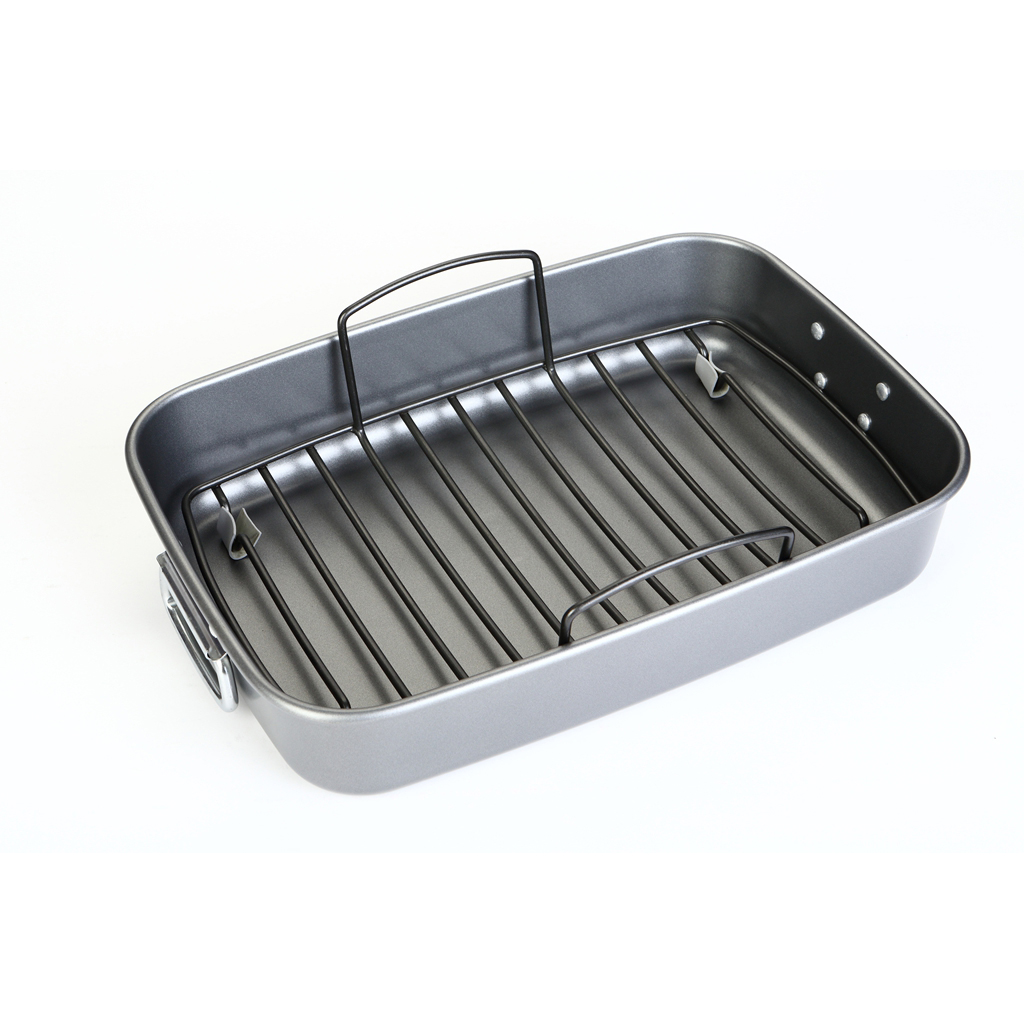
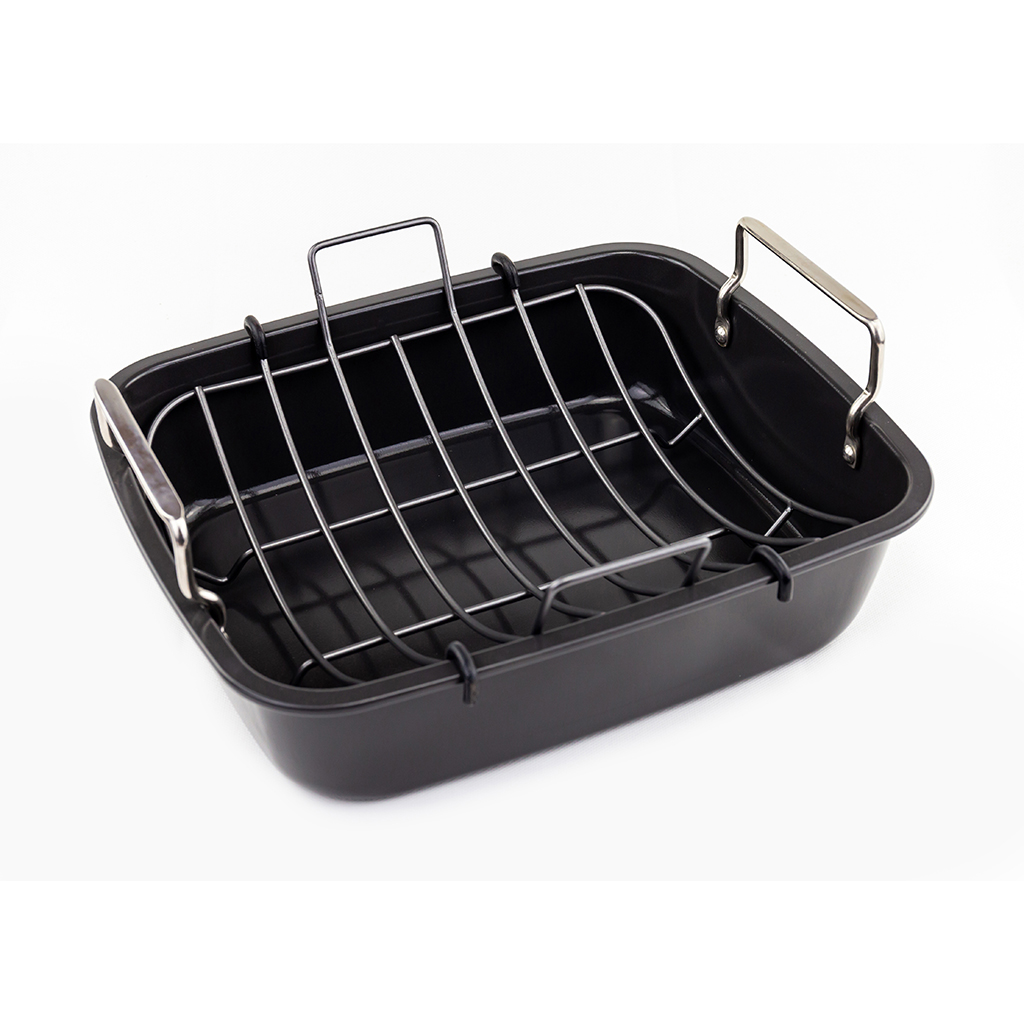
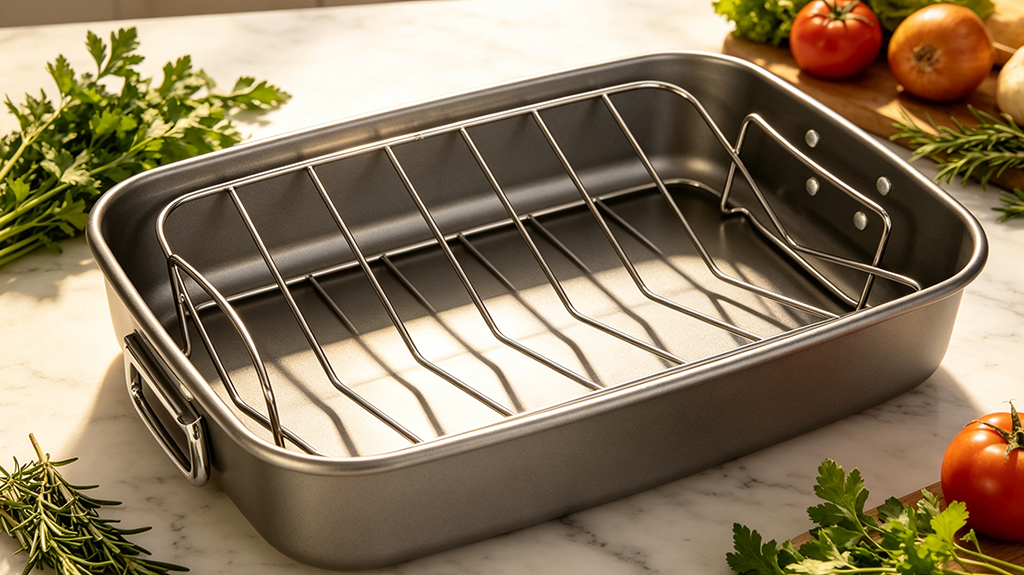
- Design & Function: A roasting pan is a large, rectangular, low-sided pan with handles, designed for dry-heat cooking of large cuts. Its key feature is a V-rack that elevates food for 360-degree heat circulation and crispness.
- Material Insight: Carbon steel offers an excellent balance of heat responsiveness, retention, and durability. Modern non-stick options (silicone-based or ceramic) provide effortless cleanup for everyday use.
- Beyond Roasting: Its large capacity makes it ideal for big-batch vegetables, baked pasta, casseroles, and even delicate desserts using a water bath (bain-marie).
What Is a Roasting Pan? Defining the Essentials
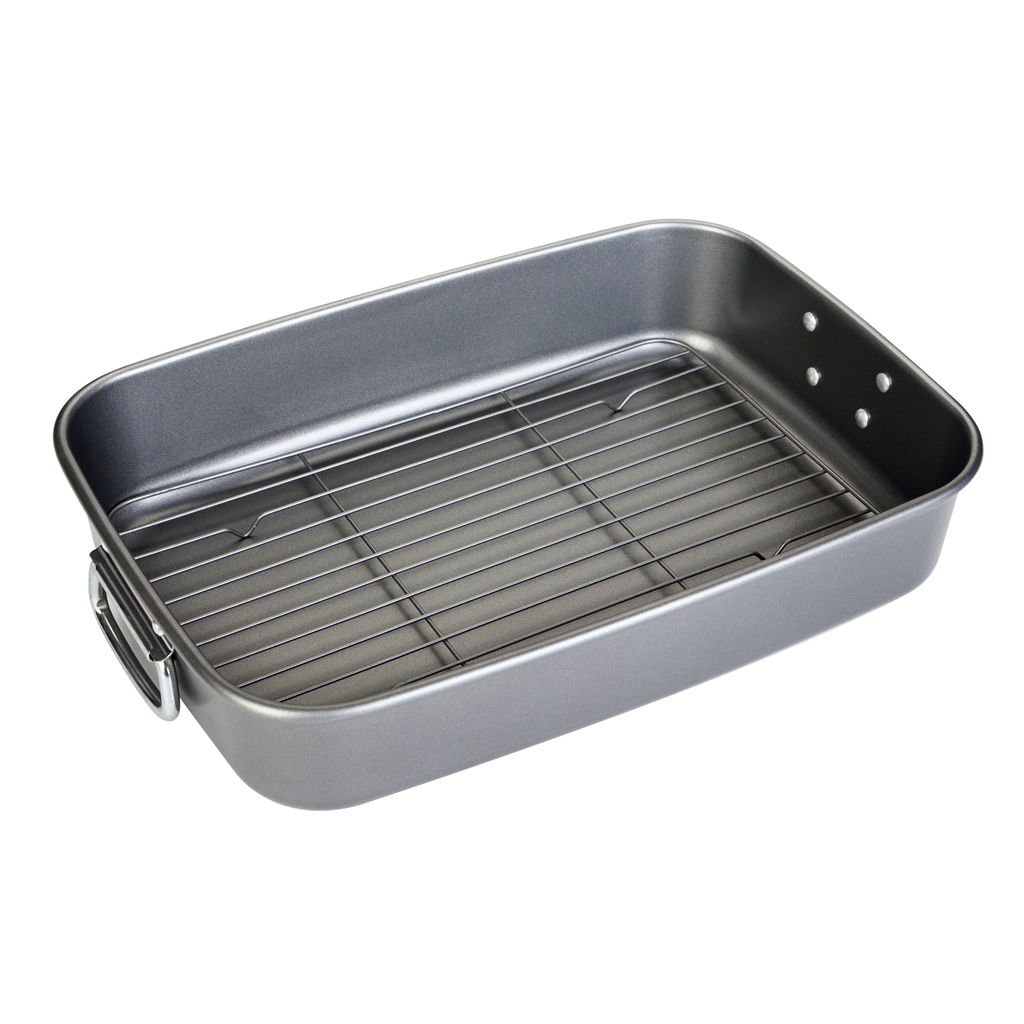
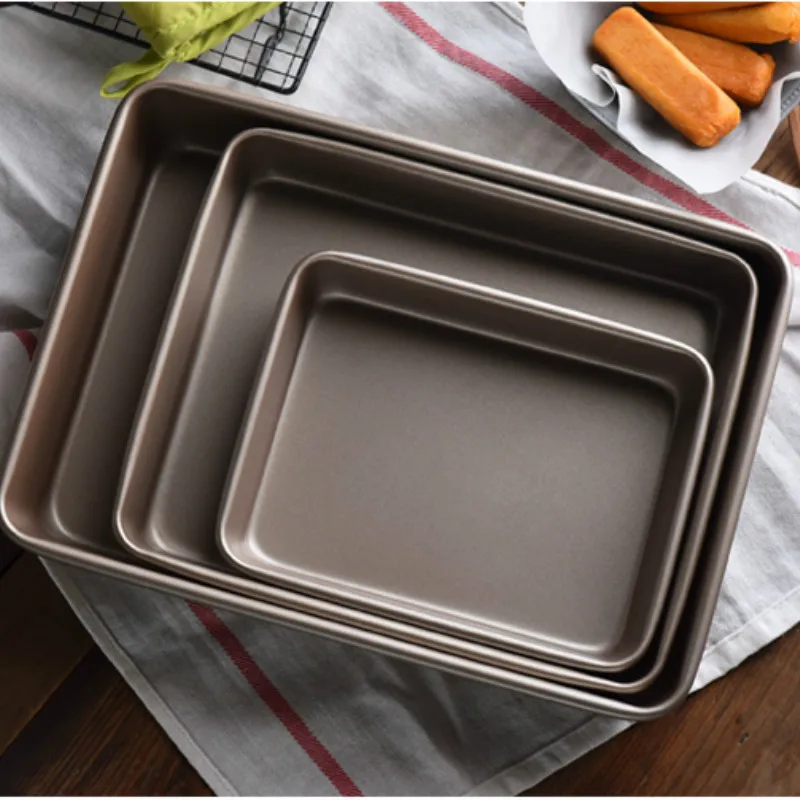
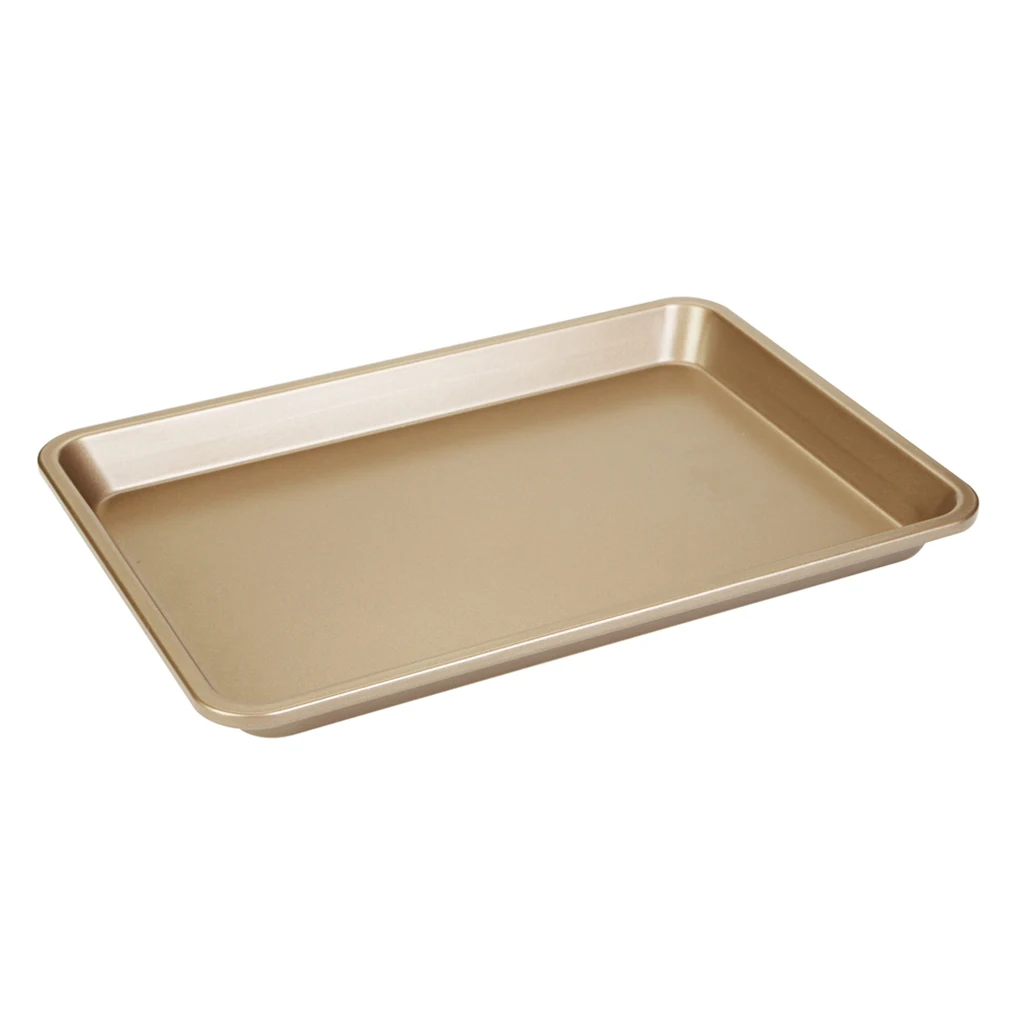
So, what is a roasting pan at its core? A roasting pan is a large, deep, typically rectangular pan used in an oven for roasting. It is defined by specific features that set it apart from standard bakeware:
- Dimensions : High sides (2.5-4 inches) to contain juices but allow air flow. Common sizes start around 16″ x 13″.
- Construction: When considering what is a roasting pan made of, heavy-gauge metal is the definitive answer.Made from heavy-gauge metal for even heat distribution and to prevent warping under the weight of large roasts.
- Handles: Large, riveted handles provide a secure grip for moving heavy, hot loads safely.
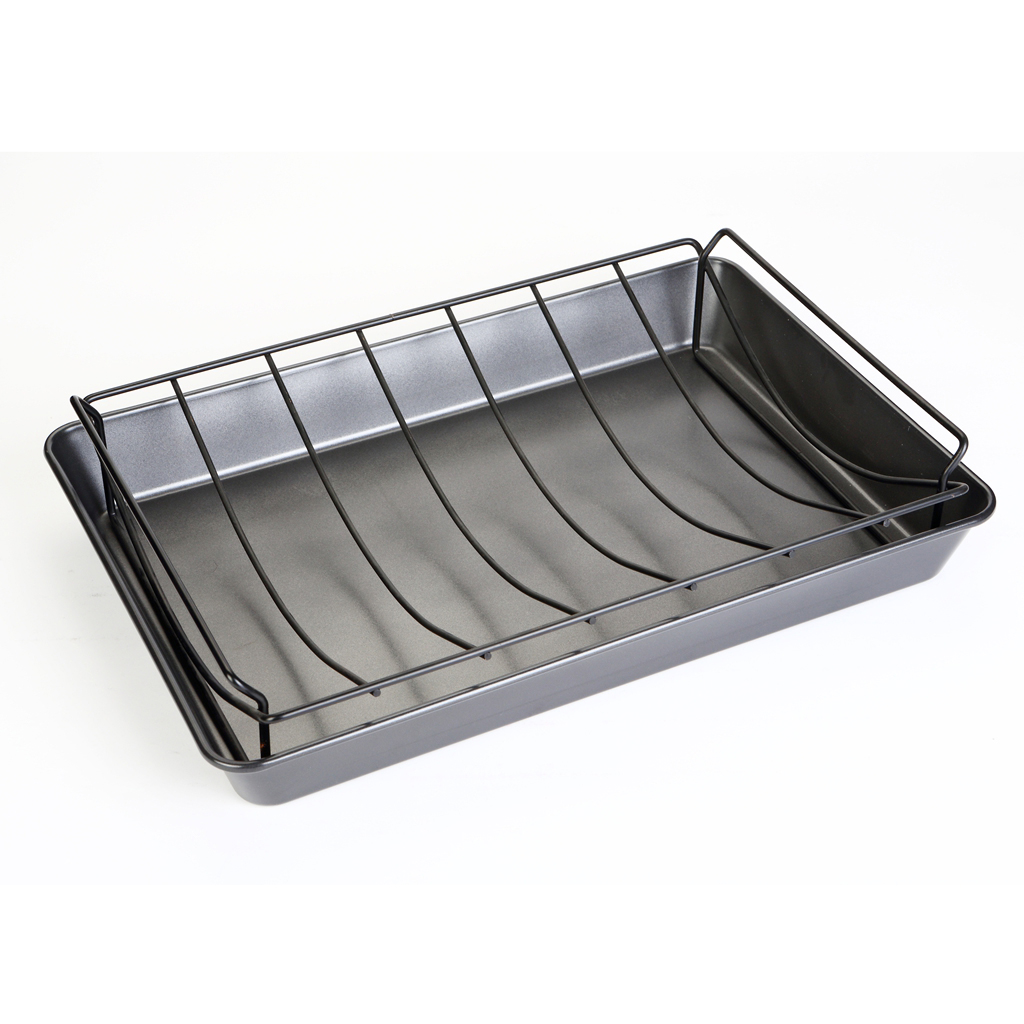
- The Rack: A removable roasting rack (often V-shaped) is critical. It lifts the food, promoting air circulation underneath and preventing the bottom from steaming in its own juices.
“The rack is the secret to a successful roast. It prevents the meat from stewing in its own juices, allowing for the Maillard reaction—which creates flavor and browning—to occur across the entire surface.” — Culinary Expert Perspective
To truly grasp what is a roasting pan, you must understand how it differs from standard baking dishes.
Roasting Pan vs. Baking Dish: A Critical Distinction
Using a glass baking dish as a substitute can lead to poor results. Here’s why:
| Caractéristique | Roasting Pan | Baking Dish (Glass/Ceramic) |
|---|---|---|
| Primary Use | High-heat roasting, browning, deglazing | Casseroles, baked pastas, desserts |
| Heat Source | Oven and often stovetop (metal pans) | Oven only; not stovetop safe |
| Effect on Food | Promotes dry-heat browning and crisping | Higher sides can trap steam, leading to stewing |
This comparison helps answer what is a roasting pan—it’s fundamentally different from a baking dish in both design and function.
Key Features and Materials: How to Choose the Best Roasting Pan
Choosing the right model starts with asking what is a roasting pan designed to do for your cooking style.The material determines performance, durability, and maintenance. Here’s a breakdown:
Carbon Steel: The Professional’s Choice for Performance
For professionals, what is a roasting pan if not a responsive, durable tool for serious cooking?Carbon steel is highly favored by chefs for its exceptional thermal properties. It heats up rapidly and offers superb temperature control, similar to cast iron but significantly lighter.
- Pros: Excellent heat retention and distribution, durable, develops a natural non-stick patina when seasoned.
- Cons: Requires initial seasoning and maintenance to prevent rust; not dishwasher safe.
This explains what is a roasting pan at its best—a responsive, durable tool for serious cooks.
Stainless Steel & Aluminum: Durable and Efficient
- Stainless Steel: Durable, non-reactive, and often dishwasher safe. Look for a clad or disk-bottom design (like tri-ply) for better heat distribution.
- Aluminum: An outstanding, lightweight heat conductor. Anodized aluminum is a hardened, non-reactive, and non-porous version that solves the reactivity issues of pure aluminum.
Non-Stick Coatings: For Effortless Cleanup
- Silicone-Based or Polymer-Enhanced Coatings: Designed to be extremely durable, scratch-resistant, and PFOA-free. They make releasing food and cleaning burnt-on drippings remarkably easy.
- Ceramic Coatings: An eco-friendly, PTFE/PFOA-free option known for high heat resistance and a hard, scratch-resistant finish. They provide a natural non-stick experience.
- Hybrid Designs: Some premium pans combine the searing and fond-building benefits of stainless steel with non-stick zones for easier release and cleaning.
If easy cleanup is your priority, what is a roasting pan with modern coating becomes the ideal solution.Modern roasting pans often feature advanced coatings that tackle the traditional cleanup challenge.
While non-stick surfaces simplify cleanup, note that they may not develop the same depth of “fond” (the caramelized bits) for gravy as uncoated steel pans. This trade-off is part of what is a roasting pan designed for—either easy cleaning or maximum flavor development.
The Year-Round Roasting Pan: Beyond the Holiday Turkey
Many ask what is a roasting pan good for beyond holiday turkey—the answer is: everything.Many people only use this tool seasonally, but what is a roasting pan truly capable of? Far more than you might expect. Don’t relegate this pan to the back of the cupboard. Its large surface area and deep sides make it incredibly versatile for all seasons.
Spring & Summer Uses
- Celebratory Roasts: Easter ham, leg of lamb, or a whole side of salmon.
- Big-Batch Sides & Mains: Roast a glut of spring vegetables (asparagus, radishes) or summer produce (zucchini, tomatoes for ratatouille). It’s perfect for oven-baked ribs, pulled pork, or a giant pan of enchiladas for a crowd.
- Desserts: Use it as a water bath for delicate custards (cheesecake, crème brûlée) or to bake a large fruit cobbler or crumble.
Exploring seasonal uses expands what is a roasting pan capable of—far more than just holiday turkey.
Fall & Winter Uses
- Classic Roasts: The go-to for holiday turkey, prime rib, whole chickens, and pork loin.
- One-Pan Meals: Roast chicken or sausages surrounded by root vegetables for a complete, easy meal.
- Baked Pasta & Casseroles: Ideal for large portions of lasagna, macaroni and cheese, or scalloped potatoes.
Unexpected Versatility
- Stovetop to Oven: Many quality pans are safe for stovetop use, allowing you to sear a roast first or make gravy directly in the pan.
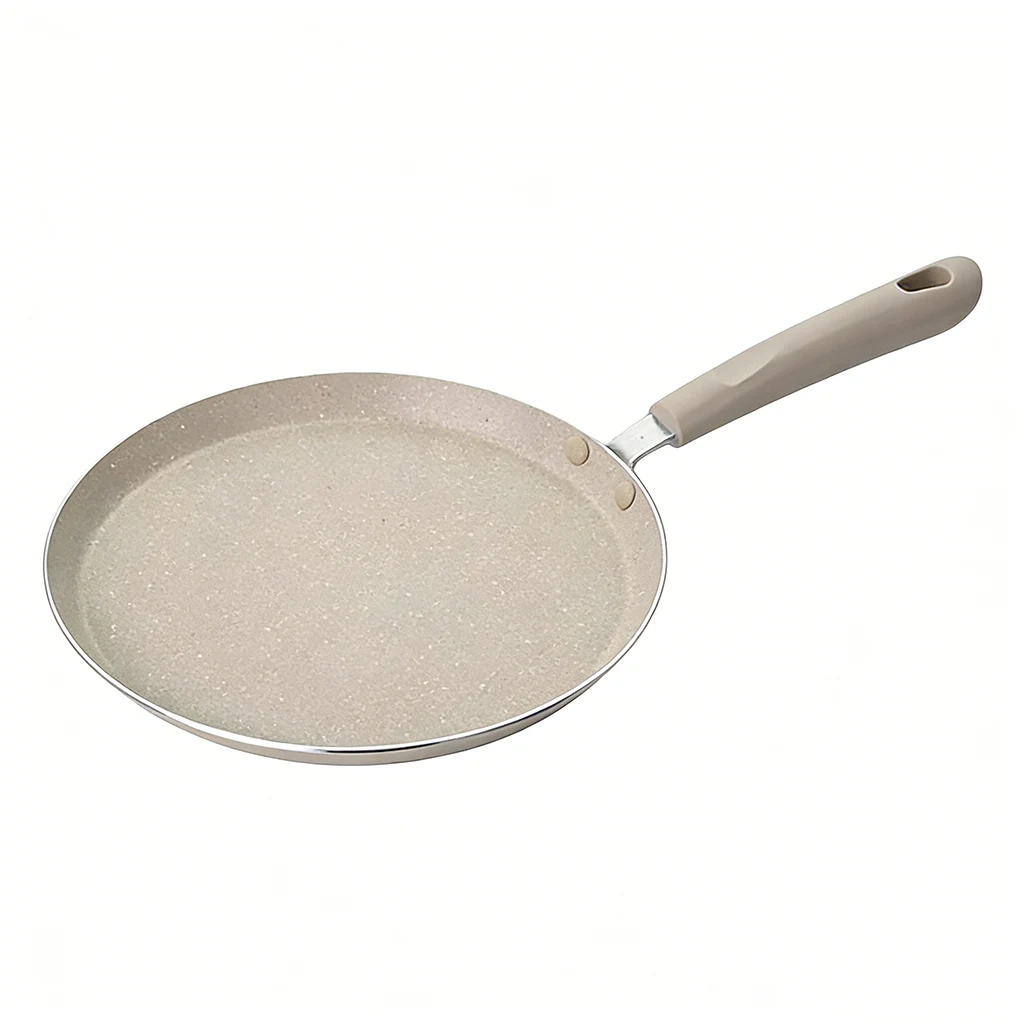
- Griddle or Bain-Marie: The large flat surface can be used as a griddle for pancakes, or as a stable water bath for delicate baking.
This versatility redefines what is a roasting pan in the modern kitchen—it’s a true multi-tasker.
How to Use and Care for Your Roasting Pan
Knowing what is a roasting pan is only half the battle—using it correctly unlocks its full potential.
Essential Roasting Steps
- Prepare: Bring meat to room temperature. Pat dry thoroughly. Season generously.
- Use the Rack: Place the rack in the pan. For added flavor, place chopped aromatics (onions, carrots, celery) in the pan beneath the rack. Place the meat on the rack.
- Roast Smartly: Start with high heat (425°F/220°C) for 20-30 minutes to sear, then reduce to the target temperature (e.g., 325°F/165°C). Use a meat thermometer for perfect doneness.
- Rest and Make Sauce: Let the meat rest on a cutting board. Use the drippings and fond in the pan to make gravy.
These steps show what is a roasting pan truly engineered to accomplish.
Cleaning and Maintenance
- General Care: For tough residue, deglaze the pan with water or broth while warm. Soak in hot, soapy water. Use baking soda paste or a cleaner like Bar Keeper’s Friend for stainless steel.
- Non-Stick Coated Pans: Use soft sponges and avoid abrasive tools. Most are dishwasher safe, but handwashing prolongs life.
- Carbon Steel/Seasoned Steel: Wash with hot water and a brush. Dry immediately and thoroughly on the stovetop. Apply a thin layer of oil to maintain seasoning.
- Storage: Store in a dry place. If nesting, place a soft cloth between pans to prevent scratches.
Conclusion: The Indispensable Kitchen Workhorse
So, what is a roasting pan? It is a foundational piece of kitchen engineering—a versatile, durable tool designed to master the dry-heat cooking of impressive meals. Its design maximizes browning, manages moisture, and collects flavor.
Choosing the right pan—be it a responsive carbon steel workhorse, a clad stainless steel model, or a non-stick version for easy cleanup—is an investment in decades of memorable meals. Understanding its function and year-round versatility transforms it from a seasonal novelty into a weekly essential that actively contributes to better, more flavorful cooking. In the hierarchy of kitchen essentials, a great roasting pan doesn’t just earn its place—it commands it.
Ready to Find Your Perfect Roasting Pan?
If you’re looking for a roasting pan that combines professional performance with everyday practicality, explore the Aolijue Carbon Steel Roasting Pan. Designed for enthusiasts who demand excellence, our pans are crafted from premium, heavy-gauge carbon steel for superior heat retention and even cooking. Paired with a durable V-rack to ensure perfectly crispy skin and juicy results every time, and available with advanced non-stick coatings for effortless cleanup, the Aolijue Roasting Pan is built to be the last roaster you’ll ever need. Discover the difference quality makes—browse our selection of roasting pans to find the ideal centerpiece for your next celebration or family dinner.