Introduction: A Simple Tool with a Big Job
If you have ever baked bread at home, you have likely used a rectangular metal or glass container. This tool helps shape dough into a loaf with a consistent height and even crust. But what is a bread pan, and why does it matter for your baking?
Understanding what is a bread pan helps you choose the right pan for your recipes. A bread pan, sometimes called a loaf pan, is designed specifically for baking yeast breads, quick breads, and even meatloaf. Its tall sides support the dough as it rises, encouraging it to grow upward rather than spreading outward.
In this article, you will learn 7 key things about what is a bread pan. You will discover different sizes, materials, and uses. By the end, you will feel more confident selecting and using this essential kitchen tool.
1. The Basic Definition: What Is a Bread Pan?
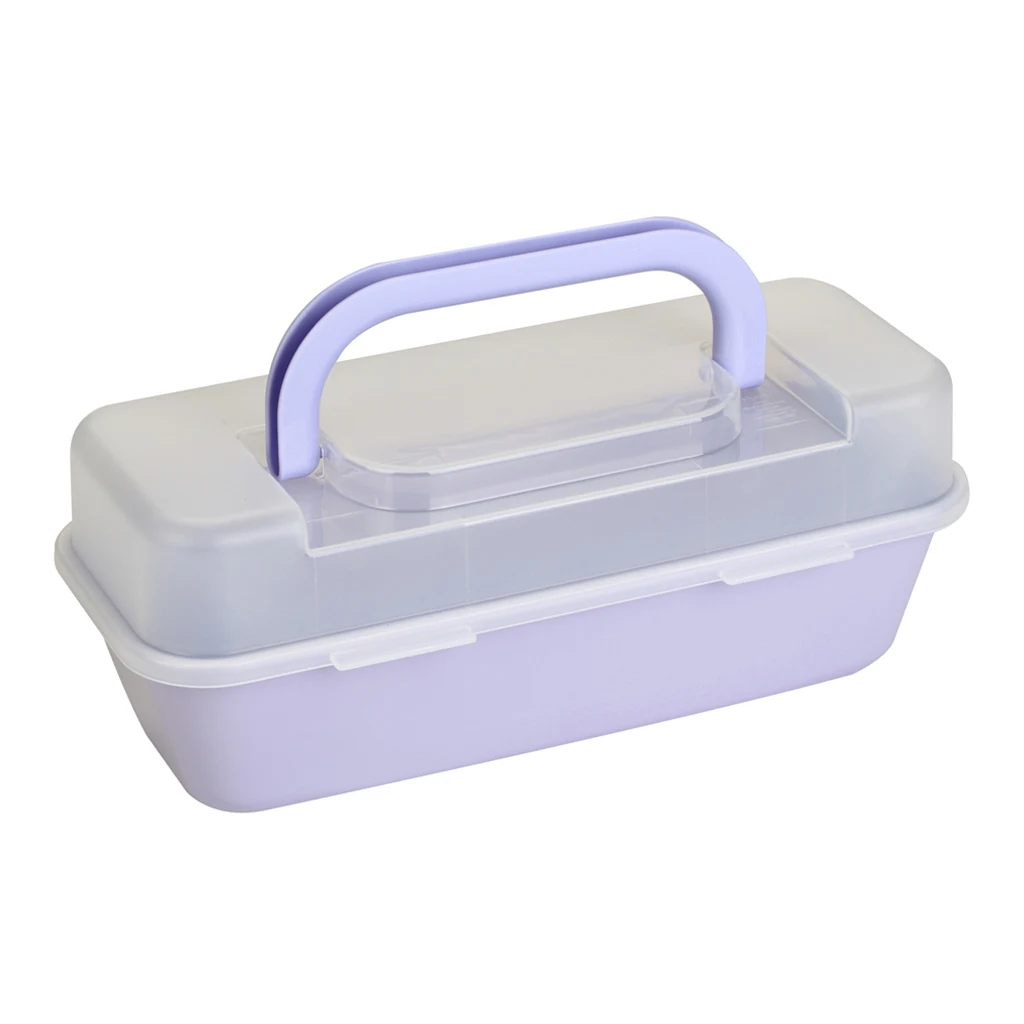
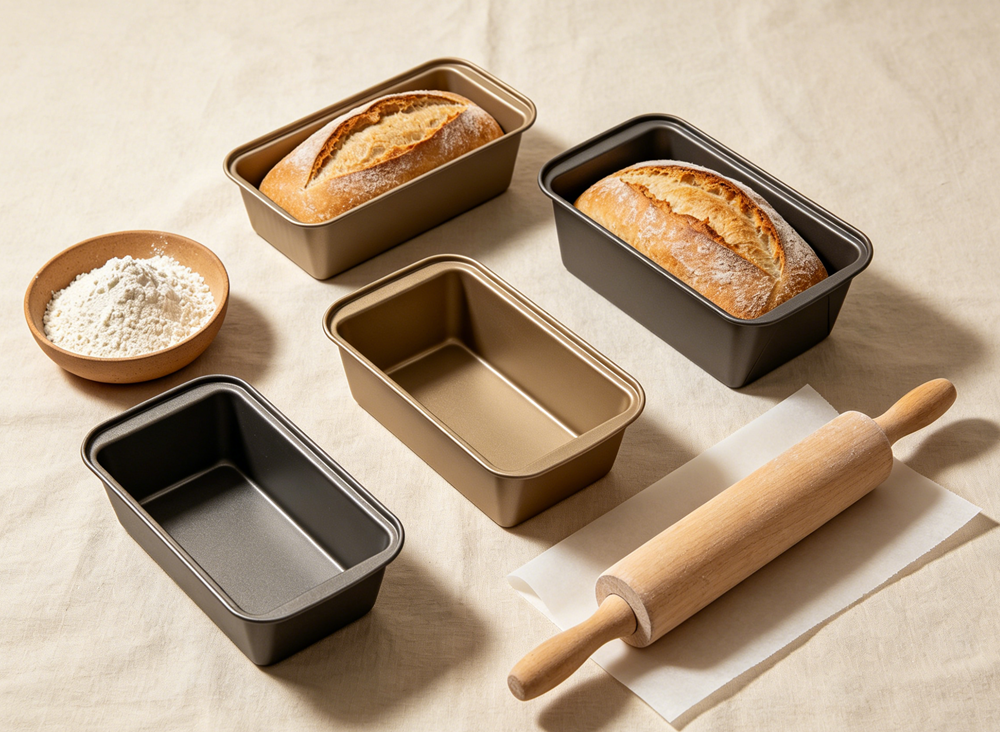
So, what is a bread pan in simple terms? A bread pan is a rectangular baking container with straight or slightly sloped sides. It is longer than it is wide. The shape helps dough rise evenly and creates a loaf that is easy to slice.
Most bread pans measure between 8 and 10 inches in length. The standard size is 9 inches by 5 inches. Smaller pans exist for mini loaves, and larger pans are available for bigger batches.
The design of a bread pan serves a specific purpose. The tall sides support the dough during baking. Without these sides, the dough would spread out and become flat. This is why knowing what is a bread pan matters when following a recipe. Understanding what is a bread pan also helps you adapt recipes to different pan sizes.
2. Common Sizes of Bread Pans
When learning what is a bread pan, you will encounter several standard sizes. Each size works for different recipes and serving needs.
Standard Size (9 x 5 inches)
This is the most common bread pan size. Most sandwich bread and quick bread recipes are written for a 9 by 5 inch pan. It holds about 6 cups of batter or dough.
Medium Size (8.5 x 4.5 inches)
This slightly smaller pan holds about 5 cups of batter. It works well for smaller loaves or when you want a taller, more domed top.
Mini Size (5.75 x 3 inches)
Mini bread pans are great for gift giving or portion control. They hold about 1.5 to 2 cups of batter. You can bake several mini loaves at once.
Large Size (10 x 5 inches or bigger)
Large bread pans hold about 8 to 10 cups of batter. They are useful for big families or when you want to bake a single large loaf.
Understanding what is a bread pan includes knowing which size fits your recipe. Using the wrong size can lead to overflow or a flat, dense loaf.
3. Materials Used for Bread Pans
Bread pans come in several materials. Each affects baking differently. When considering what is a bread pan, material choice is an important factor.
Metal Bread Pans
Metal is the most popular choice. Carbon steel and aluminized steel are common. These materials heat relatively evenly and produce good browning. Many metal bread pans have a non-stick coating for easy release.
Glass Bread Pans
Glass bread pans are see-through and can go from oven to table. Glass retains heat well but may cause over-browning on the bottom of the loaf. You may need to lower the oven temperature by 25°F when using glass.
Stoneware Bread Pans
Stoneware is heavy and retains heat very well. It produces an even bake and a crisp crust. However, stoneware takes longer to heat up and can be expensive.
Silicone Bread Pans
Silicone pans are flexible and non-stick by nature. They are easy to store because they can be folded. However, silicone does not brown bread as well as metal.
Knowing what is a bread pan made of different materials helps you choose based on your baking needs.
4. What Can You Bake in a Bread Pan?
Understanding what is a bread pan also means knowing what you can make with it. The uses go beyond simple sandwich bread.
Yeast Breads
Sandwich bread, white bread, whole wheat bread, and brioche are all baked in bread pans. The pan helps the bread rise upward rather than spreading outward. This creates the classic rectangular loaf shape.
Quick Breads
Banana bread, zucchini bread, pumpkin bread, and lemon loaf are quick breads. They are leavened with baking powder or baking soda, not yeast. A bread pan gives them a tall, moist texture.
Pound Cake
Traditional pound cake is baked in a bread pan. The dense batter needs the support of tall sides. The rectangular shape makes it easy to slice.
Meatloaf
Yes, meatloaf is also baked in a bread pan. The pan holds the meat mixture in shape while it cooks. Using a bread pan for meatloaf helps it cook evenly and stay moist.
No-Bake Desserts
You can use a bread pan for no-bake desserts, frozen treats, or even as a mold for gelatin. This versatility is part of what is a bread pan and why it is useful.
5. How to Use a Bread Pan Correctly
Knowing what is a bread pan is only the first step. You also need to know how to use it properly.
Prepare the Pan
Before adding dough or batter, prepare your bread pan. Grease the inside with butter, oil, or cooking spray. For extra insurance, dust with flour after greasing. For chocolate recipes, use cocoa powder instead of flour.
Fill the Pan
Do not overfill your bread pan. Most recipes call for filling the pan about two-thirds to three-quarters full. This leaves room for the bread to rise. Overfilling can cause batter to spill over the sides.
Place in the Oven
Put the bread pan on the middle rack of your oven. This allows heat to circulate evenly. If you are baking two loaves at once, leave space between the pans.
Check for Doneness
Bread baked in a bread pan usually takes 45 to 60 minutes. Use a toothpick or skewer to test. Insert it into the center of the loaf. If it comes out clean or with a few moist crumbs, the bread is likely done.
Remove from the Pan
Let the bread cool in the pan for about 10 to 15 minutes. Then run a knife around the edges. Turn the pan over onto a cooling rack. The bread should release easily.
Proper use of a bread pan improves your results. Understanding what is a bread pan includes knowing these techniques.
6. How to Clean and Care for a Bread Pan
To make your bread pan last longer, you need to take care of it. The cleaning method depends on the material. Knowing what is a bread pan made of different materials helps you clean it correctly.
Non-Stick Metal Pans
Hand wash non-stick bread pans with warm, soapy water and a soft sponge. Avoid abrasive scrubbers or steel wool. These can scratch the non-stick coating. Dry the pan thoroughly before storing. Most non-stick bread pans are not dishwasher safe.
Uncoated Metal Pans
Uncoated metal bread pans can be washed by hand or in the dishwasher. Dry them immediately to prevent rust.
Glass Pans
Glass bread pans are usually dishwasher safe. However, hand washing is gentler and may extend the life of the pan.
Stoneware Pans
Stoneware should be washed by hand with warm water. Avoid using soap on seasoned stoneware, as it can absorb the soap. Scrub gently with a brush or sponge.
Silicone Pans
Silicone bread pans are dishwasher safe. They can also be hand washed with soap and water. Store them folded or rolled to save space.
Proper care helps you understand what is a bread pan in terms of longevity. A well-maintained pan can last for many years.
7. How to Choose the Right Bread Pan for Your Needs
Now that you know what is a bread pan, how do you choose one? Here are some factors to consider.
Consider Your Baking Habits
If you bake bread every week, invest in a high-quality metal bread pan. Non-stick coated carbon steel is a good choice. If you bake only occasionally, a less expensive aluminum or glass pan may work.
Think About Size
A standard 9 by 5 inch bread pan is the most versatile. It works for most recipes. If you often bake for one or two people, consider adding mini bread pans to your collection.
Check the Coating
A non-stick coating makes release easier. Look for a smooth, even coating without scratches or bubbles.
Look for Reinforced Rims
A bread pan with a reinforced rim is less likely to warp. The rim adds strength to the pan.
Read Reviews
Before buying, read customer reviews. Look for comments about even baking, durability, and ease of cleaning.
Understanding what is a bread pan helps you make an informed purchase. The right pan makes your baking more enjoyable.
Comparison of Bread Pan Materials
| Matériau | Heat Distribution | Durability | Non-Stick | Weight | Price |
|---|---|---|---|---|---|
| Carbon steel (coated) | Good | High | Yes | Medium | Medium |
| Aluminized steel | Good | High | Often coated | Medium | Medium |
| Glass | Fair | Medium | No | Heavy | Low |
| Stoneware | Good | High | When seasoned | Heavy | High |
| Silicone | Poor | Medium | Yes | Light | Low |
For most home bakers, a non-stick coated carbon steel bread pan offers a good balance of performance and value.
Common Questions About Bread Pans
Can I use a glass pan instead of a metal pan?
Yes, but you may need to adjust the oven temperature. Glass retains more heat. Lower the temperature by 25°F and check for doneness a few minutes earlier.
Why does my bread stick to the pan?
Bread may stick if the bread pan is not greased enough. The non-stick coating may also be worn. Try greasing more thoroughly or use parchment paper.
How full should I fill a bread pan?
Fill the bread pan about two-thirds to three-quarters full. This leaves room for the bread to rise.
Can I put my bread pan in the dishwasher?
Check the manufacturer’s instructions. Most non-stick bread pans are not dishwasher safe. Glass and silicone pans are usually safe.
What is the difference between a bread pan and a loaf pan?
These terms are often used interchangeably. Some people call metal pans bread pans and glass or stoneware pans loaf pans. But essentially, what is a bread pan and what is a loaf pan refer to the same shaped tool.
Troubleshooting Common Bread Pan Issues
| Issue | Possible Cause | Solution |
|---|---|---|
| Bread sticks to pan | Not enough grease | Grease the bread pan more thoroughly |
| Bread has dark, thick crust | Pan too dark or oven too hot | Lower oven temperature by 25°F |
| Bread is pale and soft | Too much grease or low temperature | Use less grease; increase temperature slightly |
| Bread overflows | Pan too small or overfilled | Use a larger bread pan or fill less full |
| Bread is dry | Overbaked | Check earlier next time |
| Pan is warped | Sudden temperature change | Do not run hot pan under cold water |
Conclusion
So, what is a bread pan? It is a rectangular baking pan used for bread, cake, meatloaf, and more. It comes in different sizes and materials. Understanding what is a bread pan helps you choose the right tool for your baking projects.
The 7 things covered in this guide are:
The basic definition of a bread pan
Common sizes of bread pans
Materials used for bread pans
What you can bake in a bread pan
How to use a bread pan correctly
How to clean and care for a bread pan
How to choose the right bread pan
A bread pan is a simple but essential tool in any kitchen. With proper use and care, your bread pan can help you bake delicious bread, cakes, and other treats for many years.