Introduction
If you have ever baked muffins or cupcakes, you have likely used a muffin pan. This simple tool is found in most home kitchens. But what exactly is it, and why is it so useful?
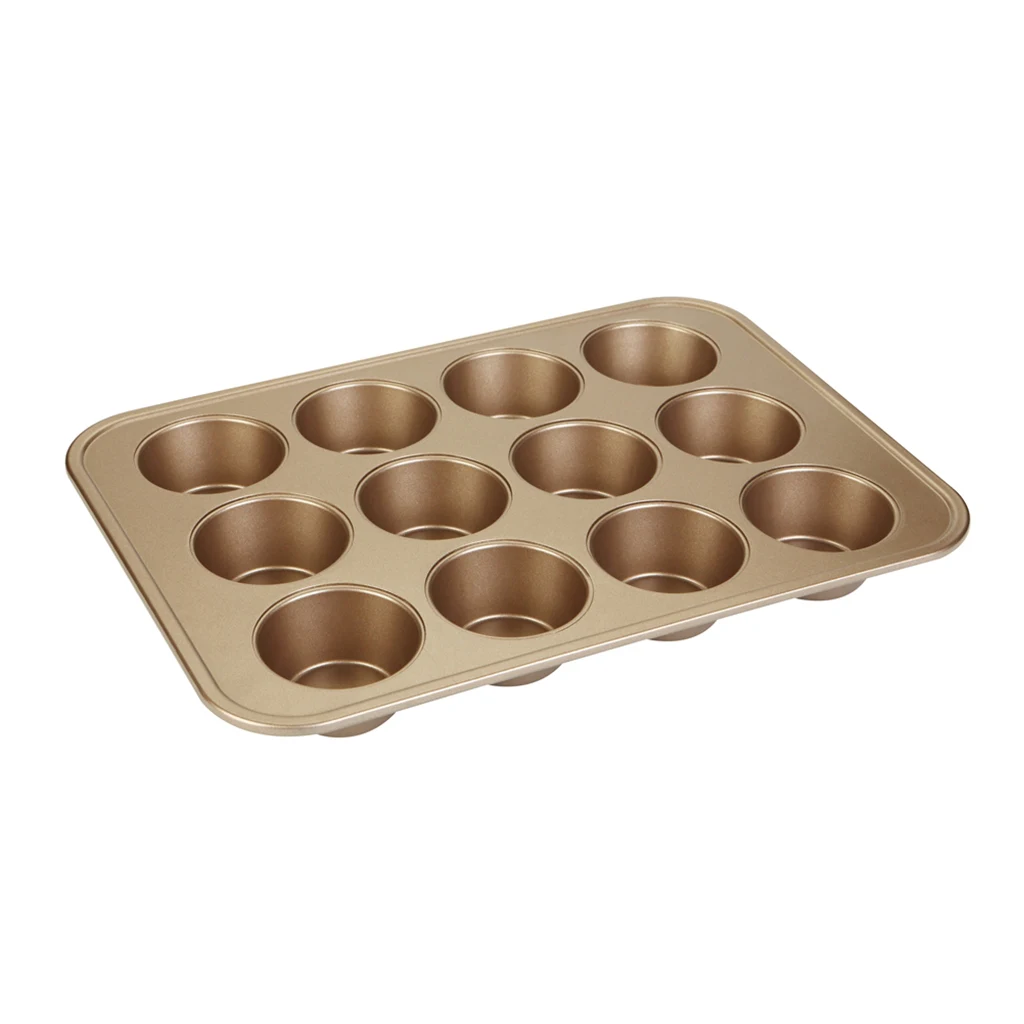
A muffin pan is a baking tray with multiple round cups. These cups hold batter for muffins, cupcakes, and other small baked goods. The pan helps the batter keep its shape during baking. It also promotes even heat distribution.
In this article, you will learn 7 important things about a muffin pan. We will cover its design, sizes, materials, uses, and care tips.
1. What Is a Muffin Pan?
A muffin pan has several cup-shaped indentations. The cups are usually round with slightly sloped sides. The standard version has 12 cups. You can also find pans with 6, 8, or 24 cups. Mini pans have smaller cups for bite-sized treats. Jumbo pans have larger cups for oversized muffins.
The cups are connected by a flat sheet of metal. This design allows the pan to sit flat in the oven. The space between cups lets hot air circulate.
This tool is sometimes called a muffin tray or cupcake pan. These names refer to the same basic item.
2. Common Sizes
Muffin pans come in several standard sizes. The size you choose depends on what you bake.
Standard Size
The most common size has 12 cups. Each cup holds about 1/3 cup (80 ml) of batter. This size works for most muffin and cupcake recipes.
Mini Size
A mini version has smaller cups. Each cup holds about 1 tablespoon (15 ml) of batter. These pans usually have 24 cups. Mini muffins are good for parties or snacks.
Jumbo Size
A jumbo version has larger cups. Each cup holds about 2/3 cup (160 ml) of batter. These pans usually have 6 cups. Jumbo muffins are often sold in bakeries.
Other Sizes
Some muffin pans come with 8 cups or 4 cups. There are also square or novelty-shaped pans. These are less common.
When choosing one, consider how many muffins you typically bake. A standard 12-cup muffin pan is a good choice for most home bakers.
3. Materials
Muffin pans are made from different materials. Each material affects how the pan heats and how easy it is to clean. Here are five common types.
Non-Stick Coated Carbon Steel
This type heats relatively evenly and holds heat well. The coating helps muffins release easily. It tends to produce good browning on the bottom and sides. Hand washing is recommended.
Non-Stick Coated Aluminized Steel
Aluminized steel is carbon steel coated with an aluminum-silicon alloy. It combines strength with good heat conductivity. This type resists rust better than plain carbon steel. Hand washing is also recommended.
Aluminum
Aluminum pans are lightweight and heat up quickly. They are often less expensive. However, aluminum can warp under very high heat. Uncoated aluminum needs good greasing. These pans are usually dishwasher safe.
Silicone
Silicone pans are flexible and non-stick by nature. They are easy to store because they can be folded. However, silicone does not brown muffins as well as metal. Place a silicone pan on a metal baking sheet for support.
Stoneware
Stoneware pans are heavy and retain heat well. They produce an even bake and a crisp exterior. However, they are expensive and can break if dropped. Stoneware takes longer to heat up than metal.
For most home bakers, a non-stick coated carbon steel muffin pan offers a good balance of performance and durability.
4. What You Can Bake
The muffin pan is useful for more than just muffins. Here are some common uses.
Muffins and Cupcakes
This is the most obvious use. The pan gives muffins and cupcakes their classic shape. You can bake blueberry, chocolate chip, or banana muffins.
Egg Bites
The pan is great for making egg bites. Whisk eggs with milk, cheese, and vegetables. Pour the mixture into greased cups. Bake until set.
Mini Meatloaves
You can make individual meatloaves. Portion the mixture into the cups. Bake until cooked through.
Popovers
The pan works well for popovers and Yorkshire puddings. The cups help the batter rise into hollow shells.
Snack Cakes and Brownies
You can bake small snack cakes or brownies. This is useful for portion-controlled desserts.
Freezer Meals
Use the pan to freeze portions of food. Fill the cups with tomato paste or baby food. Freeze until solid, then pop out and store.
Once you have one, you will find many uses beyond muffins.
5. How to Use One Correctly
Using this tool correctly helps your baked goods turn out well.
Grease or Use Liners
If the pan does not have a non-stick coating, grease each cup with butter or oil. For non-stick pans, a light greasing can help. Paper liners are another option.
Fill Evenly
Use a scoop or spoon to fill the cups. Fill each about two-thirds to three-quarters full. This leaves room for the batter to rise.
Do Not Overfill
Overfilling causes batter to spill over the edges. This creates a mess.
Place in the Oven Correctly
Put the pan on the middle oven rack. If baking two pans at once, rotate them halfway through.
Check for Doneness
Muffins are done when a toothpick comes out clean or with a few moist crumbs. Let the pan cool for about 5 minutes before removing the muffins.
6. How to Clean and Care
Proper care extends the life of your pan. Different materials require different methods.
Non-Stick Coated Carbon Steel and Aluminized Steel
Hand wash with warm, soapy water and a soft sponge. Avoid abrasive scrubbers. Dry thoroughly. Most coated pans are not dishwasher safe.
Aluminum
Aluminum pans can be washed by hand or in the dishwasher. Dishwasher detergents may cause discoloration, but this does not affect performance.
Silicone
Silicone pans are dishwasher safe. They can also be hand washed. Dry completely before storing. Silicone pans can be folded for compact storage.
Stoneware
Stoneware should be hand washed with warm water. Avoid using soap on seasoned stoneware. Scrub gently with a brush or sponge. Dry thoroughly.
Removing Stuck Food
If food sticks, soak the pan in warm, soapy water for 15 minutes. Use a soft sponge. Do not use metal scrapers on coated pans.
Storing
Store your pan in a dry place. If stacking other pans on top, place a paper towel or soft cloth between them.
7. How to Choose the Right One
With many options available, choosing one can feel confusing.
Consider Your Baking Habits
If you bake muffins every week, invest in a high-quality pan. Non-stick coated carbon steel is a good choice. If you bake only occasionally, a less expensive aluminum pan may work.
Think About Size
A standard 12-cup pan is the most versatile. If you often bake for large groups, buy two standard pans. If you like bite-sized treats, add a mini pan.
Check the Coating
A non-stick pan is easier to use and clean. Look for a smooth, even coating. Avoid pans with scratches or bubbles.
Look for Reinforced Rims
A pan with a reinforced rim is less likely to warp. The rim adds strength.
Read Reviews
Before buying, read customer reviews. Look for comments about even baking, durability, and ease of cleaning.
Common Questions
Do I need to grease a non-stick pan?
Even with a non-stick pan, a light greasing can help. Use a small amount of cooking spray or butter.
Can I use paper liners in any pan?
Yes. Paper liners fit into most standard pans. They make cleanup easier.
Why do my muffins stick?
Muffins may stick if the pan is not greased enough. The coating may also be worn. Try greasing more thoroughly.
How full should I fill the cups?
Fill each cup about two-thirds to three-quarters full.
Can I put my pan in the dishwasher?
Check the manufacturer’s instructions. Most non-stick pans are not dishwasher safe. Silicone pans are usually dishwasher safe.
Troubleshooting
Muffins stick to the pan
If muffins stick, the pan may need more grease. Use a baking spray with flour. You can also use paper liners.
Muffins bake unevenly
Uneven baking can happen if the pan is placed too close to the oven walls. Move it to the center rack.
Muffins have flat tops
Flat tops may mean the batter was overmixed or the cups were overfilled. Fill less full.
Muffins are dry
Dry muffins may be overbaked. Check the muffin pan earlier than the recipe suggests.
The pan is warped
To prevent warping, avoid sudden temperature changes. Do not run a hot pan under cold water.
Final Thoughts
A muffin pan is a simple but essential tool for home bakers. It helps you bake muffins, cupcakes, egg bites, and many other foods. By understanding the different sizes, materials, and uses, you can choose the right one for your kitchen.
The 7 things covered in this guide are:
What it is
Common sizes
Materials (non-stick coated carbon steel, non-stick coated aluminized steel, aluminum, silicone, stoneware)
What you can bake
How to use it correctly
How to clean and care for it
How to choose the right one
With proper care, a good muffin pan can last for many years. Whether you are baking for a holiday or a regular weekday breakfast, your pan will help you get consistent results.