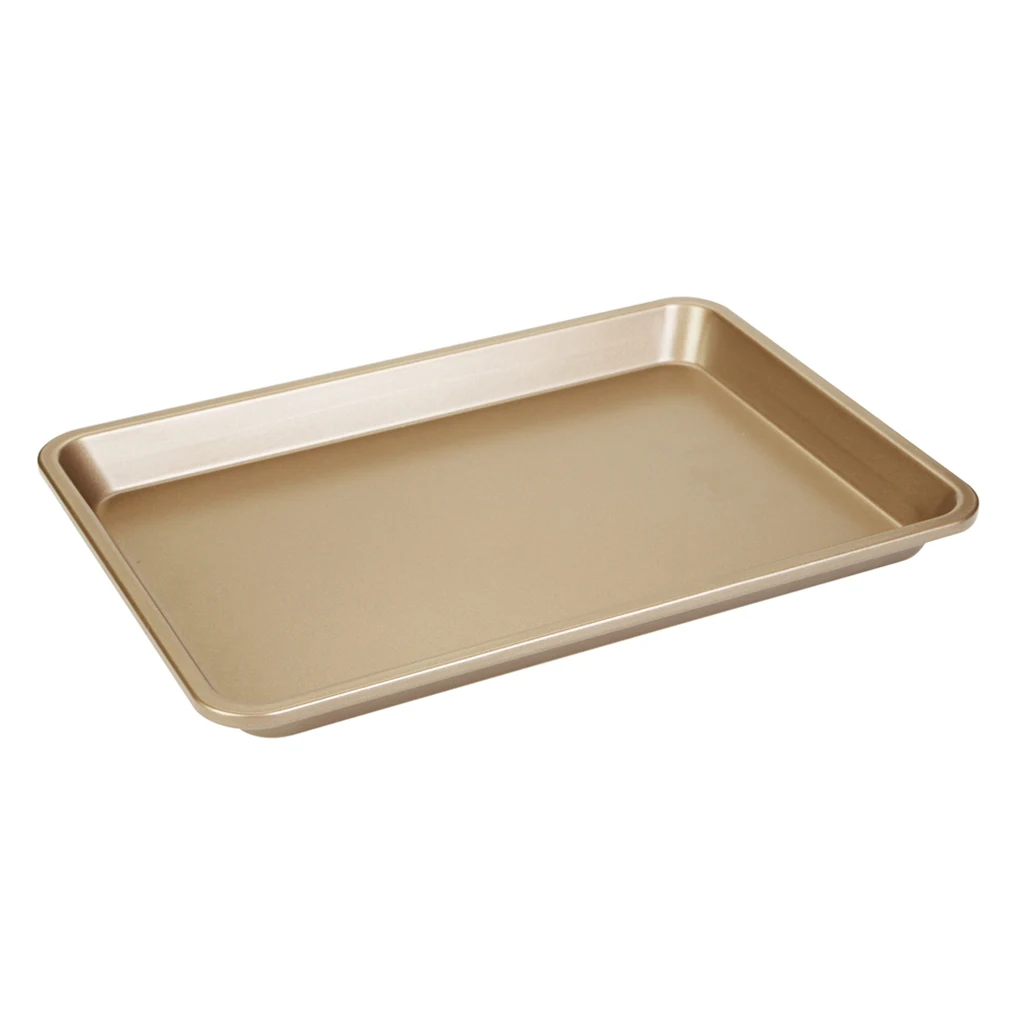
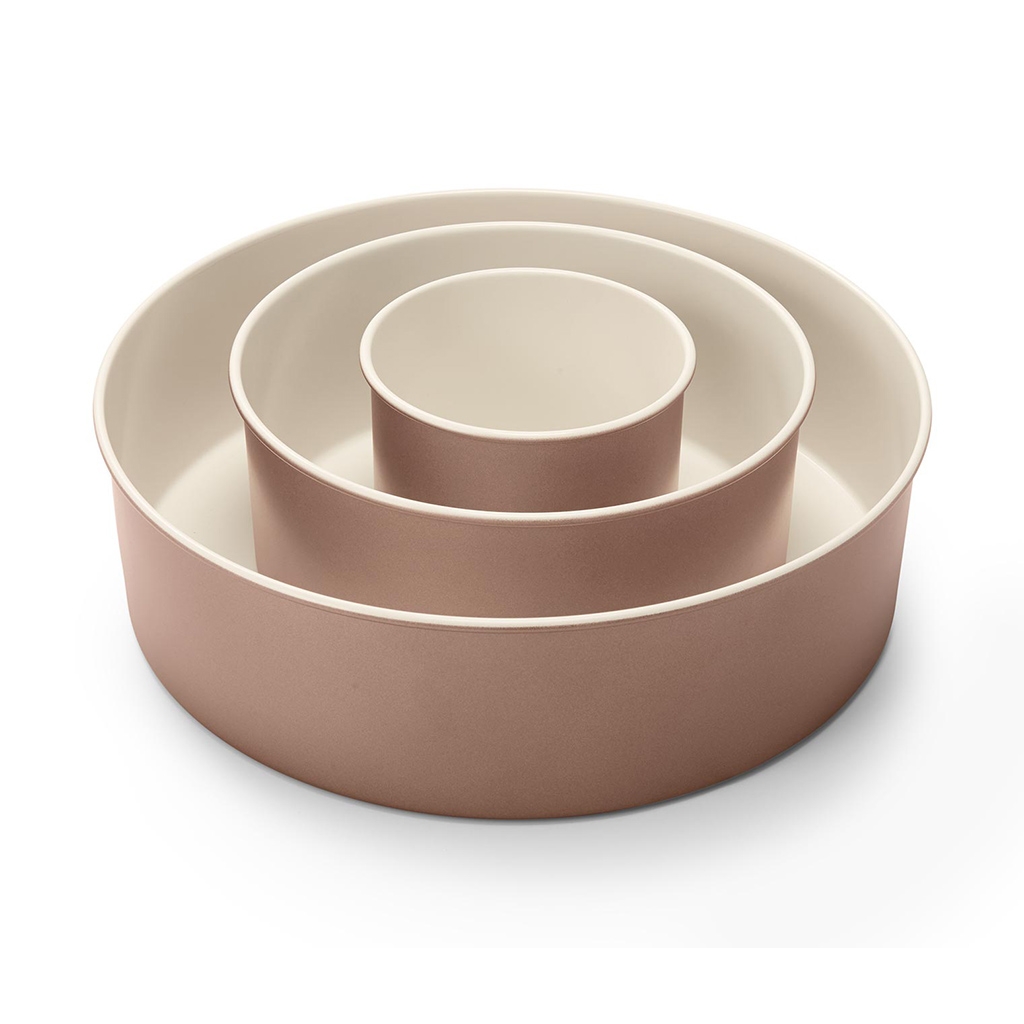
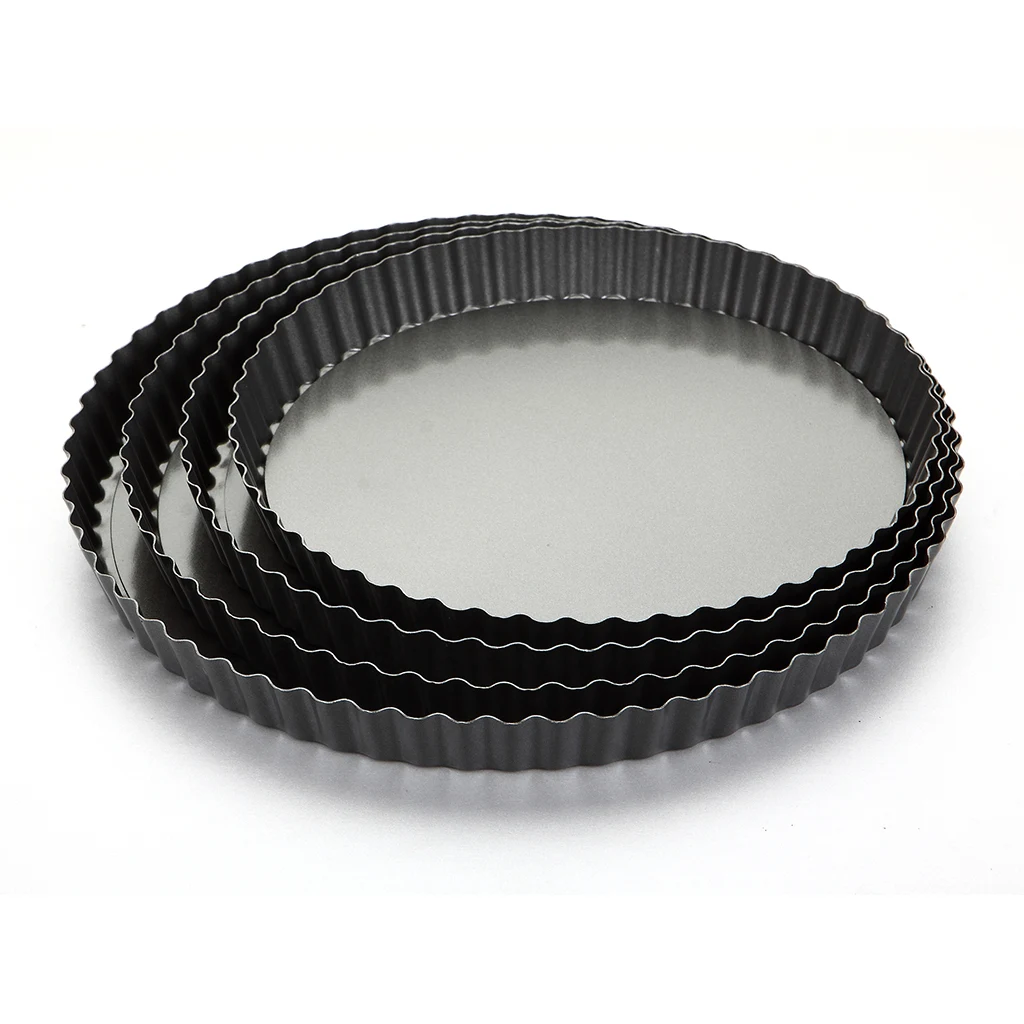
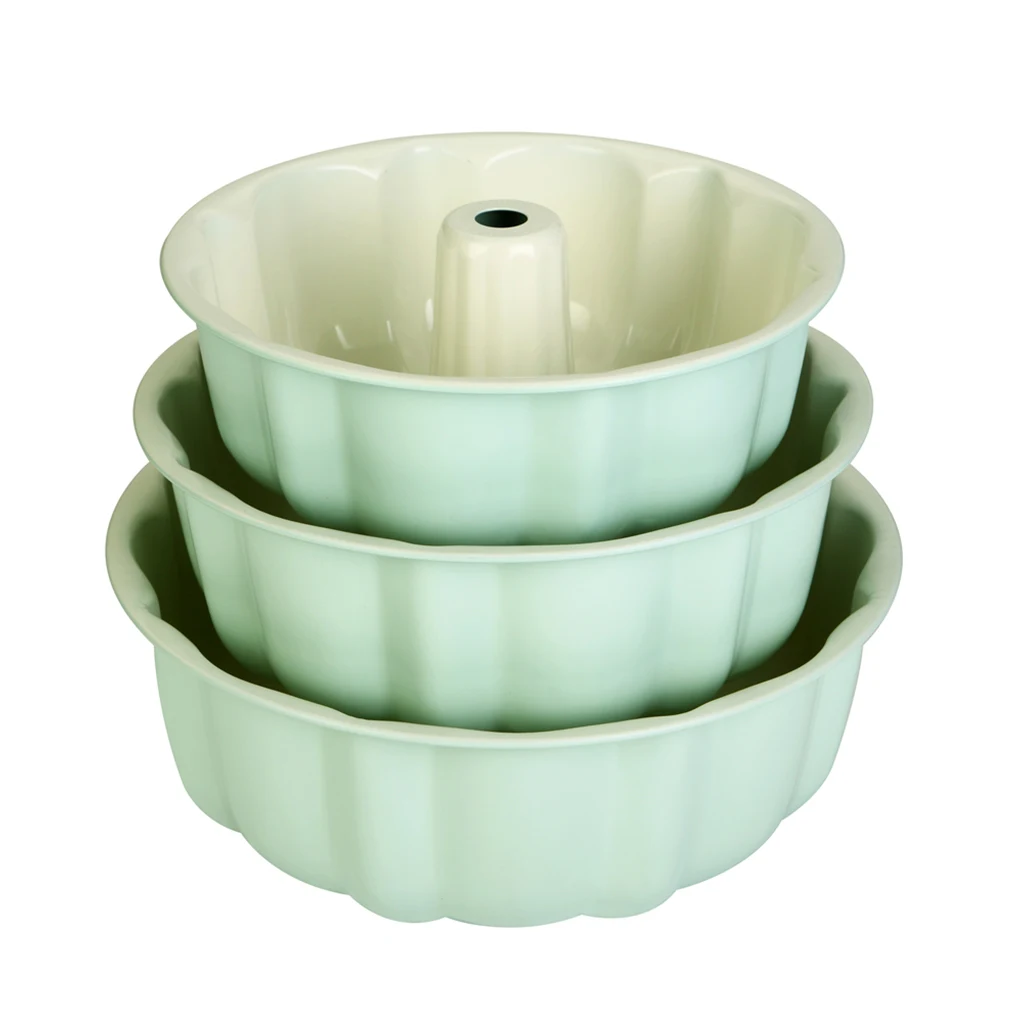
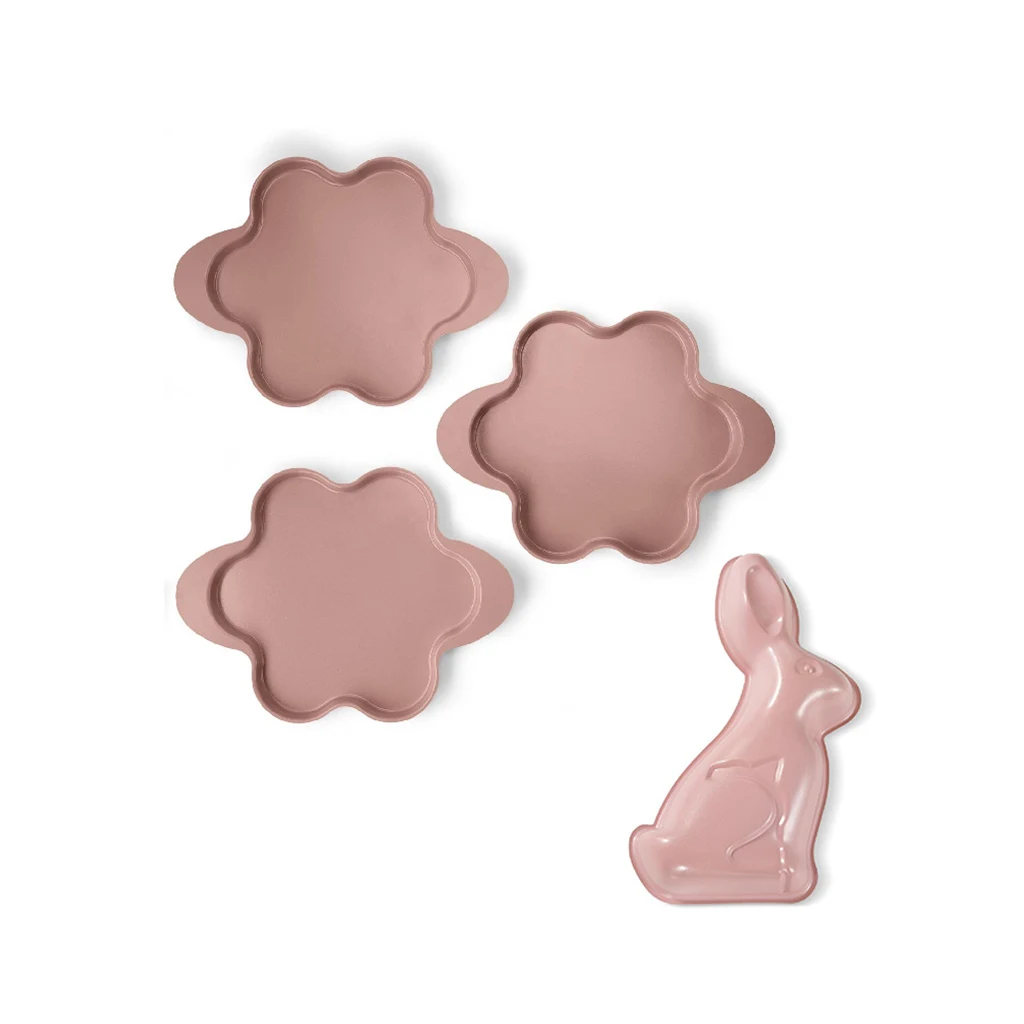
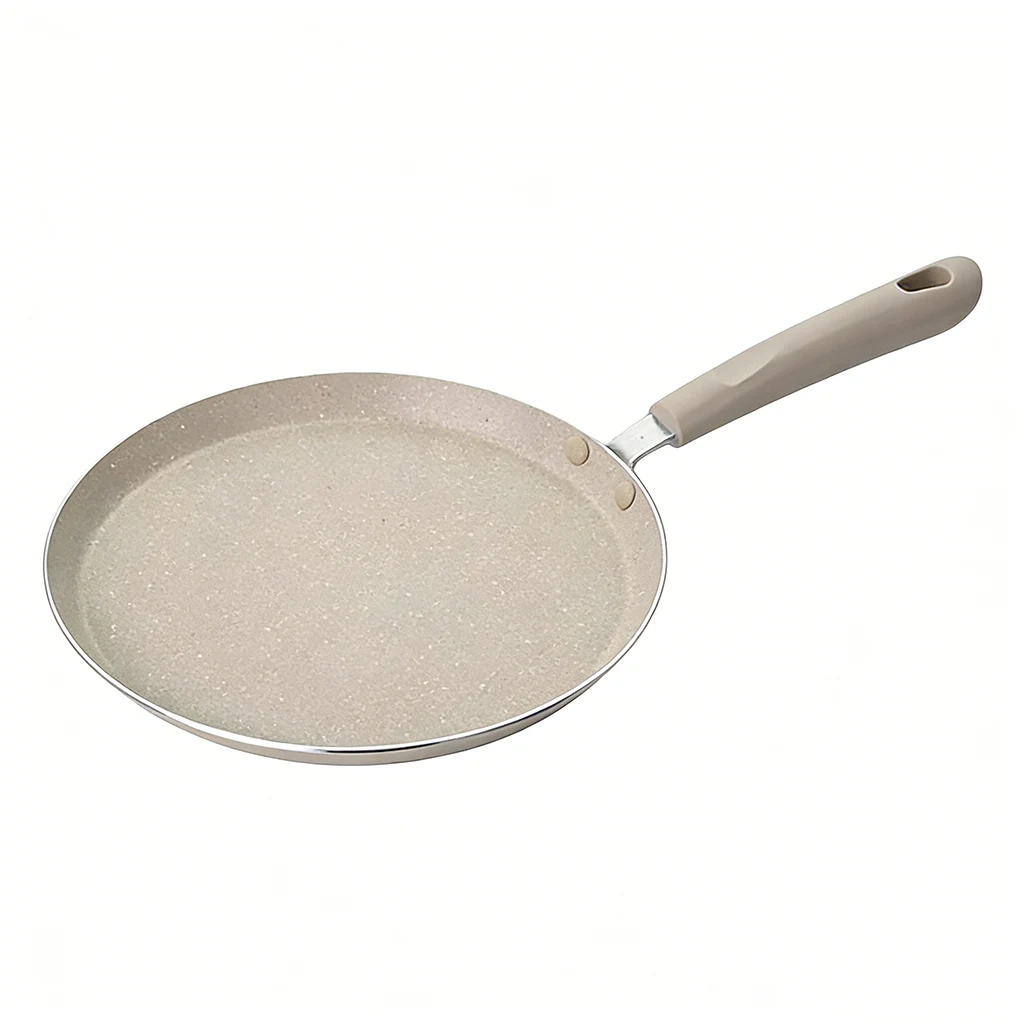
The majestic, intricately designed Bundt cake is a showstopper, until the moment of truth arrives: the flip. A stuck cake, crumbling in the pan, is a heartbreak every baker fears. Mastering how to get cake out of bundt pan is less about luck and more about understanding the science of baking and release. This comprehensive guide is the ultimate resource on how to get cake out of bundt pan, delving deep into the techniques, preparation, and tools—including the right bakeware cake pan—that guarantee a flawless release every single time. Whether you’re using a classic Nordic Ware, a modern non stick bundt cake pan, or a delicate mini bundt cake pan, we cover the proven methods to ensure your masterpiece emerges intact and stunning.
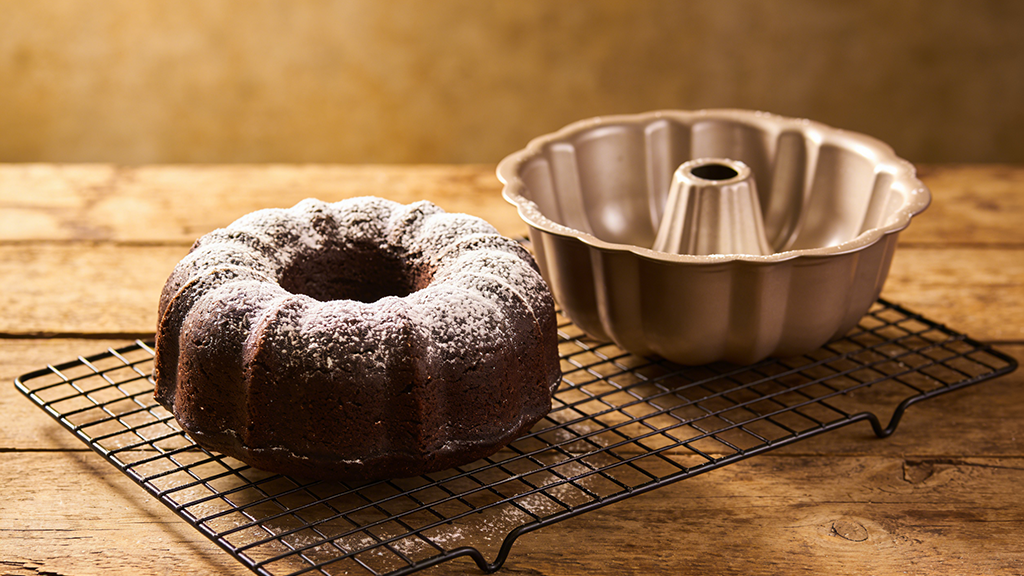
Why Bundt Cakes Stick: Understanding the Challenge
Before solving the problem of how to get cake out of bundt pan, it’s crucial to understand why it sticks. A Bundt pan, with its central tube and elaborate crevices, presents the ultimate release challenge. Unlike a simple round pan, it has significantly more surface area, deep grooves, and undercuts that love to grip onto batter. The primary culprits for sticking are:
- Insufficient or Incorrect Greasing: A thin, uneven layer or the wrong type of fat (like butter which can burn) allows batter to bond directly to the pan.
- Residue or Scratches: Any leftover batter or scratches on your bakeware cake pan create anchors for the new cake to cling to.
- Underbaking: A cake that hasn’t set properly is structurally weak and prone to tearing.
- Improper Cooling: Flipping too early causes collapse; waiting too long lets the cake contract and grip the pan tightly.
The key to learning how to get cake out of bundt pan is a sequence of correct steps, from preparation to cooling.
Step 1: The Foundation – Preparing Your Bundt Pan
The battle against sticking is won or lost before the batter even hits the pan. Proper preparation is 90% of the success in learning how to get cake out of bundt pan.
Choosing and Applying Your Release Agent
There’s debate on the best method. Here’s a breakdown:
- Neutral Oil (Sunflower, Canola): Many bakers prefer oil over butter as it creates a clean barrier without burning or leaving a sticky residue. Use a pastry brush to coat every crevice meticulously.
- Butter or Shortening: Traditional choices. Butter adds flavor but can brown; shortening is flavorless and reliable. Apply thoroughly with a brush.
- Non-Stick Cooking Spray: Convenient, but ensure it’s evenly coated and doesn’t contain flour if your recipe is sensitive.
To Coat or Not to Coat with Flour/Sugar?
The classic “grease and flour” method is standard, but not universally loved.
- The Case Against Flour: Some bakers find flour can leave a pasty, gummy residue on the cake’s surface, altering its texture and flavor.
- The Case Against Sugar: Granulated or powdered sugar can cause the delicate top crust to caramelize and tear upon release.
- Alternative Dry Coatings: For chocolate cakes, cocoa powder is excellent. Some bakers even use fine breadcrumbs or ground nuts for a unique crust.
- The Simplest Approach: A perfectly thorough, even layer of grease alone is often sufficient, especially with a good quality moule à gâteau bundt antiadhésif.
Pro Method for Intricate Designs
For pans with extraordinarily fine details, a paste ensures coverage:
- Mix 1 tbsp melted butter or oil with 1 tbsp flour to form a thick paste.
- Using a small paintbrush, carefully “paint” the paste into every groove of the cold pan.
- Chill the pan for 10 minutes to set the paste before adding batter.
Step 2: The Art of the Release – Timing and Technique
Once your cake is baked, the next critical phase begins. Proper cooling and a confident technique are essential to execute how to get cake out of bundt pan successfully.
The Critical Cooling Window
Timing is everything. Remove the cake from the oven and let it cool in the pan on a wire rack.
- Standard Cakes (pound cake, vanilla, chocolate): Cool in the pan for 10-15 minutes only. This allows the structure to set and shrink slightly away from the sides.
- Very Delicate Cakes (angel food, chiffon): These must cool upside down immediately to prevent collapse. Cool completely, upside down, for 1-2 hours.
The Inversion and Release Process
This is the moment of truth for how to get cake out of bundt pan:
- Loosen the Edges: After the initial cooling, gently run the back of a butter knife or a thin, flexible silicone spatula around the outer edge and the inner tube. Be gentle to avoid scratching the pan.
- Prepare Your Surface: Place a wire cooling rack directly over the top of the pan.
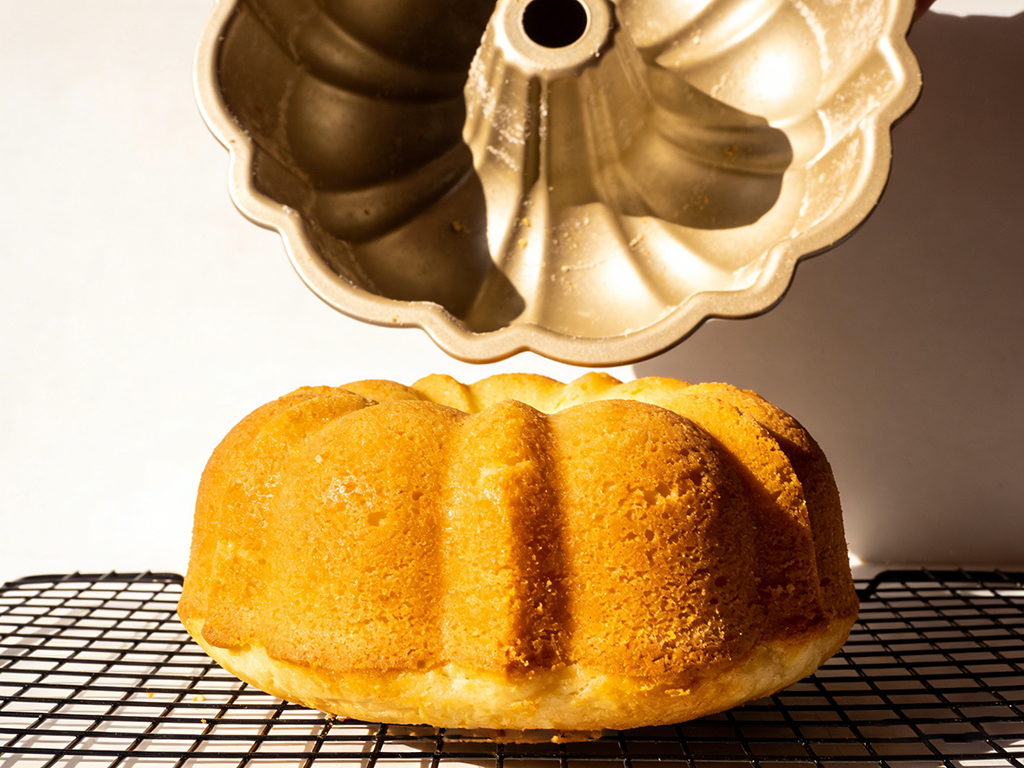
- The Flip: Firmly grasp both the pan and the rack together. In one smooth, confident, and swift motion, invert them.
- The Tap & Shake: Give the bottom and sides of the pan a few firm taps with your hand, then gently shake it.
- The Lift: Slowly and straight upward, lift the pan off.
Step 3: Troubleshooting Stubborn Cakes – The Rescue Techniques
What if the cake refuses to budge? Don’t despair. Here are tiered rescue techniques, drawing on proven tricks for when you need to know how to get cake out of bundt pan that’s stuck.
The Steam Method (The Most Effective Trick)
This is the secret weapon from many bakers:
- Flip the pan over onto a rack or plate.
- Soak a clean dish towel or cloth napkin in very hot (almost boiling) water. Wring it out so it’s damp but not dripping.
- Immediately drape the hot, damp cloth over the inverted pan. Let it sit for 5-10 minutes. The heat and steam work wonders to loosen the cake’s grip.
- Remove the cloth and try lifting the pan again. Gently shake if needed.
Other Rescue Options
- The Warming Method: Place the inverted pan over a very low burner for no more than 10-15 seconds to slightly remelt the grease. Try again immediately.
- The Freezer Method: If time allows, place the entire pan (once cooled) in the freezer for about an hour. The cake will shrink slightly and often release easily.
- The Water Bath: Place the inverted pan in a shallow bath of hot water for 10 minutes, ensuring water doesn’t touch the cake itself.
Damage Control & Presentation
If pieces break off, all is not lost:
- Invisible Glue: Use a tiny bit of egg white to “glue” pieces back on—it dries clear.
- Camouflage: Use icing, a dusting of powdered sugar, a drizzle of caramel or chocolate, crushed nuts, or dried fruits to hide minor imperfections.
- Plan B: Turn the cake into cake pops, a trifle, or a layered dessert. The taste is what truly matters.
Choosing Your Weapon: The Role of Your Bakeware
The pan itself is a critical variable. Your approach to how to get cake out of bundt pan will vary depending on the material and coating.
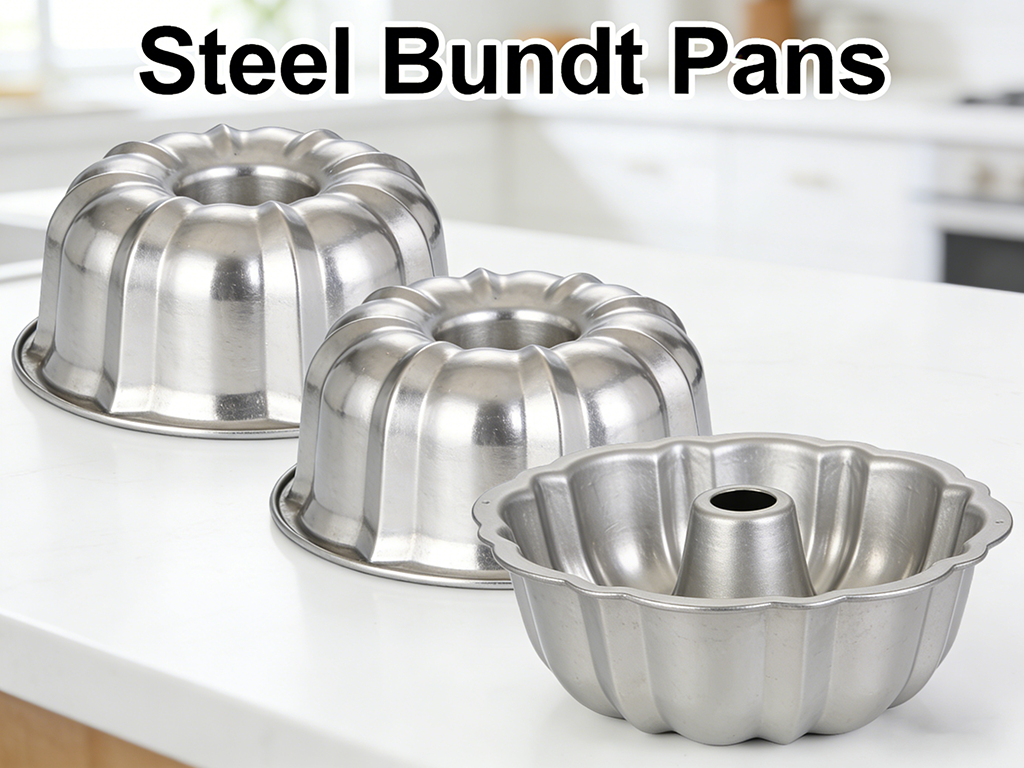
Traditional Aluminum/Steel
Always require meticulous preparation with grease and (optional) dry coating.
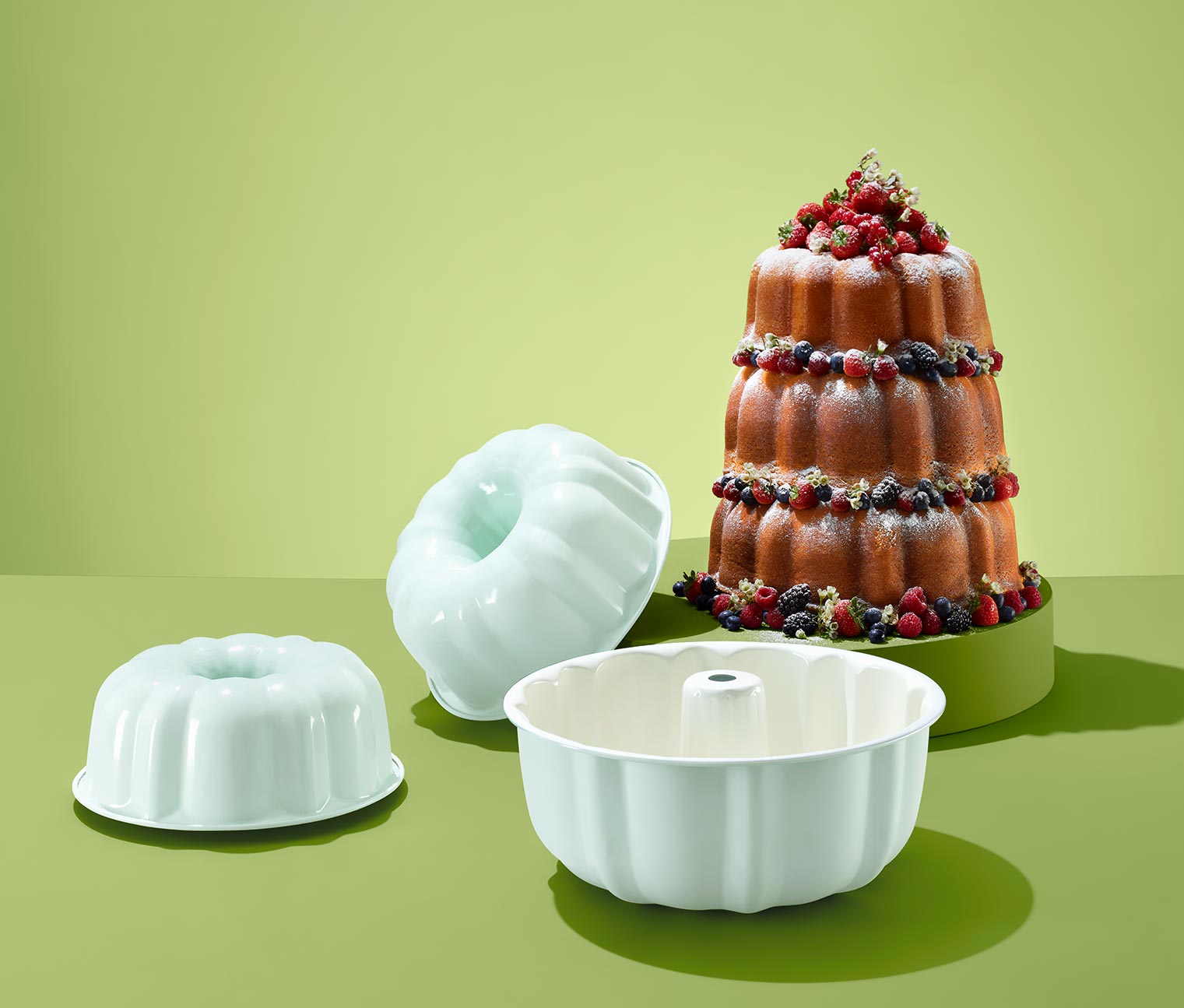
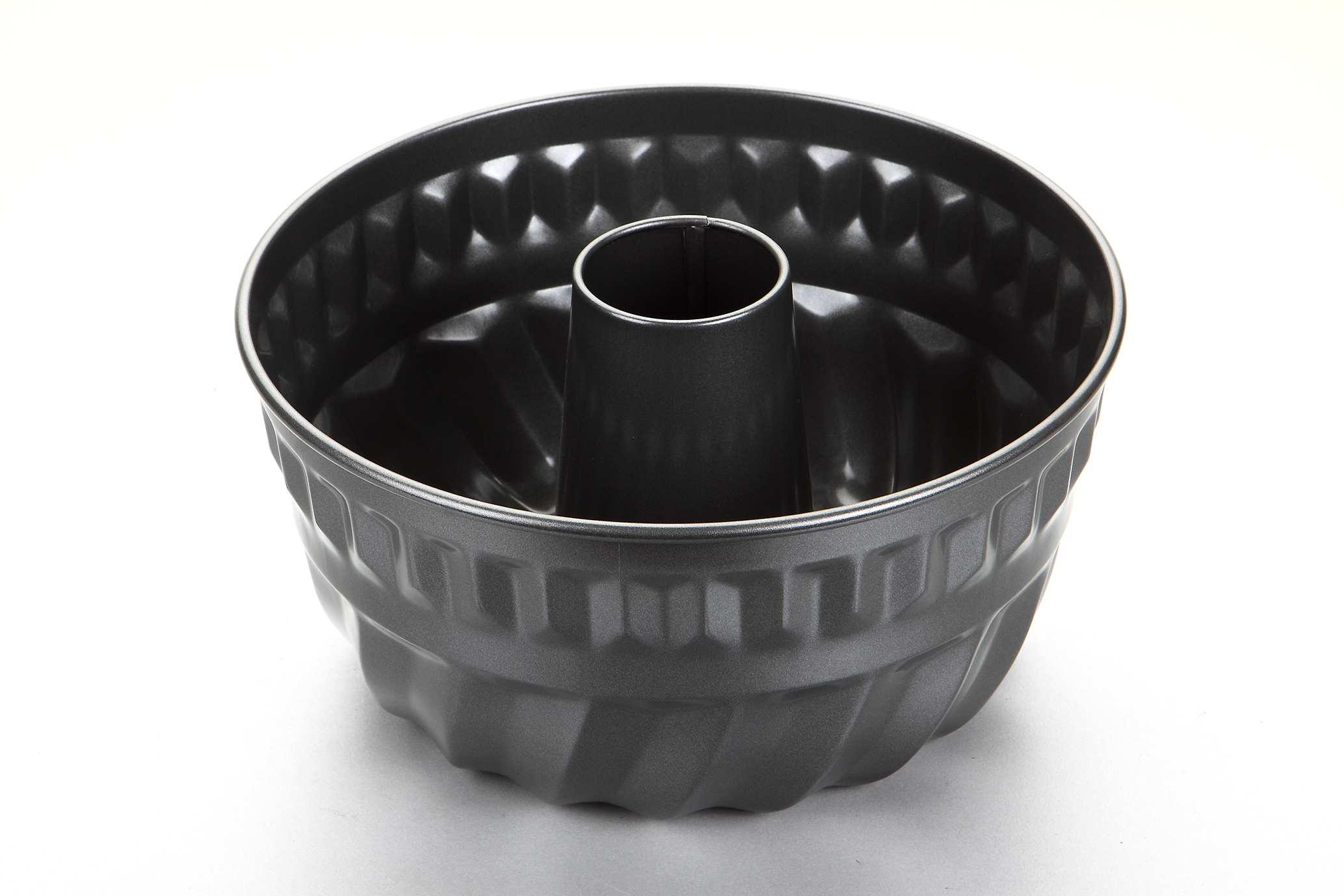
Non Stick Bundt Cake Pan
A quality non stick bundt cake pan is a game-changer. Often, a simple, even coat of oil or butter suffices. Hand-wash gently to preserve the coating.
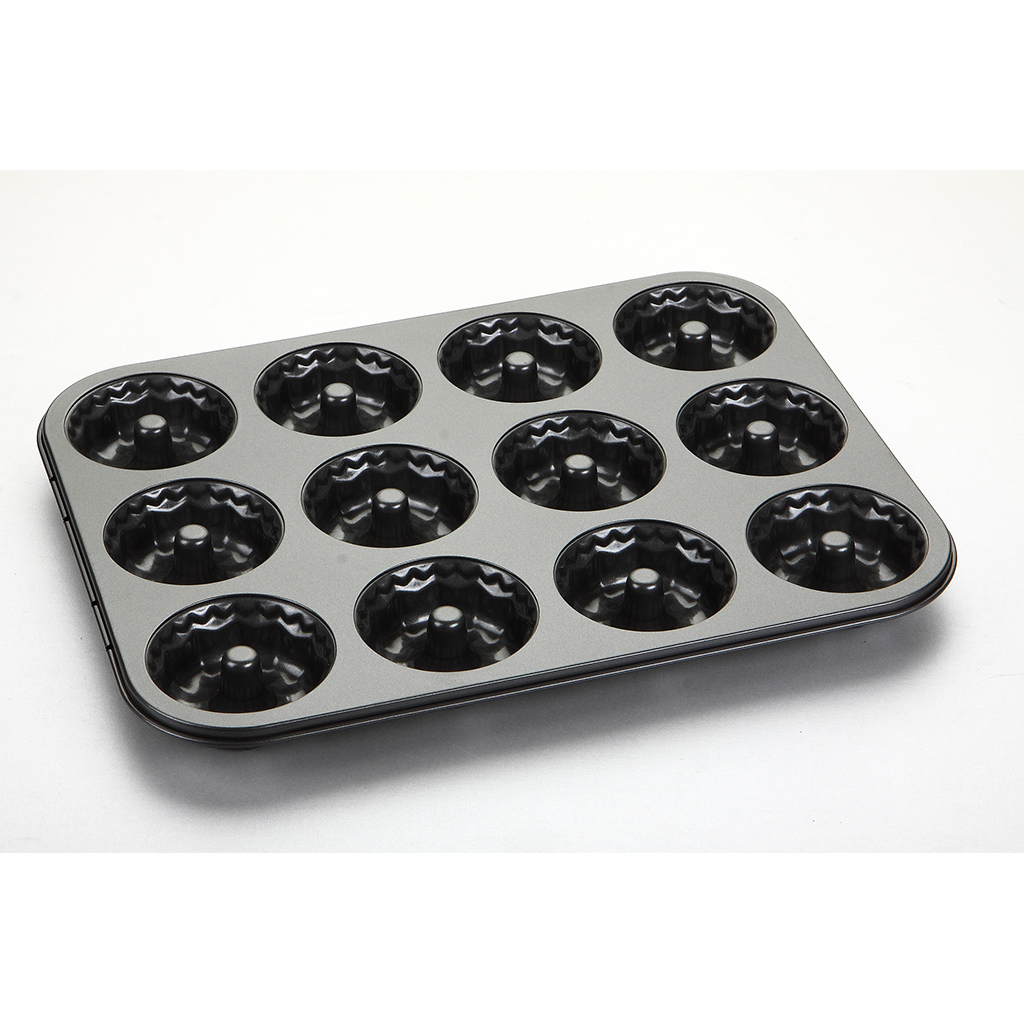
Moule à cake Bundt mini
A mini bundt cake pan requires extra care. Use a small brush for greasing, reduce in-pan cooling to 5-8 minutes, and loosen each cake with a small spatula before inverting.
FAQ: Your Bundt Cake Pan Questions Answered
Q: What is the most common mistake when learning how to get cake out of bundt pan?
A: Impatience with cooling. Removing the cake too early or too late are the leading causes of failed releases.
Q: Should I coat my greased pan with flour or sugar?
A: This is a major point of debate. While classic, some bakers find flour leaves a residue and sugar can tear the crust. Many professional and home bakers now swear by using only a perfectly even layer of a neutral oil (like sunflower oil) applied with a brush, especially on intricate pans. For chocolate cakes, cocoa powder is a great dry coating alternative.
Q: What’s the single most effective trick if my cake is stuck?
A: The Steam Method with a hot, damp towel draped over the inverted pan for 5-10 minutes. This is consistently reported as the most reliable rescue technique across baking communities.
Q: Is butter or oil better for greasing?
A: It depends. Butter adds flavor but can burn at high temperatures. A neutral oil (like sunflower or canola) is often recommended by European bakers as it creates a cleaner, more reliable release without the risk of burning or sticking.
Core Takeaways: Mastering How to Get Cake Out of Bundt Pan
Successfully learning how to get cake out of bundt pan boils down to these principles:
- Preparation is Key: Grease every inch meticulously. Consider using a neutral oil applied with a brush for the most reliable barrier.
- Respect the Cooling Window: 10-15 minutes in the pan for most cakes is the golden rule for how to get cake out of bundt moule successfully.
- Know Your Rescue Plan: The steam method with a hot, damp towel is the most effective trick for a stubborn cake.
- Embrace Imperfection: If the cake breaks, camouflage it or repurpose it. Flavor triumphs over perfect form.
- Invest in Quality: A well-made, heavy-duty pan, especially a good non stick bundt cake pan, makes the entire process of how to get cake out of bundt pan more predictable and enjoyable.
Armed with this knowledge, you can consistently achieve that breathtaking, perfectly detailed cake that slides out in one glorious piece. Now you know exactly how to get cake out of bundt pan perfectly, every time.
Now that you’ve mastered the art of the perfect release, it’s time to equip yourself with the right tool. Explore our collection of high-quality, easy-release Bundt pans designed to make every bake a success.