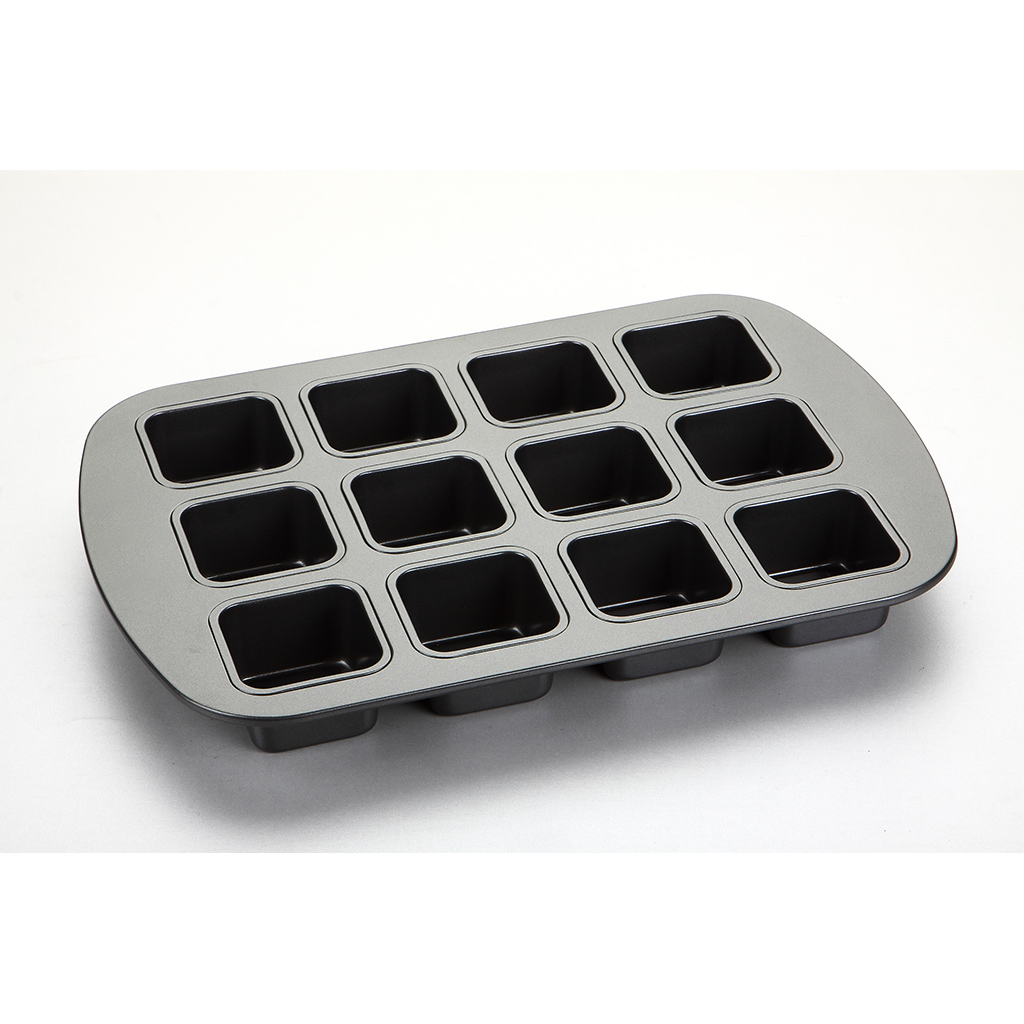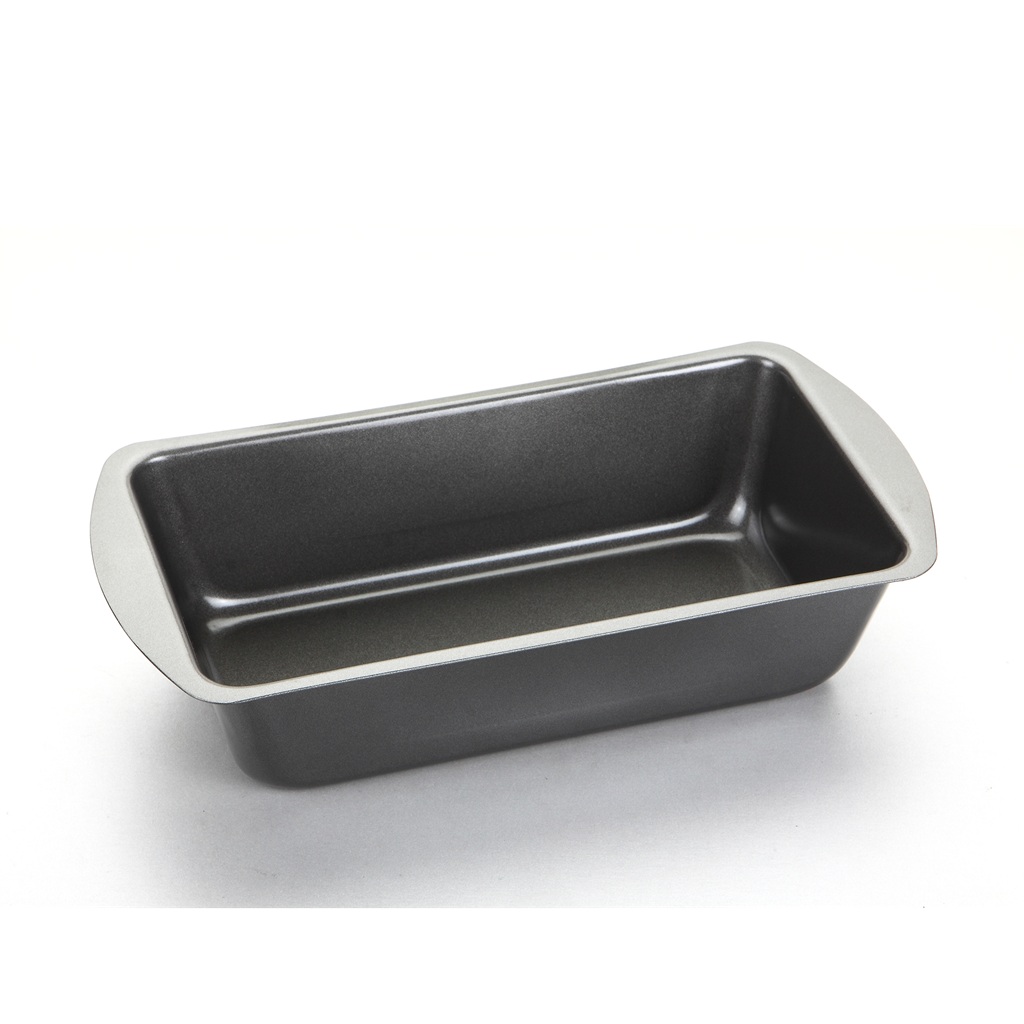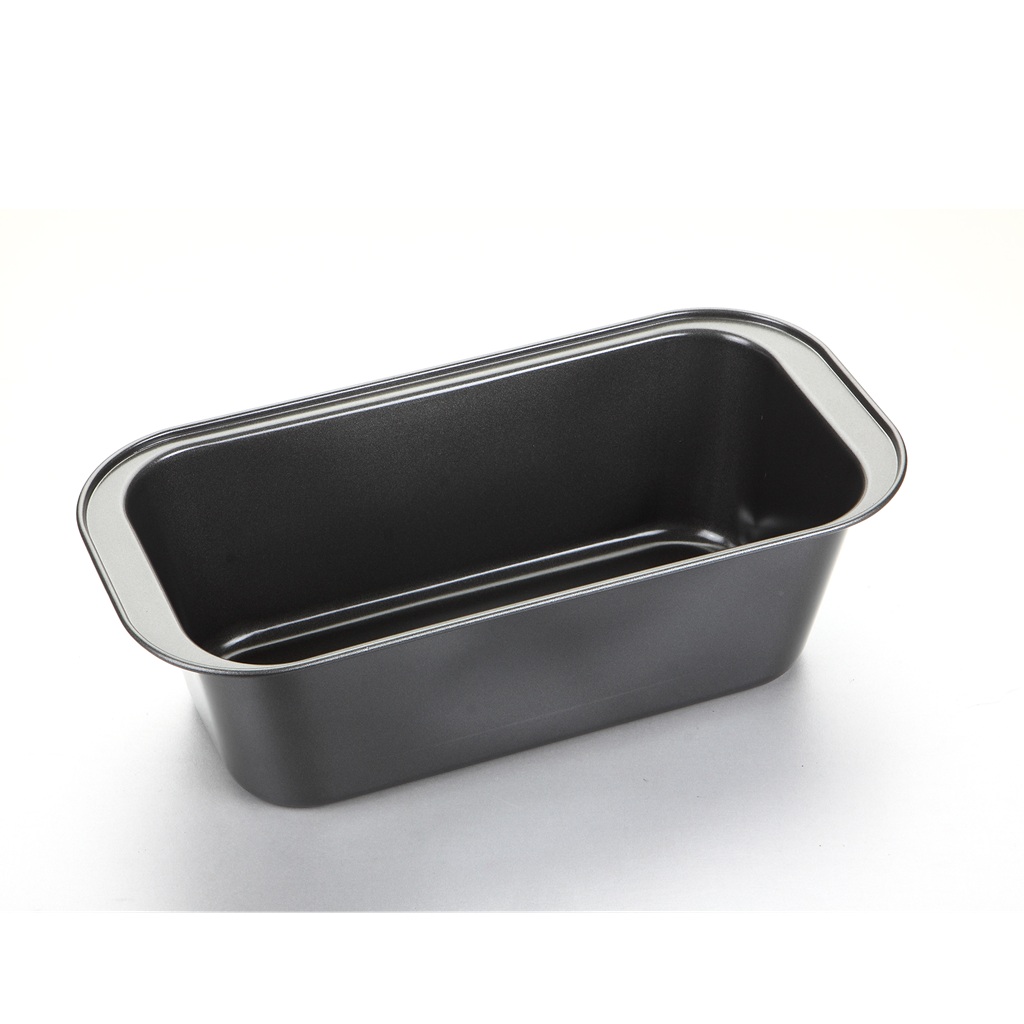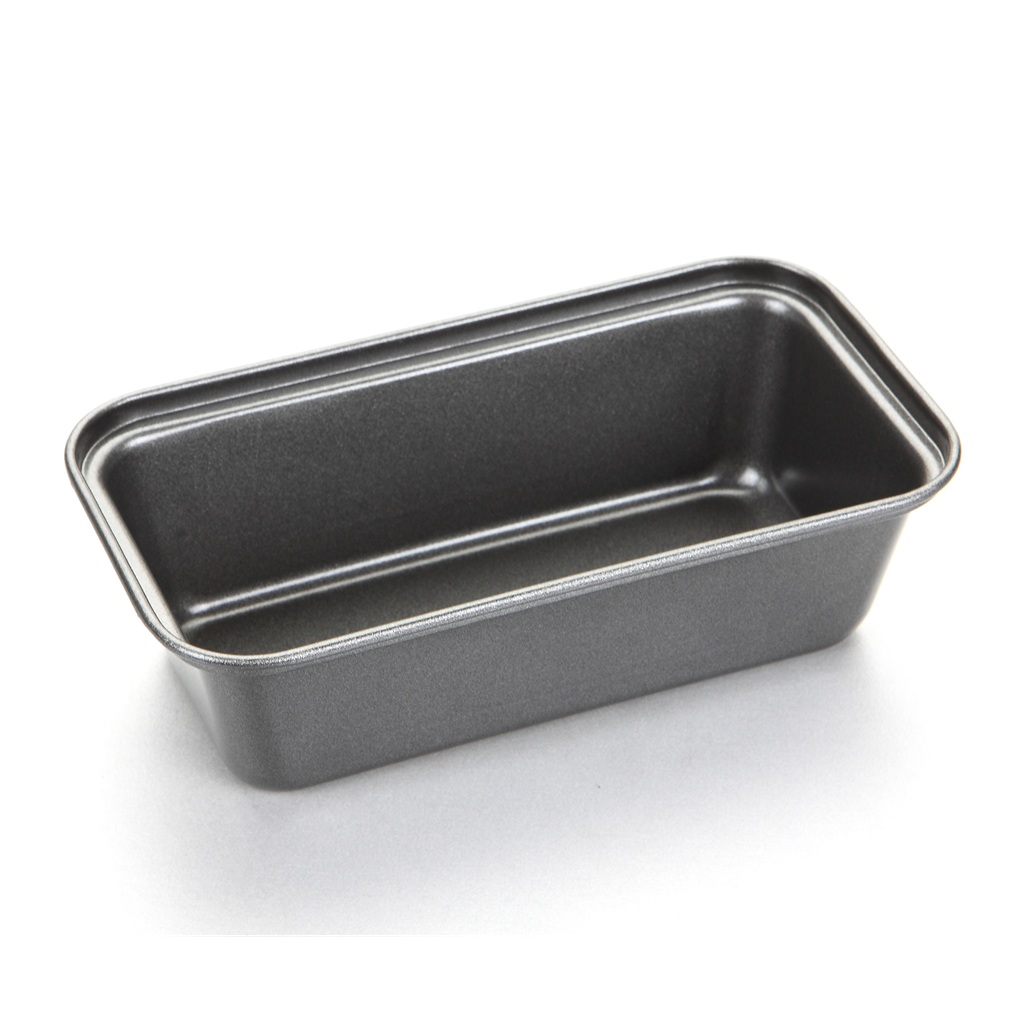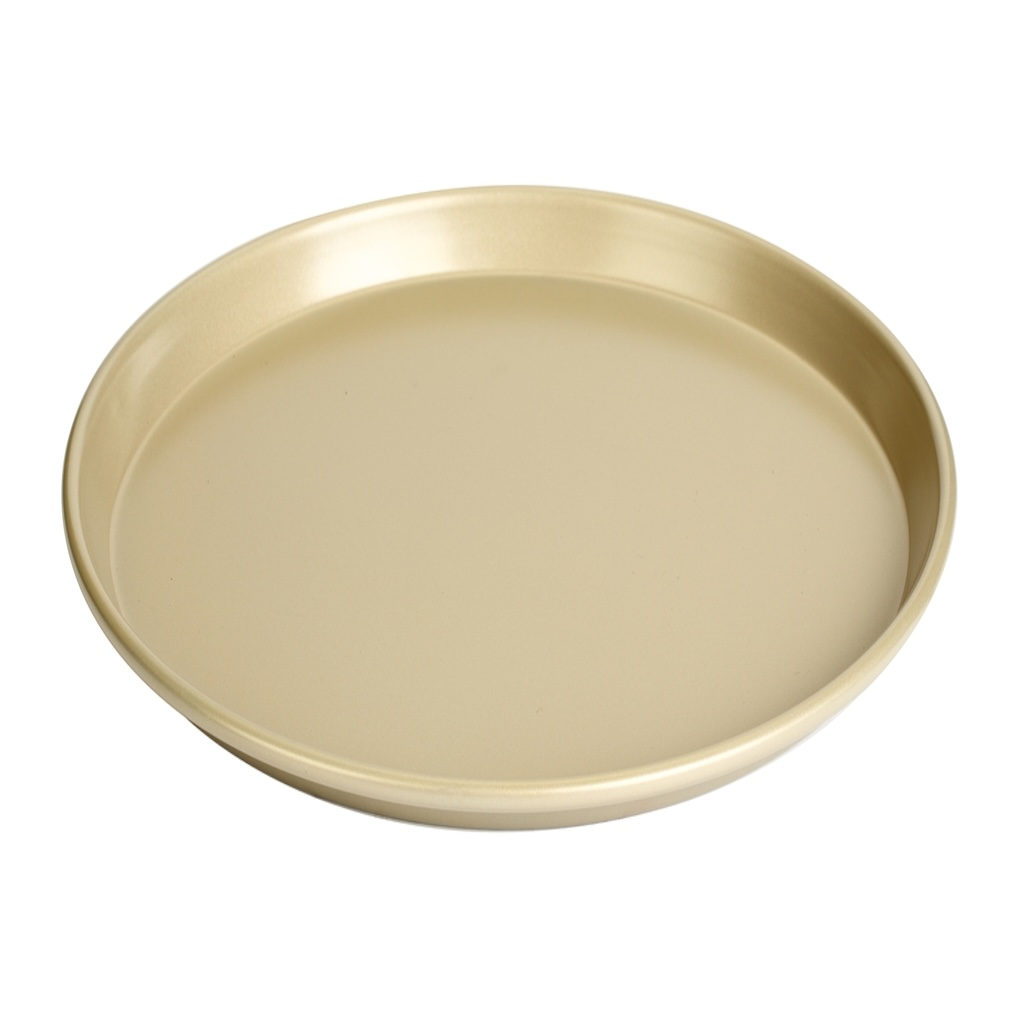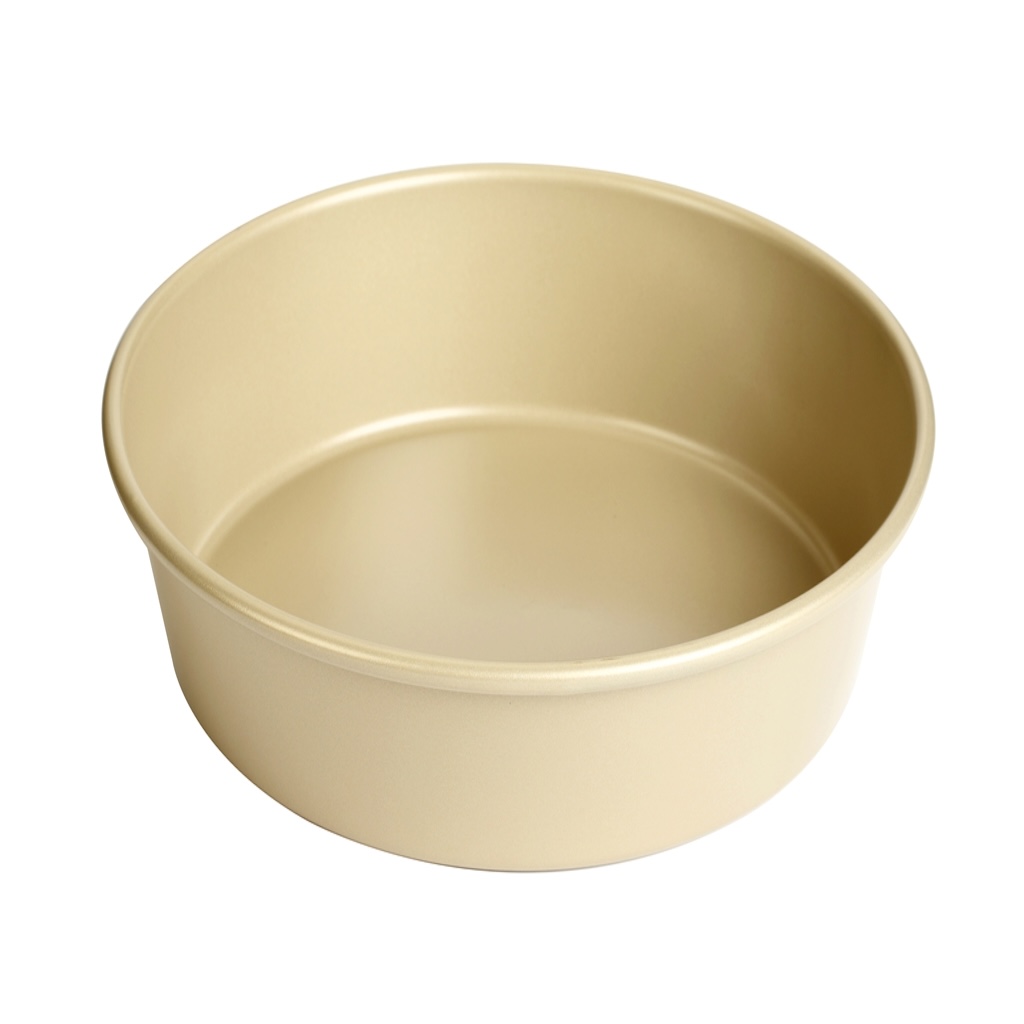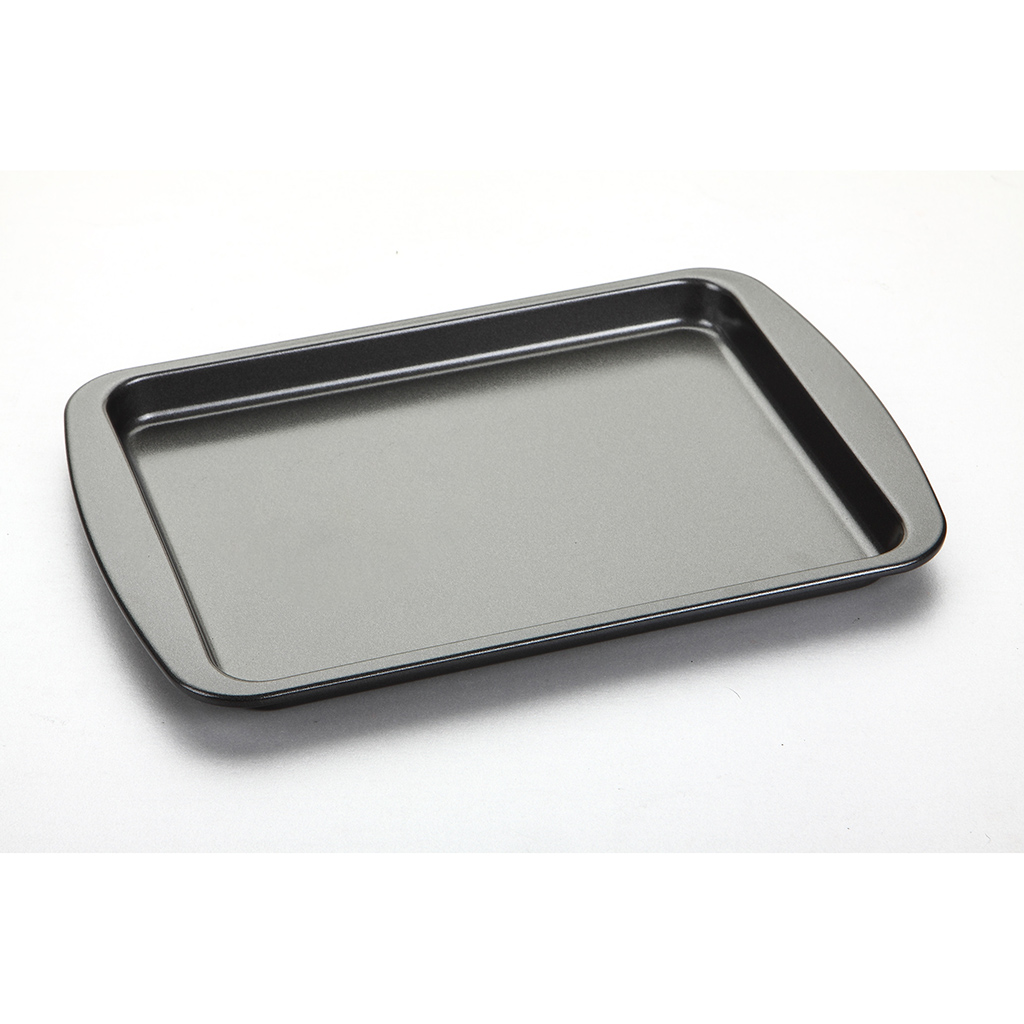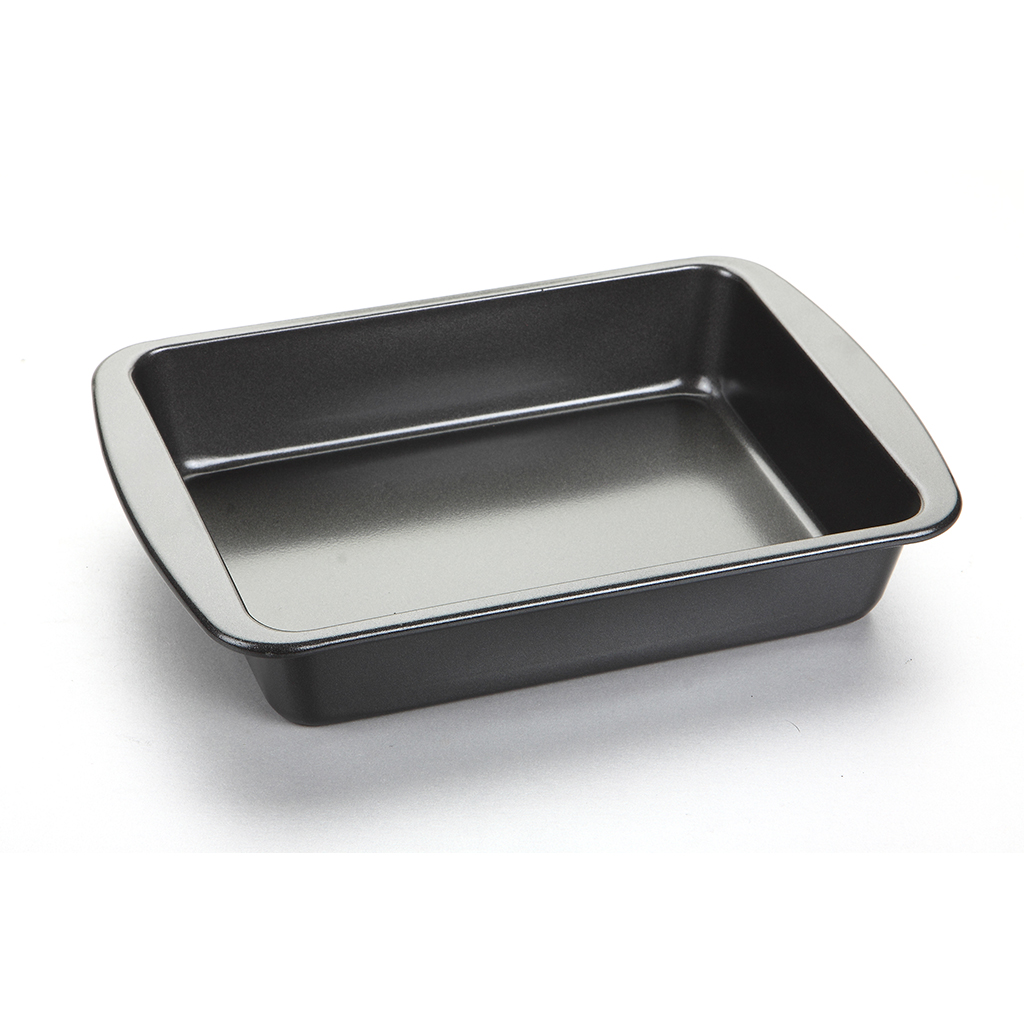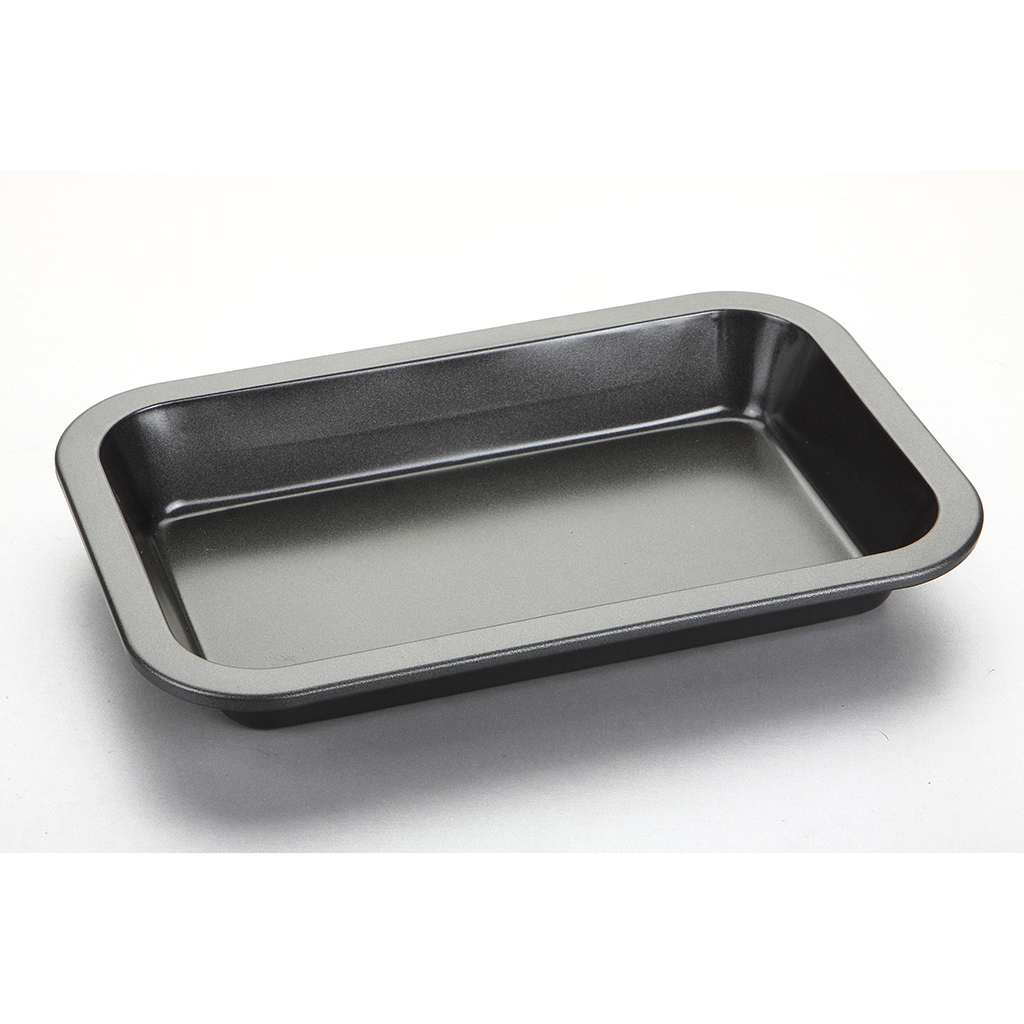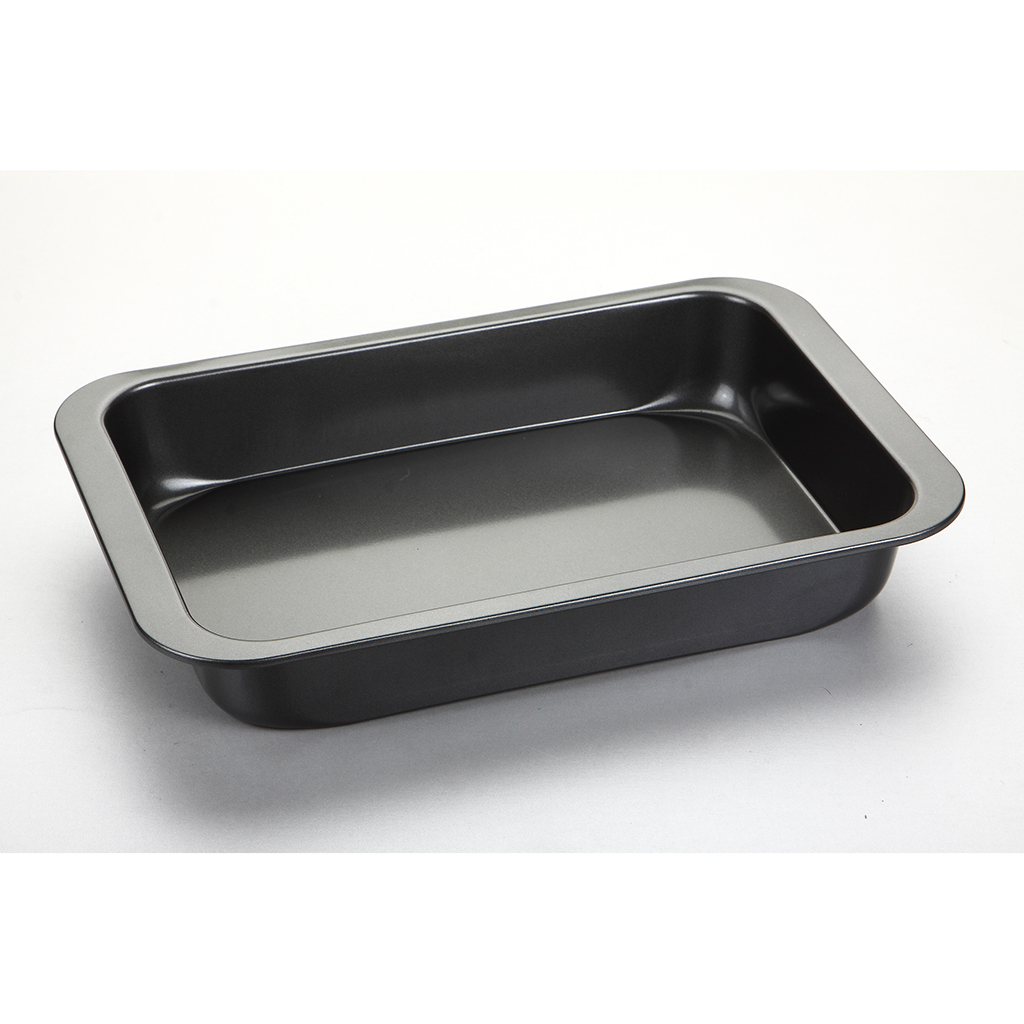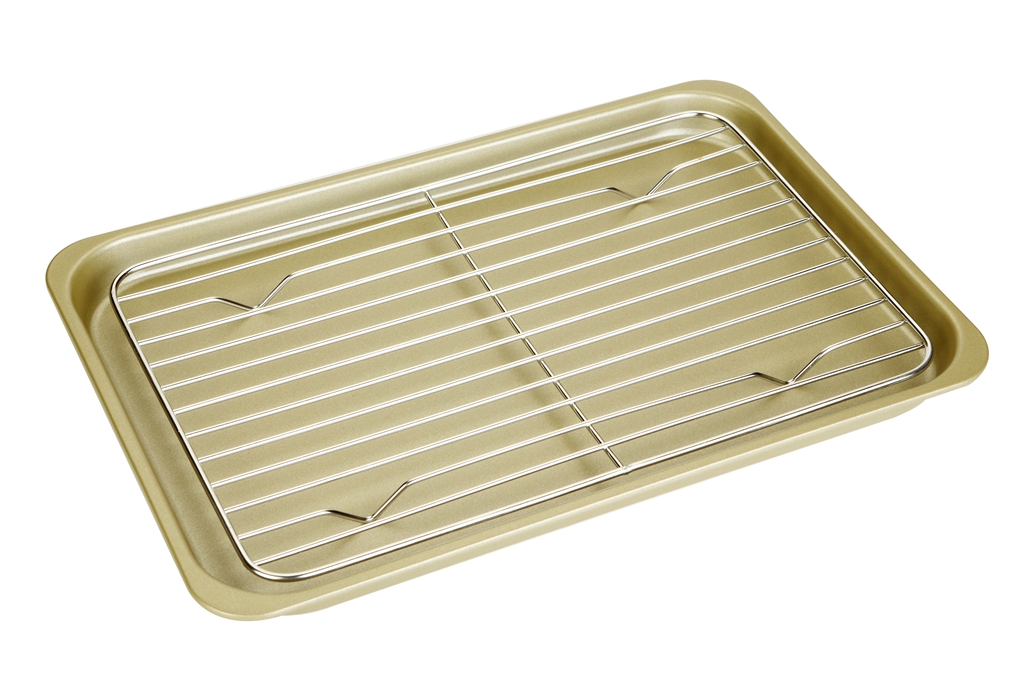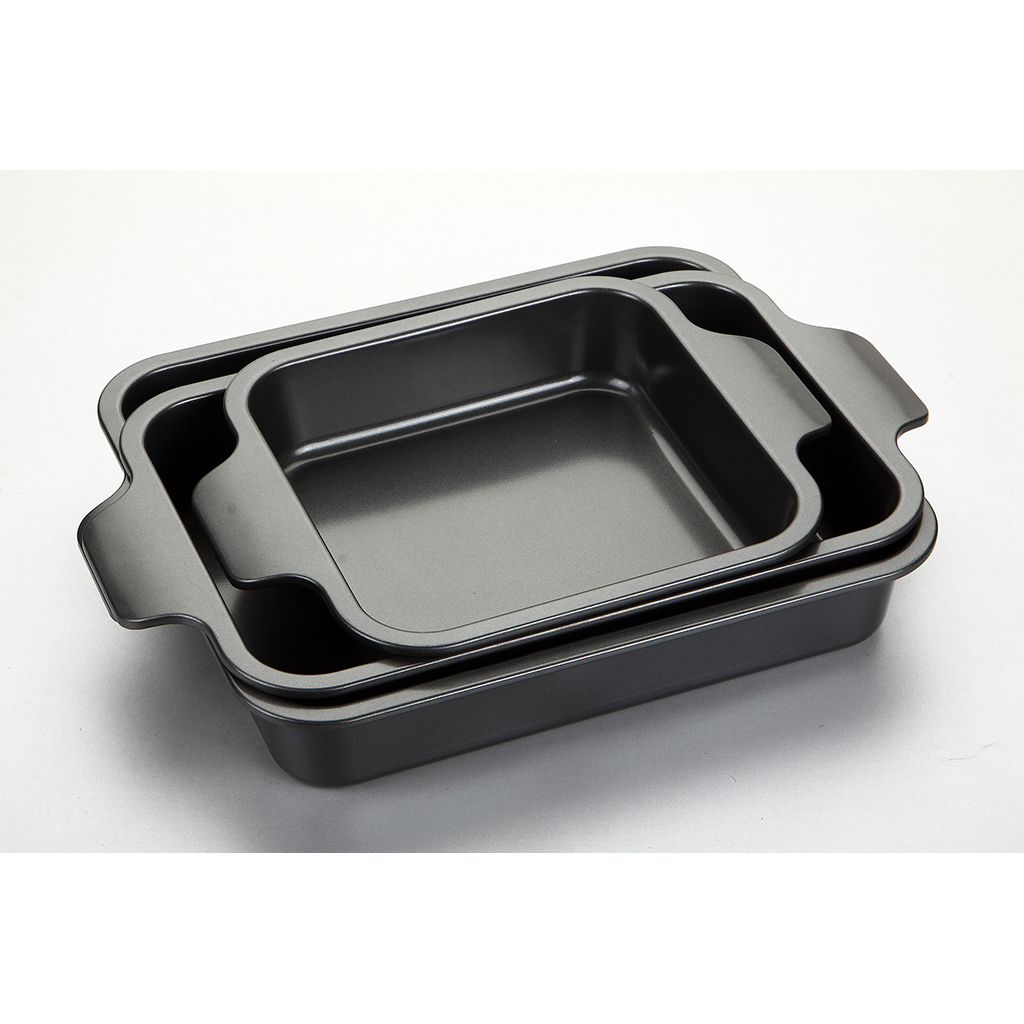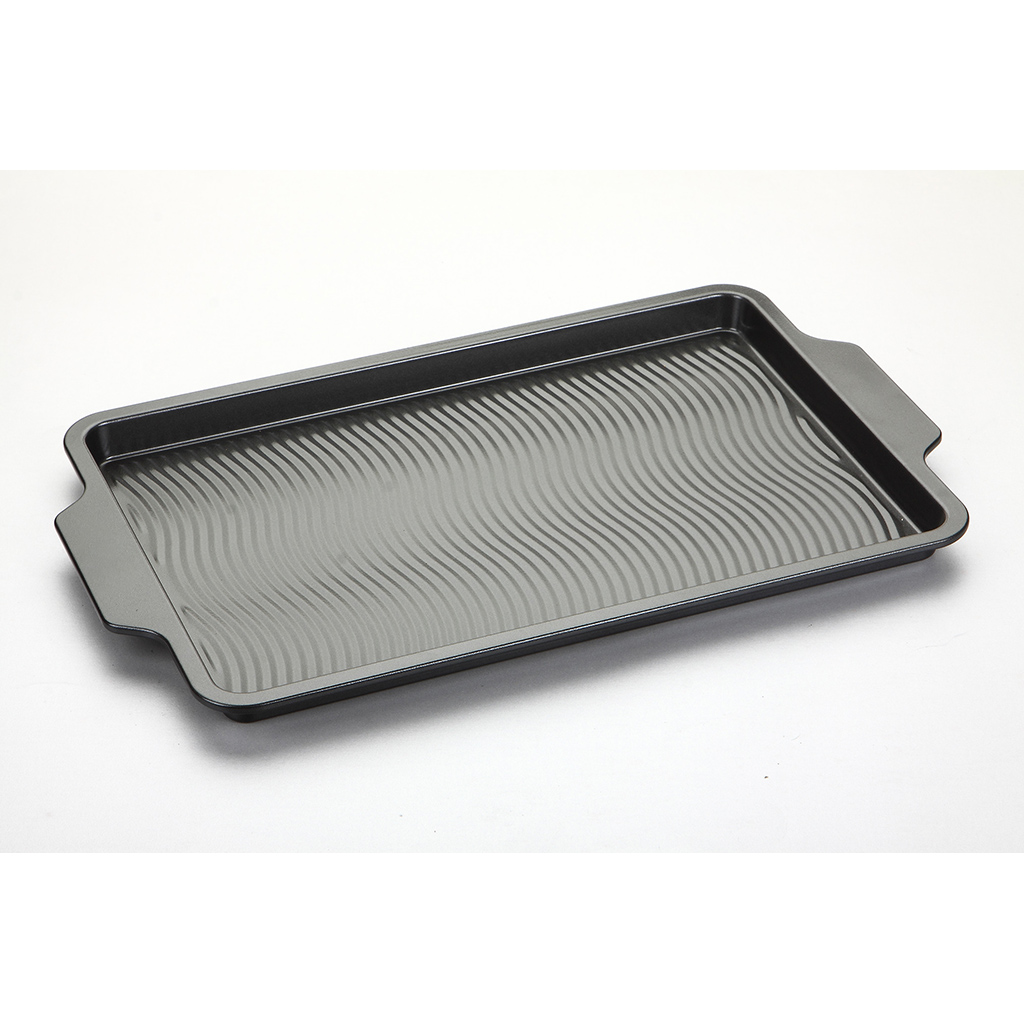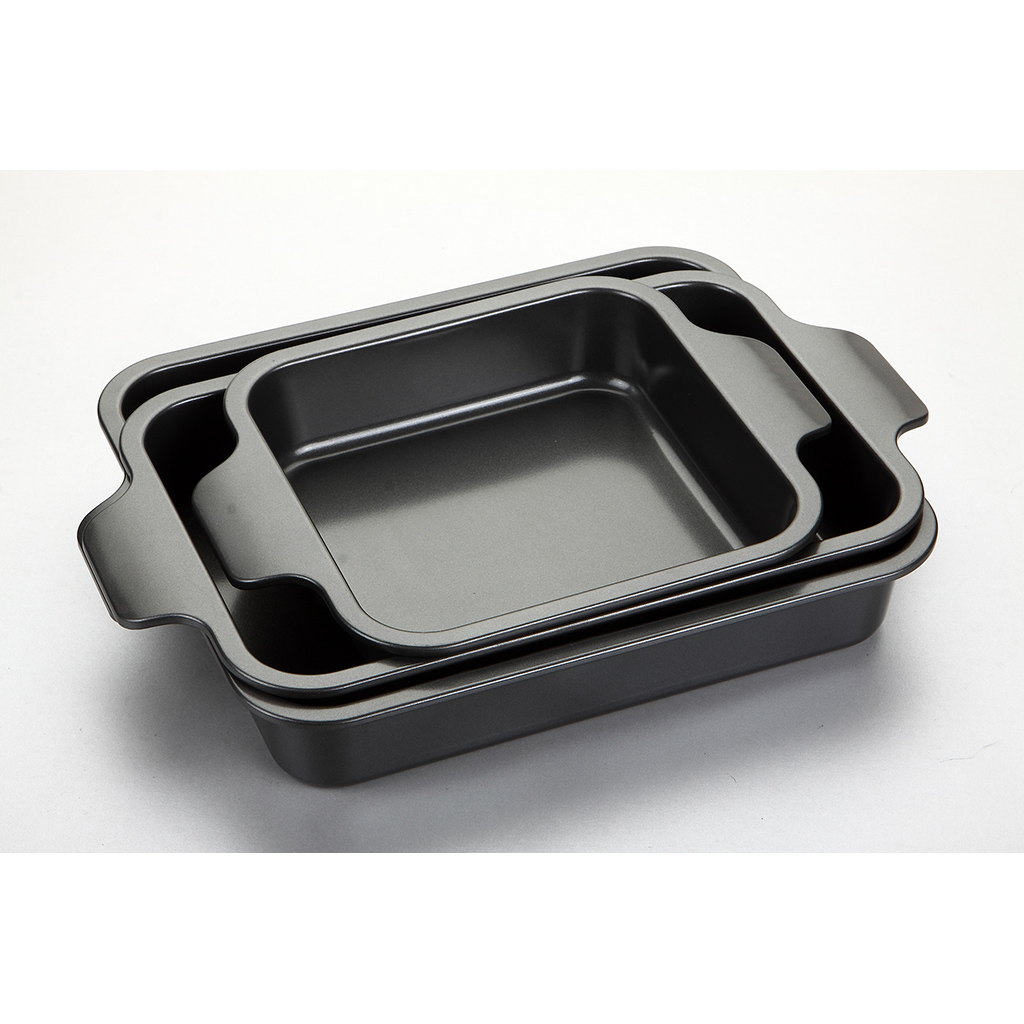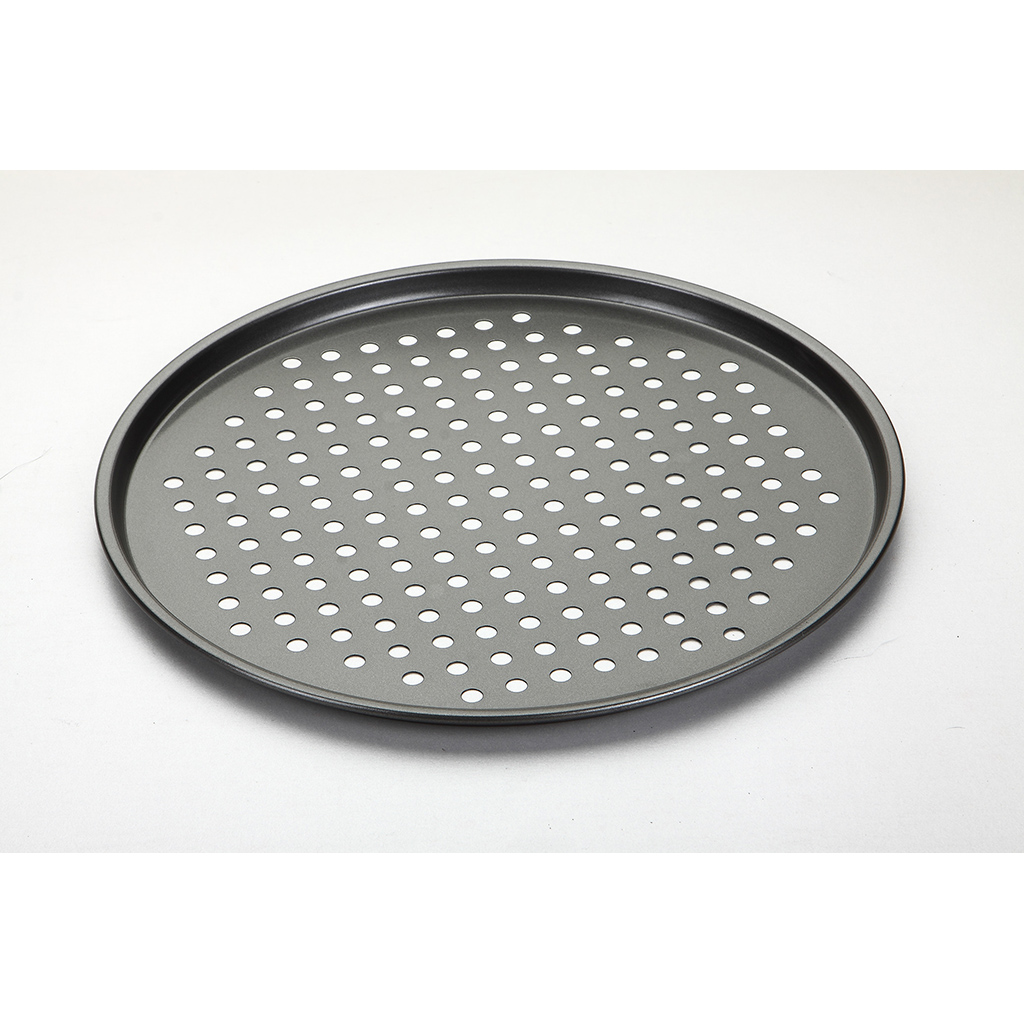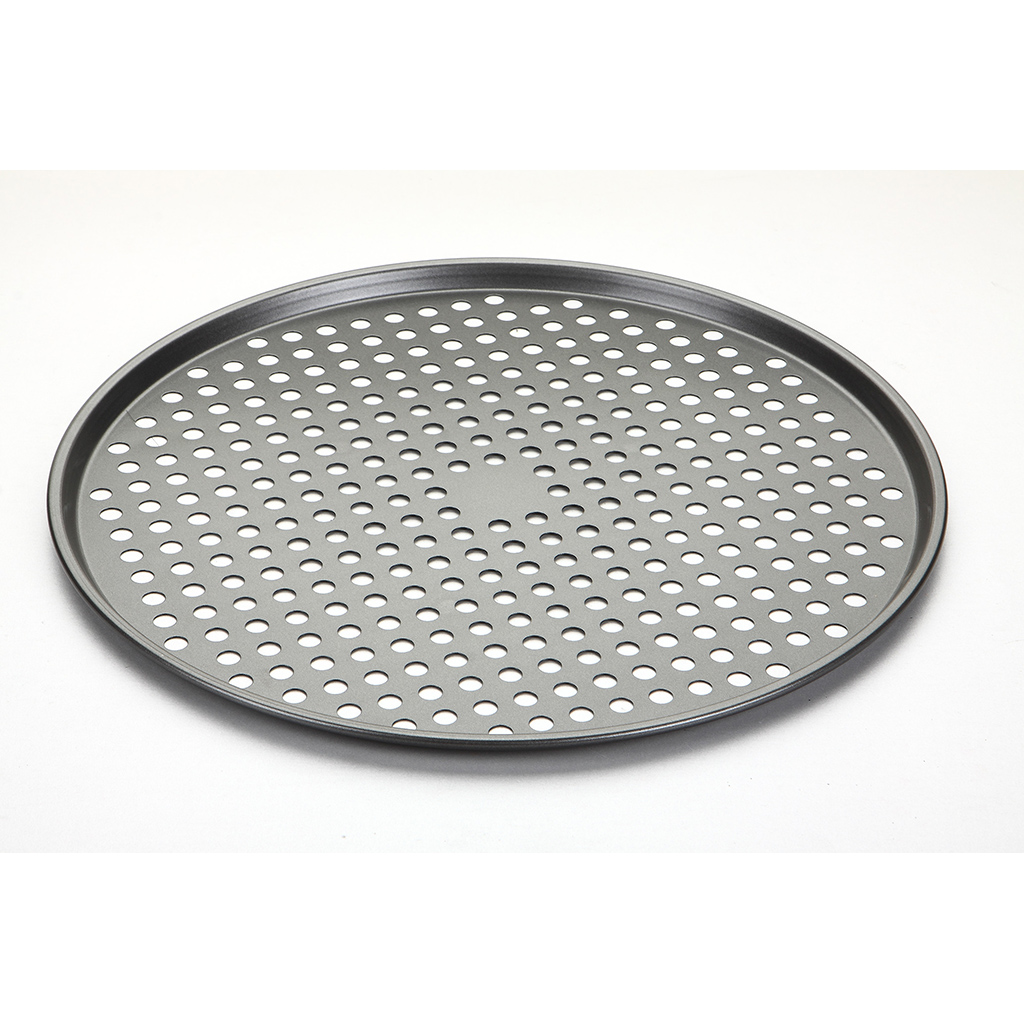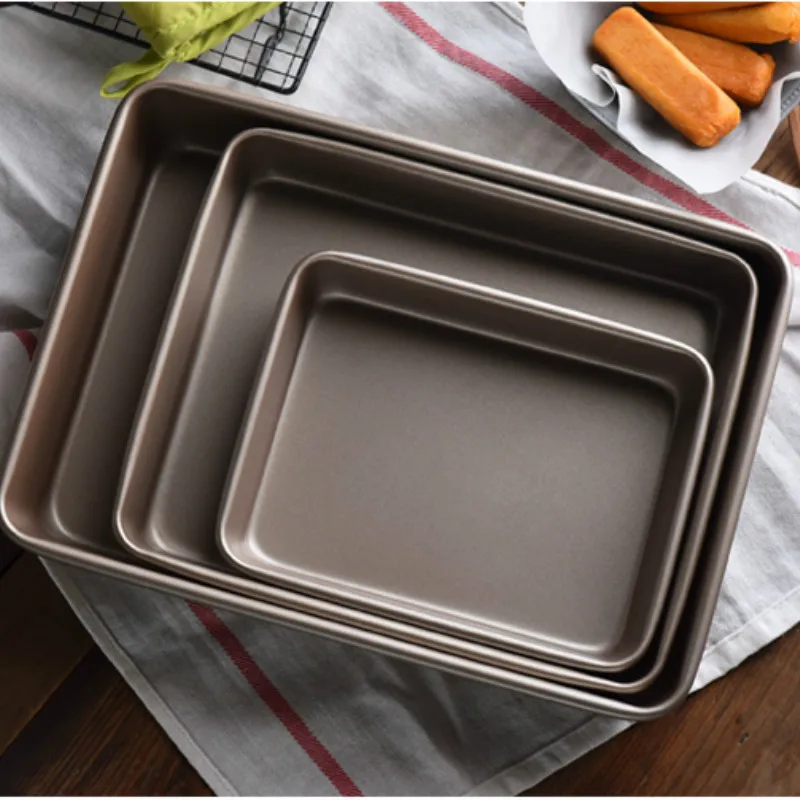
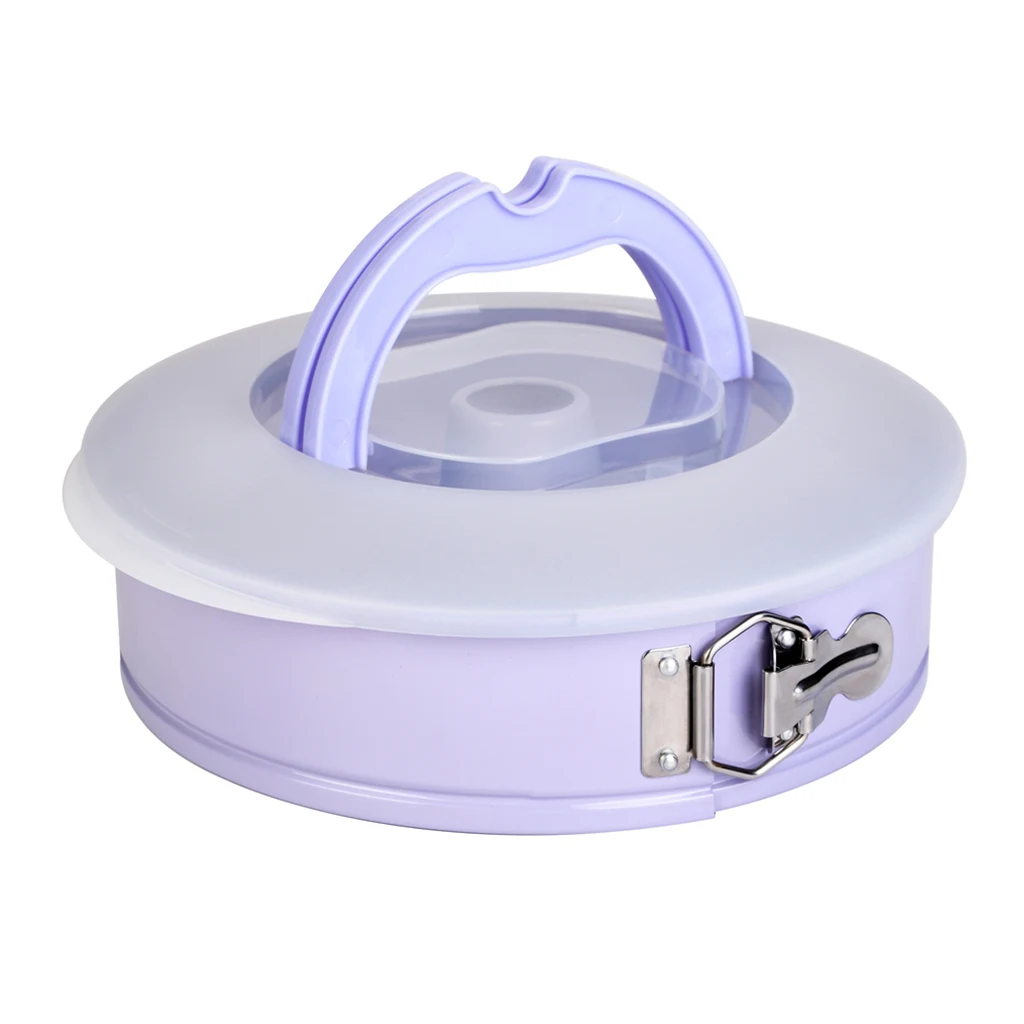
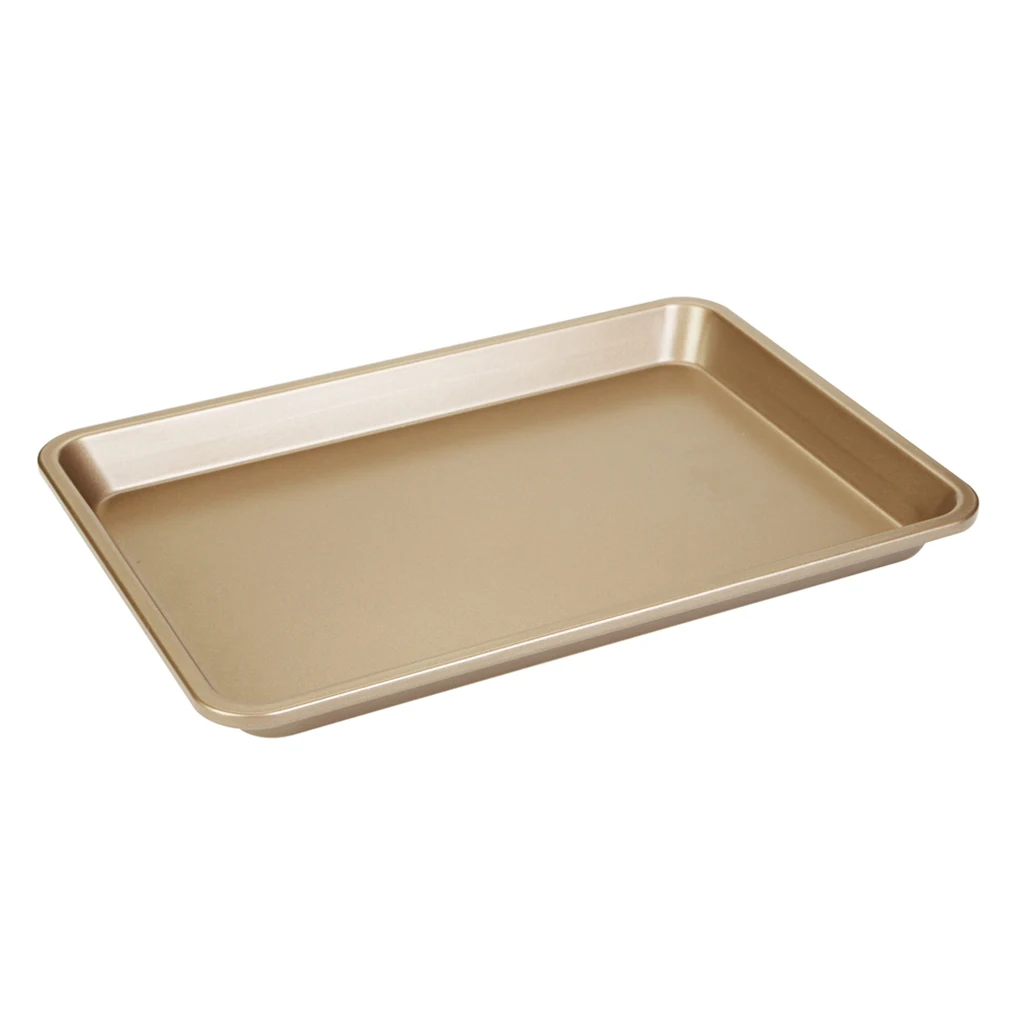
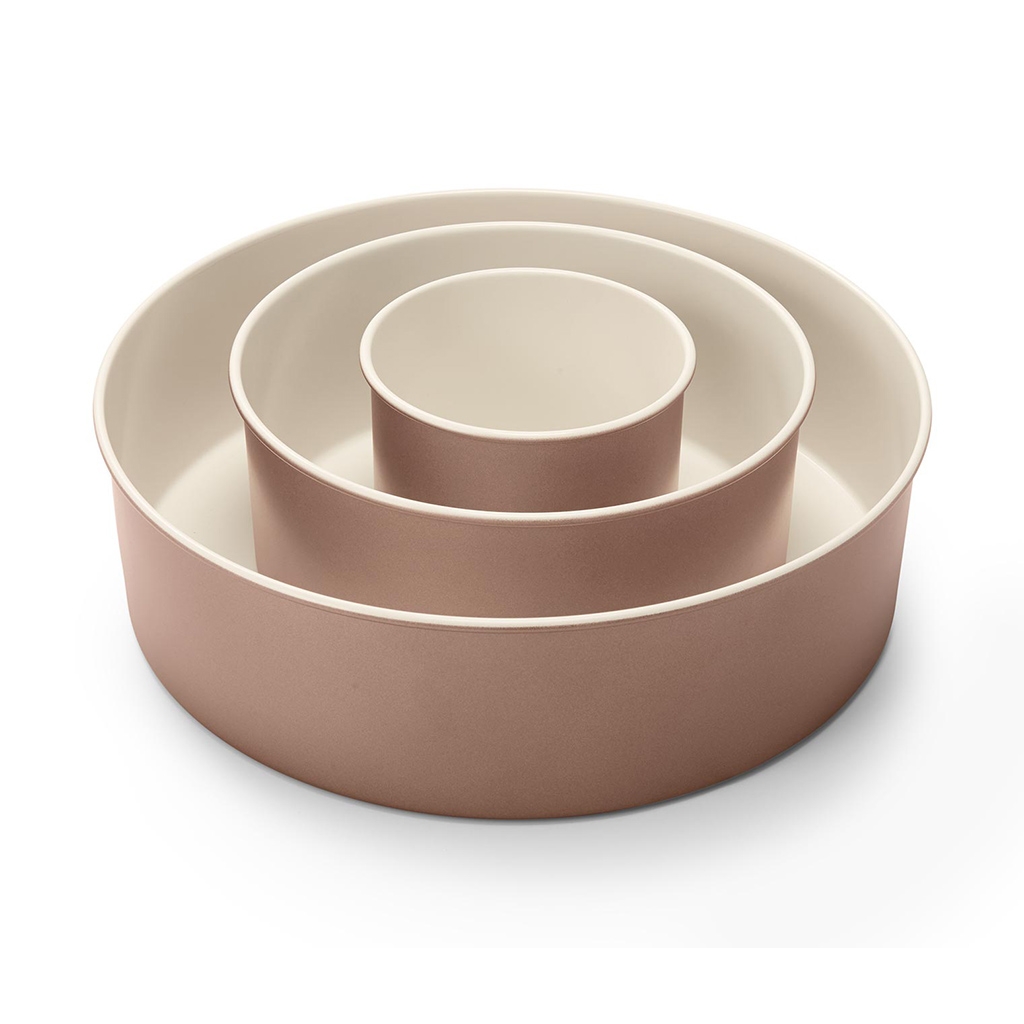
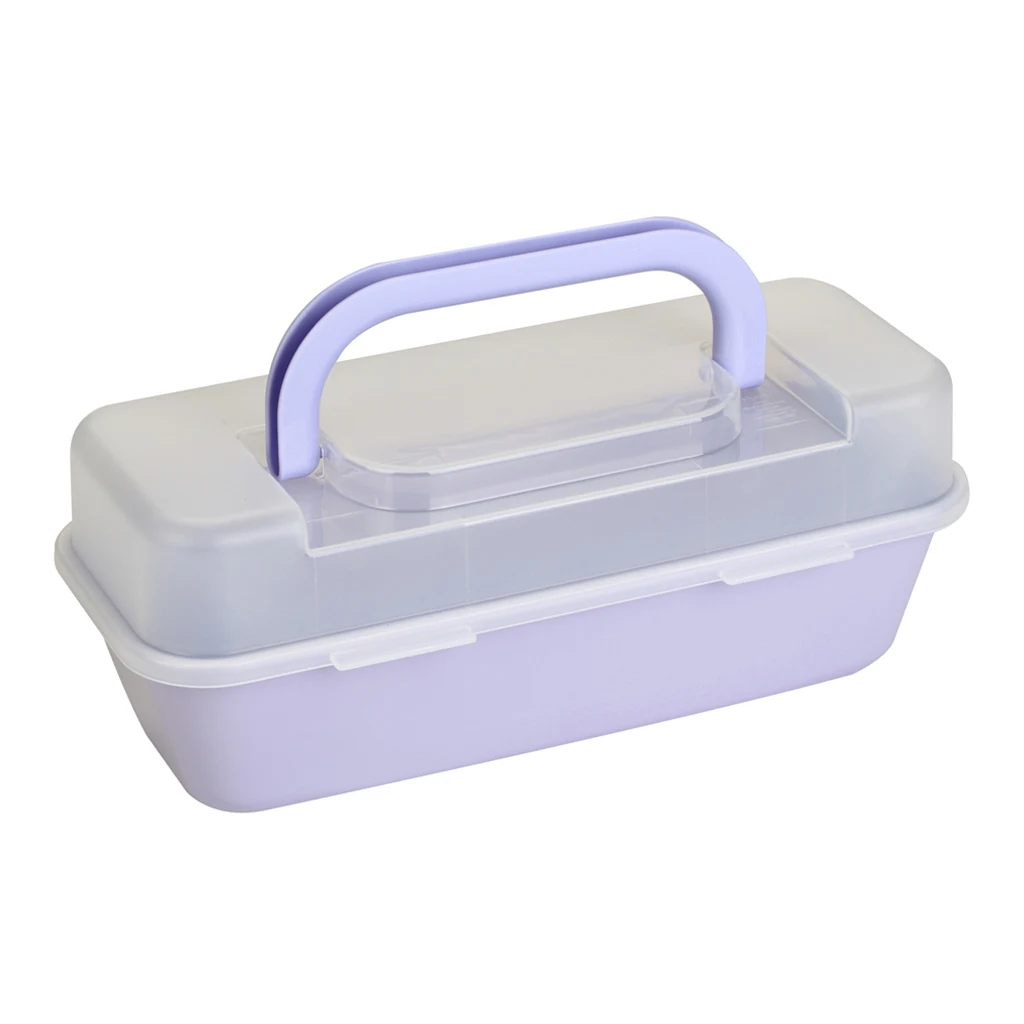
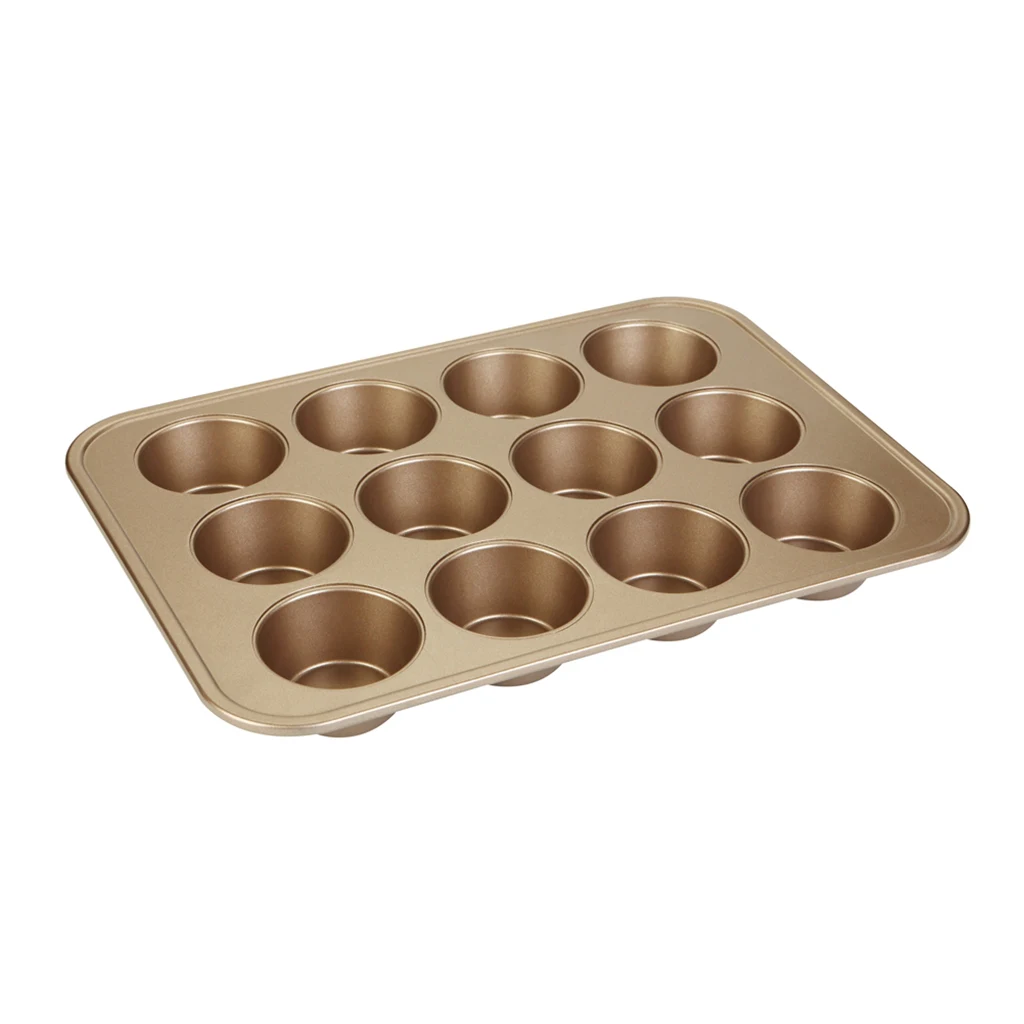
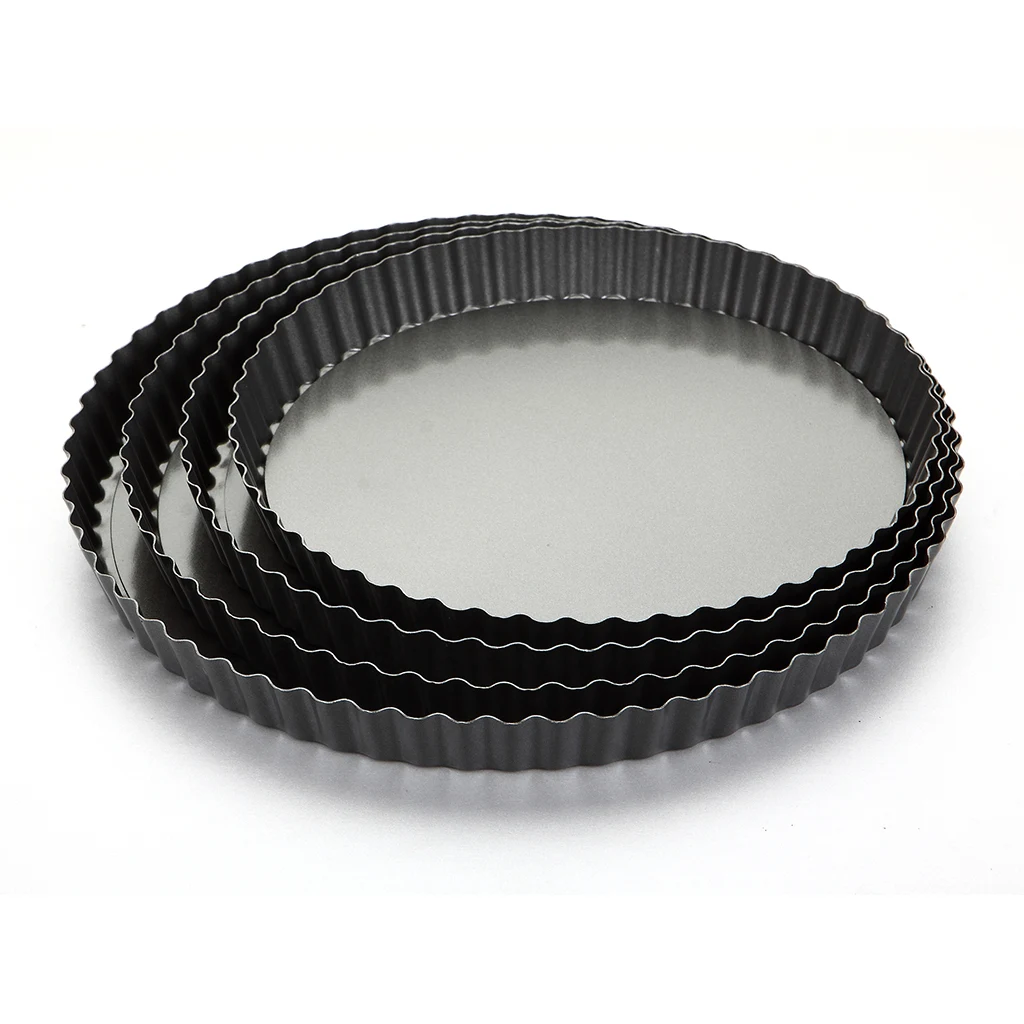
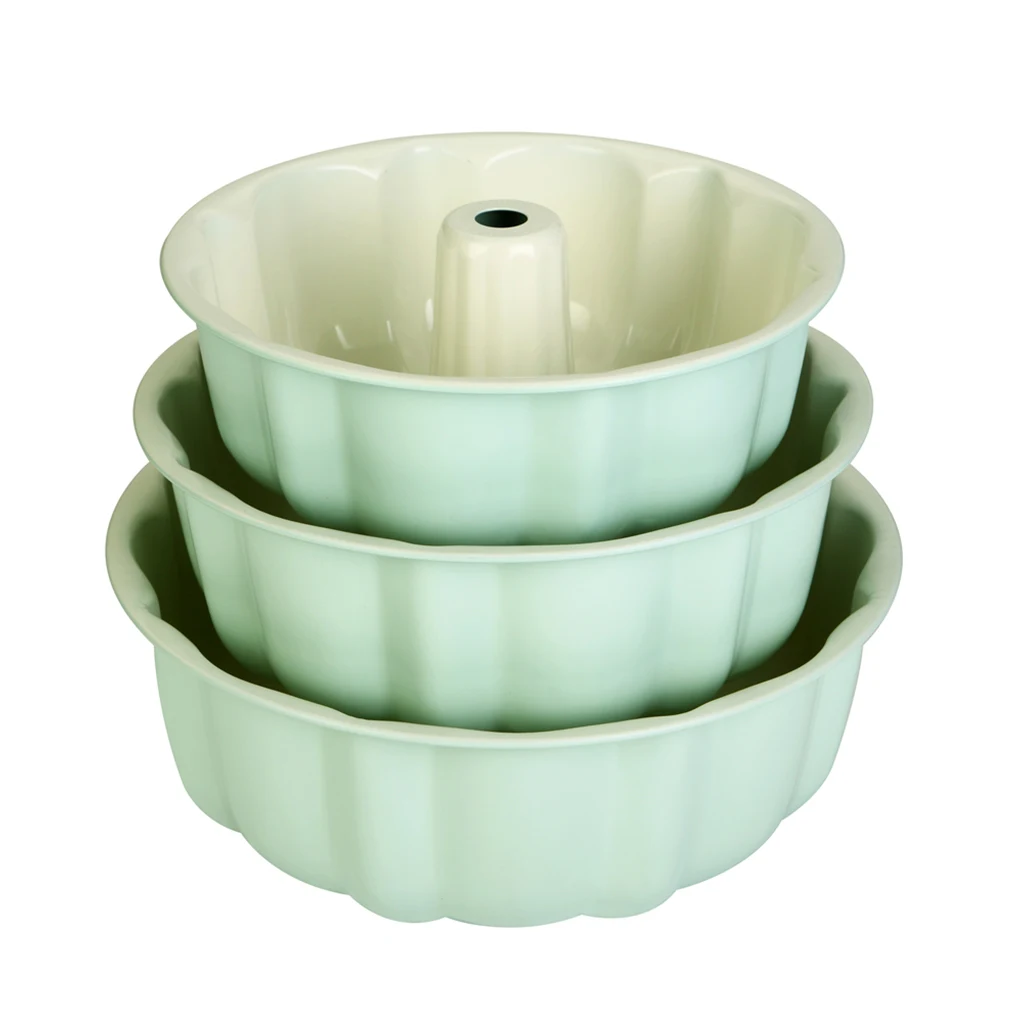
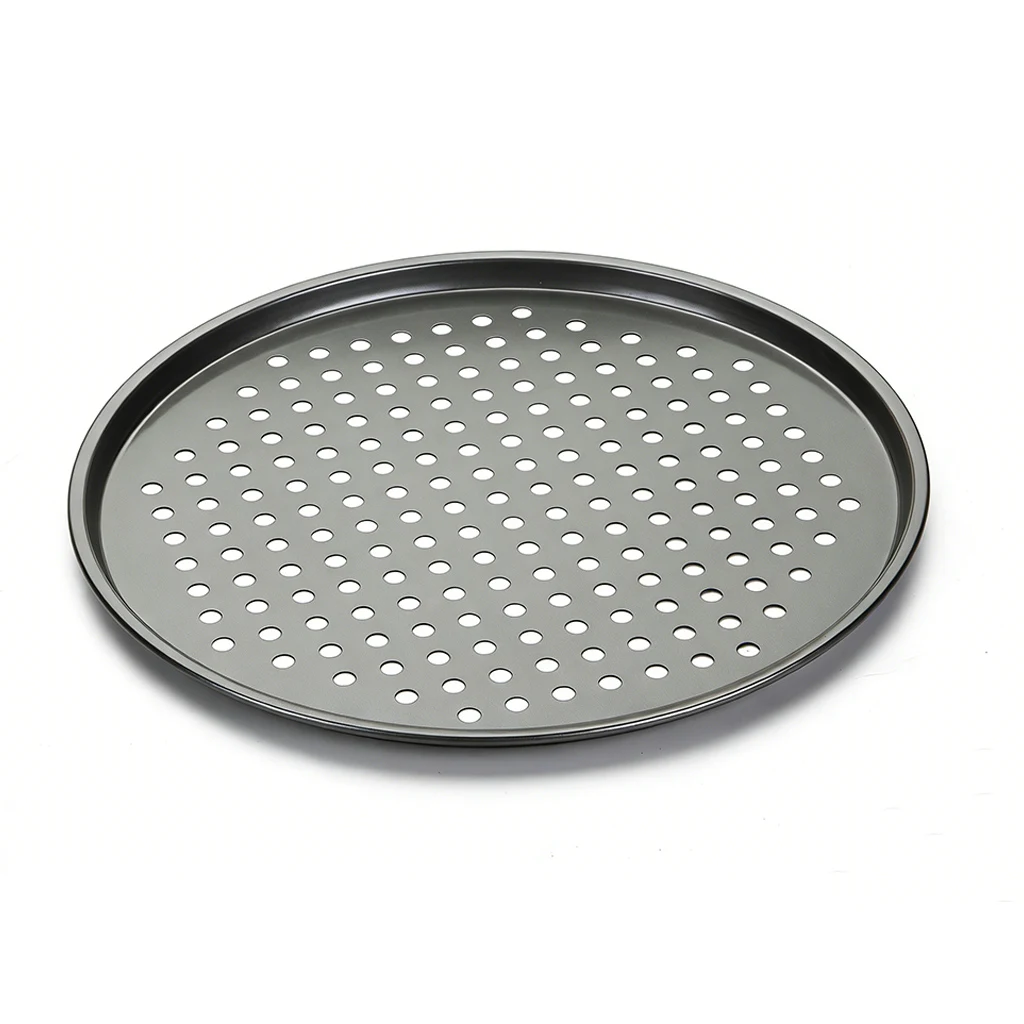
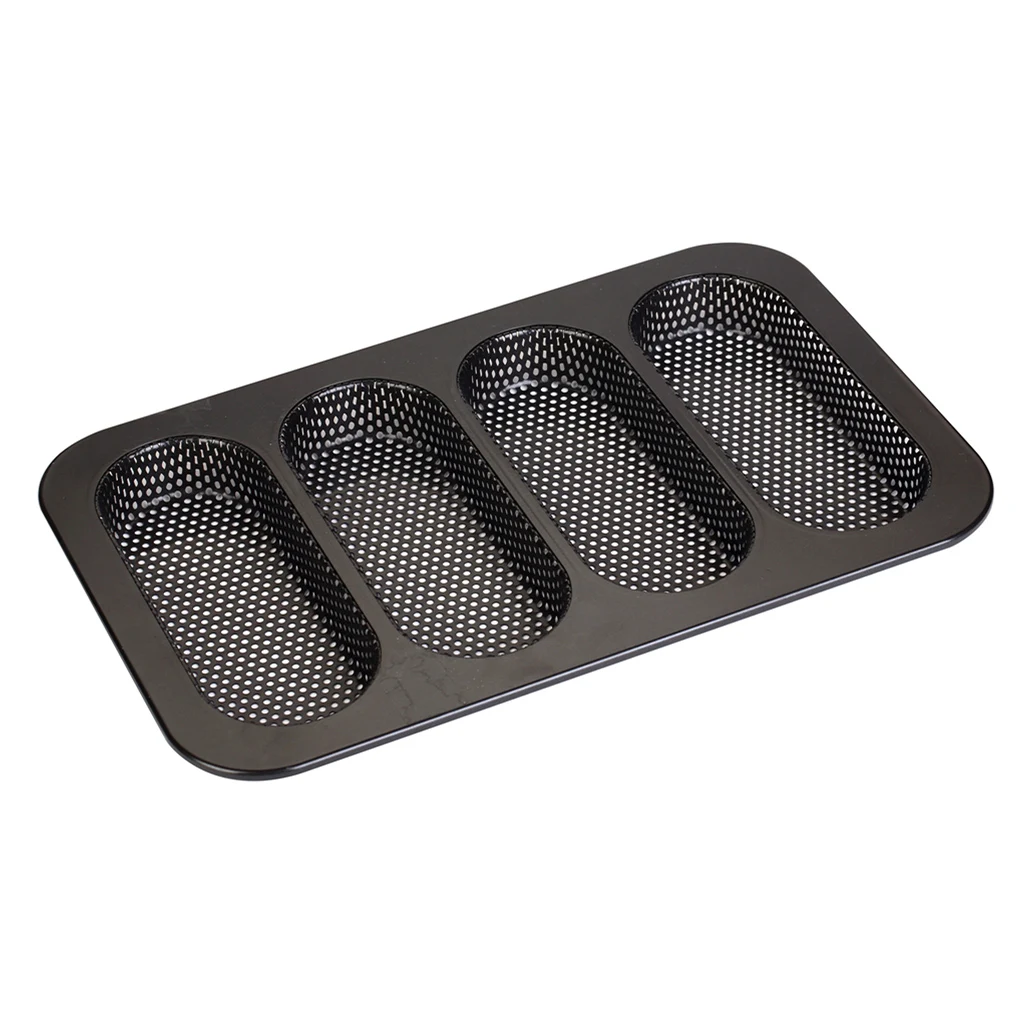
In the highly competitive commercial kitchenware sector, non-stick bakeware manufactured from carbon steel serves as the backbone of mass-market retail and professional food operations. From deep-dish pizza pans and uniform muffin tins to heavy-duty loaf pans and multi-use baking trays, the operational life of these products depends entirely on the physical durability of their specialized coatings. When global sourcing managers, OEM/ODM brand consultants, or quality assurance compliance officers from elite supermarkets audit an international manufacturing partner, their ultimate structural concern focuses on wear resistance. Will the non-stick coating peel, scratch, or wear thin when subjected to standard kitchen friction over months of intensive application?
To systematically eliminate premature wear and provide global buyers with an absolute guarantee of durability, advanced production facilities deploy rigorous mechanical stress evaluations. Among these, the standardized coating abrasion test bakeware protocol—specifically configured with a static 1-kilogram (1kg) weight over a 200-cycle reciprocating sliding track—stands as the definitive industry firewall for verifying coating resilience. By isolating a representative production sample and mechanically driving a calibrated friction point across its protective shell, quality control labs can accurately model years of intense kitchen friction within a controlled testing window.
This technical quality report breaks down the industrial methodology of the 1kg load / 200-cycle reciprocating abrasion test for baking pans, details the international qualification standards governing surface integrity, and reveals why this testing rigidity is crucial for B2B procurement professionals protecting global brand reputations.
“A non-stick baking pan is only as profitable as its wear tolerance. If the topcoat thins down and exposes the bare metal substrate under standard structural friction, the product fails both consumer expectations and international compliance requirements. Controlled reciprocating abrasion testing is our definitive method for validating real-world durability.”
The Critical Importance of Wear Resistance in Modern Bakeware
Understanding the material dynamics of commercial bakeware requires looking closely at the mechanical forces that act on kitchenware surfaces. Professional baking vessels are subjected to continuous physical contact. Metal spatulas, wooden scraping tools, intensive nesting during stacking, and abrasive cleaning scouring pads all subject the non-stick film to persistent friction. Industrial bakeware coatings must act as a durable shield, providing excellent food release properties while resisting continuous physical wear.
The Mechanical Realities of High-Volume Kitchen Environments
During a typical operational cycle, a loaf pan or baking tray is filled, handled, baked, emptied, cleaned, and stacked. Each of these phases introduces localized friction. If the coating formula lacks sufficient scratch resistance, micro-abrasions develop along the sides and corners of the baking pan. Over time, these micro-scratches expand under the thermal stress of high-temperature baking ovens. This breakdown weakens the surrounding coating, leading to structural delamination where the film curls up and peels away from the underlying steel base.
Micro-Scratches, Delamination, and Food Safety Compliance
Beyond the loss of non-stick properties, premature coating wear introduces serious regulatory challenges. If a baking pan exposes its bare raw steel substrate, the product becomes vulnerable to oxidation and moisture attack, which can lead to localized rust. Furthermore, in the stringent European (LFGB) and North American (FDA) consumer markets, exposing underlying primer layers or bare metal through continuous friction can trigger compliance violations. A high-quality coating abrasion test bakeware program ensures the non-stick matrix remains stable, safe, and intact throughout its operational lifespan.
Deciphering the 1kg Load / 200-Cycle Reciprocating Abrasion Apparatus
To achieve verifiable, scientifically reliable data, a modern quality control laboratory must use calibrated mechanical testing systems. Relying on inconsistent manual rubbing tests introduces human errors that can invalidate product evaluations. The professional coating abrasion test bakeware inspection configuration consists of three critical components:
1. The Reciprocating Rub Testing Machine
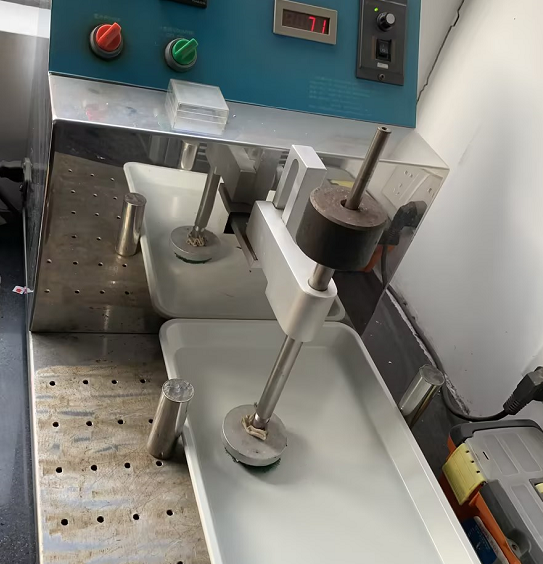
This automated industrial testing machine converts motor rotation into a highly linear, horizontal back-and-forth movement. The machine features a secure sample mounting table and an adjustable overhead mechanical arm that holds the friction tip. The stroke length, speed, and track position are completely automated, ensuring that every cycle exerts identical kinetic energy across the non-stick surface.
2. Calibrated 1 Kilogram Static Mass Weights
To simulate real-world utensil scraping pressure, the automated testing arm is weighted with a precise 1kg static mass. This weight applies a uniform downward force directly over the contact head, maintaining constant pressure throughout the entire path of the test. This calibrated load eliminates pressure fluctuations, providing a highly demanding test of the coating’s structural stability.
3. The Standardized Friction Material Interface
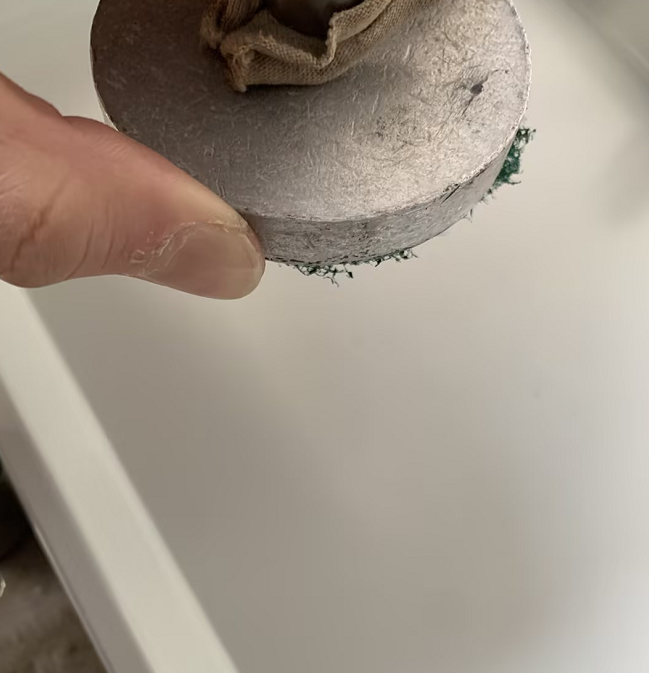
The contact tip of the mechanical testing arm is wrapped in a standardized abrasive material, such as a calibrated industrial scouring pad, a specific grade of steel wool, or a specialized rubber friction block. This choice is guided by precise internal testing directives. This material provides an unchanging level of friction, ensuring that every stroke tests the actual mechanical resistance of the non-stick film rather than variances in the testing tool itself.
Step-by-Step Laboratory Protocol for Coating Abrasion Test Bakeware
The quality assurance engineers at our manufacturing facility follow a strict, repeatable laboratory testing sequence to ensure absolute fairness across all mass-production batches. This coating abrasion test bakeware process checks both the interior cooking surface and exterior protective coatings for hidden structural weaknesses.
Step 1: Specimen Selection and Surface Baseline Calibration
From a finished mass-production batch of carbon steel bakeware, quality inspectors randomly extract a statistically valid number of testing samples. The selected baking pans are transferred to the quality assurance lab and conditioned at an ambient room temperature of 23°C ± 2°C. The surface is thoroughly inspected under bright, clear laboratory lights to verify that it is completely clean, dry, and free of dust, manufacturing oils, or surface variations that could compromise the accuracy of the coating abrasion test bakeware evaluation.
Step 2: Executing the 200-Cycle Reciprocating Abrasion Cycle
The quality technician programs the machine for exactly 200 cycles, setting the speed to a controlled, steady pace (typically 30 to 60 strokes per minute, where one cycle equals a full forward and backward stroke). The technician starts the machine, and the weighted arm begins its reciprocating movement across the pan. The machine runs continuously, subjecting the localized non-stick film to intensive mechanical stress and frictional heating along the exact same path.
Step 3: Debris Extraction and Surface Cleansing
Once the machine completes the 200th cycle, it stops automatically. The technician carefully raises the weighted arm and unclamps the baking pan. The tested zone is gently wiped with a soft, clean microfiber cloth or blown with clean compressed air to remove any fine dust particles generated by the friction process. This step prepares the surface for precise final visual evaluation.
Standardized Post-Test Evaluation: The “Zero Bare-Metal Exposure” Benchmark
The true measure of quality control lies in the final verification phase. The tested area is examined under a high-intensity laboratory light source, often with a 5x or 10x optical magnifier, to evaluate the structural condition of the non-stick matrix.
Inspecting for Primer Layer Compromise and Bare Substrate Exposure
The passing standard for the coating abrasion test bakeware protocol is clear and absolute: The non-stick coating must show no bare-metal exposure after the full 200-cycle friction run.
While the test path may show minor surface scuffing or a slight shift in gloss due to the repetitive friction, the underlying carbon steel substrate must remain completely covered and protected. If the friction head tears through the non-stick topcoat and exposes even a microscopic speck of the base metal, the pan fails the test completely.
Frequently Asked Questions (FAQs)
Q:Is the 200-cycle coating abrasion test bakeware performed under wet or dry conditions?
A:Our standard laboratory protocol performs the test under dry conditions, as dry friction creates higher mechanical shear stress on polymer coatings. However, for specialized commercial clients who require extreme performance validations, we can adjust the protocol to perform wet testing with mild soapy solutions or cooking oils to simulate specific culinary environments.
Q:How does the 1kg load test compare to household washing conditions?
A:The 1kg mechanical load applies concentrated pressure that is significantly higher than typical hand-washing forces. Passing 200 continuous reciprocating cycles under this extreme pressure proves that the coating can withstand hundreds of home dishwashing cycles and routine utensil contact without peeling or wearing down.
Q:Does this test replace cross-hatch adhesion testing?
A:No, the two tests evaluate different physical properties. The cross-hatch test measures the static bonding strength between the coating and the metal base. The reciprocating abrasion test evaluates the coating’s surface hardness and resistance to continuous friction. High-quality bakeware must pass both tests to guarantee true product durability.
Q:Can this testing protocol be customized for unique pan shapes?
A:Yes, our quality laboratory features adjustable, specialized fixtures. While flat baking sheets are the easiest to evaluate, our technicians can securely mount curved pizza pans, fluted tart pans, and deep muffin trays to test for consistent wear resistance across all surfaces of the pan.
Core Takeaways for Global Bakeware Importers and Sourcing Managers
- The Wear Standard: A premium baking pan must show absolutely zero bare-metal exposure after a 1kg load, 200-cycle mechanical rub test.This coating abrasion test bakeware standard is the only reliable indicator of real-world durability.
- Protect Your Brand: Poor coating durability cannot be detected by visual inspection alone. Only systematic destructive testing prevents expensive product returns and negative consumer reviews.
- Choose Certified Manufacturers: Always source your kitchenware from factories like Aolijue that operate fully equipped, on-site QA laboratories and maintain comprehensive certifications, including ISO 9001, ISO 22000, and BSCI standards.
When you partner with Aolijue, you are investing in a verified, scientifically managed supply chain. Our dedication to strict testing protocols ensures that every product—from simple baking trays to complex custom pans—will deliver exceptional performance for your customers.
Secure your supply chain with certified durability. Partner with Aolijue today.
Ready to audit our complete coating abrasion test bakeware QA testing protocols or explore custom product development? Browse our comprehensive catalogs of professional-grade Pizza moule, Loaf moule, and Baking pan, or contact our sales engineering division to request certified test reports for your next OEM/ODM batch.