When we think about healthy eating, we usually focus on organic produce, lean proteins, and reducing sugar. However, a critical piece of the health puzzle often sits right in our ovens: the pans we use. Many home bakers are increasingly asking, “what is the safest bakeware?” because of growing concerns regarding chemical leaching, heavy metals, and the long-term health effects of synthetic coatings at high temperatures.
Baking involves heat levels that can trigger chemical reactions between your food and the vessel holding it. Whether you are baking a birthday cake, roasting vegetables, or preparing a sourdough loaf, the material of your bakeware matters. In this exhaustive guide, we will analyze every major material on the market to help you determine what is the safest bakeware for your specific kitchen needs, ensuring your delicious treats remain healthy and pure.
Core Takeaway: The safest bakeware materials are generally those that are chemically inert and stable at high temperatures, such as glass, high-quality ceramic, stainless steel, and carbon steel. While non-stick options offer convenience, choosing PFOA/PFAS-free versions like ceramic-coated carbon steel is essential for safety-conscious bakers.
Understanding the Risks: More Than Just a Pan
To understand what is the safest bakeware, we first need to understand the potential risks. Bakeware safety is primarily concerned with “migration”—the process where chemicals or metals move from the pan into the food. This process is accelerated by three factors: high heat, acidity (like tomatoes or lemon), and the length of time the food spends in the pan.
The PFAS and Non-Stick Problem
Traditional non-stick coatings historically used a chemical called PFOA. While PFOA has been largely phased out, it has been replaced by other PFAS (polyfluoroalkyl substances), often called “forever chemicals.” When these coatings are scratched or overheated, they can release toxic fumes. This is why many health-conscious consumers are searching for what is the safest bakeware that avoids these synthetic chemicals entirely. The U.S. Environmental Protection Agency provides extensive information on PFAS chemicals and their regulation.
Heavy Metals in Glazes
In some low-quality ceramic or glazed items, lead and cadmium can be present in the pigments. While modern regulations are strict, vintage bakeware can pose a risk. This is why determining what is the safest bakeware requires looking at both the raw material and the manufacturing standards of the brand you choose.
Top Contenders: Exploring the Safest Bakeware Materials
Let’s break down the most popular materials to see how they rank. If you’ve been wondering what is the safest bakeware to buy this year, these options should be at the top of your list.
The transition to safer bakeware is not just about avoiding toxins; it’s about returning to materials that have been trusted for generations, enhanced by modern manufacturing precision.” — Kitchen Safety Expert
How to Identify Safe Non-Stick Options
If you prefer the convenience of non-stick but are worried about health, you might ask, what is the safest bakeware that still allows food to slide right off? The answer lies in the coating technology used.
Ceramic Non-Stick Coatings
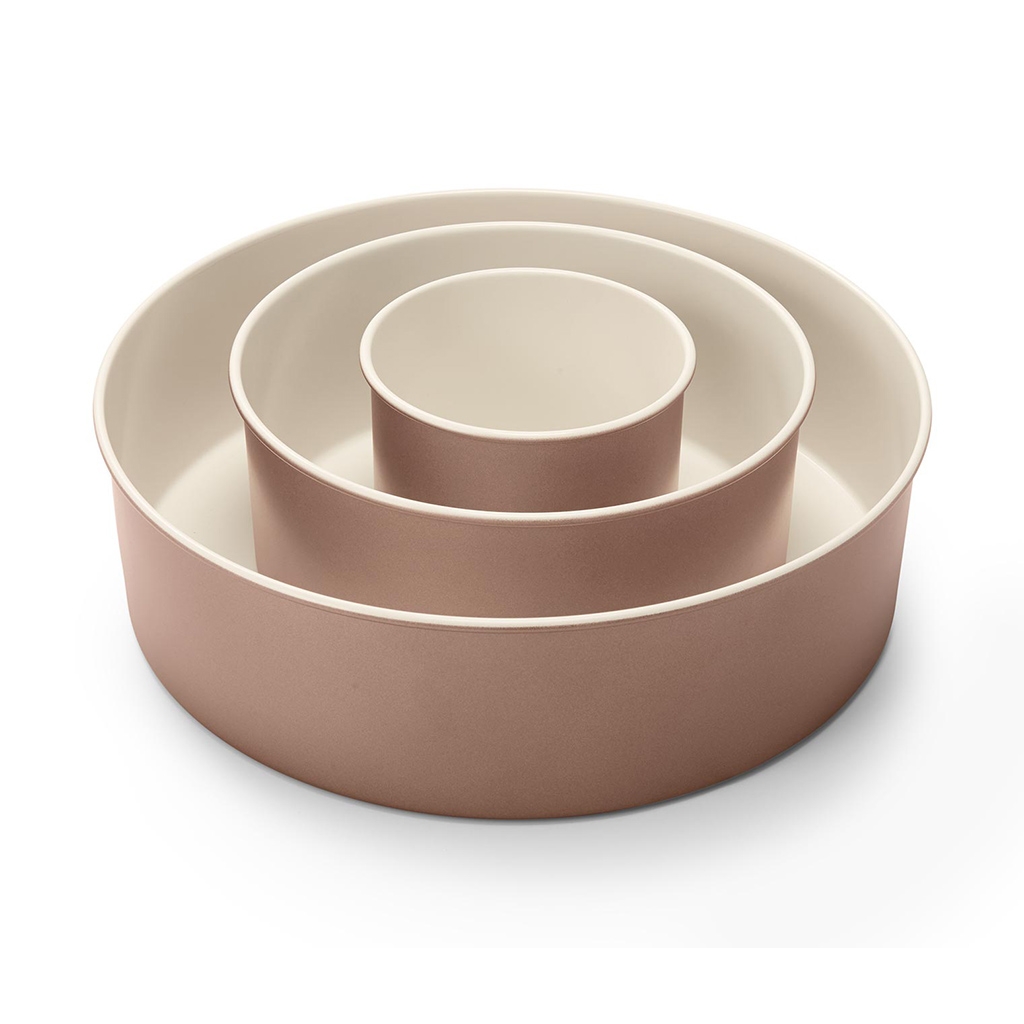
Modern “green” non-stick typically uses a ceramic coating made from inorganic minerals (mainly silica). These coatings do not contain PFAS or PFOA. This makes them a strong candidate when you are deciding what is the safest bakeware for low-fat baking where you want to minimize oil usage.
Silicone-Based Non-Stick (Oil-Based Paint)
Organosilicon (silicone) coatings are another excellent alternative. These are stable at high temperatures and provide a smooth, “oily” finish that prevents sticking without the use of toxic chemicals. When evaluating what is the safest bakeware for daily use, silicone-based coatings are recognized for their safety and longevity.
What is the Safest Bakeware for Specific Uses?
| Cooking Need | Best Material | Why it’s Safe |
|---|
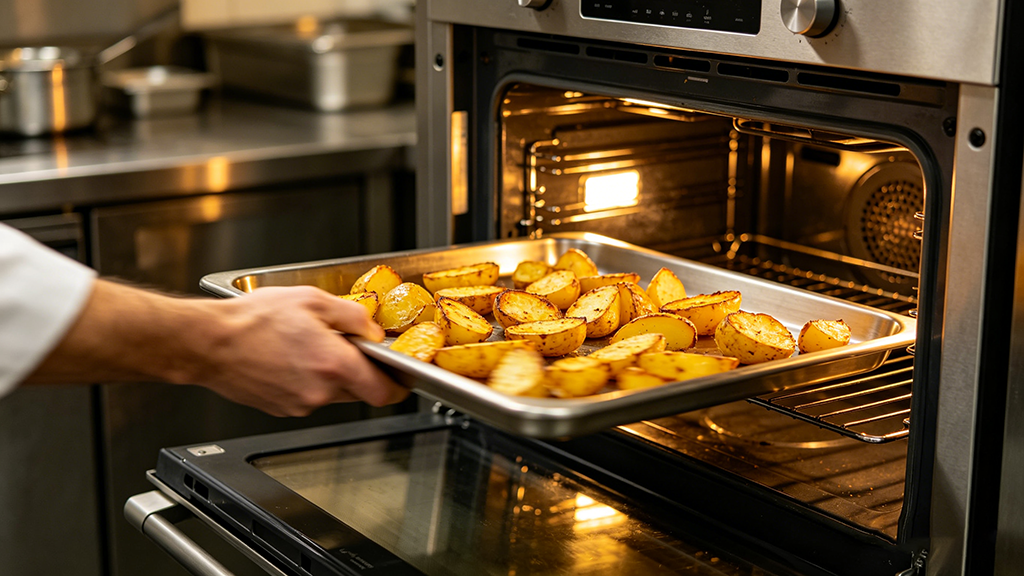
| High-Heat Roasting | Stainless Steel / Carbon Steel | No toxic fumes at 450°F+ |
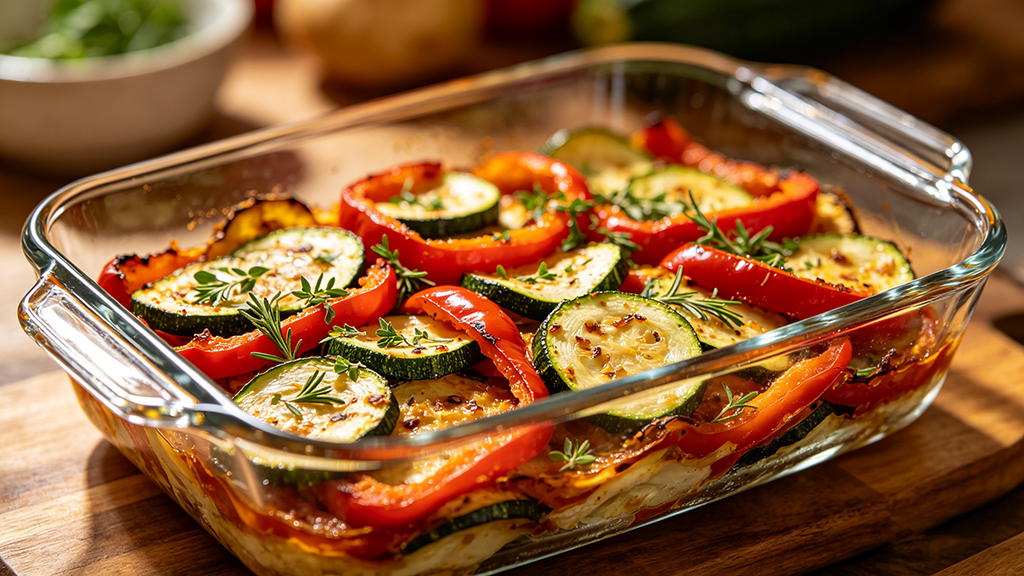
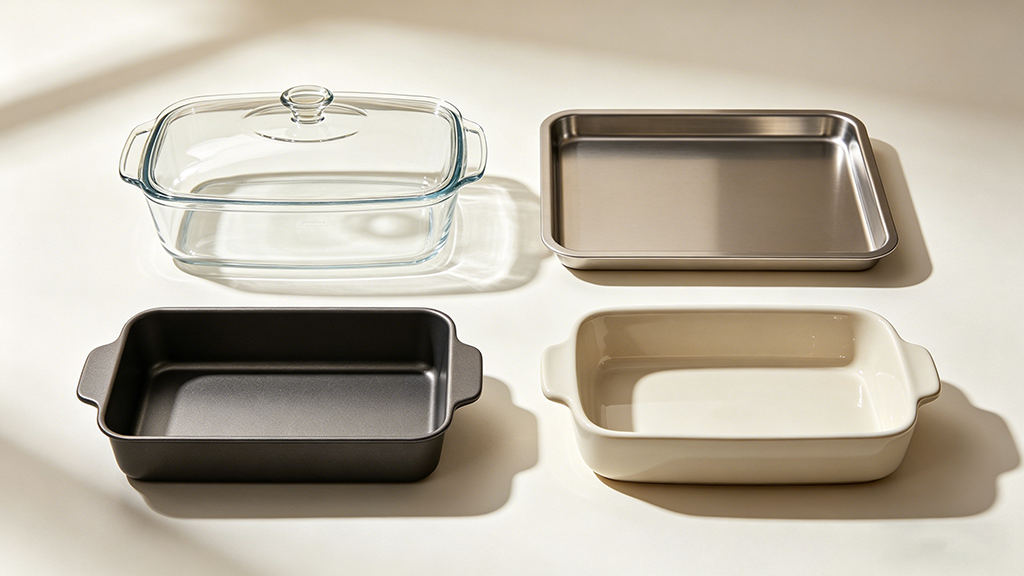
| Acidic Casseroles | Glass / Ceramic | Inert and non-reactive |
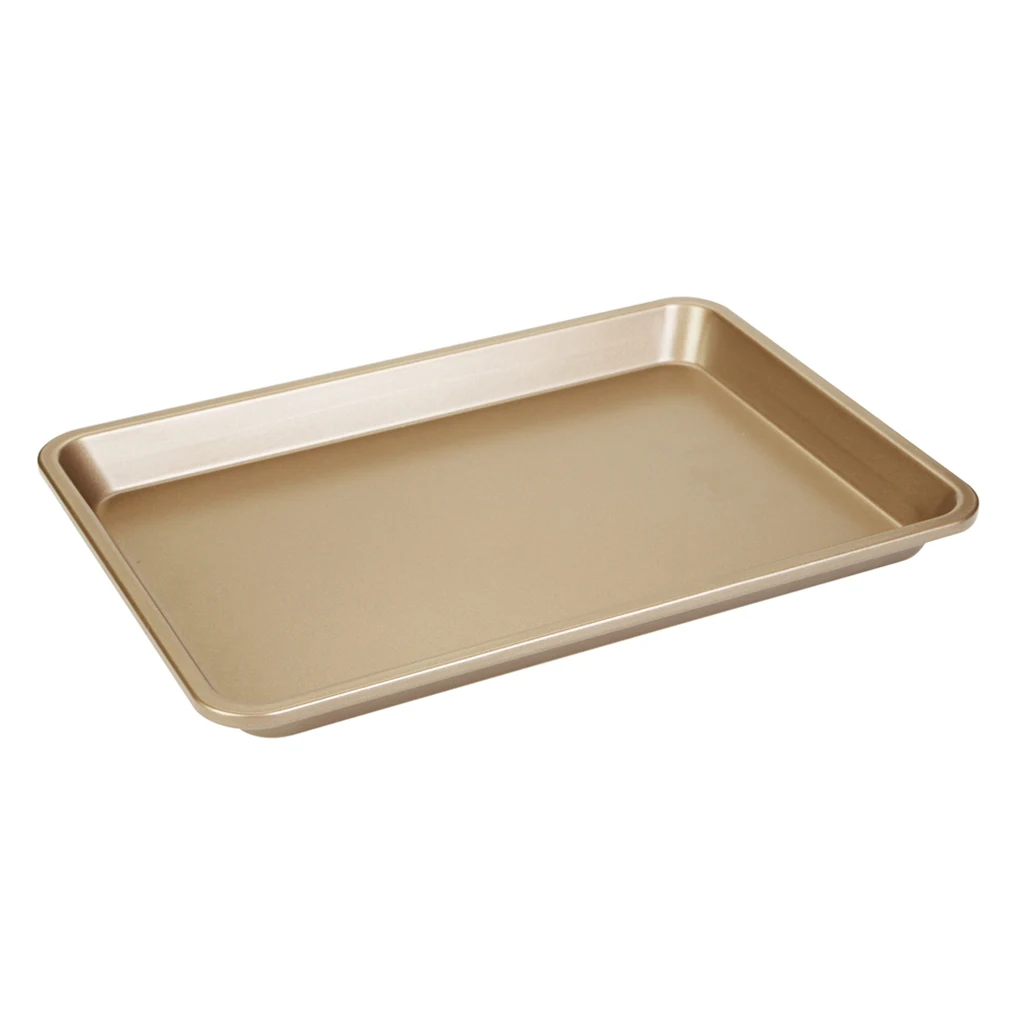
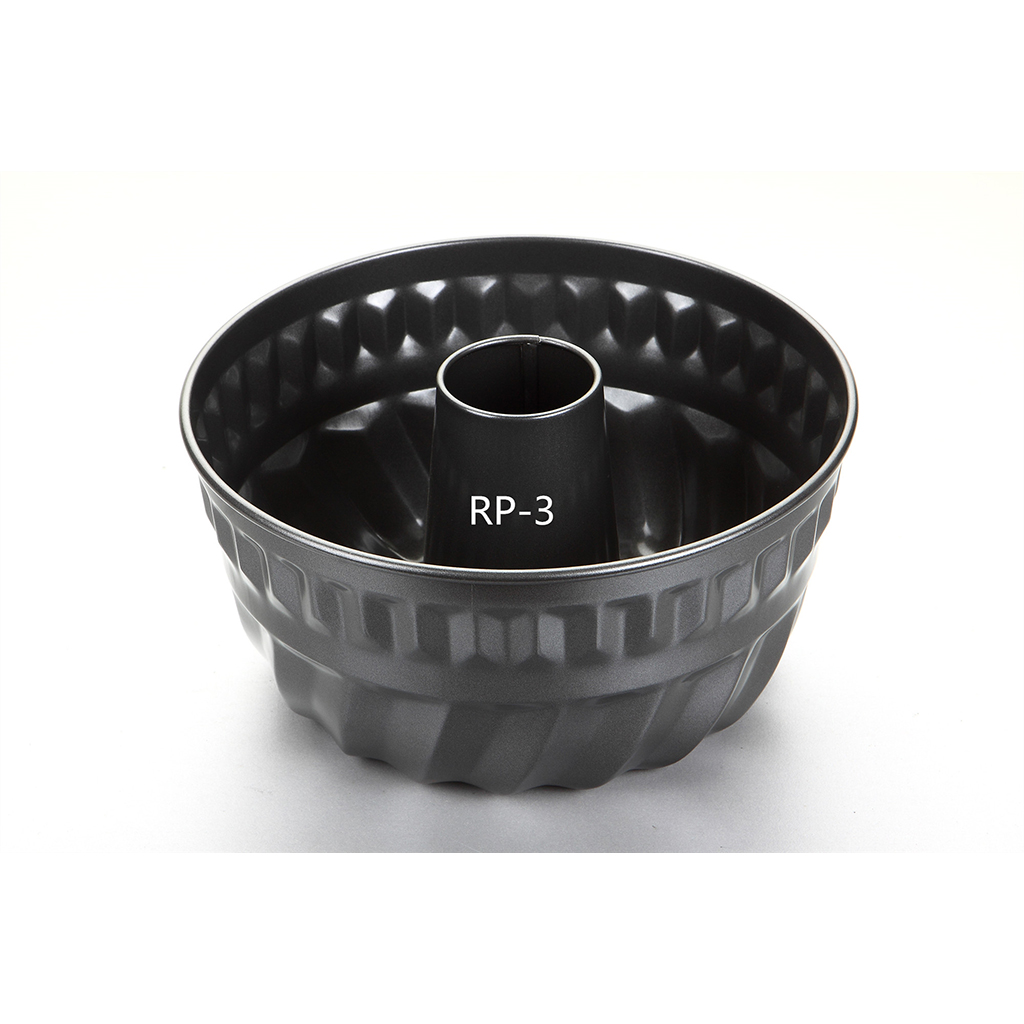
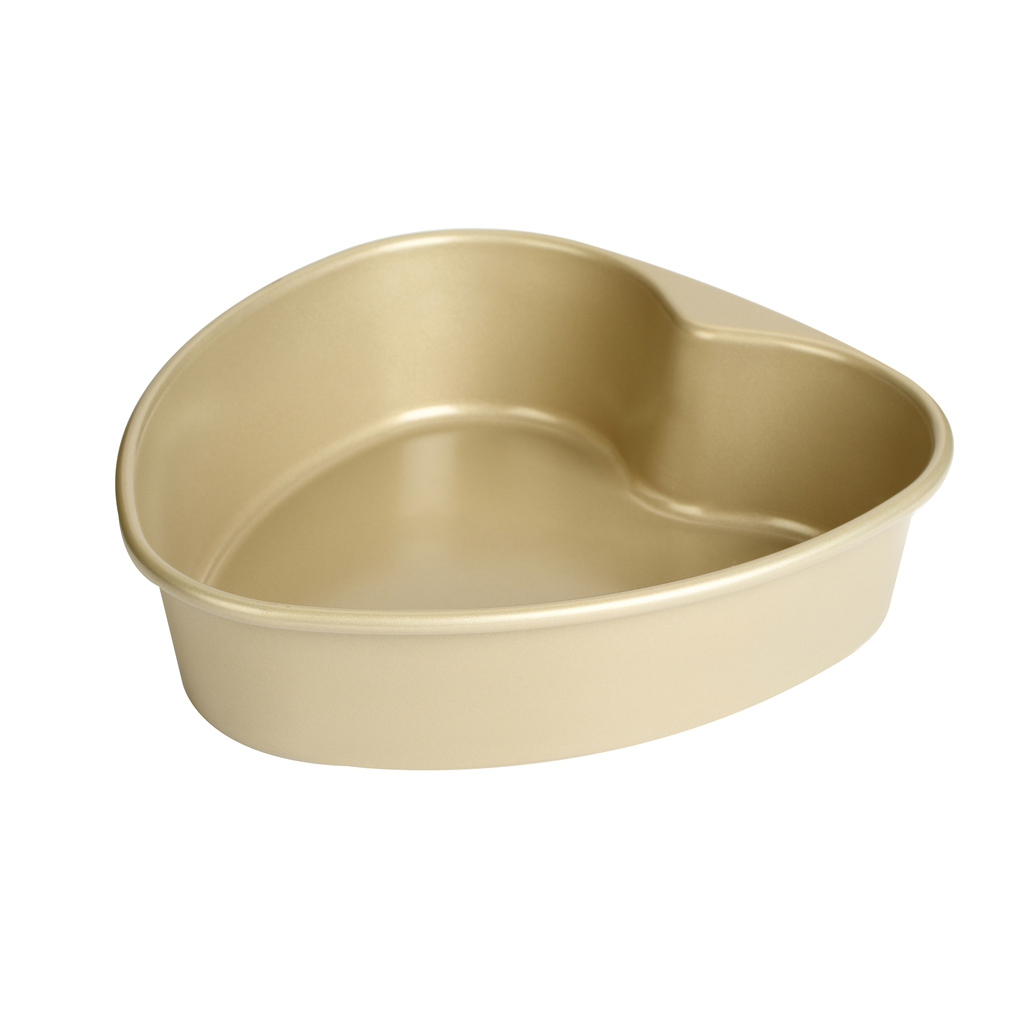
| Intricate Cakes | Coated Carbon Steel | Uniform heat and safe release |
Frequently Asked Questions (FAQ)
Q:Is silicone bakeware safe?
A:Food-grade silicone is generally considered safe and inert. When people research what is the safest bakeware, silicone is often noted for its flexibility and chemical stability. Just ensure it is “Platinum Grade” to avoid fillers.
Q:Does aluminum bakeware cause health issues?
A:While untreated aluminum can leach, most modern aluminum bakeware is anodized or coated. However, if you are looking for what is the safest bakeware, choosing stainless or carbon steel over raw aluminum is a common preference for the safety-conscious.
Q:How do I know if my current pans are safe?
A:Check for scratches or peeling. If the coating is compromised, it’s time to replace it. Identifying what is the safest bakeware also means maintaining your pans so they don’t become hazards over time.
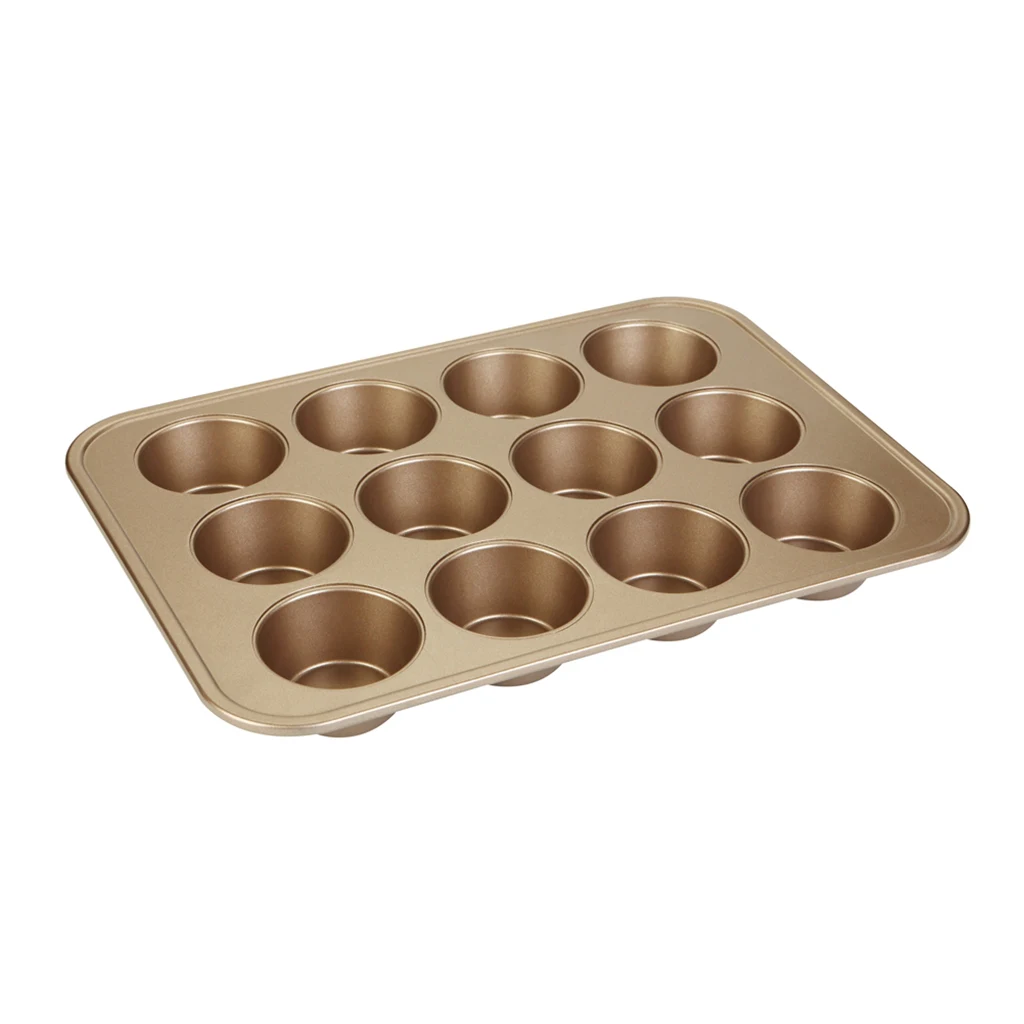
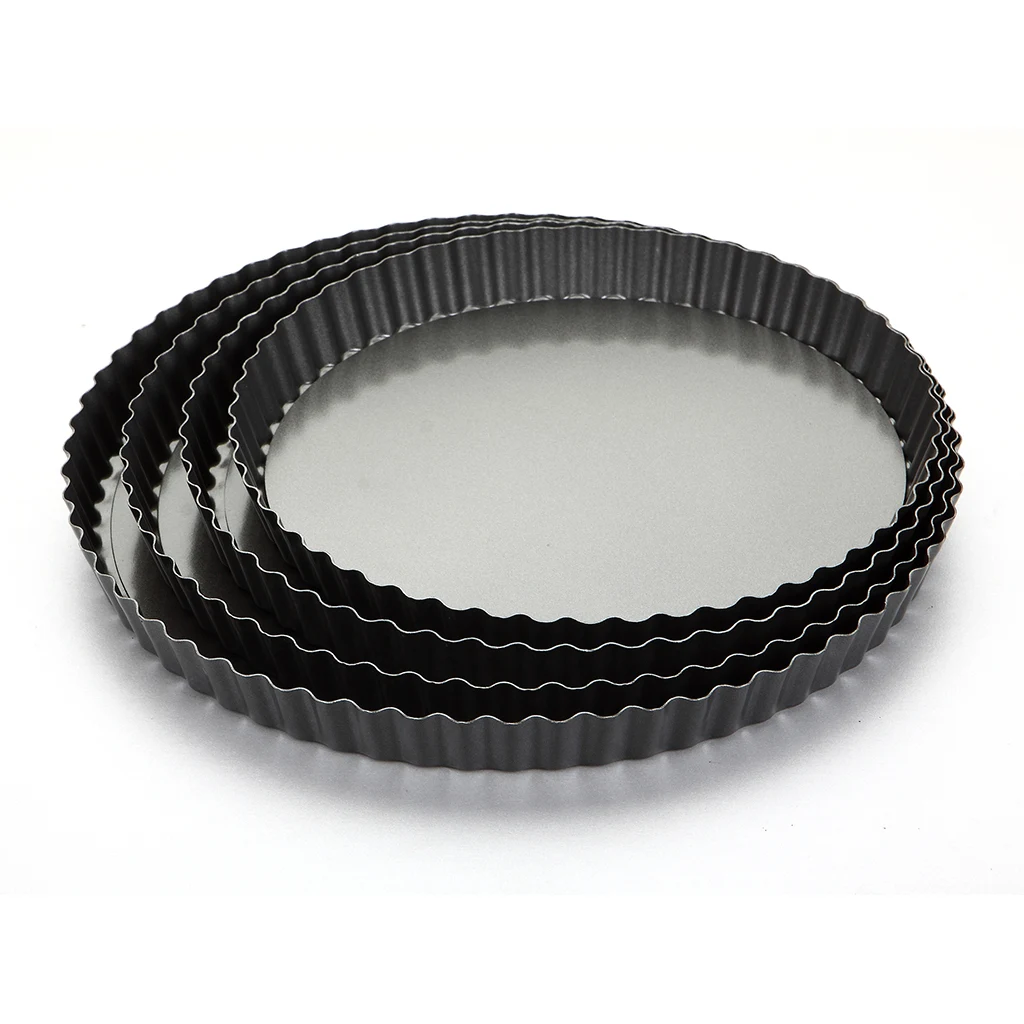
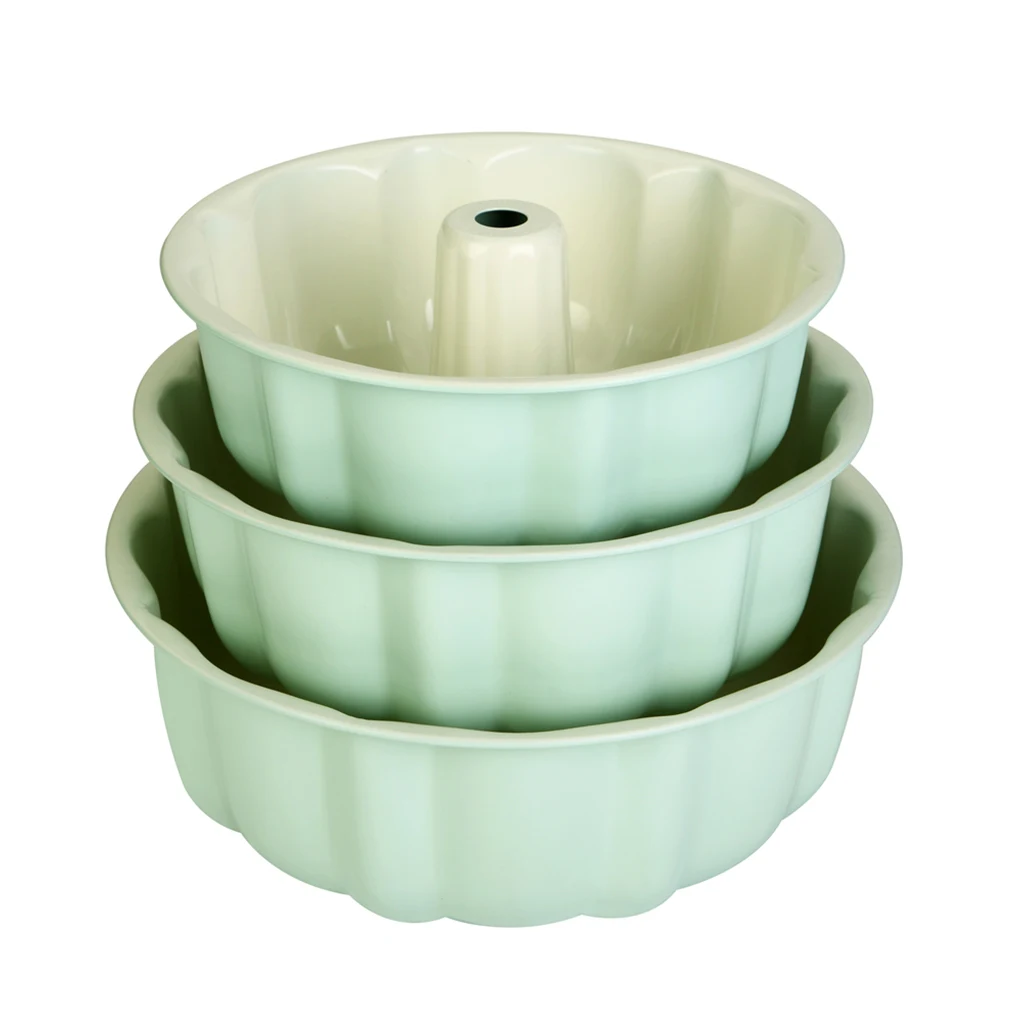
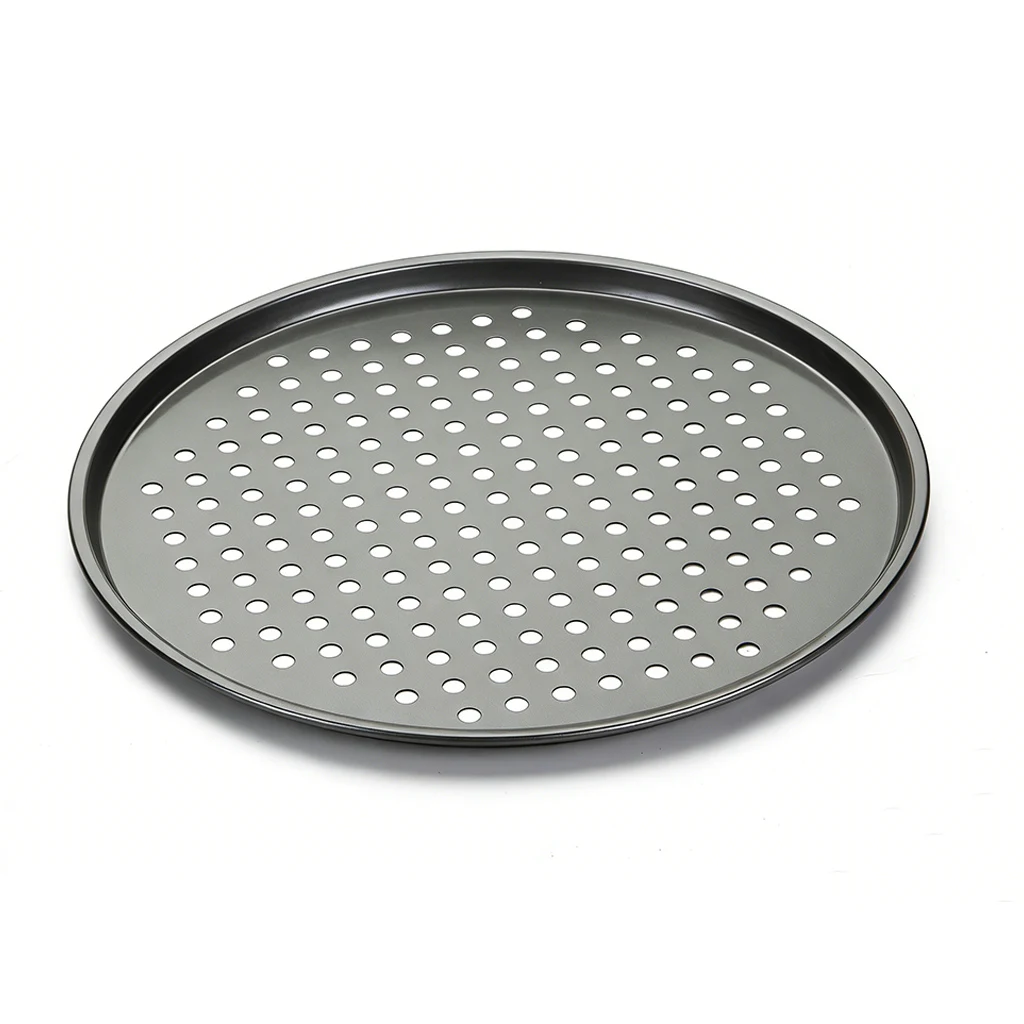
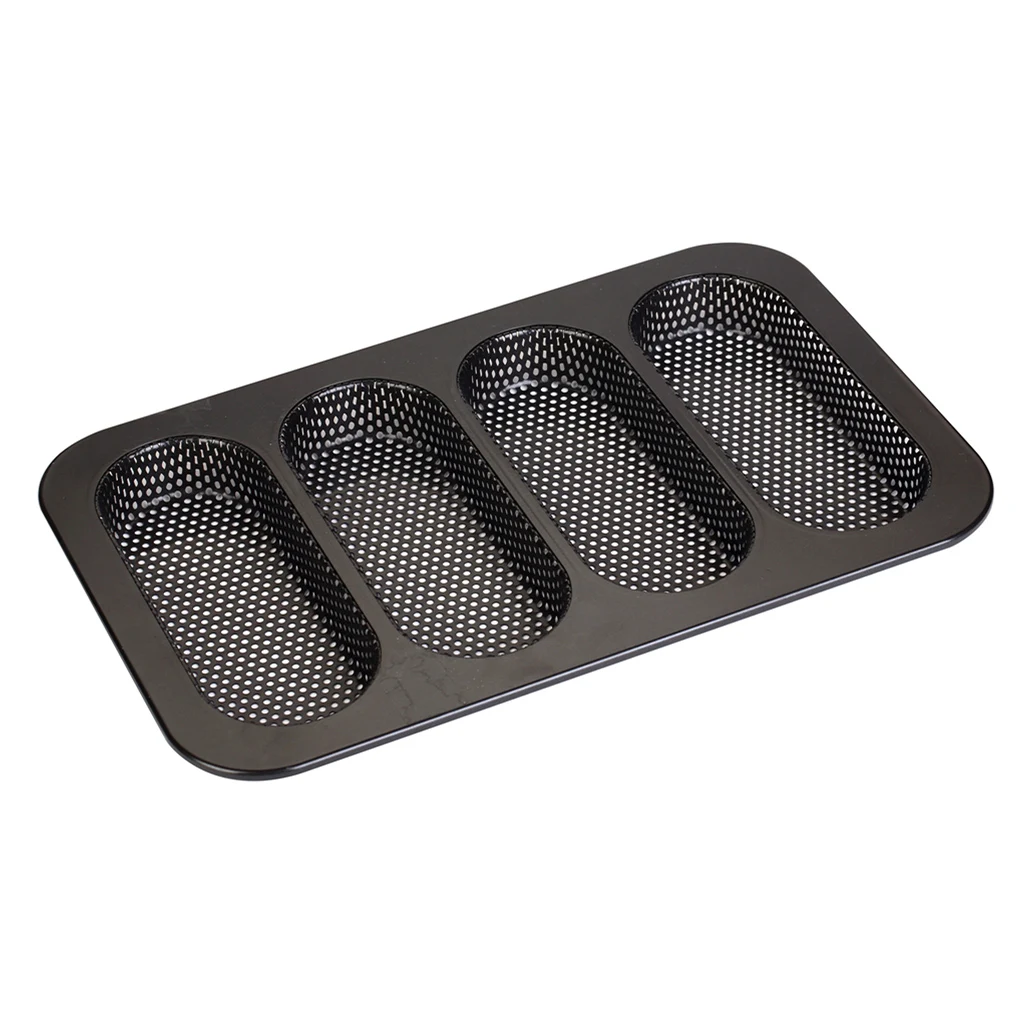
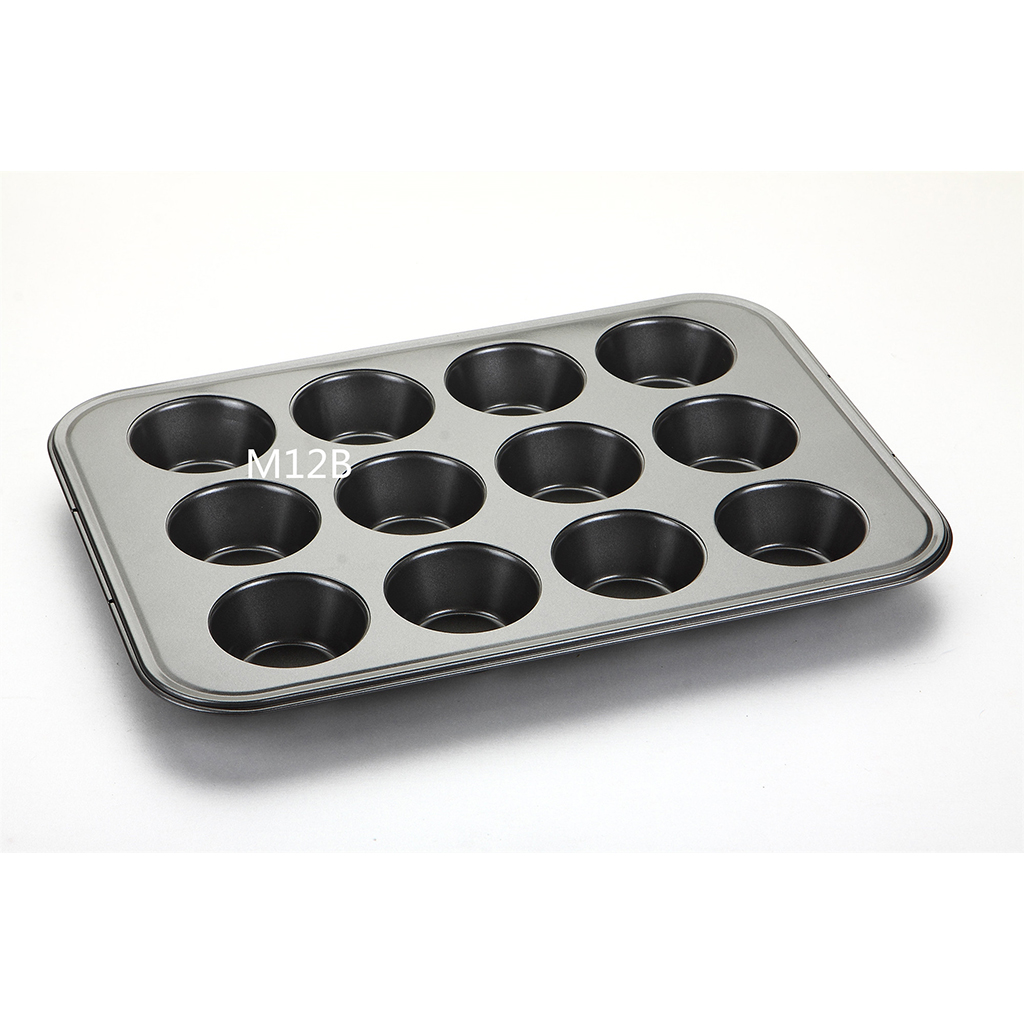
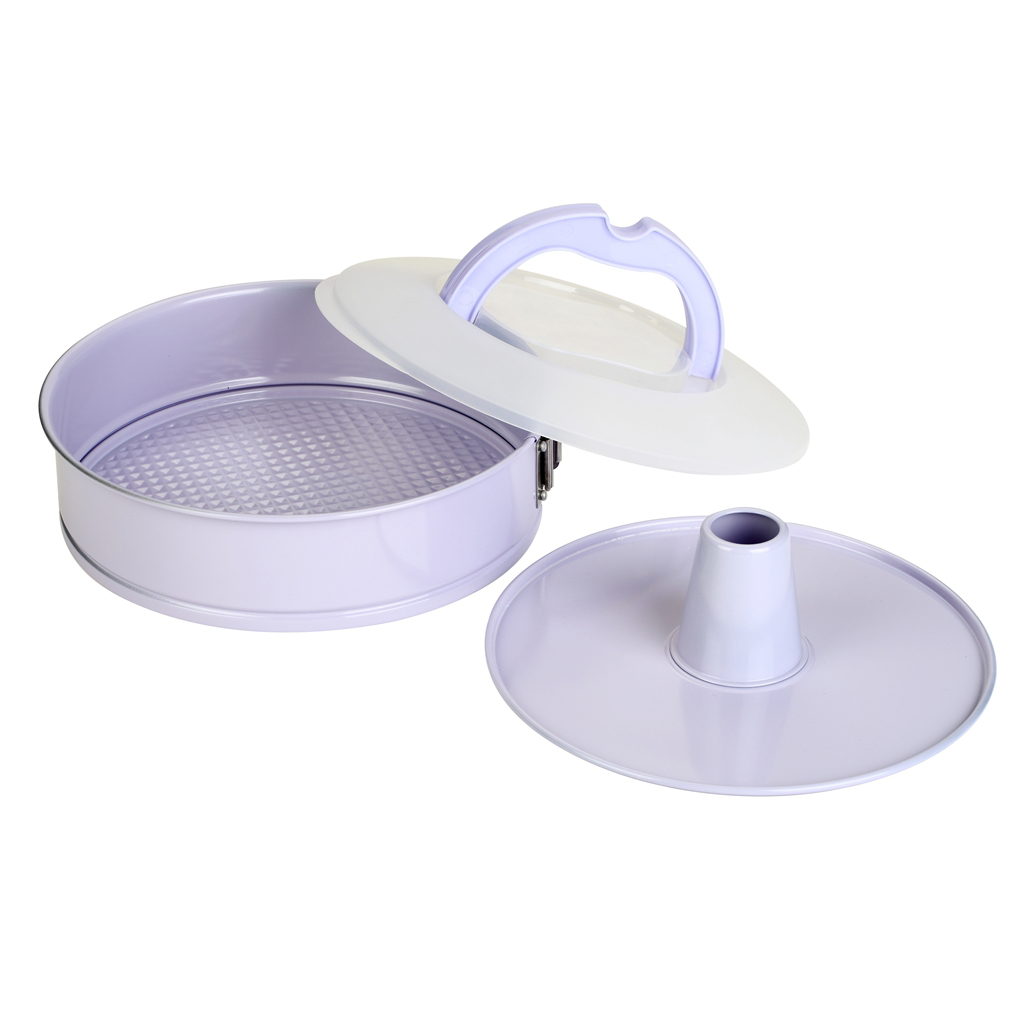
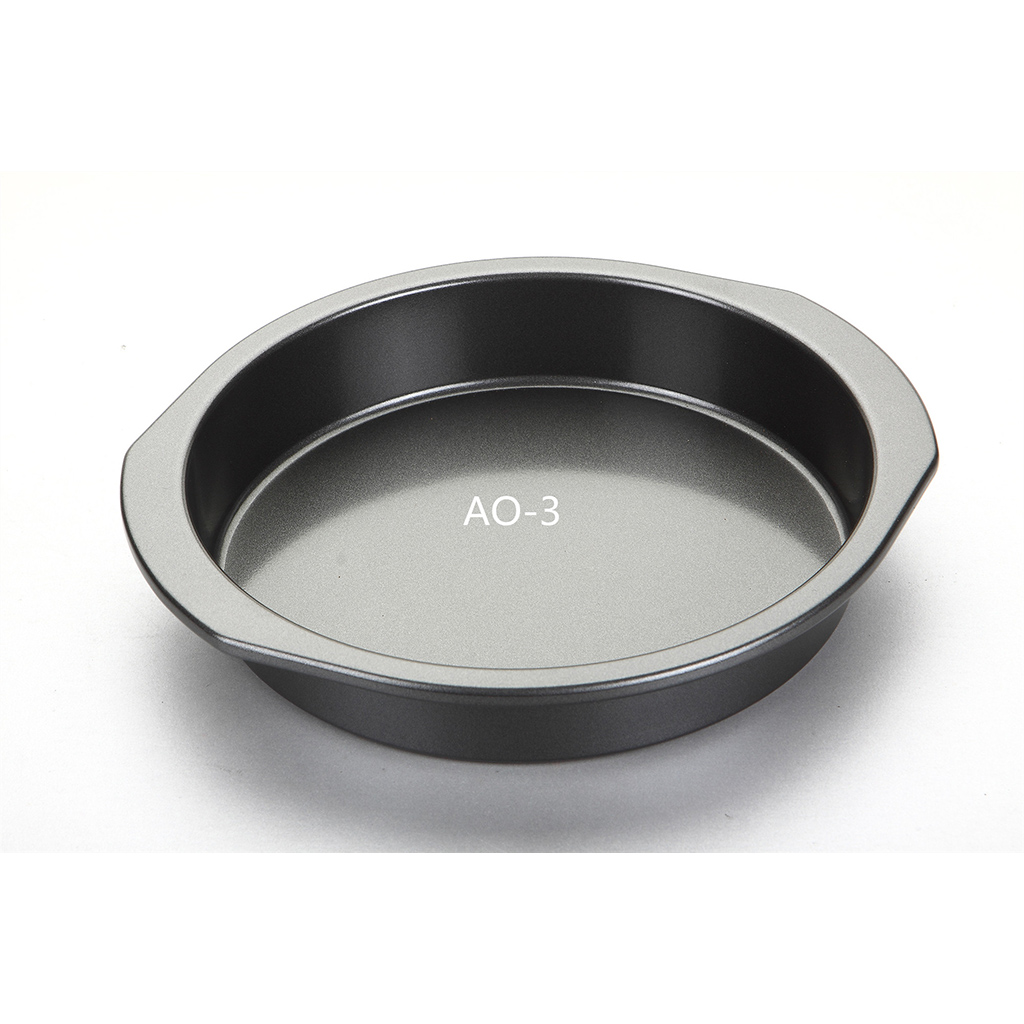
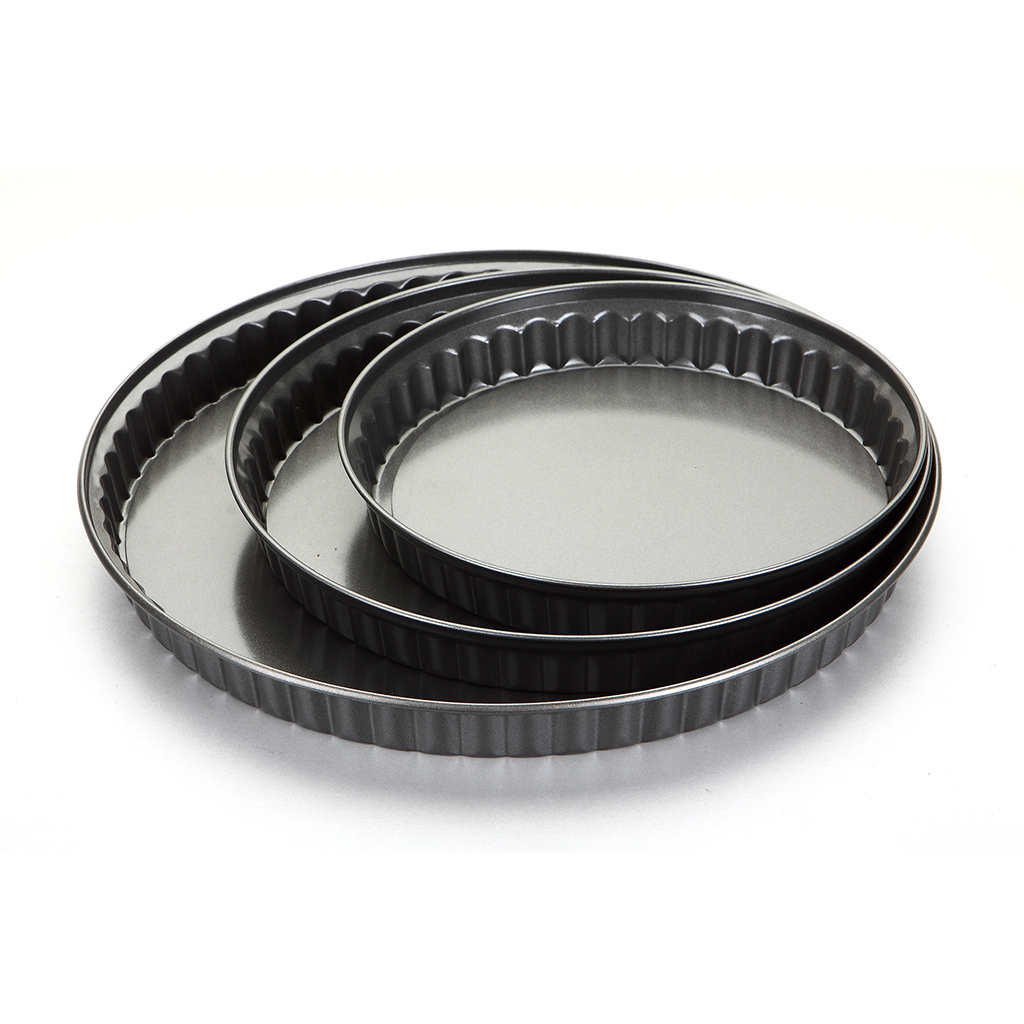
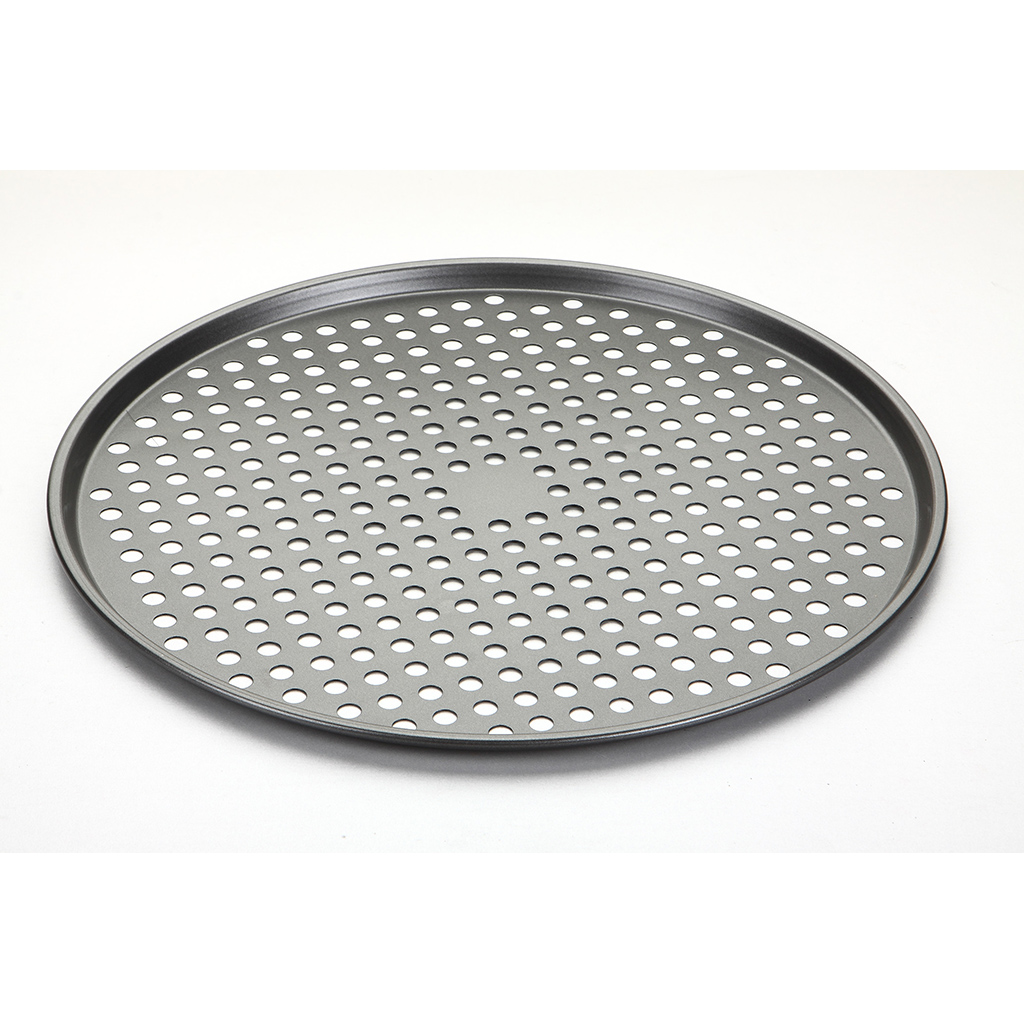
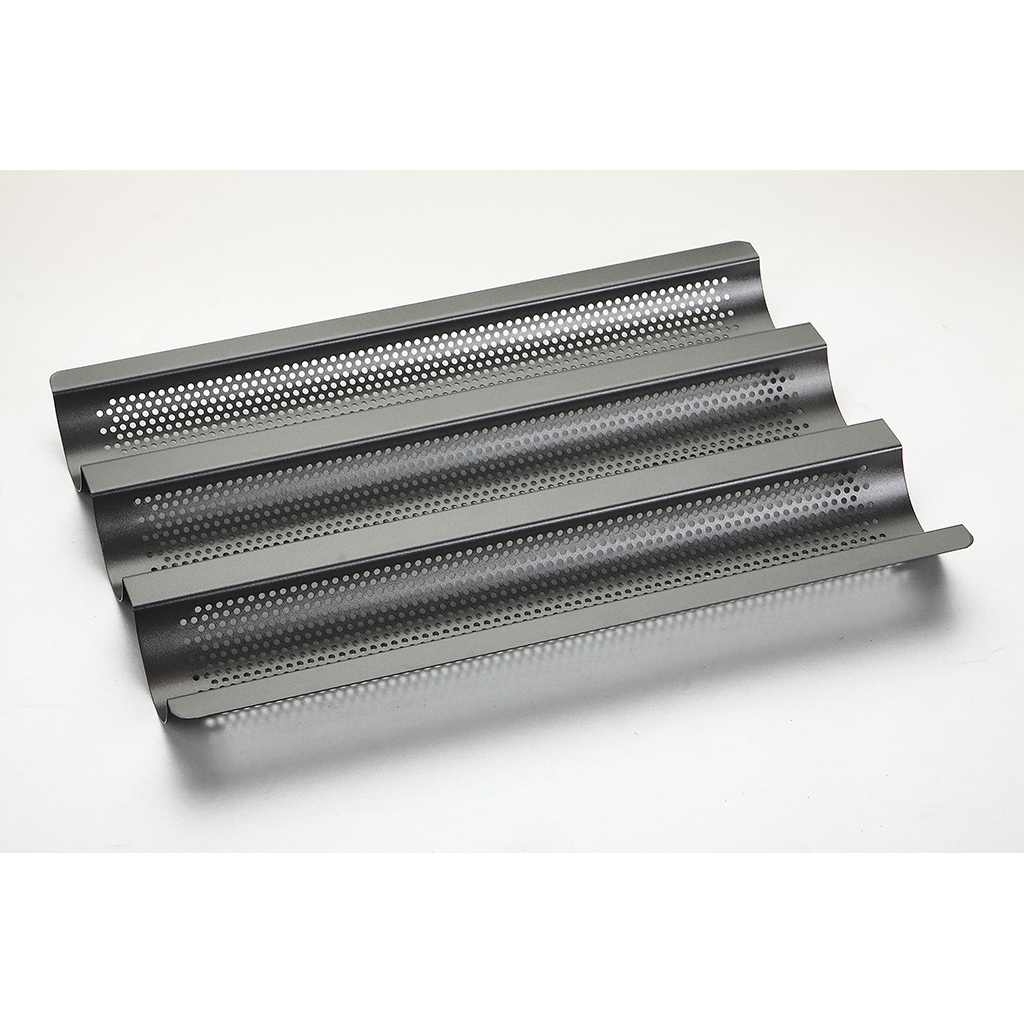
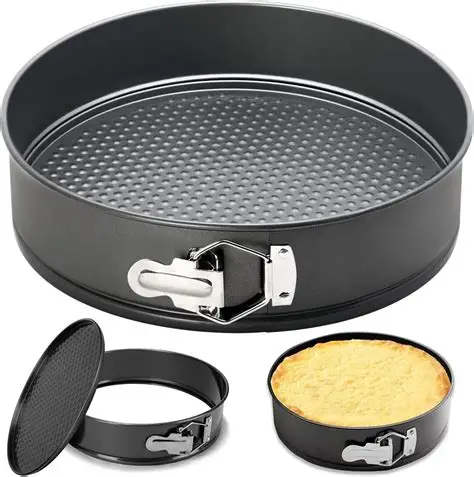
When it comes to practical application, brands like AOLIJUE are leading the way in answering the call for what is the safest bakeware. AOLIJUE specializes in high-performance carbon steel bakeware, which combines the durability of steel with advanced, health-conscious coating technologies.
For those concerned about what is the safest bakeware for their family, AOLIJUE offers two primary non-stick solutions:
- Ceramic Non-Stick Coating: This inorganic coating is completely free of PFAS, PFOA, and heavy metals. It provides a hard, scratch-resistant surface that can withstand high temperatures without releasing any harmful substances.
- Silicone Non-Stick Coating (Oil-Based): Also known as an “oil-based paint” coating, this organosilicon finish provides an exceptionally smooth release. It is a highly stable, food-safe option that ensures your baked goods don’t stick while keeping your kitchen free of toxic chemicals.
By choosing AOLIJUE’s carbon steel pans, you are opting for a material that provides professional-grade heat distribution while utilizing the latest innovations in non-toxic coatings. It is a definitive answer for any baker asking what is the safest bakeware for creating beautiful, healthy masterpieces.