If you’ve ever sacrificed the perfect crust of a roasted vegetable or watched a cookie crumble as you tried to pry it loose, you understand the frustration that a simple sheet pan can cause. The quest for flawless release and easy cleanup has made the non-stick baking sheet a kitchen essential. But with so many options and claims, it’s important to ask: what is a non stick baking sheet truly made of, and how do you choose the right one? This guide moves beyond the marketing to provide a clear, comprehensive look at the materials, technology, and best practices behind these popular pans.
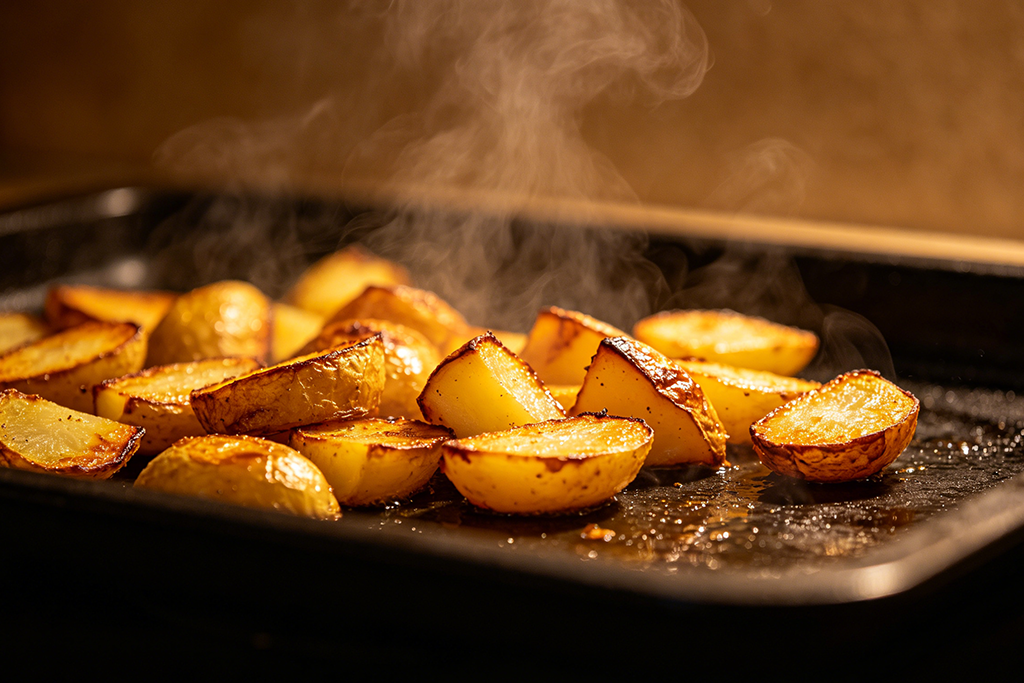
We’ll dissect the anatomy of a non-stick sheet, explore the science behind different coatings like PTFE (Teflon™) and ceramic, and address critical questions about safety and durability. You’ll learn not just how they work, but how to select, use, and maintain a pan that matches your cooking style. By the end, you’ll have the knowledge to make an informed purchase and use your bakeware with confidence, ensuring perfect results every time.
Core Takeaway: To quickly answer what is a non stick baking sheet it is a versatile pan for both baking and roasting.Its performance hinges on a quality base metal (like heavy-gauge aluminum or carbon steel to prevent warping) and a specialized coating (PTFE, ceramic, or silicone-based). Success depends on gentle care: always hand-wash, use only soft utensils, avoid aerosol cooking sprays, and never expose it to extreme broiler heat to preserve the coating.
What is a Non Stick Baking Sheet? A Technical and Practical Definition
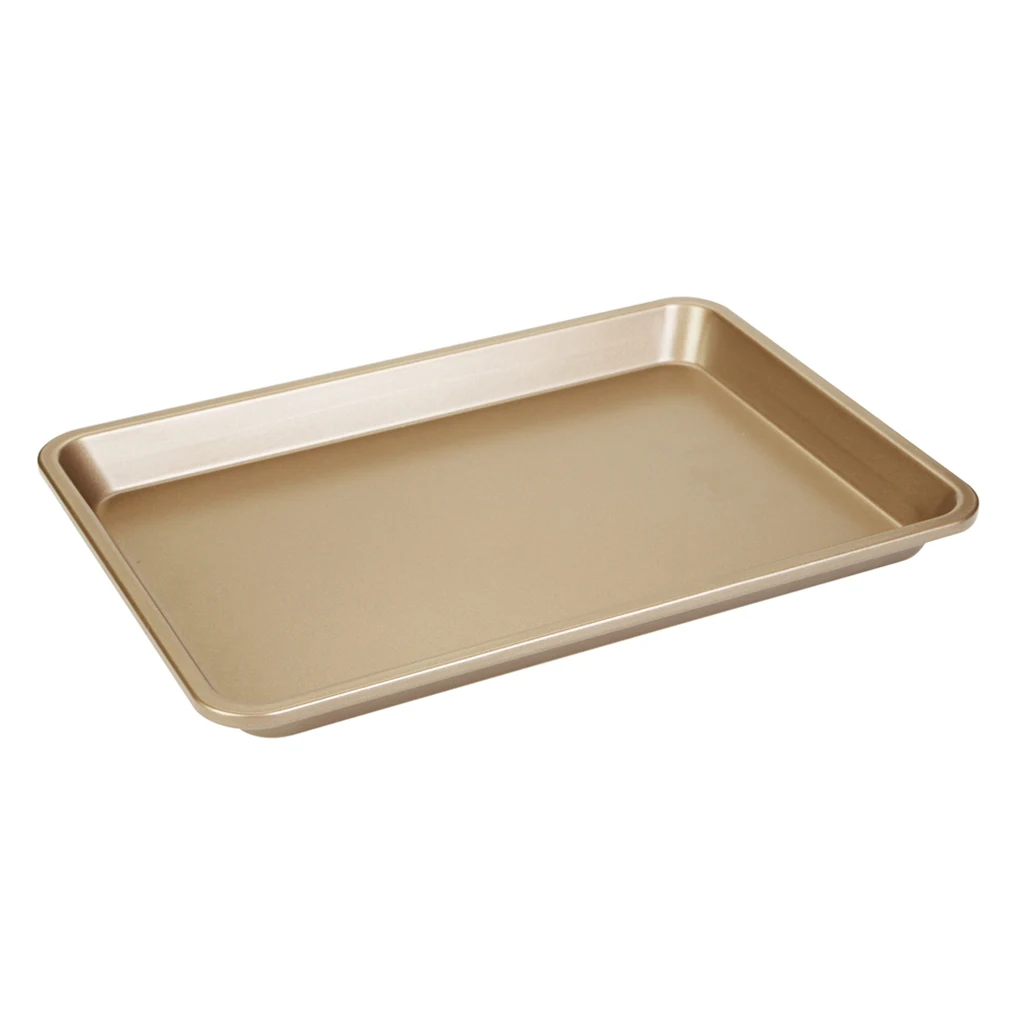
In essence, a non-stick baking sheet is a rimmed or rimless metal pan designed for oven use, whose cooking surface is bonded with a synthetic coating engineered to minimize food adhesion. The term “baking sheet” is often used interchangeably with “sheet pan” or “cookie sheet,” though technically, a classic baking sheet has no sides, while a sheet pan has a small lip (typically 1 inch tall). When people ask what is a non stick baking sheet versus a regular one, the key difference lies in that specialized coating layer.Most non-stick versions you’ll find are rimmed sheet pans, as the lip provides structure and prevents spills, making them ideal for both baking cookies and roasting vegetables.
When asking “what is a non stick baking sheet made of,” you must consider two distinct components: the substrate (the pan body) and the coating. The substrate provides the structure and heat conduction, while the coating provides the slick, easy-release functionality. A high-quality pan requires excellence in both.
The Anatomy: Substrate and Coating
- The Substrate (The Foundation): This is the metal core. Common materials include:
- Aluminum: The most popular choice for its excellent, even heat conduction. Look for heavy-gauge (thick) aluminum to prevent warping in high heat.
- Carbon Steel or Aluminized Steel: Heavier and more warp-resistant than most aluminum. Carbon steel offers superb heat retention, while aluminized steel combines steel’s strength with aluminum’s conductivity. This robust construction is essential when considering what is a non stick baking sheet built to last.
- Stainless Steel: Durable and non-reactive, but a poor heat conductor on its own. It’s often combined with an aluminum or copper core (cladding) in higher-end bakeware, but less common for basic non-stick sheets.
- The Coating (The Functional Layer): This is the thin, applied layer that provides the non-stick properties. It’s a proprietary blend of polymers and other compounds cured at high heat. The type of coating determines the pan’s performance, temperature limits, and care requirements.
How Does a Non-Stick Coating Actually Work?
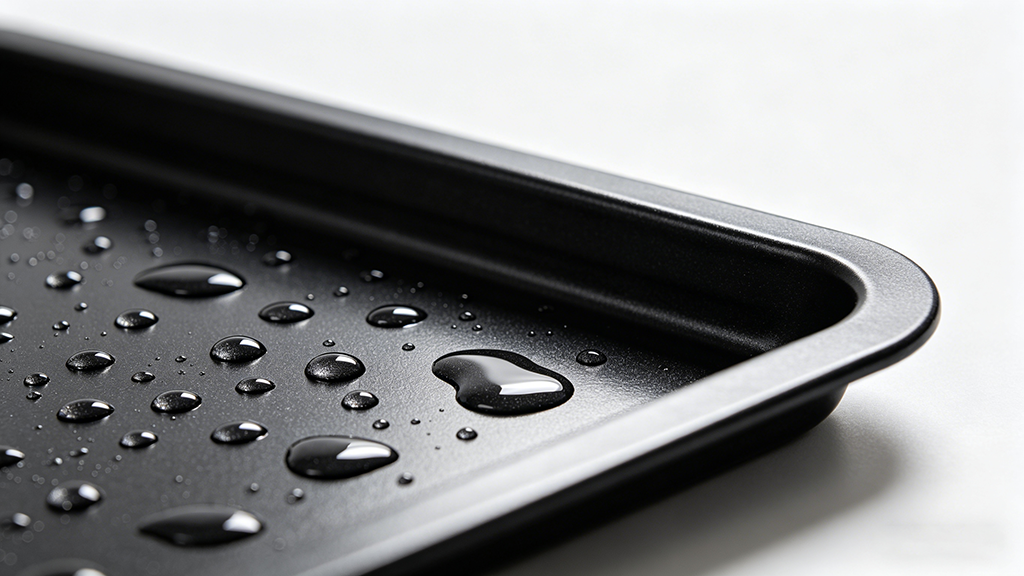
The magic is a combination of chemistry and physics. High-quality non-stick coatings are engineered to be incredibly smooth at a microscopic level and chemically inert. This scientific approach explains what is a non stick baking sheet capable of achieving in your kitchen. This ultra-smooth, low-friction surface presents few pores or rough spots for food proteins and carbohydrates to mechanically grip onto.
During cooking, food releases moisture that turns to steam. On a non-stick surface, this steam creates a temporary, lubricating layer that helps lift and separate the food from the pan. The coating’s inert nature also prevents chemical bonding (unlike reactive metals like plain aluminum). The result is a near-frictionless interface that allows food to release cleanly with minimal effort or added fat.
“The right non-stick pan isn’t a crutch; it’s a precision tool. It removes the variable of sticking, allowing both home cooks and professionals to focus on technique, timing, and flavor, especially for delicate items like fish, lace cookies, or financiers.” – A Pastry Chef’s Perspective
Types of Non-Stick Coatings: PTFE, Ceramic, and Silicone Explained
The coating is the heart of the pan’s performance. When exploring what is a non stick baking sheet made with, you’ll encounter three main coating types. Understanding the differences is key to choosing what’s right for your kitchen.
1. PTFE-Based Coatings (The Traditional Standard)
Polytetrafluoroethylene (PTFE), most famously branded as Teflon™, is the original and most widespread non-stick polymer.
- How It Works & Safety: PTFE provides an exceptionally slick, durable surface. Modern PTFE coatings are PFOA-free (Perfluorooctanoic acid, a chemical of historical concern). This safety evolution is important context for what is a non stick baking sheet today versus decades past. The primary safety consideration is temperature: if overheated above 500°F (260°C), PTFE can begin to break down and release fumes harmful to birds and capable of causing temporary polymer fume fever in humans. Used correctly within its temperature range, it is considered safe.
- Performance: Offers the most reliable and longest-lasting non-stick performance. It is highly resistant to wear with proper care (using soft utensils and avoiding abrasives).
- Best For: Bakers and cooks who want the most foolproof, slick release for everyday tasks like cookies, roasted vegetables, and fish.
2. Ceramic-Based Coatings (The PTFE-Free Alternative)
Derived from sand and silicon, ceramic coatings are marketed as a “green” and often more natural alternative.
- How It Works & Safety: Made from a sol-gel of inorganic materials, it is inherently free of PTFE and PFAS chemicals. It is generally stable at higher temperatures (often up to 800°F/425°C) without fume concerns, making it suitable for broiling if the pan’s base metal is also broiler-safe.
- Performance: Provides excellent initial food release and is highly scratch-resistant. However, the non-stick properties can degrade faster than high-quality PTFE, sometimes becoming less effective within 1-2 years of regular use, even with careful maintenance. This trade-off matters when deciding what is a non stick baking sheet type that fits your priorities.
- Best For: Those prioritizing a PTFE/PFOA-free kitchen or who frequently use the broiler. Ideal for high-heat roasting where traditional non-stick shouldn’t go.
3. Silicone-Based or Advanced Polymer Coatings
This category includes coatings reinforced with silicone or other advanced polymers for enhanced durability.
- How It Works & Safety: Silicone oils or particles are integrated into the coating matrix, creating a resilient, often more scratch-resistant surface. These are generally PFOA-free and have good heat tolerance.
- Performance: Aims to balance the superior release of PTFE with improved durability and scratch resistance. Performance varies significantly by brand and formulation.
- Best For: Cooks looking for a middle-ground solution to what is a non stick baking sheet that won’t easily scratch yet still releases food well. Found in many premium and commercial-grade bakeware lines.
Safety First: What to Look For and Avoid
When choosing a non-stick baking sheet, safety is paramount. Reputable manufacturers adhere to strict standards.
- Look for PFOA-Free & PFAS-Free: Ensure the product is explicitly labeled as free of perfluorooctanoic acid (PFOA) and other per- and polyfluoroalkyl substances (PFAS), which are persistent environmental chemicals.
- Look for Heavy Metal-Free: The coating should be free of lead and cadmium.
- Respect Temperature Limits: Never exceed the manufacturer’s stated maximum temperature, especially for PTFE coatings. Avoid placing an empty non-stick pan under a broiler or in a very hot oven (>500°F).
- Avoid Damage: Do not use a coating that is visibly scratched, chipped, or flaking, as the underlying metal may be exposed.
Advantages and Disadvantages of Non-Stick Baking Sheets
Understanding the full picture is crucial for setting realistic expectations. A complete answer to what is a non stick baking sheet includes both its benefits and limitations.
Key Advantages
- Effortless Food Release: The primary benefit. Perfect for delicate cookies, pastries, fish, and sticky glazes.
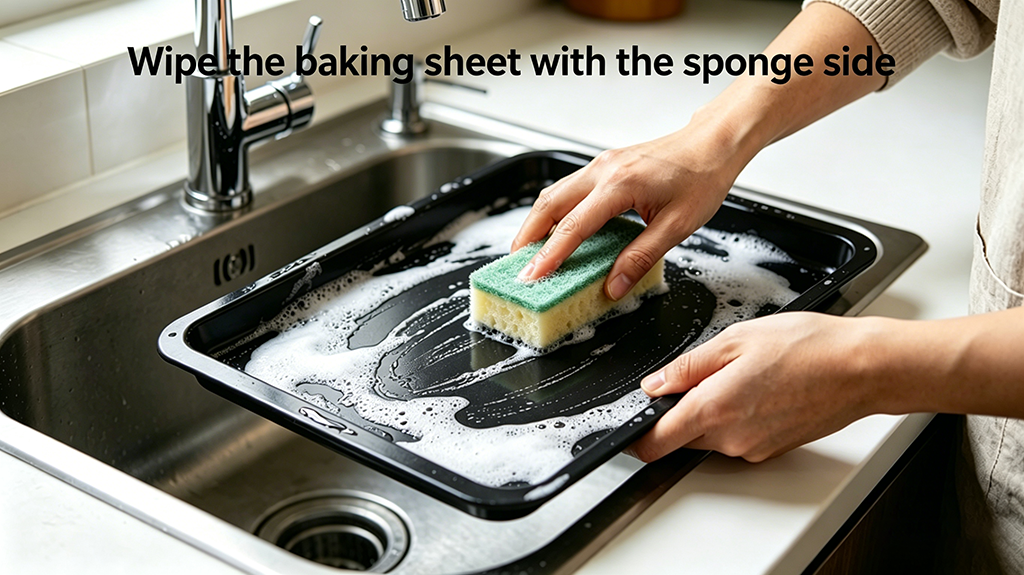
- Easy Cleanup: Most food residue wipes away with a soft sponge and warm, soapy water. No heavy scrubbing.
- Healthier Cooking: Allows you to drastically reduce or eliminate added oils and fats.
- Non-Reactive: Won’t react with acidic foods (like tomatoes or citrus), preventing metallic tastes and discoloration.
- Versatility: Excellent for both sweet baking and savory roasting tasks.
Potential Disadvantages and Considerations
- Not Indestructible: Coatings can degrade over time and are susceptible to scratches from metal utensils or abrasive cleaners.
- Temperature Sensitivity: Most have a maximum safe temperature, limiting their use for high-heat searing or broiling (except some ceramic types).
- No Fond Development: The non-stick surface prevents the formation of the delicious browned bits (fond) that are essential for building pan sauces and gravies after roasting meats.
- Requires Gentle Care: Demands specific utensils (silicone, wood, nylon) and hand-washing for longevity.
How to Choose the Best Non-Stick Baking Sheet
Armed with knowledge, use this checklist to find your perfect pan.
1. Prioritize the Base Metal
The best coating is useless on a pan that warps. Look for heavy-gauge aluminum (at least 0.8mm thick) or carbon steel/aluminized steel. These materials resist warping, ensuring even heat distribution and a flat surface. A flimsy, lightweight pan will buckle in the oven, causing uneven cooking and potentially cracking the coating.
2. Select the Right Coating for Your Needs
- Choose PTFE for the most reliable, longest-lasting non-stick performance.
- Choose Ceramic for a PTFE-free option and higher heat tolerance (like broiling).
- Choose an Advanced Silicone/Polymer coating for a potential balance of durability and performance.
3. Get the Right Size and Features
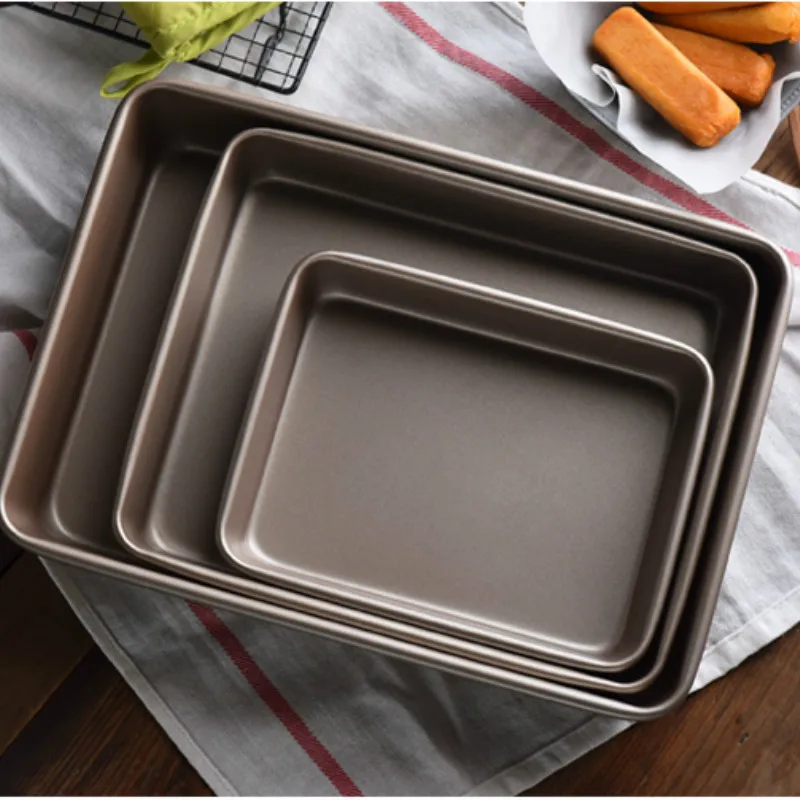
- Size: The standard half-sheet pan (18″ x 13″) fits in most home ovens and is incredibly versatile. A quarter-sheet pan (9″ x 13″) is great for smaller batches or toaster ovens.
- Rim: A rimmed sheet pan (with a 1-inch lip) is the most versatile for containing juices and fats. A true rimless “cookie sheet” is best only for sliding cookies directly onto a rack.
- Color: Dark coatings promote faster browning on the bottom; light-colored coatings promote more even, gentle baking.
Essential Care & Cleaning: Maximizing Lifespan
Proper care is non-negotiable. Follow these rules to extend your pan’s life for years.
The Golden Rules of Use and Care
- Use the Right Tools: Only silicone, nylon, wood, or other coated utensils. Never use metal.
- Hand Wash Gently: Wash with a soft sponge, dishcloth, or non-abrasive brush in warm, soapy water. Even if labeled “dishwasher safe,” the harsh detergent and heat will degrade the coating faster.
- Avoid Abrasives & Harsh Cleaners: No steel wool, scouring pads, or abrasive powders. For stuck-on bits, use a paste of baking soda and water.
- Never Use Aerosol Cooking Spray: These often contain lecithin, which can leave a gummy, carbonized film on the coating that is very difficult to remove and actually promotes sticking. Use a light brush of oil instead.
- Cool Before Washing & Store with Care: Avoid thermal shock. Let the pan cool before washing. Store separately or place a soft cloth between stacked pans to prevent scratches.
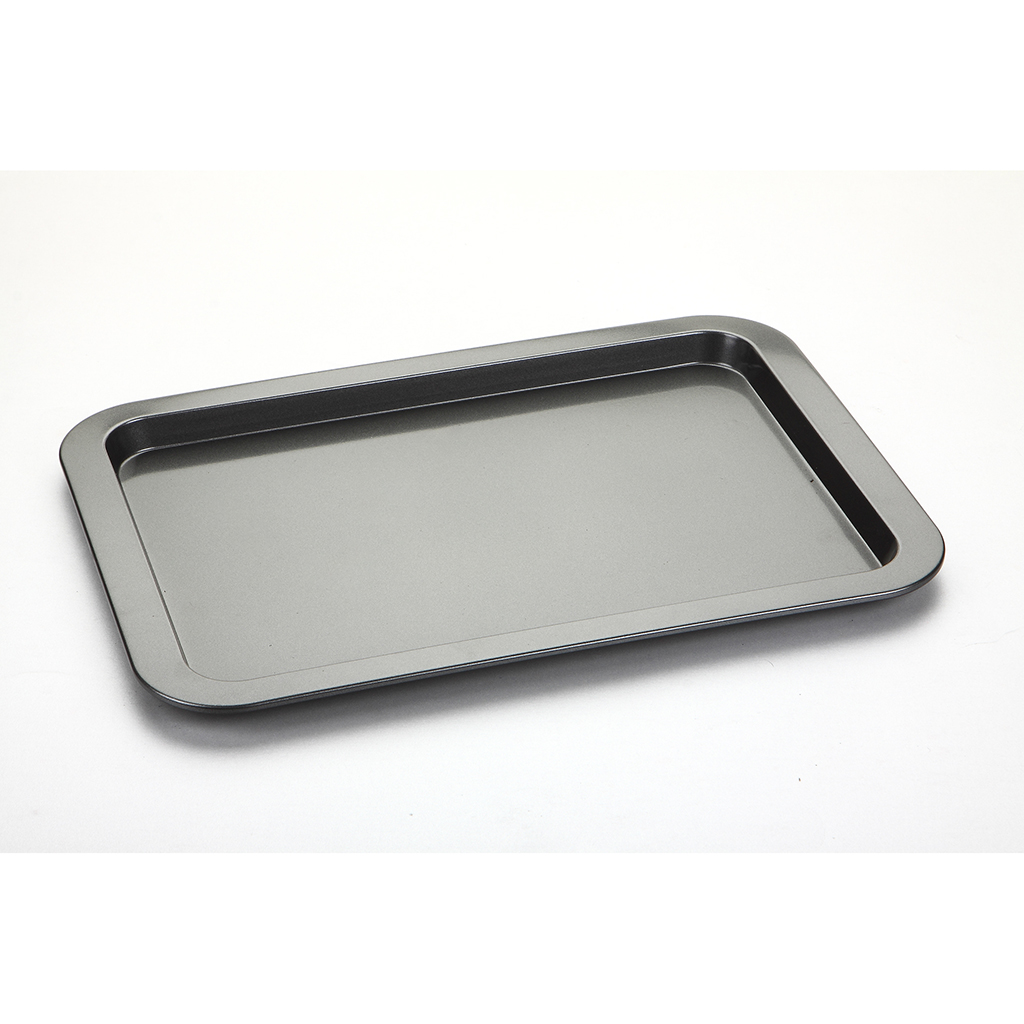
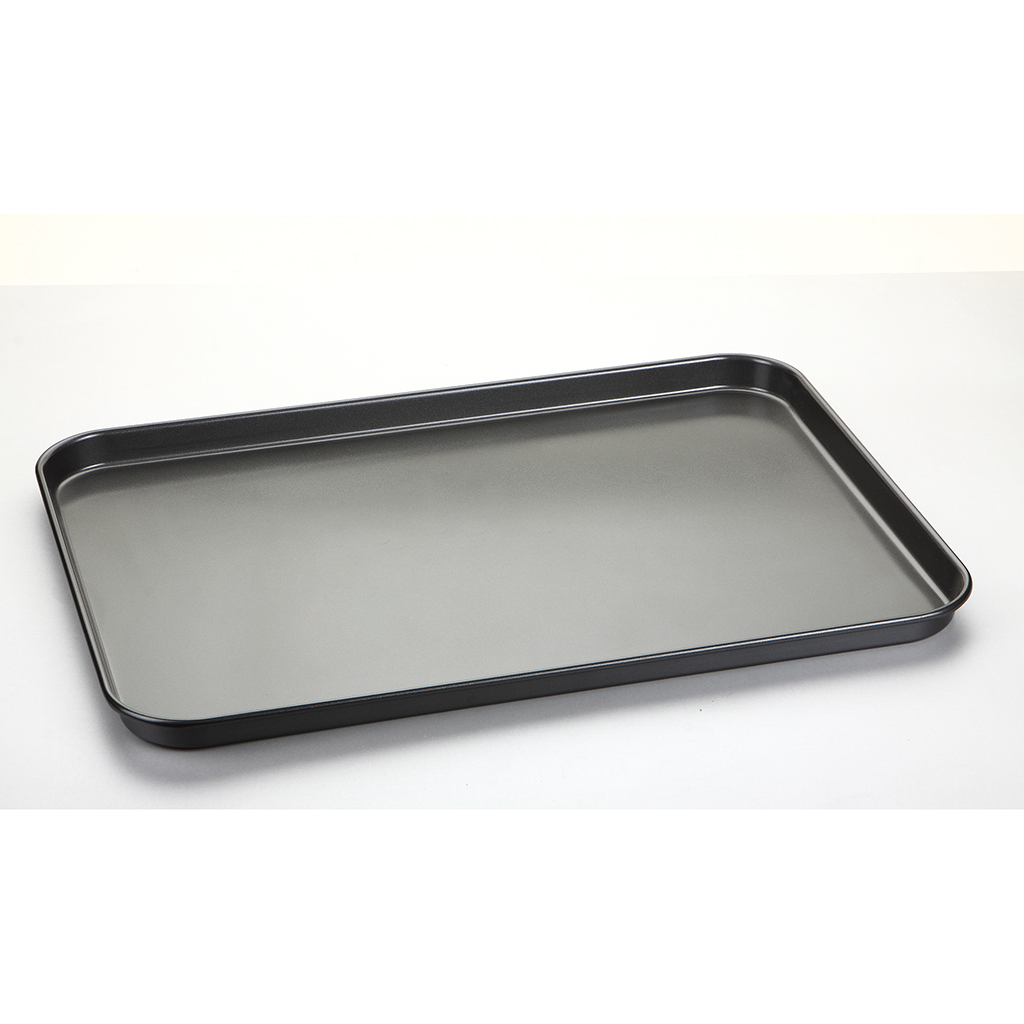
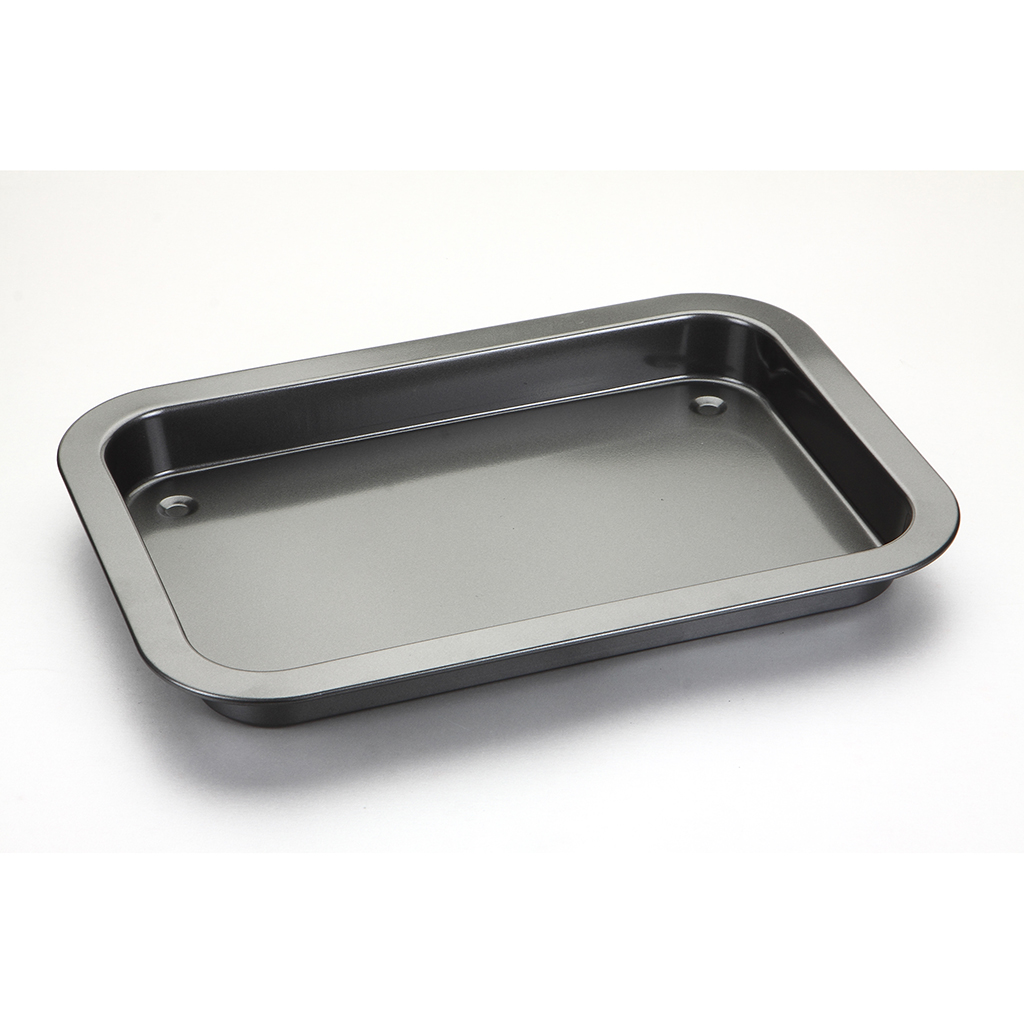
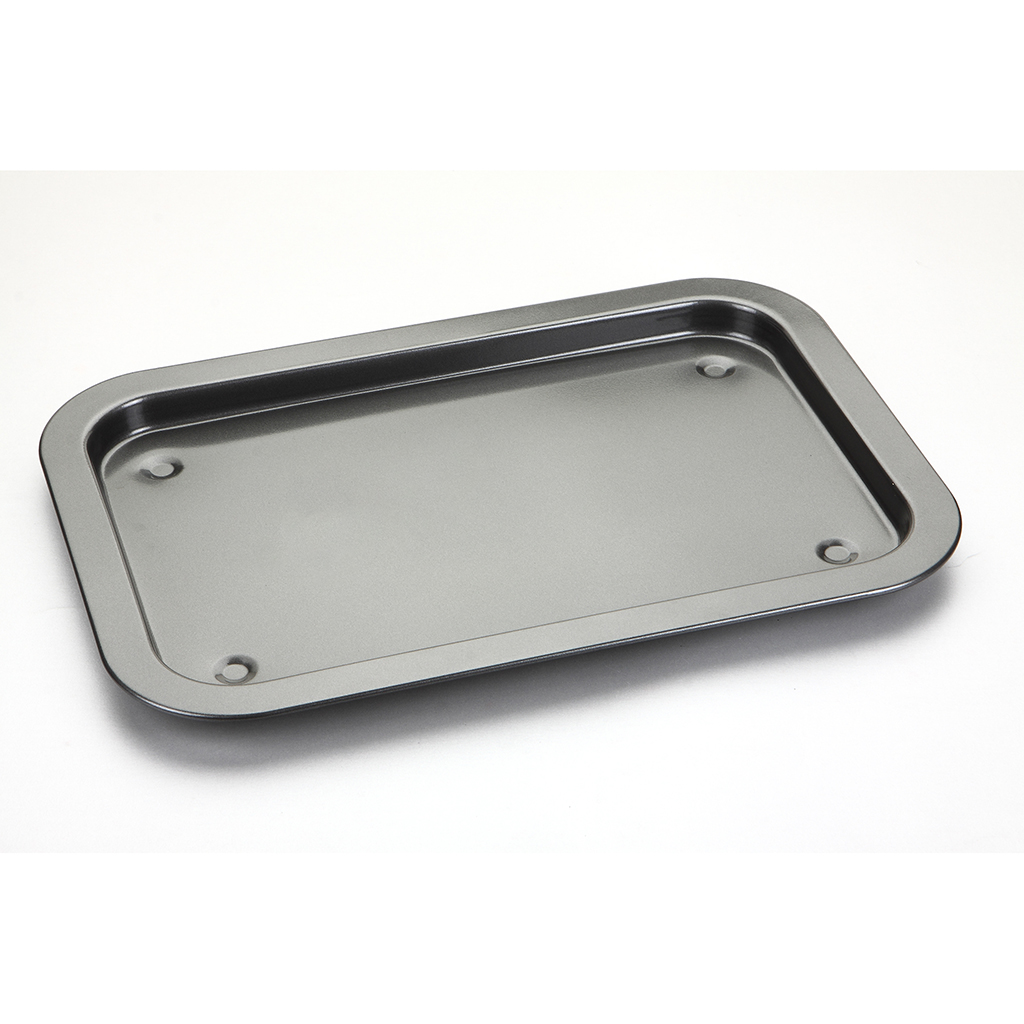
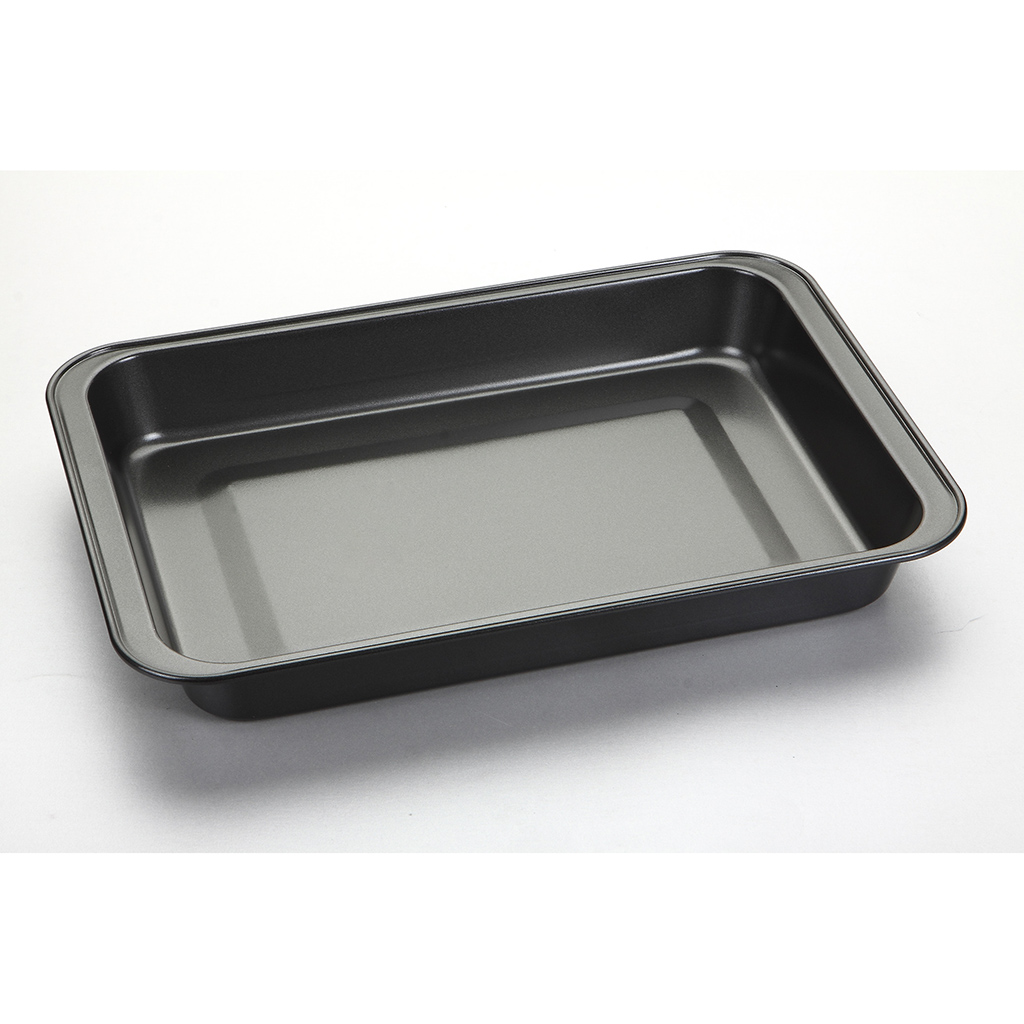
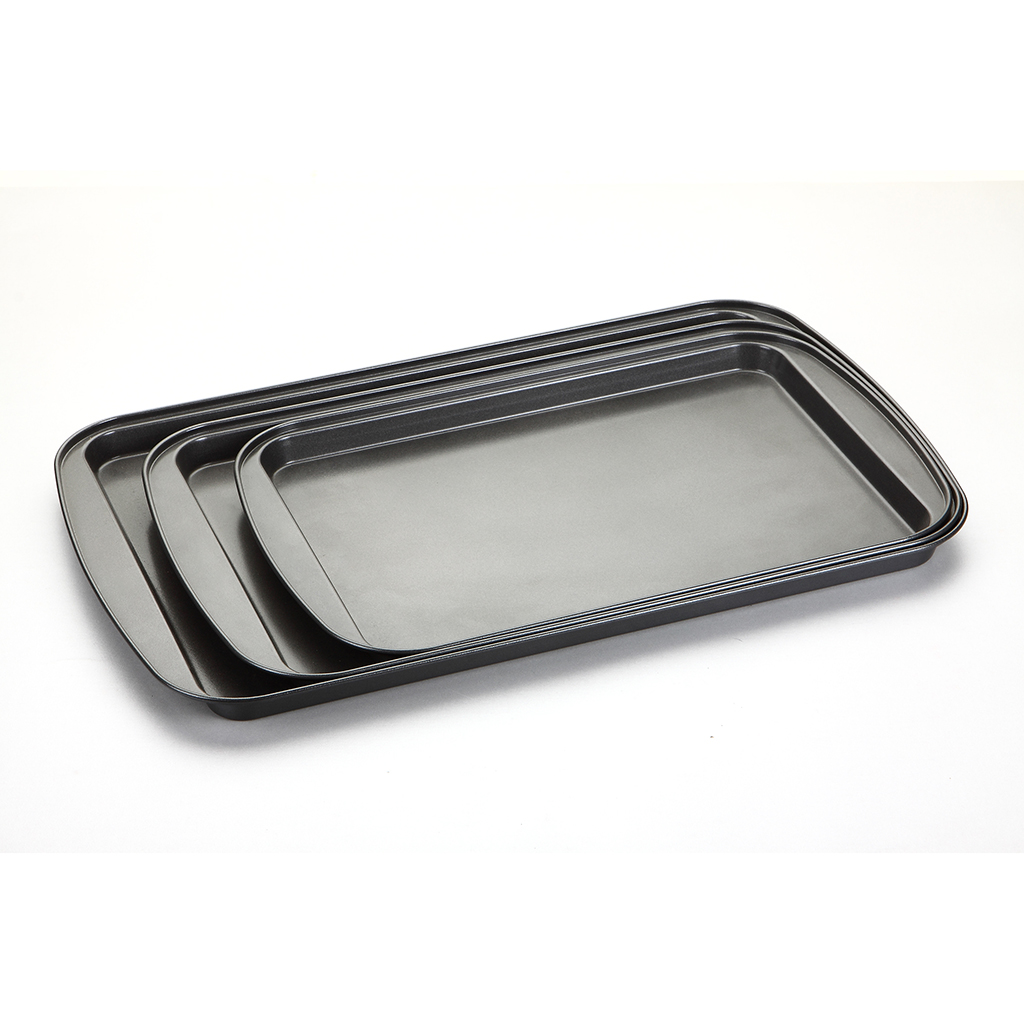
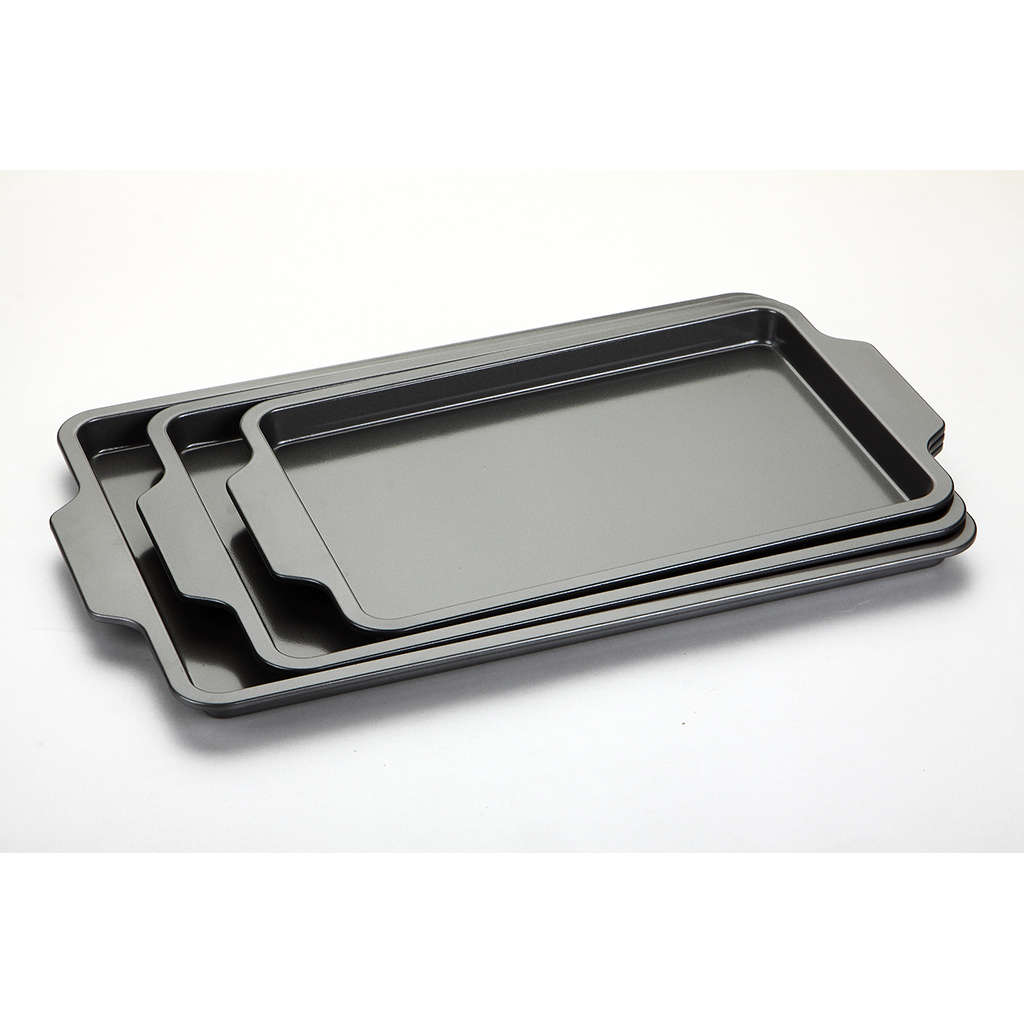
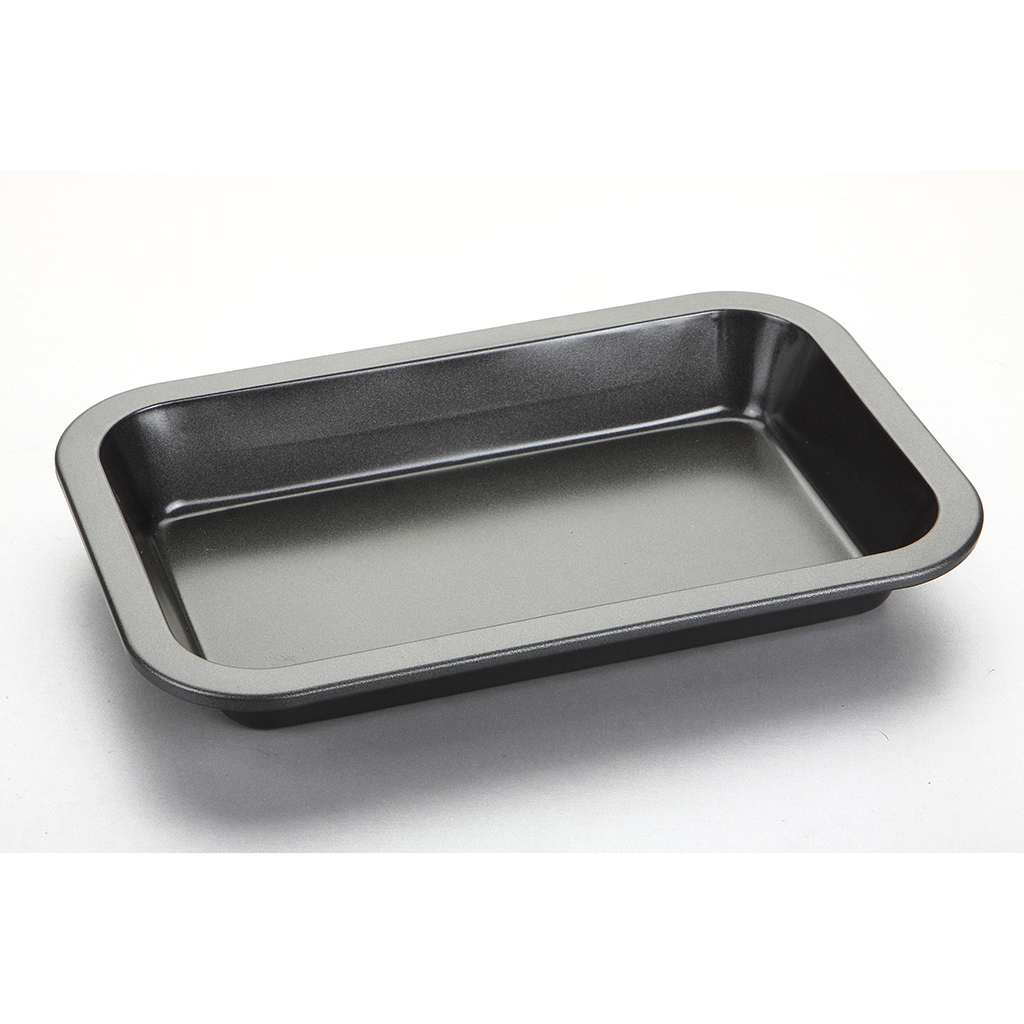
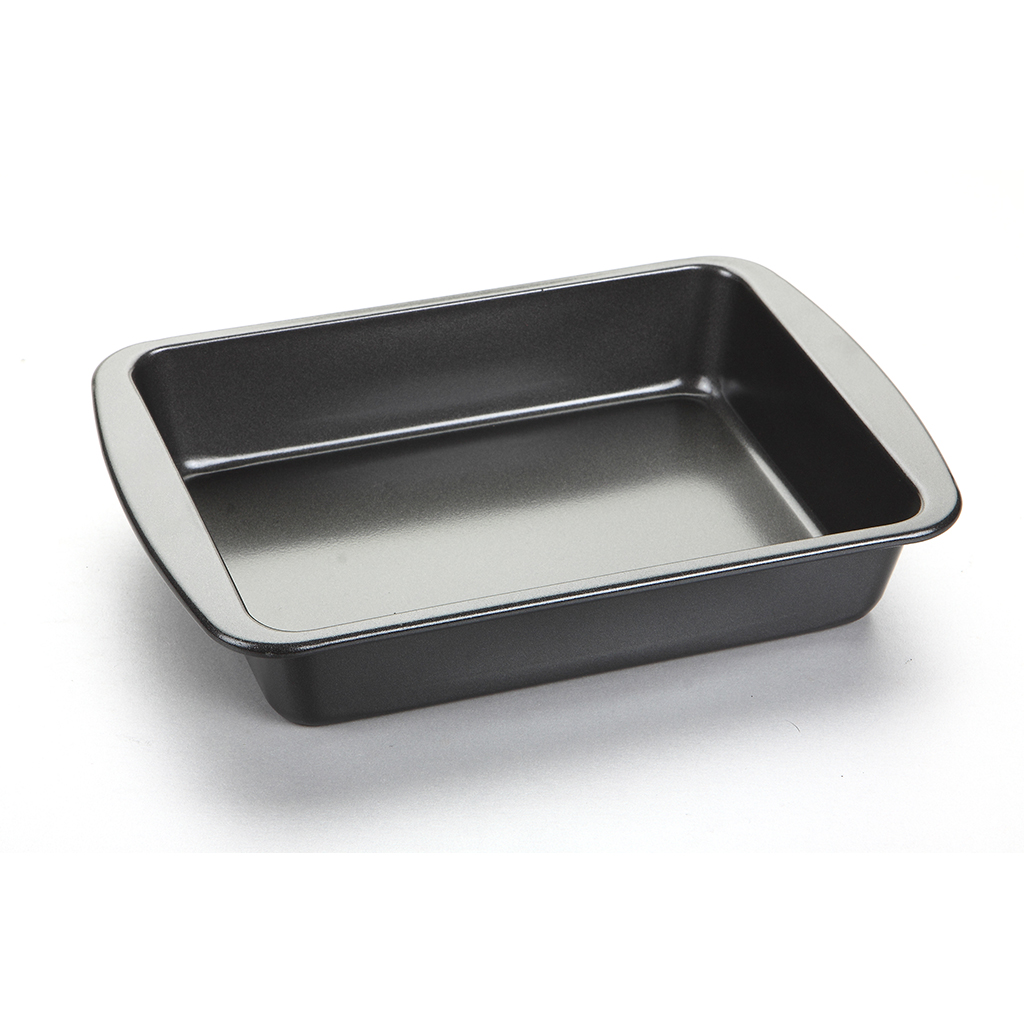
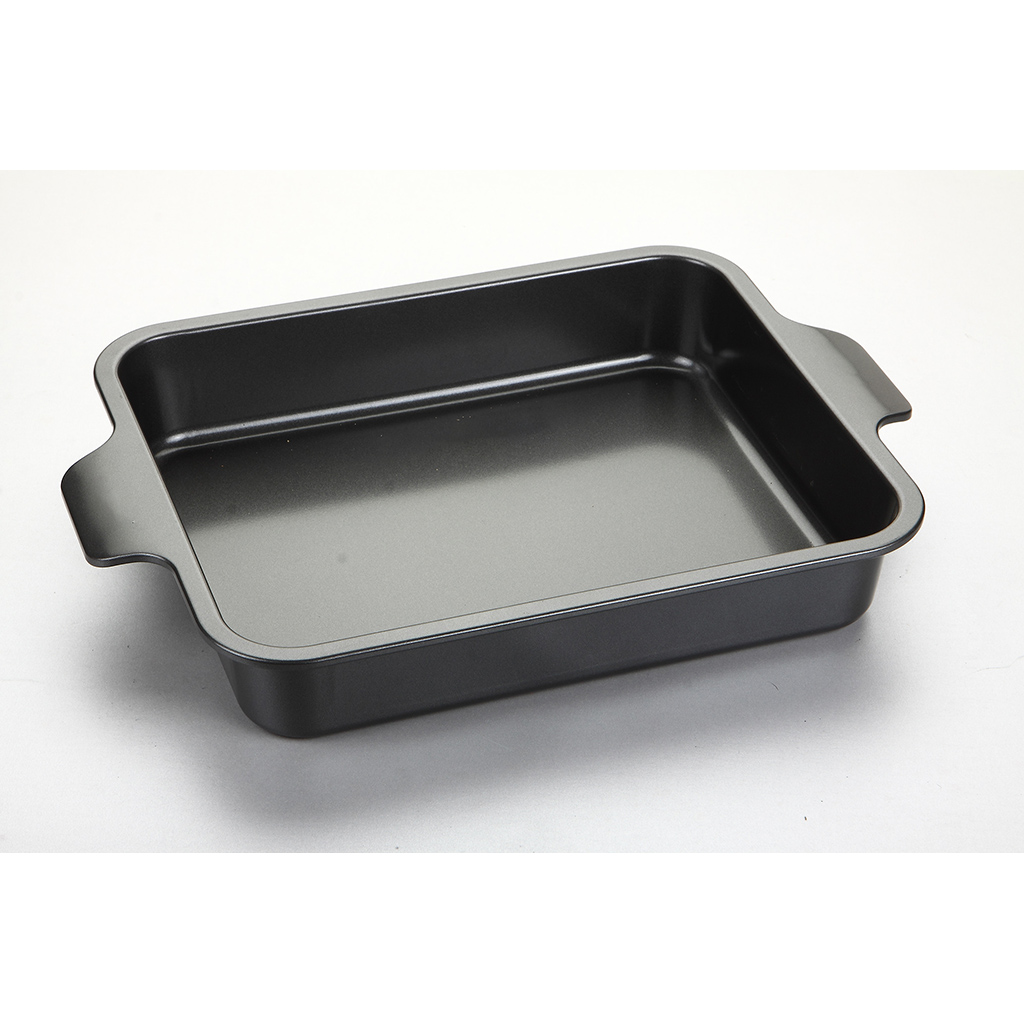
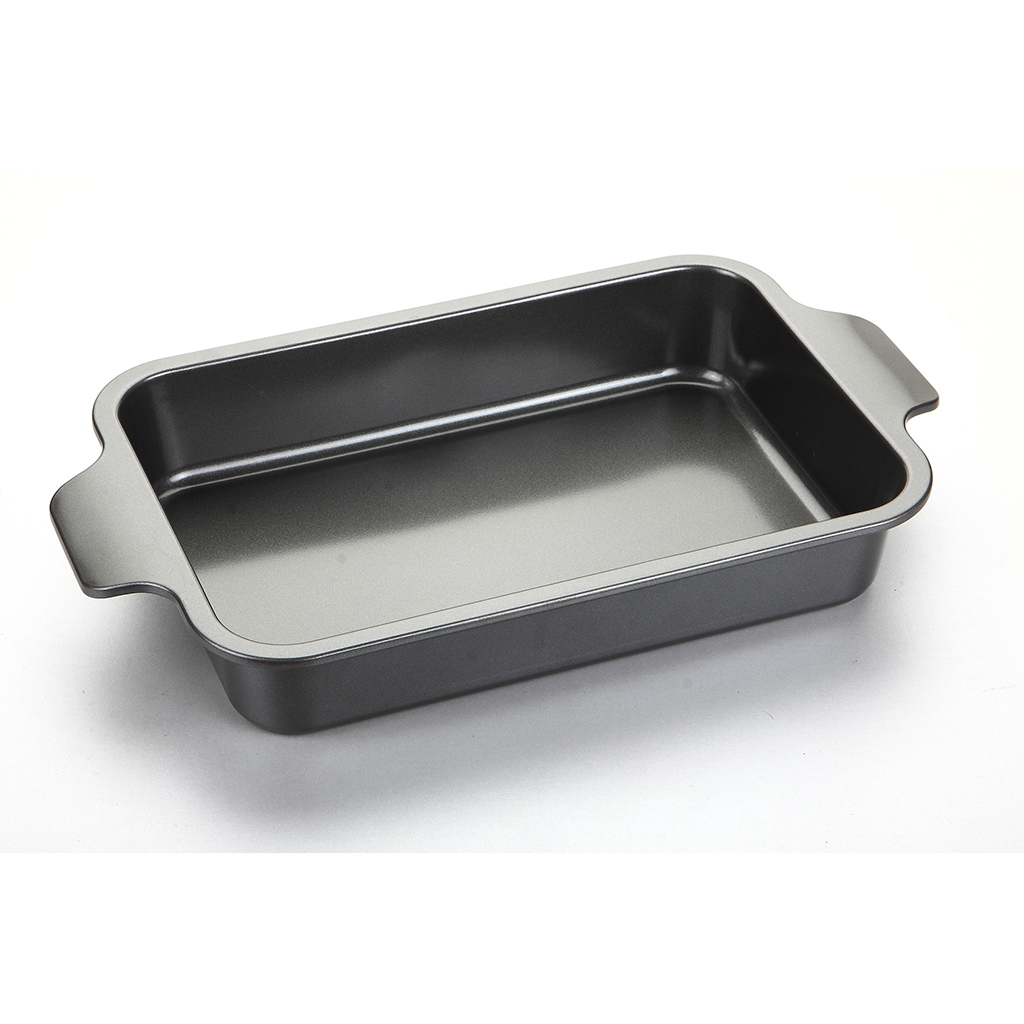
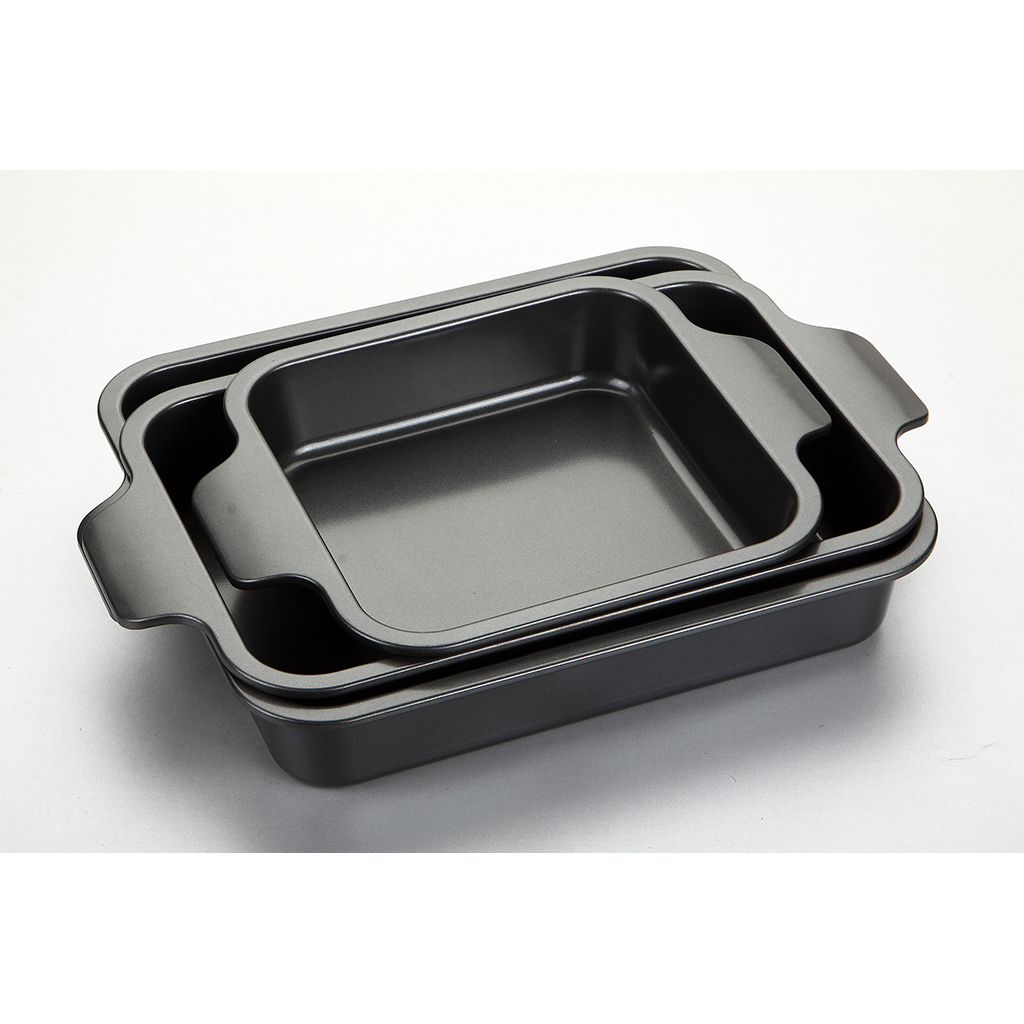
Spotlight: Aolijue Baking Sheets – Where Durability Meets Performance
Understanding the theory is one thing; seeing it applied in a well-designed product is another. Aolijue’s approach to baking sheets exemplifies the principles of quality construction discussed in this guide.
Aolijue focuses on building sheets with a robust carbon steel or aluminized steel core. This choice directly addresses the common pain point of warping. Carbon steel provides exceptional strength and heat retention, ensuring the pan stays perfectly flat in the oven for even cooking and batching consistency. It’s a foundation built for the long term.
On this durable base, Aolijue applies high-performance, easy-release coatings. Consumers can choose between PTFE/PFOA-free ceramic coatings for those who prefer that technology, or advanced silicone-based non-stick coatings known for their durability and excellent food release. This combination of a warp-resistant, professional-grade body with a choice of premium coatings creates a tool designed for both everyday reliability and effortless cleanup.
If your search for the answer to “what is a good non stick baking sheet” leads you to prioritize a pan that won’t bend, provides even heat, and offers a reliable non-stick surface, exploring designs that emphasize material integrity is a logical next step. You can browse Aolijue’s range of non-stick baking sheets here to see how this construction philosophy translates into their product line.
Frequently Asked Questions (FAQ)
Q: What is a non stick baking sheet primarily used for?
A: It’s a versatile pan ideal for any task where sticking is a concern: baking cookies, pastries, and bread; roasting vegetables; cooking fish fillets; and reheating frozen foods. It’s less ideal for tasks where you want to develop a deep, caramelized fond (like for a pan sauce) or for ultra-high-heat searing.
Q: Are non-stick baking sheets safe?
A: When used as directed, modern non-stick bakeware from reputable brands is considered safe. Key safety points: 1) Choose products certified as PFOA-free, PFAS-free, and heavy metal-free. 2) Never overheat PTFE-coated pans (above 500°F/260°C) to avoid fume release. 3) Discard any pan with a deeply scratched, chipped, or flaking coating.
Q: How long does a non-stick baking sheet last?
A: With proper care, a high-quality non-stick sheet can last 3-5 years or more. Ceramic coatings may lose their peak non-stick performance sooner (1-3 years). Lifespan depends entirely on usage frequency, adherence to gentle cleaning, and avoiding metal utensils.
Q: Can I put my non-stick baking sheet in the dishwasher?
A: It is strongly recommended to hand-wash. Even “dishwasher-safe” labels are not a guarantee of longevity. The harsh detergents and intense heat of the dishwasher cycle will degrade and dull the coating much faster than gentle hand-washing.
Q: My non-stick sheet is starting to stick. What can I do?
A: First, try a deep clean. Make a paste of baking soda and water, spread it on the pan, let it sit for an hour, then gently scrub and rinse. This can remove built-up grease and residue. If sticking persists, the coating itself is likely wearing out, and it’s time to consider a replacement.
Q: What’s the standard size for a baking sheet?
A: The standard “half-sheet” pan measures 18 inches by 13 inches. This size fits in most standard home ovens and is the workhorse size for professional and serious home bakers. The “quarter-sheet” (9″ x 13″) is also very popular for smaller ovens and batches.
Conclusion: Making an Informed Choice for Your Kitchen
So, what is a non stick baking sheet? It is a carefully engineered tool that combines material science with culinary utility. It is not a one-size-fits-all solution or an indestructible surface, but rather a specialized piece of equipment that, when chosen and cared for correctly, can make cooking and baking significantly easier and more enjoyable.
The choice ultimately depends on your priorities: the proven performance of PTFE, the high-heat capability of ceramic, or the durable construction of a silicone-infused coating on a carbon steel base. By understanding the role of both the substrate and the coating, respecting the simple rules of care, and selecting a pan from a brand that prioritizes quality materials, you invest in a tool that will deliver reliable performance. Whether you’re pulling out a batch of perfect chocolate chip cookies or a tray of crispy roasted Brussels sprouts, the right non-stick baking sheet is a partner in creating delicious results with minimal fuss.