Introduction: The Moment of Truth
You have mixed the batter, preheated the oven, and watched the timer count down. The cake smells amazing. You take the round baking pan out of the oven and set it on a rack to cool.
Then comes the moment that makes many bakers nervous: turning the round baking pan over and hoping the cake comes out in one piece.
If you have ever lost half a cake to a sticky pan, you are not alone. A stuck cake can be frustrating. But with the right techniques, you can get your cake out of a round baking pan smoothly and keep it looking beautiful.
This guide covers 7 tested ways to release a cake from a round baking pan. You will find preparation tips, release methods, and solutions for when things do not go as planned.
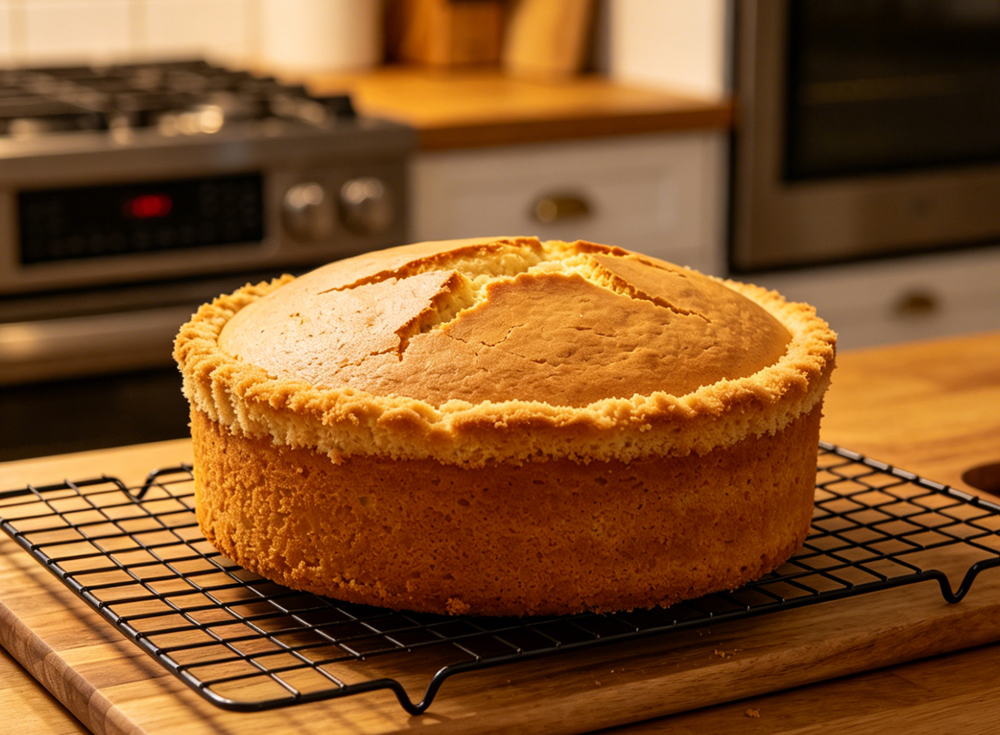
Quick Reference: 7 Methods at a Glance
| Method | Best For | Time Needed | Difficulty |
|---|---|---|---|
| 1. Grease and flour | Standard butter cakes | 2 minutes | Easy |
| 2. Parchment paper | Delicate or sticky cakes | 3 minutes | Easy |
| 3. Baking spray | Quick, even coverage | 30 seconds | Very easy |
| 4. Proper cooling | Any cake | 10-20 minutes | Easy |
| 5. Knife loosening | Cakes stuck at edges | 1 minute | Moderate |
| 6. Freezer trick | Stubborn cakes | 30-60 minutes | Easy |
| 7. Hot towel method | Metal pans only | 2 minutes | Moderate |
Why Cakes Stick to a Round Baking Pan
Understanding why cakes stick helps you choose the right prevention method.
Common reasons:
The pan was not greased enough
Grease did not reach the corners or sides
The cake was removed too early or too late
The baking pan has scratches or worn coating
The recipe has high sugar content (sugar caramelizes and sticks)
Quick tip: A well-prepared baking pan is the first step to a clean release.
Method 1: Grease and Flour (The Classic)
This old-fashioned method works for most cakes baked in a round baking pan.
Step-by-Step
Start with a clean, dry baking pan.
Apply a thin layer of butter or shortening using a brush or paper towel.
Cover the bottom and sides of the pan completely.
Add 1 tablespoon of flour to the pan.
Tilt and tap the pan so flour coats all greased surfaces.
Shake out excess flour.
Why It Works
The grease creates a barrier. The flour absorbs moisture and gives the cake something to grip without sticking.
Best For
Butter cakes, pound cakes, and most layer cakes baked in a metal round baking pan.
💡 Tip: Use cocoa powder instead of flour for chocolate cakes. This prevents white spots on your cake.
Method 2: Parchment Paper (Almost Foolproof)
Parchment paper gives you a non-stick surface that makes releasing a cake from a round baking pan much easier.
Step-by-Step
Place your round baking pan on a sheet of parchment paper.
Trace around the bottom of the pan.
Cut out the circle just inside the line.
Grease the round baking pan lightly.
Press the parchment circle into the bottom.
For extra insurance, cut a strip to line the sides.
Why It Works
The parchment sits between the cake and the round baking pan. Even if the sides stick, the bottom releases easily.
Best For
Delicate cakes (chiffon, sponge), sticky batters (carrot cake, banana cake), and any round baking pan with a non-stick coating that shows wear.
📝 Note: Do not use wax paper. It is not heat-resistant and will melt in the oven.
Method 3: Baking Spray with Flour (The Modern Shortcut)
Baking spray combines oil and flour in one can. It is a quick way to prepare a round baking pan.
Step-by-Step
Hold the can about 6 inches away from your round baking pan.
Spray the bottom and sides evenly.
Make sure you cover the entire surface, including the corners where the bottom meets the wall.
Why It Works
The spray reaches into crevices that a brush might miss. The flour in the spray helps the cake release cleanly.
Best For
Any round baking pan, especially those with fluted or decorative edges. It is also good when you are short on time.
⚠️ Check the label: Some baking sprays are not recommended for certain non-stick coatings. Read the manufacturer’s instructions.
Method 4: Cool the Cake Properly (Patience Pays Off)
Even a well-greased round baking pan will hold onto a cake that is removed too early.
Step-by-Step
Remove the pan from the oven.
Place it on a wire rack.
Let it cool for the time specified in your recipe (usually 10-15 minutes).
Run a thin knife around the edge of the pan.
Place a wire rack on top of the pan.
Hold the rack firmly and flip the pan over.
Lift the pan slowly.
Why It Works
As the cake cools, it contracts slightly. This contraction helps the cake pull away from the sides of the round baking pan.
Best For
Every cake baked in a round baking pan. Cooling times may vary:
Light, fluffy cakes: 5-10 minutes
Standard layer cakes: 10-15 minutes
Dense pound cakes: 15-20 minutes
🔥 Pro tip: Do not let the cake cool completely in the round baking pan. This can trap steam and make the bottom soggy.
Method 5: Use a Knife to Loosen the Edges
Sometimes the cake releases from the bottom but sticks to the sides of the round baking pan.
Step-by-Step
After the cake has cooled for 10-15 minutes, take a thin knife or offset spatula.
Slide the blade between the cake and the side of the round baking pan.
Gently move the knife around the entire circumference.
Apply light pressure. Let the knife do the work.
Place a wire rack over the round baking pan and flip it over.
Why It Works
Cakes often stick to the sides more than the bottom. Loosening the edges breaks the bond before flipping.
Best For
Any cake that seems stuck to the sides of a baking pan. This method is especially helpful for pans with decorative or fluted edges.
🍰 Tip: Use a plastic knife on non-stick baking pans to avoid scratching the coating.
Method 6: The Freezer Trick (For Stubborn Cakes)
If your cake is firmly stuck in the round baking pan, temperature can help.
Step-by-Step
Place the pan with the cake still inside into the freezer.
Leave it for 30 to 60 minutes.
Remove the pan from the freezer.
Run a knife around the edges.
Flip the pan over onto a wire rack.
Why It Works
Cold temperatures cause the cake to shrink slightly. The baking pan also contracts. These small changes can break the bond between the cake and the pan.
Best For
Cakes that have been left in the round baking pan for too long, sticky batters, or when other methods have failed.
❄️ Note: This method works best for metal round baking pans. Glass pans may crack with sudden temperature changes.
Method 7: The Hot Towel Method (For Metal Pans)
A hot towel can help release a cake that is stuck because the round baking pan is too cool.
Step-by-Step
Run a kitchen towel under hot water.
Wring out the excess water.
Wrap the hot towel around the outside of the baking pan.
Let it sit for 1 to 2 minutes.
Run a knife around the edges.
Flip the baking pan over.
Why It Works
The heat expands the pan slightly. This expansion can break the seal between the cake and the pan.
Best For
Metal round baking pans only. Do not use this method on glass or stoneware pans, as sudden heat changes may cause cracking.
🔥 Safety tip: Use oven mitts when handling the hot towel and the warm baking pan.
Prevention Checklist: Prepare Your Round Baking Pan
Use this checklist before pouring batter into your round baking pan.
| Step | Done |
|---|---|
| Wash and dry the pan thoroughly | ☐ |
| Check for scratches or worn coating | ☐ |
| Choose a grease (butter, shortening, or spray) | ☐ |
| Apply grease to every surface of the baking pan | ☐ |
| Add flour, cocoa, or parchment paper | ☐ |
| Tap out excess flour or cocoa | ☐ |
Taking 2 minutes to prepare your pan can save you from a stuck cake.
Comparison: Best Methods for Different Cake Types
| Cake Type | Recommended Method | Why |
|---|---|---|
| Butter cake | Grease and flour | Traditional, reliable |
| Chocolate cake | Grease + cocoa powder | Avoids white spots |
| Carrot cake | Parchment paper | Sticky batter |
| Chiffon cake | Parchment paper (bottom only) | Delicate structure |
| Pound cake | Grease and flour + cooling | Dense, needs longer set |
| Sponge cake | Parchment paper + knife loosening | Very delicate |
| Cheesecake | Parchment paper + freezer trick | High moisture |
What to Do When the Cake Breaks
Even with good preparation, cakes sometimes break when you try to remove them from a round baking pan. Here are four ways to save a broken cake.
Option 1: Turn It into a Trifle
Layer broken cake pieces with pudding, fruit, and whipped cream in a glass bowl. No one will notice the crumbs.
Option 2: Make Cake Pops
Crumble the broken cake into a bowl. Mix with frosting. Roll into balls and dip in melted chocolate.
Option 3: Frost the Cracks
A thick layer of frosting can hide many imperfections. Spread generously over the top and sides.
Option 4: Serve It as a Snack Cake
Call it rustic. Slice it and serve in a bowl with ice cream or fruit.
Breaking a cake is frustrating, but it does not have to ruin your dessert.
Common Questions About Getting Cake Out of a Round Baking Pan
Q: Why does my cake always stick to the pan?
A: There are several possible reasons. You may not be greasing the pan enough. You may be using the wrong type of grease. The pan may be worn. The cake may not have cooled enough before removal.
Q: Can I use olive oil to grease my round baking pan?
A: Yes. Olive oil works as a grease for a baking pan. However, it may leave a slight flavor. For neutral flavor, use vegetable oil or canola oil.
Q: How long should I let the cake cool in the pan?
A: Most recipes suggest 10 to 15 minutes in the baking pan. Dense cakes may need up to 20 minutes. Delicate cakes may need only 5 to 10 minutes.
Q: Should I flip the cake onto a rack or a plate?
A: A wire rack allows air to circulate around the cake. This prevents the bottom from becoming soggy. If you do not have a rack, a clean plate works.
Q: Can I use wax paper instead of parchment paper?
A: No. Wax paper is not heat-resistant. Do not use wax paper in a baking pan in the oven. The wax can melt onto the cake and the pan.
Troubleshooting: Common Issues and Fixes
| Problem | Likely Cause | Solution |
|---|---|---|
| Cake stuck to bottom | Not enough grease | Use more grease or add parchment paper |
| Cake stuck to sides | Edges not loosened | Run a knife around before flipping |
| Cake fell apart when flipping | Too warm | Cool longer in the pan |
| Dark crust on bottom | Pan too dark or thin | Lower oven temperature by 25°F |
| Pale, soft bottom | Too much grease | Use less grease next time |
| Cake stuck despite greasing | Worn coating | Replace the pan |
Caring for Your Round Baking Pan
Taking care of your baking pan helps it perform better over time.
Do's
Hand wash with warm, soapy water and a soft sponge
Dry thoroughly before storing
Store in a dry place
Place a paper towel between stacked pans
Don'ts
Do not use metal utensils on non-stick pans
Do not use abrasive scrubbers or steel wool
Do not put non-stick pans in the dishwasher
Do not run a hot pan under cold water
A well-maintained baking pan can last for many years and release cakes more easily over time.
Final Thoughts
Getting a cake out of a round baking pan does not have to be stressful. With the right preparation and a few techniques, you can release your cake smoothly and keep it intact.
The 7 methods covered in this guide are:
Grease and flour
Parchment paper
Baking spray with flour
Proper cooling
Knife loosening
Freezer trick
Hot towel method
Each method works for different situations. You may find that one method works best for your favorite round baking pan. With practice, you will learn what works for your kitchen, your oven, and your recipes.
A little preparation before baking saves you time and frustration later. Your round baking pan is a useful tool. When you know how to use it well, every cake can come out looking as good as it tastes.