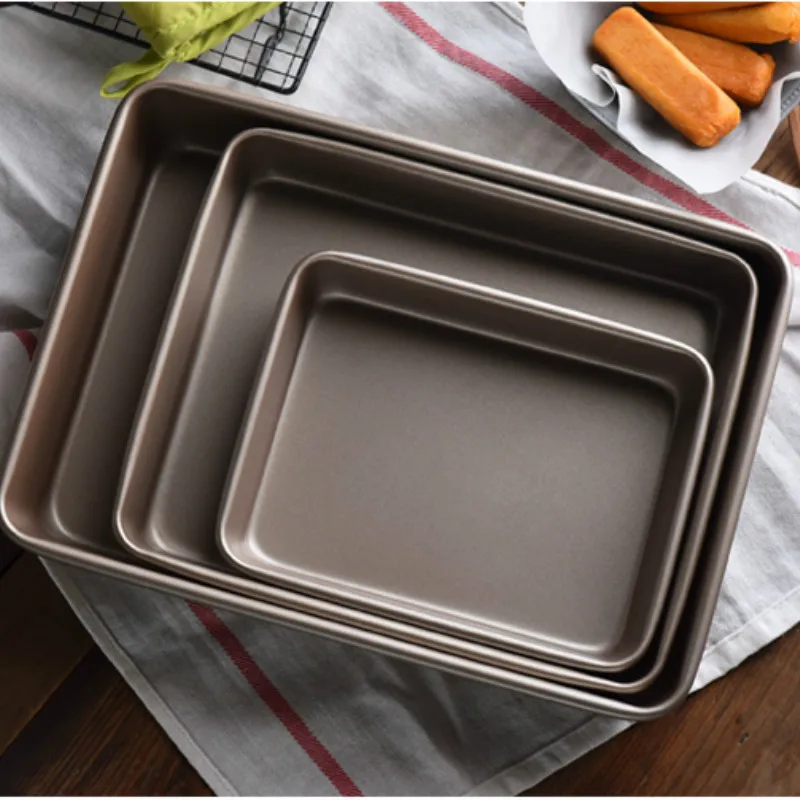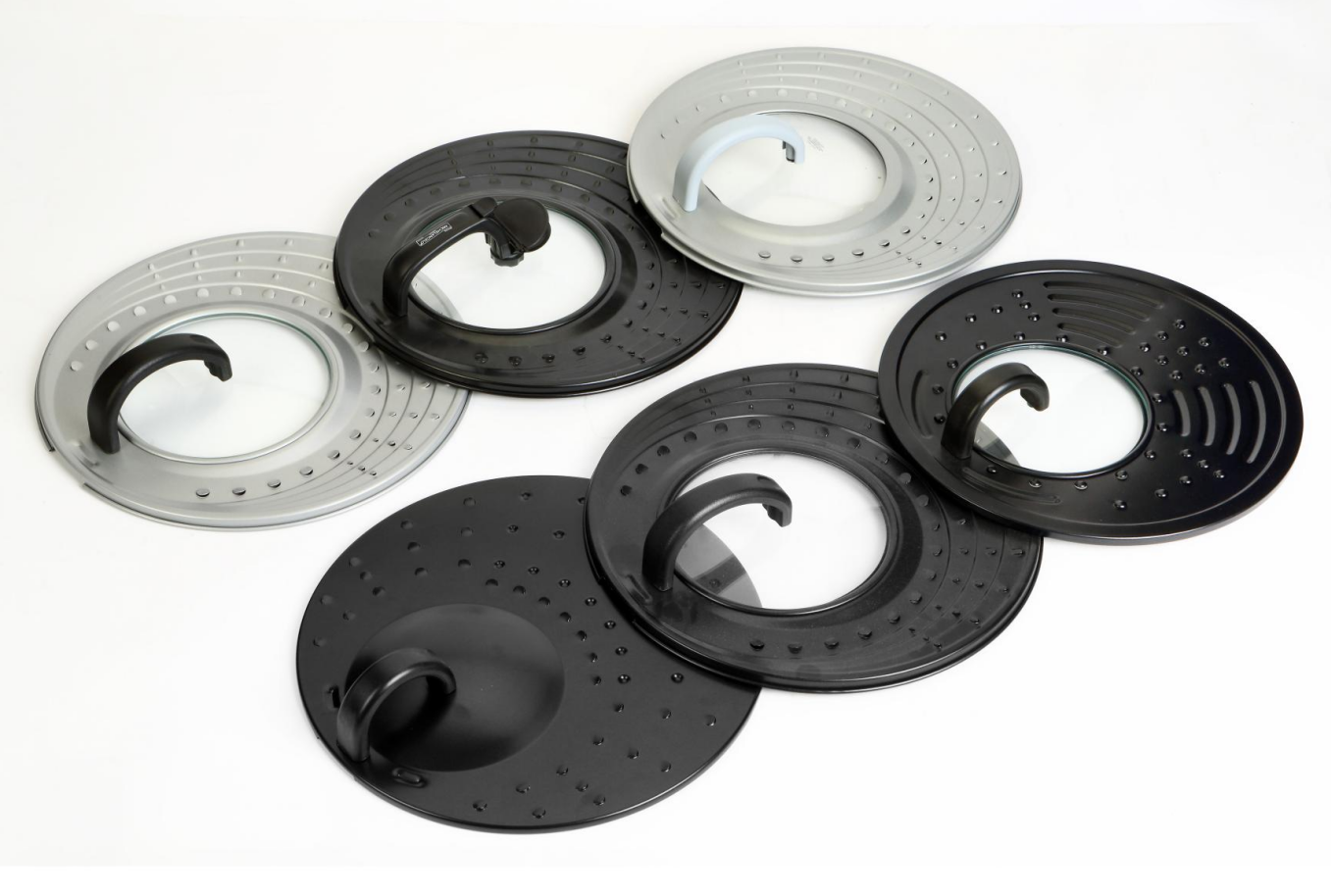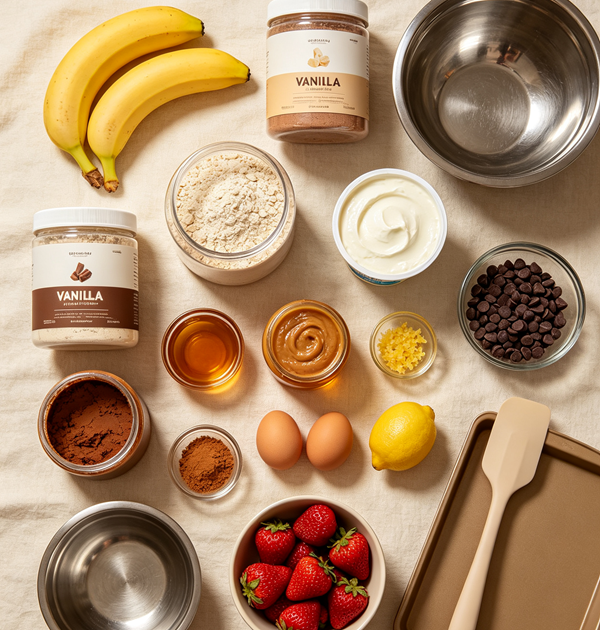

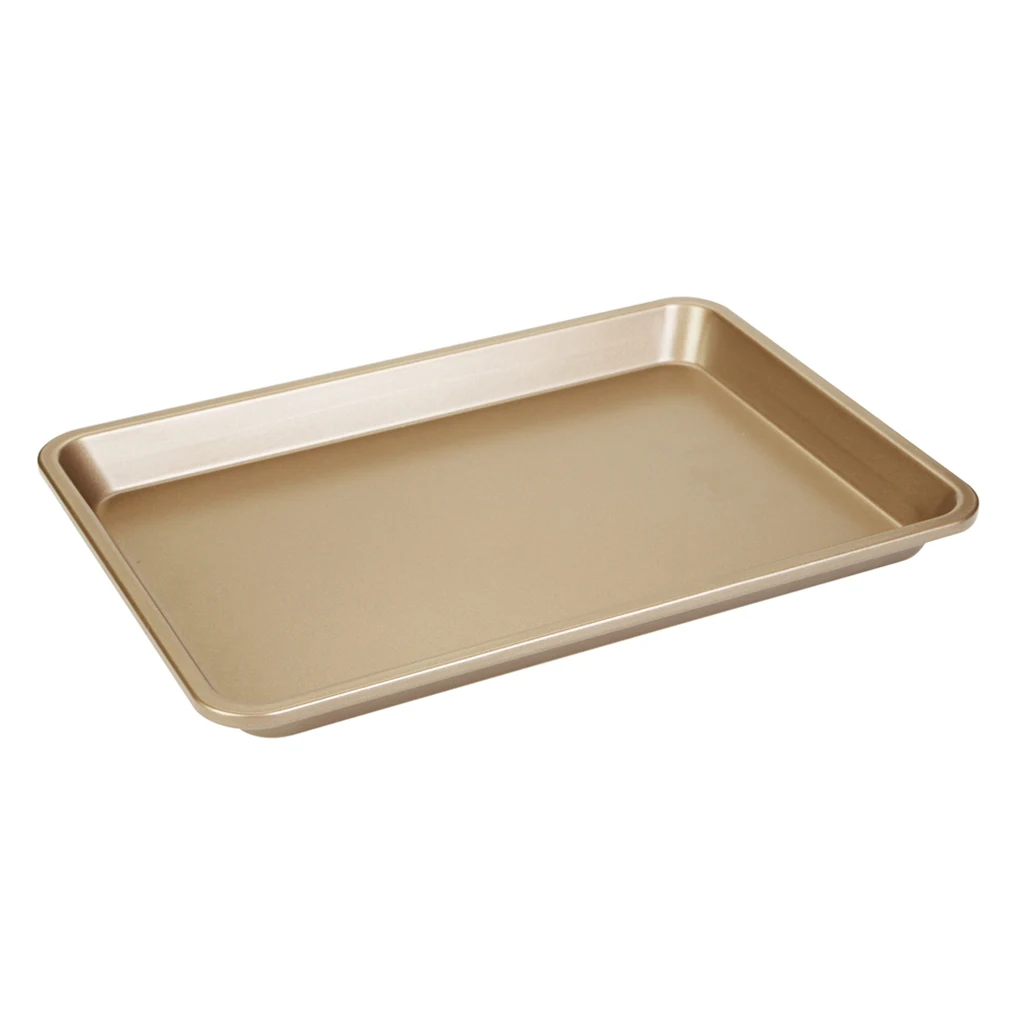
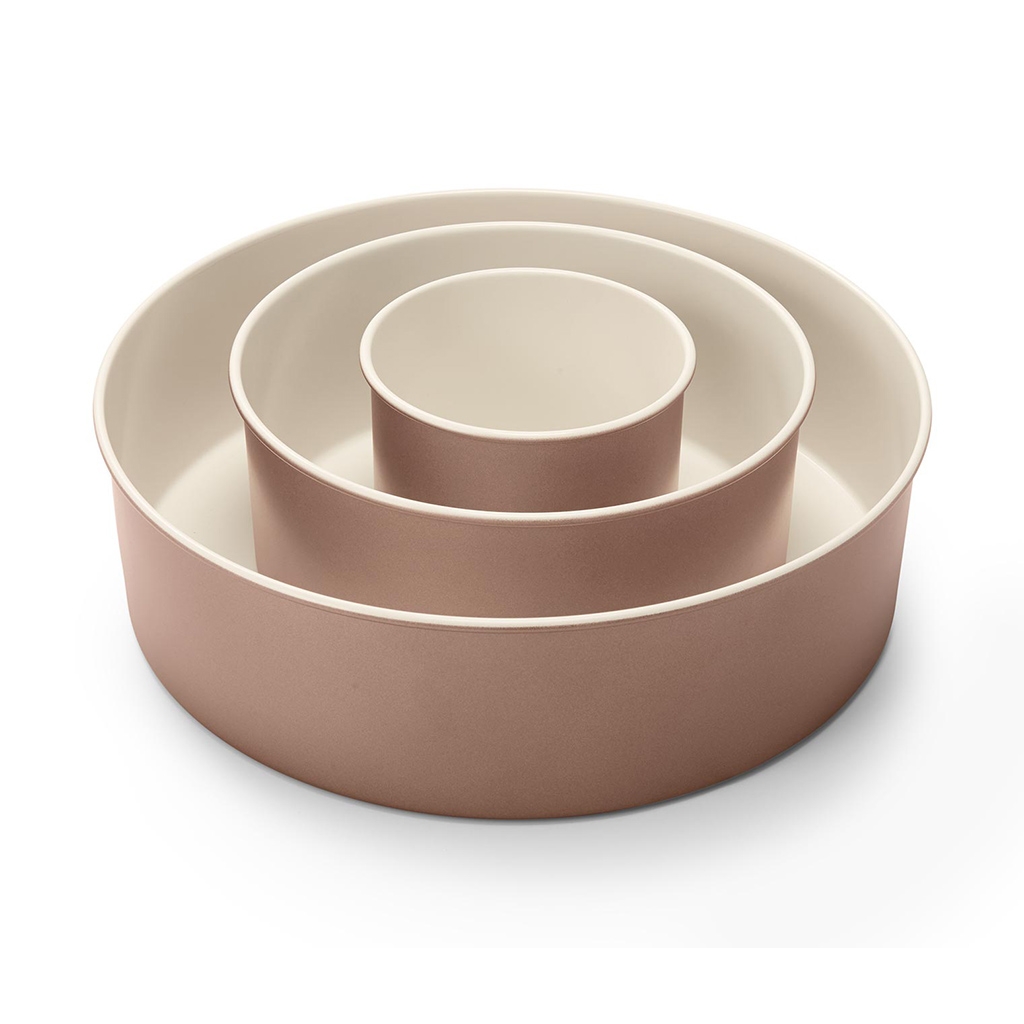
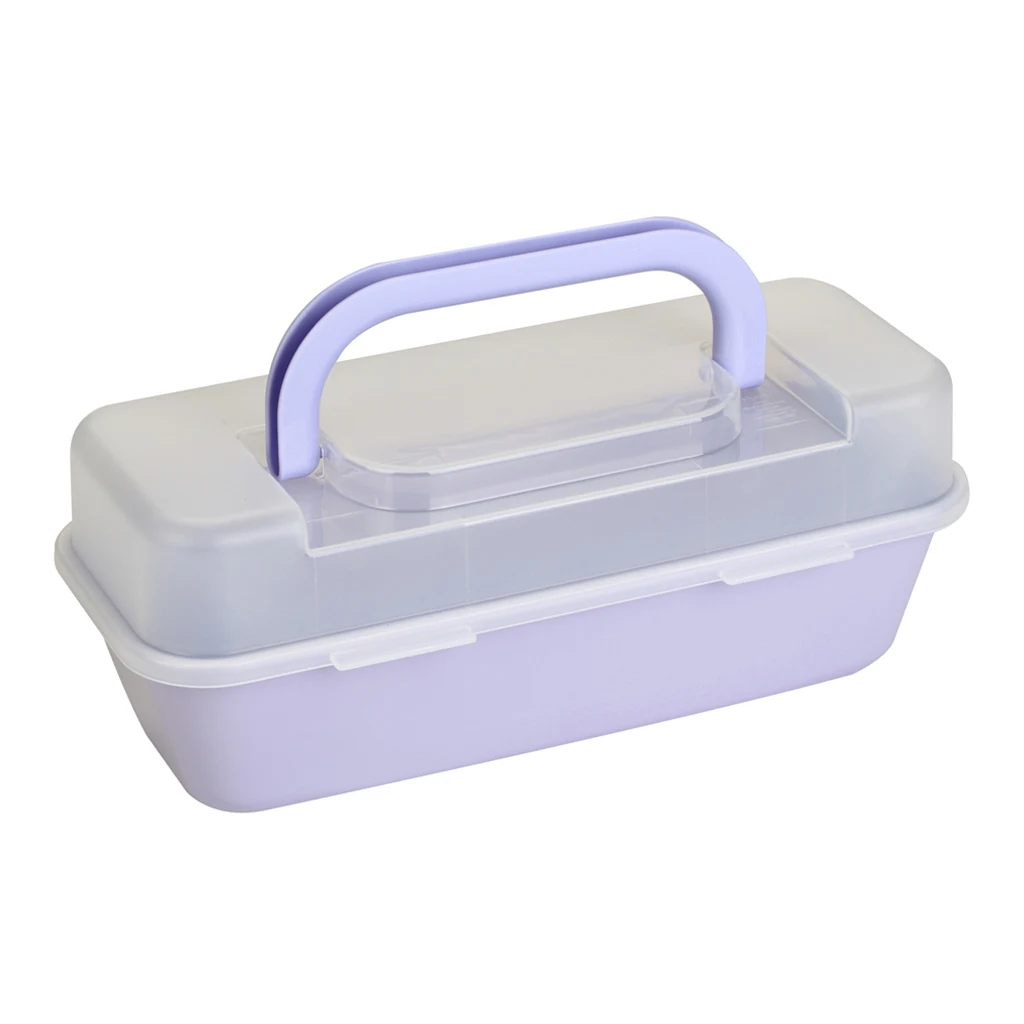
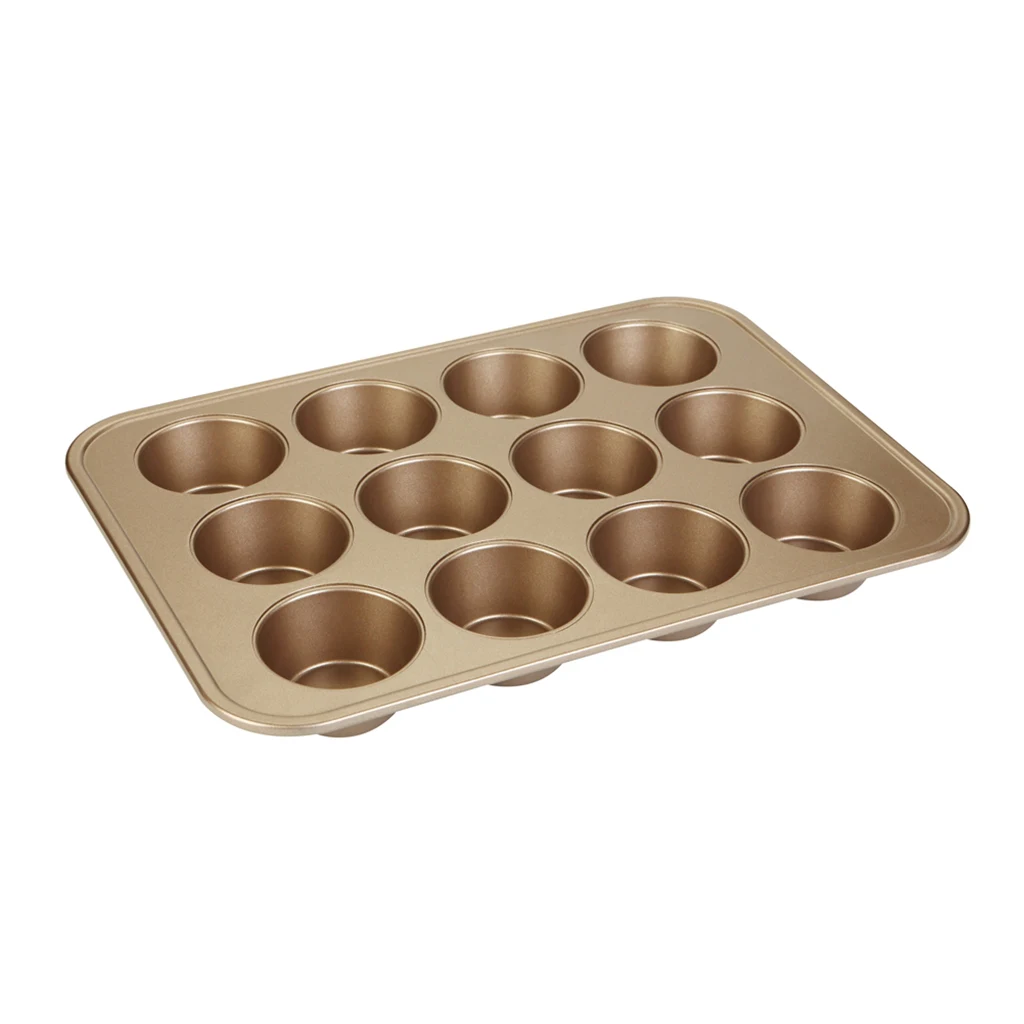
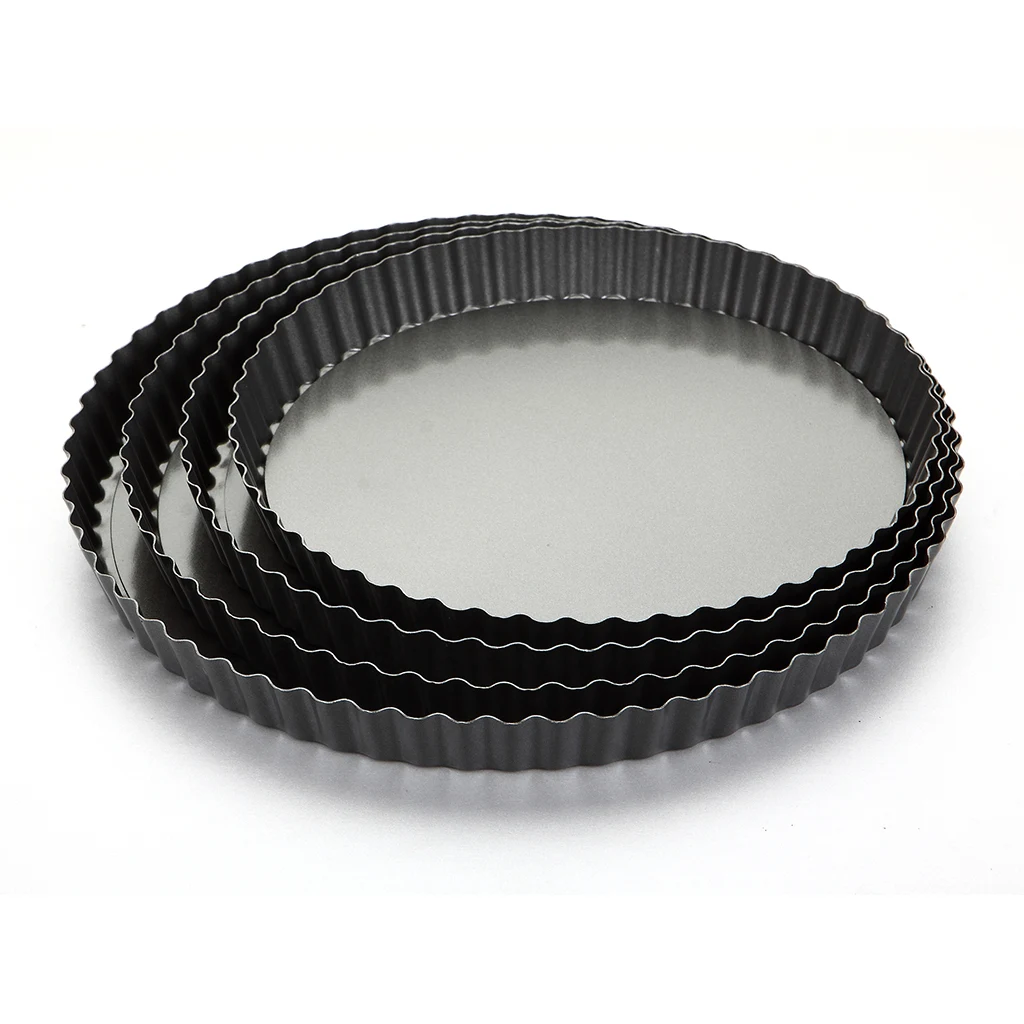
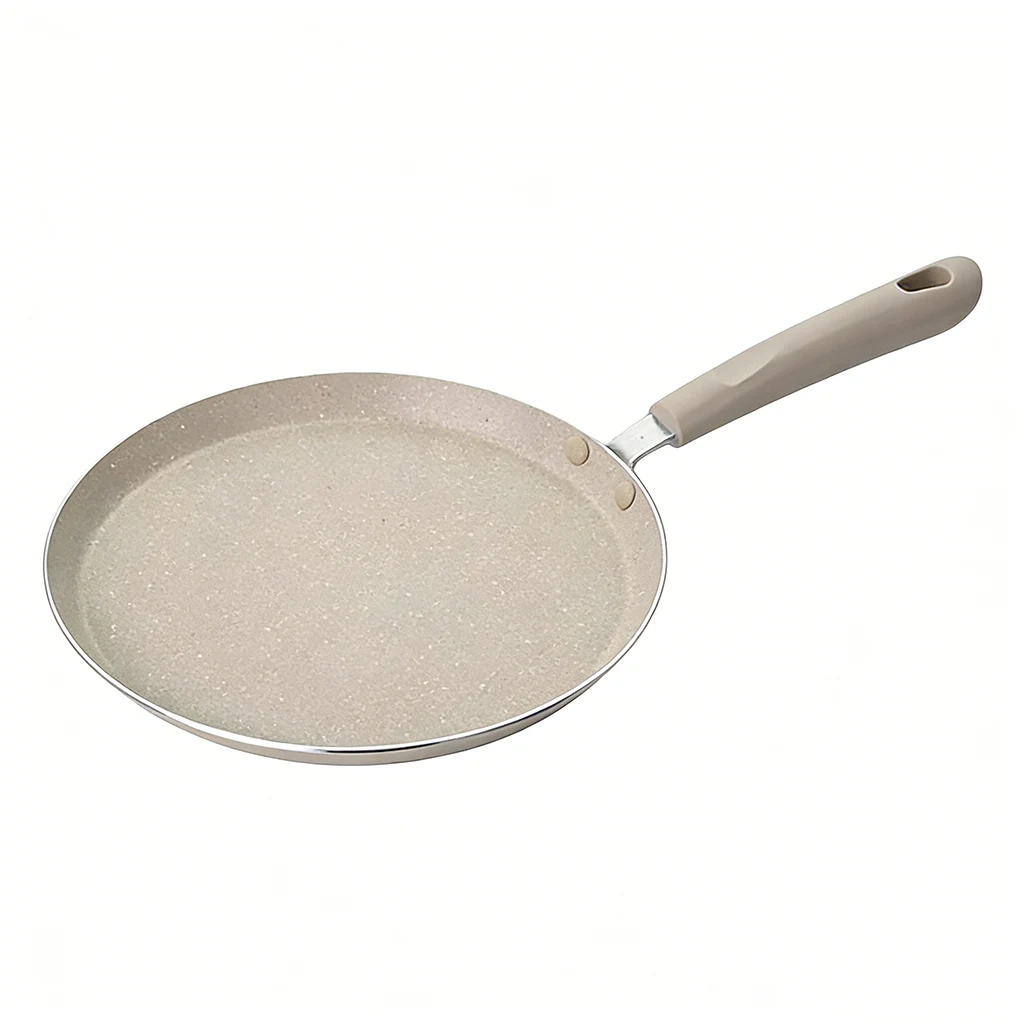
Across Europe, America, Southeast Asia and other regions, pizza pans are common household kitchen essentials rather than professional niche baking tools. Unlike Chinese families who rarely use them daily, foreign households widely adopt pizza pans for daily cooking, parent-child activities and family gatherings. Serving not only for pizza baking but also as multi-functional tools for cooking, serving and storage, they perfectly reflect the casual and diverse lifestyle of overseas families.
1. Core Daily Use: Staple for Family Pizza Nights
Pizza is a classic home-cooked food worldwide, especially popular in Western countries. The “family pizza night” has become a common home ritual for weekends, holidays and family leisure time, making the pizza pan an indispensable kitchen staple.
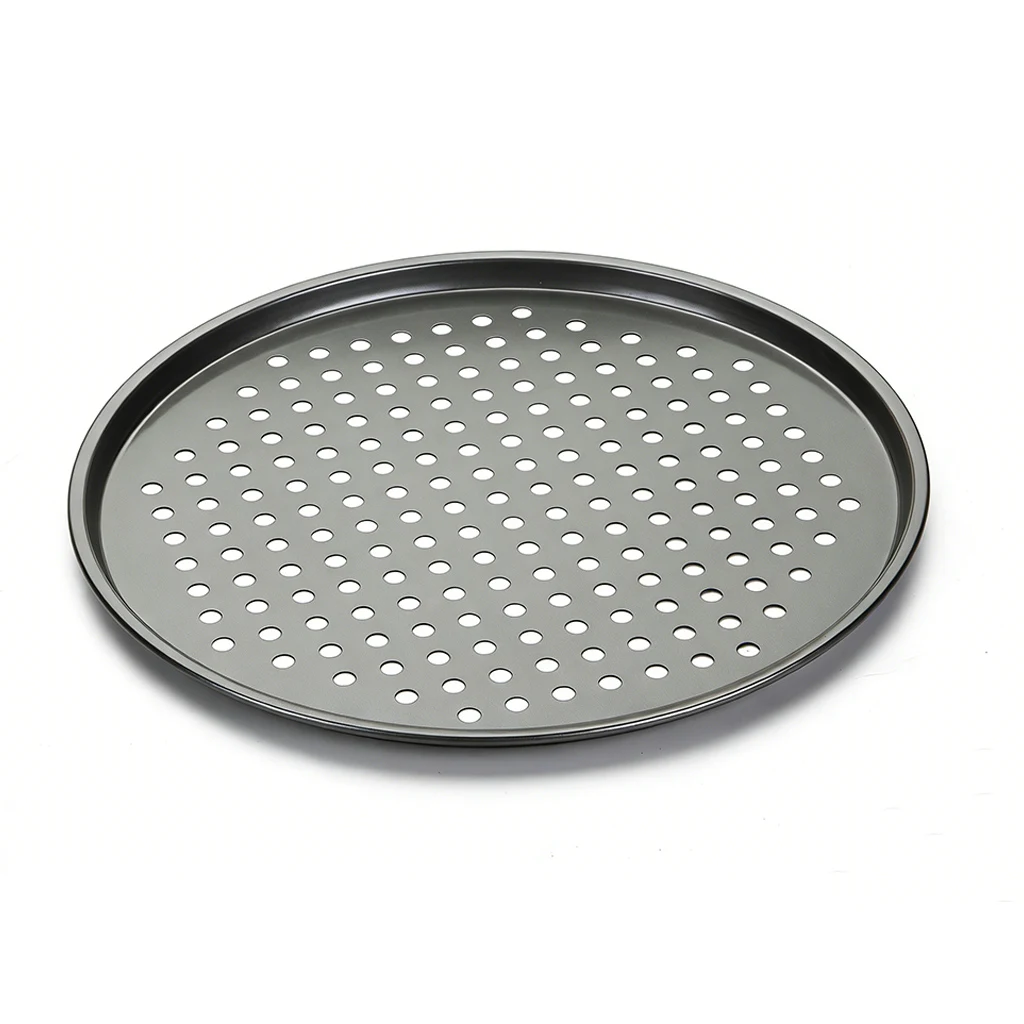
Foreign families mainly use pizza pans in two daily scenarios. The most frequent use is heating frozen pizza. Overseas supermarkets provide various affordable frozen pizzas as daily quick meals. Perforated and flat pizza pans are ideal for this purpose, as their breathable design releases steam to create crispy crusts and avoid sogginess. Compatible with regular ovens and air fryers, they suit the fast-paced life of working and large families.
The second scenario is homemade pizza baking, popular for parent-child bonding. Western families value hands-on experiences, and parents often bake pizza with their kids. Thickened carbon steel and aluminum alloy pizza pans are the top choices for homemade baking. These pans feature even heat conduction, high temperature resistance and deformation resistance, enduring high baking temperatures above 200°C and delivering better baking results while enabling warm family interaction.
2. Multi-scenario Application: All-round Household Kitchenware
Foreign households favor fully functional kitchenware and avoid idle single-purpose tools. With a standard round shape, high heat resistance and easy-to-clean surface, pizza pans are widely used for various household cooking and daily scenarios.
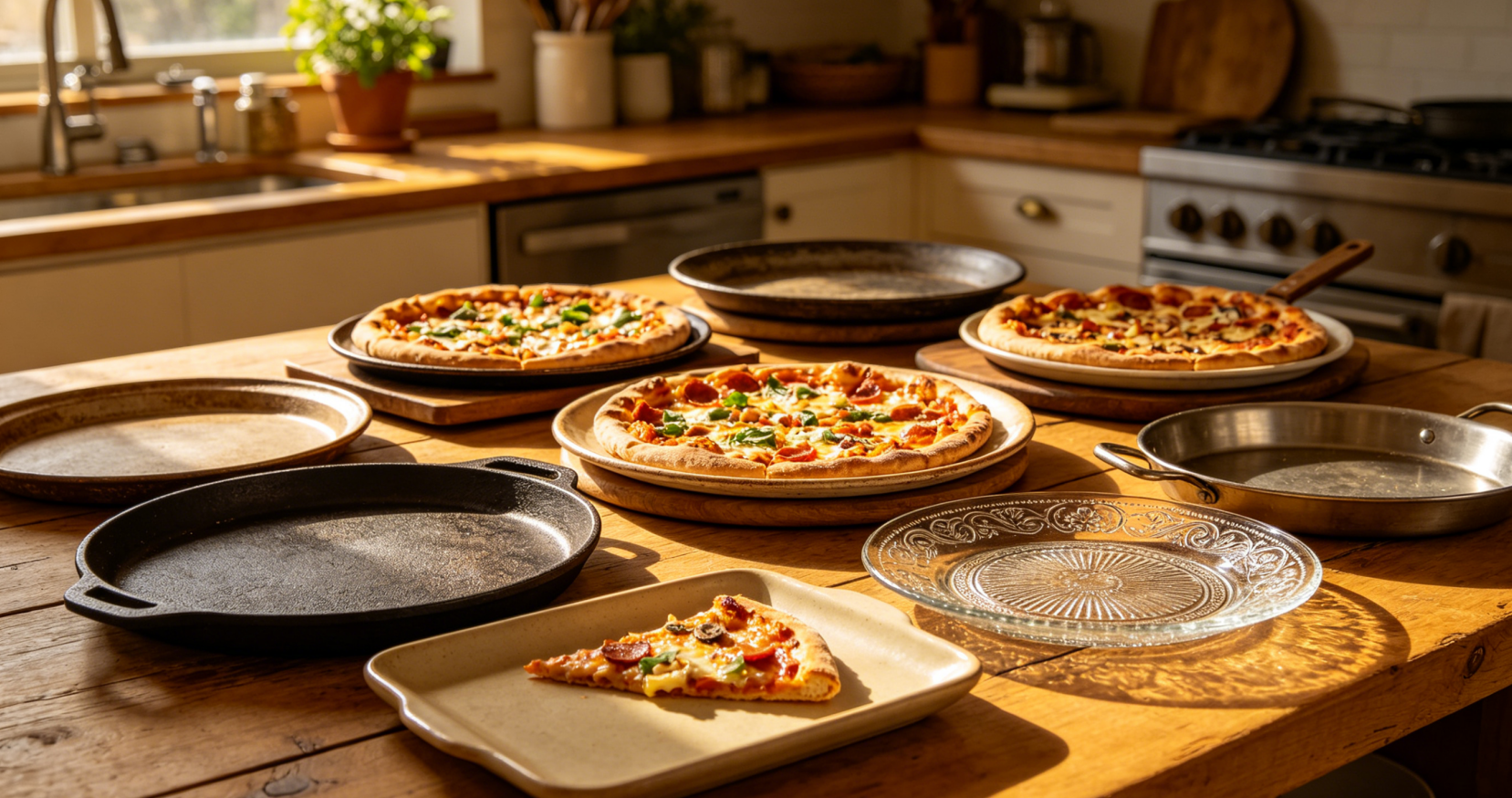
In cooking, pizza pans serve as universal baking trays. Besides pizza, they can bake bread, cookies, chicken wings, fries and roasted vegetables, and hold grilled meat and baked rice. Lightweight non-stick aluminum pans fit small ovens and air fryers, perfect for single-person and small-family use. For outdoor camping and barbecues, perforated pizza pans prevent small ingredients from falling off grills, acting as portable outdoor baking tools.
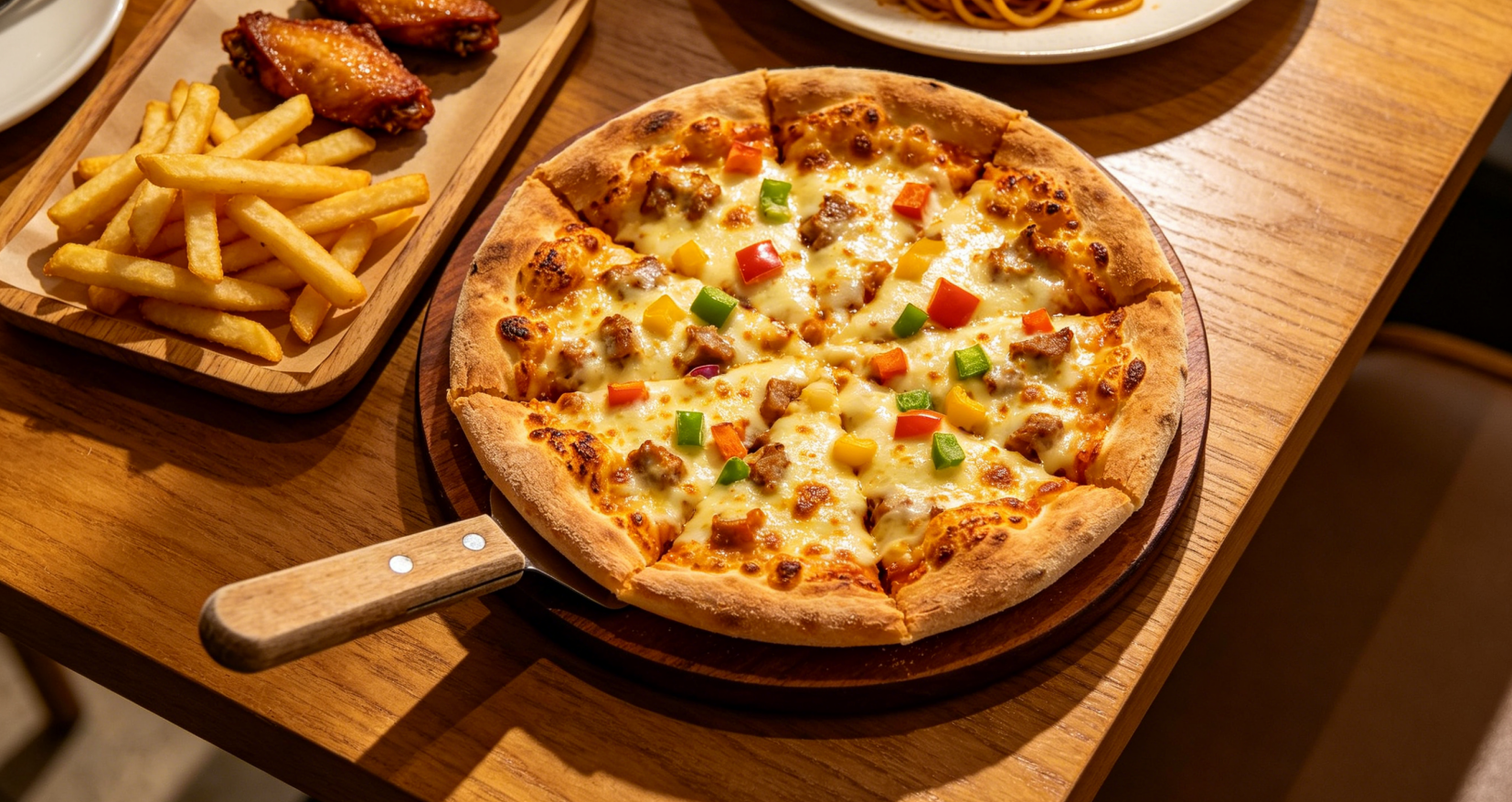
On dining occasions, pizza pans double as exquisite tableware. Wooden, ceramic and color-coated pans with fine textures can be directly served on the table after baking, eliminating the need for extra trays. They are also commonly used as platters for fruits, desserts, cheese and snacks for daily dinners, afternoon tea and friend gatherings. Stylish minimalist pans are favored for enhancing the home dining atmosphere.
Additionally, pizza pans work as practical storage trays for kitchen seasonings, table sundries and living room snacks. Their multi-functional and cost-effective features meet foreign households’ demand for simplified and efficient kitchenware collocation.
3. Regional Differences in Usage and Preferences
Due to different dietary cultures, living environments and consumption habits, households in various regions have distinct preferences for pizza pans.
European and American families prioritize quality, safety and usability. With nearly 100% household oven penetration, most families own multiple pizza pans for different uses: perforated non-stick pans for frozen pizza, thickened carbon steel pans for homemade baking, and decorative wooden or ceramic pans for entertaining. They prefer PFOA-free, dishwasher-safe and high-temperature resistant products, while European consumers also favor recyclable, eco-friendly options.
Southeast Asian, Japanese and South Korean households prefer compact, cost-effective pizza pans. Limited kitchen space and small mini ovens make 10-inch and smaller pans mainstream, suitable for small families and single servings. Local consumers value basic practicality and portability, with pizza pans commonly used for both baking and dining serving in family gatherings.
Latin American and Middle Eastern users focus on durability and appearance. Latin American families prefer large, thickened sturdy pans for big family dinners. Middle Eastern households pursue home aesthetics, favoring textured, stylish pizza pans that serve as both baking tools and decorative tableware for hospitality.
4. Household Consumption Trends
Driven by the booming home baking trend, household demand for pizza pans has upgraded from basic functionality to safety, refinement and aesthetics.
Firstly, safety and convenience are core demands. Food-grade PFOA-free non-stick coatings, high temperature resistance, deformation resistance and dishwasher compatibility have become standard requirements, reducing cleaning pressure for modern families. Secondly, product functions are increasingly segmented, with specialized designs for frozen pizza heating, handmade baking, beginner use and dining decoration.
Thirdly, aesthetic and home-style design has become a key trend. Modern families regard pizza pans as part of home decor rather than mere kitchen tools. Products with solid colors, retro textures and artistic prints are popular, fitting the refined home lifestyle and social sharing needs.
As a typical daily kitchenware in foreign households, the pizza pan has broken its single baking function, becoming a multi-purpose item for daily meals, family interaction and social gatherings. Its high reusability, diverse scenarios and balanced practicality and aesthetics ensure its lasting popularity in the overseas household market.