The Critical Importance of Chemical and Solvent Resistance in Modern Bakeware
Understanding the material dynamics of commercial bakeware requires looking closely at the chemical forces that act on kitchenware surfaces. Professional baking vessels are subjected to continuous chemical contact. High-alkalinity dishwasher pods, acidic food breakdown components, industrial sanitizers, and grease-cutting cleaning detergents all subject the non-stick film to persistent chemical stress. Industrial bakeware coatings must act as a durable shield, providing excellent food release properties while resisting continuous chemical wear.
The Chemical Realities of High-Volume Kitchen Environments
During a typical operational cycle, a loaf pan or baking tray is filled, handled, baked, emptied, cleaned, and stacked. Each of these phases introduces localized contact with various substances. If the coating formula lacks sufficient solvent resistance, chemical micro-penetrations develop along the sides and corners of the baking pan. Over time, these chemical weaknesses expand under the thermal stress of high-temperature baking ovens. This breakdown weakens the surrounding coating, leading to structural delamination where the film softens, changes color, and peels away from the underlying steel base.Polymerization Failures, Delamination, and Food Safety Compliance
Beyond the loss of non-stick properties, premature coating breakdown introduces serious regulatory challenges. If a baking pan fails to cure completely during manufacturing, unpolymerized chemical resins remain trapped within the protective layers. In the stringent European (LFGB) and North American (FDA) consumer markets, exposing underlying uncured components through continuous solvent contact can trigger compliance violations. A high-quality MEK rub test bakeware program ensures the non-stick matrix remains fully cross-linked, safe, and intact throughout its operational lifespan.
Deciphering the MEK Rub Testing Chemistry and Apparatus
To achieve verifiable, scientifically reliable data, a modern quality control laboratory must use calibrated chemical testing setups. Relying on inconsistent manual rubbing tests without controlled weight metrics introduces human errors that can invalidate product evaluations. The professional solvent resistance inspection configuration consists of three critical components:
1. Methyl Ethyl Ketone (MEK) Solvent Mechanics
Methyl Ethyl Ketone (MEK) is a highly aggressive industrial organic solvent. It is used as the standard chemical testing agent because it quickly softens under-cured or improperly cross-linked polymers. If a non-stick coating has achieved complete chemical polymerization in the manufacturing oven, it will resist the solvent’s dissolving power. If it is under-baked, the MEK solvent will quickly break the weak molecular bonds, leading to color transfer, smearing, or complete coating removal.
2. Standardized Lint-Free Cloth (Cleanroom Wipes)
You cannot use standard household cotton rags or textured paper towels for an industrial quality control test. International standards explicitly mandate the use of soft, 100% white lint-free microfiber cloth or cleanroom wipes. This specific material guarantees that no stray fibers interfere with the evaluation, and its bright white background provides an immediate, clear contrast for spotting even microscopic pigment transfer during the rubbing phase.
3. Calibrated 1 Kilogram Downward Mass Application
To simulate aggressive real-world cleaning and rubbing pressure, the inspector or automated testing arm applies a constant, calibrated force of approximately 1 kilogram (1kg) directly over the contact point. This precise pressure is maintained continuously across the entire test path. This calibrated downward force eliminates pressure variations, providing a highly demanding test of the coating’s structural stability and solvent barrier resistance.
Step-by-Step Laboratory Protocol for Bakeware MEK Testing
The quality assurance engineers follow a strict, repeatable laboratory testing sequence to ensure absolute fairness across all mass-production batches. This MEK rub test bakeware process checks both the interior cooking surface and exterior protective coatings for hidden structural weaknesses.
Step 1: Specimen Selection and Surface Baseline Calibration
From a finished mass-production batch of carbon steel bakeware, quality inspectors randomly extract a statistically valid number of testing samples. The selected baking pans are transferred to the quality assurance lab and conditioned at an ambient room temperature of 23°C ± 2°C. The surface is thoroughly inspected under bright, clear laboratory lights to verify that it is completely clean, dry, and free of dust, manufacturing oils, or surface variations that could compromise the accuracy of the MEK rub test bakeware evaluation.
Step 2: Spherically Wrapping the Solvent Matrix
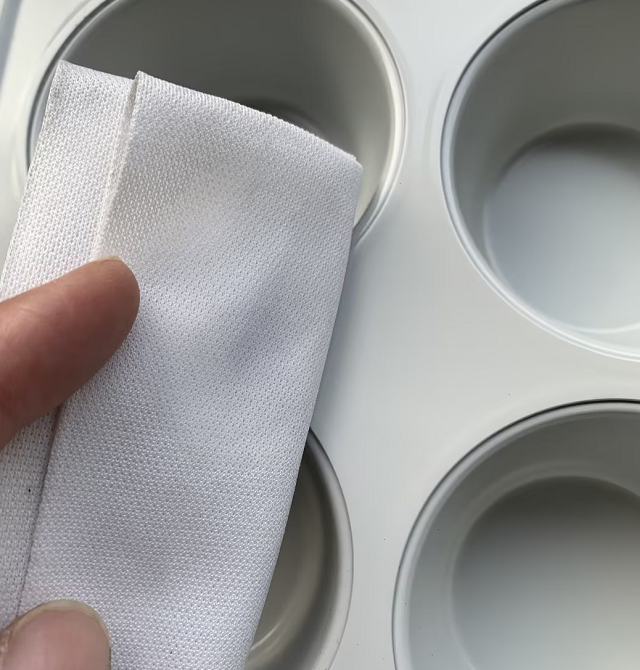
The quality technician takes a fresh piece of the standardized white lint-free cloth and saturates it with industrial-grade MEK chemical solvent until it is thoroughly wet but not dripping. The wet cloth is then wrapped tightly around the inspector’s thumb, a specialized manual testing block, or the contact tip of an automated testing arm to create a smooth, wrinkle-free contact point for the MEK rub test bakeware procedure.
Step 3: Executing the 30-Cycle Reciprocating Rub Sequence
The technician places the solvent-saturated contact point onto the selected testing zone of the bakeware. Applying a steady, vertical downward force of approximately 1kg, the technician rubs the surface back and forth along a linear path of about 20mm to 50mm. One full forward and backward motion counts as one cycle. This movement is repeated continuously for exactly 30 cycles at a steady pace of roughly one cycle per second, ensuring the localized non-stick film faces persistent chemical and mechanical stress throughout the MEK rub test bakeware cycle.
Step 4: Final Surface Evaporation and Inspection
Once the 30th cycle is completed, the rubbing action is halted immediately. The technician lifts the cloth away from the surface and allows any remaining MEK solvent on the baking pan to evaporate naturally into the laboratory exhaust system. The tested zone is not wiped or altered, preserving the exposed area for a precise visual evaluation under high-intensity lights.
Standardized Post-Test Evaluation: The “Zero Discoloration” Benchmark
The true measure of quality control lies in the final verification phase. The tested area and the white testing cloth are examined under high-intensity laboratory lights, often with a 5x or 10x optical magnifier, to evaluate the condition of the non-stick coating following the MEK rub test bakeware protocol.
Inspecting for Pigment Transfer and Topcoat Dissolution
The passing standard for the MEK rub test bakeware protocol is clear and absolute: The non-stick coating must show no discoloration on the pan surface and zero paint or pigment transfer onto the white cloth after the full 30-cycle run.
While the test path may show a slight variation in surface gloss due to the intense mechanical rubbing, the non-stick coating must remain completely intact, and its color must not change. The white lint-free cloth must remain perfectly clean and free of any color residues. If the aggressive MEK solvent dissolves even a microscopic layer of the topcoat, causing pigment to rub off onto the cloth, the baking pan completely fails the verification test. Any production batch showing trace color transfer is immediately flagged and removed from the shipping pipeline, ensuring only completely cured, chemically stable bakeware moves to final packaging.
Frequently Asked Questions (FAQs)
A:The procedure is closely aligned with international guidelines, such as ASTM D4752 and ISO 2812, which regulate solvent rub techniques for assessing polymer curing states. By matching these globally recognized parameters, our laboratory test reports provide precise quality documentation that aligns with the corporate verification preferences of European and American procurement managers.
A:Because Methyl Ethyl Ketone is an extremely aggressive chemical solvent, 30 cycles under a 1kg load are more than enough to identify an improper bake or faulty coating mix. If a coating is under-cured, it will fail within the first 5 to 10 rubs. Surviving 30 continuous cycles with zero color change proves that the coating has achieved excellent polymerization, ensuring long-term resistance to kitchen detergents.
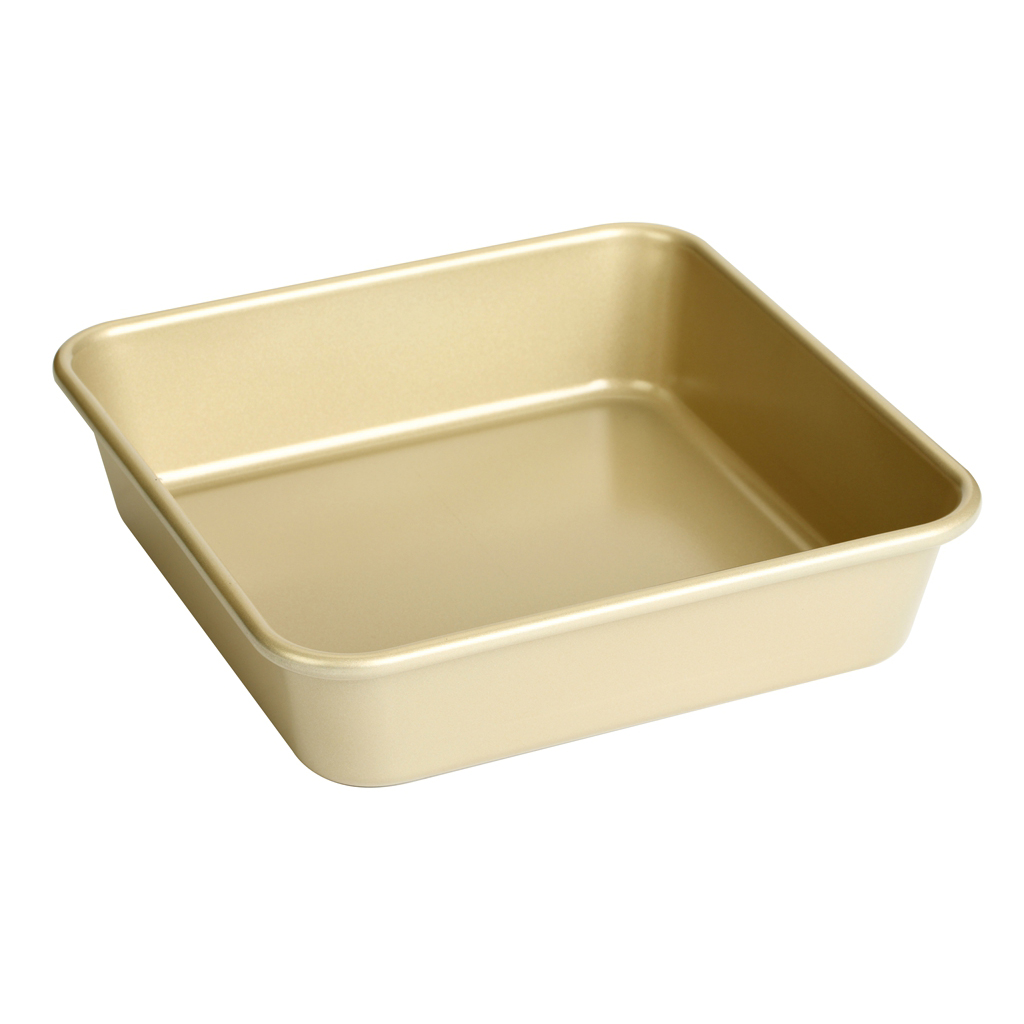
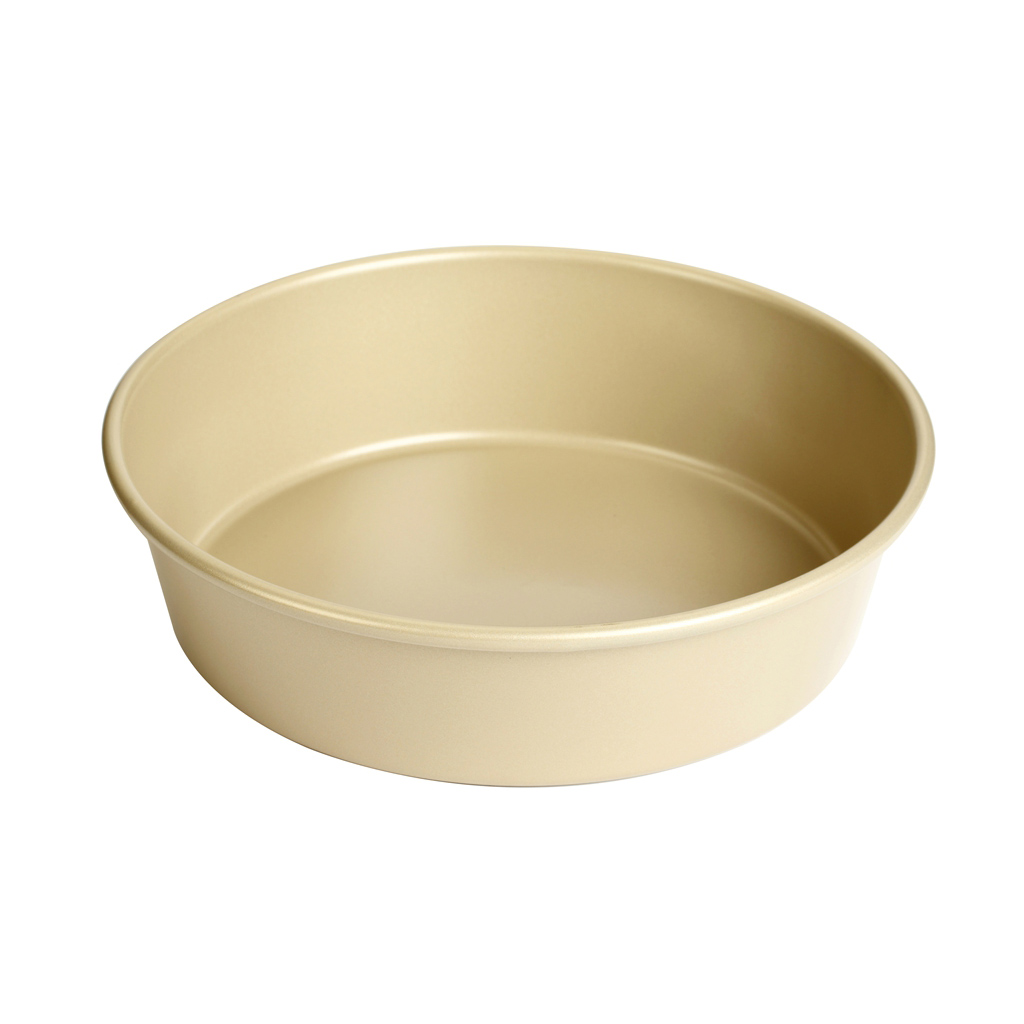
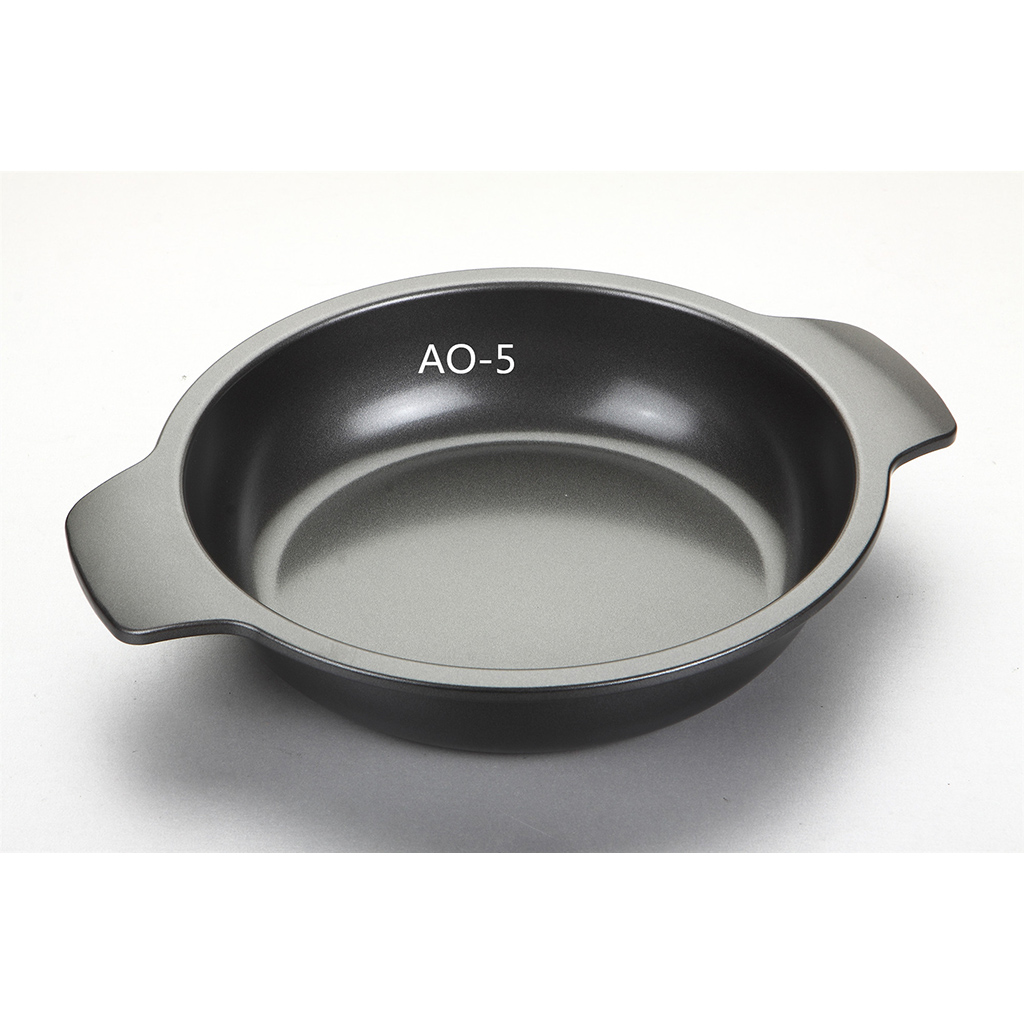
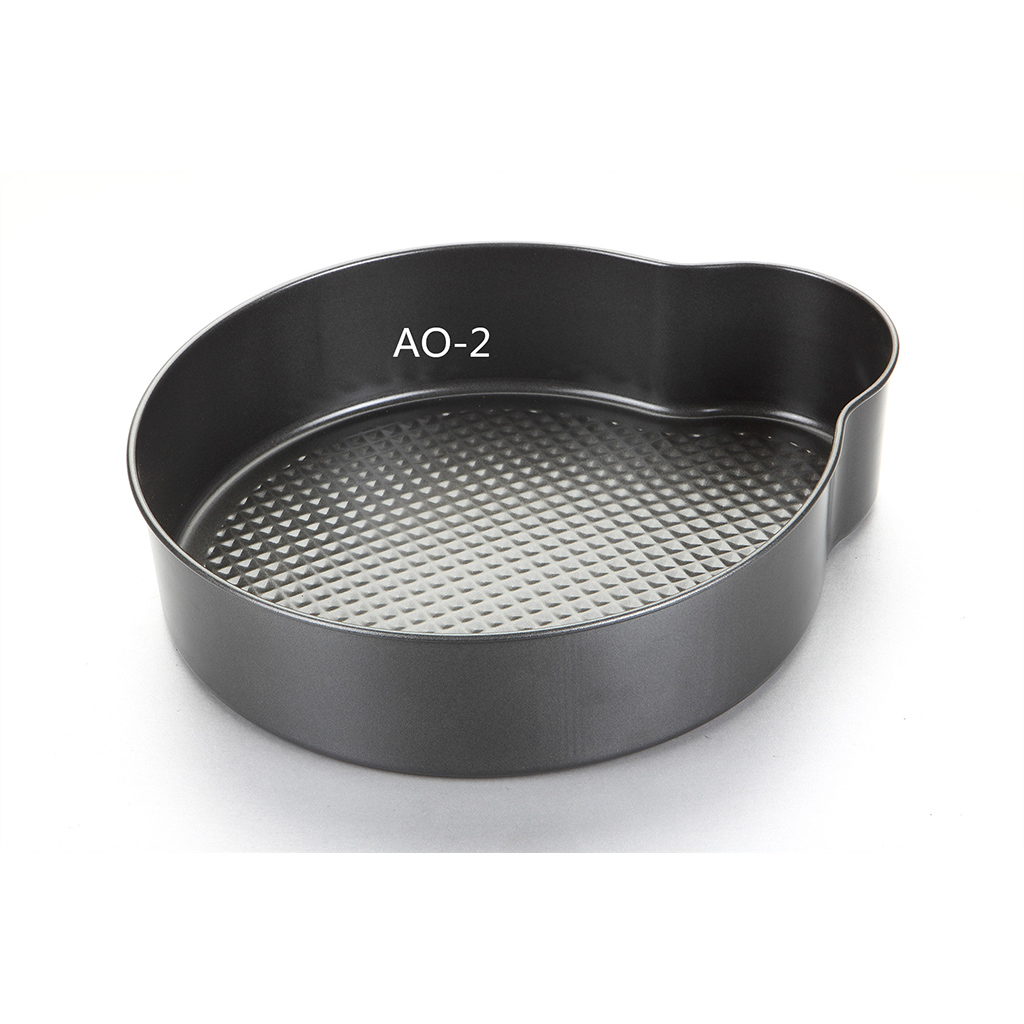
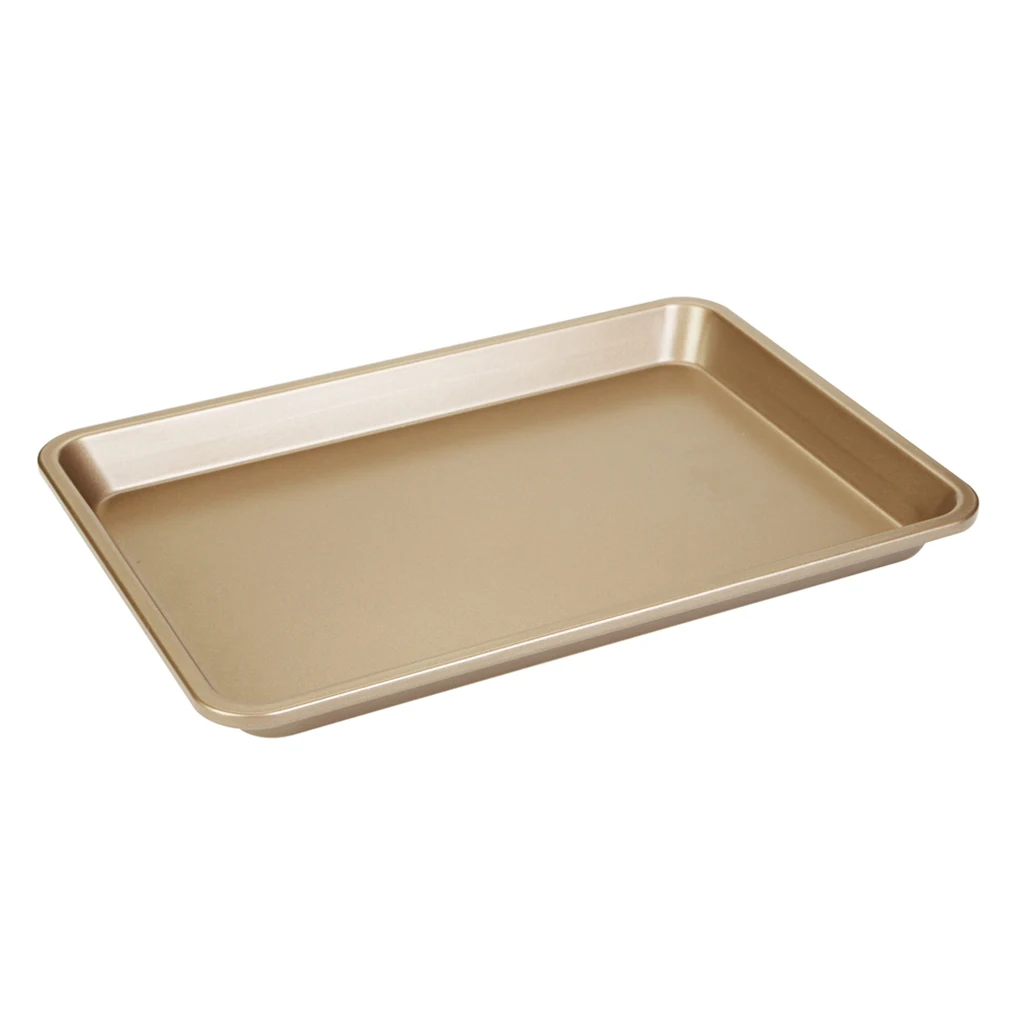
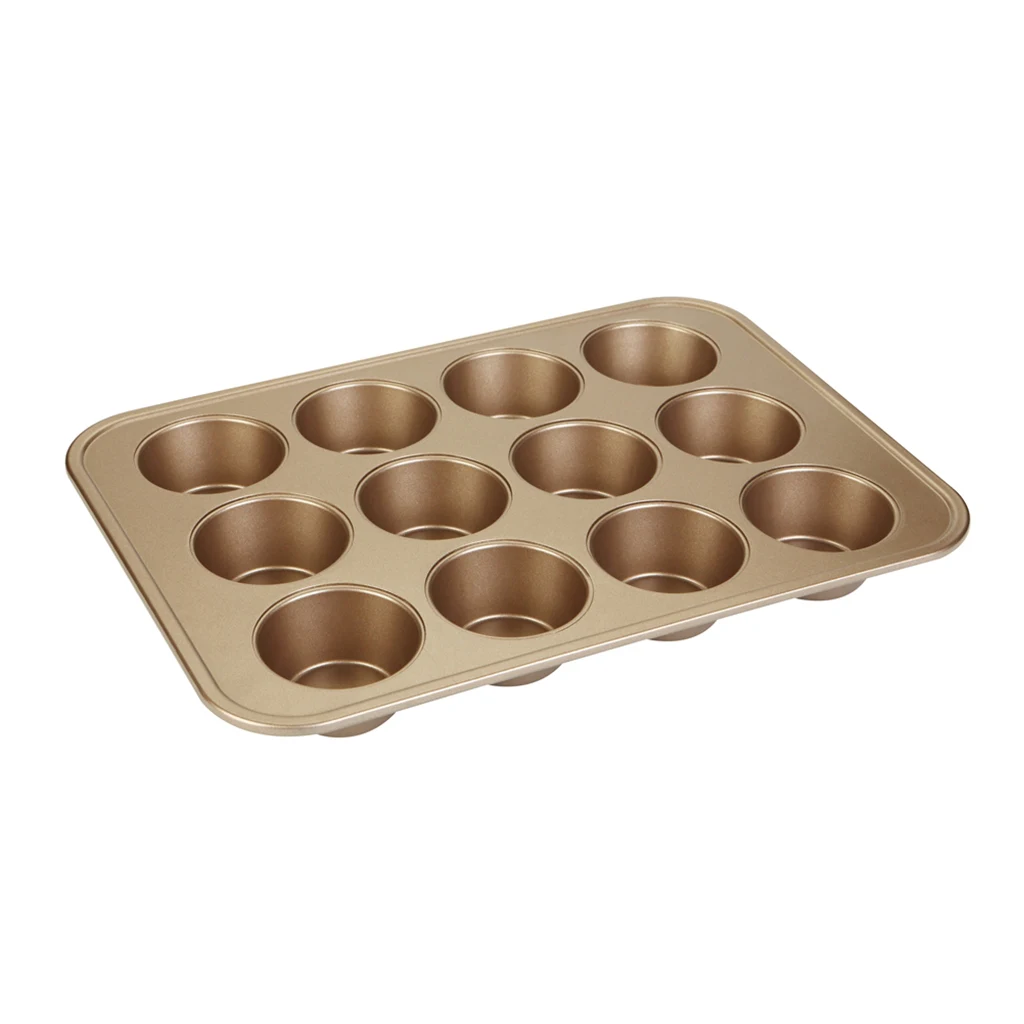
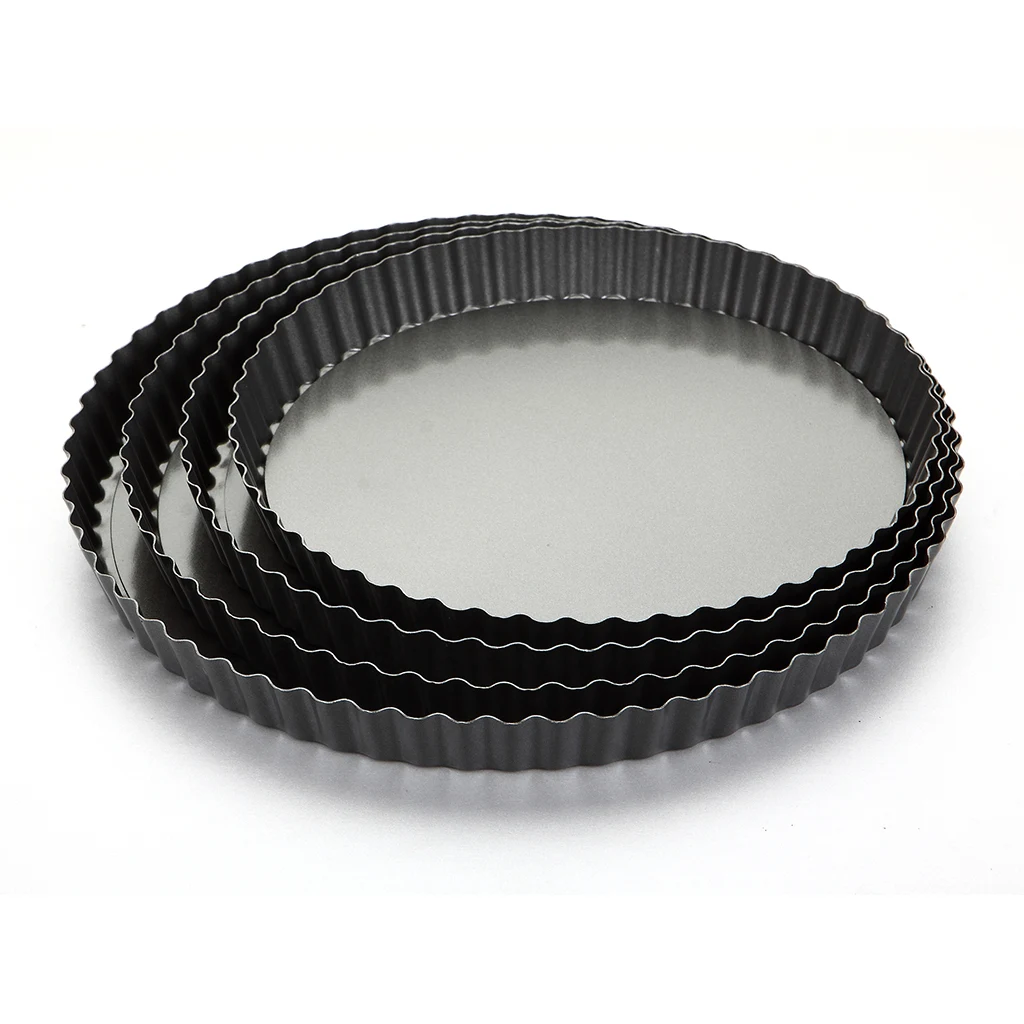
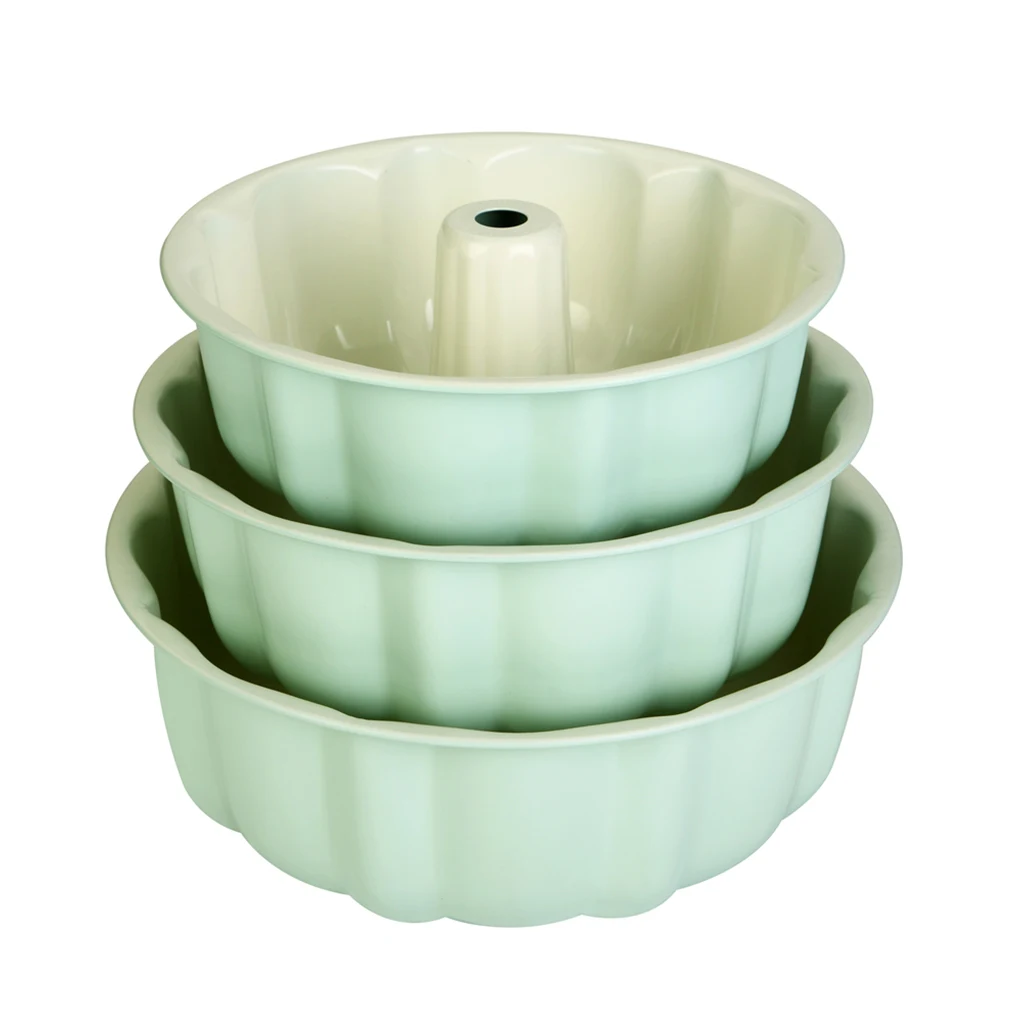
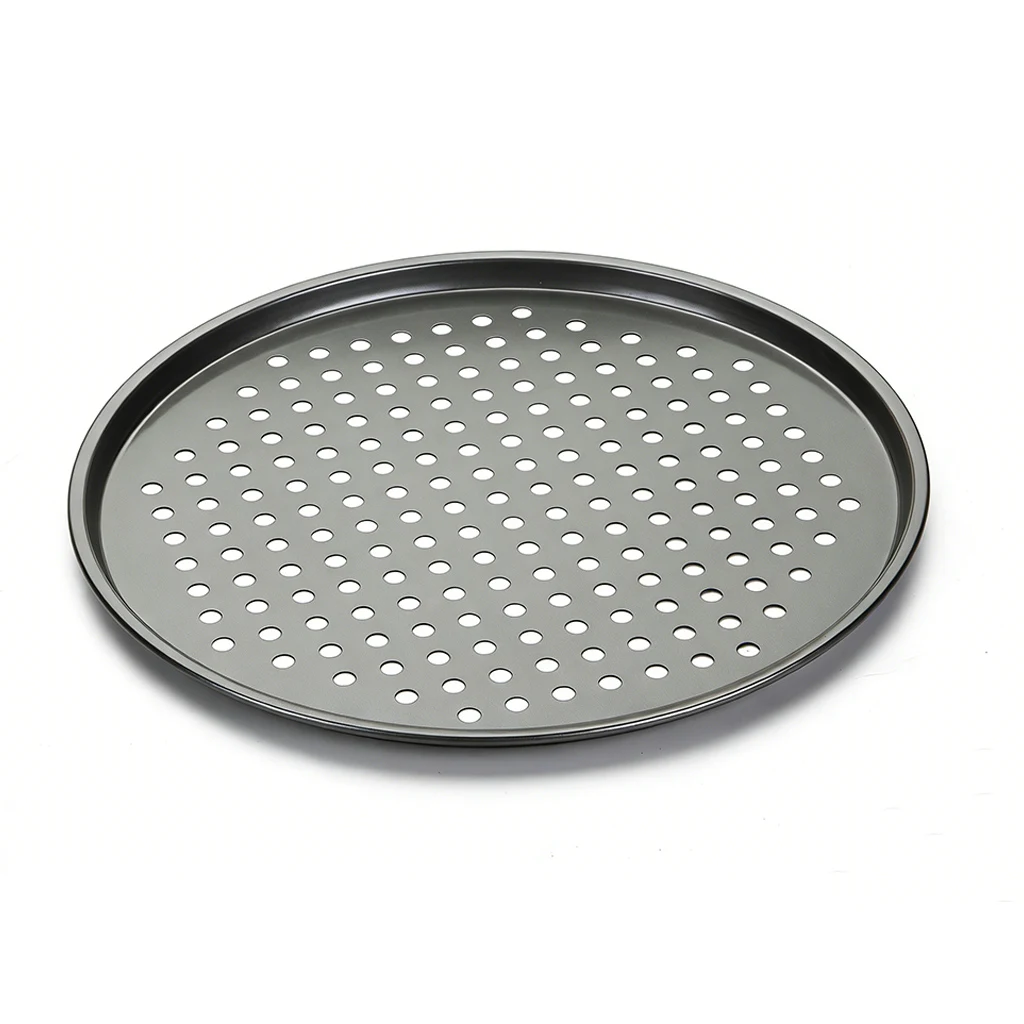
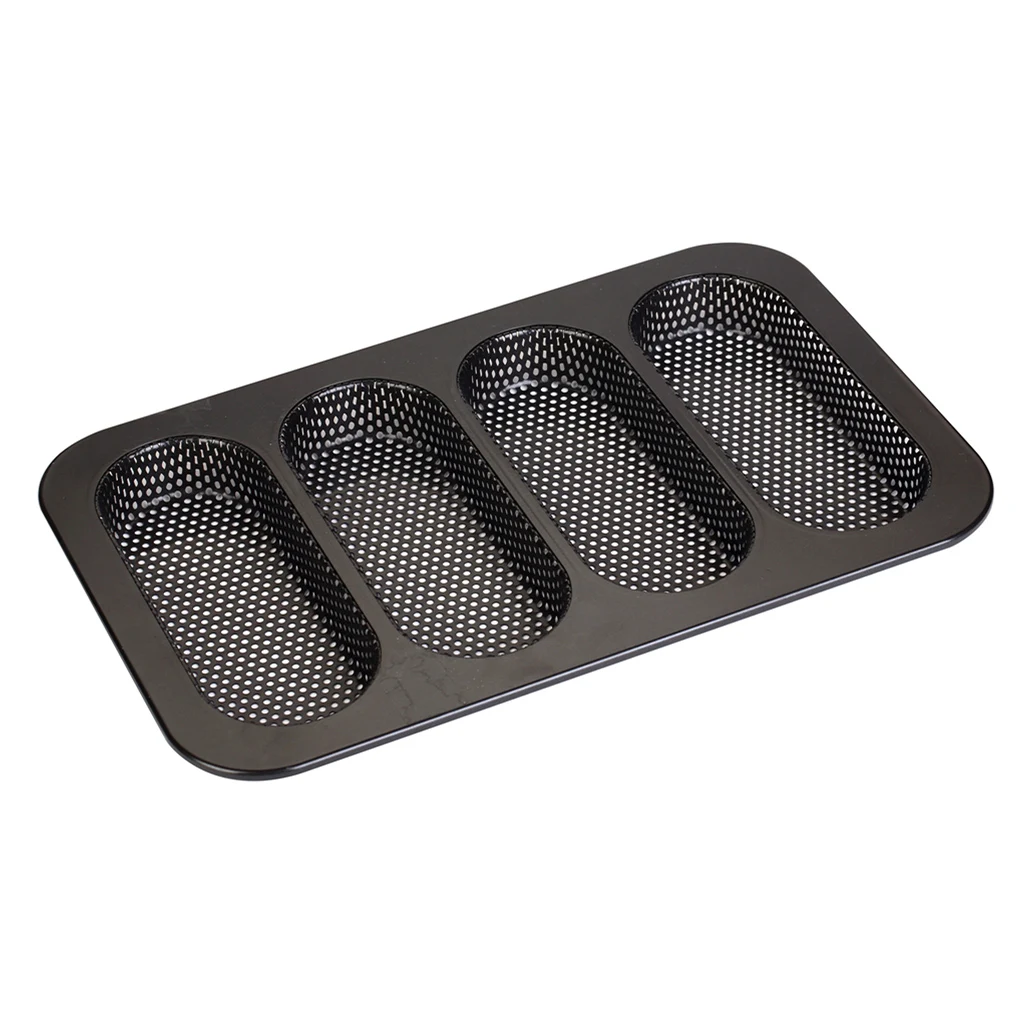
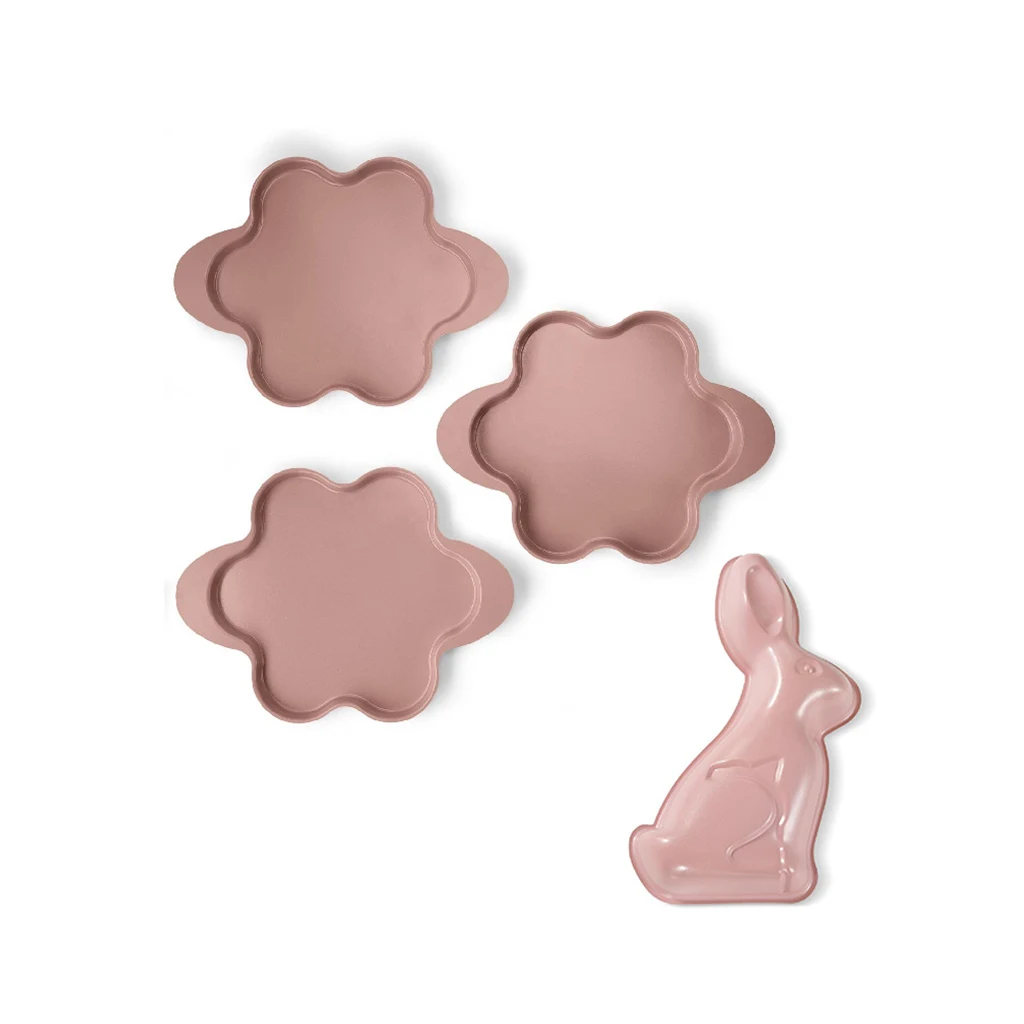
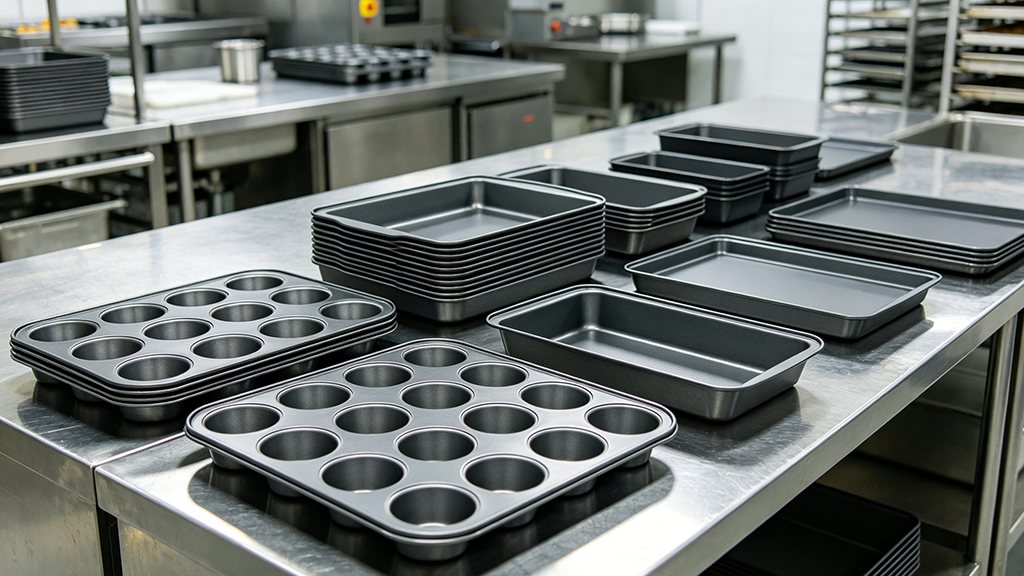
A:Yes. Our quality inspection division utilizes flexible testing configurations to evaluate flat baking sheets, curved muffin cups, fluted edges of tart pans, and deep loaf pan corners, ensuring uniform chemical cross-linking across every style of pan we manufacture.
Core Takeaways for Global Bakeware Importers and Sourcing Managers
Protect Your Supply Chain: Incomplete coating curing cannot be detected by visual inspection alone. Regular laboratory solvent testing prevents expensive product failures, chemical leaching concerns, and customer returns.
Source from Certified Facilities: Always partner with kitchenware manufacturers that run fully equipped, on-site quality assurance laboratories and maintain robust credentials, including ISO 9001, ISO 22000, and BSCI certifications.