How Bakeware Coatings Affect Baking Results
Most people think a baking tray is simply a piece of metal.
In reality, the coating applied to the tray can significantly influence baking performance.
More Than Just Non-Stick Performance
Many people associate bakeware coatings only with easy food release.
However, coatings also affect:
- heat transfer
- cleaning efficiency
- durability
- product appearance
The right coating can improve overall baking consistency.
Common Bakeware Coatings
Several coating technologies are commonly used.
PTFE Coatings
Advantages:
- excellent release performance
- easy cleaning
- proven commercial use
Widely used in commercial bakeries.
Silicone-Based Coatings
Advantages:
- good release characteristics
- high-temperature resistance
- long service life
Frequently used in industrial baking applications.
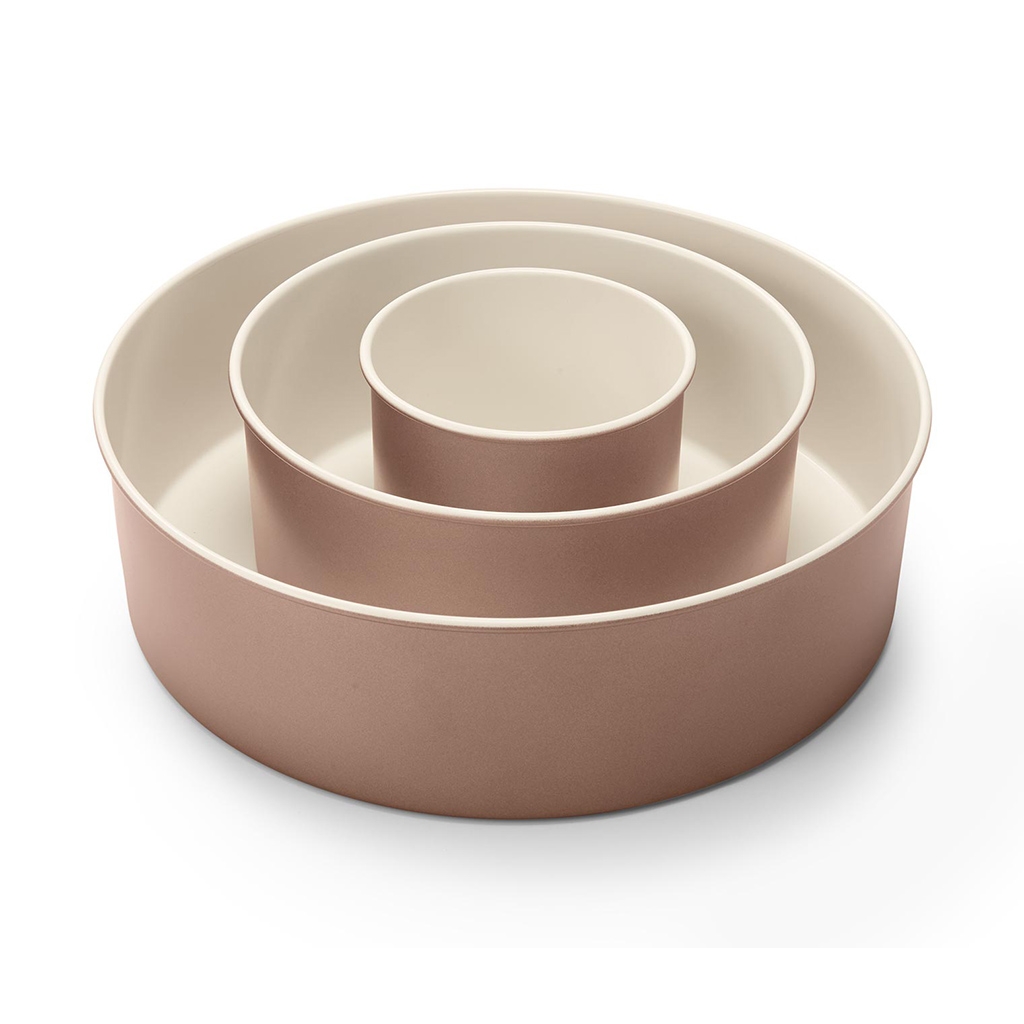
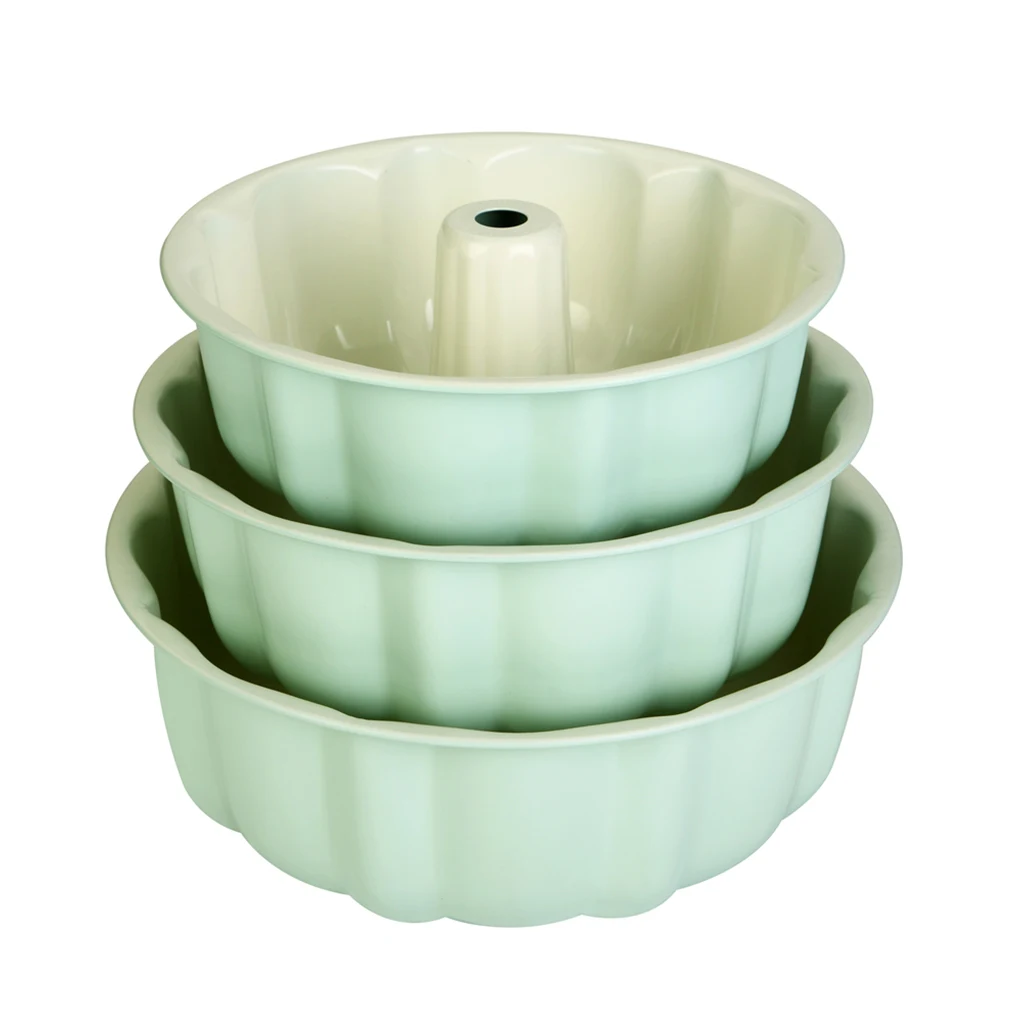
Ceramic Coatings
Advantages:
- smooth surface
- attractive appearance
- growing consumer popularity
Often found in premium consumer bakeware.
Why Coating Adhesion Matters
Even the best coating will fail if it does not properly adhere to the metal surface.
Professional manufacturers invest heavily in:
- surface preparation
- sandblasting
- cleaning processes
- quality inspection
These steps help ensure coating durability.
Extending Coating Life
To maximize coating performance:
- avoid metal utensils
- avoid abrasive cleaning tools
- follow recommended baking temperatures
Proper care can significantly extend bakeware lifespan.
Conclusion
Bakeware coatings do far more than prevent sticking.
They influence heat transfer, cleaning efficiency, durability, and overall baking performance.
Choosing the right coating is an important part of selecting high-quality bakeware.