aolijuemetal@aolijue.com
The AOLIJUE Family
AOLIJUE METAL
ODM/OEM

Do You Grease a Pie Pan? The Complete Guide for Perfect Crusts

Do You Grease a Pie Pan? The Complete Guide for Perfect Crusts

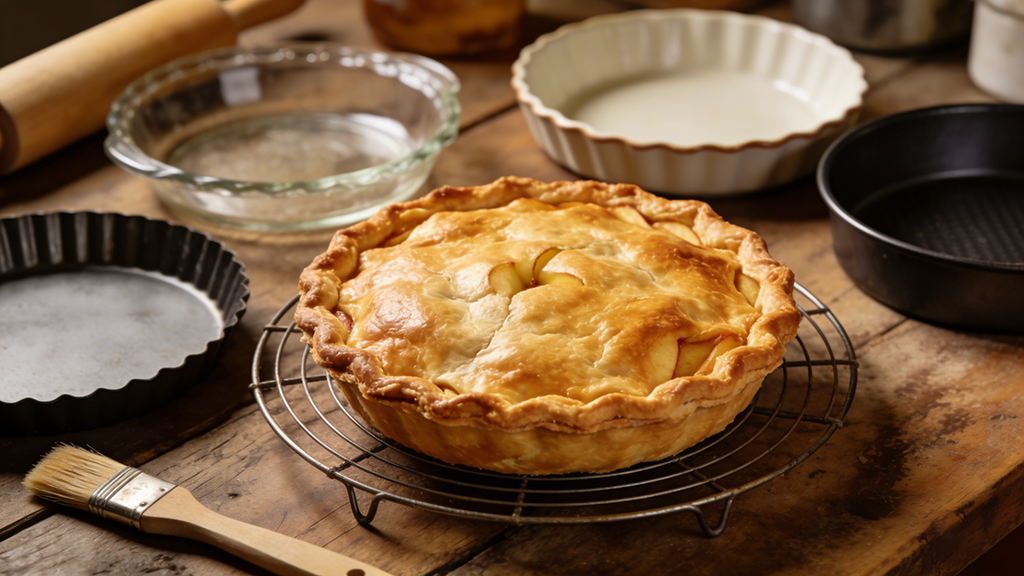
The question “Do you grease a pie pan?” is deceptively simple. For bakers everywhere, knowing whether to grease a pie pan is the difference between a perfect, golden slice and a frustrating, stuck-on mess. This comprehensive guide answers that critical question definitively. We’ll provide you with three clear, material-based rules so you’ll always know exactly when and how to grease a pie pan for flawless results every time.

Why Asking “Do You Grease a Pie Pan?” is So Important

Before we dive into the rules, let’s understand why the question “do you grease a pie pan?” even exists. Pie crust is a high-fat dough. When it bakes, its own butter or shortening melts, providing some natural non-stick properties. So, greasing a pie pan acts as a supplemental insurance policy. This policy’s necessity—the answer to “do you grease a pie pan?”—is entirely determined by your pan’s material and surface. Getting it right ensures a beautiful release, even browning, and a perfectly textured crust.

aolijue-do-you-grease-a-pie-pan

The Ultimate Pan-by-Pan Greasing Guide: Glass, Ceramic, and Metal

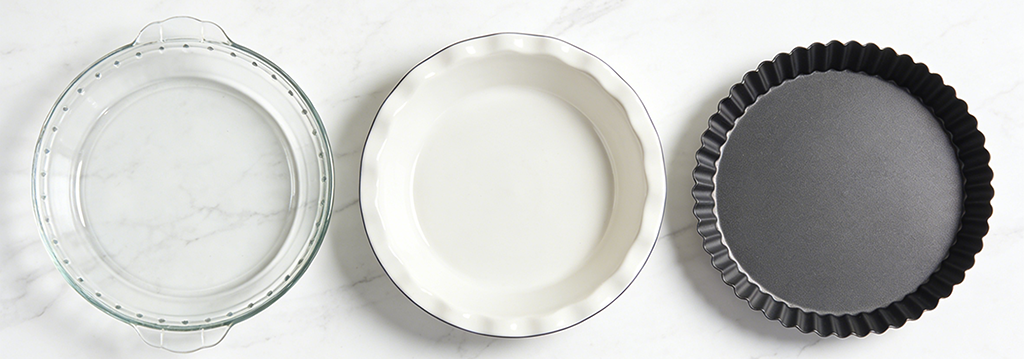
All pie pans fall into three fundamental material categories: glass, ceramic, and metal. Your pan’s category dictates the greasing rule. Let’s break down the science and best practices for each.

1. Glass Pie Pans

aolijue-do-you-grease-a-pie-pan1

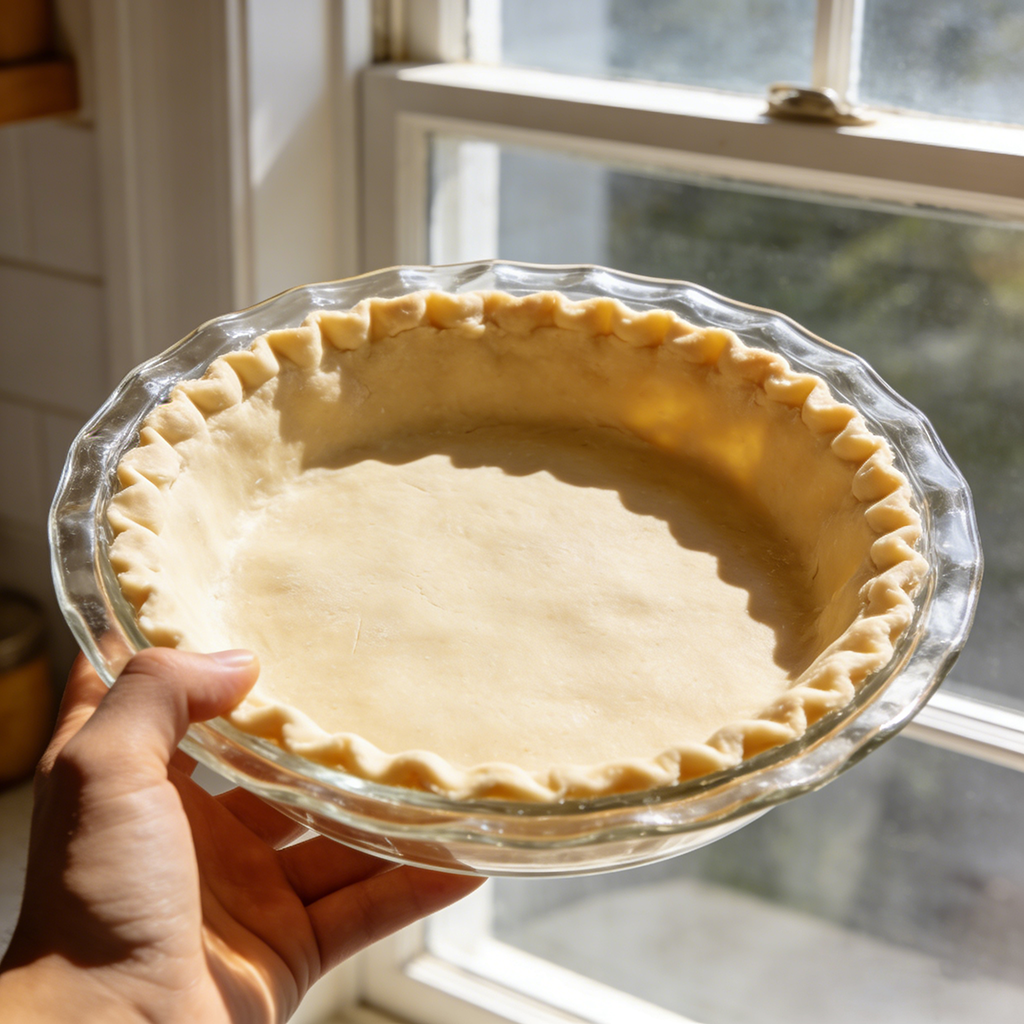
Verdict: Almost Always Grease

Glass is a non-porous material that conducts heat evenly and allows you to monitor browning through the sides and bottom. However, it gets very hot and can form a tight seal with baking dough. While the crust's own fat helps, a light greasing is non-negotiable for a guaranteed, clean release. It also ensures the bottom crust browns evenly instead of turning pale and soggy.
Pro Tip for Glass:
Because glass conducts heat so efficiently, it can lead to over-browning or a tough bottom crust. Many seasoned bakers recommend reducing your oven temperature by 25°F (about 15°C) when using glass pans. The grease acts as a slight buffer to this intense heat.

2. Ceramic or Stoneware Pie Dishes

aolijue-do-you-grease-a-pie-pan2

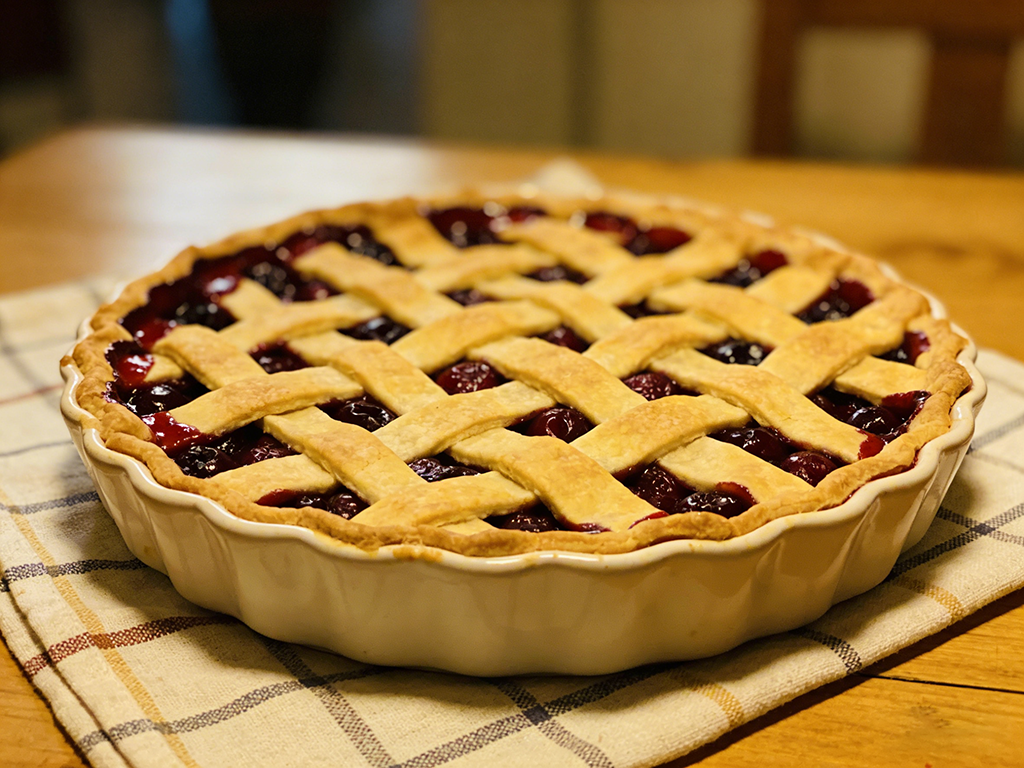
Verdict: Absolutely, Always Grease

These beautiful, often decorative dishes are prized for their heat retention and presentation. However, they are slightly porous and have a naturally "grippy" surface. Failing to grease is a recipe for disaster, as the crust will fuse to the pan. A thorough, even coating of fat is essential to seal the pores and ensure your beautiful pie releases in one piece.
3. Metal Pie Pans

This category requires more nuance, as it includes both traditional and modern pans.

A. Traditional Metal Pans (Aluminum, Tin, Steel)

Verdict: Highly Recommended. For traditional uncoated metal, the guidance on whether you grease a pie pan is a strong “yes.” These pans heat quickly for a crisp crust but have microscopic textures that can cause sticking. A light grease fills these gaps. The finish matters:

  • Dull/Matte Finish: Greasing is essential.
  • Shiny Finish: Greasing is still advised to aid browning and release.
  • Dark Metal: Greasing is crucial to buffer the aggressive heat absorption.
aolijue-do-you-grease-a-pie-pan4

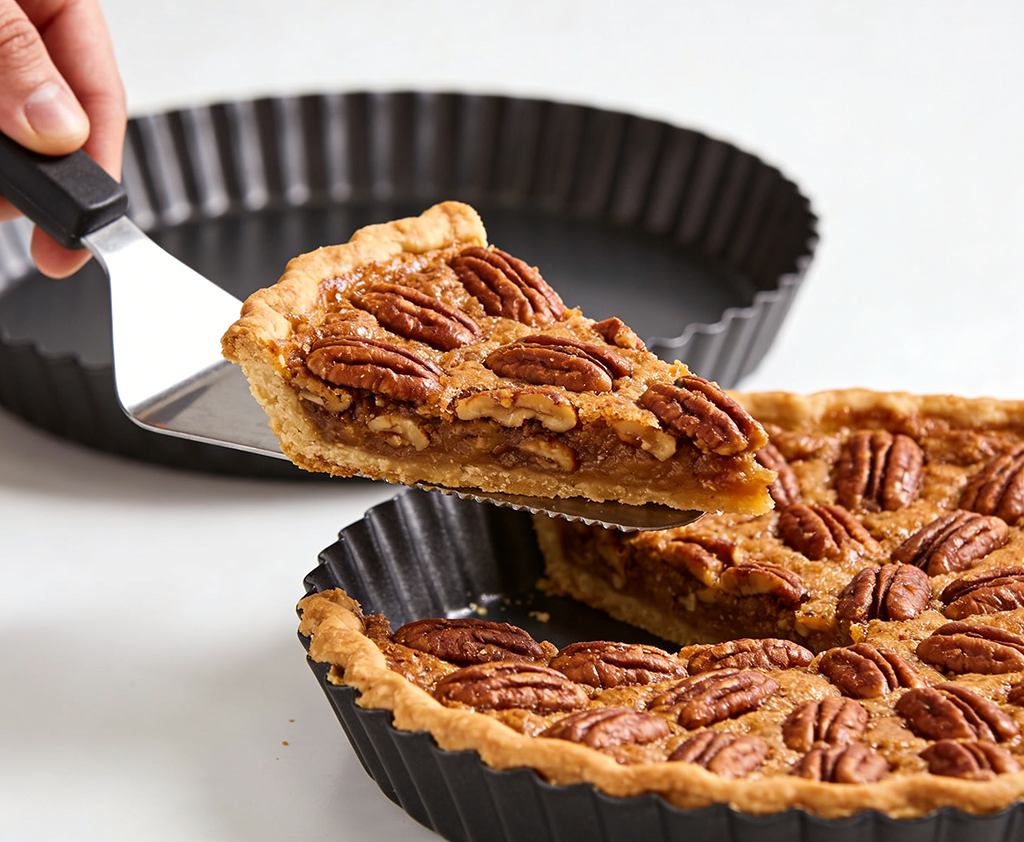
Verdict: Typically No Grease Needed

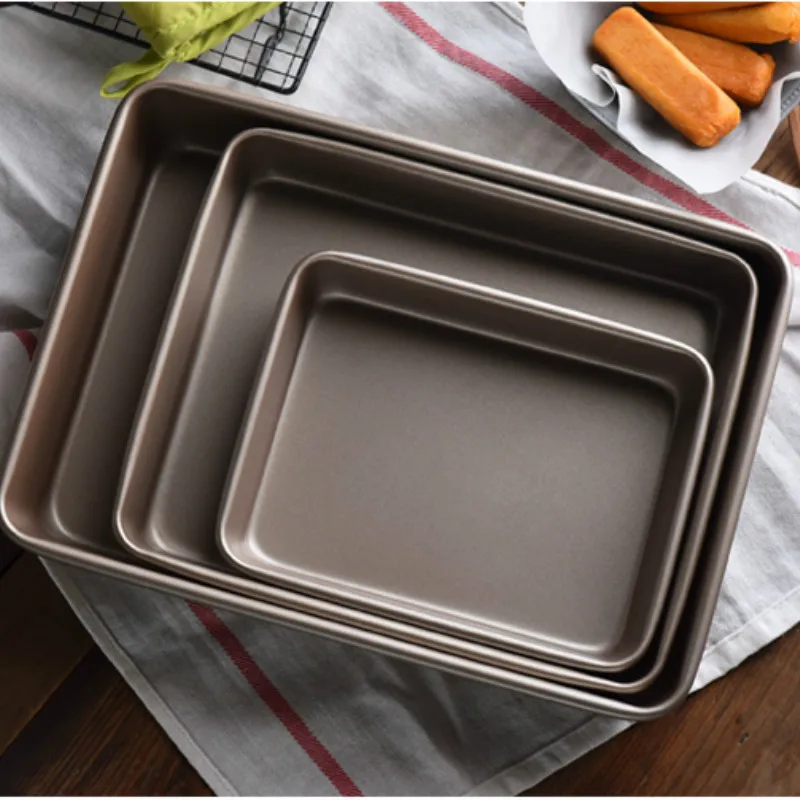
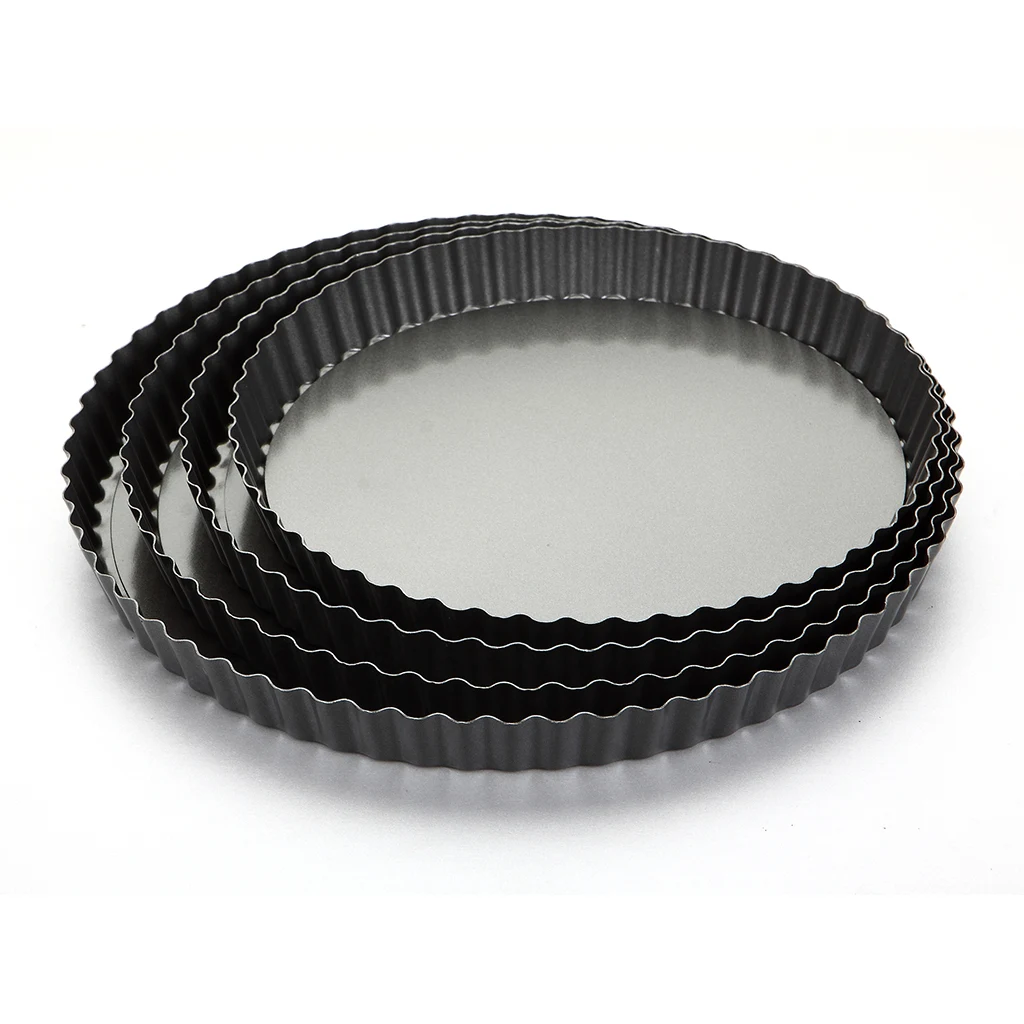
This subcategory represents the fusion of professional performance and modern convenience. Carbon steel is prized by bakers for its exceptional strength and supremely even heat distribution, which eliminates hot spots. When combined with a factory-fused, premium ceramic non-stick coating, it creates a powerhouse pan.
  • The Dual Benefit: The carbon steel core ensures perfectly even baking for a uniformly golden, crisp crust. The ceramic coating provides a smooth, inert, and naturally slick surface designed for ultimate food release.
  • Greasing Rule: For the vast majority of pies, do not grease. The combination of the crust’s inherent fat and the high-performance ceramic coating is more than sufficient. In fact, brands like Aolijue design their carbon steel bakeware with this precise, top-tier ceramic coating to offer a truly hassle-free experience where greasing is unnecessary.
  • When to Consider It: For pies with fillings extremely high in sugar (like pecan pie) that can caramelize and stick, a whisper-thin application of butter can make cleanup even easier, though it’s often not required for release.

The most common mistake with a high-quality ceramic-coated pan like those from AOLIJUE is over-greasing. Excess fat pools at the bottom and “fries” the crust, leading to a greasy, soggy result instead of a flaky one. Trust the advanced coating.

aolijue-do-you-grease-a-pie-pan3

Verdict: Almost Always Grease or Use Liners

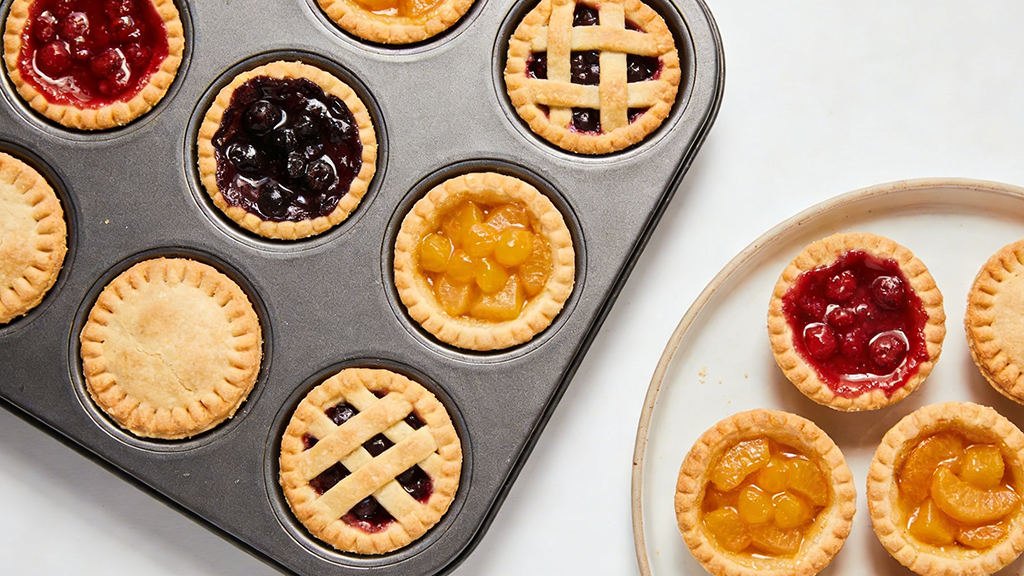
Mini pie bakeware operates by its own rules, regardless of material (glass, ceramic, or metal). The high surface-area-to-volume ratio means more crust is in direct contact with the pan, exponentially increasing the sticking risk. Intricate flutes and small sizes make release a delicate operation.
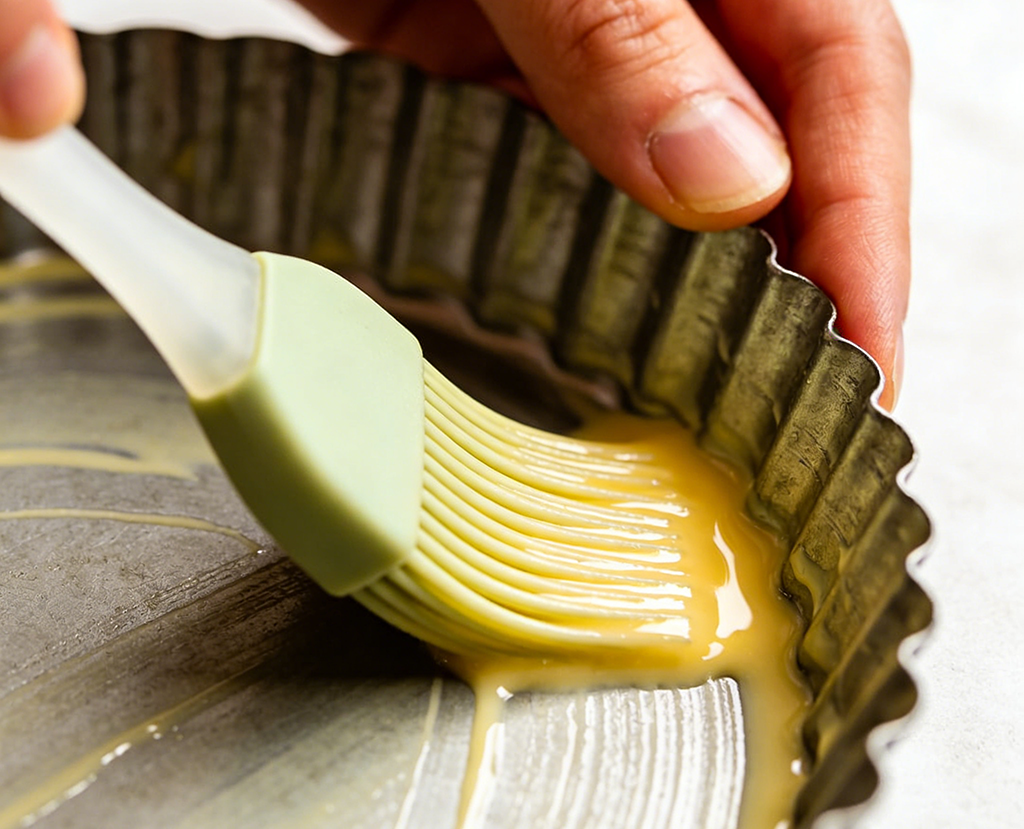
  • For Uncoated Mini Tins (Metal, Ceramic, Glass): Greasing (and likely flouring) is absolutely mandatory. Use a dedicated small brush to ensure every crevice is covered.
  • For Non-Stick or Ceramic-Coated Mini Pans: While the coating helps, the delicate nature of small pastries makes a very light grease application a wise and recommended precaution for 100% success.
  • The Ultimate Guarantee: For foolproof results, especially with sticky fillings, use mini parchment paper liners or silicone molds. This guarantees a perfect release every time.

The Professional’s Guide to Greasing: Technique Matters

If your pan requires grease, how you apply it is as important as the decision itself. Follow this method for flawless results.

  1. Choose Your Fat Wisely:
    • Unsalted Butter: The gold standard for flavor and browning. Use it melted and brushed on, or softened and spread with your fingers.
    • Vegetable Shortening: Flavorless and creates a very crisp crust. Excellent for fruit pies where you want the filling’s flavor to shine.
    • Neutral Oil: (e.g., canola, grapeseed). Effective but can sometimes lead to a slightly greasier feel. Avoid strong-flavored oils like olive oil for sweet pies.
  2. Apply with Precision: Use a pastry brush or a folded paper towel. Coat the entire interior surface: bottom, sides, and, crucially, the crease where the side meets the bottom. Every millimeter must be covered.
  3. The Flour Power-Up (Optional but Recommended): For the ultimate insurance, especially with juicy fruit pies, use the “grease and flour” method. After greasing, add a tablespoon of flour to the pan, tilt and shake to coat evenly, then invert and tap out the excess. This creates a secondary, dry barrier.
  4. Chill for Success: After placing your dough in the prepared pan, chill the entire assembly in the refrigerator for 20-30 minutes. This re-solidifies the fat barrier and relaxes the gluten, preventing shrinkage during baking.
aolijue-do-you-grease-a-pie-pan5

Frequently Asked Questions (FAQ)

Do you grease a pie pan for a store-bought crust?

Yes. The rule is determined by your pan’s material, not the dough’s origin. Always follow the material guide above.

Do you grease a pie pan for a graham cracker crust?

Yes, absolutely. These crusts have very little fat and are fragile. Greasing is essential for release.

My pie stuck to my non-stick pan! Why?

Possible reasons: a damaged coating, under-baked crust, cutting the pie while hot, or using abrasive cleaners. For high-end pans like AOLIJUE’s ceramic-coated carbon steel, avoid cooking sprays that can gum up the coating.

What’s the final word on whether to grease a pie pan?

The final answer to “do you grease a pie pan” depends on your pan. Grease glass and ceramic always. Grease traditional metal pans highly recommended. For premium ceramic-coated carbon steel pans, you can typically skip greasing for optimal results.

Core Takeaways: Mastering the “Do You Grease a Pie Pan?” Decision

  • Let the Material Guide You: The question “do you grease a pie pan?” is answered by your pan. Glass/Ceramic: Yes. Traditional Metal: Yes. Advanced Ceramic-Coated Carbon Steel (AOLIJUE): Usually No.
  • When in Doubt, Grease Lightly: If unsure, a thin layer of fat is safer than a stuck pie.
  • Technique is Crucial: An even, thin coating applied with a brush is best.
  • Patience is Key: Always let your pie cool completely before slicing to allow it to release naturally.

So, do you grease a pie pan? Now you have the expert, material-specific knowledge to answer that question with confidence for every pie you bake.

aolijue-do-you-grease-a-pie-pan6

🏭

Looking for
Aluminum Packaging?

You’re viewing our Kitchenware site. For specialized aluminum packaging, visit our dedicated packaging site.