Ever wondered what really happens inside your oven? Baking isn’t just mixing and waiting—it’s a spectacular scientific journey. From the moment ingredients first come together to the final crackle of a cooling loaf, there’s a hidden world of chemistry, physics, and transformation unfolding right inside your oven. Each minute matters. Each degree counts. And understanding what’s happening at every step is the key to unlocking your full potential as a baker.
Understanding the seven critical stages of baking is the secret that separates good bakers from great ones. Good bakers follow recipes. Great bakers understand why those recipes work. They can look at a dough and know if it’s ready. They can hear the crust crackle and know the loaf is done. They can troubleshoot on the fly, adjust for variables, and consistently produce bread that rivals the best bakeries in town.
This knowledge transforms you from a passive observer into a master conductor, in control of the chemistry that creates the perfect crumb, crust, and color. You’re no longer just hoping for a good result—you’re guiding it into existence. The fermentation, the oven spring, the caramelization, the final set—each stage becomes a note in a symphony that only you can direct.
As your partner in this craft, we believe the right bakeware is your essential tool to guide your creations flawlessly through each stage. Because knowledge alone isn’t enough—you need equipment that can execute. A pan that distributes heat evenly. A surface that releases cleanly. A tool that doesn’t fight you but works with you, stage by stage, from dough to delicious.
Stage 1: Formation & Expansion (Room Temp to 140°F/60°C)
As your oven preheats, the show starts early. Gases (from yeast, baking powder, or air) trapped within your dough or batter begin to expand. A quality pan with excellent heat conductivity, like our aluminized steel range, ensures this expansion starts evenly from the bottom up, setting the stage for a uniform rise. Think of it as the gentle, warm-up act before the main event.
Stage 2: Crust Formation & Oven Spring (140°F to 212°F/60°C to 100°C)
This is the magic moment of “oven spring”—the rapid, final rise. Surface moisture evaporates, and a thin, soft crust begins to form. Here, the material of your pan is crucial. A dark metal pan absorbs radiant heat aggressively, supercharging this stage for maximum volume and a crisp initial crust. Our non-stick coating ensures this rapid expansion happens without frustrating stickage, letting your breads and cakes climb freely.
Stage 3: Starches Gelatinize & Structure Sets (Starting at 150°F/65°C)
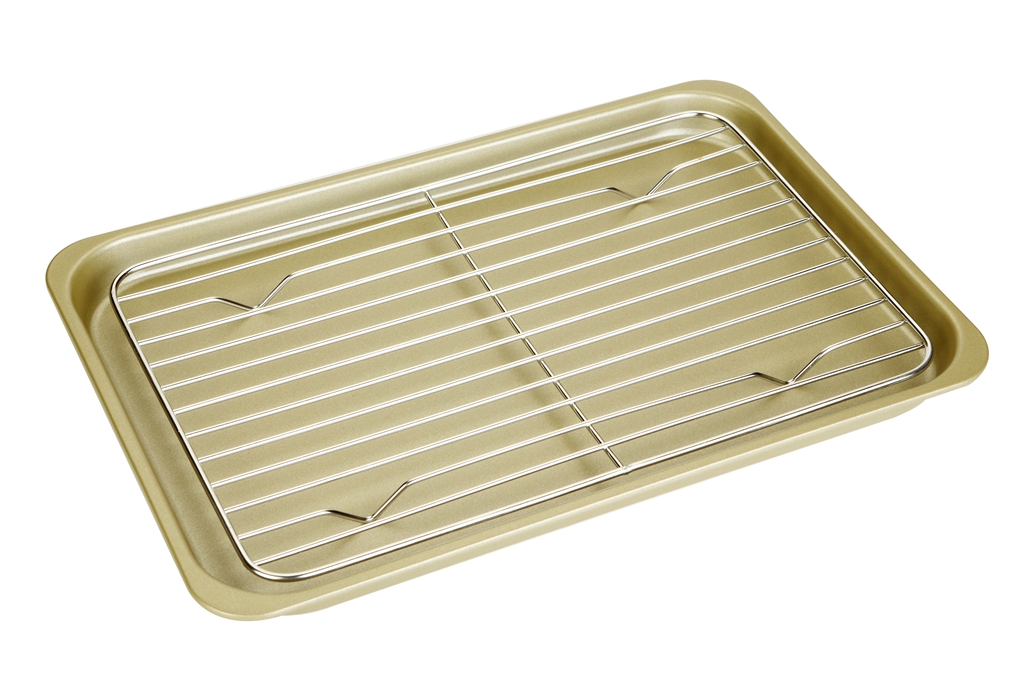
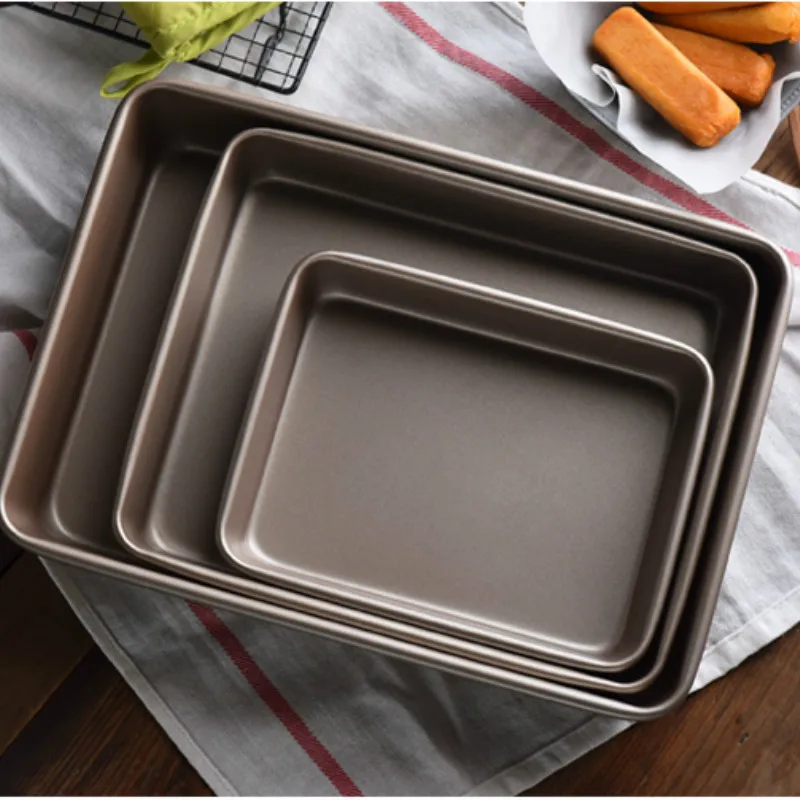
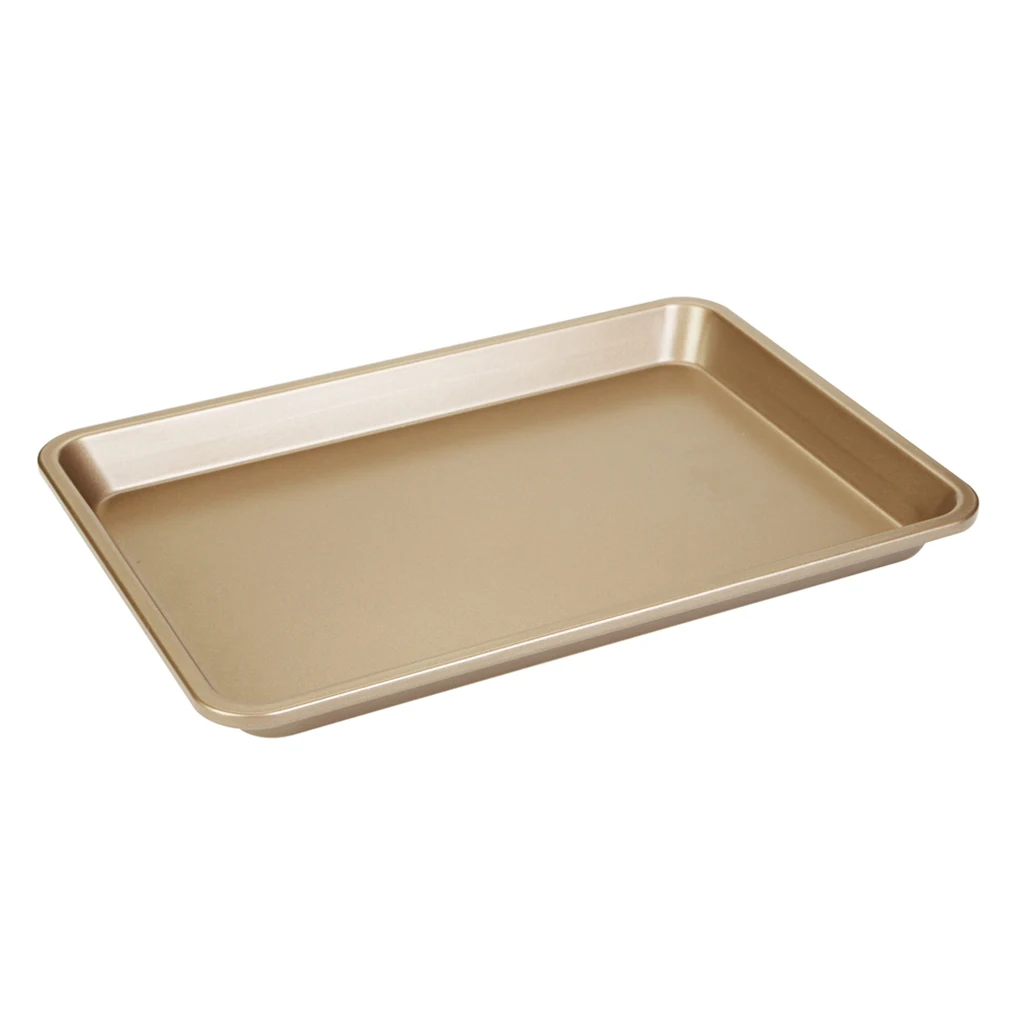
The raw, wet batter transforms into a solid structure. Starch granules soak up moisture, swell, and then gelatinize, creating the tender framework of your bake. Consistent oven heat is vital. A pan with a heavy-gauge, warp-resistant construction, like our commercial-grade sheet pans, eliminates hot spots, ensuring gelatinization happens uniformly. No more lopsided cakes or unevenly set brownies.
Stage 4: Proteins Coagulate (Starting at 165°F/74°C)
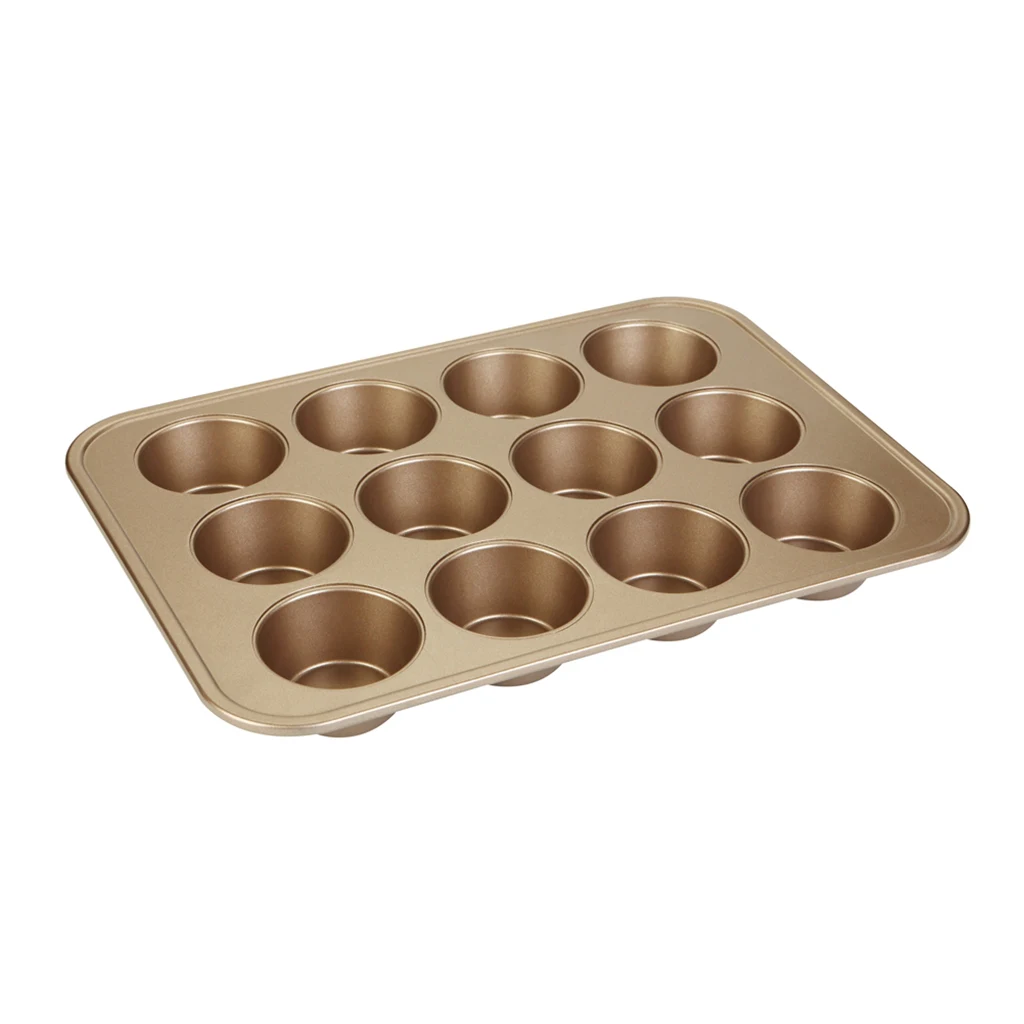
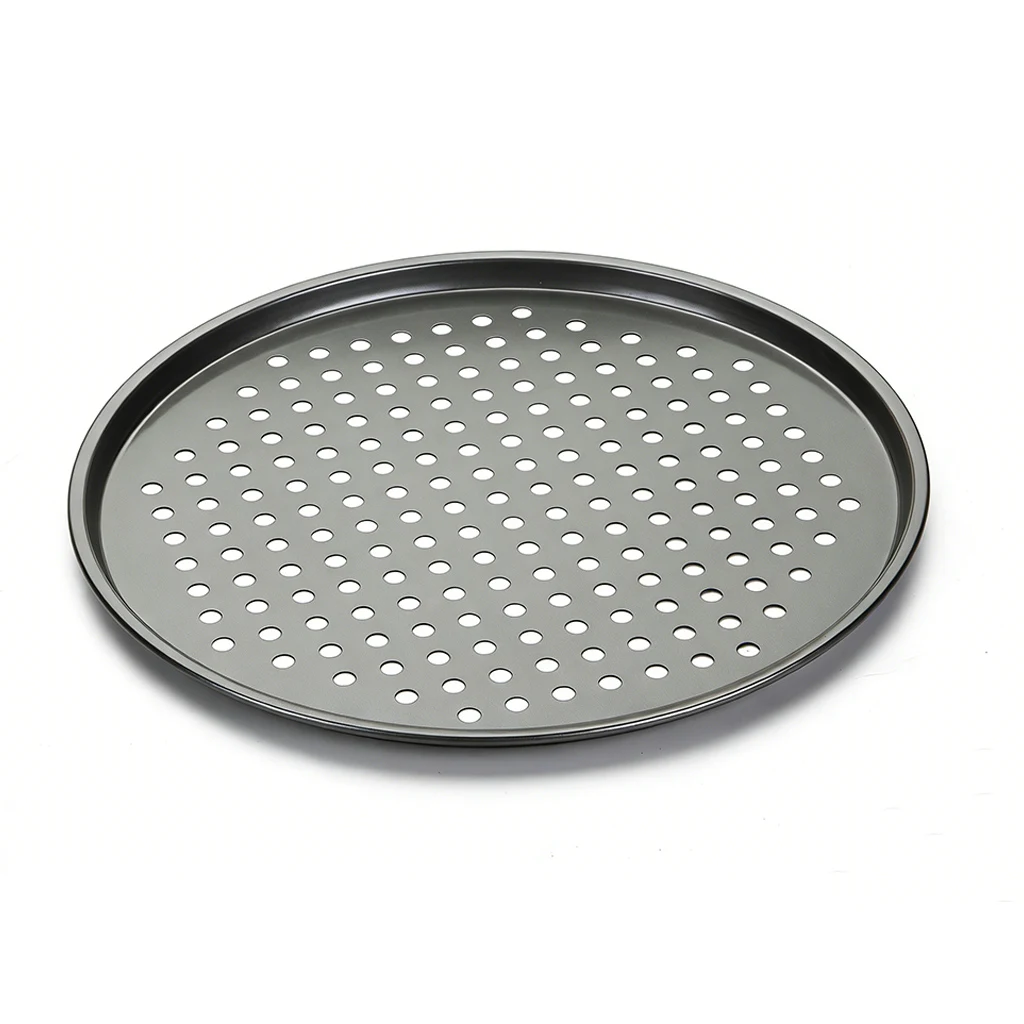
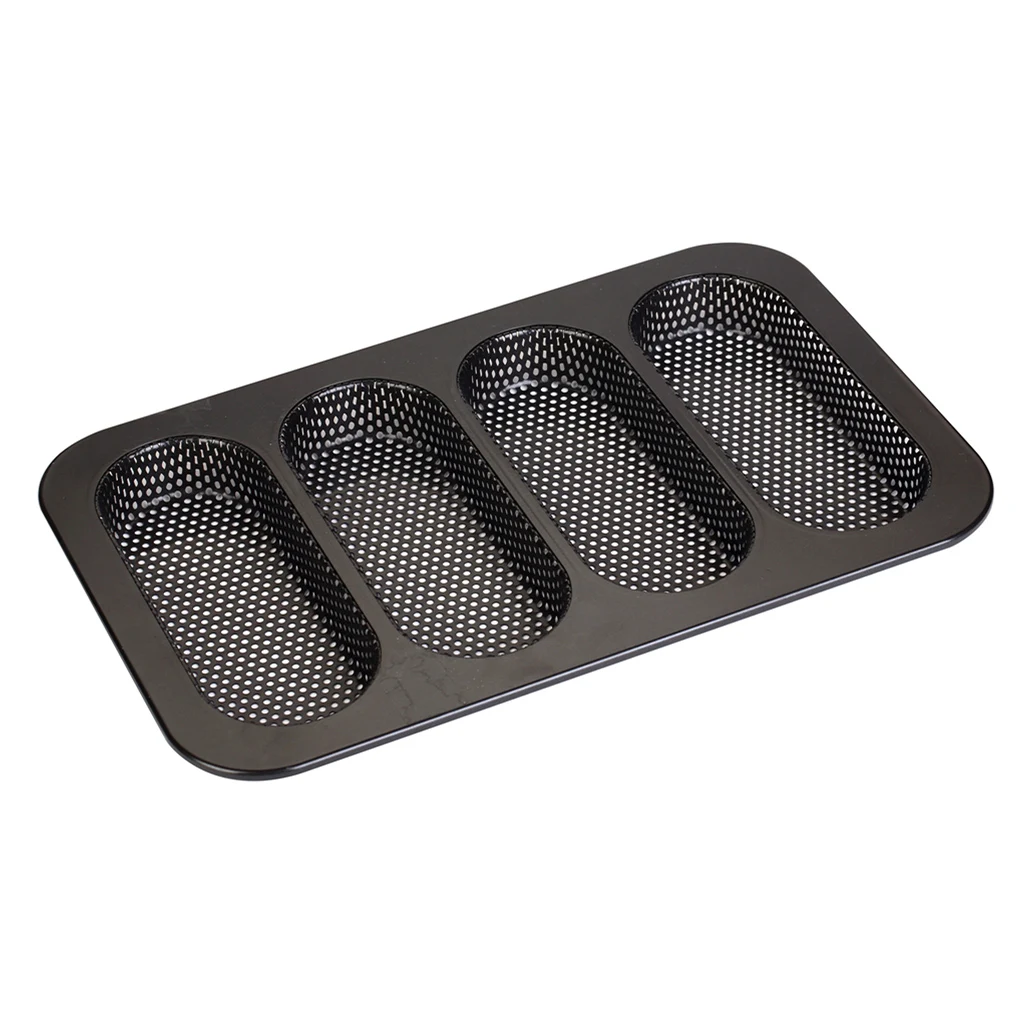
While starches set the stage, proteins (like gluten in flour and eggs) coagulate or solidify. This network provides strength and final structure. The interplay between a crispy crust and a soft interior is managed here. A pan that promotes all-around airflow and even browning —such as our perforated baguette trays or textured muffin pans—helps create the ideal environment for perfect protein set and texture.
Stage 5: The Maillard Reaction & Flavor Development (Starting around 300°F/150°C)
This is where flavor and color explode! The Maillard Reaction —a complex chemical dance between sugars and amino acids—produces hundreds of new flavor compounds and that beautiful golden-brown hue. To achieve this glory, you need direct, consistent heat. Our laser-etched, non-stick surfaces are engineered to transfer heat efficiently to the product’s surface, promoting deeper, more flavorful browning without burning.
Stage 6: Sugar Caramelization (Starting around 320°F/160°C)
For sweet, sugary treats, this stage adds another layer of complexity. Sugars break down, creating rich, nutty, and deeply sweet, caramelized flavors and an appealing dark color. Controlling this stage is key. A pan that distributes heat too harshly can scorch sugar. Our specialized light-colored, conduction-optimized pans for delicate pastries provide gentle, even heat to guide caramelization to perfection.
Stage 7: Moisture Loss & Final Crust Development (The Final Minutes)
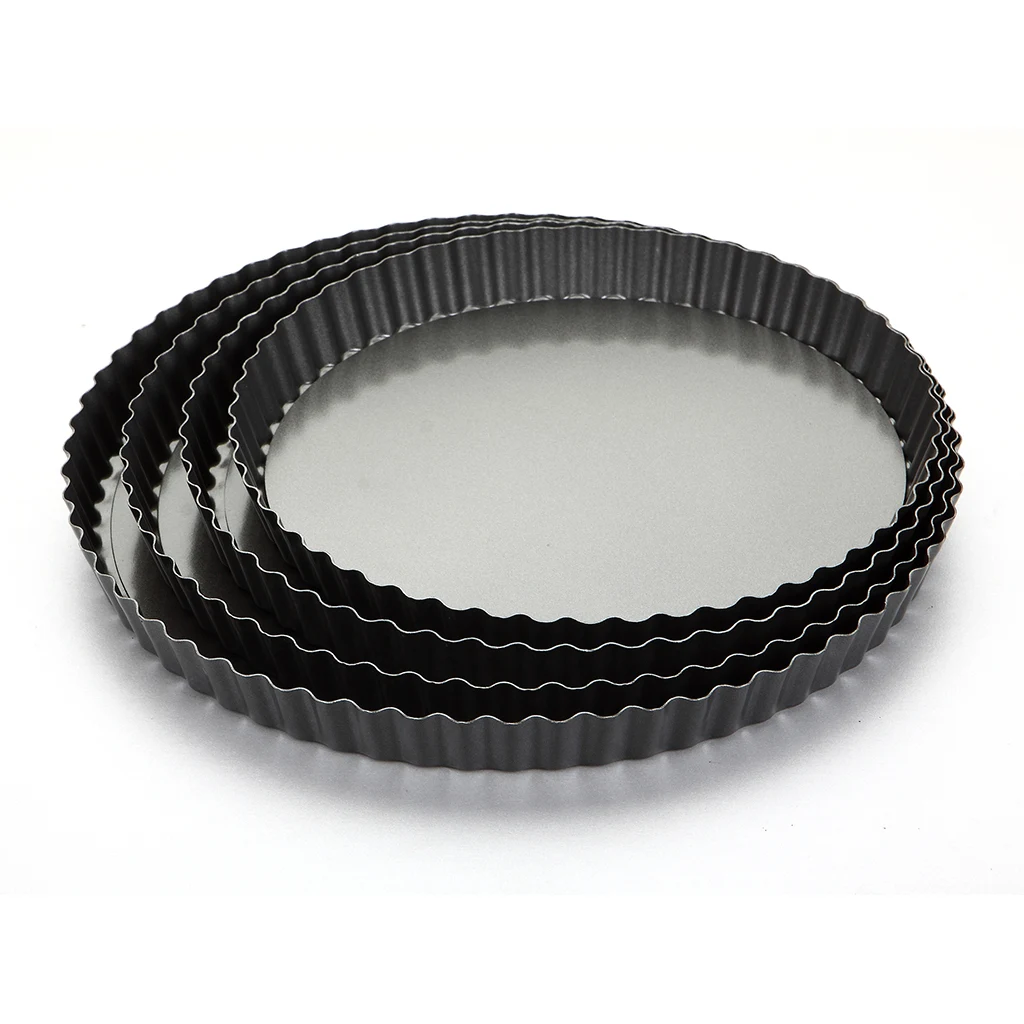
In the final stretch, internal moisture continues to evaporate outward, firming up the crumb and crisping the crust. The right plan works with you to manage this. A shiny aluminum pie tin can reflect a little heat to protect a delicate crust, while our pre-seasoned carbon steel roasting pans are designed to intensify heat for a shatteringly crisp finish on savories.
🧑🍳 The Baker's Stage-by-Stage Pan Guide
Baking Stage | Key Process | What Your Pan Needs to Do | Our Pan’s Role |
1. Formation | Gas Expansion | Conduct gentle, even base heat | Even-heat base for uniform start |
2. Oven Spring | Rapid Rise | Transfer intense heat quickly | Dark metal for max spring & no stick |
3/4. Structure Set | Gelatinization & Coagulation | Provide consistent, warpless heat | Heavy-gauge build for no hot spots |
5. Maillard | Browning & Flavor | Promote efficient surface heating | Textured surface for perfect browning |
6. Caramelization | Sugar Breakdown | Offer gentle, even control | Light-colored options for precision |
7. Final Crisp | Moisture Evaporation | Adapt to desired crust outcome | Material-specific designs for finish |
The Final Proof: You're the Conductor
Mastering these seven stages gives you the power to troubleshoot, innovate, and bake with confidence. When you understand what’s happening at each step—from the first mix to the final cooling—you stop following recipes blindly and start baking with intention. You’ll know why your dough didn’t rise, when to adjust the temperature, and how to coax the best possible crust out of your oven.
Remember, your pan is more than a container—it’s the primary interface between the oven’s heat and your creation. It’s the tool that ensures the delicate chemistry of each stage unfolds as intended. A flimsy, poorly designed pan can sabotage even the most carefully crafted dough. But the right pan? It becomes an extension of your hands, quietly working alongside you to deliver consistent, bakery-quality results.
Investing in purpose-engineered bakeware isn’t just about durability; it’s about granting yourself precision and repeatability. From the explosive oven spring in Stage 2—when your loaf dramatically surges upward in those first critical minutes—to the flavorful browning of Stage 5, where caramelization turns your crust golden and aromatic, the right pan is your silent partner in culinary science. It carries the heat evenly. It releases your bread cleanly. It does its job so you can focus on yours.
If you’re ready to elevate your baking with tools designed to perform at every stage, [click here to explore our collection of professional-grade bakeware] —and see what a difference the right pan can make.