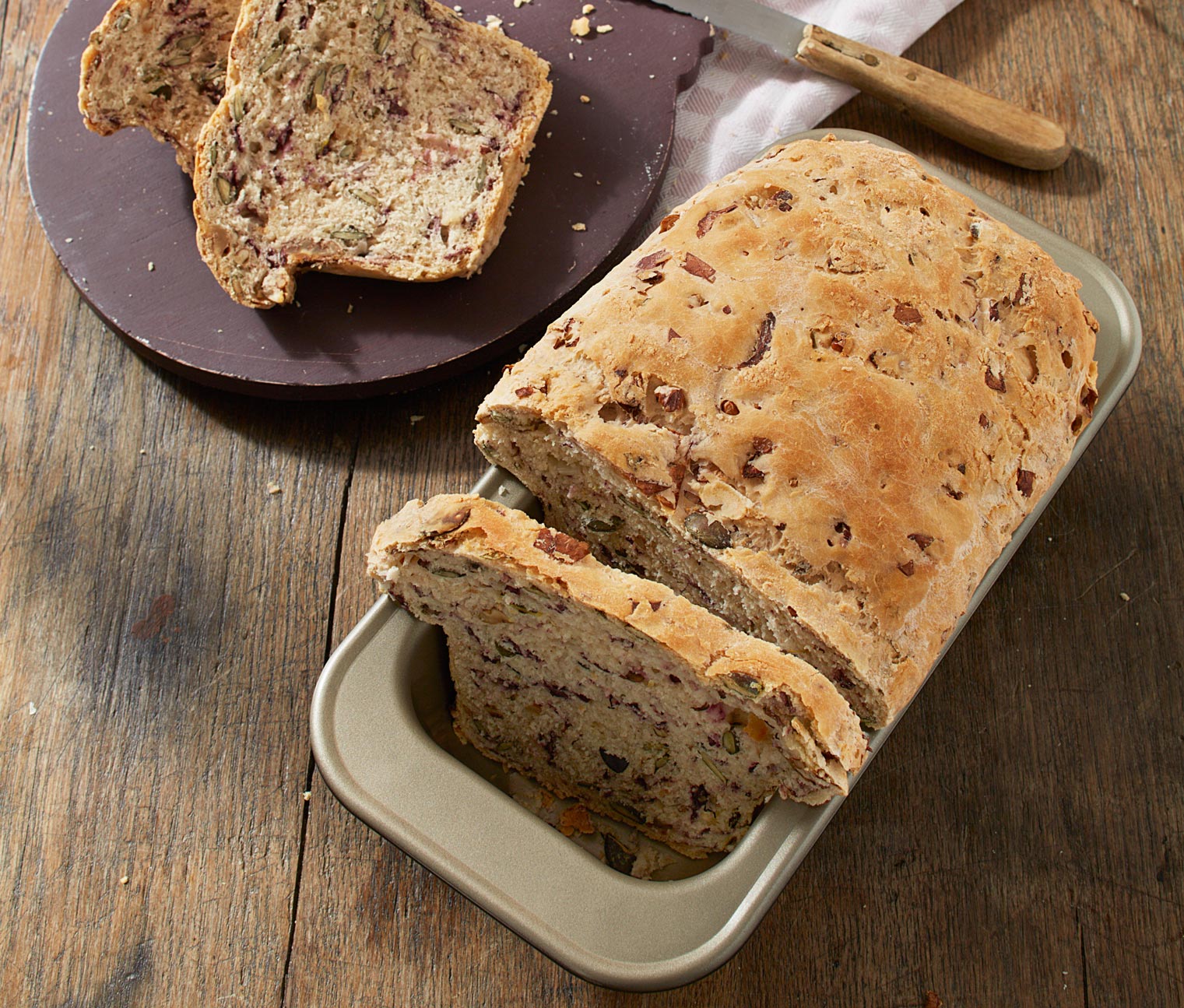
Sie ziehen ein wunderschönes Brot aus dem Ofen. Es ist goldfarben. Es duftet. Es ist genau das, was Sie sich gewünscht haben – das Gefühl, dass sich der ganze Aufwand des Backens voll und ganz gelohnt hat.
Was jetzt?
Die Form ist heiß. Das Brot sieht genau so aus, wie es sein soll. Die Küche riecht fantastisch, und Sie können sich bereits den ersten Schnitt mit Butter vorstellen. Vielleicht denken Sie: Ich lasse es einfach hier abkühlen. Kein Grund, alles unnötig zu komplizieren. Da es bereits aus dem Ofen ist, ist der schwierigste Teil des Backens doch geschafft, oder?
Tu das nicht.
Gerade dieser Moment – jener, in dem Sie versucht sind, das Brot in der Form stehen zu lassen – ist es, in dem selbst gutes Backwerk schiefgehen kann. Was danach passiert, ist genauso wichtig wie die Zeit, die Sie damit verbracht haben, den Teig zu mischen, zu formen und den Ofen zu beobachten. Denn wie Sie die ersten Minuten nach dem Backen handhaben, entscheidet darüber, ob Ihr Brot knusprig, luftig und großartig bleibt – oder weich, matschig und enttäuschend wird.
Die kurze Antwort
Nein. Nehmen Sie das Brot heraus.
Every time.
Why It Matters
Here’s what happens when bread sits in a hot pan after baking—and why those few minutes of impatience can undo so much of your hard work.
Trapped steam. Your bread is full of moisture when it comes out of the oven. That’s a good thing—it’s what gives you that tender, airy crumb. But that moisture needs somewhere to go. If the loaf stays in the pan, steam can’t escape from the bottom. It gets trapped between the bread and the metal, with nowhere to vent. Instead of rising up and out into the kitchen, it pools beneath your beautiful loaf, working against everything you just achieved.
Soggy bottom. That trapped steam softens the crust. And not in a good way. The bottom of your loaf goes from crisp to chewy. From golden and crackling to damp and disappointing. From bakery-quality to something that feels like it’s been sitting under a heat lamp for hours. All the work you did getting that perfect crust—the scoring, the steam injection, the careful baking time—undone in minutes. The top might still look gorgeous, but flip that loaf over and you’ll see the truth: a pale, soft underside that lacks the satisfying crunch of a properly finished baguette or artisan loaf.
Overcooking. The pan stays hot for a while after baking. It’s designed to retain heat, which is great during the baking process—but not so great afterward. Leave bread in contact with that residual heat and the bottom keeps cooking. Not enough to burn—usually. But enough to dry out or toughen the crust beyond what you intended. Instead of a crisp, shattering texture, you end up with a bottom that feels hard, thick, or just… off. The balance of the loaf is thrown. And what should have been a triumph turns into a small, nagging disappointment.
The fix is simple. It takes ten seconds. But understanding what happens when you skip that step makes all the difference in your baking routine—and your results.
What About Baguette Pans?
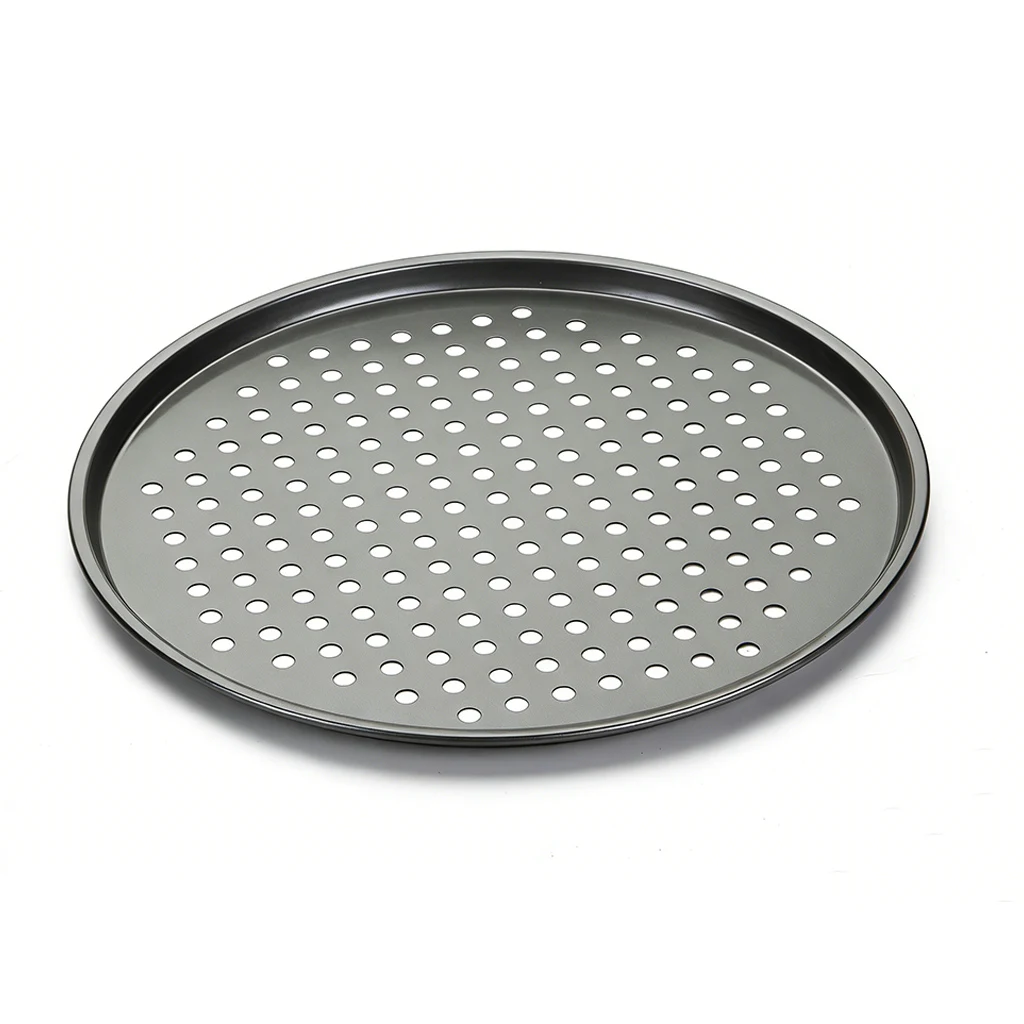
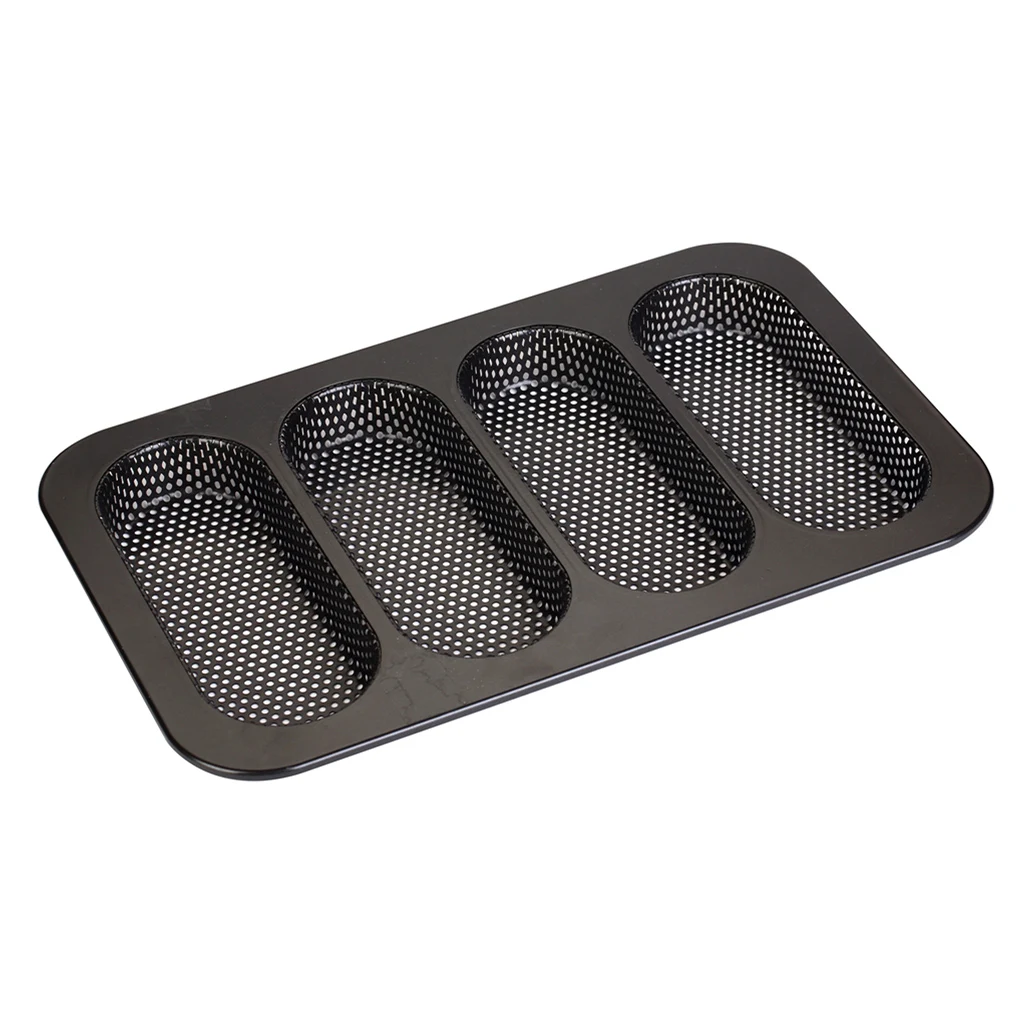
If you’re using a perforated baguette pan—the kind with holes designed specifically for artisan baking—the situation improves slightly. Air can circulate underneath during baking, which helps develop that all-around crisp crust you’re after. Steam escapes better, moisture doesn’t pool as easily, and the bottom of your loaf gets the same direct heat as the top. It’s one of the reasons perforated pans are such a game-changer for home bakers.
But even then? Take the bread out.
Those holes serve a vital purpose during the baking process. They let hot air reach every surface of the dough, ensuring even browning and that signature crackle. But after baking, the dynamics change. The metal itself holds onto heat—and it holds it stubbornly. That residual heat keeps working on your bread, whether you want it to or not. Even with airflow underneath, the pan is still a hot surface. Leave your loaf sitting there and the bottom continues to cook, firming up beyond what you intended. What was perfectly baked at the moment you pulled it from the oven can become overdone in the time it takes to pour yourself a cup of coffee.
The pan’s job ends when the timer goes off. It helped you achieve a beautiful bake. Now it’s time to let the loaf finish on its own terms—on a cooling rack, with air moving freely, crust staying exactly as it should be. Your baking instincts might tell you to leave well enough alone. But in this case, a little action at the finish line makes all the difference.
What to Do Instead
Move the bread. This is the first and most important step. Transfer your loaf to a wire cooling rack as soon as it comes out of the oven. Anything with airflow underneath works—even an oven rack turned upside down in a pinch. The goal is simple: get the bread off the solid surface where steam can pool and onto something that lets air do its job.
Let it breathe. Air needs to reach all sides of the bread—top, bottom, and everywhere in between. That’s how crust stays crusty. On a solid pan or countertop, moisture gets trapped underneath, turning that beautifully crisp bottom into a soft, sweaty disappointment. But on a rack, moisture escapes evenly from every angle. The bottom dries just like the top. The crust stays firm. The crackle stays intact.
Wait. I know it’s hard. Fresh bread smells incredible—that warm, yeasty aroma filling your kitchen is practically begging you to tear into it right now. But slicing too early is one of the most common mistakes in home baking. Here’s why: the inside of your loaf is still finishing its job. Even though it looks done, the internal structure is continuing to set as it cools. Steam is still moving outward. Gluten is firming up. Cut too soon and all that escaping steam rushes out at once, leaving you with a gummy, compressed interior that never quite recovers.
Let it cool completely—at least an hour for a standard loaf. For baguettes, 20 to 30 minutes is usually enough, but patience still pays off. Trust the process. The bread will be there when it’s ready. And when you finally slice into it—knife gliding through a crisp crust, revealing an airy, tender crumb—you’ll understand why the wait was worth it.
One Exception
There’s exactly one time you might leave bread in the pan—and even then, it’s temporary.
Some recipes for very soft breads call for a short rest in the pan. We’re talking about certain sandwich loaves with their tender, pillowy crumb. Some sweet breads like brioche or challah. Even the occasional milk bread that needs a moment to settle before it can be turned out without losing its shape. In these cases, the recipe will usually specify a brief rest—typically five to ten minutes—right in the pan after baking. This short pause allows the structure to firm up just enough that the loaf holds together when you release it. Think of it as a brief transition, not a storage solution.
But even then, it comes out. Always. The pan is just a temporary holding spot—a few minutes at most. After that short window, the loaf needs to move to a cooling rack so air can circulate and the crust can finish properly. Leave it any longer and you’re back to the same problems: trapped steam, softening bottom, overworked crust.
So yes, there is one exception. But it comes with a timer and a clear next step. The pan helps you bake; it helps you rest briefly; then it steps aside so your bread can become what it’s meant to be.
What About Cleaning?
Here’s another reason to remove bread promptly—and it has less to do with the loaf and more to do with the pan itself.
Empty pans cool faster. A hot pan with bread in it stays hot for ages, holding onto that heat like a stubborn oven. But an empty pan? It cools in minutes, ready for its next use or a quick clean-up.
And cool pans are easier to clean. Let’s be honest: scrubbing a hot pan with dried-on bits of dough and crust isn’t anyone’s idea of a good time. You’re left wrestling with stubborn residue while the metal stays too hot to handle comfortably. Not fun. And if you’re tempted to speed things up by running it under cold water—don’t. That sudden temperature shift can cause thermal shock, and before you know it, your once-perfect pan is warped, wobbly, and no longer fits quite right in the oven.
So here’s the simple routine: let it cool. Clean it gently with warm, soapy water and a soft sponge. Dry it thoroughly. Treat it with a little respect, and it’ll last forever—baking loaf after beautiful loaf without ever letting you down.
Bottom Line
The pan is a baking tool, not a storage container. Its job begins when you load the dough and ends the moment the bread is perfectly baked. After that, the loaf needs to stand on its own—on a cooling rack, with air circulating freely around it, crust staying crisp and intact. Leaving it in the pan traps steam underneath, turning that golden, crackling exterior into something soft and sad within minutes.
So next time you bake: pull it out, tip it out, let it cool. It takes just a few seconds, and it makes all the difference between a loaf that tastes like it came from a bakery and one that lost its magic while you weren’t looking.
Your bread will thank you. And if you’re looking for the right tool to help you bake—and cool—like a pro, [click here to explore our collection of high-quality baking pans and cooling racks].