Introduction
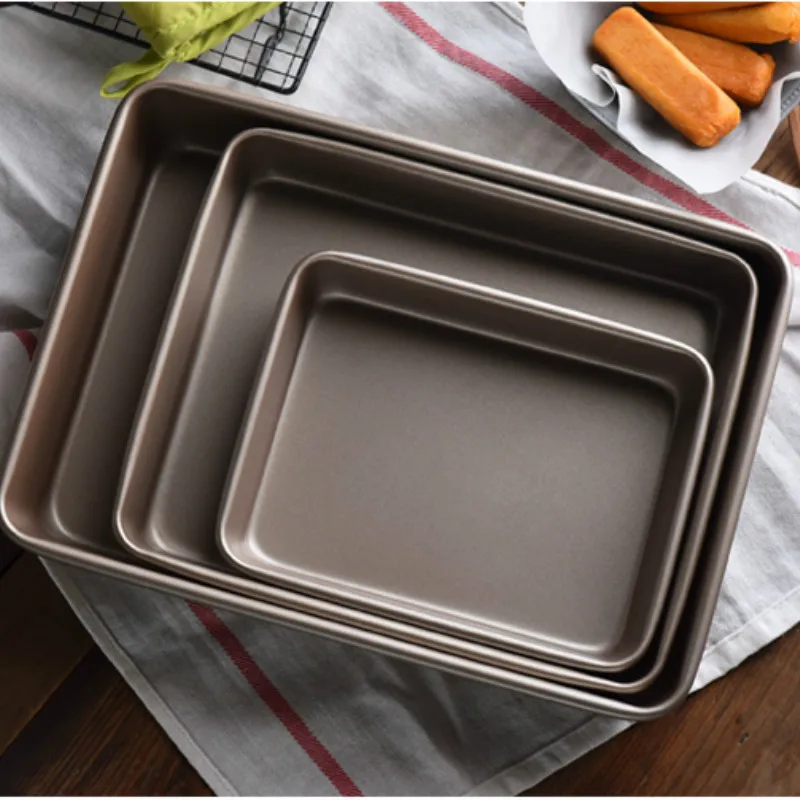
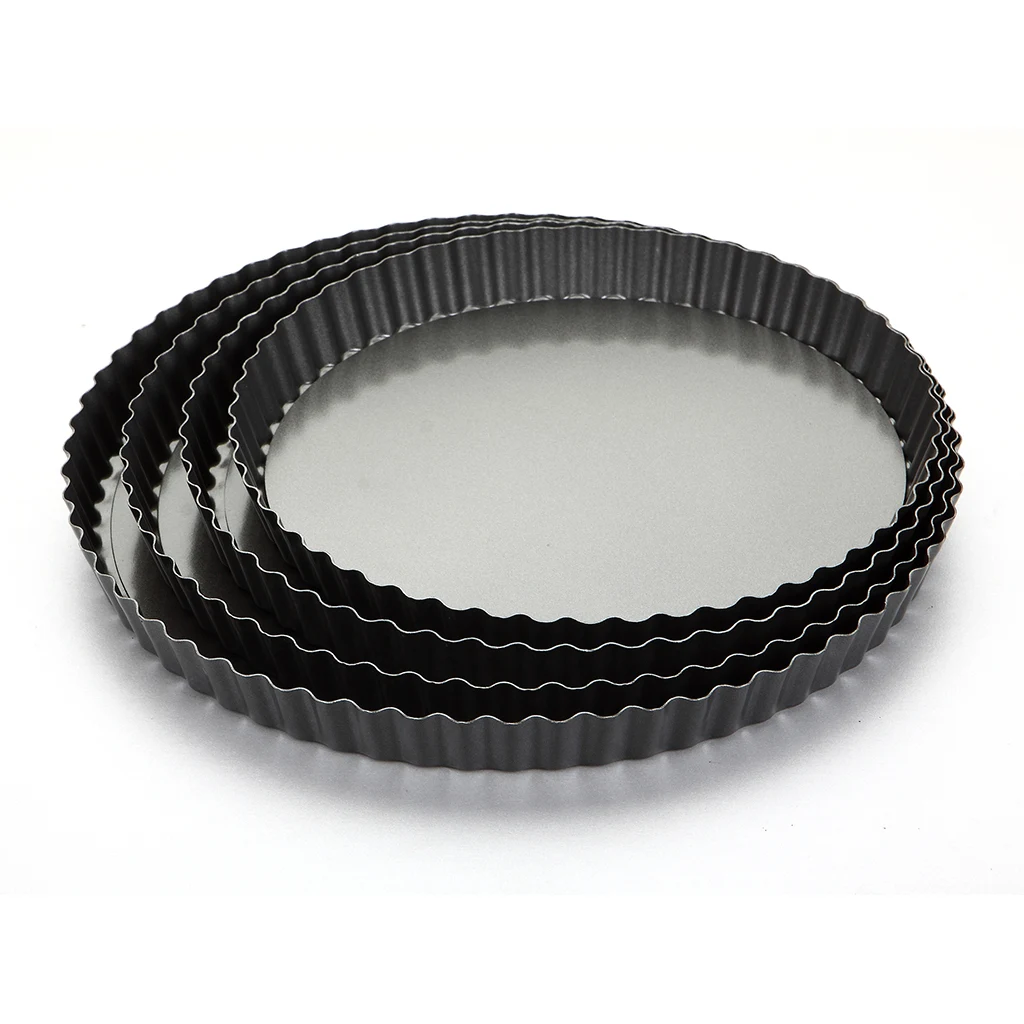
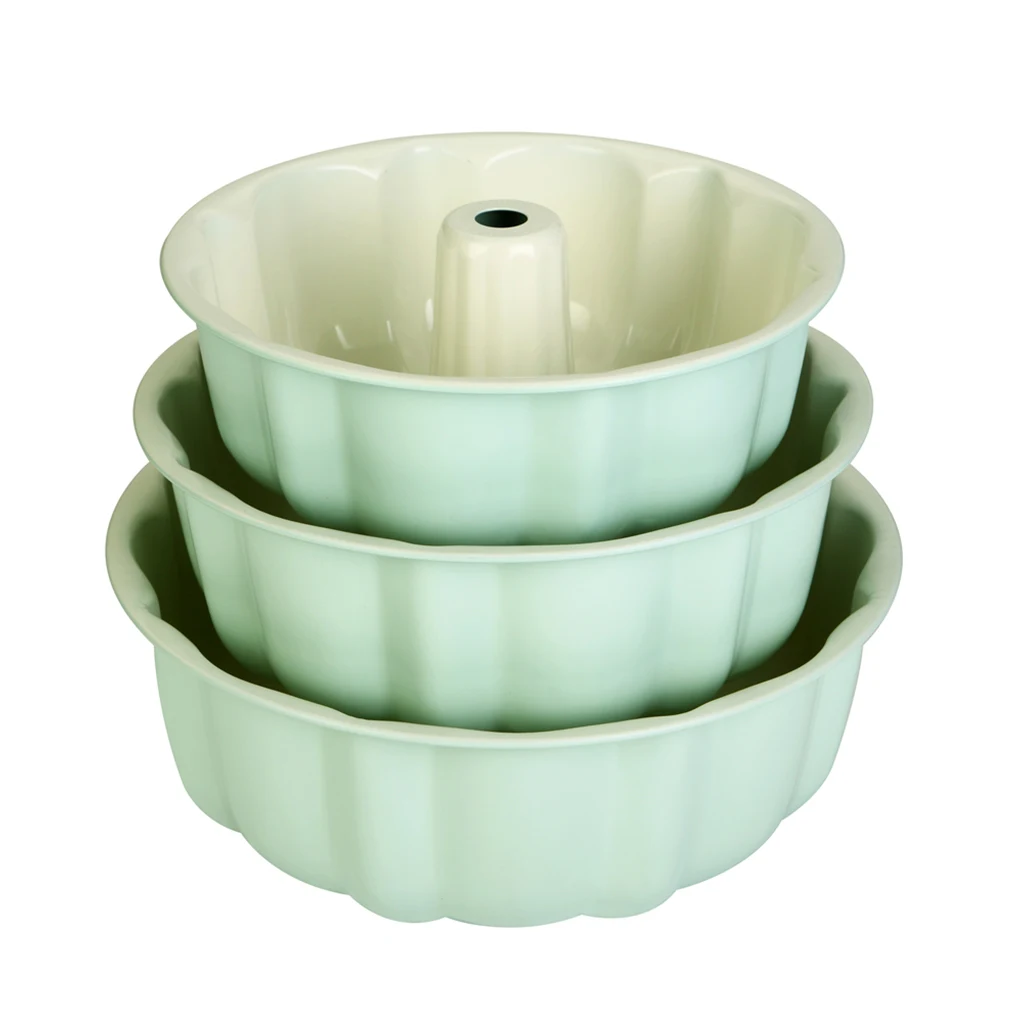
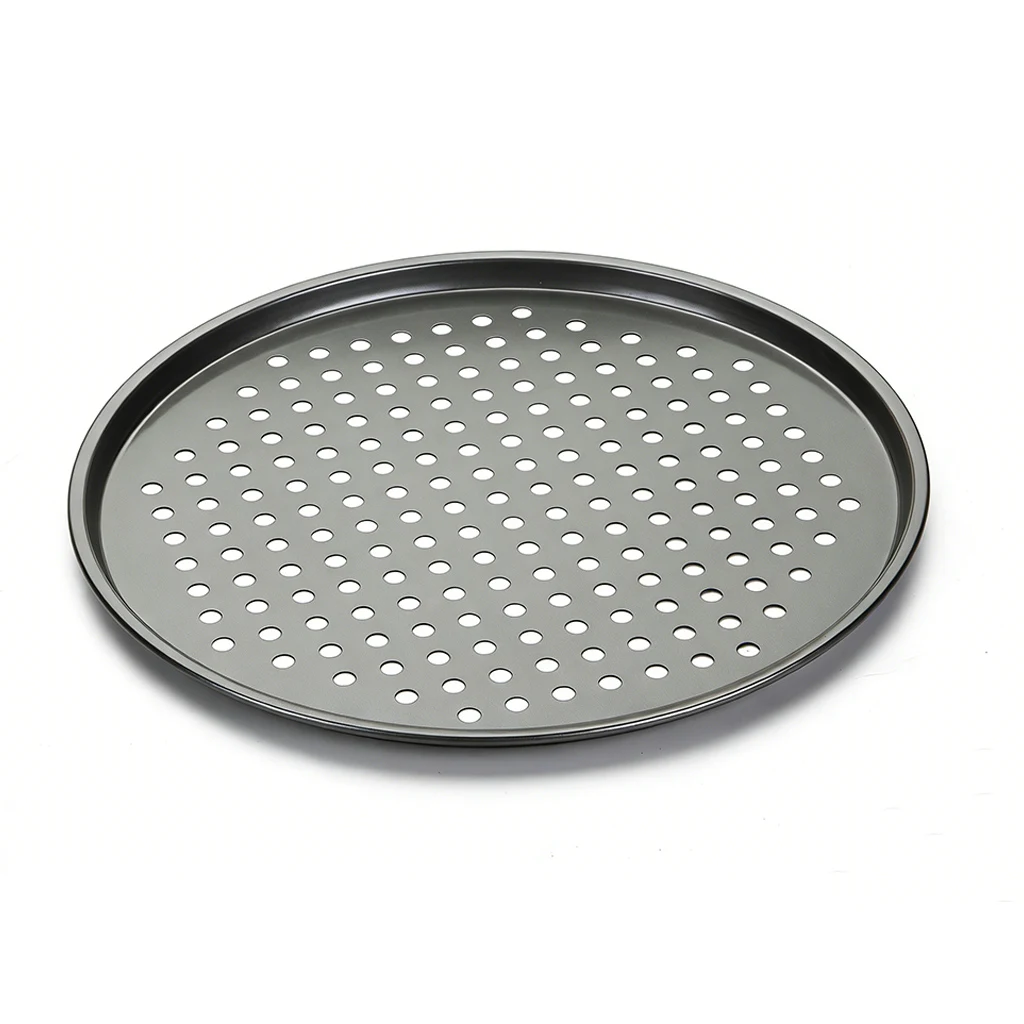
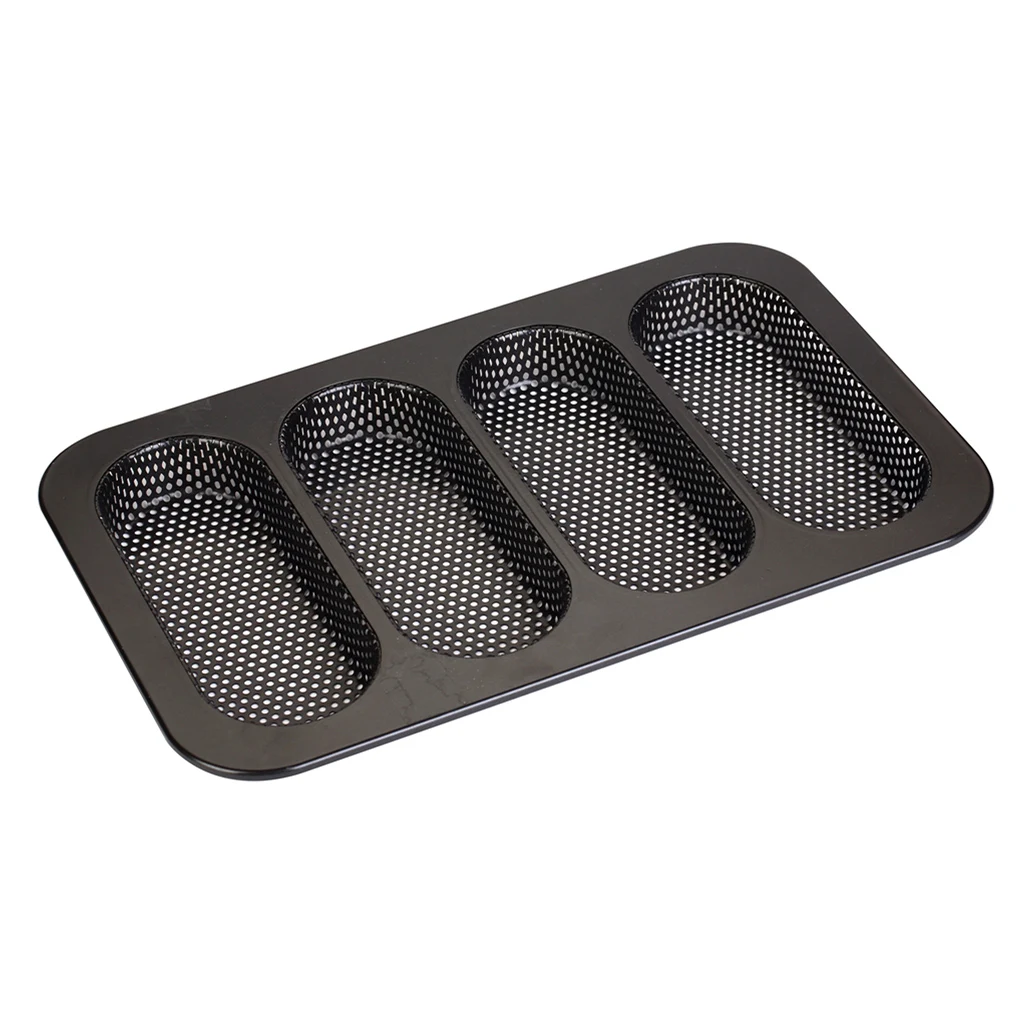
Non-stick coating is a layer applied to baking pans to help food release easily. Most modern baking pans have some type of non-stick surface. But many home bakers do not understand how it works or how to care for it.
The truth is that this surface can make baking easier and cleanup faster. But it also has some limitations. Knowing what to expect from your pans helps you get better results.
This article covers 6 things every baker should know about this coating. You will learn about different types, how to care for them, and when to replace your pan. By the end, you will understand your non-stick bakeware much better.
Whether you are a beginner or an experienced baker, these tips will help you get the most from your non-stick coating. Let us get started with the first thing you should know.
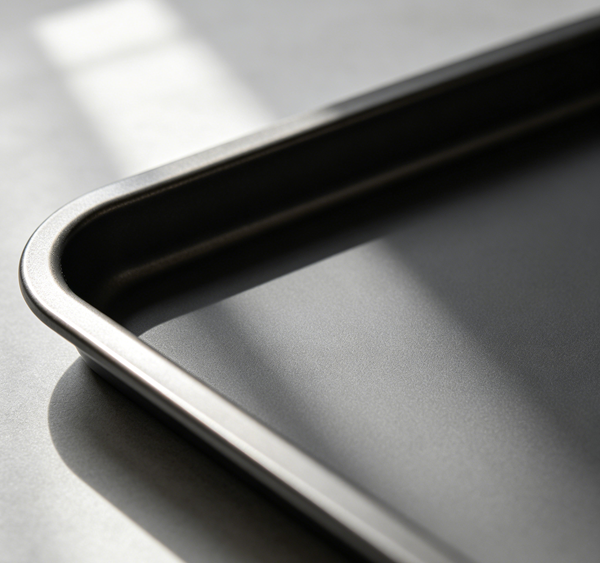
1. Silicone-Based Coating Is Common on Carbon Steel Pans
Most carbon steel baking pans come with a silicone-based non-stick coating. This is a liquid coating that is sprayed onto the pan and then baked on. It creates a smooth, slippery surface.
Silicone-based coating is different from PTFE-based coatings found on some cookware. It does not contain PFAS, which some consumers prefer to avoid. This type of non-stick coating provides good food release and is fairly durable.
The silicone-based coating on carbon steel pans is designed to withstand normal baking temperatures. Most are safe up to 450°F (about 230°C). Always check the manufacturer’s instructions for your specific pan.
Understanding what type of coating your pan has helps you care for it properly. It also helps you know what to expect from your bakeware.
Compared to other coatings, silicone-based options offer a good balance of performance and safety. They are widely used in the bakeware industry and have proven reliable for most home baking needs.
2. Non-Stick Coating Requires Proper Preparation
Even with a non-stick surface, proper preparation is still important. A light layer of grease can help food release even more easily.
Some bakers think they do not need to grease a pan with non-stick surface. This is not always true. Over time, the non-stick coating may wear down in certain spots. A thin layer of butter or cooking spray provides extra insurance. (第1次)
For batters with high sugar content, greasing is very helpful. Sugar tends to stick more than other ingredients. A well-greased pan helps prevent this.
For sticky foods like roasted vegetables, a light oiling is also a good idea. The non-stick surface works better when there is a small amount of fat on the pan.
When greasing, use a paper towel or pastry brush to apply a thin, even layer. Too much grease can pool in the corners and affect the texture of your baked goods.
Proper preparation helps your non-stick coating last longer. It also improves your baking results. Taking an extra minute to prepare the pan is always worth the effort.
3. Non-Stick Coating Should Be Hand Washed
Hand washing is the best way to care for pans with non-stick coating. Dishwashers can damage the coating over time.
Dishwasher detergents are harsh. They can break down the non-stick surface slowly. The high heat and strong chemicals cause the coating to wear out faster.
To wash your pan, use warm, soapy water and a soft sponge. Avoid steel wool or abrasive scrubbers. These can scratch the non-stick coating and make it less effective.
If food sticks to the pan, soak it in warm, soapy water for 15 minutes. Then gently scrub with a soft sponge. This is much gentler on your bakeware.
For stubborn residue, make a paste of baking soda and water. Apply it to the spots and let it sit for 15 minutes. Then scrub gently with a soft sponge. This method is effective without damaging the surface.
Hand washing takes only a few extra minutes. It helps your non-stick coating last for many years. Most manufacturers recommend hand washing for all non-stick bakeware.
4. Metal Utensils Can Scratch Non-Stick Coating
Metal utensils can scratch and damage non-stick coating. Once the coating is scratched, it may not release food as well.
Use silicone, nylon, or wooden tools instead. These materials are gentle on the pan surface and do not cause scratches.
Even a small scratch can become a bigger problem. Food can get trapped in the scratch. This makes the pan harder to clean and can affect the non-stick coating over time.
Avoid cutting directly on any pan with non-stick surface. Use a cutting board instead. Cutting on the pan can damage the coating.
When serving food from the pan, use a silicone or nylon spatula. These tools are safe for non-stick surfaces and will not leave marks.
Taking care of your non-stick coating means using the right tools. It is a small change that makes a big difference in how long your pans last.
5. Non-Stick Coating Has a Limited Lifespan
Non-stick surfaces do not last forever. They will eventually wear out with regular use. Knowing when to replace your pan is important.
Most pans with non-stick surface last 3 to 5 years with proper care. If you bake very often, you may need to replace them sooner. If you bake occasionally, they may last longer.
Signs that your non-stick coating is worn include:
Food sticks to the pan even after greasing
The coating is peeling or flaking
There are visible scratches on the surface
The pan does not release food as well as it used to
When your non-stick surface shows these signs, it is time for a new pan. A worn coating can affect your baking results and food safety.
Peeling or flaking is especially concerning. Small pieces of coating could get into your food. This is a clear sign that the pan should be replaced immediately.
The lifespan of your non-stick coating depends on how you care for it. Hand washing, using soft utensils, and avoiding high heat all help extend the life of the coating.
6. Non-Stick Coating Affects Baking Temperature
The color and type of coating can affect how your food bakes. Dark coatings absorb more heat than light ones.
If your pan has a dark non-stick coating, you may need to lower your oven temperature by 25°F. This prevents the outside of your food from browning too quickly.
Light colored coating reflects more heat. It produces gentler browning. You can usually follow recipe temperatures without adjustment.
The type of coating also matters. Silicone-based coatings provide a good balance of performance and durability. They work well for most baking tasks.
Understanding how your non-stick surface affects baking helps you adjust your recipes as needed. This is especially important when using dark-colored pans.
If you are not sure how your pan will behave, try a test batch. Bake a small amount of batter and watch how it browns. This will help you learn how your pan performs.
How to Choose the Right Pan
When choosing a pan with non-stick coating, consider these factors.
Look for a smooth, even coating without scratches or bubbles. The coating should cover all surfaces completely.
Check the maximum temperature rating. Most non-stick bakeware is safe to 450°F. Some high-quality coatings can handle higher temperatures.
Consider the color of the coating. Dark coatings are good for bread and roasted dishes. Light coatings are better for delicate cakes.
Read reviews from other bakers. They can tell you how well the coating performs over time.
Common Questions
Can I use cooking spray on non-stick coating? Yes, but use it sparingly. Too much can leave a sticky residue.
Is non-stick coating safe? Yes, modern non-stick coatings are safe for normal baking use.
Why does my non-stick coating peel? Peeling usually happens from overheating or using metal utensils.
Can I repair scratched non-stick coating? No, scratches cannot be repaired. It is time to replace the pan.
What is the best non-stick coating for baking? Silicone-based coatings are a good choice for most home bakers.
How do I know if my non-stick coating is worn? Look for peeling, flaking, or food sticking even after greasing.
Conclusion
Non-stick coating is a very useful feature on baking pans. It helps food release easily and makes cleanup much faster. But it requires proper care to last.
The 6 things covered in this guide are:
Silicone-based coating is common on carbon steel pans
Non-stick coating requires proper preparation
Non-stick coating should be hand washed
Metal utensils can scratch non-stick coating
Non-stick coating has a limited lifespan
Non-stick coating affects baking temperature
A good Antihaftbeschichtung is an important feature of quality bakeware. With proper care, your non-stick pans will serve you well for many years.