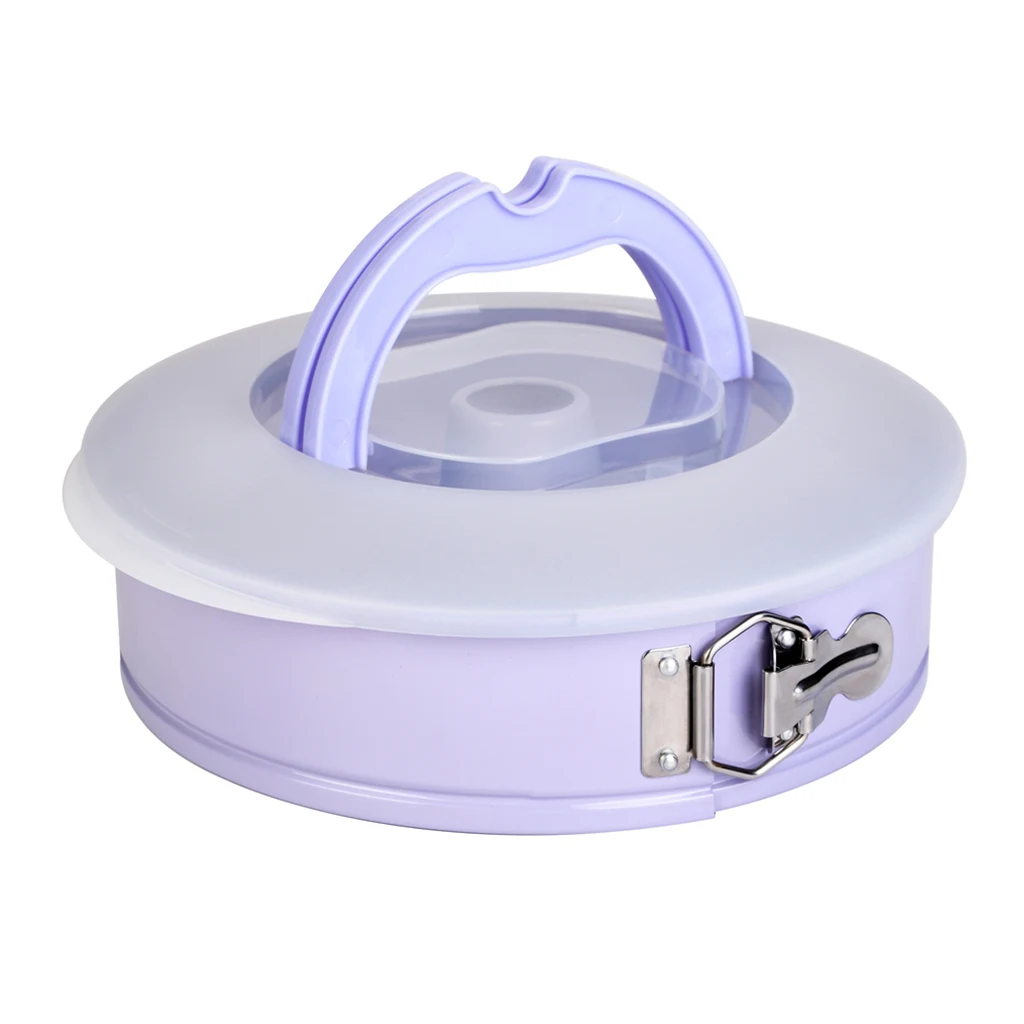
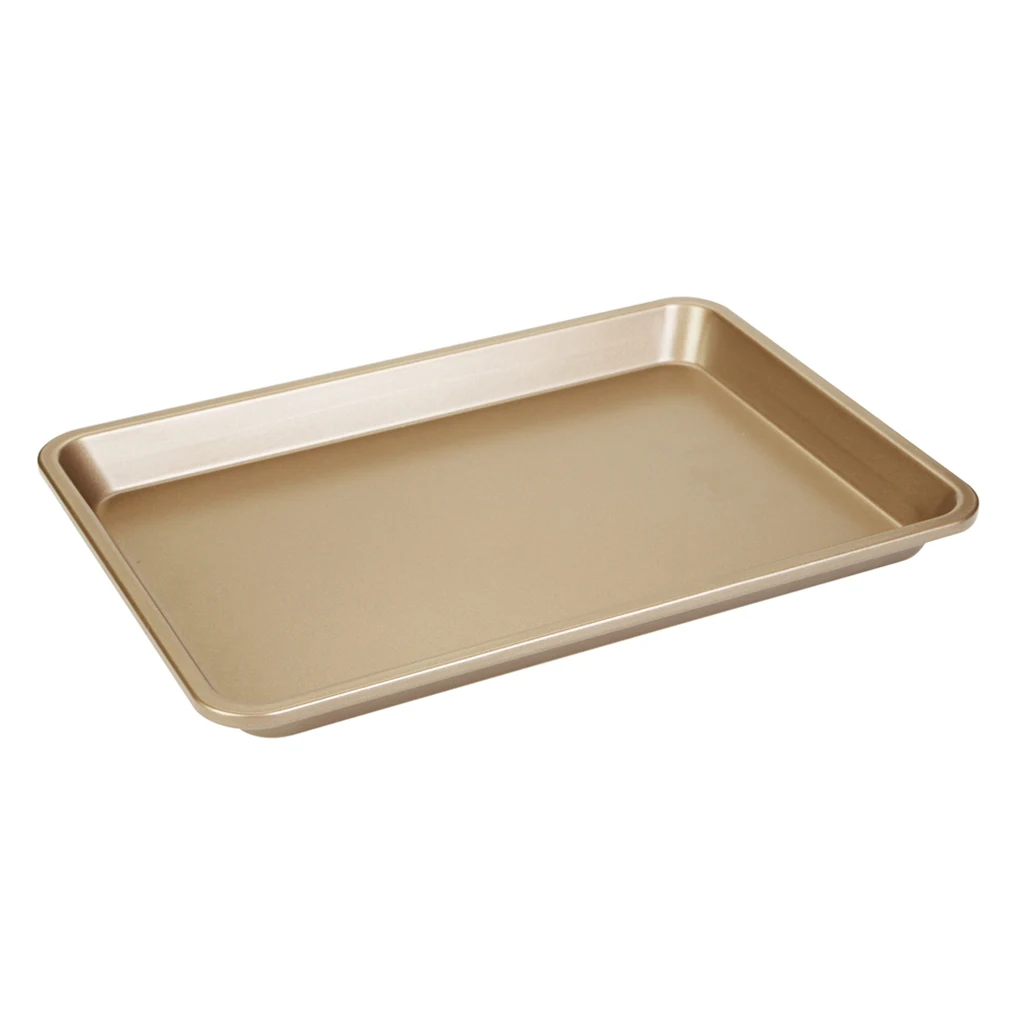
Introduction: A Different Way to Make Pizza at Home
Pizza is one of those foods that many people love. The combination of crispy crust, tangy sauce, melted cheese, and your favorite toppings is hard to resist. While some bakers use a pizza stone or a steel, not everyone has those tools at home.
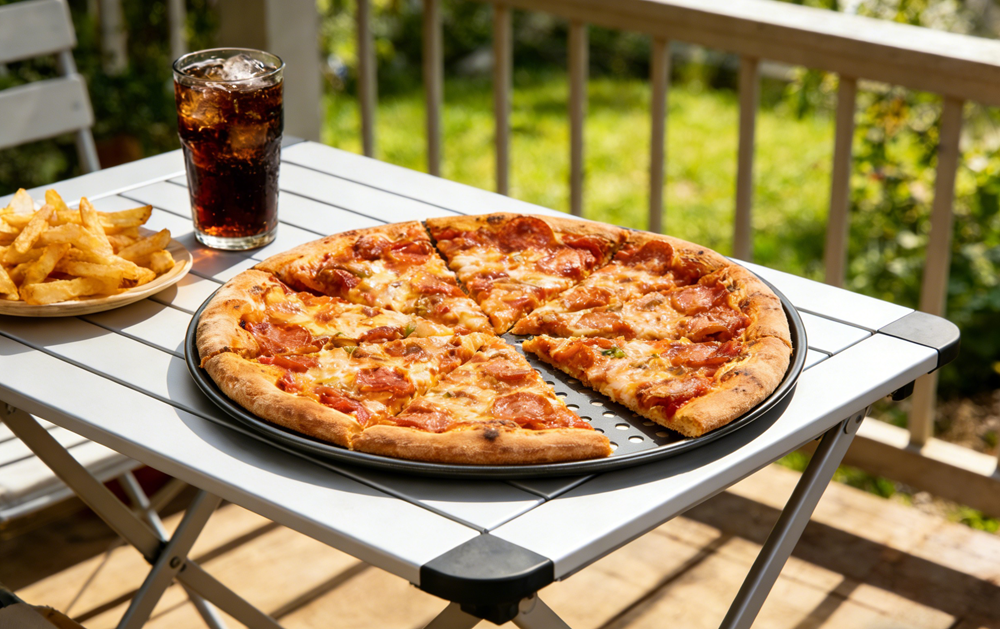
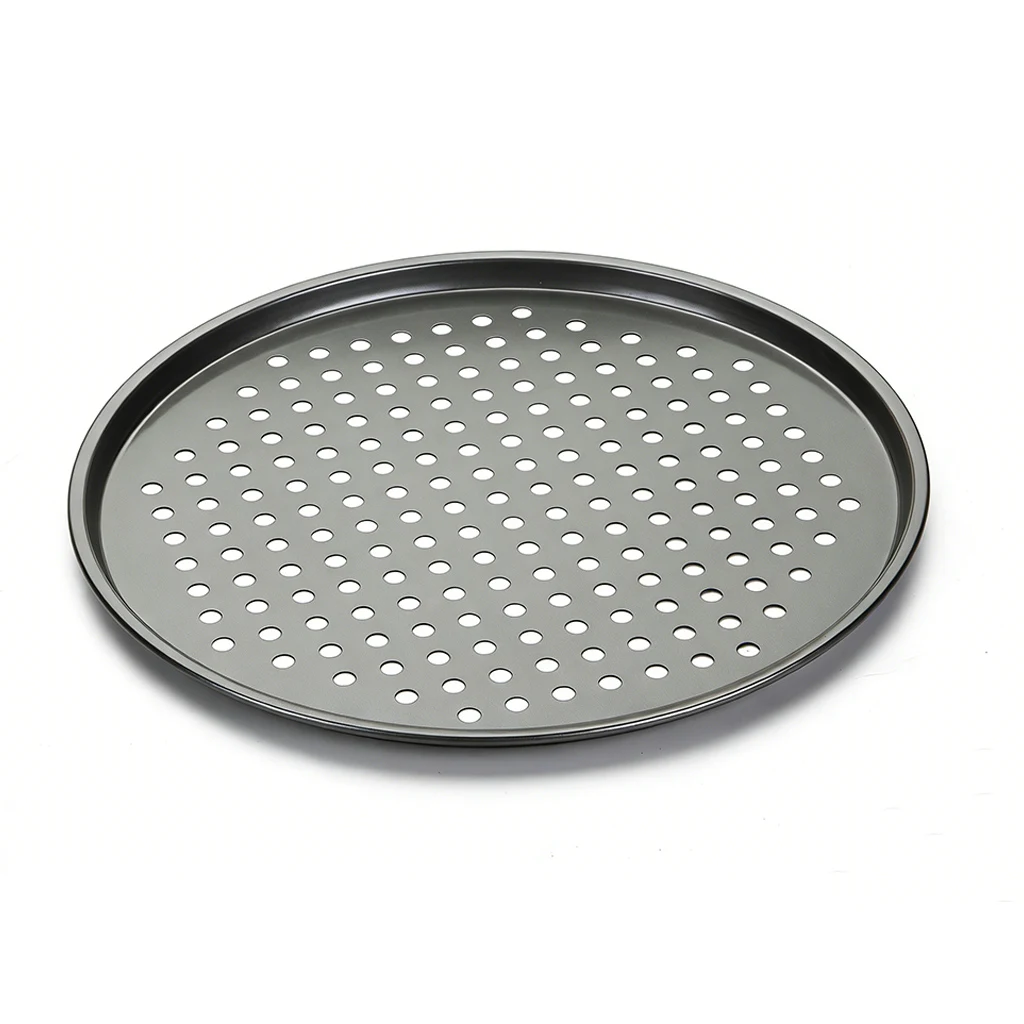
A simpler option is using a non stick pizza pan. Specifically, we are talking about a coated carbon steel pizza pan. This type of non stick pizza pan has a layer of non-stick coating applied to the surface. The carbon steel core provides good heat conduction, while the coating helps the pizza release easily. Most of these pans use a silicone-based coating (often referred to as oil-based silicone paint), which is durable and does not contain PTFE or PFAS.
This tool is easy to find, often affordable, and can be stored without taking up too much space. Many home cooks already have one in their kitchen without realizing how useful it can be for pizza.
In this article, we will walk through 7 simple steps to make pizza on a non stick pizza pan. You will learn how to prepare the pan, make or choose your dough, add toppings, and bake your pizza. By the end, you may feel confident trying this method for your next pizza night.
Why Use a Coated Carbon Steel Non Stick Pizza Pan?
Before we get into the steps, let’s talk about why a non stick pizza pan made of coated carbon steel can be a good choice for pizza making.
What Is a Coated Carbon Steel Pizza Pan?
A non stick pizza pan of this type has two main components. The base is carbon steel, which heats relatively evenly and holds heat well. The surface is coated with a layer of silicone-based non-stick coating. This coating is what gives the pan its non-stick properties. Unlike PTFE coatings, silicone-based coatings do not contain PFAS, which some consumers prefer to avoid.
Easy Release
One of the main benefits of a coated non stick pizza pan is that the pizza releases easily after baking. The silicone coating reduces friction between the dough and the pan. You do not need to worry about the dough sticking to the surface. This makes serving simpler and cleanup faster.
Even Heating from Carbon Steel
The carbon steel base of this non stick pizza pan helps distribute heat fairly evenly across the bottom of the pizza. This encourages steady browning of the crust.
No Need for Cornmeal or Flour
When using a pizza stone, many bakers sprinkle cornmeal or flour on the surface to prevent sticking. With a coated non stick pizza pan, you can usually skip this step. The silicone coating does the job for you.
Affordable and Accessible
Compared to pizza stones or baking steels, a coated carbon steel non stick pizza pan is generally less expensive. You can find one at most kitchen supply stores or online. This makes it a good option for beginners or for those who do not make pizza often.
Step 1: Choose a Quality Non Stick Pizza Pan
Not every non stick pizza pan performs the same way. The quality of the carbon steel and the silicone coating can affect your results.
Material and Coating
A good non stick pizza pan starts with a sturdy carbon steel base. Carbon steel is known for its ability to heat relatively evenly. The silicone coating on top should be smooth and free of scratches or bubbles.
Coating Type: Silicone-Based
Most coated carbon steel non stick pizza pans use a silicone-based coating. This type of coating is applied as a liquid (often called oil-based silicone paint) and then baked onto the metal. Silicone coatings are known for their good release properties and heat resistance. They do not contain PTFE or PFAS, which may be a consideration for some buyers.
Size Considerations
Non stick pizza pans come in various sizes. Common diameters include 12 inches, 14 inches, and 16 inches. A 14-inch pan is a popular choice because it fits most home ovens and can accommodate a standard pizza.
If you usually make pizza for one or two people, a smaller non stick pizza pan may be sufficient. For family meals, a larger pan is more practical.
What to Look For
When selecting a non stick pizza pan, consider:
A smooth, even silicone coating without scratches
Slightly raised edges to contain toppings
A flat bottom for even contact with the oven rack
Handles or easy-grip edges for safe removal from the oven
A well-made coated carbon steel non stick pizza pan can last for several years with proper care.
Step 2: Prepare Your Non Stick Pizza Pan
Proper preparation of your non stick pizza pan helps ensure that the pizza releases easily and bakes evenly.
Cleaning Before First Use
Before using a new non stick pizza pan, wash it with warm, soapy water and a soft sponge. Dry it thoroughly. This removes any residue from the manufacturing process. Avoid using abrasive cleaners, as they can damage the silicone coating.
Light Greasing (Optional)
Even though the pan has a silicone coating, a very light layer of oil can help. You can wipe a small amount of olive oil or cooking spray across the surface of the non stick pizza pan. Use a paper towel to spread it thinly.
This step is not always necessary. If your non stick pizza pan is in good condition with a smooth coating, you may skip the oil. For older pans where the silicone coating has some wear, a light greasing can provide extra insurance.
Do Not Use Metal Utensils
When handling your non stick pizza pan, avoid metal spatulas or knives. These can scratch the silicone coating. Once the coating is scratched, the pan may lose its non-stick properties. Use silicone, nylon, or wooden tools instead.
Step 3: Make or Prepare Your Pizza Dough
The dough is the foundation of any pizza. You can make your own dough from scratch or use store-bought dough.
Homemade Pizza Dough
If you want to make your own dough, a simple recipe might include:
3 cups all-purpose or bread flour
1 cup warm water
1 teaspoon salt
1 teaspoon sugar
1 teaspoon active dry yeast
Mix the ingredients, knead for about 10 minutes, and let the dough rise for 1 to 2 hours. After rising, punch it down and let it rest for another 15 minutes before shaping.
Store-Bought Dough
Many grocery stores sell fresh or frozen pizza dough. This can be a convenient option. If using frozen dough, allow it to thaw completely in the refrigerator before shaping.
Dough Quantity for Your Non Stick Pizza Pan
The amount of dough you need depends on the size of your non stick pizza pan. As a general guide:
12-inch pan: about 250 to 300 grams of dough
14-inch pan: about 350 to 400 grams of dough
16-inch pan: about 450 to 500 grams of dough
Using the right amount of dough helps the pizza fit the pan without being too thick or too thin.
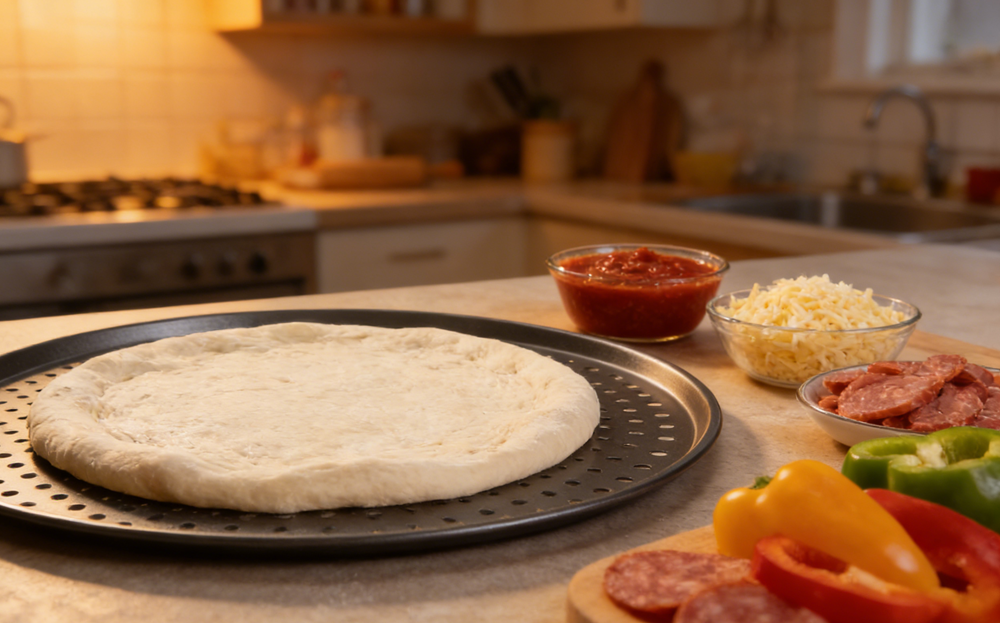
Step 4: Shape the Dough on the Non Stick Pizza Pan
Shaping the dough on the non stick pizza pan is easier than transferring a shaped pizza onto a hot stone.
Lightly Flour the Pan
Sprinkle a small amount of flour onto the non stick pizza pan. This adds a little extra protection against sticking. You can also skip this step if your pan’s silicone coating is in good condition. The coating is designed to release dough without flour.
Place the Dough on the Pan
Put the dough ball in the center of your non stick pizza pan. Use your fingers to press it outward. Start from the center and work toward the edges.
Stretch to the Edges
Continue pressing and stretching until the dough reaches the edges of the non stick pizza pan. If the dough resists, let it rest for a few minutes before continuing. This allows the gluten to relax.
Form a Slightly Thicker Edge
For a traditional pizza style, create a slightly thicker rim around the edge. Use your fingertips to press a small border. This rim will become the crust.
Step 5: Add Sauce, Cheese, and Toppings
Once the dough is shaped on your non stick pizza pan, it is time to add the toppings.
Sauce
Spread a thin layer of pizza sauce over the dough. Start in the center and move outward in a spiral. Leave about half an inch of the edge uncovered for the crust.
Too much sauce can make the pizza soggy. A light to moderate amount is usually sufficient.
Cheese
Sprinkle shredded mozzarella cheese evenly over the sauce. Other cheeses like provolone, parmesan, or fontina can also work well. A blend of cheeses often gives a more interesting flavor.
Toppings
Add your favorite toppings. Common choices include:
Pepperoni slices
Cooked sausage
Mushrooms
Bell peppers
Onions
Olives
Fresh basil
Do not overload the non stick pizza pan with too many toppings. A heavy pizza may bake unevenly, and the crust might not crisp properly.
Step 6: Bake the Pizza in Your Oven
Baking is where the non stick pizza pan does its job. The carbon steel base conducts heat to the bottom of the pizza while the oven heats the top.
Oven Temperature
Preheat your oven to around 450°F (230°C). This temperature works well for most home ovens. Check the manufacturer’s guidelines for your specific non stick pizza pan. Silicone coatings typically have a maximum temperature limit of around 450°F to 480°F (230°C to 250°C).
Place the oven rack in the middle position. This allows heat to circulate evenly around the non stick pizza pan.
Baking Time
Place the non stick pizza pan directly on the oven rack. Bake for about 12 to 15 minutes. The pizza is likely done when:
The cheese is melted and bubbly
The edges of the crust are golden brown
The bottom of the pizza looks crisp when you lift an edge
Because every oven is different, start checking at the lower end of the time range. You can always bake longer, but you cannot reverse over-baking.
Rotating the Pan
If your oven has hot spots, consider rotating the non stick pizza pan halfway through baking. This helps the pizza brown more evenly.
Step 7: Remove, Slice, and Serve
After baking, carefully remove the non stick pizza pan from the oven. Use oven mitts, as the pan will be hot.
Cooling Briefly
Let the pizza rest on the non stick pizza pan for about 2 to 3 minutes. This short rest allows the cheese to set slightly, making slicing easier.
Slicing the Pizza
Use a pizza cutter or a large knife to slice the pizza. A non stick pizza pan is usually safe for cutting, but try not to press too hard into the silicone coating. If you are concerned about scratches, transfer the pizza to a cutting board first.
Serving
Slide the slices onto plates and serve while warm. The pizza should have a crisp bottom and a tender interior.
Cleaning the Non Stick Pizza Pan
After the pan has cooled, clean it with warm, soapy water and a soft sponge. Avoid abrasive scrubbers or steel wool, as these can damage the silicone coating. Dry the non stick pizza pan thoroughly before storing.
Tips for Better Results with a Non Stick Pizza Pan
Here are a few additional suggestions for getting good results from your coated carbon steel non stick pizza pan.
Preheat the Pan for a Crispier Crust
Some bakers like to preheat the non stick pizza pan before adding the dough. To do this, place the empty pan in the oven during preheating. When the oven is ready, carefully remove the hot pan, add your shaped dough, and return it to the oven.
This method can produce a crispier bottom crust. However, be careful when handling a hot non stick pizza pan. Use oven mitts and place it on a heat-safe surface. Also, note that preheating may affect the silicone coating over time if done frequently at very high temperatures.
Use a Pizza Screen for Extra Crispiness
If you want an even crispier crust, you can place a pizza screen on top of your non stick pizza pan. The screen lifts the pizza slightly, allowing more air circulation underneath.
Experiment with Different Doughs
The method works with various types of dough. Thin crust, thick crust, whole wheat, or gluten-free dough can all be baked on a non stick pizza pan. You may need to adjust baking time slightly for different dough types.
Avoid Overloading with Toppings
A non stick pizza pan works best when the pizza is not too heavy. Too many toppings can weigh down the dough and prevent the bottom from crisping. Keep toppings moderate for the best results.
Caring for Your Coated Carbon Steel Non Stick Pizza Pan
The silicone coating on your non stick pizza pan requires some care to last longer.
Hand Wash Only
Most coated carbon steel non stick pizza pans are not dishwasher safe. The harsh detergents and high heat in dishwashers can damage the silicone coating. Hand wash with mild soap and a soft sponge.
Avoid Excessive Heat
While carbon steel can handle high temperatures, the silicone coating has limits. Try not to exceed the manufacturer’s recommended maximum temperature, usually around 450°F to 480°F (230°C to 250°C). Excessive heat can cause the coating to degrade or become sticky.
Store Carefully
When storing your non stick pizza pan, avoid stacking heavy pans on top of it. If stacking is necessary, place a paper towel or soft cloth between pans to protect the silicone coating.
When to Replace
Over time, the silicone coating on your non stick pizza pan may show signs of wear. Scratches, peeling, or loss of non-stick performance are signs that the coating is no longer effective. At that point, it may be time to replace the pan.
Common Questions About Using a Non Stick Pizza Pan
Can I use a non stick pizza pan at high heat?
Most coated carbon steel non stick pizza pans with silicone coatings are safe at temperatures up to 450°F to 480°F (230°C to 250°C). Check the manufacturer’s instructions for your specific pan. Exceeding the recommended temperature may damage the coating.
Do I need to use parchment paper?
Parchment paper is not usually necessary with a non stick pizza pan. However, some bakers like to use it for easier cleanup. If you use parchment, trim it to fit the pan so it does not hang over the edges.
Can I make a deep dish pizza on a non stick pizza pan?
A standard non stick pizza pan is designed for flat or slightly raised pizzas. For deep dish pizza, you may need a deeper pan. That said, you can still make a thick-crust pizza on a regular pan by using more dough.
How do I store my non stick pizza pan?
Store your non stick pizza pan in a dry place. If stacking with other pans, place a paper towel or cloth between them to prevent scratches on the silicone coating.
Troubleshooting Common Issues
Even with good technique, you may encounter a few challenges when using a coated carbon steel non stick pizza pan.
The Pizza Sticks to the Pan
If the pizza sticks, try these adjustments next time:
Lightly grease the non stick pizza pan before adding the dough
Use a little flour or cornmeal under the dough
Check if the silicone coating is worn. If the coating is scratched or no longer releases well, it may be time for a new non stick pizza pan
The Bottom Crust Is Too Pale
A pale bottom crust often means the oven was not hot enough or the pizza did not bake long enough. Try preheating the non stick pizza pan before adding the dough. You can also move the pan to a lower oven rack.
The Cheese Browned Before the Crust Was Done
If the cheese burns while the crust is still pale, try moving the non stick pizza pan to a lower rack. You can also cover the pizza loosely with foil for the first part of baking, then remove it to finish.
The Crust Is Soggy in the Middle
A soggy middle can happen if the pizza has too much sauce or too many toppings. Next time, use less sauce and spread toppings more evenly. Making sure the non stick pizza pan is fully preheated can also help.
The Silicone Coating Is Peeling
If you notice peeling or flaking of the silicone coating on your non stick pizza pan, stop using it. Replace the pan with a new one.
Final Thoughts
Making pizza on a coated carbon steel non stick pizza pan is a practical method that many home cooks find useful. You do not need special equipment like a pizza stone or a baking steel. A non stick pizza pan with a carbon steel core and silicone-based coating is affordable, easy to store, and simple to use.
The 7 steps covered in this guide include:
Choosing a quality non stick pizza pan
Preparing the pan properly
Making or preparing your dough
Shaping the dough on the pan
Adding sauce, cheese, and toppings
Baking the pizza at the right temperature
Removing, slicing, and serving
With a little practice, a non stick pizza pan can help you make pizza that is crispy, flavorful, and satisfying. Whether you are making pizza for a weeknight dinner or a weekend gathering, this method is worth trying.
Every oven and every pan is slightly different. Do not be discouraged if your first pizza is not perfect. Small adjustments to temperature, baking time, or dough thickness can lead to noticeable improvements.