The irresistible allure of a freshly baked baguette—with its shatteringly crisp crust, airy interior, and that unforgettable aroma—is a cornerstone of baking. Yet, for many home bakers, achieving that perfect, professional-looking loaf with evenly browned sides and a robust crust can feel elusive. The secret weapon that bridges the gap between a good attempt and a great result is knowing precisely how to use a baguette pan. This specialized tool, also known as a French bread pan or perforated bread pan, is not merely a tray; it’s an engineering aid designed to create the ideal baking environment. Understanding how to use a baguette pan effectively is key to unlocking its full potential. This comprehensive guide will demystify the process, offering a step-by-step walkthrough from pan selection and dough preparation to baking, cooling, and care. Whether you’re a seasoned baker or a beginner, learning how to use a baguette pan effectively will unlock a new level of confidence and quality in your homemade bread, delivering those coveted, golden-brown loaves straight from your own oven.
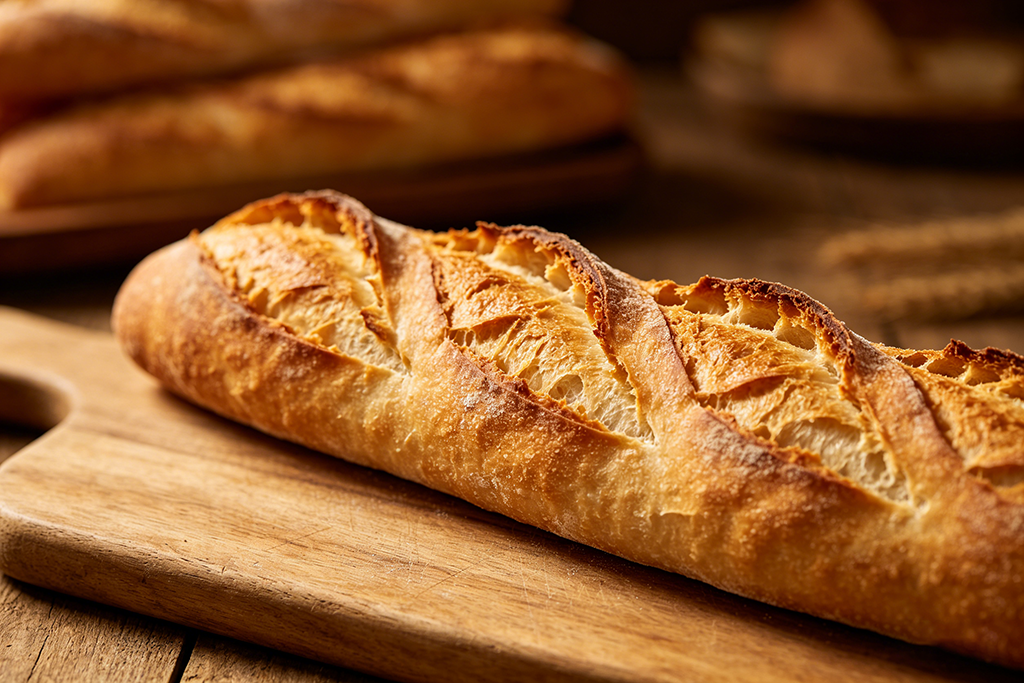
What is a Baguette Pan and Why Do You Need One?
Before diving into the techniques of how to use a baguette pan, it’s essential to understand what it is and the problems it solves. A traditional baking sheet often results in loaves with a pale, soft underside and uneven expansion. A dedicated baguette pan is specifically designed to overcome these challenges.
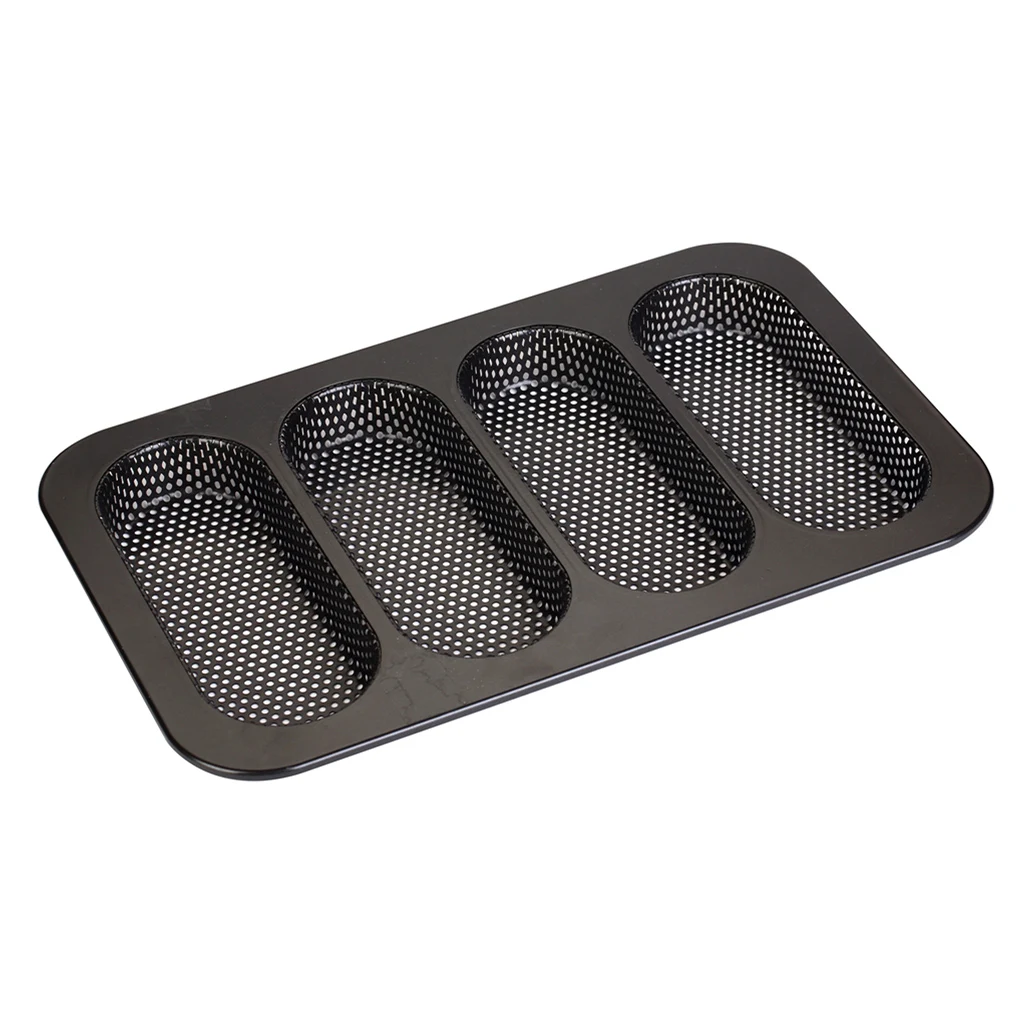
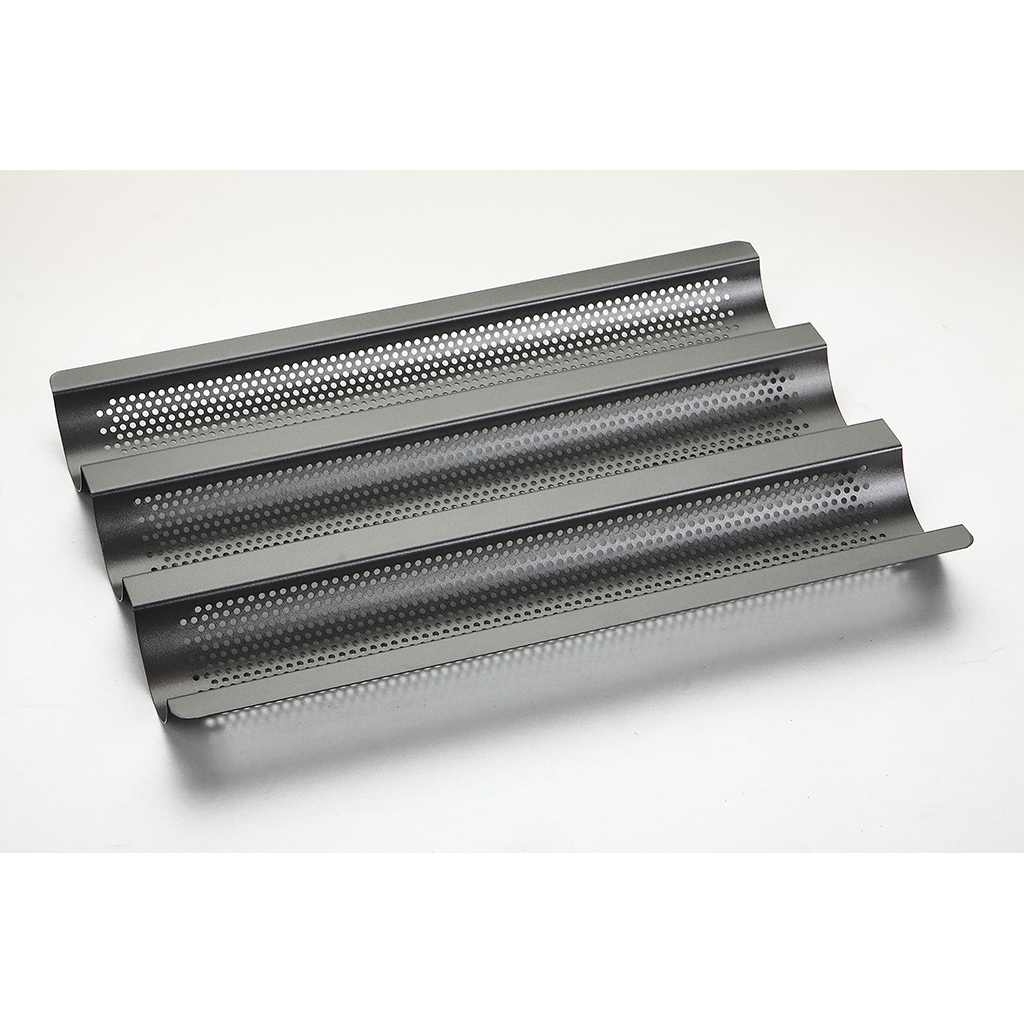
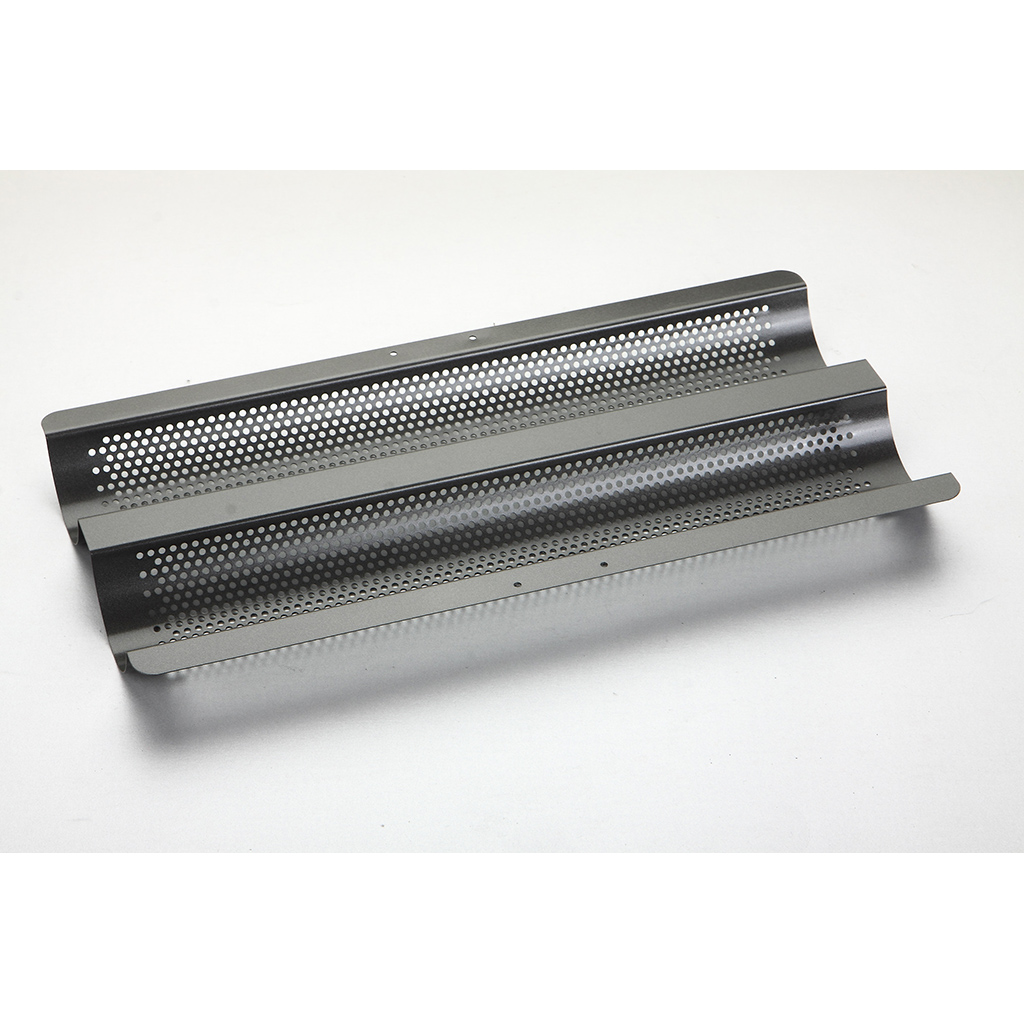
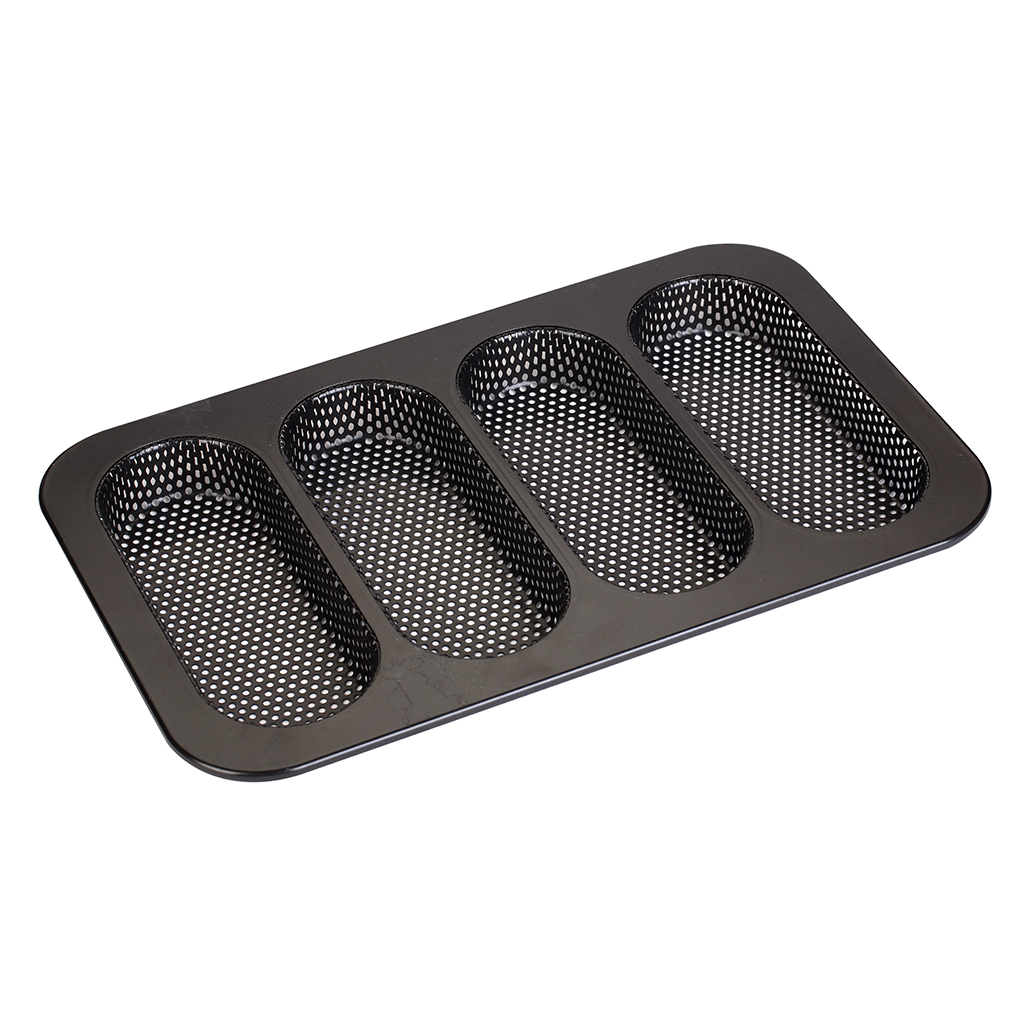
Typically constructed from seasoned steel, carbon steel, or aluminized steel, a French bread pan features a series of long, curved channels or troughs, often with a perforated surface. This distinctive design, central to how to use a baguette pan successfully, serves multiple critical functions:
- Promotes Air Circulation: The perforated or slotted base allows hot air to circulate completely around the dough, ensuring all sides—including the bottom—bake evenly and develop a uniformly crisp crust.
- Defines Shape: The curved channels gently cradle the dough, supporting it as it rises and bakes to create the classic, tapered baguette shape with a rounded bottom.
- Preents Sticking: The separation between channels ensures the loaves do not merge into one another during oven spring, and the perforations reduce the surface area touching the dough, minimizing the risk of a torn crust when removing the baked loaf.
- Manages Steam: It allows excess moisture from the dough to escape downwards, preventing a soggy bottom and encouraging a crackling crust.
Choosing the Right Baguette Pan for Your Kitchen
Not all pans are created equal, and selecting a good one is the first step in mastering how to use a baguette pan. Here’s what to look for:
Material Matters
- Carbon Steel or Seasoned Steel: Often considered the best for baguette baking. It heats up quickly, retains heat well, and develops a natural non-stick patina over time. It’s durable and promotes excellent browning.
- Aluminized Steel: A good, cost-effective option. It’s lighter than carbon steel and provides decent, even heating. It may require a more diligent greasing or lining routine to prevent sticking, which is part of learning to use a baguette pan of this type.
- Non-Stick Coated: Offers the easiest release and cleanup. Ensure the coating is high-quality and oven-safe to the high temperatures (often 450°F/230°C+) required for baguettes.
Key Design Features
- Perforations: A must-have for optimal crust development. More and smaller holes are generally better than fewer, larger ones.
- Channel Count and Size: Pans typically hold 2 or 3 loaves. Ensure the channel length (usually 16-18 inches) and depth match the size of baguette you wish to bake. Some pans have guides for scoring.
- Construction Quality: Look for sturdy, warp-resistant construction. Flimsy pans can bend in a hot oven, leading to uneven baking.
Selecting the right tool is the foundation for learning how to use a baguette pan successfully.
Step-by-Step Guide: How to Use a Baguette Pan Effectively
Step 1: Preparing the Pan
Even if your pan claims to be non-stick, seasoned bakers know that “insurance” is valuable. Proper preparation is the first practical step in how to use a baguette pan to prevent sticking. You have two main options:
- Light Greasing: Use a high-smoke-point oil spray or a tiny amount of neutral oil on a paper towel to wipe the grooves.
- Flour Dusting: A light dusting of semolina or bread flour can provide a non-stick barrier and add a rustic look to the bottom of your loaves.
Step 2: Shaping the Dough for the Channels
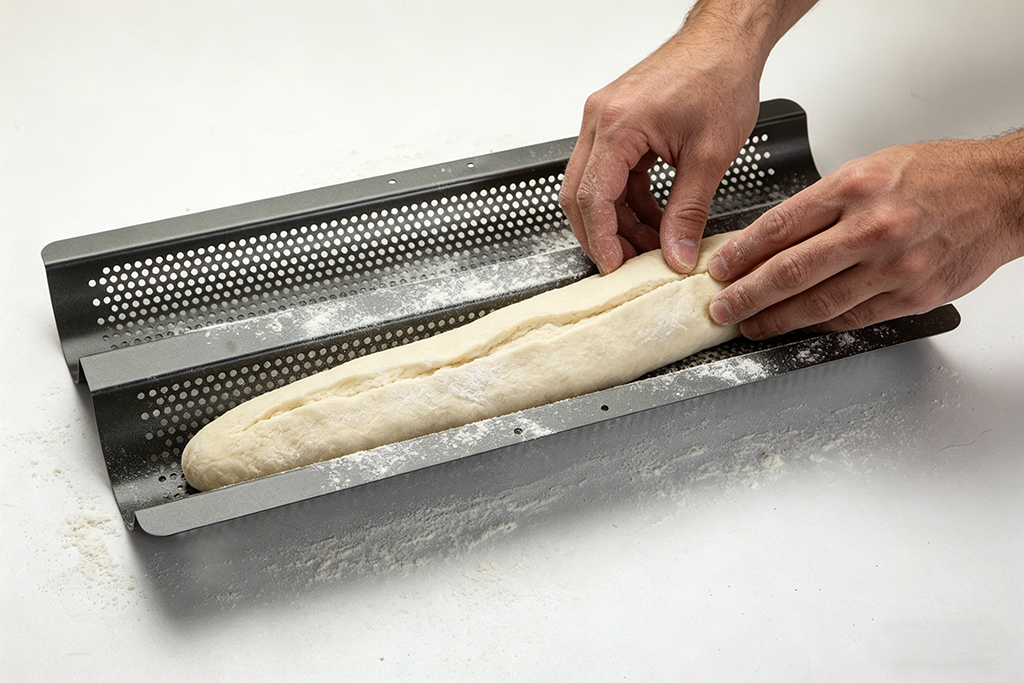
The secret to a great baguette isn’t just the pan; it’s the tension created during shaping. A core skill in how to use a baguette pan effectively is proper shaping, which ensures the dough fits and rises well in the channels. After your dough has completed its bulk fermentation:
1.Divide the dough into equal portions (usually 250g to 300g per baguette).
2.Pre-shape into rough cylinders and let them rest for 15-20 minutes. This relaxes the gluten.
3.Final Shape: Fold the top third down to the center, then the bottom third up. Seal the seam with the heel of your hand. Gently roll the dough from the center outwards until it matches the length of your baguette pan.
Step 3: The Final Proof in the Pan
One of the biggest advantages of the baguette pan is that it acts as a proofing cradle. Unlike the traditional method of using a linen couche (where you have to move the delicate proofed dough onto a peel), you can proof the dough directly in the pan.
Place your shaped loaves seam-side down into the channels. Cover them with a damp cloth or a piece of plastic wrap sprayed with oil to prevent skinning. Let them rise until they are about 1.5 times their original size.
Step 4: Scoring
Just before the pan goes into the oven, you must score the dough. This isn’t just for aesthetics; it controls where the bread expands. Using a sharp scoring knife or a razor blade, make 3 to 5 diagonal slashes down the length of each loaf. Hold the blade at a 30-degree angle to create the “ear” or overlapping flap of crust.
Mastering the Bake: Temperature and Steam
A baguette pan works best when the oven environment is optimized. You want a high temperature—usually around 450°F to 475°F (230°C to 245°C).
The Importance of Steam
In the first 10 minutes of baking, steam is vital. Steam keeps the surface of the dough supple, allowing it to expand fully before the crust sets. Knowing how to use a baguette pan includes mastering steam generation. To achieve this with a baguette pan:
- Place an empty cast iron skillet or a broiler tray on the bottom rack while preheating.
- When you slide the baguette pan onto the middle rack, pour a cup of boiling water into the hot skillet.
- Quickly close the oven door to trap the steam.
Cleaning and Maintenance of Your Baguette Pan
Here’s how to maintain yours after learning how to use a baguette pan:
- Avoid the Dishwasher: Harsh detergents can strip the non-stick coating and cause oxidation. Hand washing preserves the pan’s quality, which is part of knowing how to use and care for a baguette pan properly.
- Soft Cleaning: Use warm water and a soft sponge. If dough gets stuck in the perforations, let it dry completely, then use a stiff nylon brush to “flick” it out before washing.
- Dry Thoroughly: Never put a damp pan away, as it can lead to rust or pitting in the metal.
Common Mistakes to Avoid
Even with the best equipment, things can go wrong. Here are the most frequent hurdles when using a baguette pan:
- Over-Proofing: If the dough rises too much in the pan, it will lose its strength and collapse when you score it. It may also flow through the perforations, making it impossible to remove.
- Cold Pan in a Hot Oven: While most pans can handle it, avoid placing a freezing cold pan directly into a 500-degree oven to prevent warping.
- Too Much Dough: If your baguettes are too heavy for the channel, they will muffin-top over the edges and lose that classic slim shape.
Frequently Asked Questions (FAQ)
Q: Can I use a baguette pan for sourdough?
A: Absolutely. Sourdough baguette dough is often wetter than yeast-based dough, making the support of a pan even more beneficial for maintaining shape.
Q: My dough spreads sideways in the pan instead of rising up. Why?
A: This is typically due to over-proofing or a dough that lacks enough gluten strength. Ensuring proper dough development is a fundamental part of learning how to use a baguette pan successfully.
Q: How do I get a shinier, darker crust?
Two factors: steam and bake time. Ensure you are generating enough steam in the first phase of baking, as outlined in the guide on how to use a baguette pan. Also, bake until the crust is a deep, rich brown.
Q: My bread is sticking to the holes. What happened?
A: This usually happens if the dough is too wet and wasn’t floured enough, or if the pan’s non-stick coating has worn off. Try using a light spray of oil or a parchment paper liner. Proper preparation is a key step in how to use a baguette pan to prevent this issue.
Conclusion
Learning how to use a baguette pan is a transformative step for any home baker. It bridges the gap between the amateur “homemade loaf” and the professional “artisan baguette.” By providing the necessary structure for high-hydration dough and allowing for superior heat circulation through perforations, this simple tool ensures your crust is thin and crispy while your crumb remains light and airy.
Remember, the pan is a tool, but your technique—shaping, scoring, and steaming—is what brings the bread to life. Practice your tension pulls, keep your oven steamy, and soon you’ll be enjoying the best French bread of your life, right in your own kitchen. Mastering how to use a baguette pan is a rewarding skill that will become a cornerstone of your baking journey.
Ready to Bake Like a Professional?
Now that you know how to use a baguette pan, it’s time to get the right tool. Discover the Aolijue difference. Our carbon steel baguette pans are designed for oven-safe precision and effortless release, making the process of using a baguette pan even more enjoyable. Available in multiple sizes with custom options to fit your unique baking needs.
Upgrade your ovenware collection today!
Happy baking!