Introduction
A cooling rack is one of those kitchen tools that often gets overlooked. It sits in the cupboard, brought out only when cookies come out of the oven. But this simple tool can do much more than just cool baked goods.
Many home bakers do not realize how useful it can be. You can use it for roasting, drying, glazing, and even as a steaming rack. A good rack is sturdy, fits inside your baking sheets, and has a grid pattern that allows air to circulate.
This article covers 7 essential uses for this tool that every baker should know. You will learn how to use it beyond just cooling cookies. By the end, you will see it as one of the most versatile items in your kitchen.
Whether you are a beginner or an experienced baker, these tips will help you get more value from your cooling rack. Let us get started with the first use. It is truly a baker’s best friend.
Use 1: Cooling Baked Goods Properly
The most obvious use for this tool is cooling baked goods. But many people do not use it correctly, which affects the texture of their food.
When you take a cake or cookies out of the oven, they need air to circulate around them. A cooling rack lifts the baked goods off the counter, letting air reach the bottom. This prevents steam from building up underneath, which can make the bottom soggy.
Place your rack on a flat surface. Let the baked goods cool in the pan for a few minutes, then transfer them to the rack. This allows the heat to escape evenly and prevents condensation from forming.
For cookies, transfer them directly from the baking sheet to the rack after a minute or two. If you leave them on the hot baking sheet, they will continue to cook and may become dry.
For cakes, let them cool in the pan for 10 to 15 minutes. Then run a knife around the edges and turn the cake out onto a rack. The open grid allows air to circulate, which helps the cake cool faster and more evenly.
Cooling baked goods on a cooling rack is a simple habit that improves texture and prevents sogginess. Your cookies will stay crisp, and your cakes will stay moist. Using a rack for this purpose is the most common and important use.
Use 2: Roasting Vegetables and Meats
This tool is not just for baking. You can use it for roasting vegetables and meats in the oven. This method helps food cook more evenly and get crispier.
Place a cooling rack inside a baking sheet. The rack elevates the food, allowing hot air to circulate around all sides. This creates crispier skin on chicken and better browning on vegetables.
To roast vegetables, toss them with oil and seasonings. Spread them on the rack in a single layer. The air can flow under and around the vegetables, so they roast instead of steam. They will come out crisp and golden.
For meats, place the meat on a rack with a baking sheet underneath to catch drips. This keeps the meat out of its own juices, so the skin gets crispy and the meat cooks evenly.
You can also use a rack for cooking bacon. Arrange the strips on the rack and place it in a baking sheet. Bake at 200°C (about 400°F) until crispy. The fat drips down into the pan, and the bacon cooks evenly without curling.
Using a cooling rack for roasting is an easy way to get professional results at home. The elevated design makes a real difference in texture and flavor.
Use 3: Drying and Draining Foods
A cooling rack is very useful for drying and draining foods. The open grid allows water to drip away and air to circulate, which helps foods dry faster and more evenly.
After washing herbs, spread them on a cooling rack to dry. The air circulates around the leaves, so they dry faster than on a paper towel. This method works well for basil, parsley, mint, and rosemary.
For fried foods like donuts or fried chicken, place them on a cooling rack to drain. The rack allows excess oil to drip off, leaving the food less greasy. It also helps the coating stay crispy instead of becoming soggy.
You can also use a cooling rack for drying fruits and vegetables. Spread sliced apples, pears, or tomatoes on the rack and leave them in a warm, dry place. The air flow helps them dehydrate evenly.
For pasta, drain it in a colander, then spread it on a cooling rack to cool. This prevents the pasta from sticking together and makes it easier to use in salads or other dishes.
A cooling rack is a great tool for draining and drying. It keeps food off the counter, allows air to circulate, and makes cleanup simple. Using a cooling rack in this way saves time and improves food quality.
Use 4: Glazing and Decorating Cakes
A cooling rack is very useful for glazing and decorating cakes. It lets you work cleanly and catch any drips or spills.
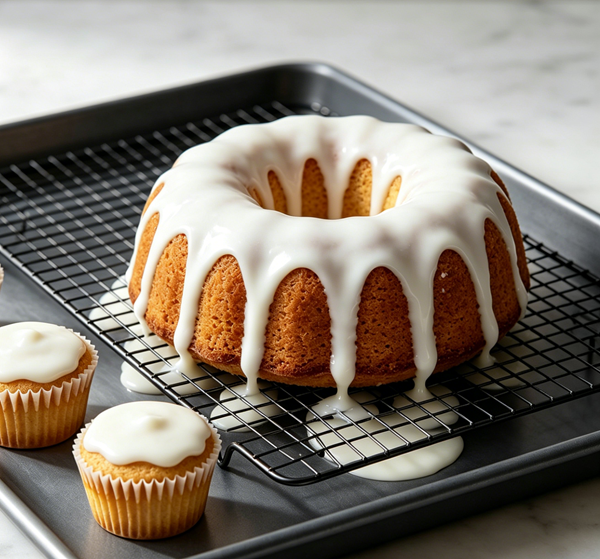
Place the cake on a cooling rack over a baking sheet. This setup catches any glaze or frosting that drips off the cake. The baking sheet below protects your counter and makes cleanup simple.
For pouring glaze, put the cooling rack on a baking sheet. Place the cake on the rack. Pour the glaze over the top and let it drip down the sides. The rack allows excess glaze to fall through to the pan below.
For frosting, a cooling rack gives you access to all sides of the cake. You can work around the edges without having to move the cake onto different surfaces.
You can also use a cooling rack for decorating cupcakes. Place the cupcakes on the rack and drizzle icing over them. The extra icing drips through the grid onto the pan below.
Using a cooling rack for glazing and decorating keeps your workspace clean and makes the process much easier. It also helps you achieve a more professional finish. A cooling rack is essential for this type of work.
Use 5: Steaming and Reheating
A cooling rack can be used for steaming foods in a pan or pot. This is a simple way to cook vegetables, fish, or dumplings without a steamer basket.
Place a cooling rack inside a large pot or deep skillet. Add about an inch of water to the pot, making sure the water does not reach the rack. Bring the water to a simmer, then place the food on the rack. Cover the pot and steam until cooked through.
This method works well for vegetables like broccoli, asparagus, and green beans. It also works for fish fillets, chicken breasts, and dumplings. The steam cooks the food gently without adding extra fat.
For reheating, place a cooling rack inside a baking sheet. Arrange food on the rack and bake. The air circulates around the food, which helps it reheat more evenly and keeps it crisp.
This is a good way to reheat fried foods, pizza, or pastries. The rack prevents the food from sitting in its own moisture, so it stays crispy instead of becoming soggy.
A cooling rack is a great alternative to a steamer basket. It is a simple tool that gives you more cooking options. Using a cooling rack for steaming is a clever kitchen hack.
Use 6: Organizing and Storing
A cooling rack can help you organize your kitchen and store food. It is useful for keeping things separated and allowing air flow.
Use a cooling rack to hold freshly washed produce. Spread berries, grapes, or cherry tomatoes on the rack so they can dry thoroughly before storing. Air can circulate around them, which helps prevent mold and keeps them fresher longer.
You can also use a cooling rack for organizing your baking supplies. Place cooling racks in a drawer or cupboard to keep baking sheets and pans separated. This prevents scratches and makes it easier to find what you need.
For storage, place a cooling rack inside a container to keep food elevated. This is a good way to store items that need air flow, like bread or pastries. The rack prevents moisture from building up underneath.
You can also use a cooling rack to hold items while they cool after decorating. This keeps them off the counter and prevents smudging or damaging the decoration.
Using a cooling rack for organization is a simple way to keep your kitchen tidy and protect your baking tools. A cooling rack has many uses beyond just cooling.
Use 7: Multipurpose Baking Aid
A cooling rack may not be the most glamorous item in your kitchen, but it certainly deserves a place on your counter. More than just a place to let cookies cool, it provides the perfect setup for roasting crisp vegetables, draining excess grease, and even decorating glossy cakes without making a mess. Its elevated design allows air to circulate freely, which helps food stay crisp and cook more evenly. Whether you are a novice baker or a seasoned cook, having a reliable rack nearby can make your time in the kitchen easier and more enjoyable.
This tool is more than just for cooling. It can also help you with various baking tasks.
Use it as a template for cutting dough. Place the rack over your dough and trace around the grid to create even squares. This is a good way to cut brownies, bar cookies, or pastry dough.
You can also use it as a cooling stand for larger items. Place the rack over a large baking sheet and you have a wide cooling surface for multiple items at once.
For dipping items in chocolate or glaze, place a rack over a baking sheet. Dip your item in the coating and place it on the rack. The excess coating drips through the grid, leaving a clean, even finish.
For freezing portions of food, place them on a rack and freeze. Once solid, transfer them to a bag or container. This prevents the pieces from sticking together.
This versatile tool can help with many baking tasks. With a little creativity, you will find even more uses for it in your kitchen.
A good cooling rack is an investment that will help you bake and cook better for many years.
How to Choose a Cooling Rack
When choosing a cooling rack, look for one that is sturdy and fits your baking sheets. A good rack should sit flat and not wobble.
The grid pattern should be fine enough to support small items like cookies without letting them fall through. Wider grids are better for larger items like cakes or roasts.
Stainless steel and chrome-plated carbon steel are common choices. Both are durable and resist rust. Look for a rack that fits inside your baking sheets so you can use the pan to catch drips.
A cooling rack with feet is helpful. The feet lift the rack off the counter, creating more air circulation underneath.
Common Questions
Can I put a cooling rack in the oven? Yes, most are oven-safe up to 450 degrees. Check the manufacturer’s instructions.
How do I clean a cooling rack? Soak in warm, soapy water and scrub gently.
What size cooling rack do I need? Choose one that fits inside your largest baking sheet.
Can I use a cooling rack for hot pans? Yes, but use oven mitts and place on a heat-safe surface.
Conclusion
A cooling rack is a simple but very useful kitchen tool. It helps you cool baked goods, roast vegetables, drain foods, and much more. Adding a quality cooling rack to your kitchen is a smart investment.
The 7 essential uses covered in this guide are:
Cooling baked goods properly
Roasting vegetables and meats
Drying and draining foods
Glazing and decorating cakes
Steaming and reheating
Organizing and storing
Multipurpose baking aid
A good cooling rack is an investment that will help you bake and cook better for many years.