Introduction: The Moment of Truth
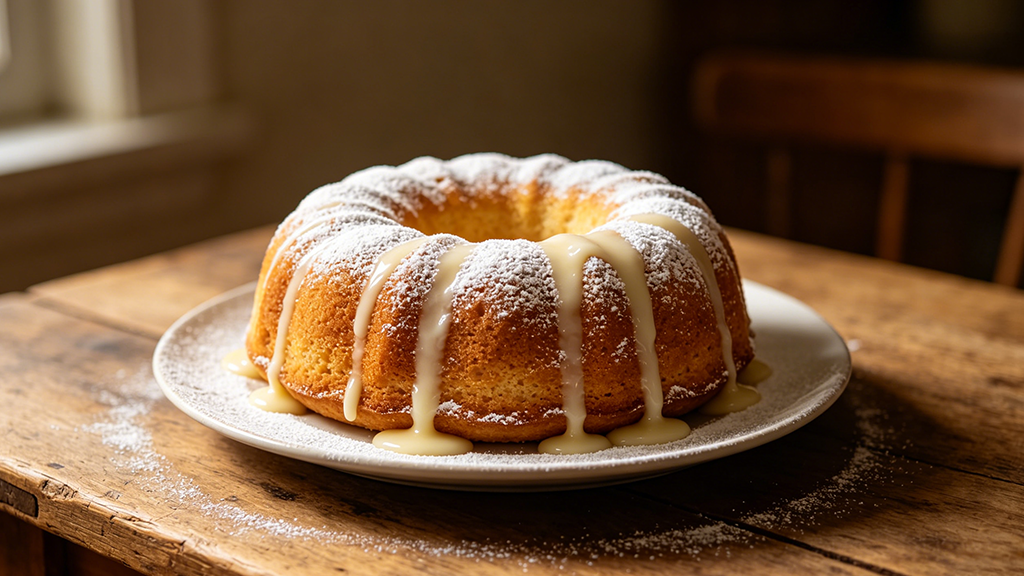
You have mixed the batter, preheated the oven, and watched the timer count down. The cake smells amazing. The pan has created those beautiful ridges and a lovely shape.
Then comes the moment that makes many bakers nervous: turning the pan over and hoping the cake comes out in one piece.
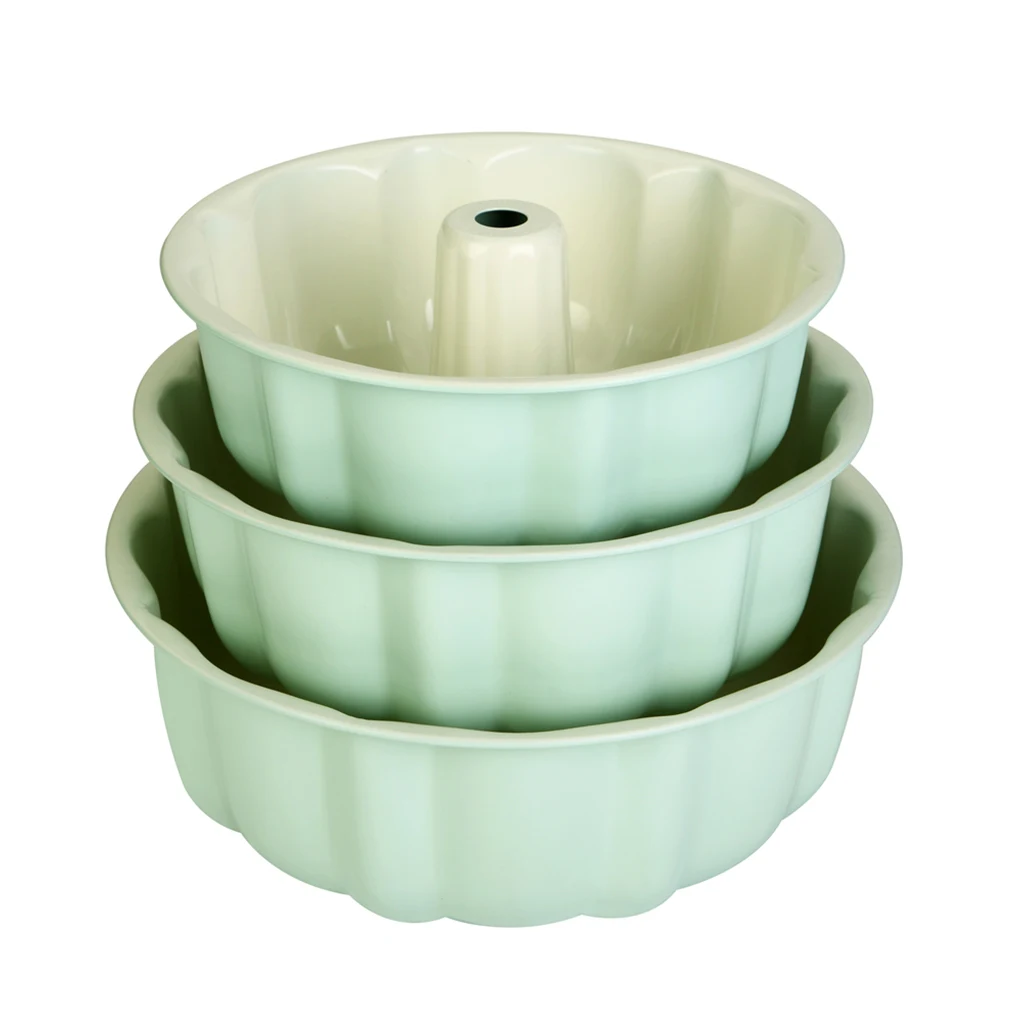
A bundt pan is different from regular cake pans. Its fluted sides and center tube create decorative details, but they also give the cake many places to hold on. Removing a cake from a bundt pan requires a bit of patience and the right technique.
This article covers 5 tested ways to remove cake from a bundt pan. You will learn preparation tips, release methods, and solutions for when things do not go as planned.
Why Cakes Stick
Before we look at solutions, it helps to understand why cakes stick.
Common Reasons
The pan was not greased enough
Grease was applied too far before filling
The cake was left in the pan too long
The cake was removed too early
The pan has scratches that trap the cake
How This Pan Differs
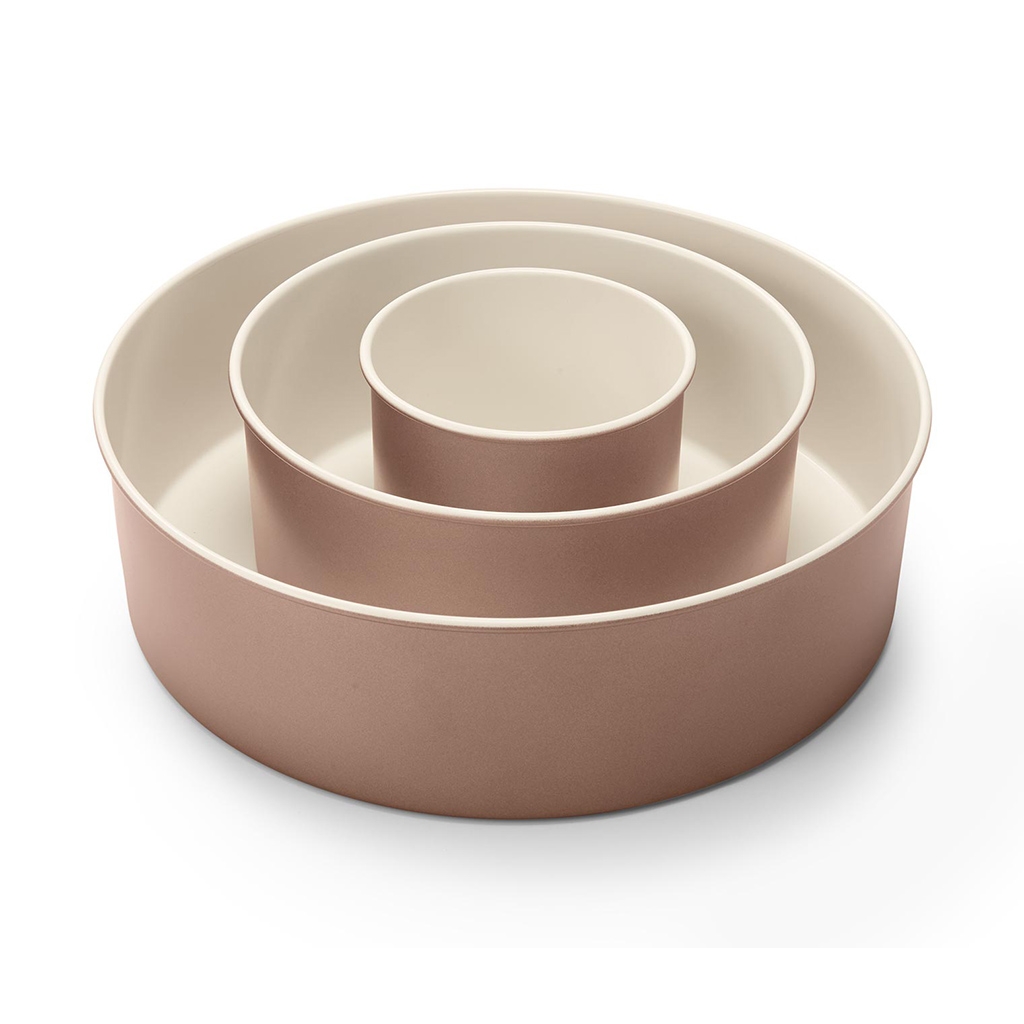
A bundt pan has many grooves and ridges. Every indentation increases the surface area where batter can cling. The center tube also creates another surface that needs preparation. This is why removing cake from a bundt pan can be more challenging than from a standard round pan.
Knowing these causes helps you choose the right method.
What You Will Need
Before you start baking, gather a few items.
| Item | Purpose |
|---|---|
| Bundt pan | The pan you baked the cake in |
| Cooling rack | For flipping and cooling |
| Thin spatula or plastic knife | To loosen edges |
| Kitchen towel | For steam method |
| Serving plate | For presenting the cake |
⚠️ Avoid using metal tools on a non-stick bundt pan. These can scratch the surface and cause more sticking in the future.
Method 1: The Warm Flip (Most Reliable)
This method works for most cakes. The timing is important.
Step-by-Step
Remove the pan from the oven. Place it on a wire cooling rack.
Let it cool for 10 to 15 minutes. This allows the cake to set slightly and begin pulling away from the sides of the bundt pan. Do not skip this step. Flipping too early can cause the cake to tear. Leaving it too long can cause sticking.
Run a thin spatula around the edges. Gently slide a thin silicone spatula or plastic knife between the cake and the bundt pan. Go all the way to the bottom. Also loosen around the center tube.
Place a cooling rack on top of the pan. Make sure it is centered.
Flip the pan and rack together. Hold them firmly. Use a smooth motion to turn them over.
Lift the pan slowly. The cake should release onto the rack. If it does not release right away, let it sit inverted for another 5 minutes.
Why This Method Works
The 10 to 15 minute rest lets the cake firm up without letting the sugars harden completely. When the cake is still warm, the sugars that might act like glue are still somewhat fluid. This makes release from the bundt pan much easier.
Best For
Most standard butter cakes, pound cakes, and coffee cakes.
💡 Pro tip: Use a grid cooling rack, not one with large gaps.
Method 2: The Hot Towel Steam Trick
Sometimes a cake needs a little extra help. Steam can be very effective.
Step-by-Step
Follow the warm flip method first. If the cake does not release, do not force it.
Run a kitchen towel under very hot water. Wring out the excess.
Place the hot, damp towel over the inverted pan.
Let it sit for 5 to 10 minutes.
Remove the towel. Gently tap the bottom of the bundt pan.
Lift the pan slowly. The cake should release.
Why This Method Works
The heat and moisture from the towel create steam. The steam softens the caramelized sugars that may be holding the cake to the bundt pan. This gentle approach does not damage the cake or the pan.
Best For
Stubborn cakes that did not release with the warm flip method. Also good for cakes with high sugar content.
🔥 Alternative method: If you have a garment steamer, aim the steam at the outside of the pan for a minute or two.
Method 3: The Freezer Shrink Method
If you have time, cold temperatures can help release a stubborn cake.
Step-by-Step
After the initial 10 minute cooling, place the entire pan in the freezer.
Leave it for 30 to 60 minutes.
Remove the bundt pan from the freezer.
Run a plastic knife around the edges.
Flip the pan onto a cooling rack.
Lift the pan. The cake should release.
Why This Method Works
Cold temperatures cause the cake to contract slightly. The metal bundt pan also contracts. These small changes can break the bond between the cake and the pan.
Best For
When you are not in a hurry. This method works well for very delicate cakes or cakes that have been left in the bundt pan for too long.
❄️ Note: This method works best for metal pans. Glass or ceramic pans may crack with sudden temperature changes.
Method 4: The Water Bath Rescue
If your cake is firmly stuck and other methods have not worked, a warm water bath can help.
Step-by-Step
Fill a large bowl or your sink with hot (not boiling) water.
Place the inverted bundt pan into the water bath.
Let it sit for 10 minutes. The water should not reach the cake itself.
Remove the pan from the water.
Gently tap the bottom and sides.
Flip onto a cooling rack.
Why This Method Works
The warm water gently warms the metal pan. The bundt pan expands slightly, breaking the seal with the cake. This method is more gentle than using direct heat.
Best For
Very stubborn cakes where other methods have failed. Use this as a last resort.
⚠️ Safety first: Be careful not to let water touch the cake. A wet cake can become soggy.
Method 5: Prevention (The Best Method)
The best way to remove a cake is to prevent sticking from the start. Good preparation makes removal much easier.
Step-by-Step Preparation
Start with a clean, dry bundt pan. Wash it thoroughly. Any leftover bits of batter give the new cake something to cling to.
Choose the right grease. Melted vegetable shortening works well. Some bakers prefer baking spray with flour. Avoid butter alone, as the milk solids can act like glue.
Grease every crevice. Use a pastry brush to reach all the grooves, ridges, and the center tube. Be generous but not excessive.
Add a dusting. After greasing, add flour, cocoa powder, or even bread crumbs. For chocolate cakes, use cocoa powder to avoid white spots.
Tap out the excess. Turn the bundt pan upside down and tap gently over the sink.
Fill and bake as usual.
Why This Works
The grease creates a barrier between the batter and the bundt pan. The flour or cocoa absorbs moisture and gives the cake something to grip without sticking.
Best For
Every bundt cake you bake. Prevention takes only a few minutes and saves you from frustration later.
🍫 Special tip for chocolate cakes: Dust the greased bundt pan with cocoa powder instead of flour.
Quick Reference: Method Comparison
| Method | Time Needed | Best For | Difficulty |
|---|---|---|---|
| Warm flip | 10-15 min | Most cakes | Easy |
| Hot towel steam | 5-10 min | Stubborn cakes | Easy |
| Freezer shrink | 30-60 min | Delicate cakes | Easy |
| Water bath | 10 min | Very stuck cakes | Moderate |
| Prevention | 5 min | Every cake | Very easy |
What to Do When the Cake Breaks
Even with good technique, cakes sometimes break. Here are a few ways to save a broken cake.
Option 1: Glue It Back Together
If a piece breaks off, you can stick it back on. Use a small amount of egg white, warm jam, or melted chocolate as glue.
Option 2: Hide Imperfections
A glaze, icing, or dusting of powdered sugar can cover many small flaws.
Option 3: Make Cake Pops
Crumble the broken cake into a bowl. Mix with a small amount of frosting. Roll into balls and dip in melted chocolate.
Option 4: Make a Trifle
Layer the broken cake pieces with pudding, fruit, and whipped cream in a glass bowl.
Breaking a cake is frustrating, but it does not have to ruin your dessert.
Common Questions
How long should I let the cake cool in the pan?
Most recipes suggest 10 to 15 minutes in the bundt pan. Dense cakes may need up to 20 minutes. Do not let the cake cool completely in the pan, as this can cause sticking.
Can I flip the cake immediately after baking?
No. Flipping a hot cake can cause it to tear or collapse. The cake needs time to set.
What is the best grease for this pan?
Melted vegetable shortening works well. Baking spray with flour is also a good option. Avoid using only butter.
Do I need to flour the pan after greasing?
Flouring helps, but it is not always necessary. For detailed pans, a dusting provides extra insurance.
Why does my cake always stick in the same spot?
The bundt pan may have scratches or worn coating in that area. Check your pan. If the surface is damaged, consider replacing it.
Troubleshooting Common Issues
| Issue | Likely Cause | Solution |
|---|---|---|
| Cake sticks to bottom | Not enough grease | Use more grease; add flour dusting |
| Cake sticks to center tube | Center tube not greased | Use a brush to reach the tube |
| Cake falls apart when flipping | Flipped too early | Cool for 10-15 minutes before flipping |
| Cake has pale, soft bottom | Too much grease | Use less grease next time |
| Cake has dark, hard crust | Pan too dark or oven too hot | Lower oven temperature by 25°F |
| Cake has white spots | Flour dusting on chocolate cake | Use cocoa powder instead of flour |
Caring for Your Pan
Taking care of your pan helps it perform better over time.
Hand Wash Only
Most bundt pans are not dishwasher safe. The high heat and harsh detergents can damage the non-stick coating. Wash with warm, soapy water and a soft sponge.
Avoid Metal Utensils
Metal knives or spatulas can scratch the surface. Use silicone, nylon, or plastic tools instead.
Dry Thoroughly
Dry the pan completely before storing. Moisture can cause rust on some metal pans.
Store Carefully
If you stack other pans inside your bundt pan, place a paper towel between them to prevent scratches.
Conclusion
Removing a cake from a bundt pan does not have to be stressful. With the right preparation and a few techniques, you can release your cake smoothly and keep those beautiful details intact.
The 5 methods covered in this guide are:
The warm flip – for most cakes
The hot towel steam – for stubborn cakes
The freezer shrink – when you have time
The water bath – as a last resort
Prevention – the best approach
Each method works for different situations. You may find that one method works best for your favorite bundt pan. With practice, you will learn what works for your kitchen, your oven, and your recipes.
A little preparation before baking saves you time and frustration later. Your bundt pan is a wonderful tool. When you know how to use it well, every cake can come out looking as beautiful as it tastes.