Why Some Baking Trays Warp in the Oven
Anyone who bakes regularly has probably experienced it: a baking tray suddenly makes a loud popping sound and changes shape inside the oven.
This phenomenon is known as warping, and it is one of the most common issues with low-quality bakeware.
But why does it happen?
Understanding Thermal Expansion
When metal is heated, it expands.
The challenge occurs when different parts of the tray heat up at different rates.
For example:
- The center of the tray may become hot first.
- The edges remain cooler.
- Uneven expansion creates internal stress.
When the stress becomes too great, the tray bends or twists, producing the familiar popping sound.
Material Thickness Matters
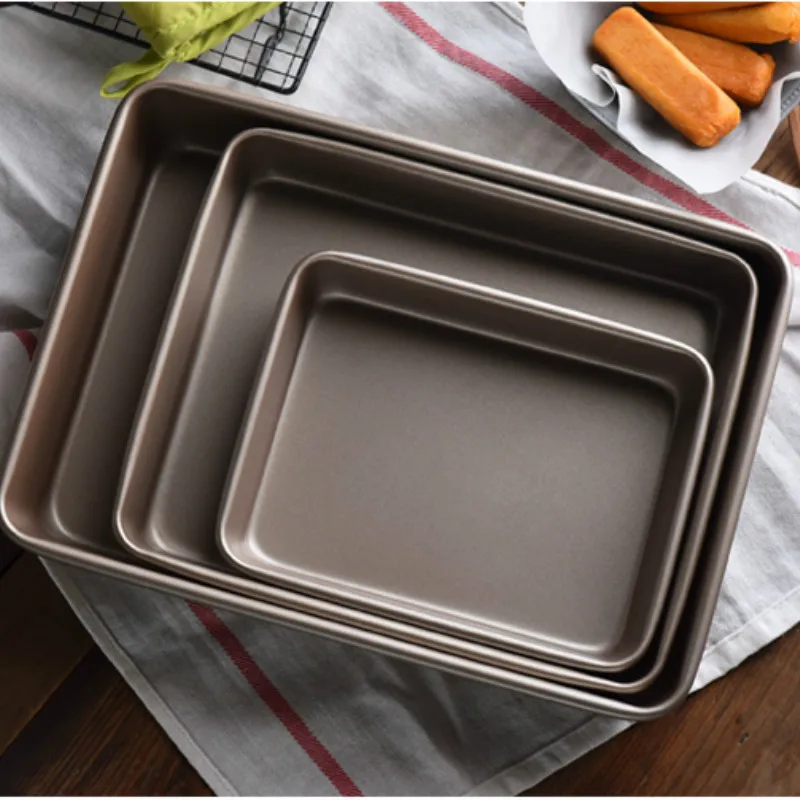
Thin baking trays are more susceptible to warping.
Because thinner metal has less structural rigidity, it reacts more dramatically to temperature changes.
Professional bakeware manufacturers often use heavier-gauge carbon steel to reduce this risk.
A thicker tray remains more stable during repeated heating and cooling cycles.
Reinforced Edges Make a Difference
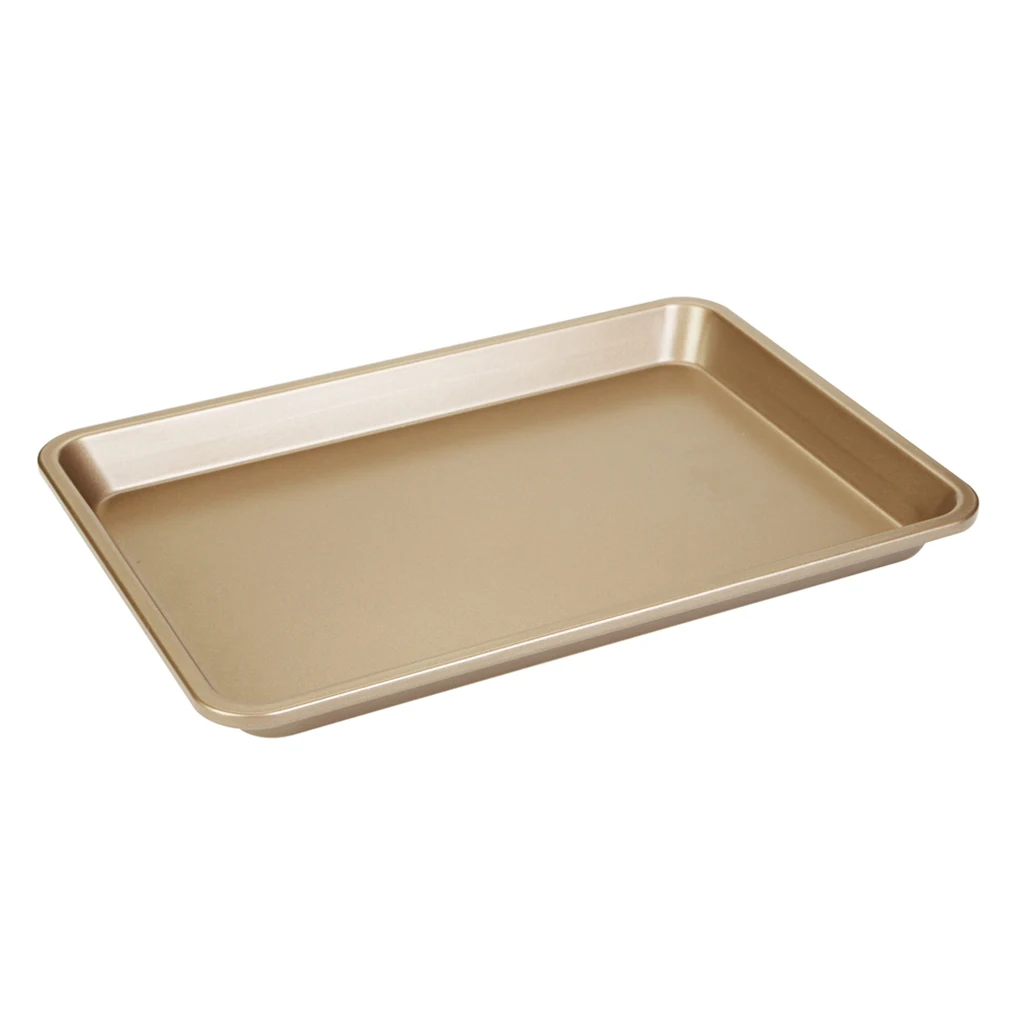
Many commercial baking trays feature rolled or reinforced rims.
These reinforced structures help:
- maintain flatness
- increase rigidity
- reduce deformation
This is one reason commercial bakeware often lasts significantly longer than inexpensive consumer products.
Why Warping Affects Baking Performance
Warping is not only a cosmetic issue.
A distorted tray can cause:
- uneven batter distribution
- inconsistent baking results
- unstable placement in the oven
For bakeries producing hundreds or thousands of products daily, consistency is critical.
Conclusion
Warping is usually caused by a combination of thermal expansion, thin materials, and inadequate structural design.
Investing in high-quality baking trays with proper thickness and reinforcement can significantly improve both durability and baking performance.