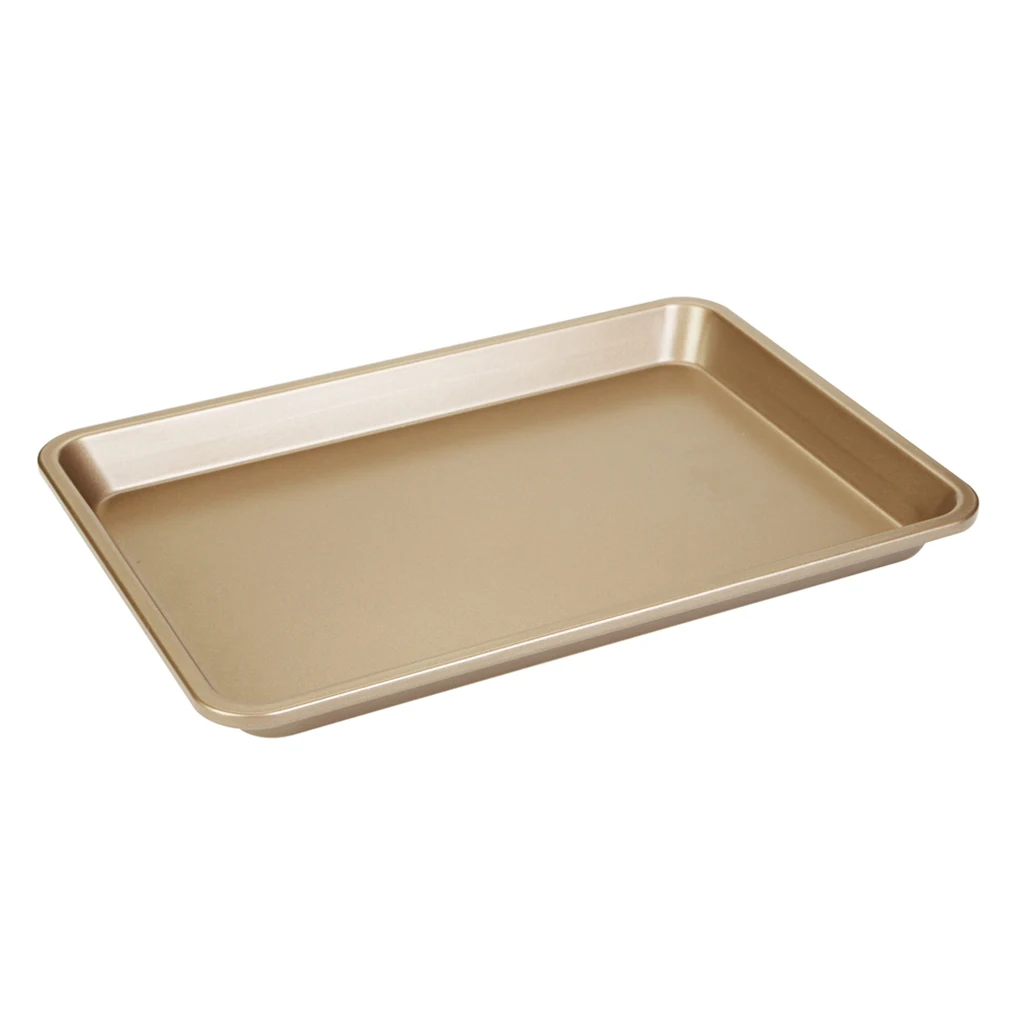
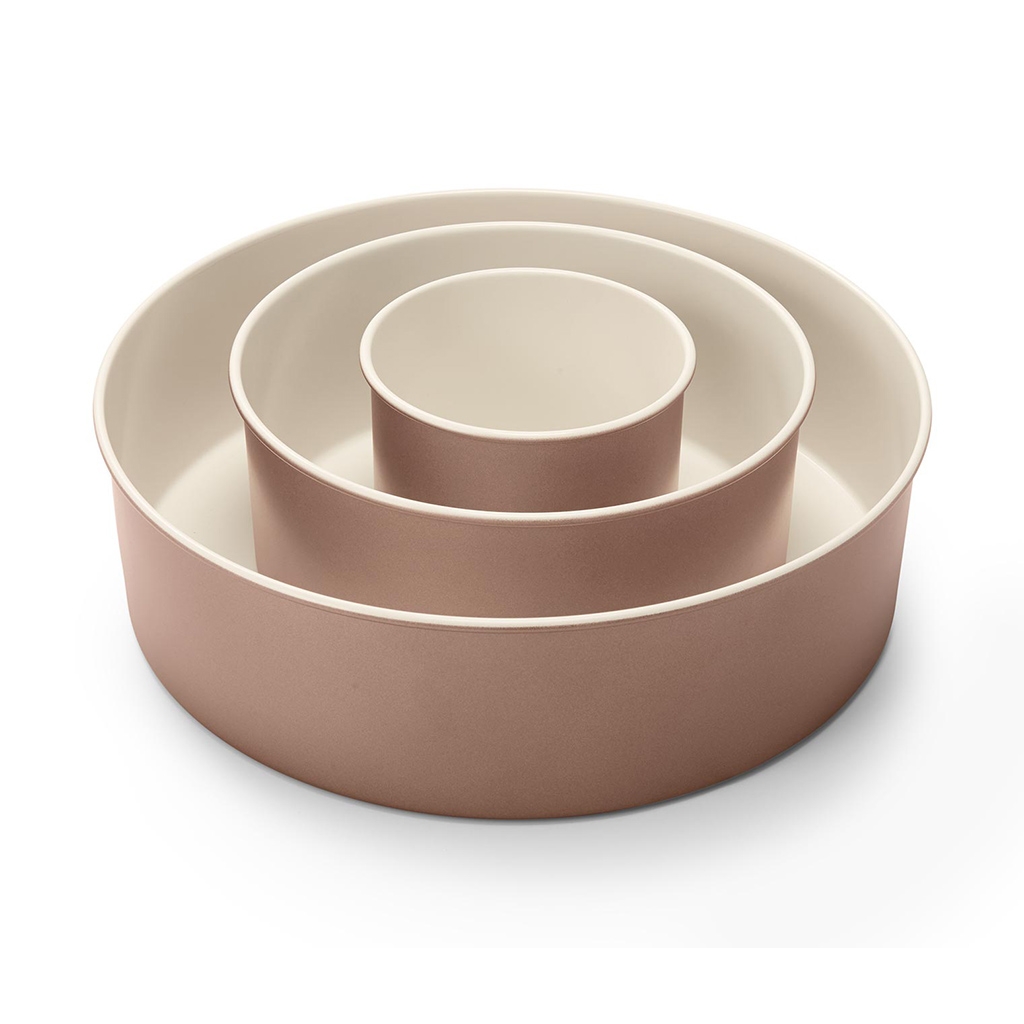
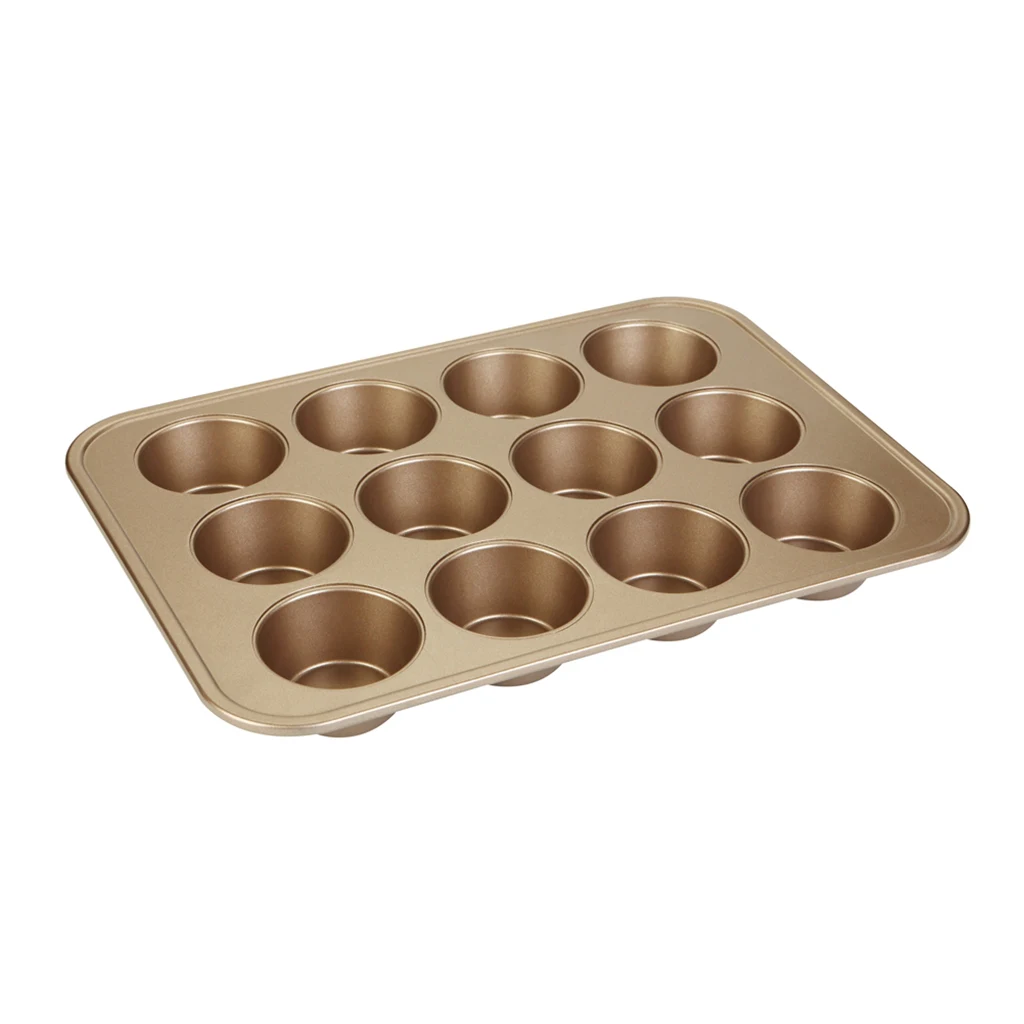

Why Some Aluminum Baking Tray Projects Become More Expensive After Production Starts
Introduction
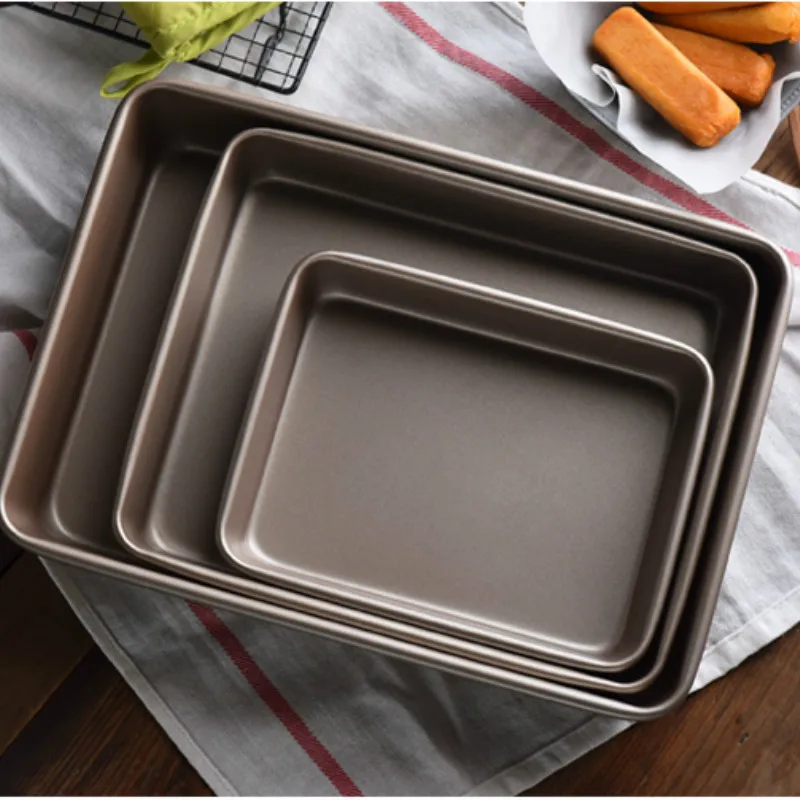
Many kitchenware brands believe the main cost of developing an aluminum baking tray comes from the production price.
However, in real OEM projects, unexpected costs often come from decisions made before production begins.
Design changes, unsuitable materials, unclear specifications, and insufficient testing can significantly increase project expenses.
Understanding these potential risks helps brands control costs and launch products more efficiently.
1. Late Design Changes Increase Development Costs
One of the most common causes of additional costs is changing the product design after tooling has started.
Examples include:
- Changing tray dimensions
- Modifying edge structures
- Adjusting product depth
- Changing surface requirements
These changes may require:
- Mold adjustments
- New samples
- Additional testing
- Longer development time
A detailed design review before production can prevent many unnecessary expenses.
2. Incorrect Material Selection Creates Quality Problems
Choosing aluminum material is not simply about selecting the cheapest option.
Different products require different material characteristics.
Incorrect material selection may result in:
- Insufficient strength
- Deformation during use
- Poor forming performance
- Higher rejection rates
A professional manufacturer should recommend suitable materials based on:
- Product size
- Usage conditions
- Target market requirements
3. Ignoring Surface Treatment Requirements
For coated baking trays, surface treatment is a critical step.
If coating requirements are not confirmed early, problems may appear later:
- Poor coating adhesion
- Uneven appearance
- Reduced durability
Brands should define:
- Coating type
- Performance expectations
- Testing standards
before mass production begins.
4. Lack of Proper Sample Testing
Some projects move directly from prototype to mass production.
This creates risks because samples may not represent actual production conditions.
Professional product development should include testing for:
- Dimensions
- Appearance
- Flatness
- Coating performance
- Packaging protection
Testing helps identify problems before they become expensive production issues.
5. Choosing a Supplier Only Based on Price
A lower quotation may look attractive at the beginning.
However, the total project cost includes:
- Quality issues
- Delays
- Rework
- Customer complaints
- Returns
An experienced supplier helps reduce these hidden costs through better planning and technical support.
Conclusion
Successful aluminum baking tray projects depend on careful preparation before mass production.
The biggest cost-saving strategy is not always finding the lowest unit price.
It is reducing risks through:
- Clear product requirements
- Proper material selection
- Complete testing
- Professional manufacturing support
A reliable OEM partner does more than produce baking trays.
They help brands create stable, market-ready products from concept to final delivery.