Let’s talk about baguette pans.
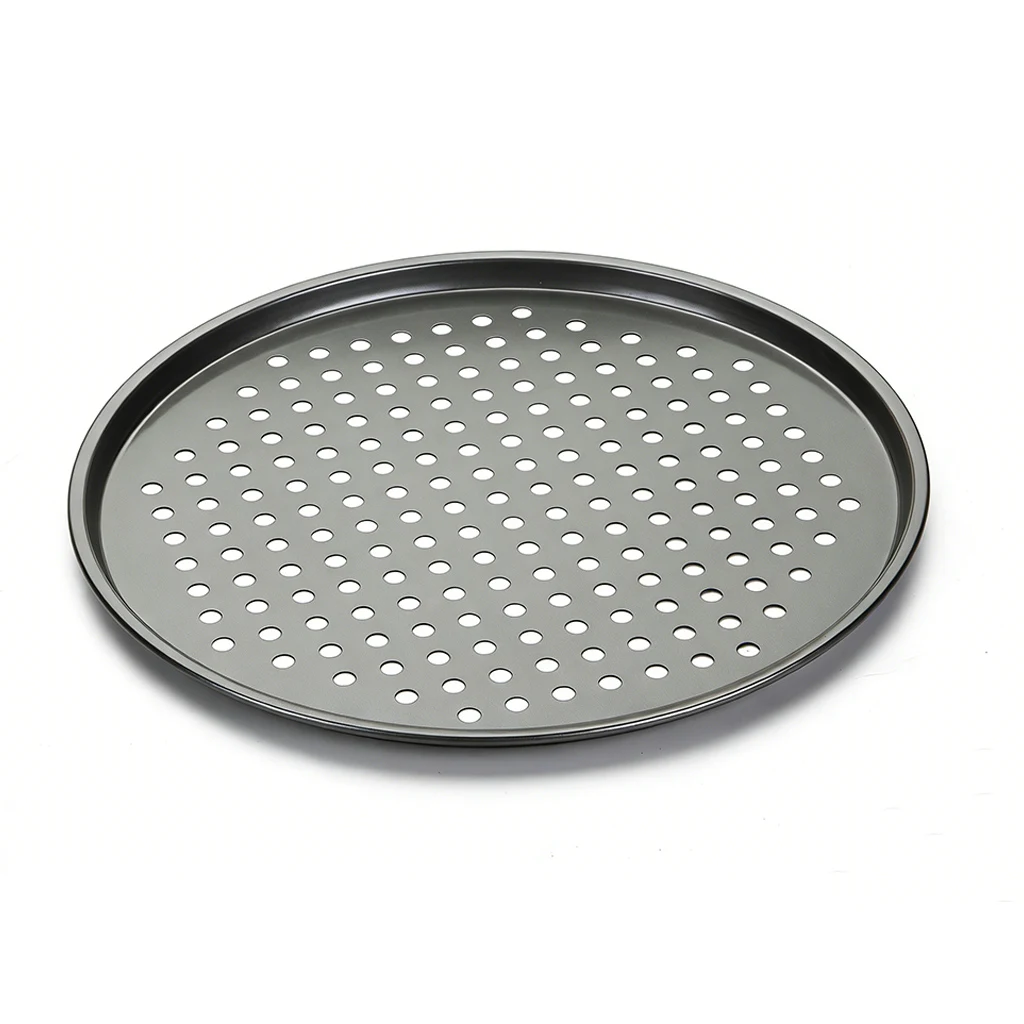
Maybe you’ve seen them in kitchen supply stores—those long metal trays with deep grooves and tiny holes all over. They’re often tucked away on a high shelf, wedged between the oversized muffin tins and the commercial-grade sheet pans. They look a bit industrial. A bit specialized. Not exactly the kind of thing that screams “impulse buy.”
And maybe you’ve stood there holding one, turning it over in your hands, wondering: do I actually need one of these?
It’s a fair question. After all, people have been baking baguettes for centuries without a specialized pan. French bakers have their steam-injected ovens and linen couches and wooden peels. Home bakers have baking sheets and parchment paper. So why add another piece of equipment to your already crowded kitchen?
The short answer: because it makes the difference between a loaf that’s just okay and one that rivals your favorite boulangerie. Between wrestling with sticky dough and simply loading a pan. Between bread that tastes like a project and bread that tastes like a craft.
So let’s break it down—what a baguette pan actually does, why it matters, and whether it belongs in your kitchen.
What This Pan Actually Does
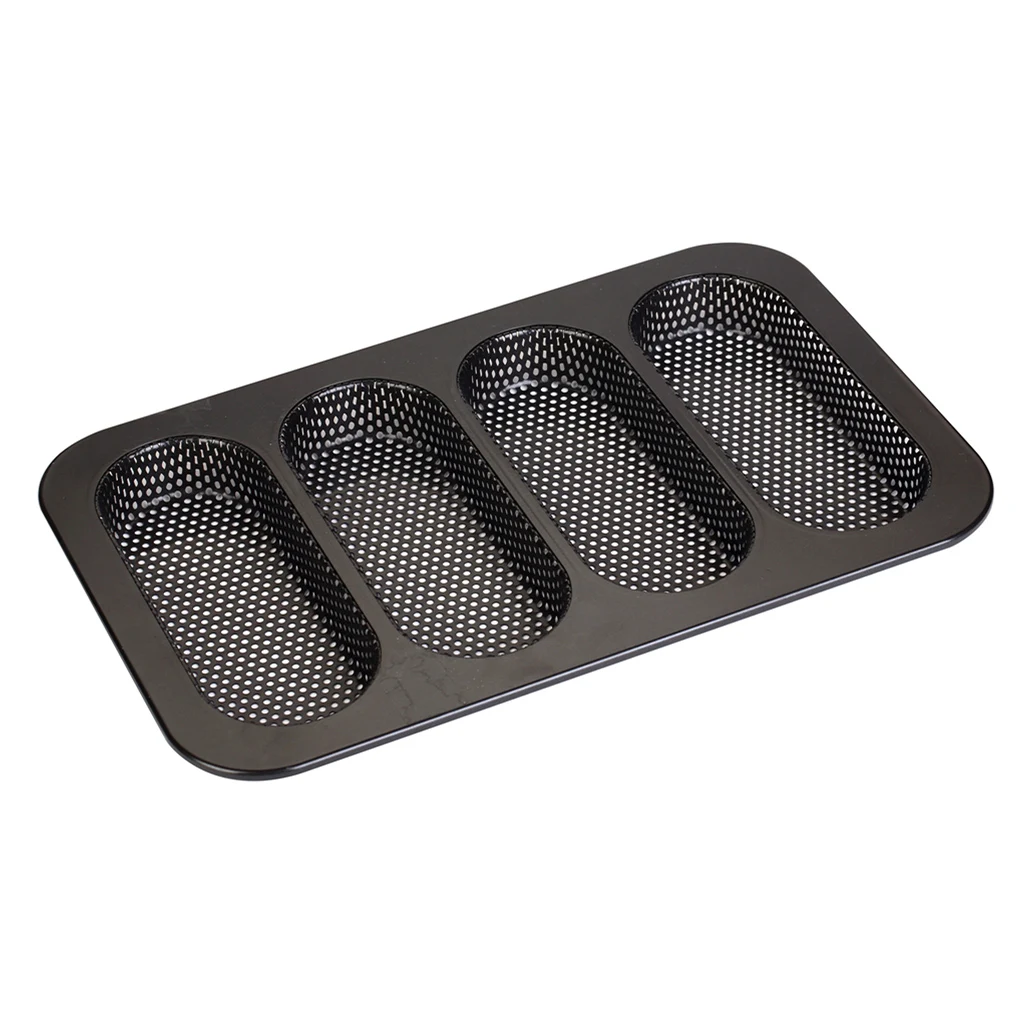
First, let’s look at what you’re dealing with. A baguette pan has two key features that work together to deliver professional results.
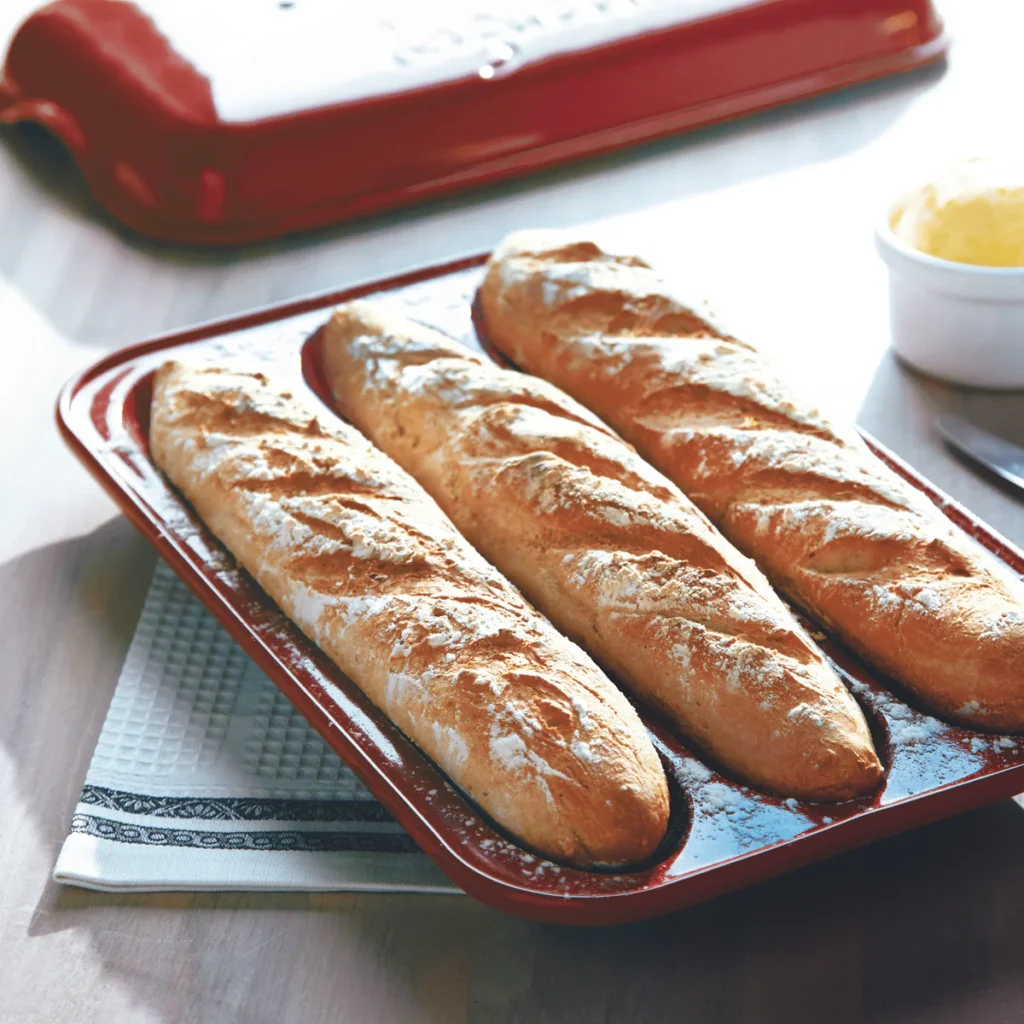
The grooves hold your dough in shape. Without them, a baguette spreads out as it bakes—gravity takes over, and you end up with a flat-ish loaf that’s wider than it is tall, more like a ciabatta than a classic French baguette. The grooves keep everything tidy, guiding your dough upward so it rises tall and maintains that signature slender silhouette.
The holes are where the magic happens. They let hot air circulate freely, reaching every surface of the dough. Without holes, the bottom of your bread steams against a solid pan, trapping moisture and leaving you with a pale, soft underside that lacks texture. With holes, you get an evenly browned crust all the way around—no soft spots, no pale patches. Just that satisfying crackle when you squeeze the loaf and the irresistible crunch with every slice.
Using It: The Basics
You don’t need advanced baking skills here. The pan does most of the work.
1. Prep it.
A quick spray of oil or a light butter rub keeps things from sticking. Dust with a little flour if you want to be extra safe. This takes ten seconds and saves you from wrestling a stuck loaf out of the pan later.
2. Shape your dough.
You’ve made your dough. It’s risen. Now gently form it into logs roughly the length of your pan. Place them in the grooves. They should fit without squishing.
3. Score it.
Take a sharp knife. Make a few quick slashes along the top, about a quarter-inch deep. This isn’t decorative—it gives the bread room to expand. Skip this step and the bread will tear open wherever it wants.
4. Bake.
Preheat your oven to 475°F (245°C). If you want a crispier crust, toss a few ice cubes in a pan at the bottom of the oven right when you put the bread in. The steam helps.
Bake for 20-25 minutes. You’re looking for deep golden brown. When you tap the bottom, it should sound hollow.
5. Cool properly.
This matters more than people think. Take the baguettes out of the pan immediately and let them cool on a wire rack. Leave them in the pan and the bottoms will steam themselves soft.
A Few Things We've Learned (We Make These Pans)
The pan itself is simple. It doesn’t need much—no complicated setup, no special treatment. But a little care goes a long way.
Let it cool completely before washing. This is the golden rule. Hot pan plus cold water equals warped metal, and a warped pan means uneven baking and dough that slides around. Not good.
When it’s cool, hand wash with mild soap and a soft sponge. Dry it right away with a towel. That’s it. No soaking—water can sneak into the seams of non-stick coatings. No metal scrubbers—they’ll scratch the surface and ruin that non-stick magic. And definitely no dishwasher. The harsh heat and detergents will break down the finish over time.
Treat it decently and it’ll outlast your oven. A little care now means years of bakery-quality baguettes to come.
Why Bother With a Special Pan?
You can bake baguettes on a regular baking sheet. People do it all the time—and you can absolutely get decent results. But let’s be honest: there’s a noticeable difference.
The pan gives you better crust, better shape, and better airiness inside. Instead of a loaf that spreads wide and bakes unevenly, you get that golden, all-around crispiness that makes a baguette worth eating. The structure stays tall and elegant, not flat and sprawling. And the crumb? Lighter, airier, with those irregular holes that signal true artisan quality. It turns a good homemade loaf into something that looks—and tastes—like it came straight from a proper bakery.
And honestly? It’s easier. The pan holds everything in place from start to finish. No wrestling with shaped dough trying to slide it onto a scorching hot stone. No worrying about your loaves flattening out the second they hit the heat. No awkward transfers, no burned fingers, no last-minute disasters. You just load it, slide it into the oven, and let the pan do the work.
The Bottom Line
A baguette pan isn’t complicated. It doesn’t have moving parts, digital displays, or a steep learning curve. It’s a simple tool that does one thing exceptionally well: helps you bake better bread with less fuss. No guesswork. No acrobatics with a pizza peel. Just consistent, bakery-quality results every time you bake.
If you bake baguettes regularly—or even if you’ve just been wanting to—it’s worth having one in your kitchen. It’s one of those tools that quietly pays for itself loaf after loaf, turning what used to be a weekend project into something you can confidently whip up any day of the week.
We make these pans. Heavy-gauge steel, perforated for even baking, designed to last. No flimsy materials, no corners cut—just a solid, reliable pan that takes the heat and delivers. Available in 2, 3, 4, and 6-slot options to match how you bake. Whether you’re making a couple of baguettes for dinner or stocking the freezer for the week, there’s a size for you.
If you’re interested, you can click the link to find them in our store. Heavy-Duty French Baguette Baking Pan – 2, 3, 4, 6 Slot OptionsYour next batch of bakery-quality baguettes is closer than you think.