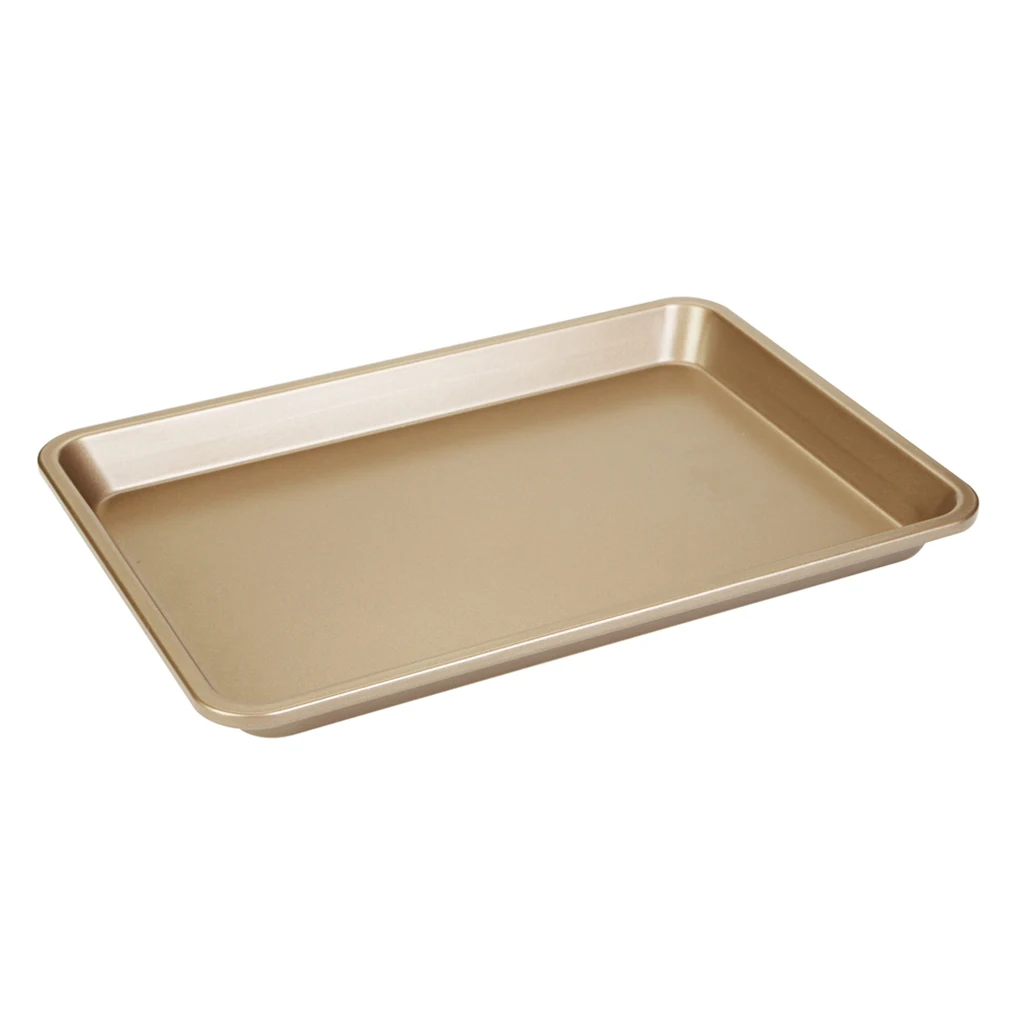
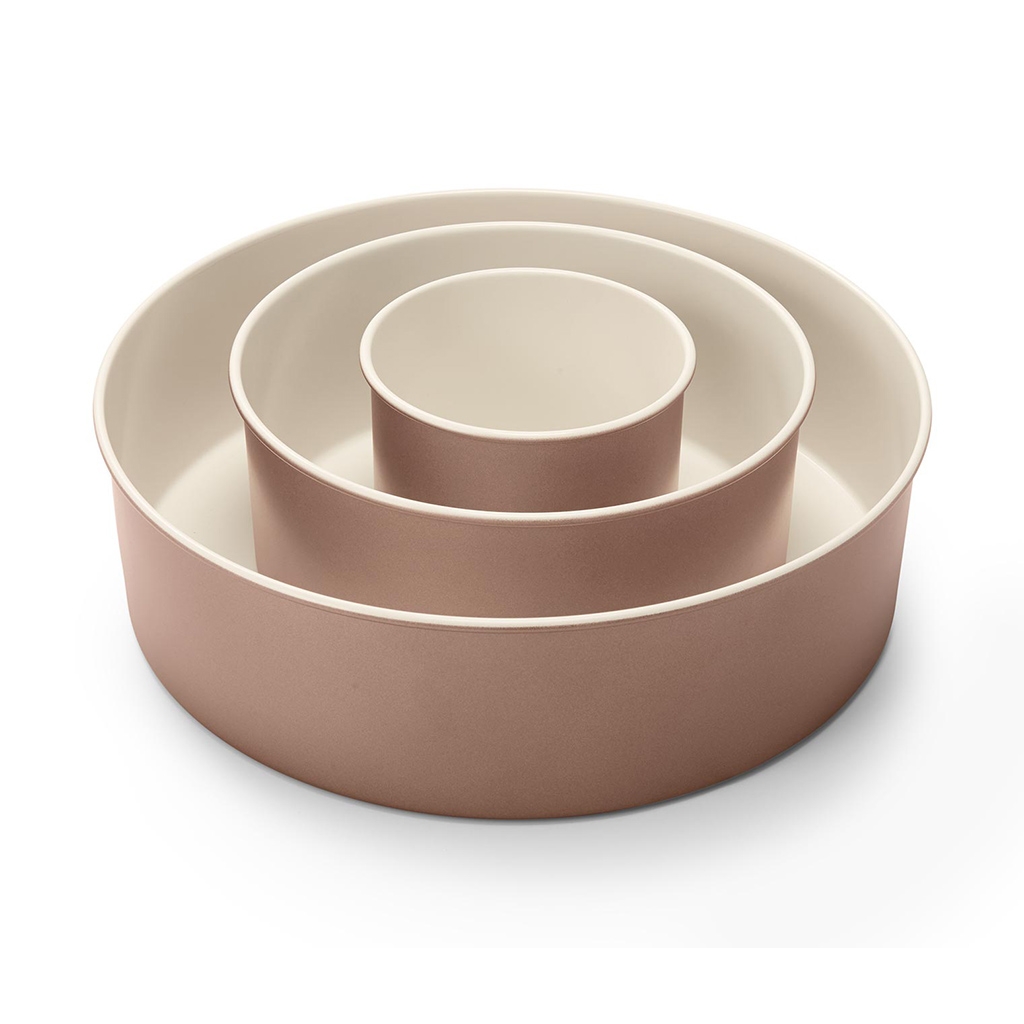
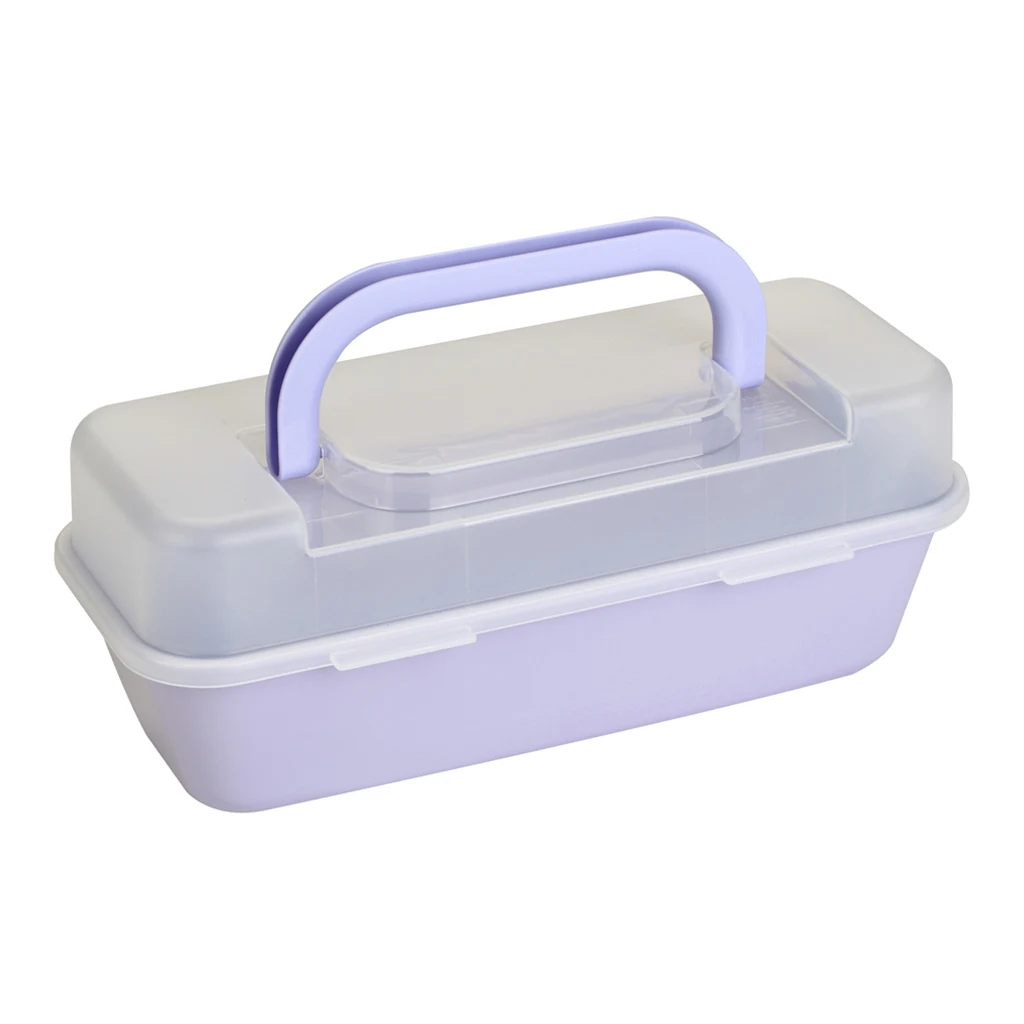
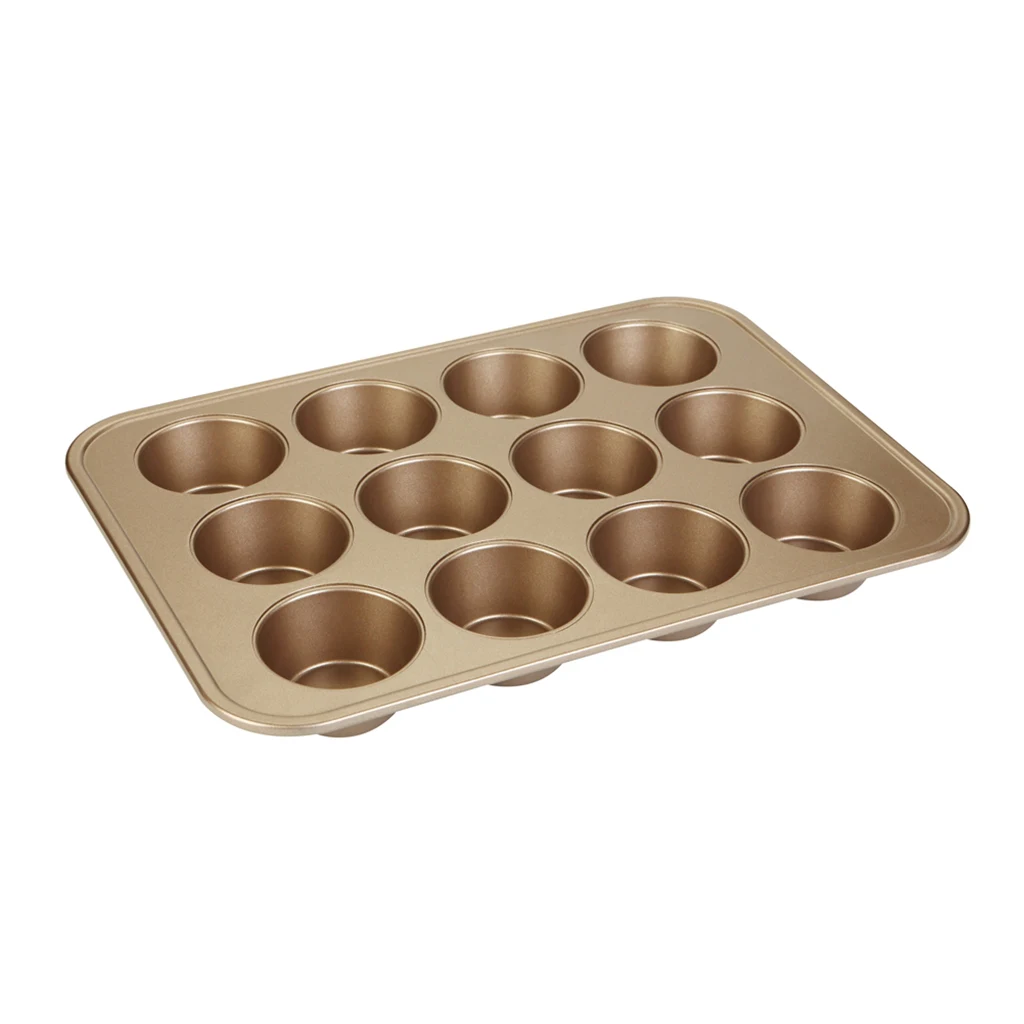
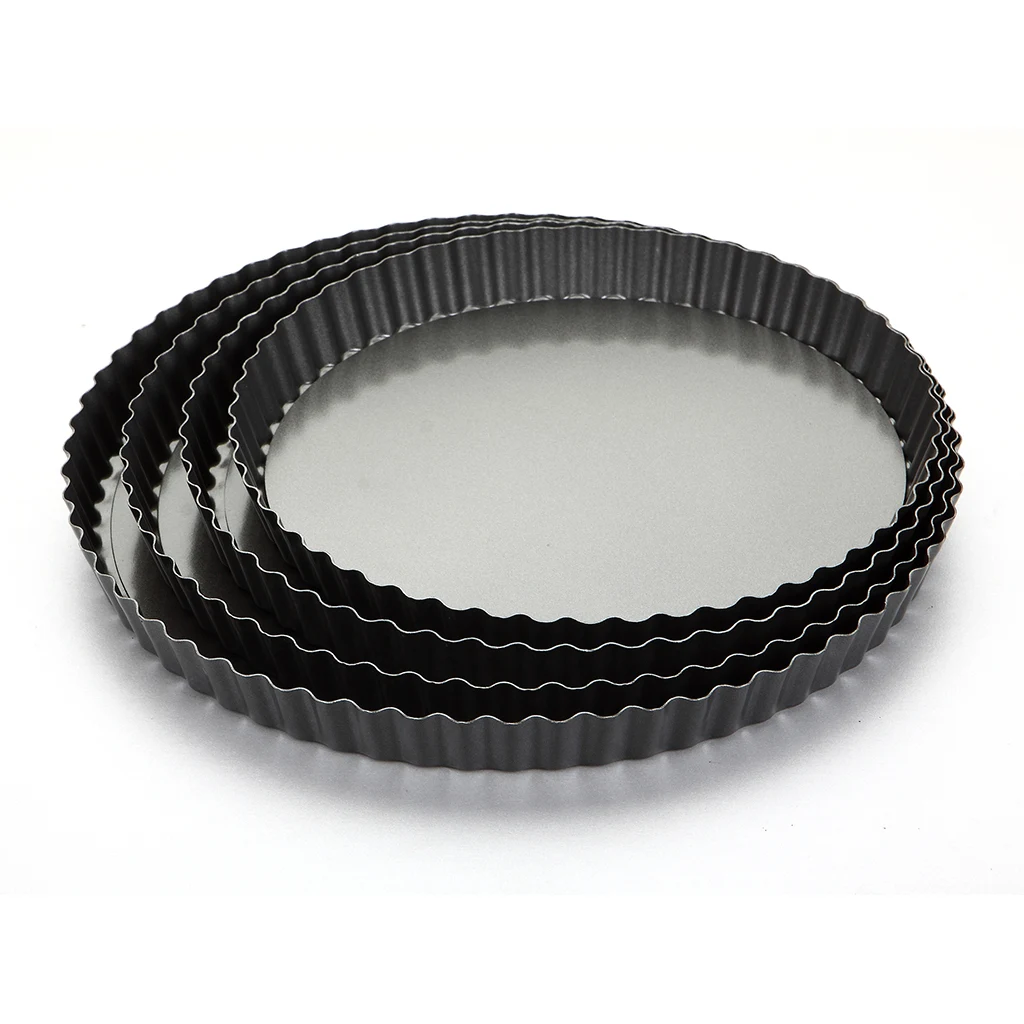
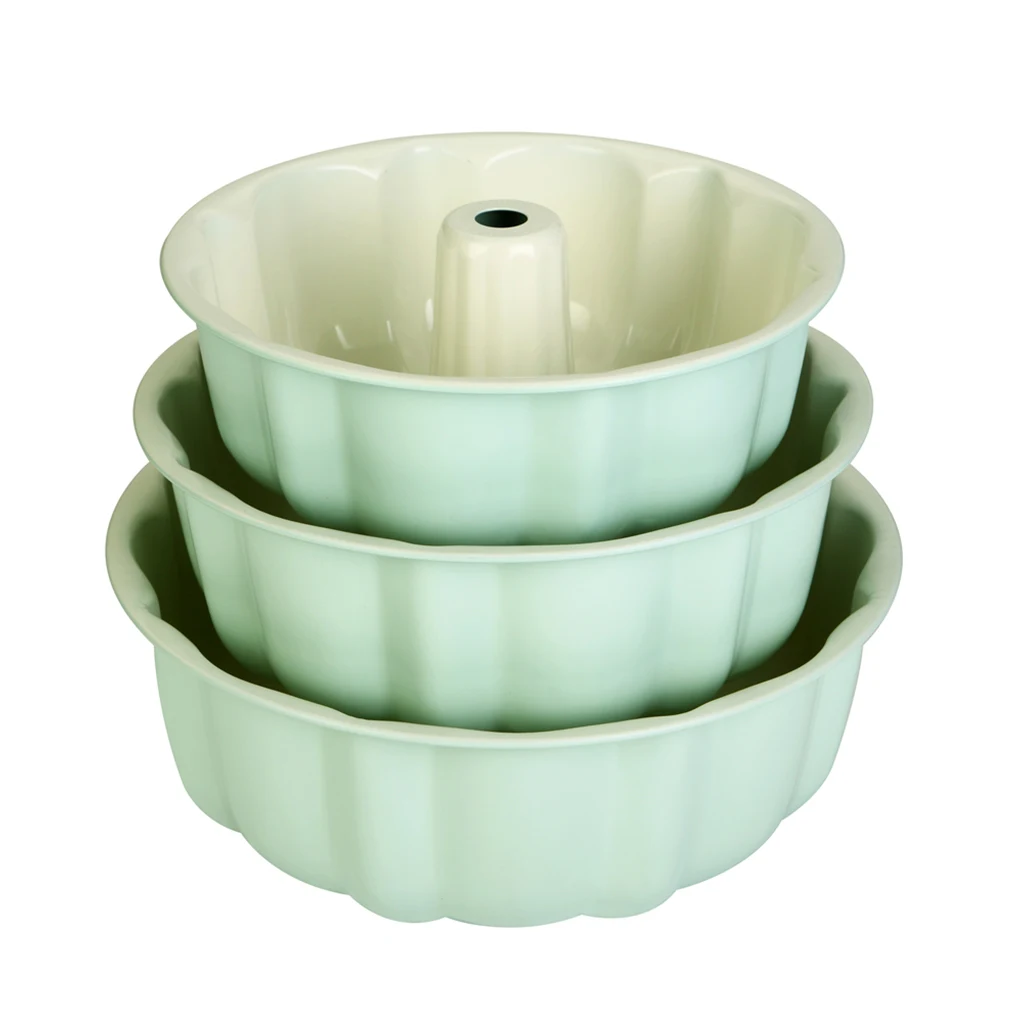
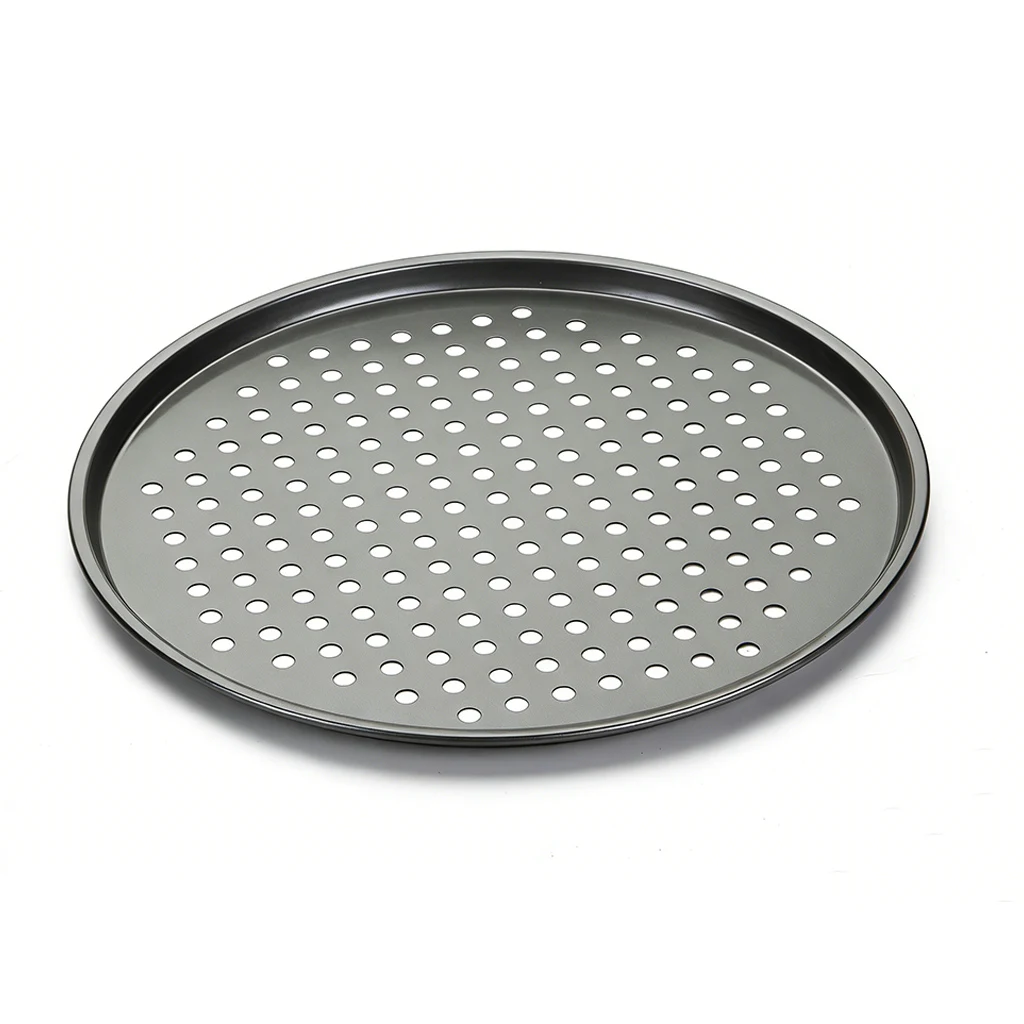
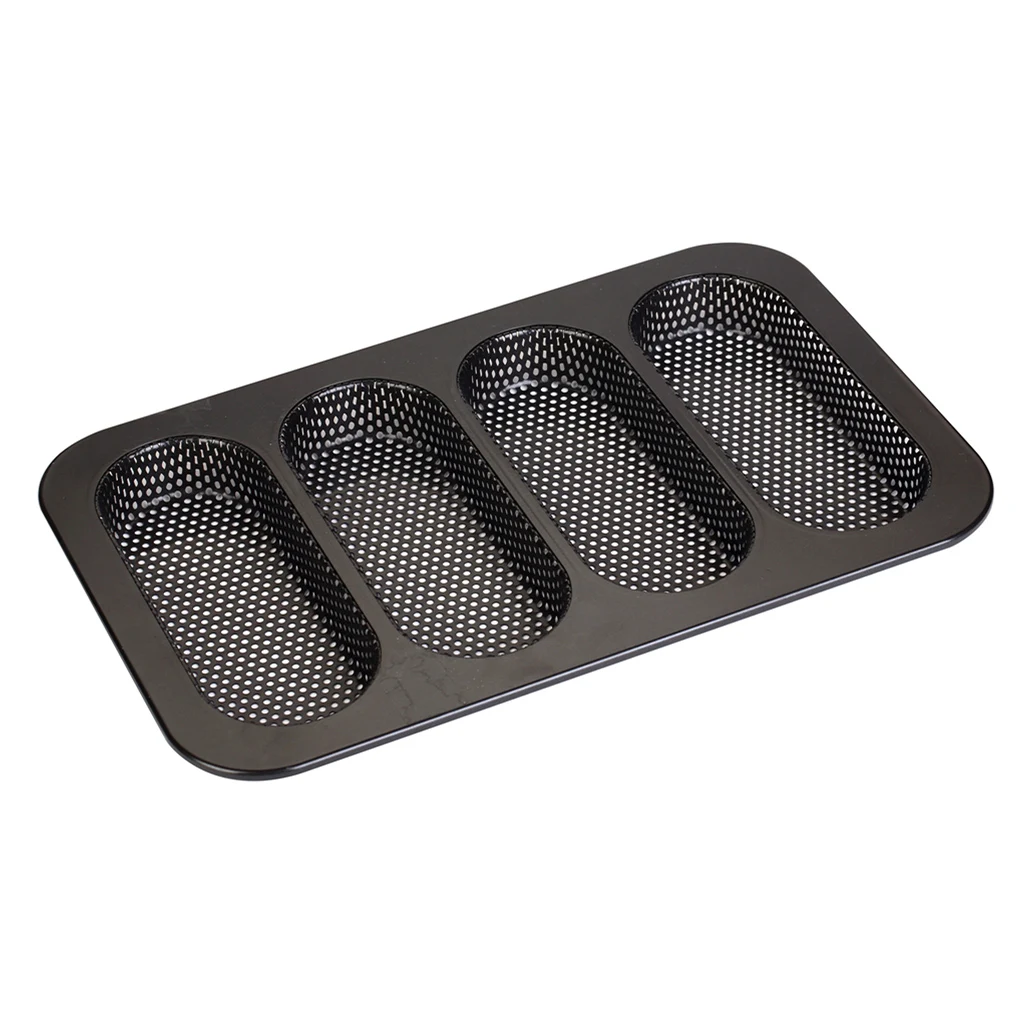
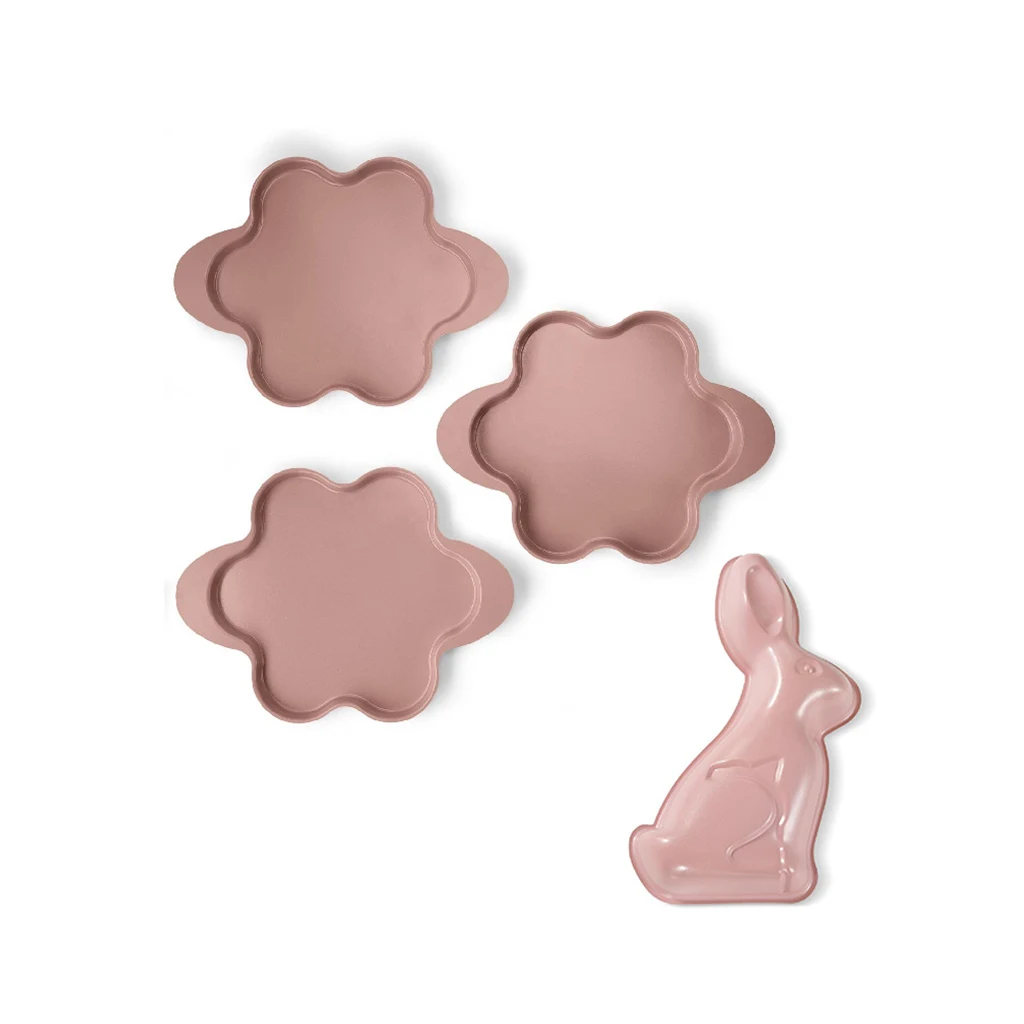
Tart pans are widely known as specialized molds for Chinese and Portuguese egg tarts. However, these simple baking tools have gained huge popularity across European and American households, professional bakeries and high-end restaurants. In overseas markets, tart pans are no longer limited to sweet egg tarts. They have developed into versatile kitchen utensils for both sweet and savory dishes, suitable for daily meals and festive occasions, and become essential in Western baking.
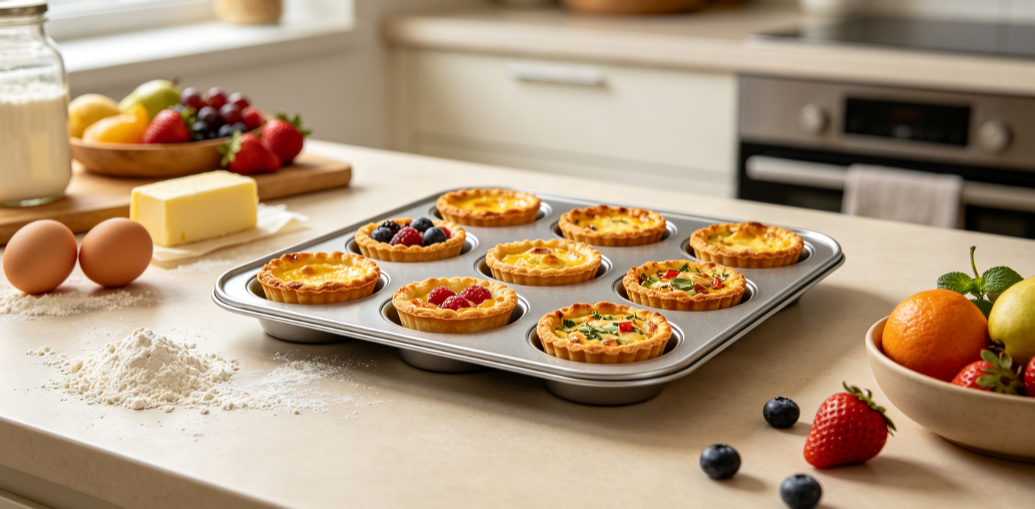
Europe leads the localized application of tart pans with distinctive regional features. In France, tart pans are staple tools for classic pastries, used to make delicate fruit tarts and cheese tarts with crisp, well-layered crusts. They are also widely adopted to bake savory quiches with bacon, vegetables and cheese, which serve as popular daily brunch options, breaking the single dessert usage of tart pans.
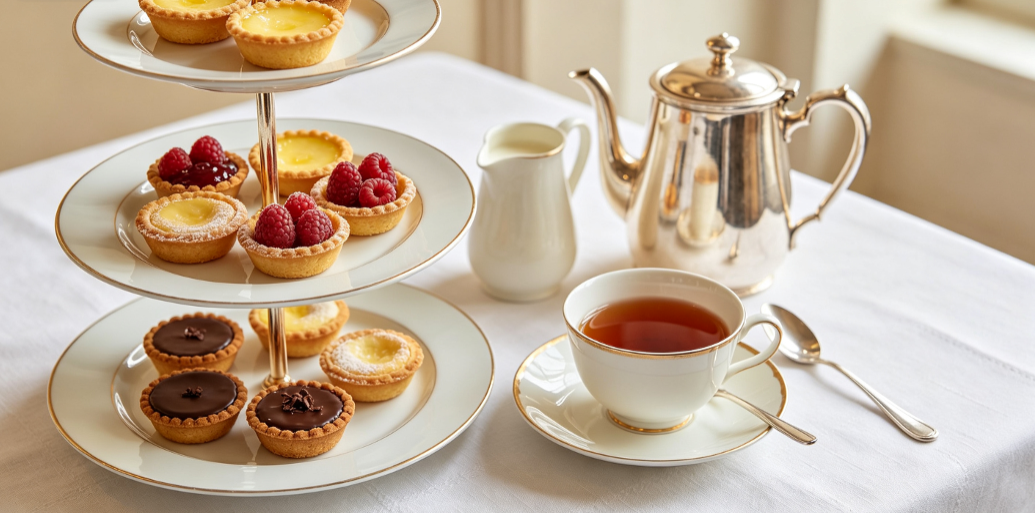
In the UK, mini tart pans are closely tied to traditional afternoon tea culture. They are commonly used to make individual-sized lemon tarts, raspberry tarts and other delicate treats. With their elegant finished look, these tarts perfectly fit the refined style of British afternoon tea, making mini tart pans standard equipment in high-end hotels and local tea rooms.
North American applications of tart pans are more casual and diverse. American and Canadian households use tart pans flexibly for daily cooking. Besides traditional sweet pastries, people create healthy savory tarts with shrimp, spinach, cheese and quinoa. These portable low-calorie treats have become ideal alternatives for daily breakfast and light meals, matching local healthy and simple dining habits.
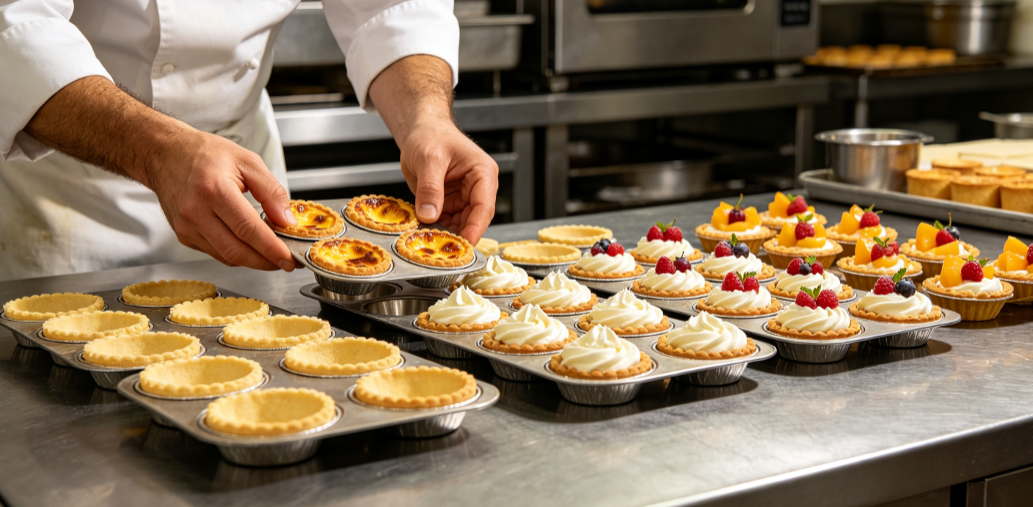
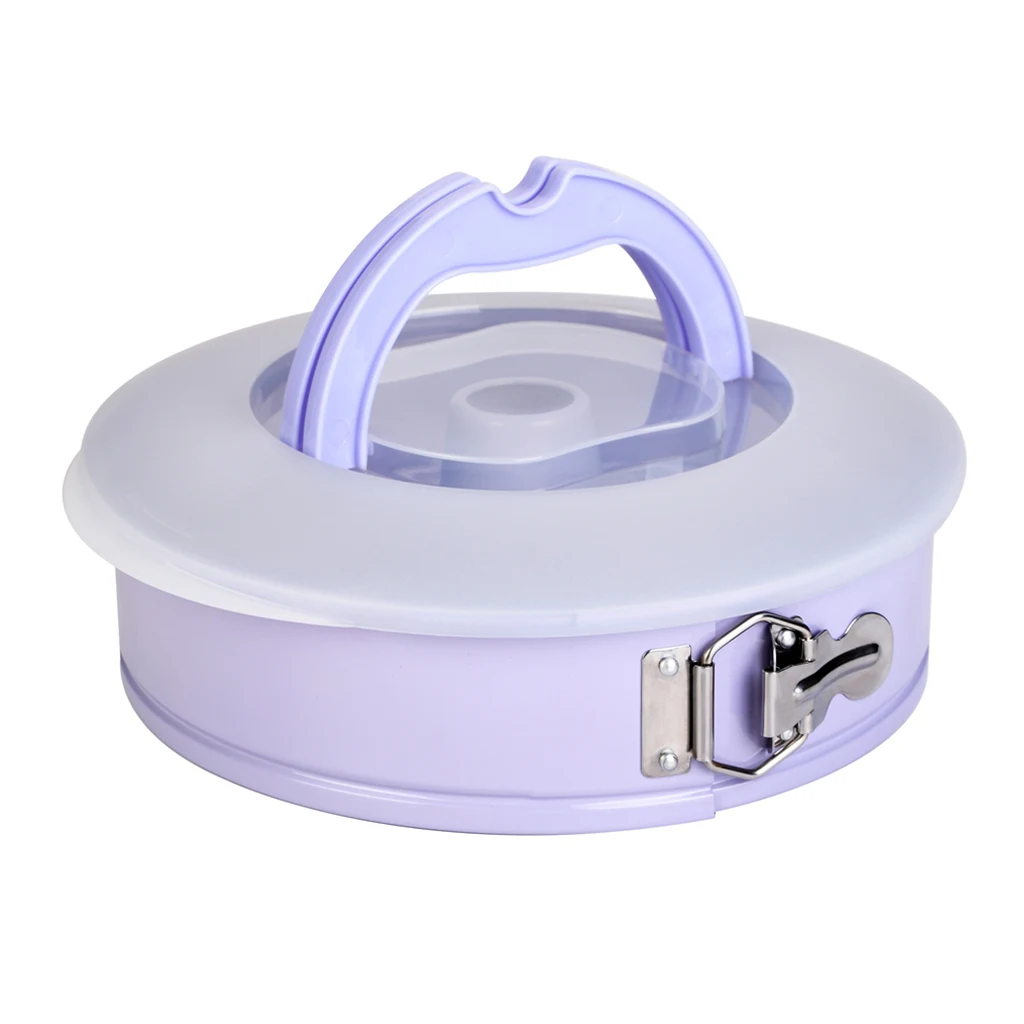
Tart pans also play an important role in North American festive gatherings. On Christmas, Valentine’s Day and Mother’s Day, families use them to make shareable desserts for social bonding. Commercially, removable non-stick tart pans enable easy demolding and uniform products, greatly boosting baking efficiency in cafes, western restaurants and dessert shops.
Overseas commercial catering industries have formed standardized, large-scale tart pan application systems. Small cafes and dessert shops use mini tart pans for consistent, quick-made single-serve pastries. Chain hotels and catering brands unify product specifications with standardized tart pans and prefabricated tart shells to simplify operations and reduce costs. Professional baking enterprises use full-size tart pans for mass production, covering offline stores and online platforms, driving the industrial development of tart desserts.
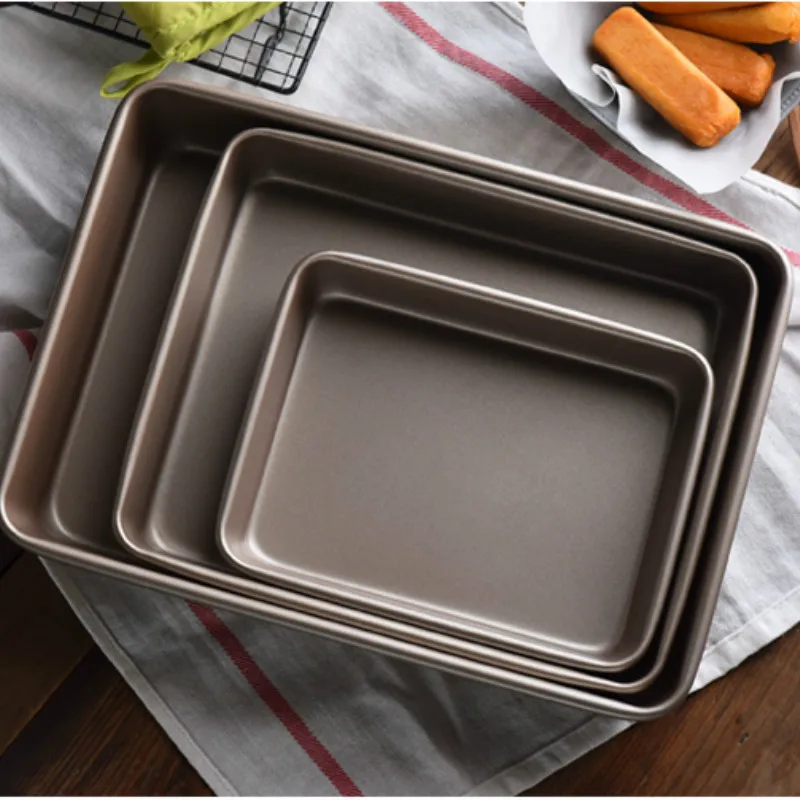
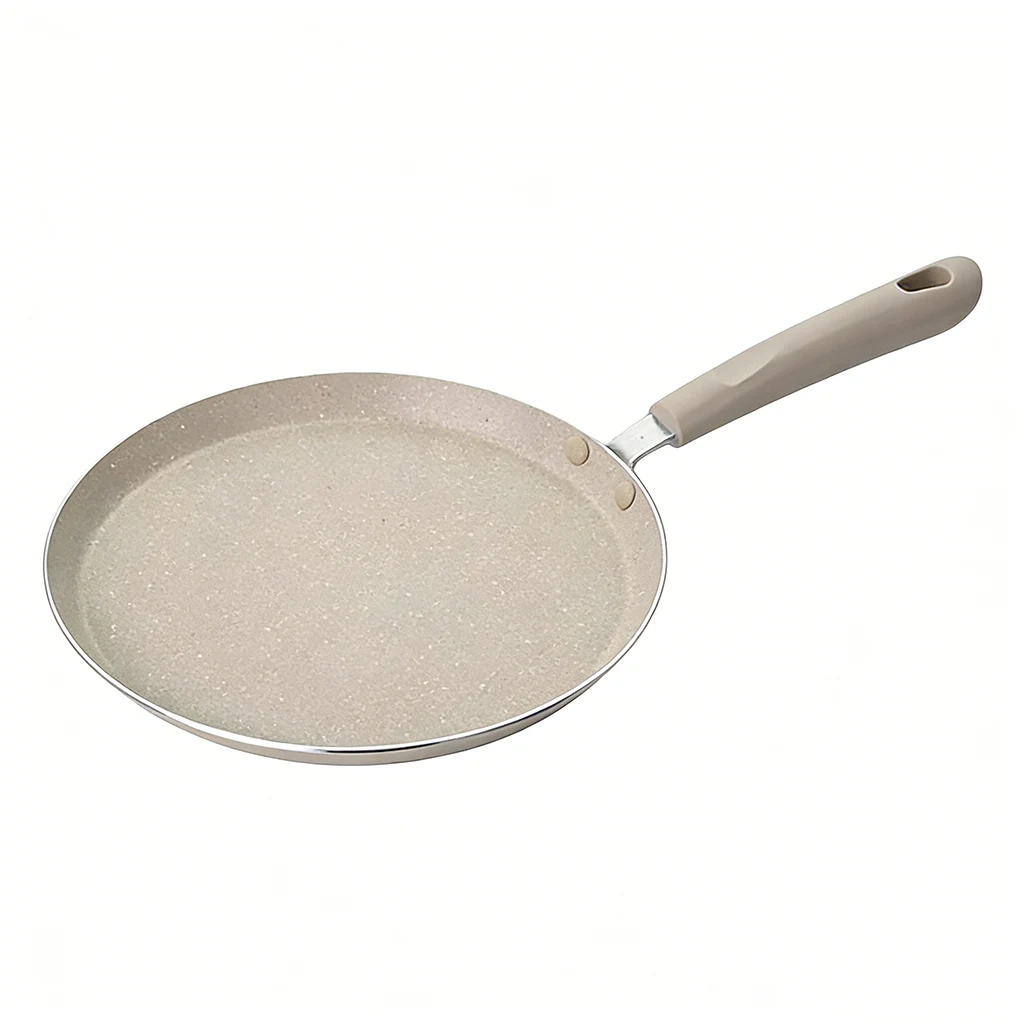
Market demands have promoted the upgrading of tart pan materials and sizes. European professional bakers prefer thickened aluminum alloy pans for uniform heat conduction and high-temperature resistance to make crisp crusts. North American families favor user-friendly silicone and non-stick removable pans that are easy to clean. A complete size range including 4-inch mini, 6-inch standard and 8-inch sharing sizes fully meets individual, family and commercial needs.
As a typical example of Sino-Western food cultural integration, tart pans originated as Chinese dessert molds and have achieved functional and scenario innovation globally. Adaptable to European refined pastry culture and North American casual home baking, they fit both household and commercial scenarios. As a high-quality product from Chinese supply chains, the tart pan has become a mainstream global baking utensil, thriving in cross-cultural food integration.