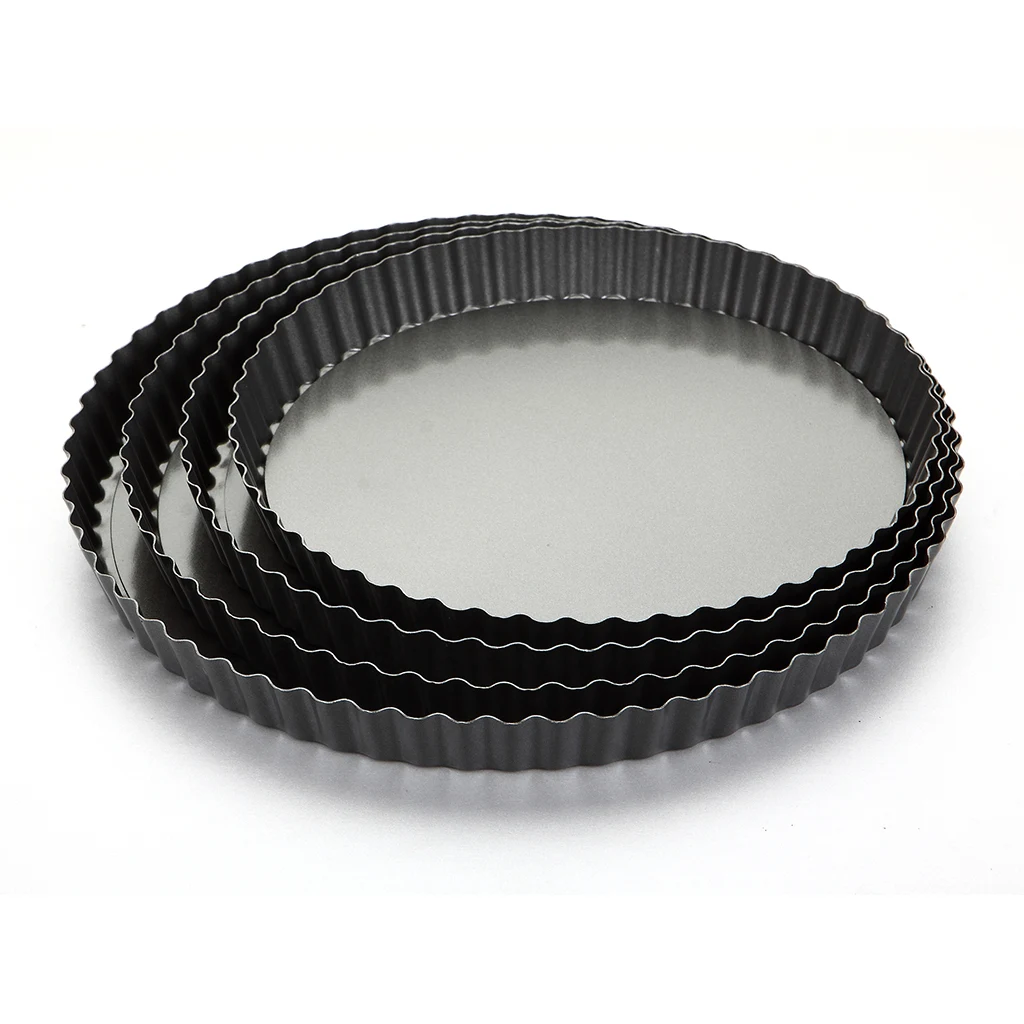
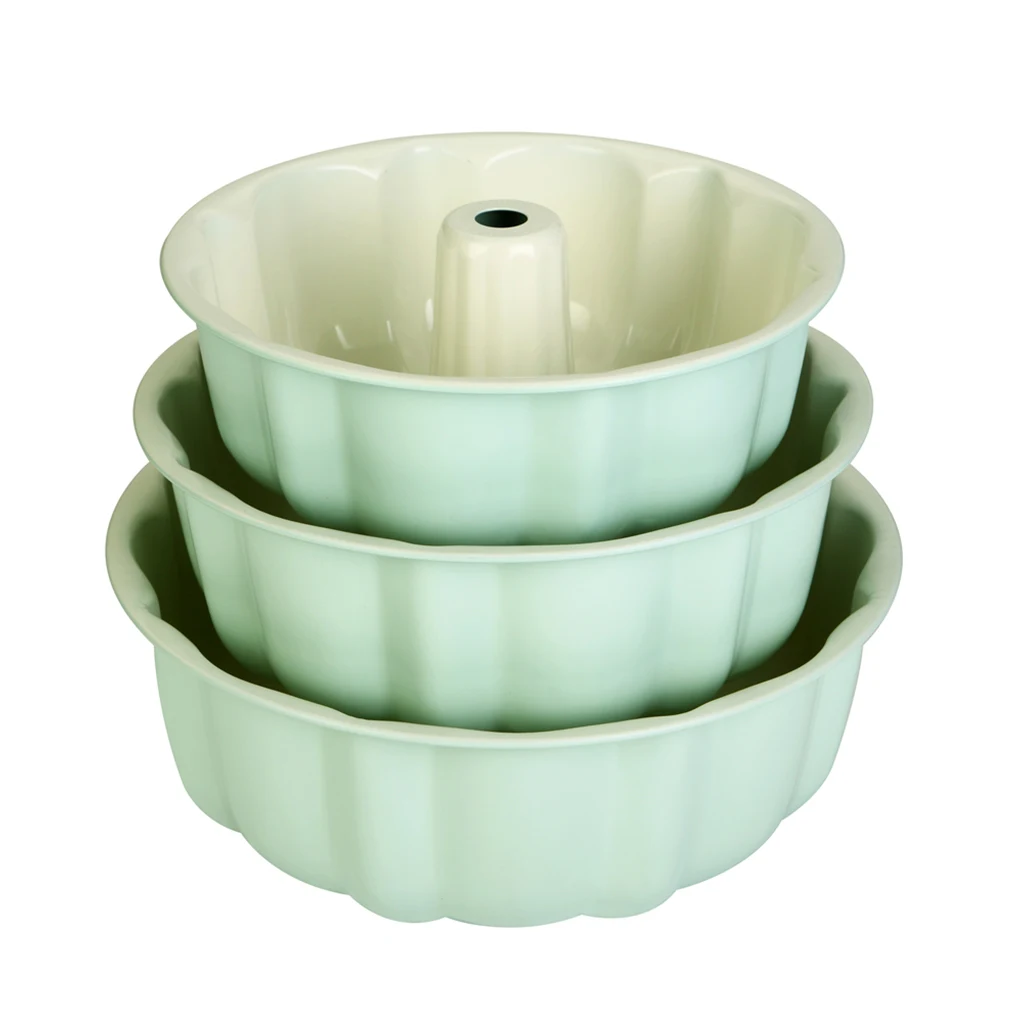
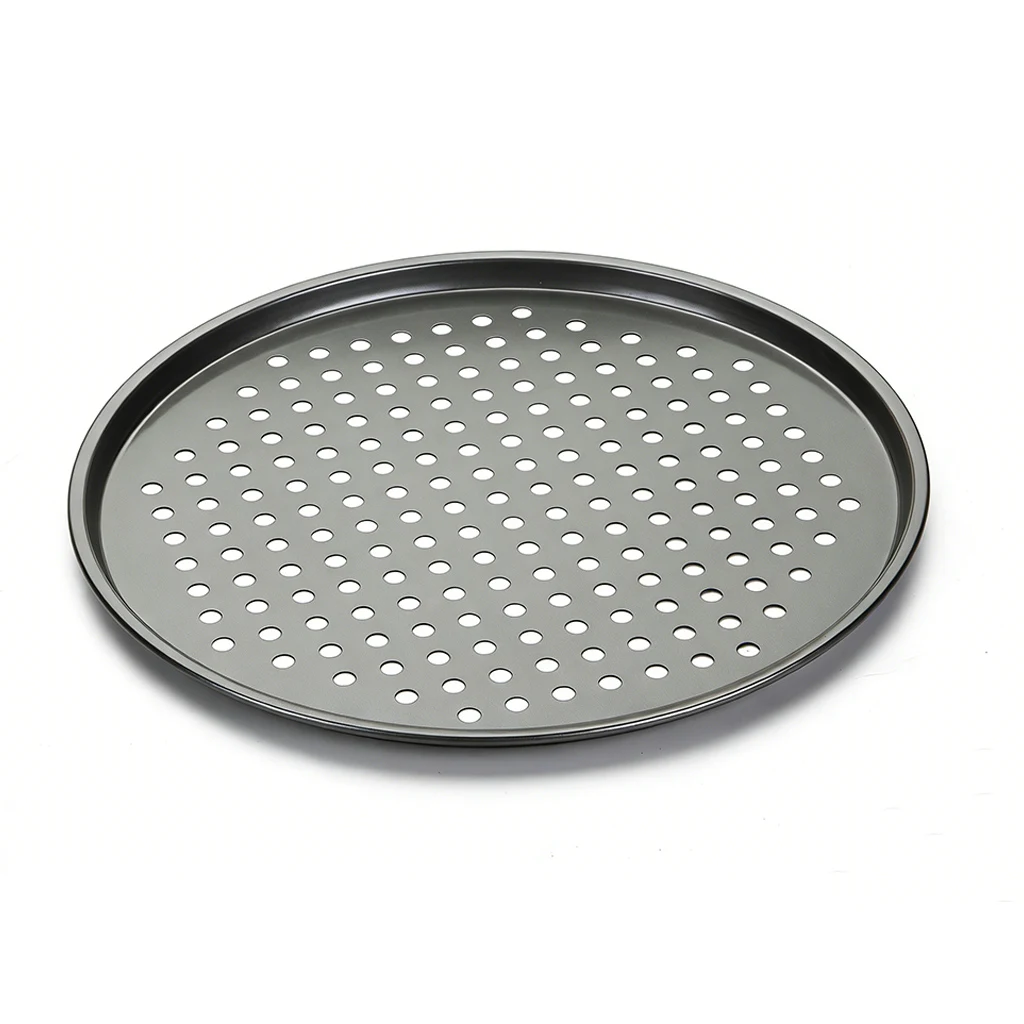
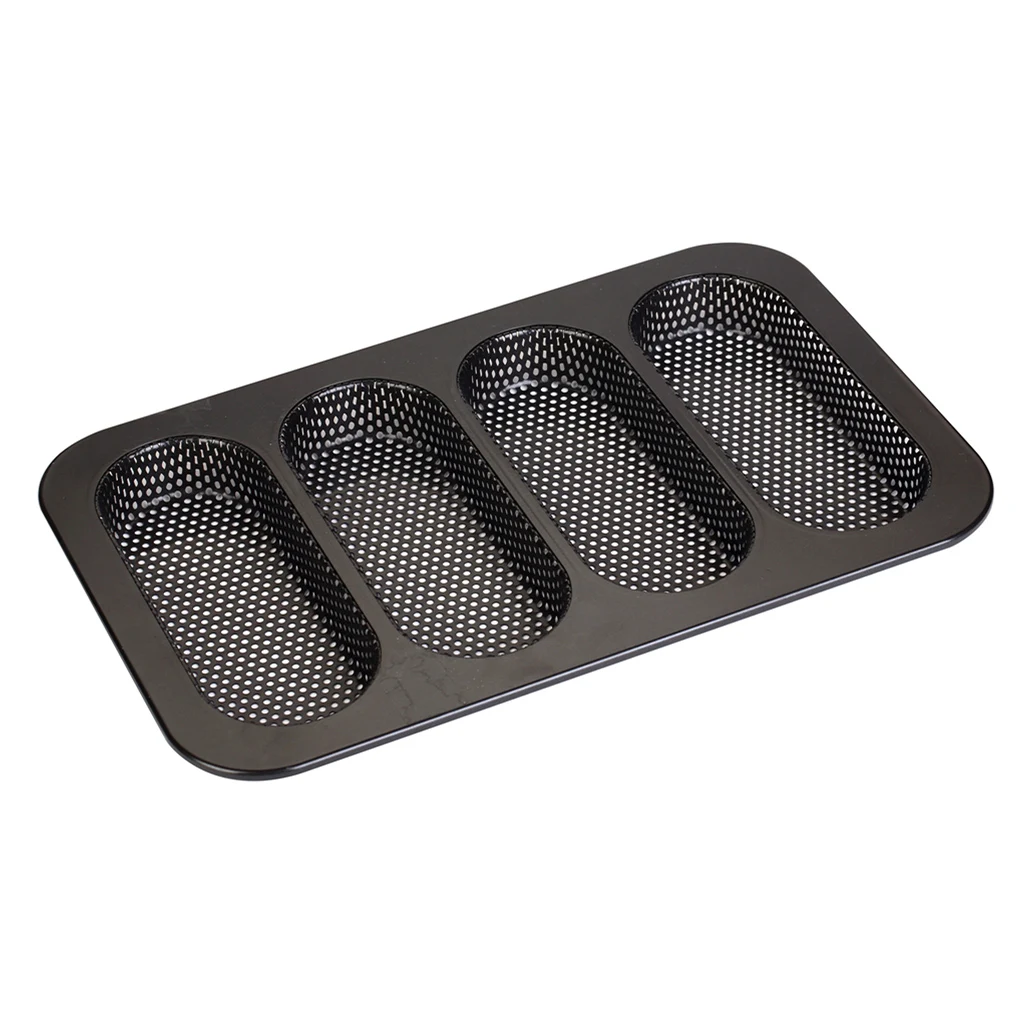
Introduction
If you have ever shopped for bakeware, you have likely noticed two common materials: carbon steel and aluminized steel. Both are popular choices for non-stick baking pans. But what sets them apart?
Choosing the right non-stick carbon steel bakeware or aluminized steel option can affect how your food bakes. The material influences heat distribution, durability, weight, and how long the pan lasts. Understanding these differences helps you make a better choice for your kitchen.
This article compares non-stick carbon steel bakeware with aluminized steel bakeware across 7 key areas. You will learn about heat conductivity, durability, weight, non-stick performance, maintenance, and which material suits different baking needs. By the end, you will know which type of non-stick carbon steel bakeware or aluminized steel pan is right for you.
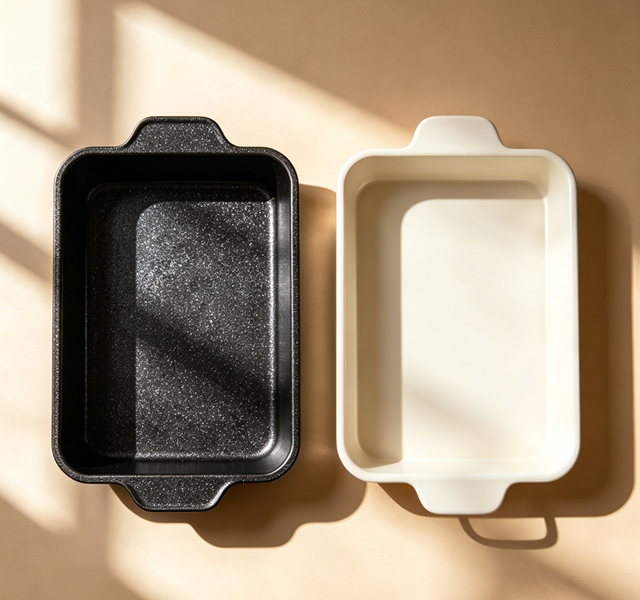
What Is Carbon Steel Bakeware?
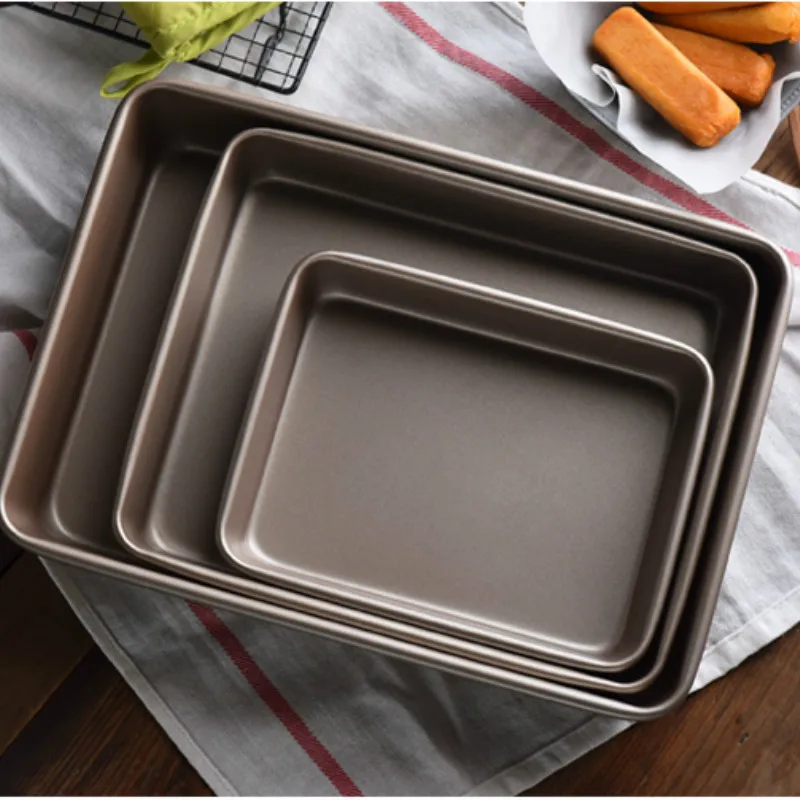
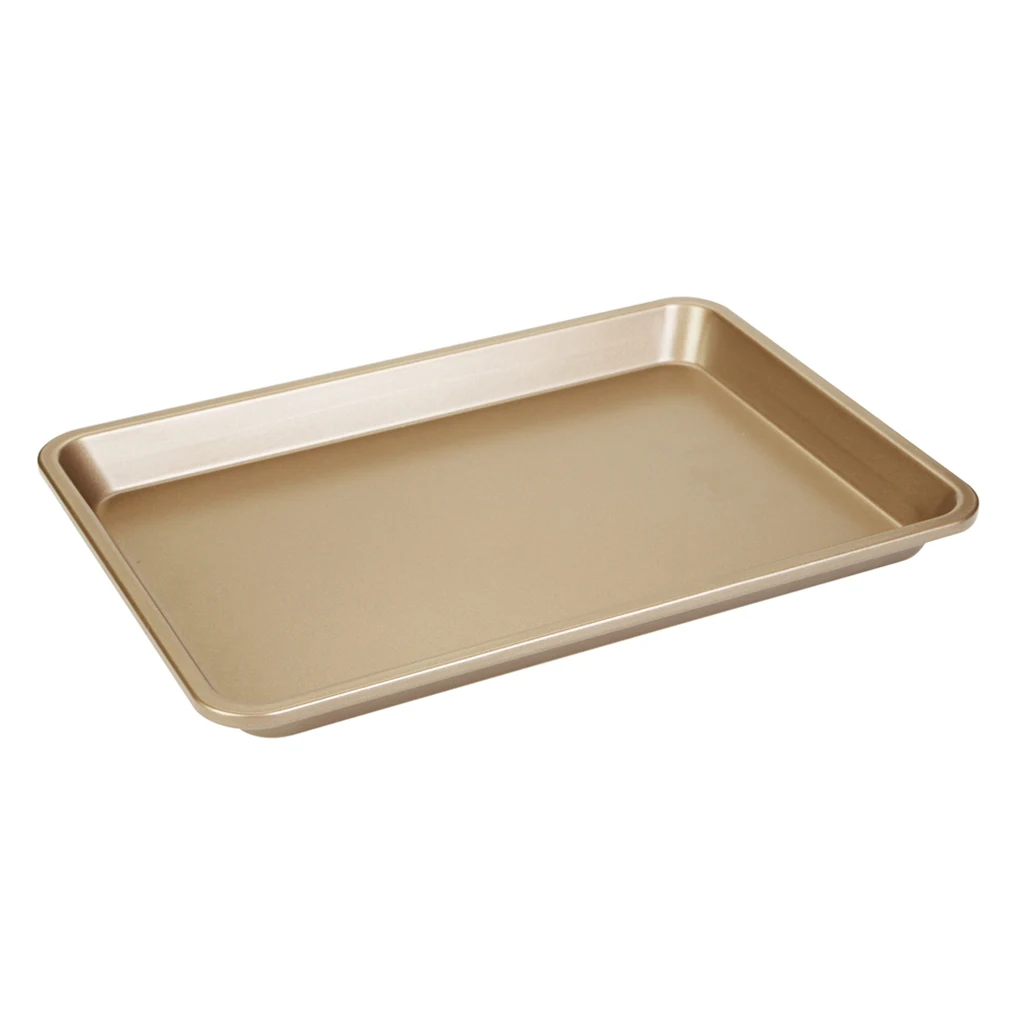
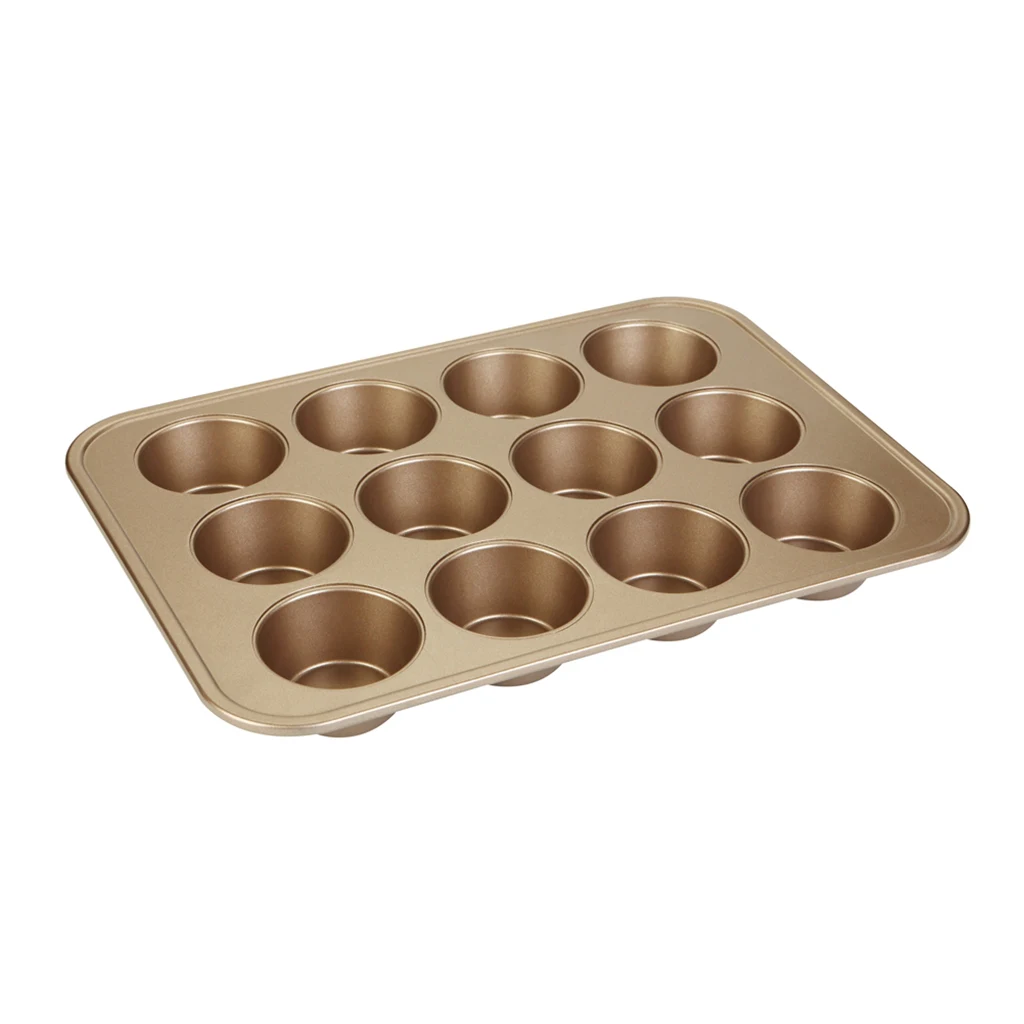
Carbon steel is an alloy made from iron and a small amount of carbon. It has been used for decades in professional and home kitchens. Non-stick carbon steel bakeware combines this sturdy metal with a coating that helps food release easily.
Carbon steel heats relatively evenly and holds heat well. This makes it a good choice for baking bread, cakes, and pastries. Many bakers prefer non-stick carbon steel bakeware because it produces consistent browning. The material is also quite durable and resists warping under normal use.
However, non-stick carbon steel bakeware requires some care. The non-stick coating can scratch if you use metal utensils. Hand washing is usually recommended to protect the surface.
What Is Aluminized Steel Bakeware?
Aluminized steel starts as carbon steel. Then it is coated with an aluminum-silicon alloy. This coating gives the pan the strength of steel and the heat conductivity of aluminum.
Aluminized steel bakeware is known for even heating. The aluminum layer helps distribute heat across the entire surface. This means fewer hot spots and more consistent baking results.
Many commercial bakeries use aluminized steel pans because they are durable and perform well. Non-stick carbon steel bakeware and aluminized steel both offer non-stick options. However, aluminized steel has some distinct advantages in certain areas.
1. Heat Conductivity
Heat conductivity refers to how well a pan transfers heat from the oven to your food. This affects how evenly your baked goods cook.
Non-stick carbon steel bakeware heats up relatively quickly. It holds heat well during baking, which helps create a nice crust on breads and pastries. The heat distribution is fairly even, though not as uniform as some other materials.
Aluminized steel has excellent heat conductivity because of its aluminum coating. The aluminum layer spreads heat across the pan surface quickly and evenly. This reduces the chance of hot spots that can burn one corner of your cake while leaving another undercooked.
If you bake items that need very even heat, like layer cakes or delicate pastries, aluminized steel may be a better choice. For breads and items where some variation in browning is acceptable, non-stick carbon steel bakeware works well.
2. Durability and Warping Resistance
Durability matters because bakeware should last for years. No one wants to replace pans every few months.
Non-stick carbon steel bakeware is quite sturdy. Carbon steel is naturally strong and resists bending. However, thin carbon steel pans can warp if exposed to sudden temperature changes. Letting a hot pan cool before washing helps prevent this.
Aluminized steel is also very durable. The aluminum-silicon coating adds strength and corrosion resistance. Many aluminized steel pans have rolled edges or corrugated designs that make them even more warp-resistant. This is one reason commercial bakeries favor this material.
For bakers who use their pans frequently, aluminized steel may offer slightly better long-term durability. Non-stick carbon steel bakeware still lasts a long time with proper care.
3. Weight and Handling
Weight affects how easy a pan is to lift, especially when it is full of batter or hot from the oven.
Non-stick carbon steel bakeware has a medium weight. It is heavier than aluminum but lighter than cast iron. Most home bakers find it manageable.
Aluminized steel is also medium in weight. The aluminum coating does not add significant mass. Both materials feel similar in your hands.
However, some aluminized steel pans have thicker gauge construction. This can make them slightly heavier. The extra weight usually means better durability. Non-stick carbon steel bakeware can vary in thickness, so check the product specifications before buying.
4. Non-Stick Performance
Both types of bakeware often come with non-stick coatings. The coating quality matters more than the base metal.
Non-stick carbon steel bakeware typically has a coating applied directly to the steel. These coatings can be PTFE-based, ceramic, or silicone-based. Good coatings allow food to release easily with little or no oil.
Aluminized steel bakeware also features non-stick coatings. Some brands use proprietary coatings like Americoat, which is a silicone-based non-stick surface. These coatings are designed to be non-toxic and effective.
When comparing non-stick carbon steel bakeware to aluminized steel, the coating quality is more important than the metal underneath. A well-coated carbon steel pan may perform better than a poorly coated aluminized steel pan.
For easy cleanup, both materials work well. Most non-stick coatings allow you to wipe the pan clean after use. However, hand washing is recommended for both to preserve the coating.
5. Oven Temperature Limits
Every bakeware has a maximum safe oven temperature. Exceeding this limit can damage the pan or the non-stick coating.
Non-stick carbon steel bakeware is generally safe to 450°F (about 230°C). Some products may have lower limits, so check the manufacturer’s instructions. Exposing the pan to higher temperatures can cause the non-stick coating to degrade.
Aluminized steel bakeware also has a maximum temperature around 450°F. The aluminum-silicon coating can handle similar heat levels. However, the non-stick coating on top may have its own limits.
For most home baking, 450°F is sufficient. Breads, cakes, cookies, and pastries typically bake at lower temperatures. If you bake at very high heat, check your pan’s specifications. Both non-stick carbon steel bakeware and aluminized steel options work well within standard baking ranges.
6. Maintenance and Care
Proper care extends the life of any bakeware. The way you clean and store your pans matters.
Non-stick carbon steel bakeware should be hand washed. Dishwashers use harsh detergents and high heat that can damage non-stick coatings. Use warm, soapy water and a soft sponge. Avoid steel wool or abrasive scrubbers. Dry the pan thoroughly before storing.
Aluminized steel bakeware also benefits from hand washing. While some aluminized steel pans are labeled dishwasher safe, hand washing is gentler. The non-stick coating will last longer with careful cleaning.
Both materials require similar maintenance. Store pans in a dry place. If you stack them, place a paper towel or soft cloth between pans to prevent scratches. Non-stick carbon steel bakeware and aluminized steel will both serve you well with proper care.
7. Which One Should You Choose?
Your choice depends on what you bake most often and your personal preferences.
Choose non-stick carbon steel bakeware if you:
Bake breads, baguettes, or items that benefit from good heat retention
Prefer a pan with medium weight that feels substantial
Want a cost-effective option for everyday baking
Bake at temperatures within the standard range
Choose aluminized steel bakeware if you:
Bake delicate cakes or pastries that need very even heat
Want extra durability and warp resistance
Prefer a pan with commercial-grade performance
Bake frequently and need long-lasting equipment
Both materials have their strengths. Many home bakers use a mix of non-stick carbon steel bakeware and aluminized steel pans. For example, you might use carbon steel for bread and aluminized steel for layer cakes.
Comparison Table: Key Features at a Glance
| Feature | Non-Stick Carbon Steel | Aluminized Steel |
|---|---|---|
| Heat conductivity | Good, holds heat well | Excellent, very even |
| Durability | Good, resists warping | Very good, commercial-grade |
| Weight | Medium | Medium |
| Oven safe | Up to 450°F typically | Up to 450°F typically |
| Best for | Breads, pastries, general baking | Cakes, delicate bakes, even results |
| Care | Hand wash recommended | Hand wash recommended |
Common Questions About Bakeware Materials
Is non-stick carbon steel bakeware safe to use?
Yes. High-quality non-stick carbon steel bakeware is made with food-safe coatings. Many products are free from PFOA, BPA, and PTFE. Always buy from reputable manufacturers who test their coatings.
Can aluminized steel pans go in the dishwasher?
Some can, but hand washing is better for the non-stick coating. Dishwasher detergents can break down the coating over time. For the longest life, wash by hand.
Why do dark pans bake differently?
Dark-colored pans absorb more heat. This can cause faster browning. If you use dark non-stick carbon steel bakeware, you may need to lower your oven temperature by 25°F. Lighter colored coatings produce more gentle browning.
How long should bakeware last?
With proper care, both non-stick carbon steel bakeware and aluminized steel pans can last many years. The non-stick coating may eventually wear down. When the coating starts to peel or lose effectiveness, it is time to replace the pan.
Can I use metal utensils on non-stick bakeware?
It is better to use silicone, nylon, or wooden utensils. Metal utensils can scratch the non-stick coating. Once scratched, the coating may not release food as well.
Conclusion
Choosing between non-stick carbon steel bakeware and aluminized steel comes down to your baking needs. Carbon steel offers good heat retention and durability at a reasonable price. Aluminized steel provides excellent heat distribution and warp resistance.
Both materials have their place in a well-equipped kitchen. For breads and pastries, non-stick carbon steel bakeware is a solid choice. For delicate cakes and even bakes, aluminized steel may serve you better.
Whichever you choose, proper care will extend the life of your pans. Hand wash, avoid metal utensils, and store carefully. With good maintenance, your bakeware will help you create delicious treats for years to come.