Introduction
A sheet pan is one of the most versatile tools in any kitchen. You can roast vegetables, bake cookies, cook a full dinner, and even toast nuts. But many home cooks underuse this simple tool, sticking to the same few recipes.
The truth is that a sheet pan can do much more than you might think. With the right techniques, you can create complete meals, crispy roasted vegetables, and perfectly baked goods. This article covers 5 easy ways to elevate your everyday cooking using a sheet pan.
You will learn about choosing the right pan, preparing it properly, arranging food for even cooking, and cleaning up quickly. By the end, you will see your sheet pan as one of the most useful tools in your kitchen.
1. Choose the Right Sheet Pan for Your Needs
Not all sheet pans are the same. The material, size, and color of your sheet pan affect how your food cooks.
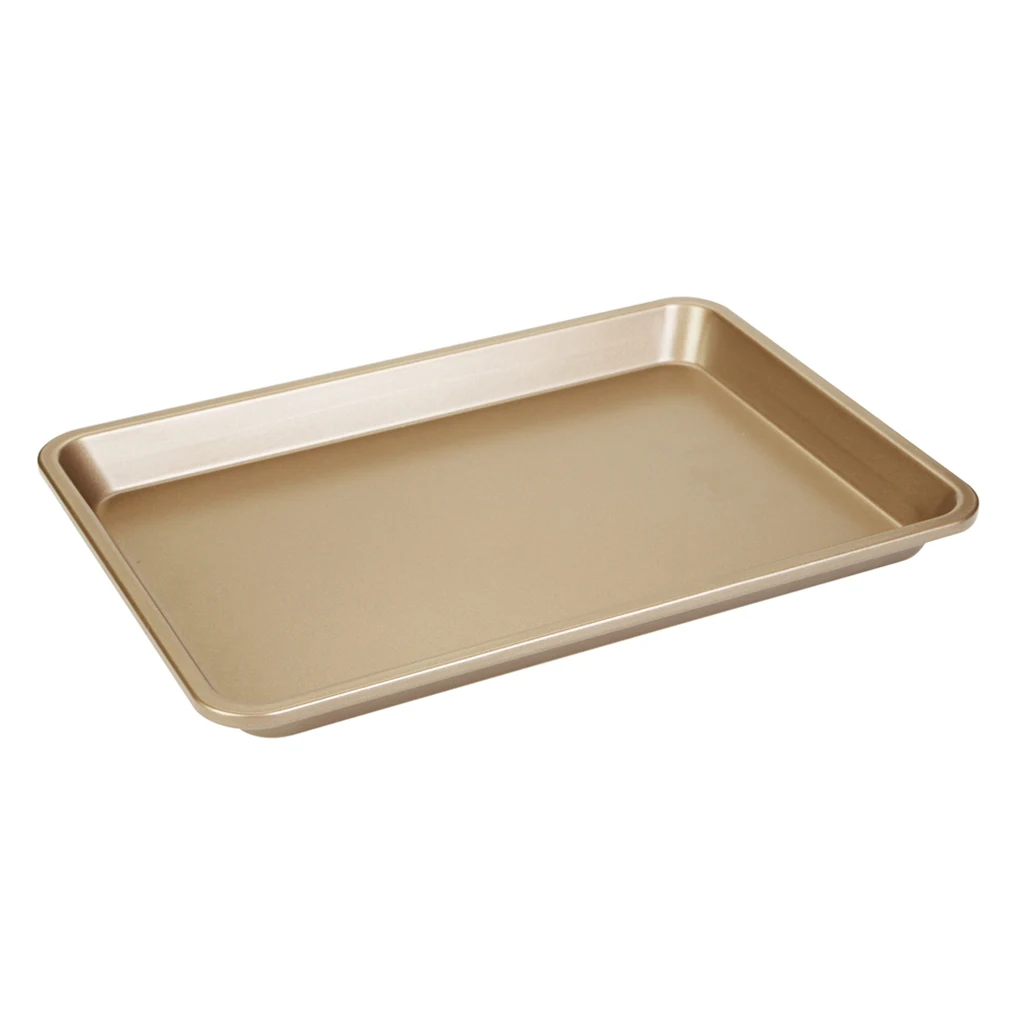
The most common size is the half-sheet pan, which measures about 18 by 13 inches. This size fits in most standard ovens. A quarter-sheet pan is smaller and good for toaster ovens or small batches.
When choosing a sheet pan, look for heavy-gauge metal. Thin pans can warp under high heat. Warped pans do not sit flat on the oven rack, which leads to uneven cooking.
Aluminum is a popular choice because it heats fairly evenly and is lightweight. Carbon steel is heavier and holds heat well, but it can rust if not dried properly. Most sheet pans come with a non-stick coating, which makes cleanup easier.
Avoid dark-colored sheet pan products if you want gentle browning. Dark pans absorb more heat and can cause food to brown too quickly. If you use a dark pan, lower your oven temperature by 25 degrees.
A good sheet pan is an investment that will last for many years. Spend a little more for a heavy, sturdy pan. You will notice the difference in your cooking results.
2. Prepare Your Sheet Pan Properly
Proper preparation helps food release easily and makes cleanup faster. Many people skip this step, thinking non-stick pans do not need any grease. That is not always true.
Even with a non-stick sheet pan, a light coating of oil or cooking spray can help. This is especially important for sticky foods like roasted vegetables or baked goods.
For baking cookies, parchment paper is a great option. It prevents sticking and makes cleanup very easy. You can also use a silicone baking mat, which is reusable and fits perfectly on a sheet pan.
For roasting vegetables, line your pan with aluminum foil. This makes cleanup very simple. Just crumple the foil and throw it away after cooking. However, foil can stick to some foods, so a light spray of oil helps.
Do not use too much oil or spray. A thin, even layer is enough. Too much oil can cause smoke in the oven and make food greasy.
Proper preparation of your sheet pan takes only a minute but saves you from scrubbing later. It also helps your food cook more evenly and release more easily.
3. Arrange Food for Even Cooking
How you arrange food on your sheet pan affects how it cooks. Crowding the pan is a common mistake that leads to steaming instead of roasting.
When food is too close together, steam gets trapped between the pieces. This prevents browning and makes food soft instead of crispy. Leave a little space between each piece of food so air can circulate.
For roasted vegetables, spread them in a single layer. Do not pile them up. If you have too many vegetables for one pan, use two pans or cook in batches.
For cookies, leave about two inches of space between each scoop of dough. This allows the cookies to spread without touching each other.
For sheet pan dinners, arrange ingredients by cooking time. Foods that take longer to cook, like potatoes and carrots, should go on the pan first. Quick-cooking items like shrimp or thin vegetables can be added later.
Place your sheet pan on the middle rack of your oven. This allows heat to circulate evenly around the food. If you are using two pans at once, rotate them halfway through cooking.
Good arrangement on your sheet pan leads to better browning, crispier textures, and more even cooking. It is worth taking an extra minute to spread things out.
4. Use the Right Oven Temperature
Temperature is very important when cooking with a sheet pan. Too high, and food burns on the outside before cooking through. Too low, and food steams instead of roasting.
For roasting vegetables, 400 to 425 degrees works well. This high heat caramelizes the natural sugars in vegetables, bringing out sweetness and creating crispy edges.
For baking cookies, 350 to 375 degrees is typical. Darker sheet pan products may need a lower temperature to prevent over-browning.
For sheet pan dinners, a temperature of 400 degrees is a good starting point. This is hot enough to crisp up chicken skin and roast vegetables, but not so hot that delicate items burn.
Always preheat your oven before putting the sheet pan in. A hot oven helps food start browning right away. If you put food into a cold oven, it will take longer to cook and may not brown well.
Use an oven thermometer to check your oven’s actual temperature. Many ovens run hot or cool by 25 degrees or more. Knowing your oven’s true temperature helps you adjust recipes as needed.
If you notice that food on one side of your sheet pan is browning faster than the other, rotate the pan halfway through cooking. This helps compensate for hot spots in your oven.
The right temperature makes a big difference in your results. A few degrees can mean the difference between crispy roasted vegetables and soggy ones.
5. Clean Your Sheet Pan Properly
Proper cleaning helps your sheet pan last longer. Different materials need different care.
For non-stick sheet pans, hand washing is best. Dishwasher detergents can damage the non-stick coating over time. Use warm, soapy water and a soft sponge. Avoid steel wool or abrasive scrubbers.
If food sticks to your sheet pan, soak it in warm, soapy water for 15 minutes. Use a soft sponge or nylon brush to remove residue. For stubborn spots, make a paste of baking soda and water. Apply it to the spots and let it sit for 15 minutes, then scrub gently.
For uncoated aluminum pans, you can use the dishwasher. However, hand washing is gentler and may keep the pan looking better. Some aluminum pans may discolor in the dishwasher, but this does not affect performance.
For stubborn baked-on residue, do not use metal scrapers. They can scratch the surface of your sheet pan. Instead, try using a paste of baking soda and hydrogen peroxide. Spread it over the stained area, let it sit for an hour, then scrub gently.
Dry your sheet pan completely before storing. Moisture can cause rust on some metal pans. Stack pans with a paper towel between them to prevent scratches.
A well-cared-for sheet pan will last for many years. With regular use, it may become one of your favorite kitchen tools.
What to Cook on a Sheet Pan
A sheet pan is good for much more than cookies and roasted vegetables. Here are some ideas to try.
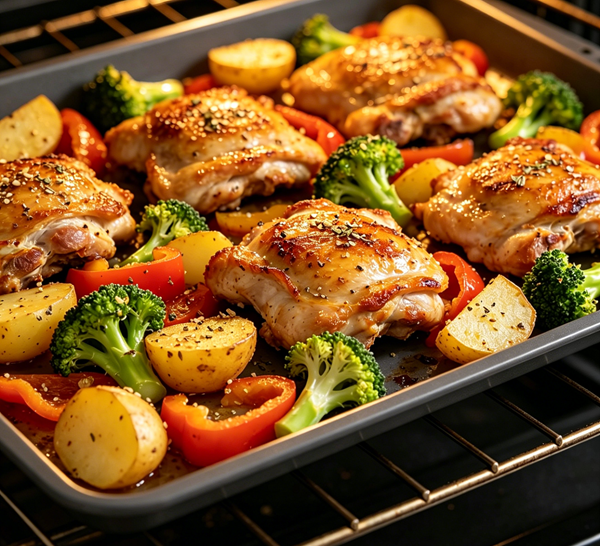
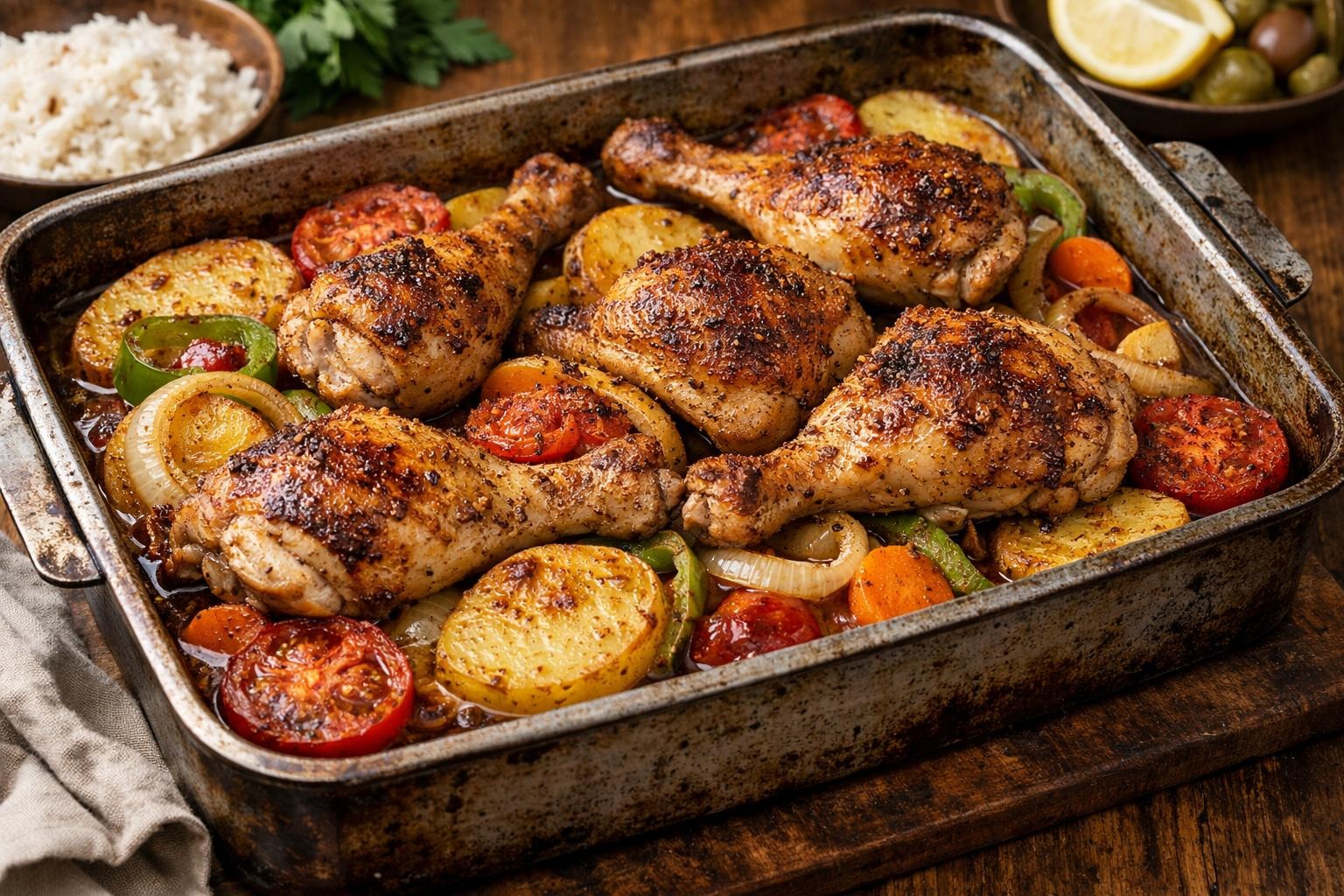
Sheet pan dinners are very popular. Put protein like chicken thighs, salmon, or tofu on one side of the pan. Add chopped vegetables like broccoli, bell peppers, or potatoes on the other side. Toss everything with oil and seasonings. Roast at 400 degrees until the protein is cooked through and the vegetables are tender.
Roasted vegetables taste much better when cooked on a sheet pan. The high heat and good air circulation create crispy edges and sweet, tender insides. Try broccoli, cauliflower, carrots, Brussels sprouts, asparagus, or sweet potatoes.
Crispy chickpeas are a healthy snack. Drain and rinse a can of chickpeas. Dry them very well with a towel. Toss with oil and spices. Spread on a sheet pan and roast at 400 degrees for 20 to 30 minutes, shaking the pan halfway through.
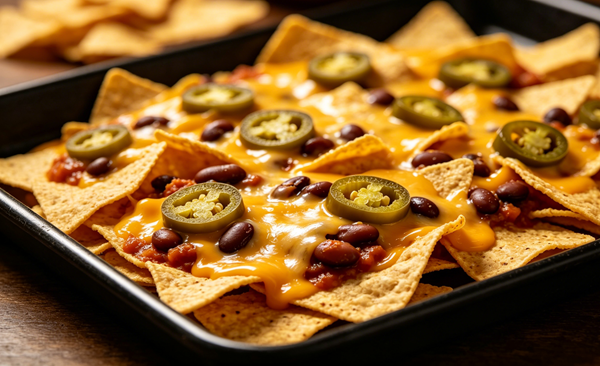
Nachos are easy to make on a sheet pan. Spread tortilla chips in a single layer. Top with shredded cheese, beans, jalapenos, and other toppings. Bake at 375 degrees until the cheese is melted and bubbly.
Granola is simple to make at home. Mix oats, nuts, seeds, and dried fruit with oil and honey. Spread on a sheet pan and bake at 300 degrees, stirring every 10 minutes, until golden brown.
Frozen foods like french fries, chicken nuggets, and fish sticks cook well on a sheet pan. Spread them in a single layer and follow the package directions.
A sheet pan can also be used for baking. Cookies, biscotti, and shortbread all bake nicely on a sheet pan. Use parchment paper or a silicone baking mat for easy release.
Common Questions About Sheet Pans
Do I need to grease a non-stick sheet pan? Even with a non-stick coating, a light greasing can help. Use cooking spray or a thin layer of oil. This is especially helpful for sticky foods.
Can I put my sheet pan in the dishwasher? It depends on the pan. Non-stick sheet pans should be hand washed. Uncoated aluminum pans are usually dishwasher safe, but hand washing is gentler.
Why does my sheet pan warp? Warping happens when the metal expands and contracts unevenly. Thin pans are more likely to warp. Avoid putting a hot pan under cold water. Let it cool before washing.
What size sheet pan should I buy first? A half-sheet pan (18 by 13 inches) is the most useful size. It fits in most ovens and works for a wide range of tasks. A quarter-sheet pan is also useful for smaller batches.
Can I use a sheet pan for broiling? Yes, but be careful. High broiler heat can damage non-stick coatings. If you broil often, consider an uncoated aluminum pan.
What is the difference between a sheet pan and a baking sheet? The terms are used interchangeably. Both refer to a flat, rectangular pan with raised edges. Some people call smaller pans baking sheets and larger ones sheet pans, but they are the same thing.
Conclusion
A sheet pan is a simple but very useful tool. With the right techniques, you can cook complete meals, roast vegetables, bake cookies, and much more.
The 5 tips covered in this guide are:
Choose the right pan for your needs
Prepare your pan properly with oil or liners
Arrange food with space for air circulation
Use the right oven temperature and rotate if needed
Clean your pan by hand to protect the coating
A good sheet pan is an investment in your cooking. With proper care, it will help you make delicious meals for many years.