
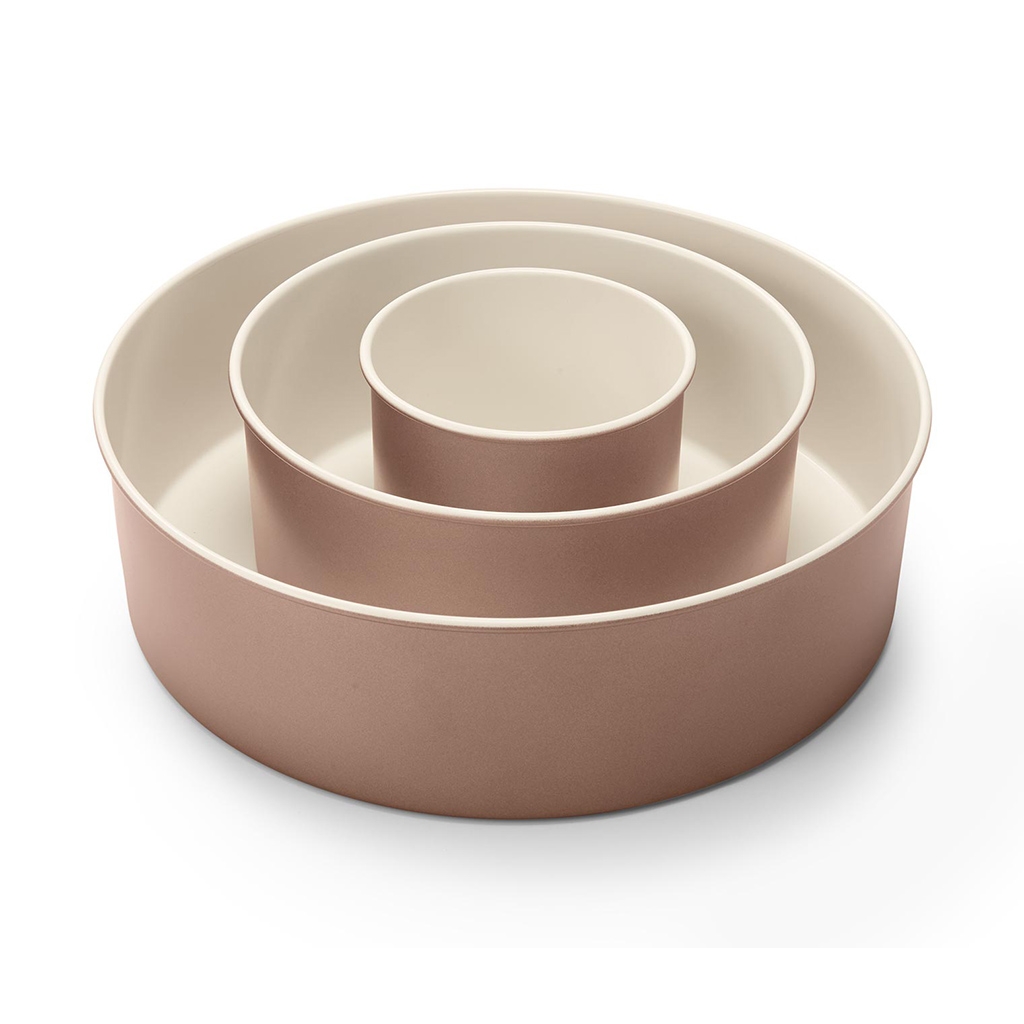
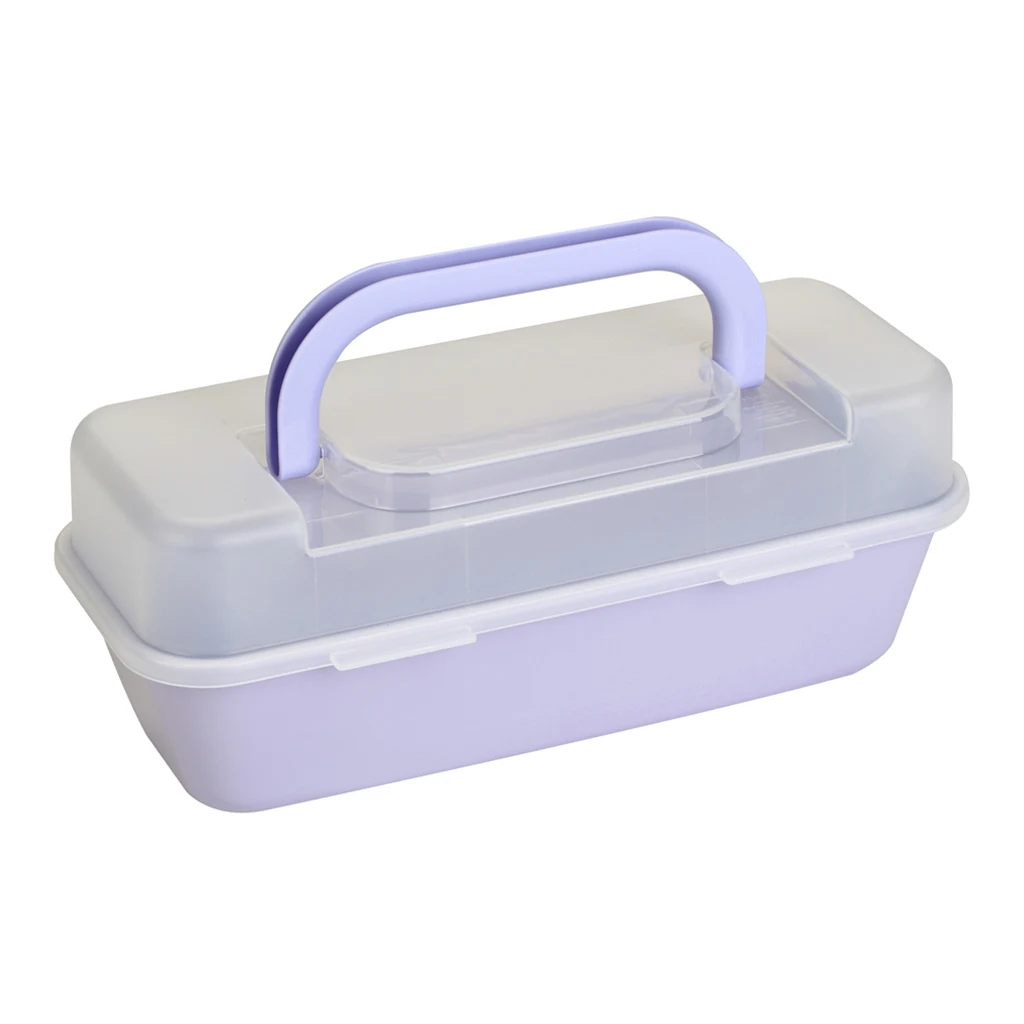
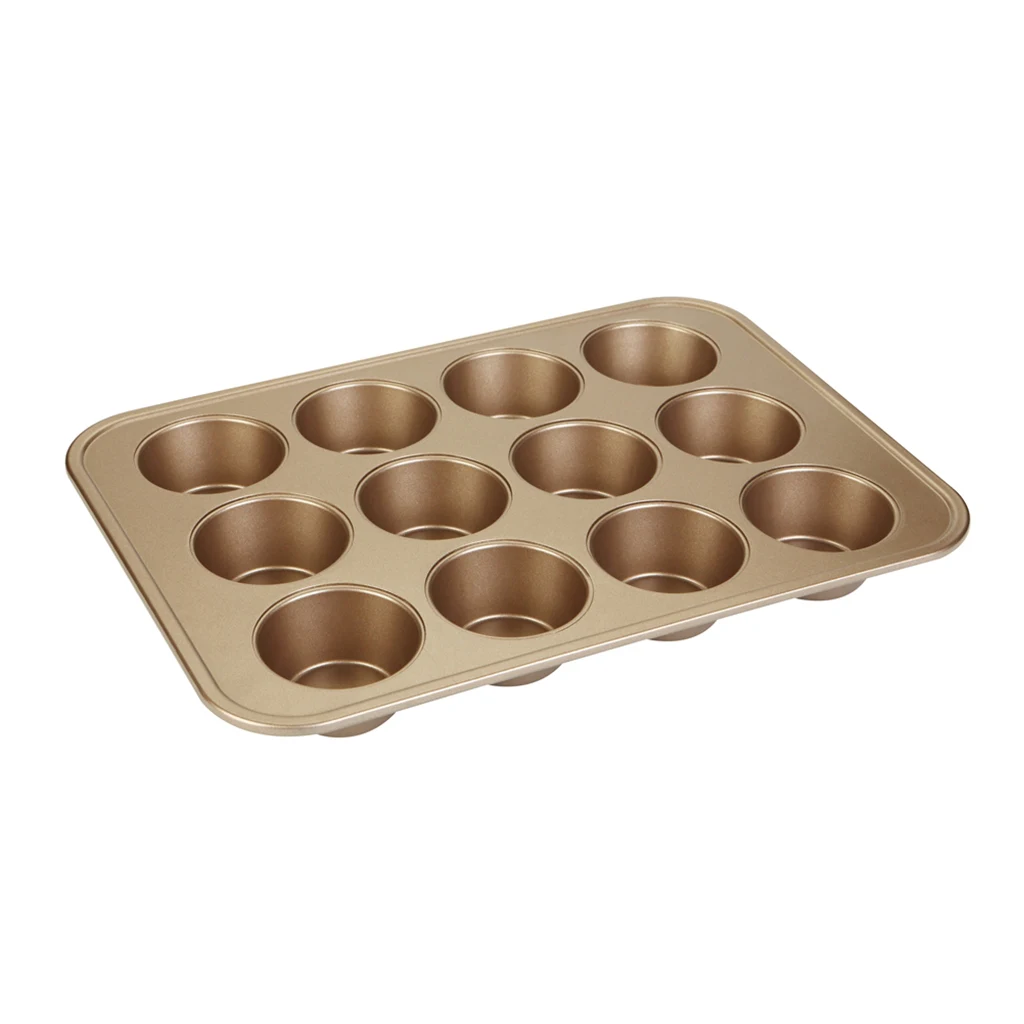
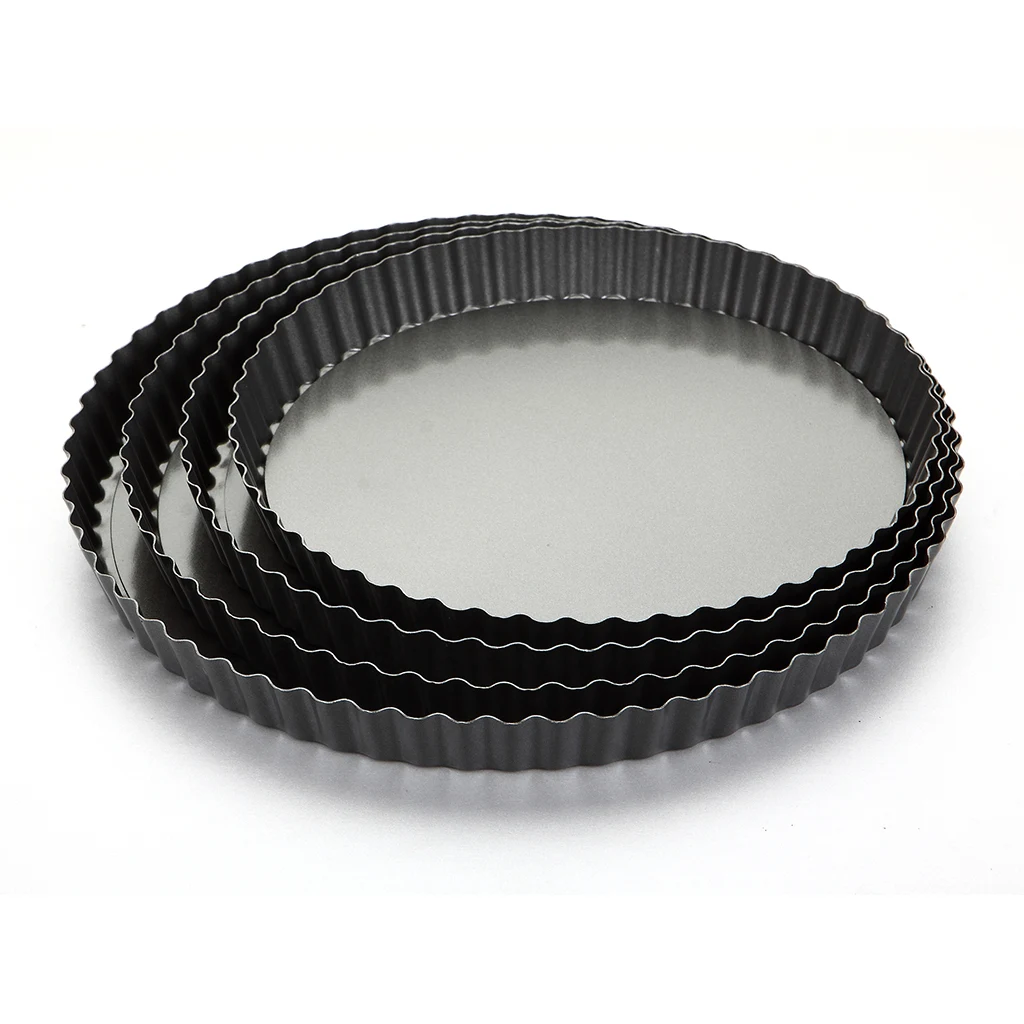
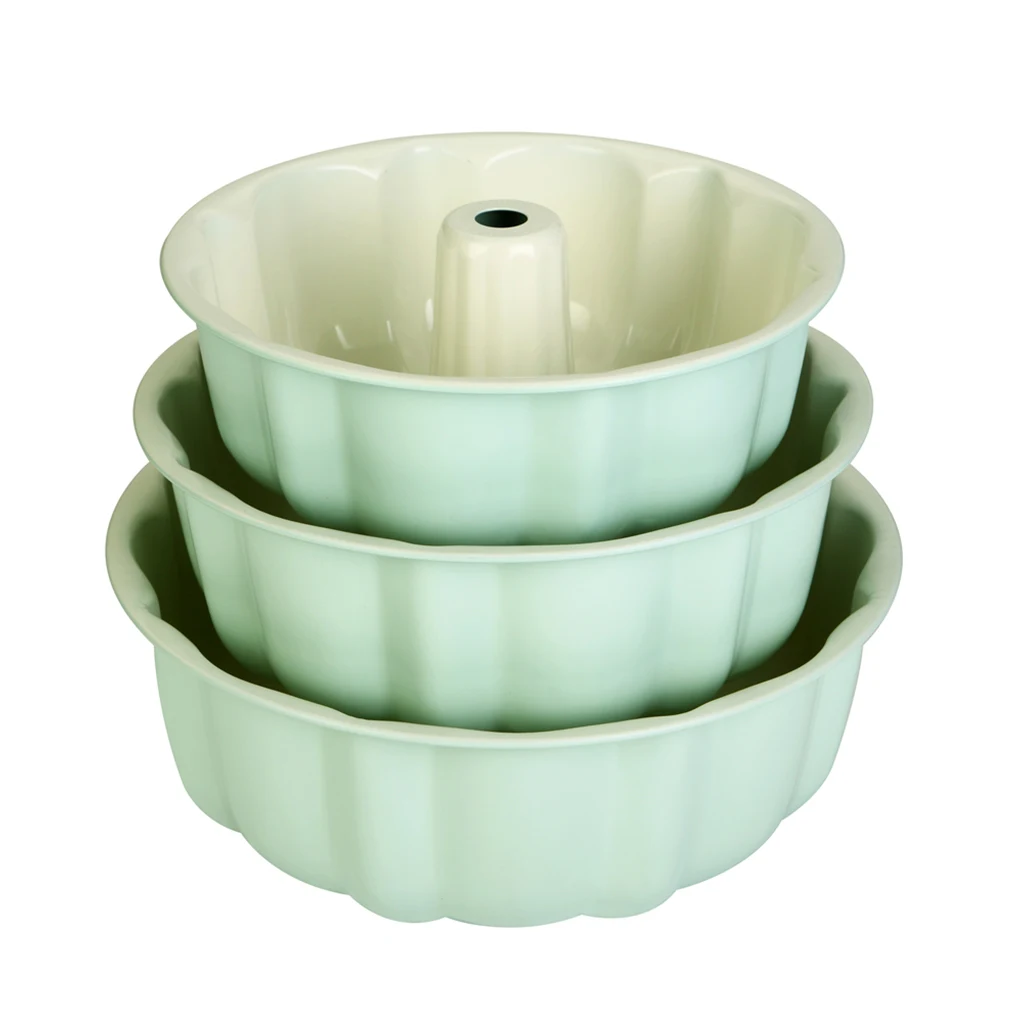
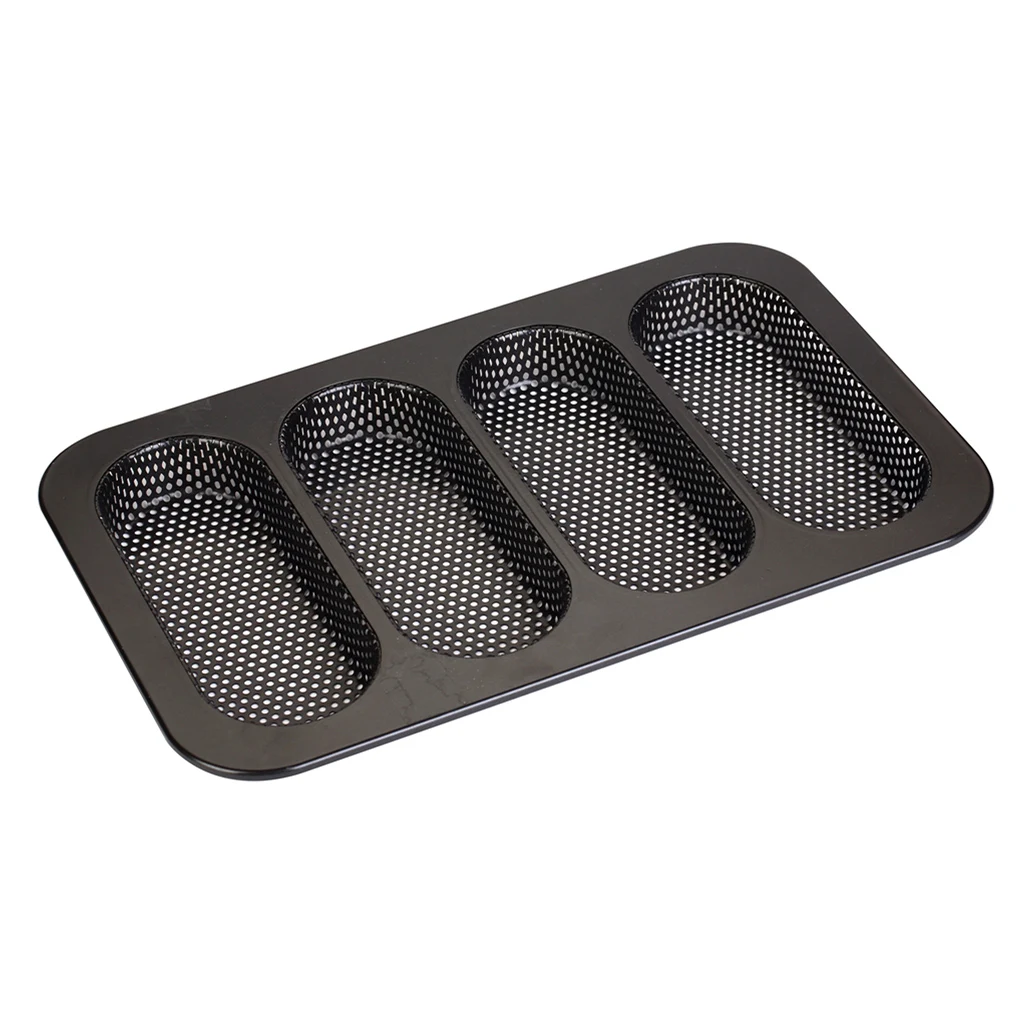
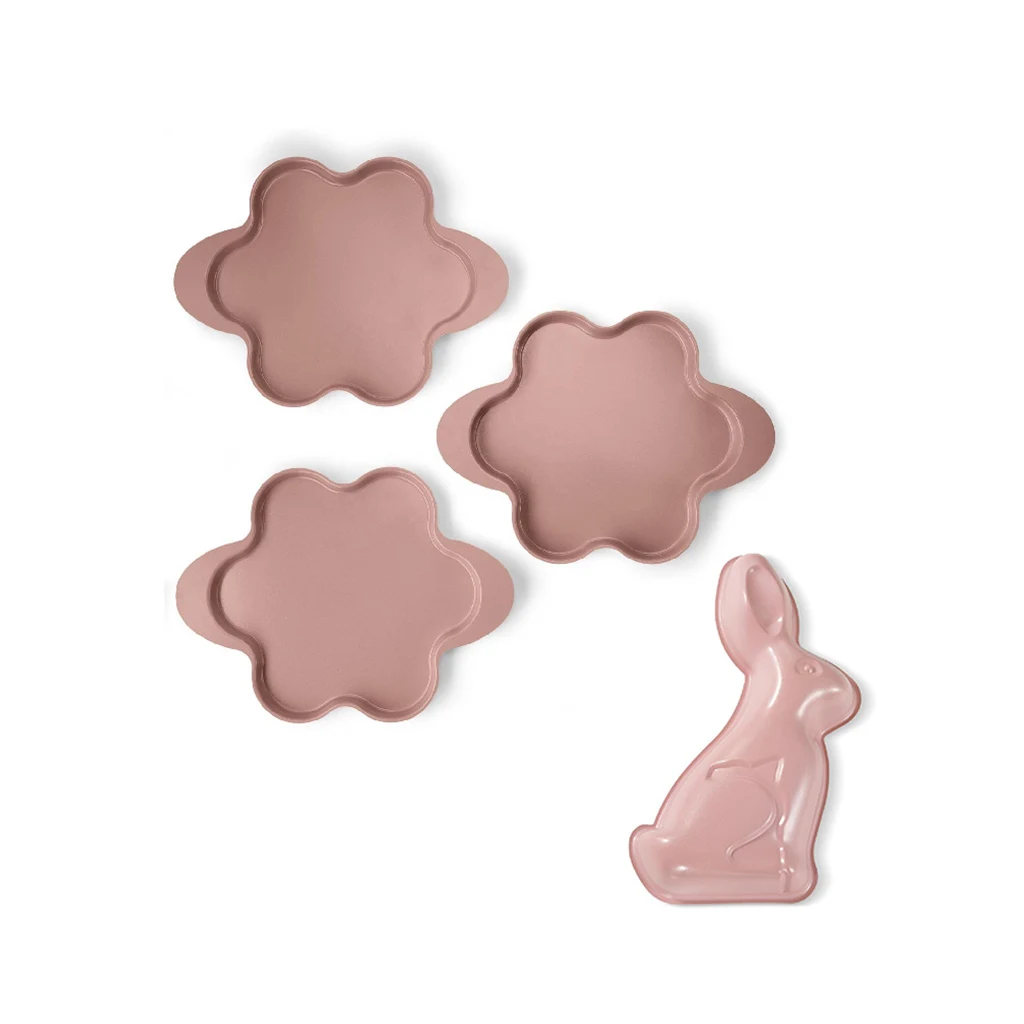
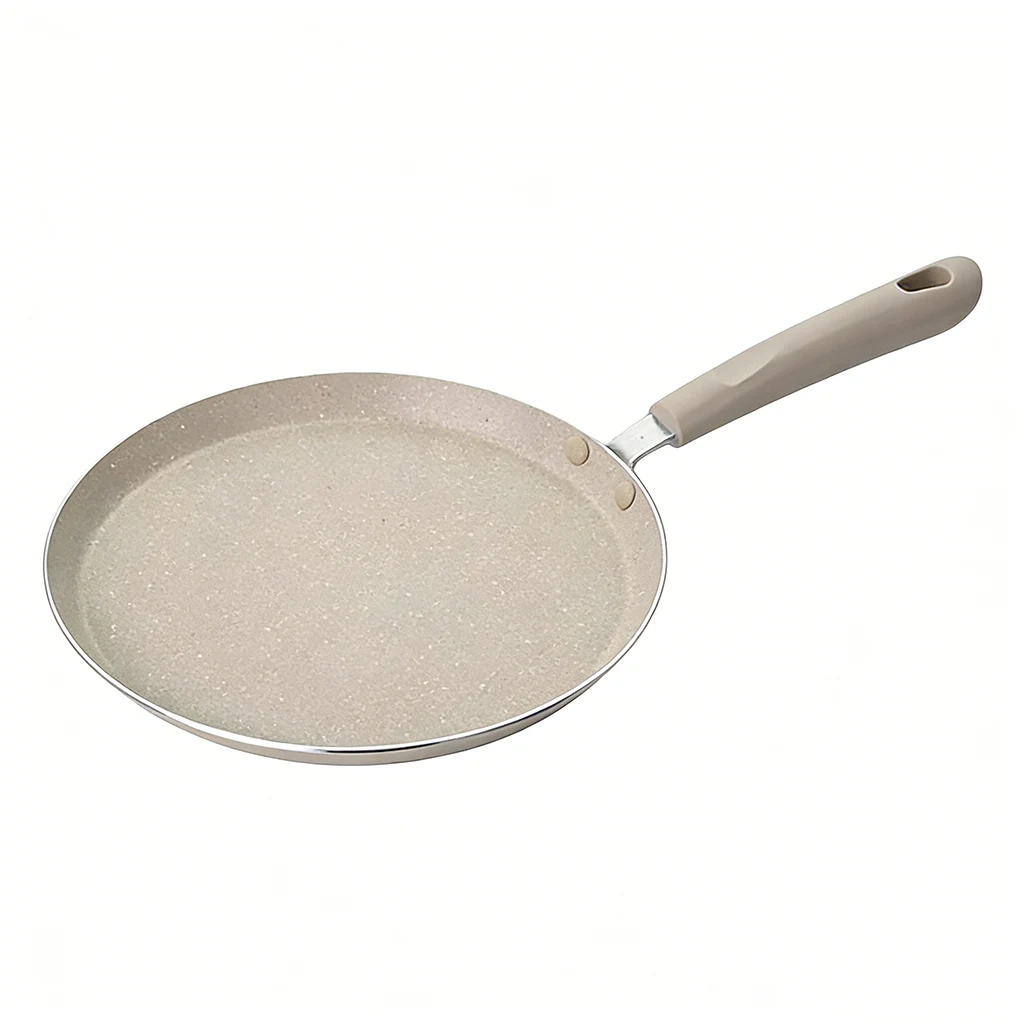
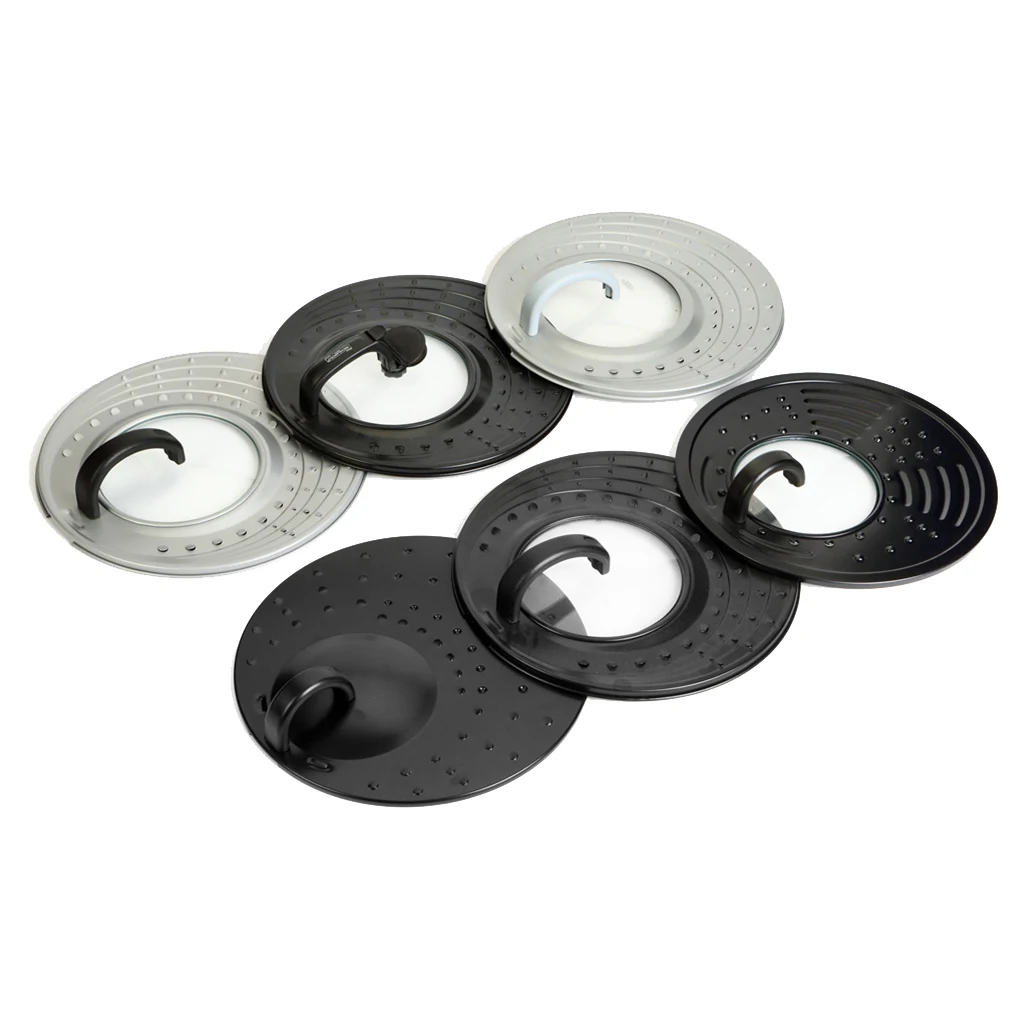
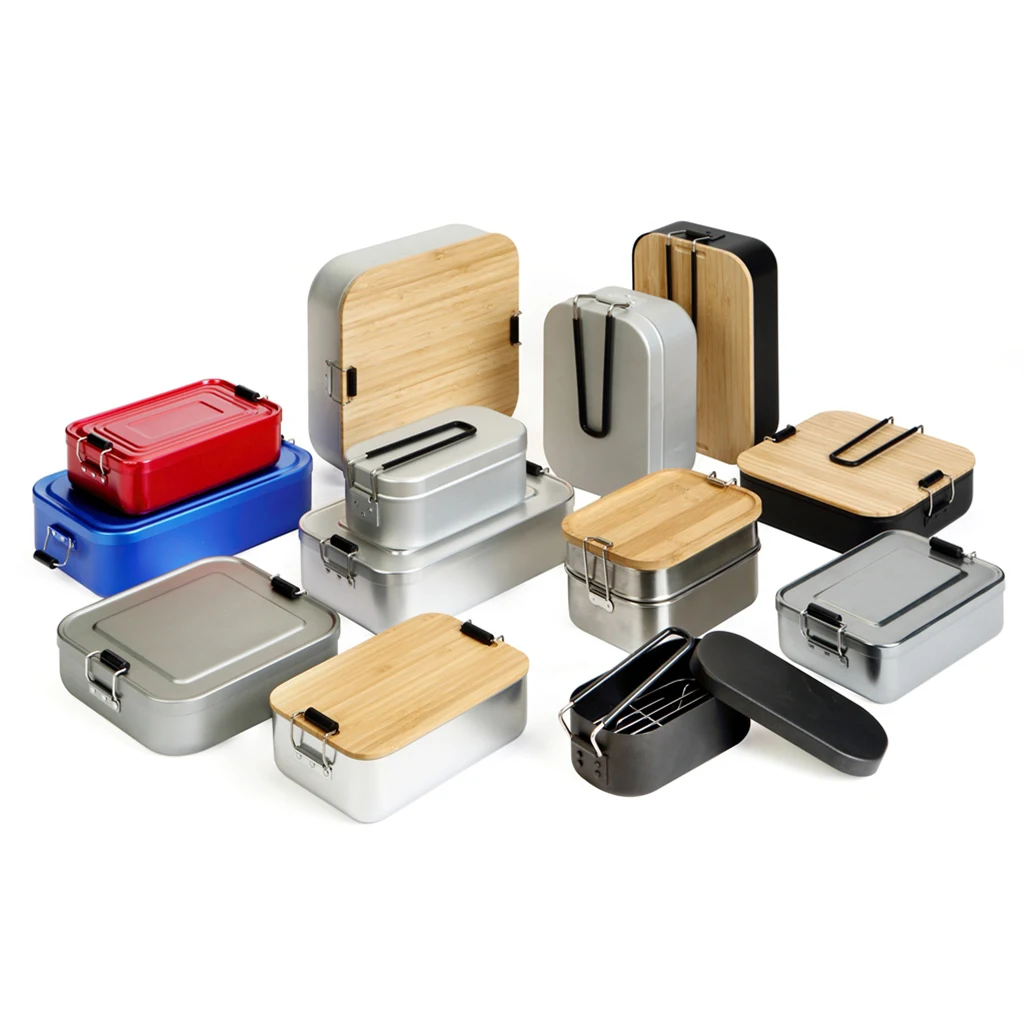
When it comes to baking, choosing the right baking tray is just as important as selecting quality ingredients. Whether you’re baking cookies, roasting vegetables, making pizzas, or preparing pastries, the right baking tray directly affects heat distribution, baking consistency, product quality, and even the lifespan of your bakeware.
For home bakers, professional bakeries, retailers, and OEM brands, understanding how to choose the right baking tray can improve baking performance while reducing long-term costs.
Let’s explore the most important factors to consider before purchasing your next baking tray.
🍪 1. Choose the Right Baking Tray for Different Applications
Not every baking tray is designed for the same purpose.
Different foods require different baking conditions.
For example:
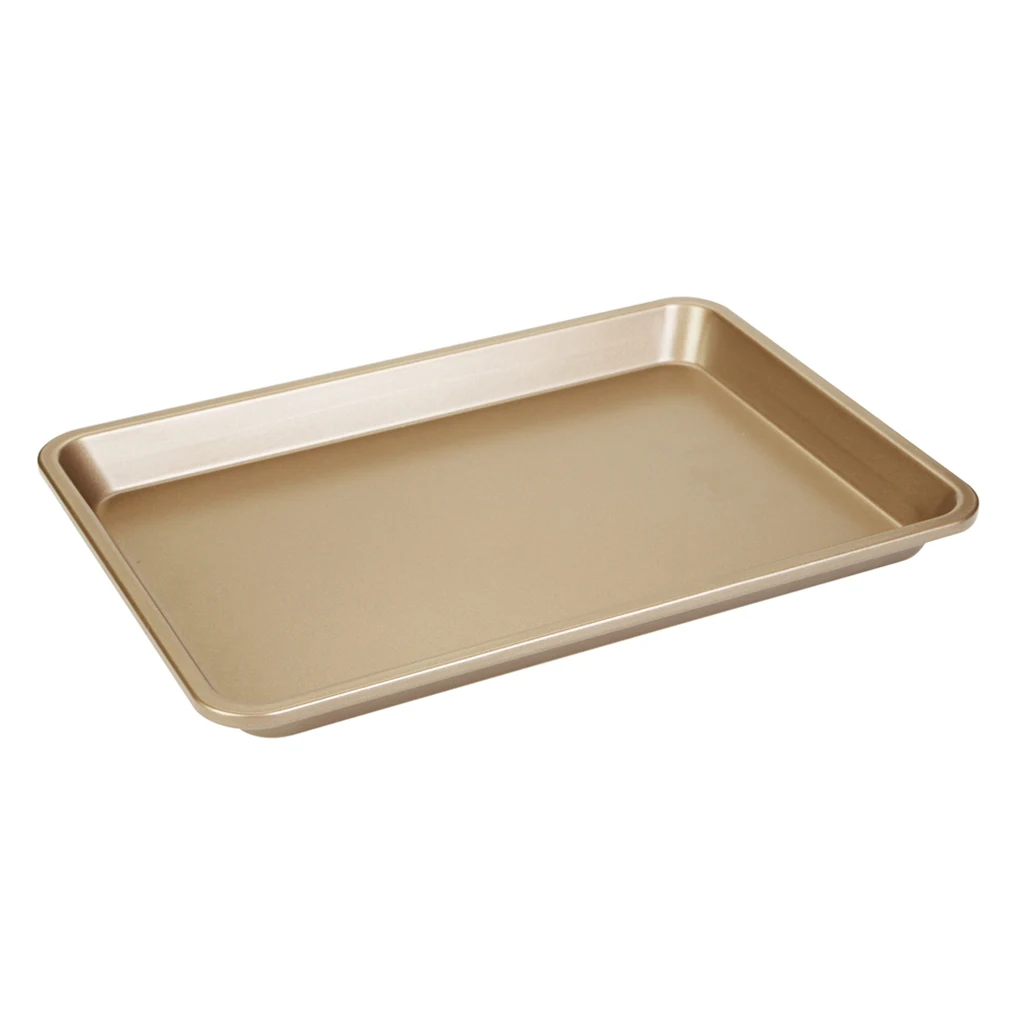
- 🍪 Cookies and Biscuits – Flat non-stick baking trays provide even heat and allow cookies to release easily.
- 🥐 Pastries and Croissants – Aluminum trays heat quickly, making them ideal for delicate baked goods.
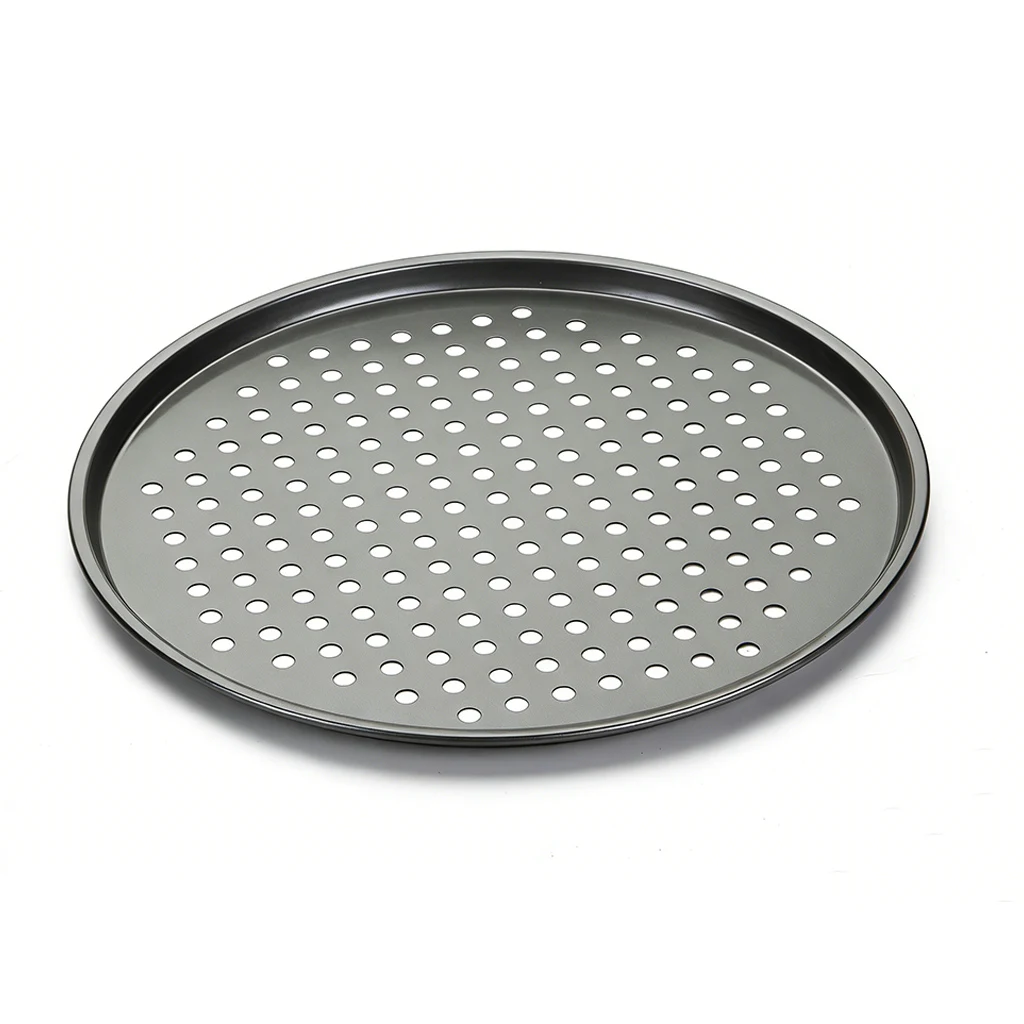
- 🍕 Pizza – Perforated pizza pans improve airflow underneath the dough, creating a crispier crust.
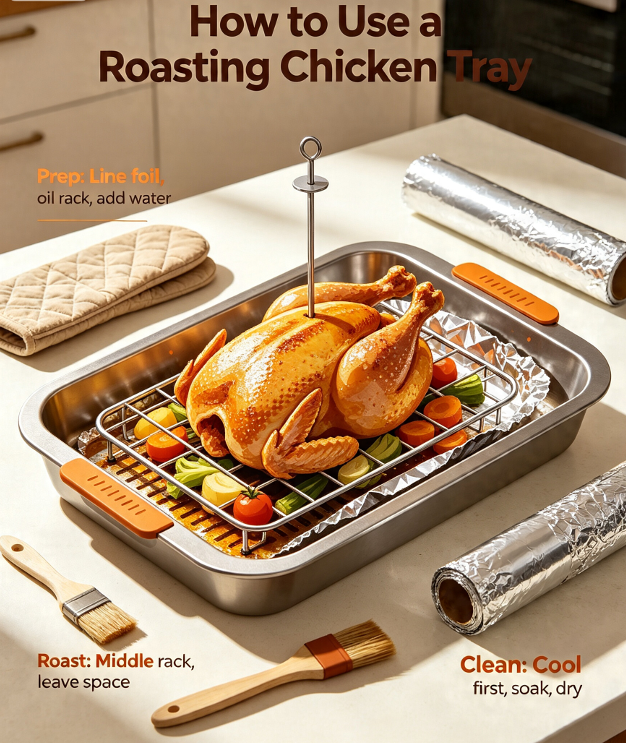
- 🥩 Roasted Meat and Vegetables – Deep baking trays prevent spills while maintaining structural strength under high temperatures.
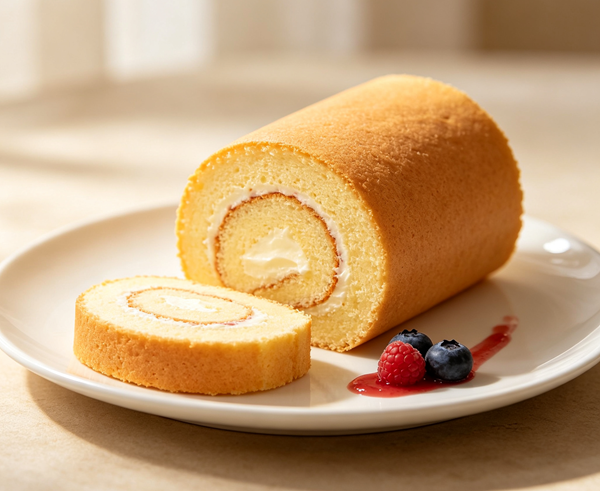
- 🍰 Cakes and Brownies – Baking trays with reinforced edges reduce warping during repeated use.
Matching the baking tray to the application helps achieve more consistent baking results.
🔩 2. Select the Best Baking Tray Material
One of the most important decisions when choosing a baking tray is selecting the right material.
炭素鋼
Carbon steel is widely used in commercial bakeries because it offers:
✅ Excellent heat distribution
✅ High durability
✅ Strong resistance to deformation
Aluminum
Aluminum baking trays are known for:
✅ Fast heating
✅ Lightweight construction
✅ Even temperature distribution
These characteristics make aluminum particularly suitable for pastries and desserts.
Stainless Steel
Stainless steel provides excellent corrosion resistance and is easy to clean. Although it transfers heat less efficiently than carbon steel or aluminum, it remains popular in food preparation environments.
🛡️ 3. Pay Attention to Baking Tray Coatings
The coating has a major impact on baking performance and product lifespan.
Popular options include:
✔️ PTFE non-stick coating
✔️ Ceramic coating
✔️ Silicone-based coating
A high-quality coating reduces sticking, minimizes oil usage, simplifies cleaning, and improves production efficiency.
For commercial bakeries, durable coatings also reduce replacement frequency and maintenance costs.
📏 4. Baking Tray Thickness Matters
Many buyers focus only on tray dimensions, but thickness is equally important.
A thicker baking tray generally provides:
🔥 Better heat retention
🔥 Improved baking consistency
🔥 Greater resistance to warping
🔥 Longer product life
Commercial users often choose thicker baking trays because they perform more consistently after thousands of baking cycles.
🏭 5. Consider Your Production Environment
The ideal baking tray depends on how it will be used.
For commercial bakeries, important considerations include:
✔️ Stackable design
✔️ Consistent dimensions
✔️ Compatibility with automated bakery equipment
✔️ High-temperature resistance
✔️ Long-lasting non-stick coatings
Retail brands may prioritize attractive appearance and consumer-friendly packaging, while industrial bakeries focus on production efficiency and durability.
🌱 6. Sustainability Is Becoming More Important
Today’s buyers increasingly consider environmental impact when purchasing bakeware.
Manufacturers are introducing:
♻️ Recyclable materials
♻️ Longer-lasting coatings
♻️ More environmentally responsible production processes
Choosing durable baking trays helps reduce waste while delivering better long-term value.
⭐ 7. Work with an Experienced Baking Tray Manufacturer
Beyond selecting the product itself, choosing the right manufacturing partner is equally important.
A reliable supplier should offer:
✔️ OEM & ODM services
✔️ Consistent product quality
✔️ Stable production capacity
✔️ Professional technical support
✔️ Flexible customization
An experienced manufacturer can recommend the most suitable baking tray according to your market, baking application, and production requirements.
🚀 Final Thoughts
Knowing how to choose the right baking tray helps both professional and home bakers achieve better baking performance.
Instead of selecting bakeware based only on price, consider the application, material, coating, thickness, durability, and supplier capabilities.
ザ right baking tray improves baking consistency, increases productivity, extends product life, and ultimately creates better baking experiences.
Whether you are sourcing bakeware for retail, commercial bakeries, or OEM manufacturing, investing in the right baking tray is always a smart decision.