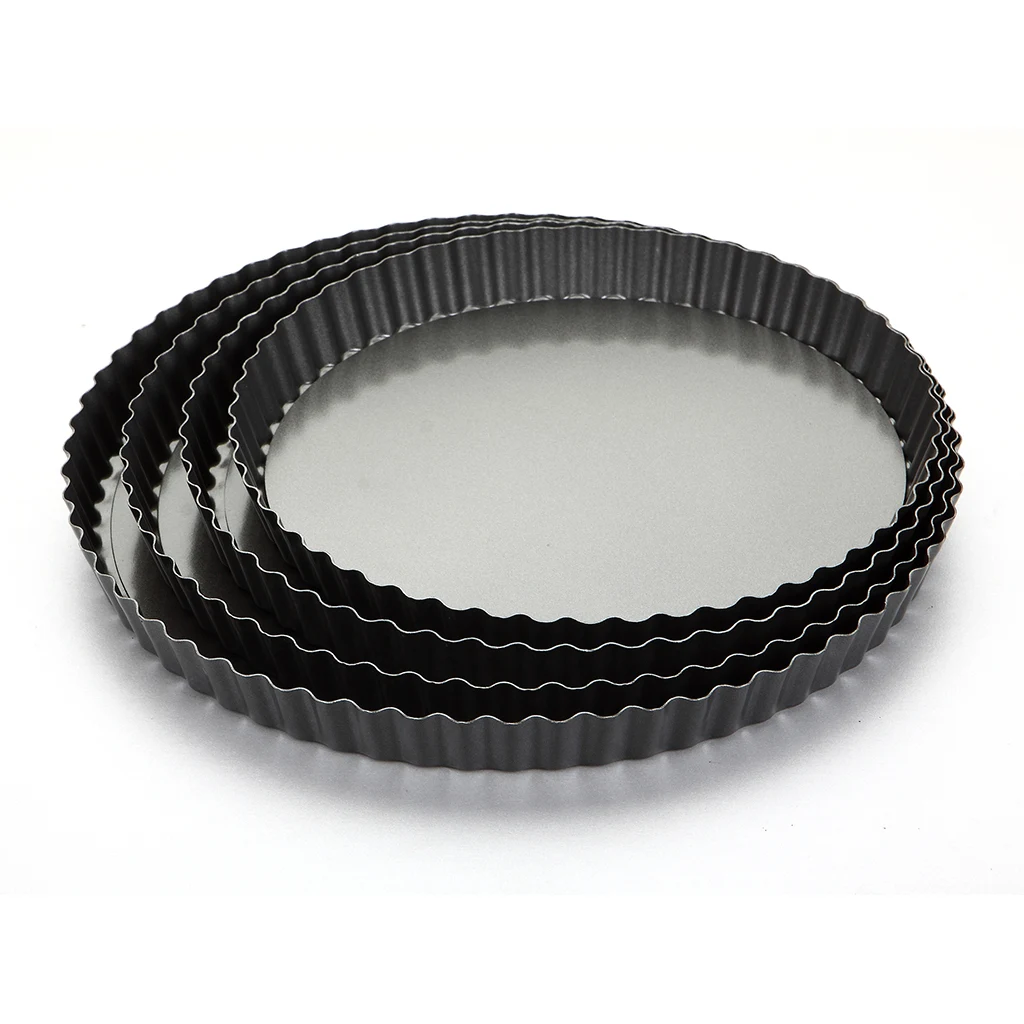
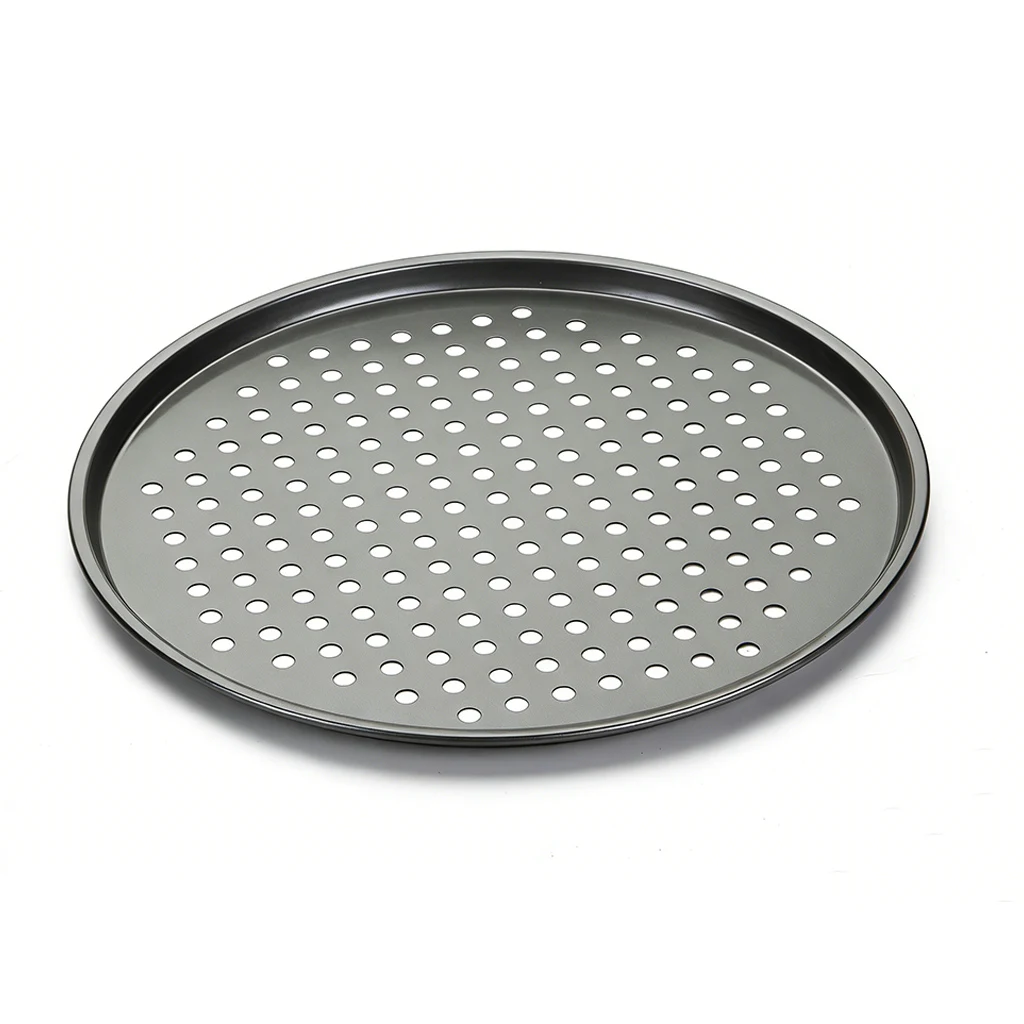
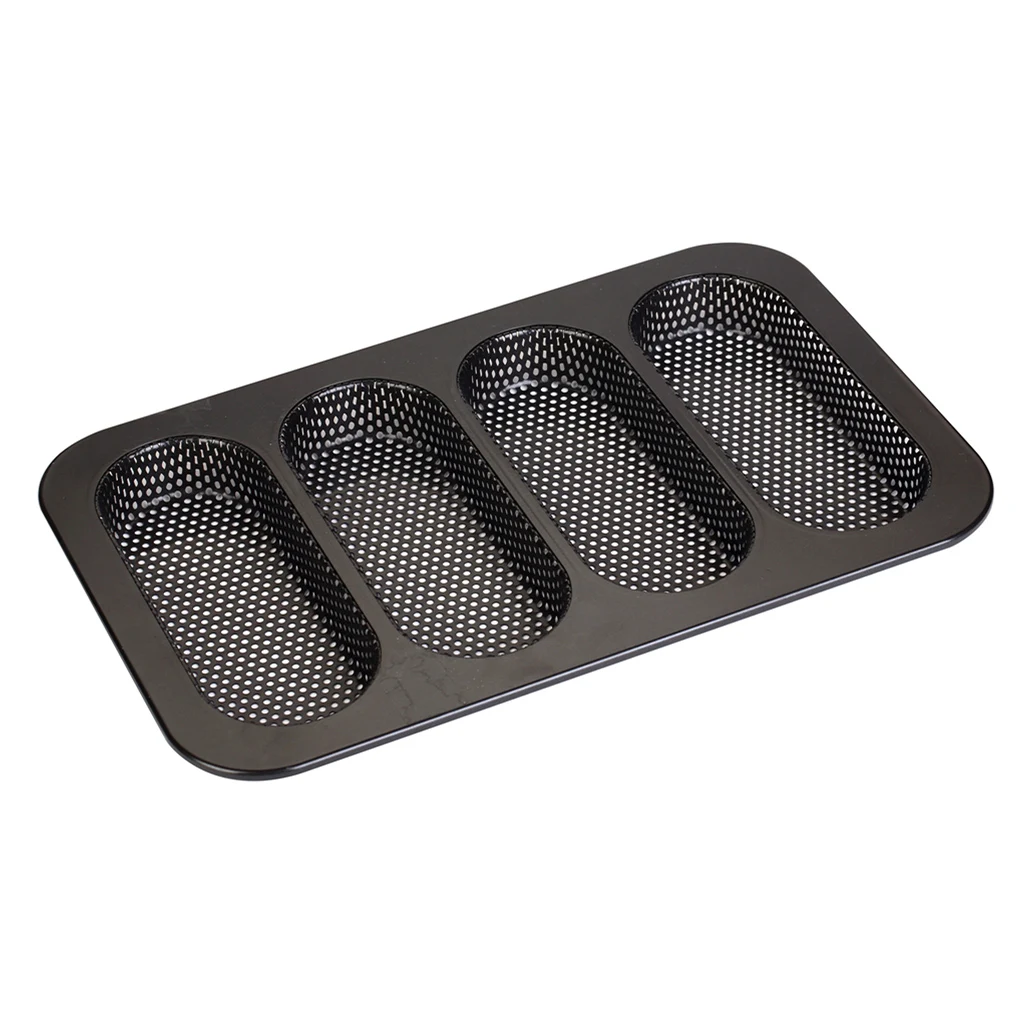
How Baking Tray Thickness Affects Baking Performance: 5 Critical Facts 🥘
1. The Hidden Variable in Your Oven 🔍
You have perfected your recipe. You have measured every ingredient with precision. You have preheated your oven to the exact temperature.
Yet your cookies still come out with burnt edges and raw centers.
The culprit? Your baking tray.
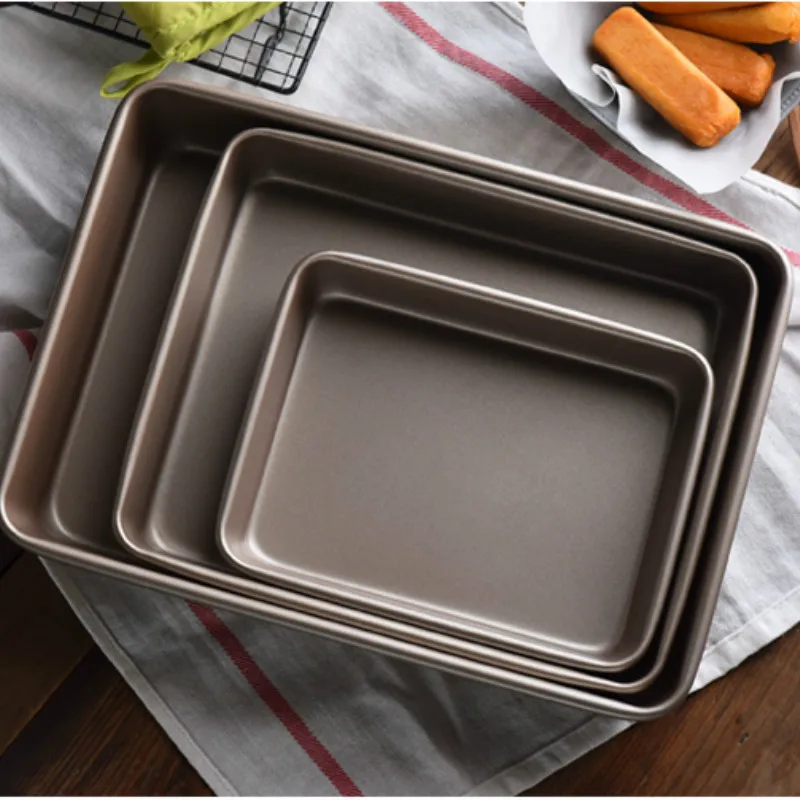
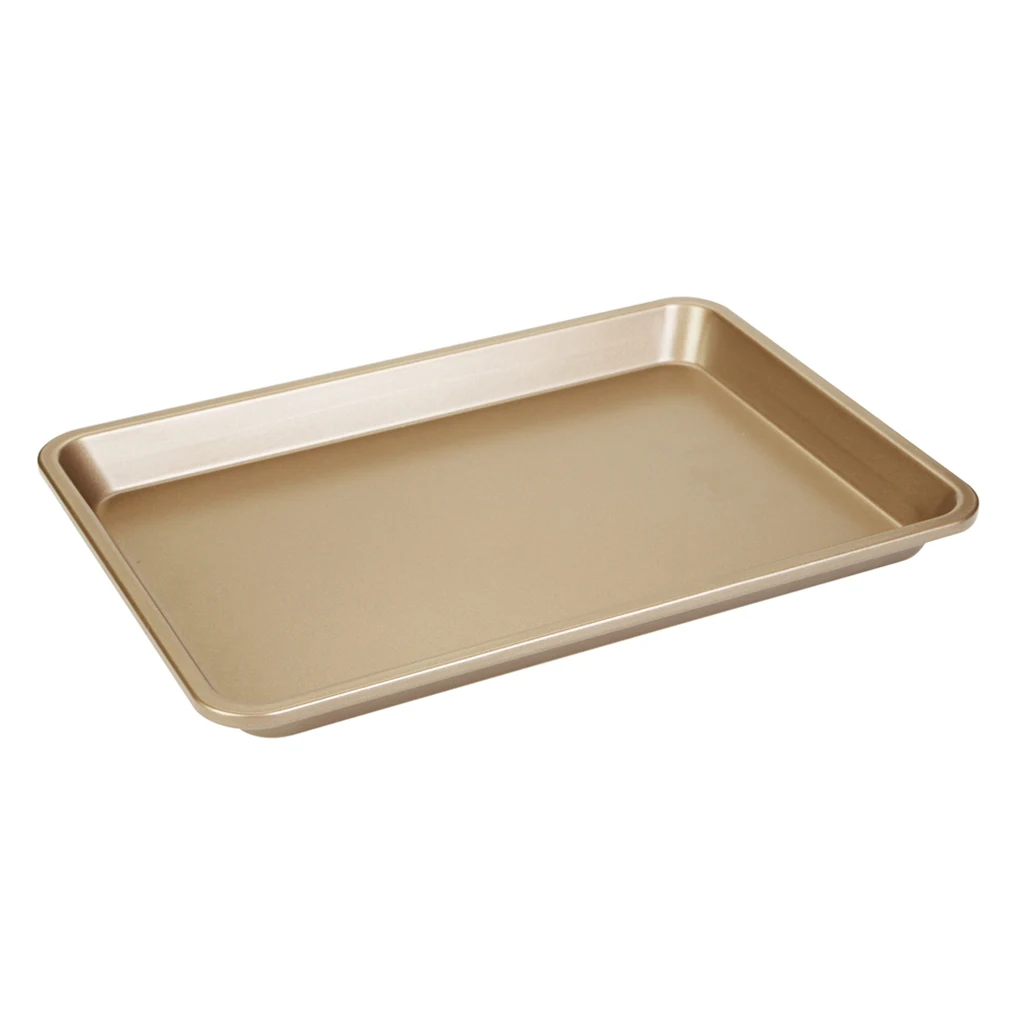
Most home bakers never think about their baking tray’s thickness. They grab whatever is cheapest or shiniest and assume it will work fine. But professional bakers know better. They know that how baking tray thickness affects baking performance is one of the most overlooked factors in achieving consistent, professional-quality results.
The Reality: A thin baking sheet—under 1.5 millimeters thick—cannot hold its shape when you slide it into a 400°F oven. The sudden heat expands the metal unevenly, and the center buckles upward. Your cookies end up with burnt edges and raw middles because the sheet no longer sits flat against the oven rack.
This is why understanding how baking tray thickness affects baking performance is not optional—it is essential.
2. Understanding Gauge: What Thickness Actually Means 📏
Before we dive into performance, let us decode the numbers.
Baking tray thickness is measured in gauge. Here is the golden rule: the lower the gauge number, the thicker the metal.
| Gauge | Approximate Thickness (Aluminum) | Characteristics |
|---|---|---|
| 12-gauge | ~2.0 mm | Extra heavy-duty, commercial grade, maximum durability |
| 14-gauge | ~1.6 mm | Heavy-duty, professional quality |
| 16-gauge | ~1.3 mm | Significantly heavier and thicker than 18-gauge |
| 18-gauge | ~1.2 mm | Industry sweet spot—sturdy yet manageable |
| 20-gauge | ~0.9 mm | Lightweight, prone to warping |
| 22-gauge | ~0.64 mm | Very thin, high risk of warping |
A 16-gauge pan is significantly heavier and thicker than an 18-gauge one. This difference is not just about weight—it directly determines how baking tray thickness affects baking performance in your oven.
3. How Baking Tray Thickness Affects Baking Performance (5 Key Areas) 🏆
Let us break down the 5 critical ways thickness impacts your baking results.
🔹 Area #1: Heat Distribution and Even Baking
Thicker baking trays distribute heat more evenly across the entire surface.
A thick aluminum sheet, around 2 to 3 millimeters, heats evenly across its entire surface. That means your cookies brown at the same rate from edge to edge. Thin aluminum, under 1.5 millimeters, heats unevenly.
Professional baker Sherin Fernandes, a graduate of the famed Cordon Bleu cooking school, puts it simply: “A thin aluminum pan might get too hot and burn, but a heavier aluminum pan provides a nice, even bake”.
The Science: Thicker metal has more thermal mass. It absorbs heat more slowly but distributes it more uniformly across the surface. This eliminates the hot spots that cause uneven browning.
🔹 Area #2: Warping Resistance
This is the most visible way how baking tray thickness affects baking performance.
Warping occurs when a pan is heated unevenly or cooled too quickly. Thin gauge sheets—anything under 18-gauge (about 1.2 mm thick)—are especially prone to this.
When you put a cold pan into a hot oven, the edges heat up faster than the center. The metal expands at different rates, and the pan buckles. The same thing happens if you run a hot pan under cold water.
Real-World Impact: On a standard half-sheet pan that had bowed after a few months of use, the center registered 325°F while the edges hit 370°F after a 10-minute preheat at 375°F. That 45-degree difference explains why cookies spread unevenly and why the edges of a sheet cake burn before the middle sets.
Thicker sheets—typically 14-gauge (1.6 mm) or 12-gauge (2.0 mm) —resist warping because they have more material to absorb and distribute thermal stress. They also hold heat longer, which helps maintain a stable baking temperature when you open the oven door.
🔹 Area #3: Heat Retention and Temperature Stability
Thicker trays retain heat longer than thin ones.
A thicker pan will heat up slower, but will continue to cook the food after the pan is removed from the oven. A thin pan will heat up faster, but will do little cooking after the pan is removed.
This matters for:
-
Batch baking: A thick tray maintains consistent temperature between batches
-
Carryover cooking: Foods continue to cook evenly after removal
-
Opening the oven door: Thicker trays recover temperature faster when you check on your bake
🔹 Area #4: Texture and Doneness Control
This is where how baking tray thickness affects baking performance gets really interesting—it directly influences the texture of your finished product.
| Tray Thickness | Effect on Cookies | Effect on Pastries |
|---|---|---|
| Thin (under 1.2 mm) | Crispier, faster browning, higher burn risk | Quicker bottom browning, risk of burnt bases |
| Thick (1.5 mm+) | Softer, chewier, more even baking | Gentle, even heat—flaky, tender results |
Thin baking sheets or dark-colored pans tend to absorb and transfer heat more aggressively, causing bottoms to burn faster than tops can bake. Thin sheets heat fast but can warp—thick sheets hold heat better and stay flat longer.
🔹 Area #5: Durability and Longevity
Thicker trays last significantly longer than thin ones.
Thinner materials provide lower cost and flexibility. Thicker materials offer increased strength and longer service life.
A tray with 18-gauge thickness or lower tends to be sturdier, with the added benefit that they heat more evenly.
Bottom line: A cheap, thin tray might save you money today—but you will likely replace it within a year. A quality thick tray can last decades.
4. Material Matters: Thickness Across Different Metals 🧪
Thickness is not the only factor. How baking tray thickness affects baking performance also depends on the material.
Aluminum: The Workhorse
Aluminum is the most common material for baking sheets because it conducts heat extremely well.
-
Recommended thickness: 18-gauge (1.2 mm) or thicker
-
Sweet spot for home use: 18-gauge aluminum—thick enough to resist warping, light enough to handle comfortably
-
Commercial standard: 10- to 18-gauge range
Pro Tip: Look for sheets labeled “heavy-duty” or “commercial grade”. These are usually 18-gauge or thicker.
Stainless Steel: The Durable Option 🔩
Stainless steel is one of the most durable materials and less prone to discoloration than aluminum.
-
Thickness varies by gauge: A 12-gauge aluminum sheet pan will be about 2 millimeters thick, while a stainless steel sheet pan of the same gauge will be 2.78 millimeters thick
-
Downside: Stainless steel doesn’t conduct heat as evenly as aluminum
-
Minimum thickness: At least 18-gauge (0.48 mm) for stainless steel
Carbon Steel: The Rising Star
Carbon steel offers good heat conduction and durability.
-
Common thickness: 1 mm for professional-grade trays
-
Some carbon steel sheets are as thin as 0.6 mm but still perform well due to the material’s properties
5. How to Choose the Right Thickness for Your Needs 🛒
| Your Baking Style | Recommended Thickness | Why |
|---|---|---|
| Occasional cookies & simple bakes | 18-gauge (1.2 mm) | Sturdy enough, easy to handle |
| Regular baker (multiple times/week) | 16-gauge (1.3 mm) or thicker | Resists warping under frequent use |
| Professional or high-volume | 14-gauge (1.6 mm) or 12-gauge (2.0 mm) | Maximum durability, commercial performance |
| Roasting vegetables at high heat | 16-gauge minimum | Prevents warping at 400°F+ |
| Delicate pastries & even browning | 18-gauge or thicker | Even heat distribution prevents burnt bottoms |
The 18-Gauge Rule: Pans with an 18-gauge thickness or lower tend to be sturdier and heat more evenly. For home use, 18-gauge aluminum is the sweet spot—thick enough to resist warping, light enough to handle comfortably.
6. Common Mistakes to Avoid ❌
| Mistake | Why It Hurts | Solution |
|---|---|---|
| Buying the cheapest tray | Thin trays warp and create hot spots | Invest in 18-gauge or thicker |
| Ignoring gauge numbers | Higher gauge = thinner = worse performance | Look for lower gauge numbers |
| Using dark-colored thin trays | Absorb heat too aggressively—burns bottoms | Choose light-colored heavy-gauge aluminum |
| Skipping the warp test | Warped pans ruin baking results | Test with a straightedge before buying |
| Not reading material specs | Different materials need different thicknesses | Match thickness to material |
7. Pro Tips from Professional Bakers 💡
Here is what the experts say about how baking tray thickness affects baking performance:
From Veronica Amaya, Owner of Canela Vegan Bakery
“Great bakes are achieved by mixing quality ingredients, and properly handling the dough or batter”. But she emphasizes: “A flat tray is best”—and flatness comes from thickness.
From Claire Livia Lassam, Co-Owner of Livia Forno e Vino
“The main thing you’re looking for is a nice, thick-bottomed pan”. She recommends 18-gauge thickness or lower for sturdiness and even heating.
From Kevin Golovin, Professor of Mechanical Engineering
“The best thing consumers can do is buy pans from a brand they trust and use them according to the manufacturers’ recommendations”.
The Seasoning Trick
If you want a sheet that lasts decades, buy uncoated heavy-gauge aluminum or carbon steel. Season it like a cast iron pan with a thin layer of oil baked on at 400°F for one hour. That seasoning creates a natural non-stick surface that gets better with use and never flakes off.
8. Final Verdict: The Verdict 🏆
How baking tray thickness affects baking performance is not a minor detail—it is a fundamental factor that determines:
-
✅ Whether your cookies brown evenly or burn at the edges
-
✅ Whether your tray warps after a few months or stays flat for decades
-
✅ Whether your pastries have tender, flaky bottoms or scorched, bitter ones
The evidence is clear:
Thin sheets under 18-gauge warp easily, create hot spots, and produce inconsistent results.
Thick sheets of 16-gauge or lower resist warping, distribute heat evenly, and deliver professional-quality bakes.
Invest in a quality baking tray. Your cookies—and your sanity—will thank you.
9. Frequently Asked Questions (FAQ) ❓
Q: What gauge baking tray should I buy for home use?
A: 18-gauge aluminum is the sweet spot—thick enough to resist warping, light enough to handle comfortably.
Q: Is a thicker baking tray always better?
A: Generally yes, but very thick trays (12-gauge) can be heavy and awkward to handle. For most home bakers, 16- to 18-gauge is ideal.
Q: How do I know if my tray is thick enough?
A: If you can bend the pan easily with your hands, it is probably too thin. Look for “heavy-duty” or “commercial grade” labeling.
Q: Does tray color matter as much as thickness?
A: Color matters too. Dark-colored sheets brown faster than light ones. For even baking, choose light-colored heavy-gauge aluminum.
Q: Can I prevent warping in a thin tray?
A: To some extent—never run a hot pan under cold water, and always let it cool gradually. But the best prevention is buying a thick tray in the first place.
Final Call to Action 📢
Have you ever had a baking disaster caused by a warped tray? Share your story in the comments! 👇
And if you found this helpful, repost to help fellow bakers avoid the same mistakes.
#BakingTips #BakingTray #KitchenEssentials #BakingPerformance #HomeBaker #BakingScience #CookieBaking #PastryArts #KitchenTools #CulinaryTips #BakingEquipment #FoodScience #LinkedInFood #ProfessionalBaking