Carbon Steel vs Aluminized Steel Bakeware: What’s the Difference?
When purchasing baking trays, buyers often encounter two common materials:
- 炭素鋼
- Aluminized Steel
Although they may appear similar, their performance characteristics differ in several important ways.
What Is Carbon Steel?
Carbon steel is one of the most widely used materials in commercial bakeware.
Advantages include:
- excellent strength
- affordable cost
- reliable heat transfer
Because of its durability, carbon steel is commonly used for:
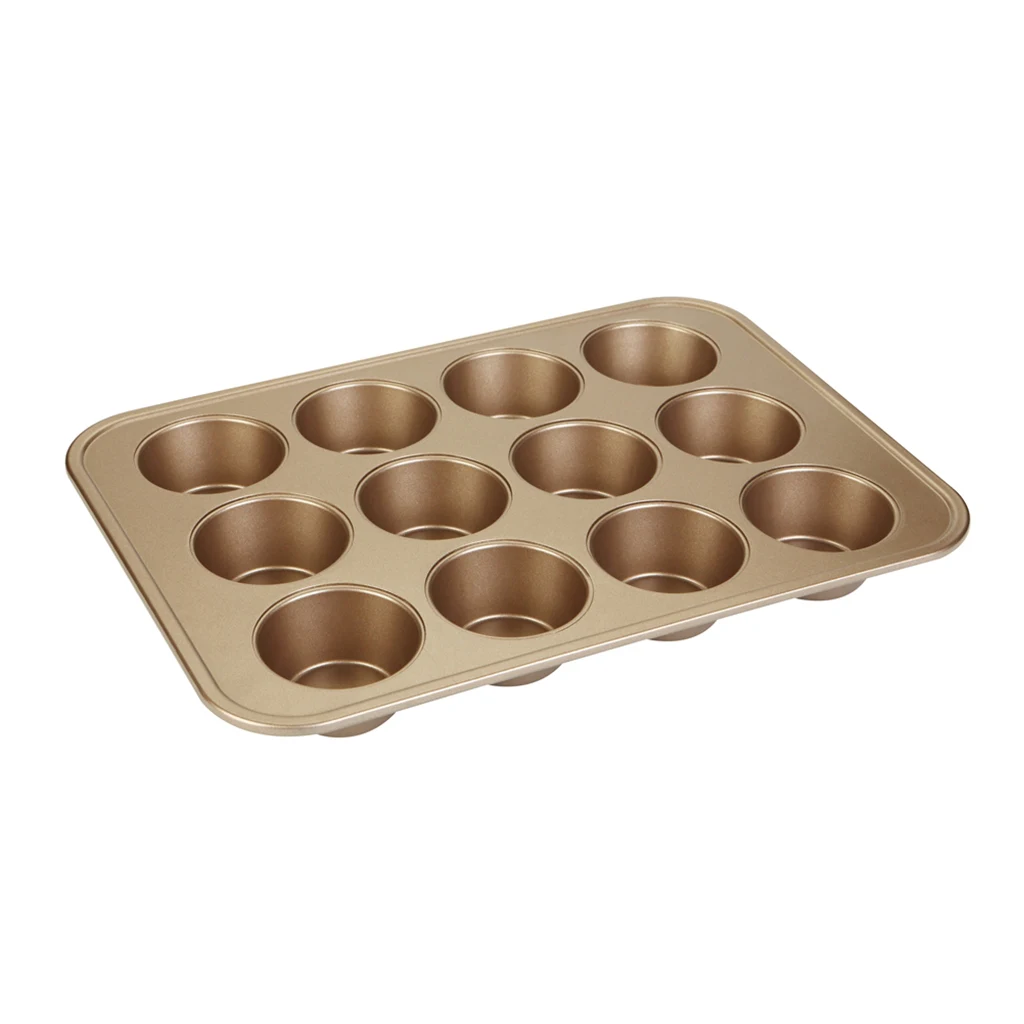
- muffin pans
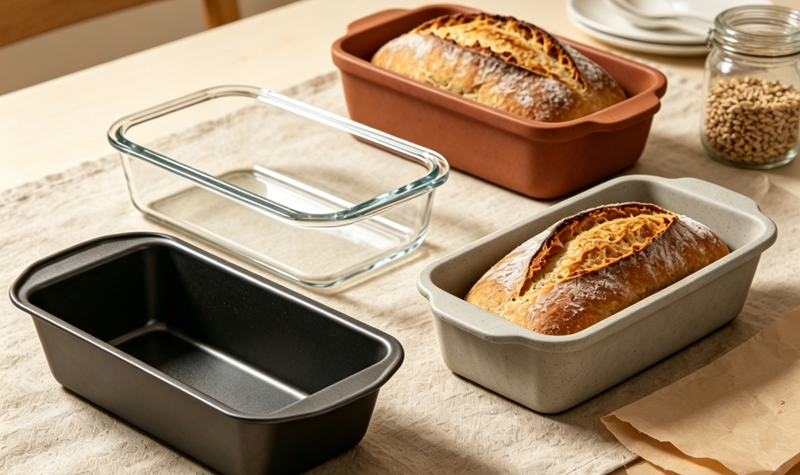
- loaf pans
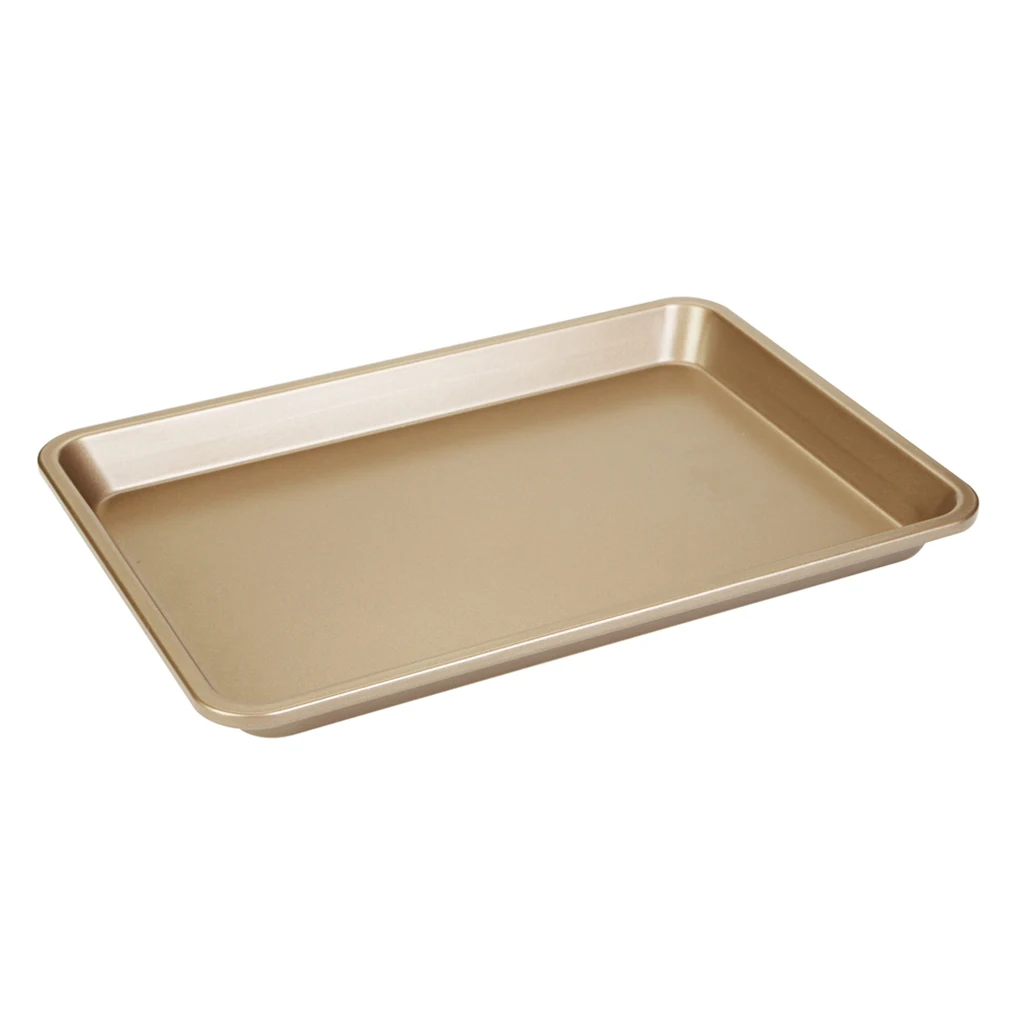
- sheet pans
However, untreated carbon steel may be vulnerable to corrosion if not properly protected.
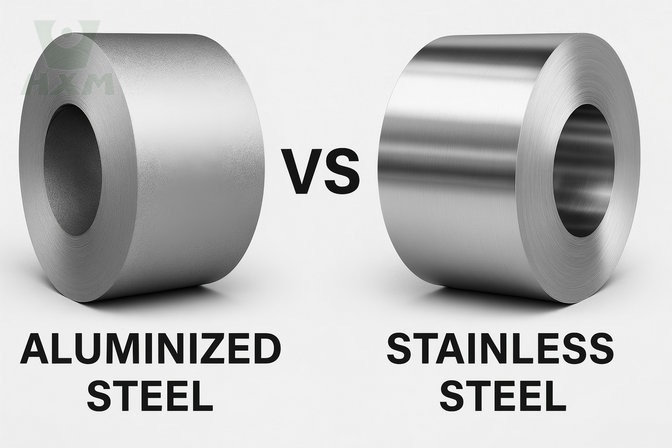
What Is Aluminized Steel?
Aluminized steel combines carbon steel with an aluminum-silicon coating.
This protective layer improves:
- corrosion resistance
- oxidation resistance
- durability in humid environments
As a result, aluminized steel is widely used in commercial bakeries where equipment undergoes frequent washing and exposure to moisture.
Heat Performance Comparison
Both materials provide excellent baking performance.
However:
Carbon Steel:
- slightly faster heat response
- lower material cost
Aluminized Steel:
- excellent heat distribution
- improved surface protection
For most baking applications, both materials perform extremely well.
Which Material Should You Choose?
The answer depends on the intended application.
Carbon steel may be ideal when:
- cost efficiency is important
- non-stick coatings are applied
Aluminized steel may be preferable when:
- long service life is required
- corrosion resistance is a priority
Conclusion
Both materials are widely respected in the baking industry.
Choosing the right option depends on production environment, maintenance requirements, and budget considerations.