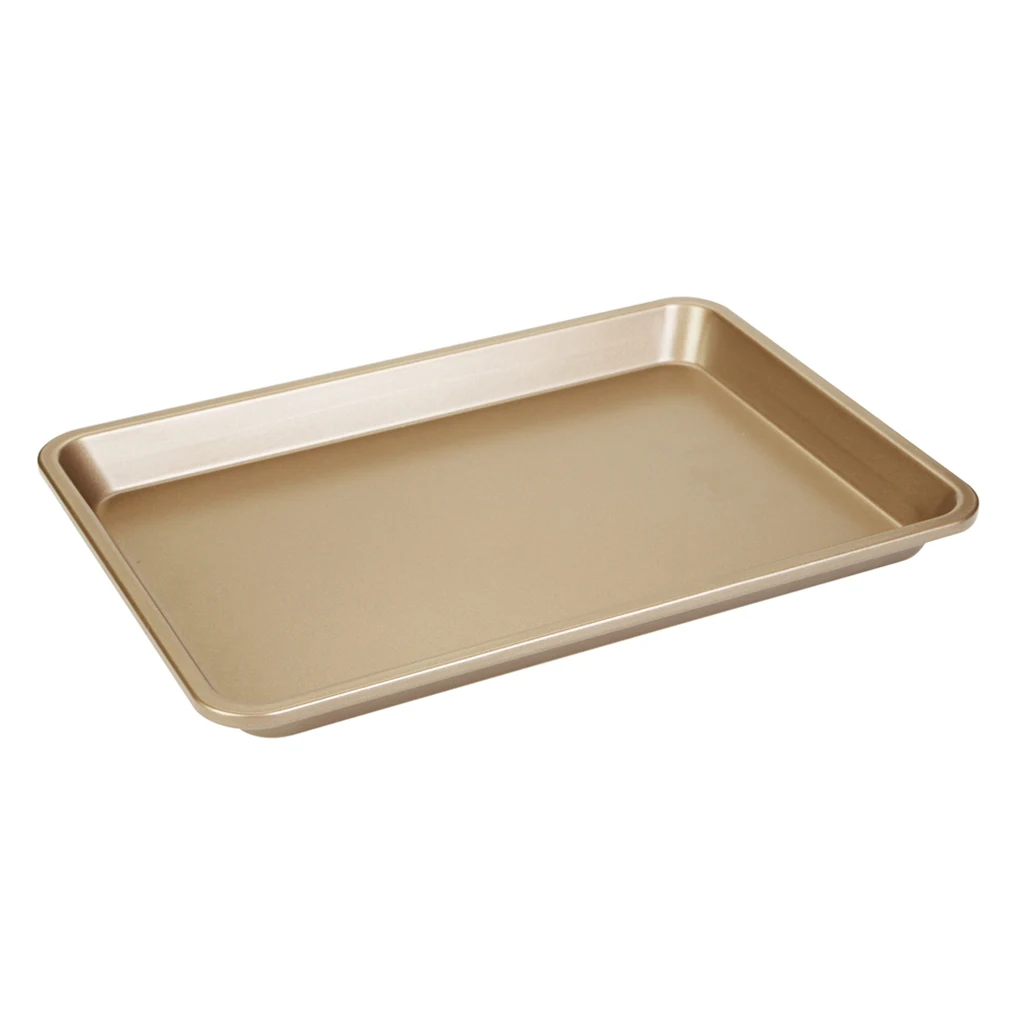
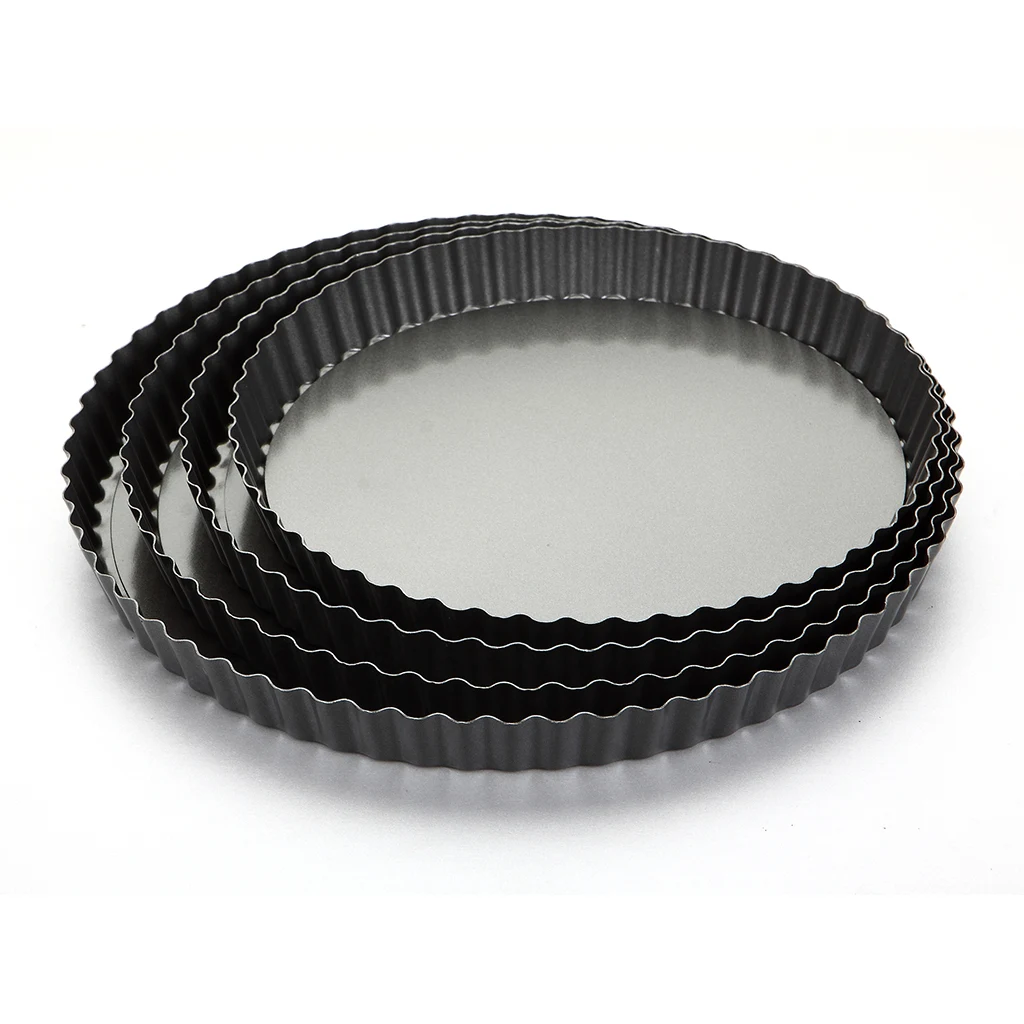
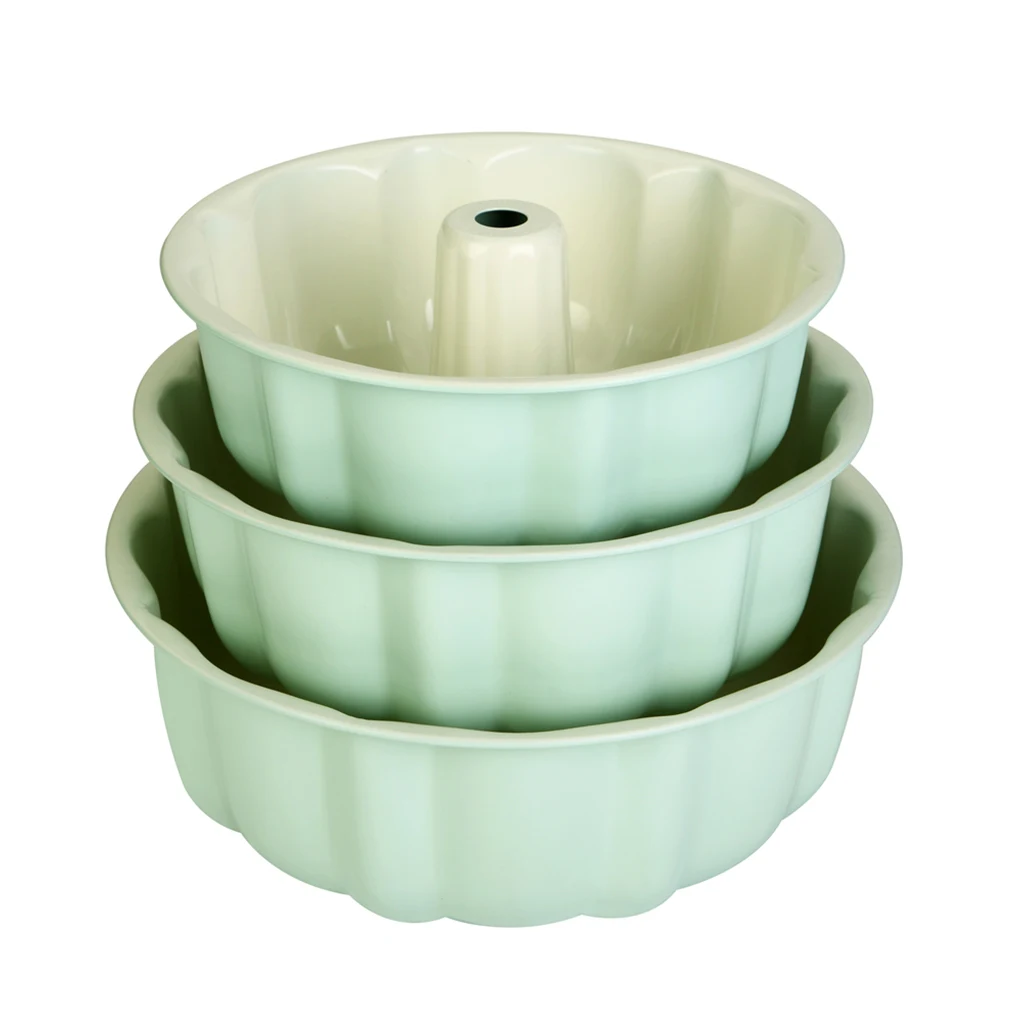
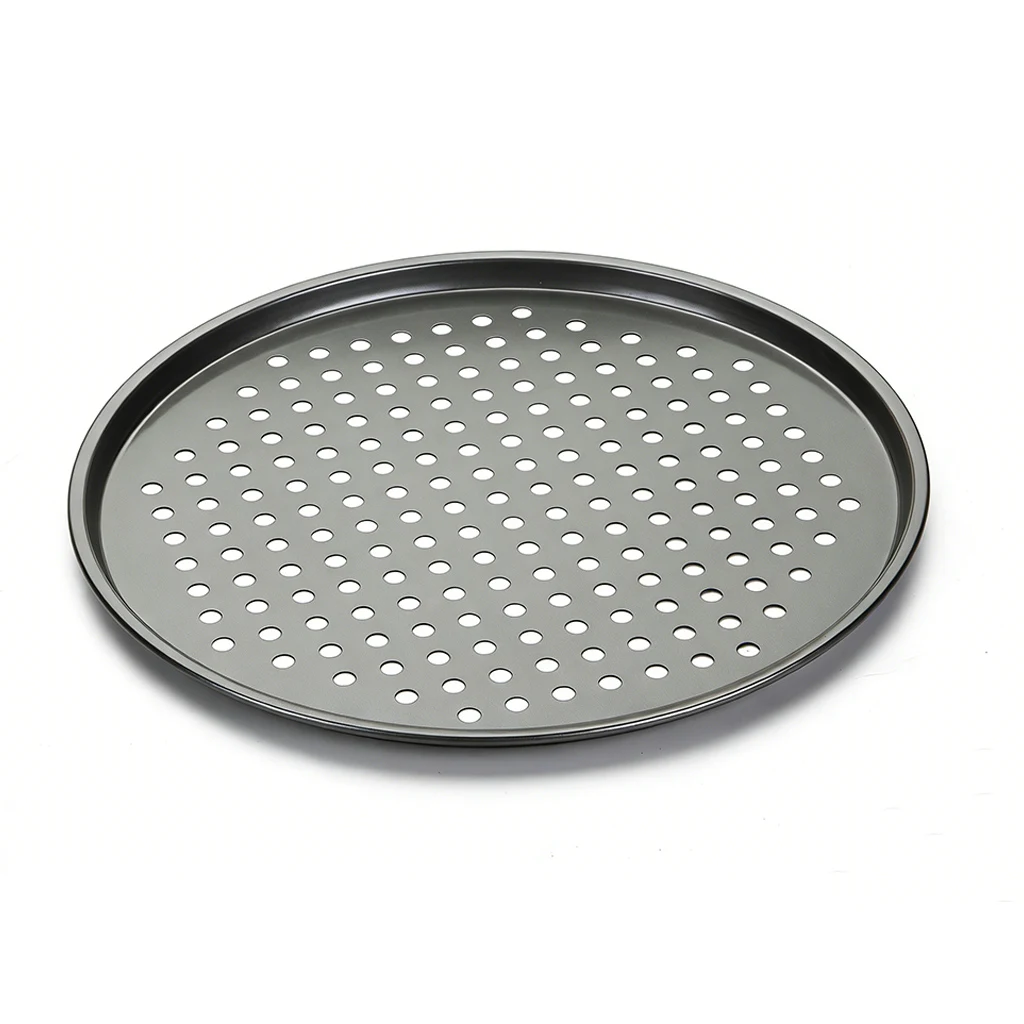
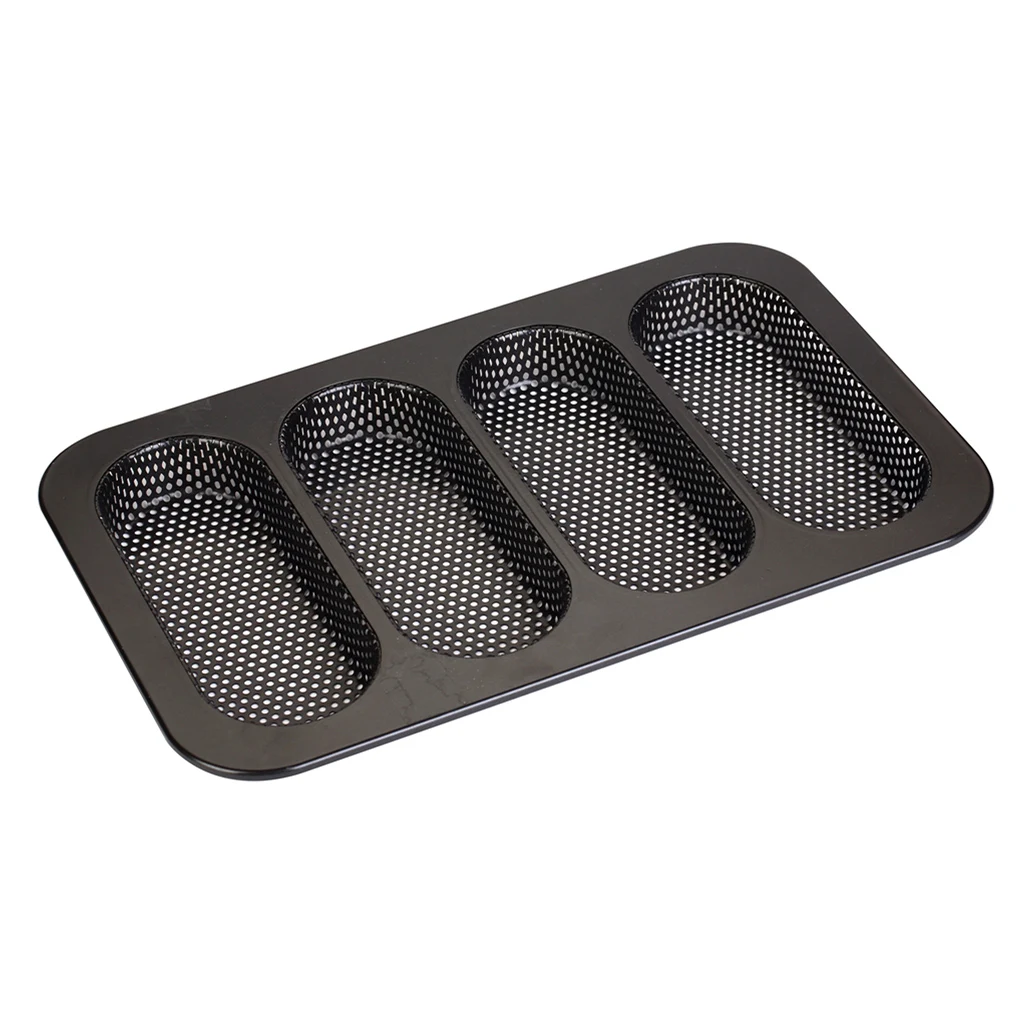
The humble baking sheet pan is a kitchen workhorse, essential for everything from cookies to sheet-pan dinners. Yet, it often ends up stained, greasy, and covered in a stubborn, baked-on patina. This layer isn’t just unsightly; it can smoke in your oven, cause uneven baking, and transfer off-flavors. Mastering how to clean baking sheet pans is therefore a crucial kitchen skill that protects your investment, ensures better results, and restores your pans.
This comprehensive guide provides step-by-step methods for every level of mess and material. We’ll cover the science of baked-on grease, preventative strategies, and how to clean baking sheet pans to tackle specific problems like discoloration and rust. Whether you’re a beginner or experienced home cook, learning how to clean baking sheet pans properly will transform that dirty pan back into a kitchen staple you’re proud to use.
Core Takeaway: The most versatile and effective method for how to clean baking sheet pans is a baking soda and hydrogen peroxide (or vinegar) paste. For daily upkeep, immediate soaking in hot, soapy water is the best preventative habit. Always tailor your method to your pan’s material to avoid damage.
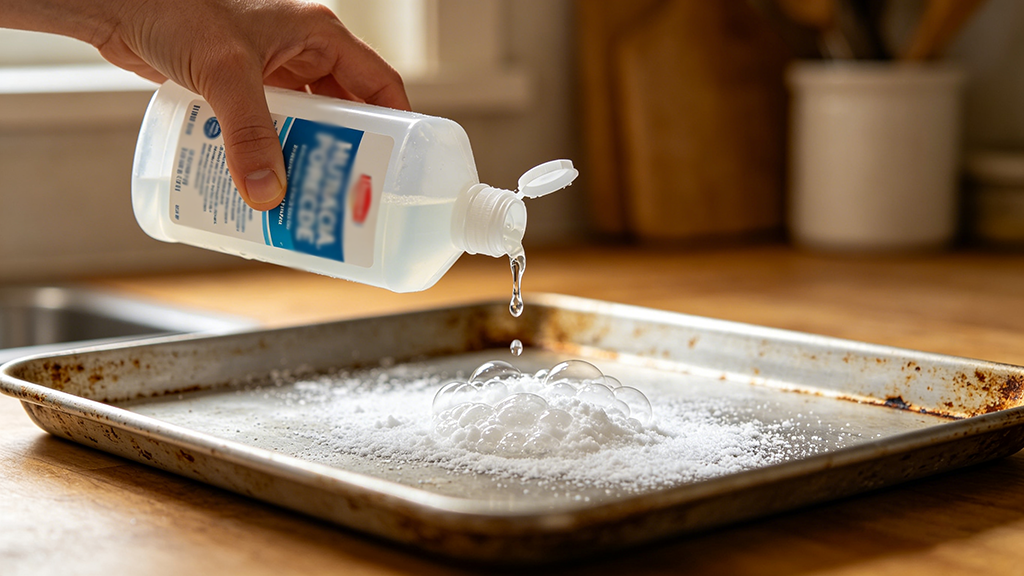
Understanding Your Baking Sheet: Material Guide & Pre-Cleaning
Knowing your pan’s material is the critical first step in learning how to clean baking sheet pans. Using the wrong cleaner or tool can cause irreversible damage.
Identifying Common Baking Sheet Materials & Their Care
- Aluminum (Lightweight & Silver): The most common type. Heats quickly and evenly but can warp with sudden temperature changes and reacts with acidic foods, leading to pitting and discoloration. It naturally darkens over time due to oxidation and the buildup of polymerized oils and sugars from food.
- Stainless Steel: Durable, resistant to rust and warping, and can handle more abrasive cleaning. Less prone to discoloration but may show water spots. A sturdy choice for heavy-duty use.
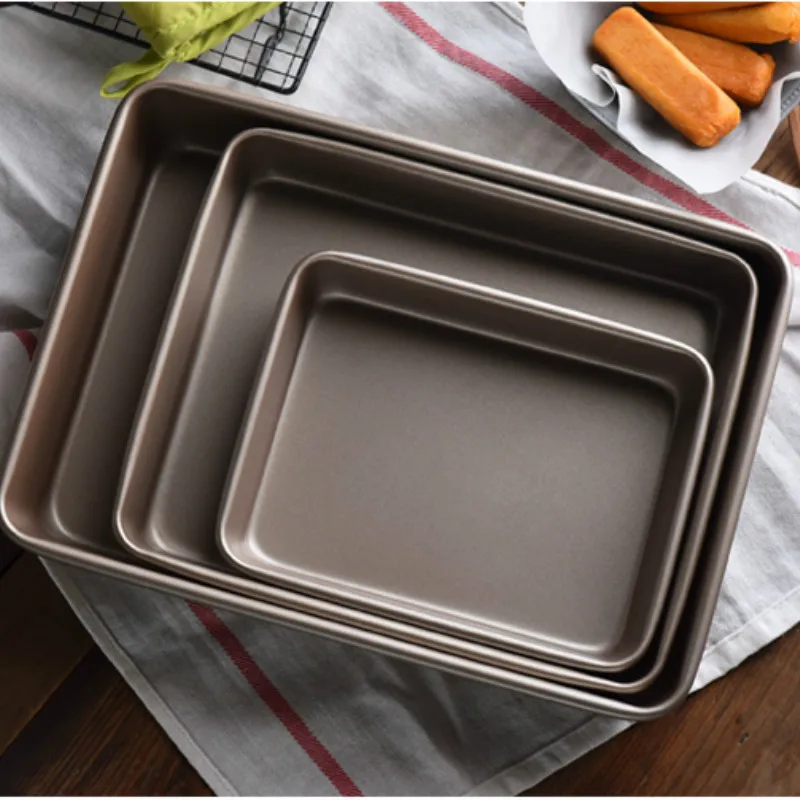
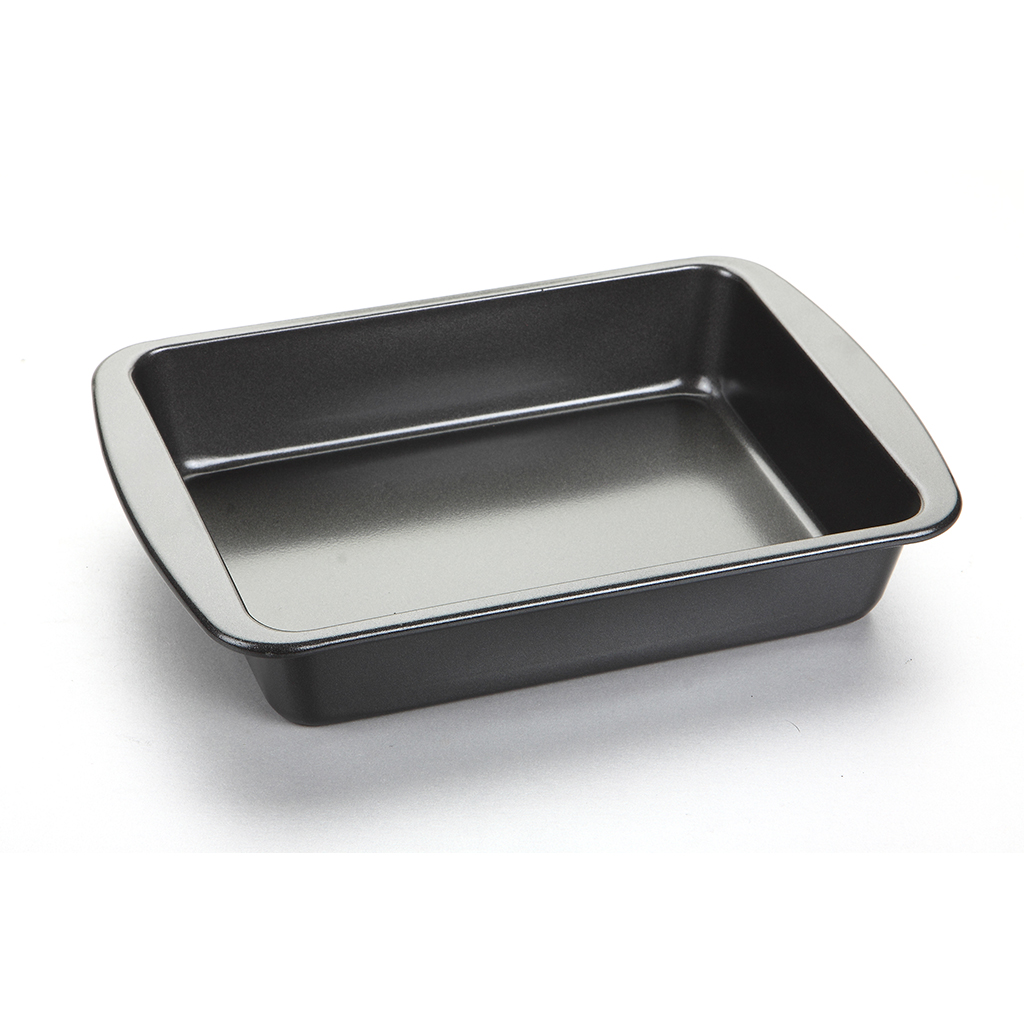
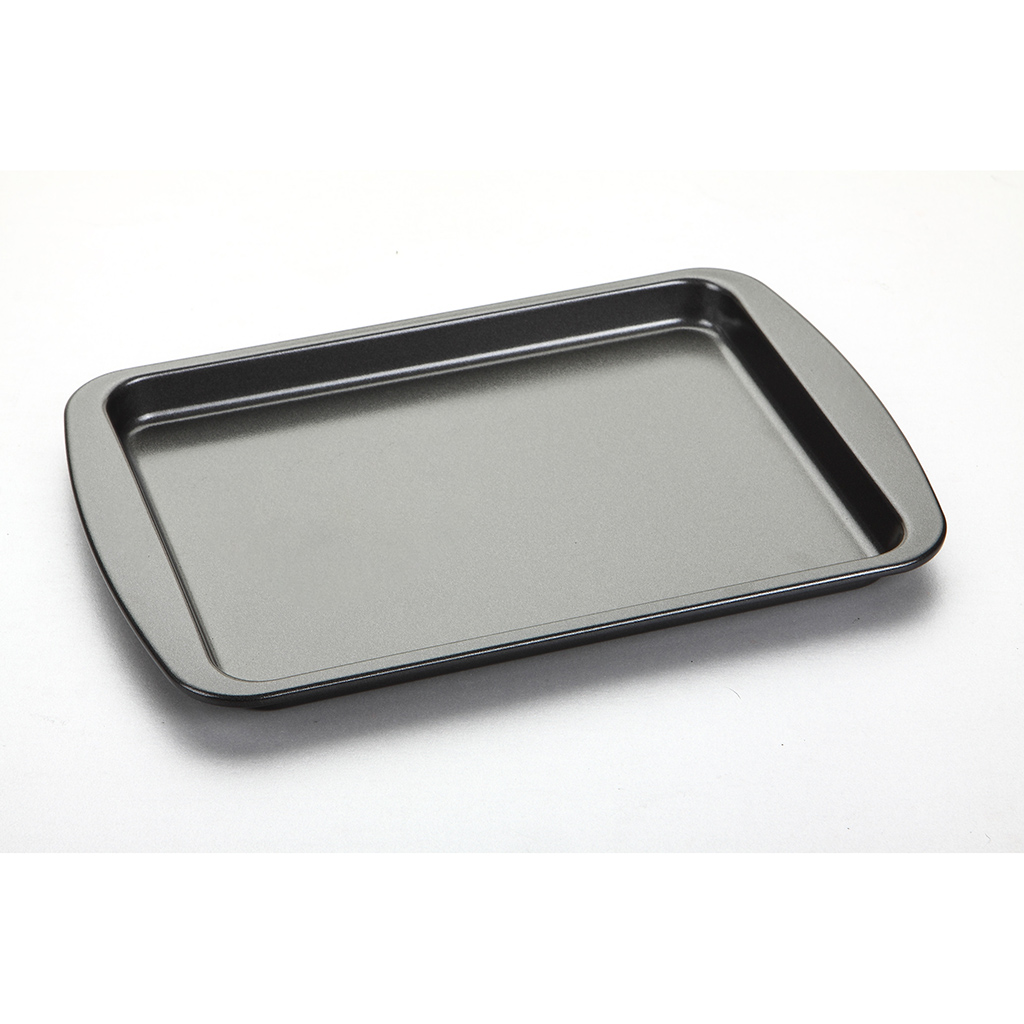
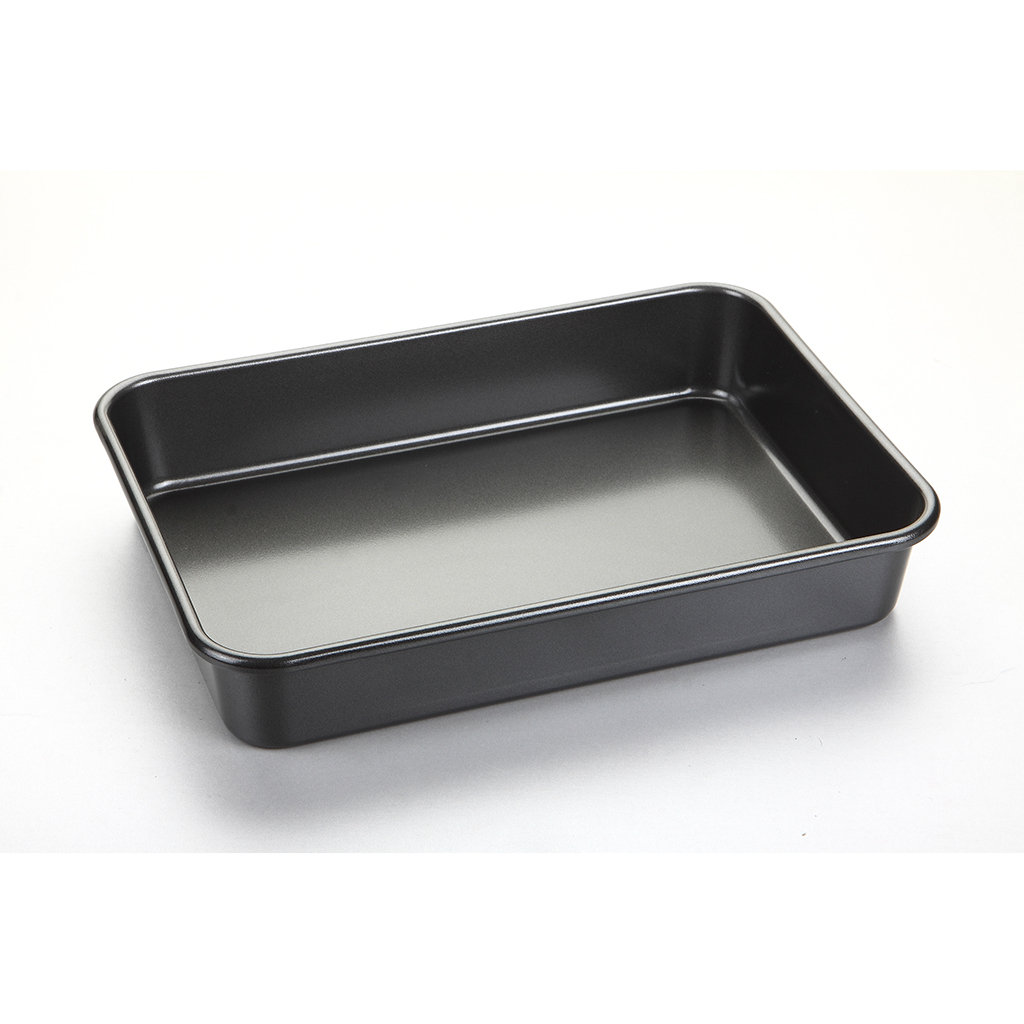
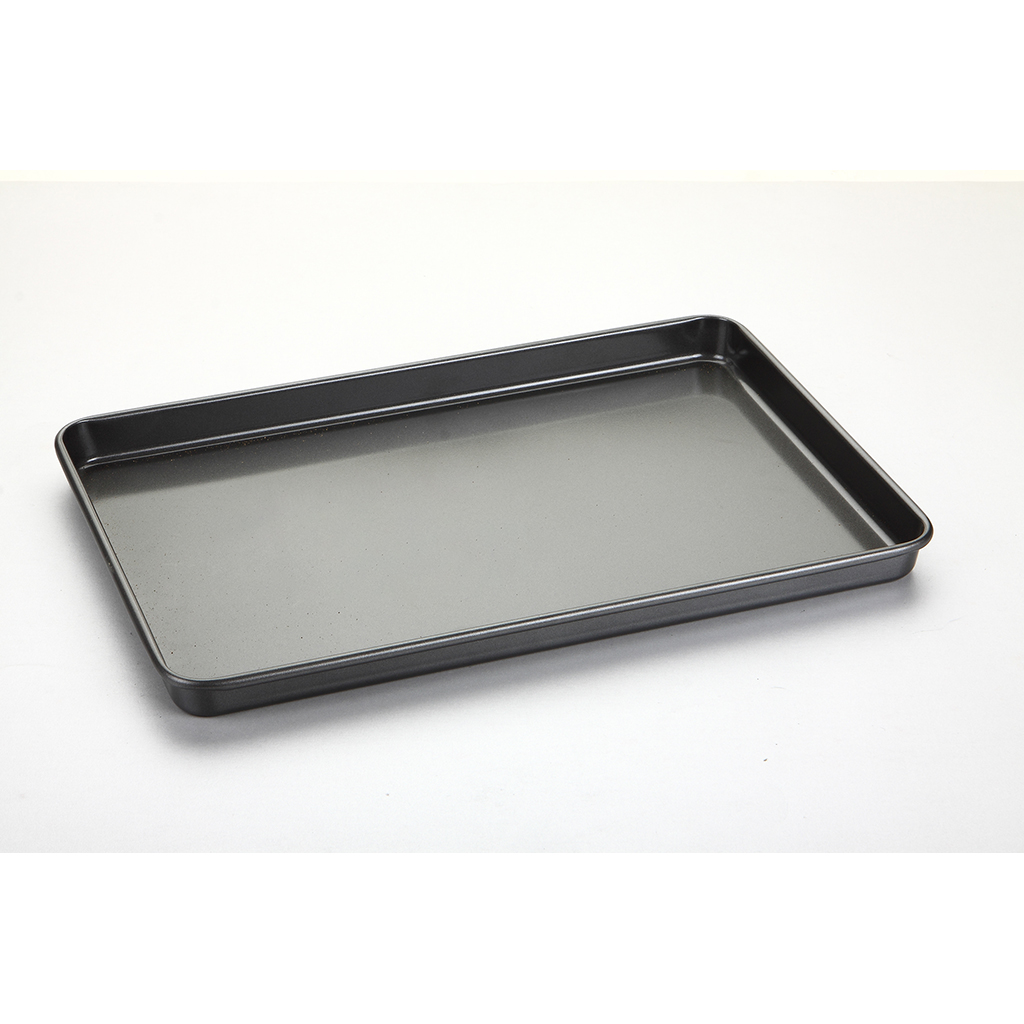
- Non-Stick Coated (Typically Dark Gray/Black): Features a PTFE (e.g., Teflon™) or ceramic coating. Requires gentle care. Avoid abrasive scrubbers, steel wool, and harsh chemicals that will scratch and degrade the coating.
- Silicone Baking Mats: Not a pan, but a common surface used on sheets. They are non-stick, flexible, and heat-resistant but can retain odors and become sticky. They are not cut-resistant.
- Insulated (Air Bake) Sheets: Have two layers of metal with an air gap to prevent burning. The delicate construction can be damaged by harsh scrubbing or warping.
- Carbon Steel & Cast Iron: Used for specialty baking (e.g., pizza steels). They require seasoning and are cleaned differently (often with coarse salt), not with traditional soapy soaks.
The Universal Pre-Cleaning Protocol for How to Clean Baking Sheet Pans
Before applying any specific method for how to clean baking sheet pans, always follow these steps:
- Cool Completely: Never submerge a hot pan. Thermal shock can warp aluminum and insulated pans permanently.
- Dry Scrape: Use a dough scraper or spatula to remove large food chunks. This reduces scrubbing later.
- The Power Soak: Soak the pan in the hottest tap water you can get, mixed with dish soap, for at least 30 minutes (or overnight for tough messes). This loosens most grime with minimal effort.
5 Proven Methods for How to Clean Baking Sheet Pans
Choose the right method from below for how to clean baking sheet pans based on your pan’s material and the severity of the mess. Each approach below explains exactly how to clean baking sheet pans effectively without causing damage.
Method 1: The Baking Soda Power Paste (The All-Around Champion)
Baking soda is a mild abrasive and deodorizer. Mixed with an oxidizer, it creates a powerful, safe cleaning reaction.
Best For: Moderate to heavy baked-on grease and stains. Safe on aluminum, stainless steel, and non-stick coatings.
Process: Cover the damp pan with baking soda. Drizzle with hydrogen peroxide or white vinegar to form a paste. Add a drop of dish soap. Let sit for 2+ hours, then scrub with a non-abrasive pad and rinse.
“The fizzing action from baking soda and hydrogen peroxide releases oxygen gas, which helps mechanically lift food particles. Meanwhile, the alkaline baking soda saponifies fats, turning them into a soap-like substance that rinses away easily.” – Cleaning Science Principle
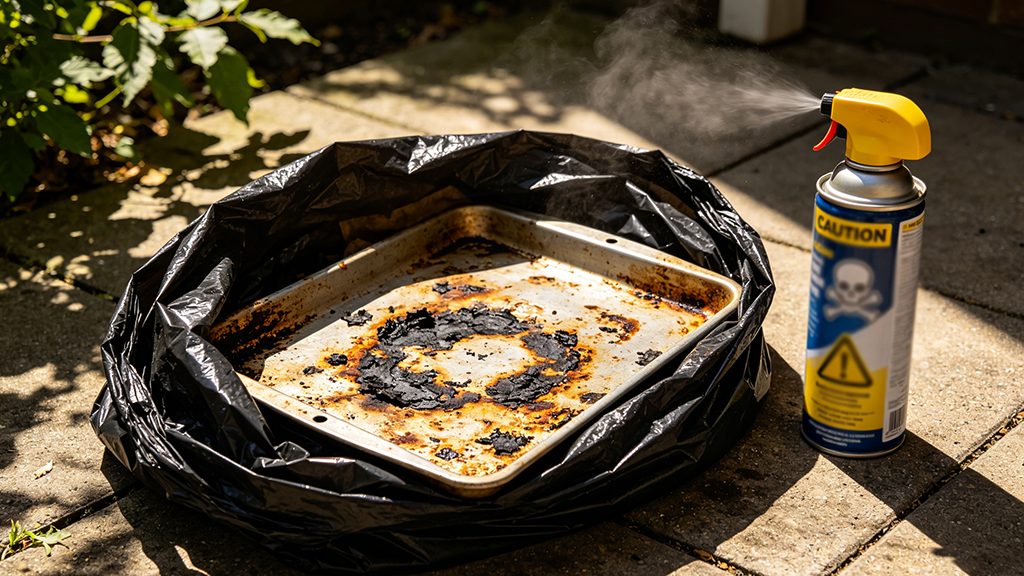
Method 2: The Oven Cleaner Bag Trick (For "Hopeless" Pans)
For years of carbonized, polymerized grease. Warning: Never use on non-stick, silicone, or insulated pans. Process (Use with Extreme Caution): In a well-ventilated area, place the pan in a trash bag, spray with fume-based oven cleaner, and seal the bag for several hours. The chemicals will liquefy the grime, allowing you to wipe it away. Wash the pan thoroughly multiple times afterward.
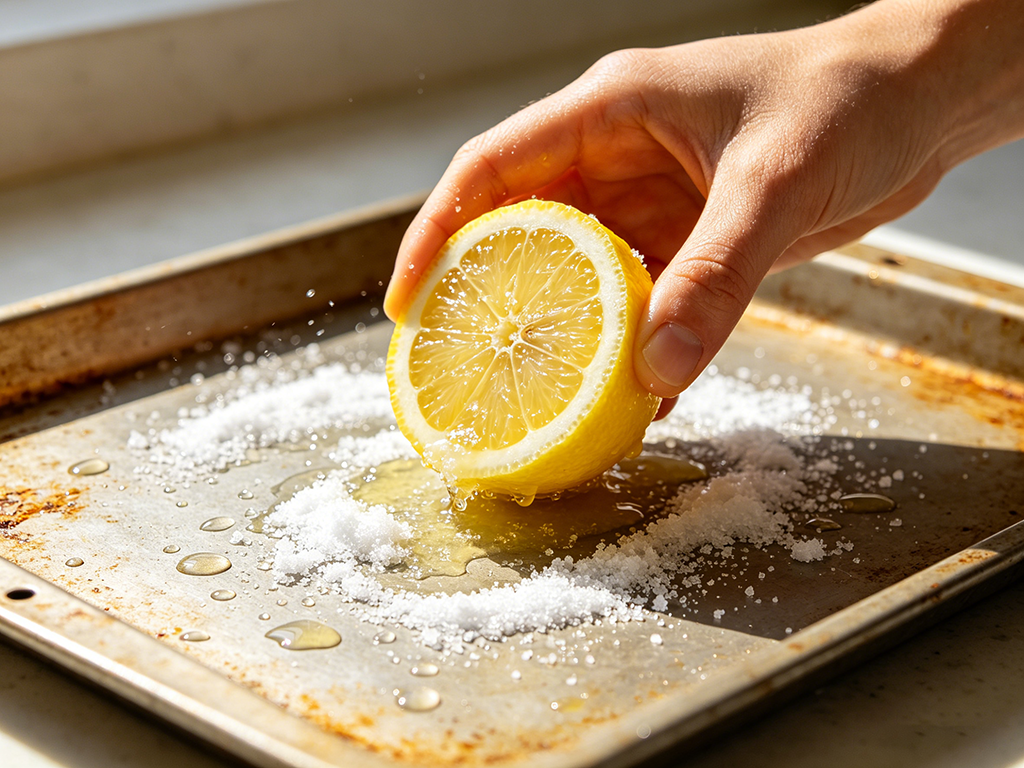
Method 3: The Natural Scouring Scrub (Lemon & Salt)
A great chemical-free option for light cleaning and deodorizing. Best For: Light stains and stuck-on bits. Safe on all surfaces. Process: Sprinkle coarse salt on the damp pan. Cut a lemon in half and use it as a scrubber. The salt abrades while the citric acid cuts grease. Rinse and dry.
Method 4: The Dishwasher: A Cautious Choice
The dishwasher is contentious. The high heat of the drying cycle is the prime culprit for warping thin aluminum pans. It can also degrade non-stick coatings over time and often fails to remove baked-on grease.
If You Use It: Only for lightly soiled, heavy-duty stainless steel pans. Place on the top rack and disable the heated dry cycle, allowing the pan to air dry.
Material-Specific Cleaning & Troubleshooting
Cleaning Aluminum Baking Sheets (Discoloration & Dark Patina)
To remove white mineral stains or overall darkening, use an acid soak. Mix 1 gallon warm water with ¼ cup cream of tartar or 2 tbsp citric acid. Soak the pan for 30-60 minutes, then wash normally. This removes oxidation and restores shine. Note: A slight, even patina is harmless.
Cleaning Non-Stick Baking Sheets
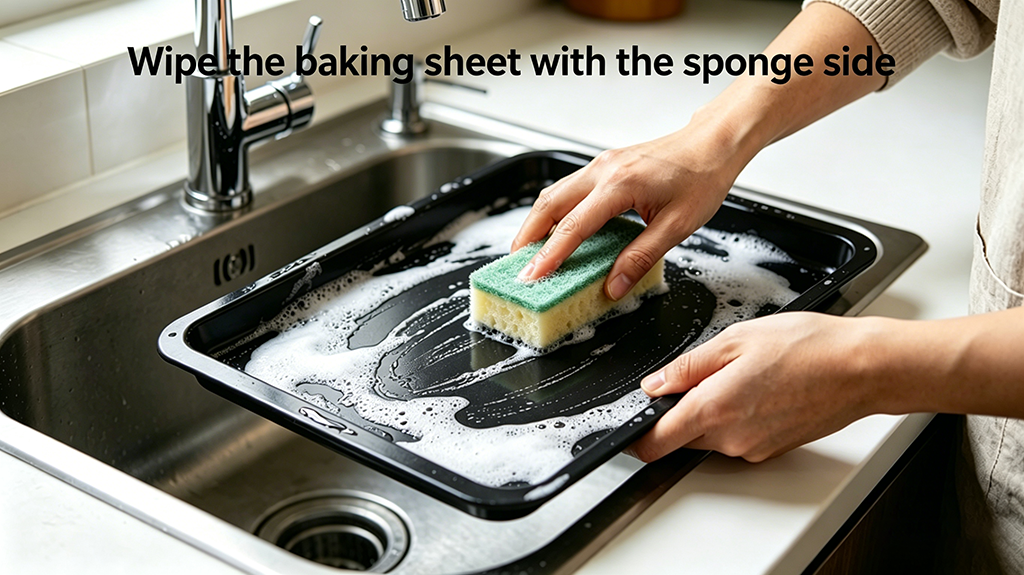
Always hand-wash with warm, soapy water and a soft sponge. The baking soda paste method is safe for tougher messes. Avoid abrasive scrubbers, steel wool, harsh chemicals, and metal utensils at all costs to preserve the coating.
Cleaning Stainless Steel Baking Sheets
Stainless steel is durable. For stuck-on residue, use the baking soda paste or a dedicated stainless steel cleaner like Bar Keepers Friend. Rinse and dry immediately to prevent water spots.
Cleaning Silicone Baking Mats
Hand wash with warm, soapy water or place on the top rack of the dishwasher. For stuck-on residue or odors, soak in a solution of warm water and baking soda. Air dry completely before rolling or storing. Avoid sharp utensils and high-heat broiler settings.
Removing Rust
For light surface rust, make a thick paste of baking soda and water and scrub. For more rust, use Bar Keepers Friend. Always dry the pan thoroughly immediately after washing to prevent rust. A light wipe with neutral oil can protect bare metal pans during storage.
Prevention & Maintenance for Baking Sheet Pans
The best tip for how to clean baking sheet pans is to avoid huge messes in the first place. When you know how to clean baking sheet pans efficiently, maintenance becomes much easier. Key habits include:
- Line Religiously: Use parchment paper, silicone baking mats, or heavy-duty aluminum foil. This is the #1 tip for easy cleanup.
- Cool and Soak: Develop the habit of filling the warm pan with hot, soapy water immediately after use.
- Avoid Aerosol Sprays on Non-Stick: They contain lecithin that creates a gummy, hard-to-remove film. Use a brush of pure oil instead.
- Dry Completely Before Storage: This prevents water spots and rust.
- Use the Right Tools: Avoid metal utensils on non-stick and silicone surfaces.
Frequently Asked Questions (FAQ)
Q: What’s the easiest way to clean a baked-on mess?
A: The baking soda power paste (Method 1) after a good soak. For prevention, always use a liner. This is the fastest solution when you need to know how to clean baking sheet pans quickly.
Q: Can I use steel wool on my baking sheet?
A: Never on non-stick. On uncoated stainless steel or aluminum, fine-grade steel wool (#0000) can be a last resort for stubborn spots, but it will leave micro-scratches. A nylon scrub brush is safer.
Q: Why is my aluminum pan dark and sticky?
A: The stickiness is polymerized oil—a plastic-like coating from reheated fats. The overall darkening is oxidation and built-up food residue. Knowing how to clean baking sheet pans with the right methods addresses both issues.
Spotlight: Caring for Advanced Composite Baking Sheets
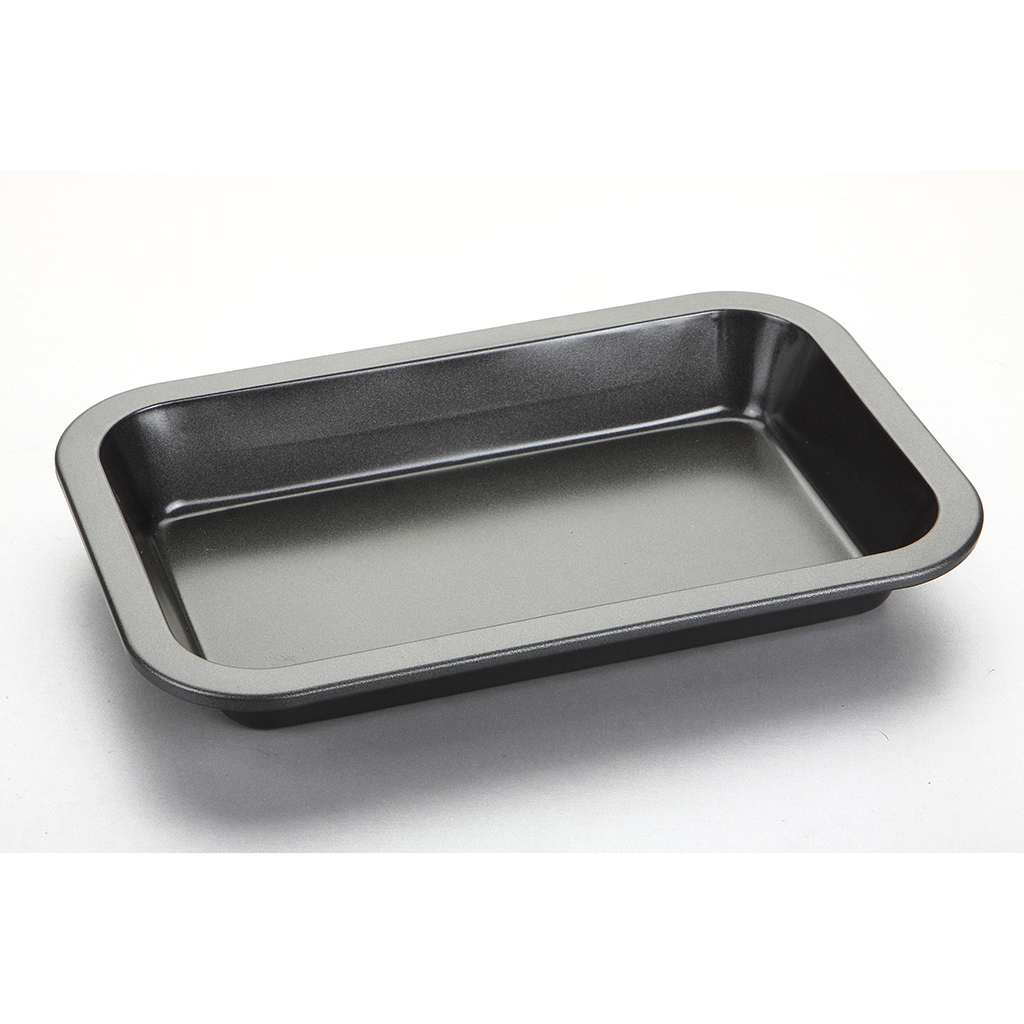
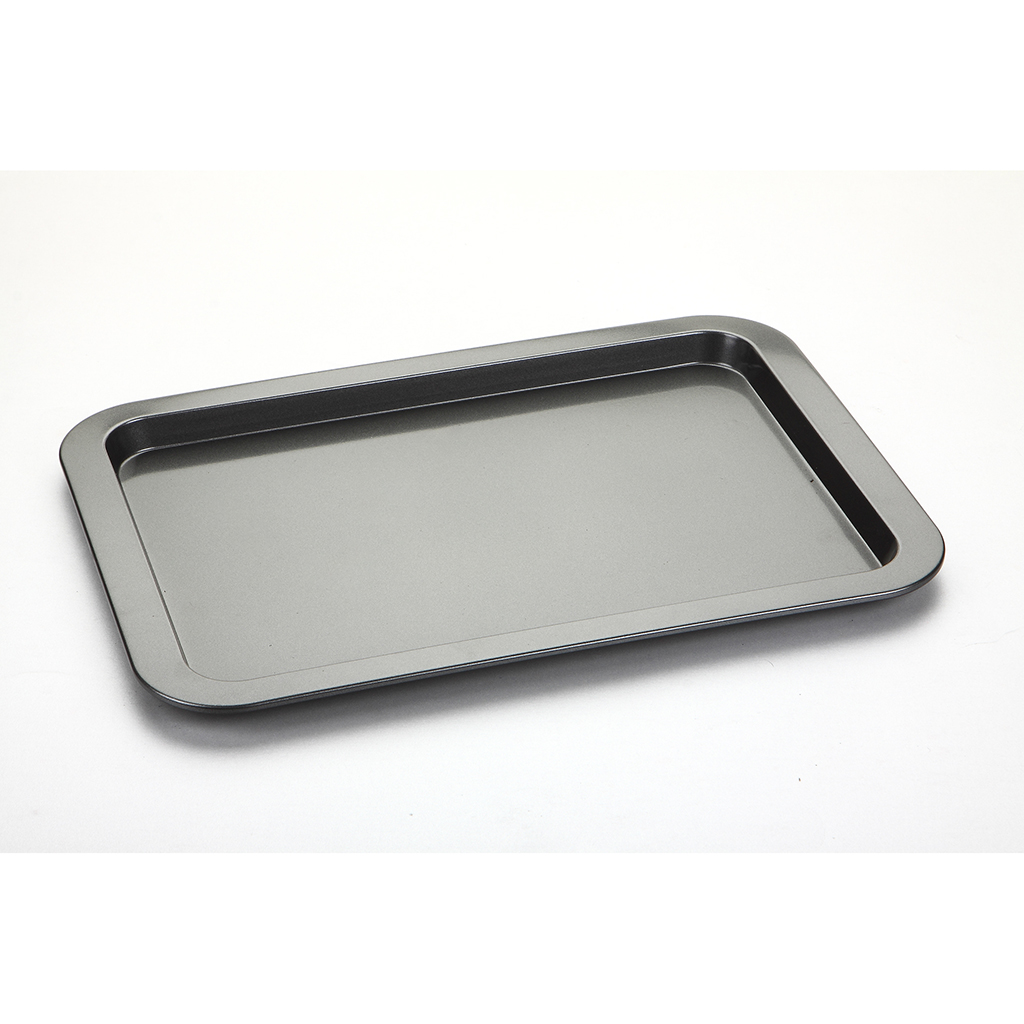
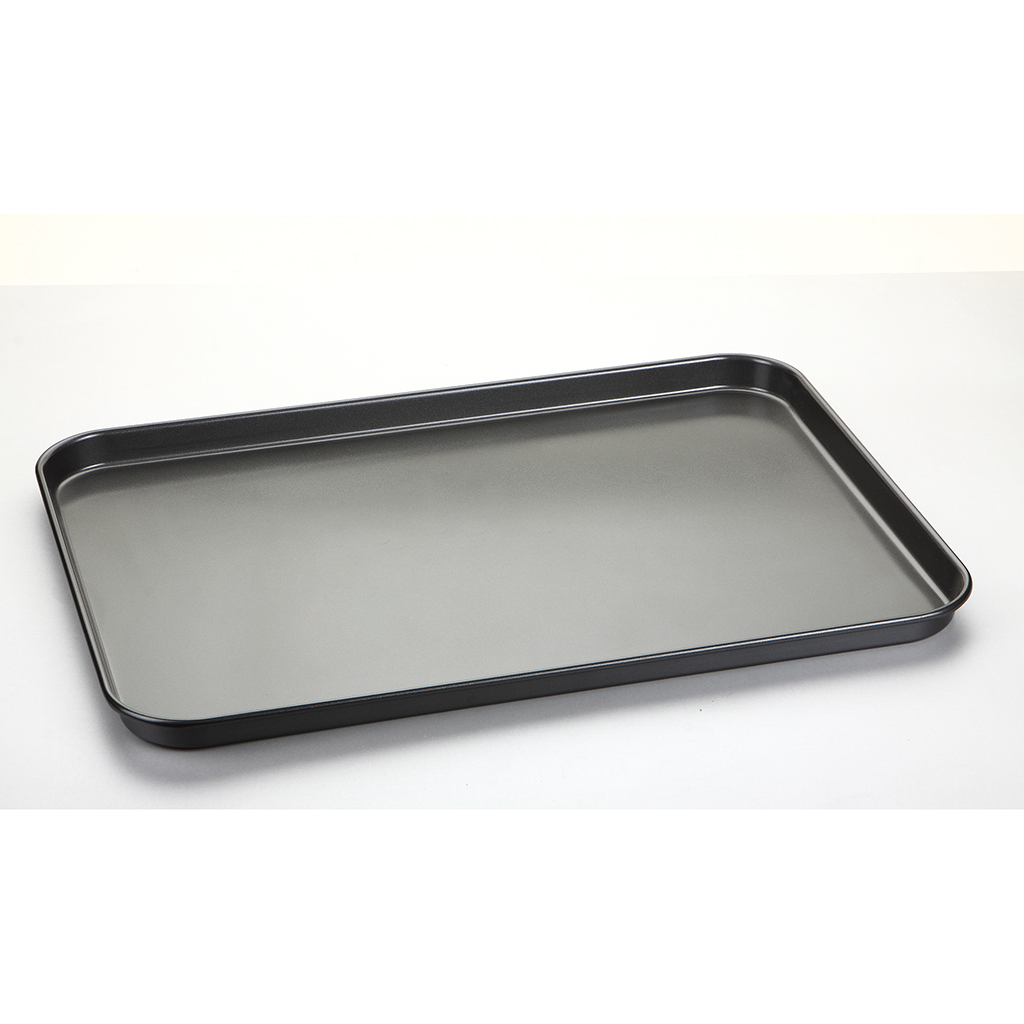
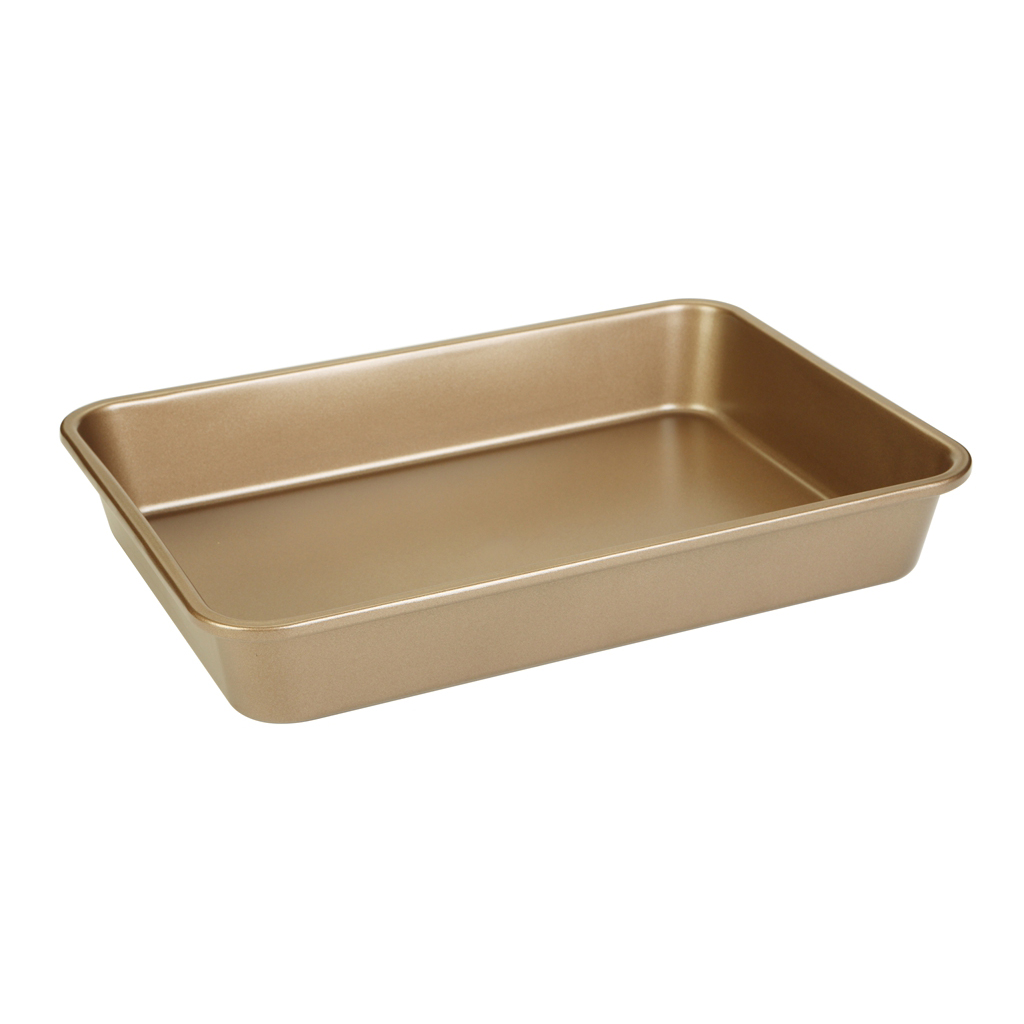
Modern engineering has created baking sheets that combine the best properties of different materials. A prime example is the innovative approach taken by brands like Aolijue, which manufactures baking sheets with a carbon steel or aluminized steel core paired with a high-performance non-stick coating (such as ceramic or silicone-based).
This composite design aims to deliver exceptional results: the superior heat retention, even heating, and durability of carbon steel, combined with the effortless food release and easy cleaning of a premium non-stick surface. It’s a combination designed for bakers and cooks who demand professional performance at home.
Optimized Care for Composite Pans (e.g., Aolijue)
Caring for these high-performance pans requires a mindful, hybrid approach that respects both the coating and the robust base metal. Here’s how to clean baking sheet pans of this advanced type:
- Protect the Non-Stick Surface First: The core cleaning principle remains the same as for any non-stick pan. Hand-wash with warm, soapy water and a soft sponge or cloth. For tougher, baked-on residues, the Baking Soda Power Paste (Method 1) is a safe and effective choice, leveraging gentle abrasion and chemical action without damage. Absolutely avoid abrasive scrubbers, steel wool, harsh oven cleaners, and metal utensils.
- Guard Against Rust: The carbon steel core is incredibly strong but can be susceptible to rust if the coating is ever scratched or at the exposed edges. The single most important habit is to dry the pan thoroughly and immediately after washing. Ensure it is completely bone-dry before storing it away.
- Mind Temperature Extremes: While durable, avoid subjecting the pan to extreme thermal shock (like placing a scorching hot pan directly into cold water), as this can stress the material bond over time. Allow it to cool reasonably before cleaning.
- Longevity Through Proper Use: Using the right tools (silicone, wood, or nylon) and avoiding cooking sprays with lecithin will preserve the non-stick coating for years. The sturdy carbon steel base ensures the pan won’t warp, providing a consistently flat surface for even baking.
By following these guidelines, you maintain the sophisticated engineering of a composite pan like those from Aolijue. You get to enjoy unparalleled cooking performance with the peace of mind that comes from easy cleanup and a product built to last. To explore baking sheets specifically engineered with this durable carbon steel core and easy-release coating, consider browsing Aolijue’s collection, which is designed to make the techniques in this guide easier than ever.
Conclusion
Knowing how to clean baking sheet pans effectively extends their life and improves your cooking. Match the method to the material, start with gentle techniques, and escalate only when needed. By incorporating preventative habits like using liners and immediate soaking, you’ll minimize deep cleans. Whether you have a classic aluminum sheet, a sturdy stainless steel pan, or a advanced composite model, the right care ensures it remains a reliable partner in your kitchen for years to come.