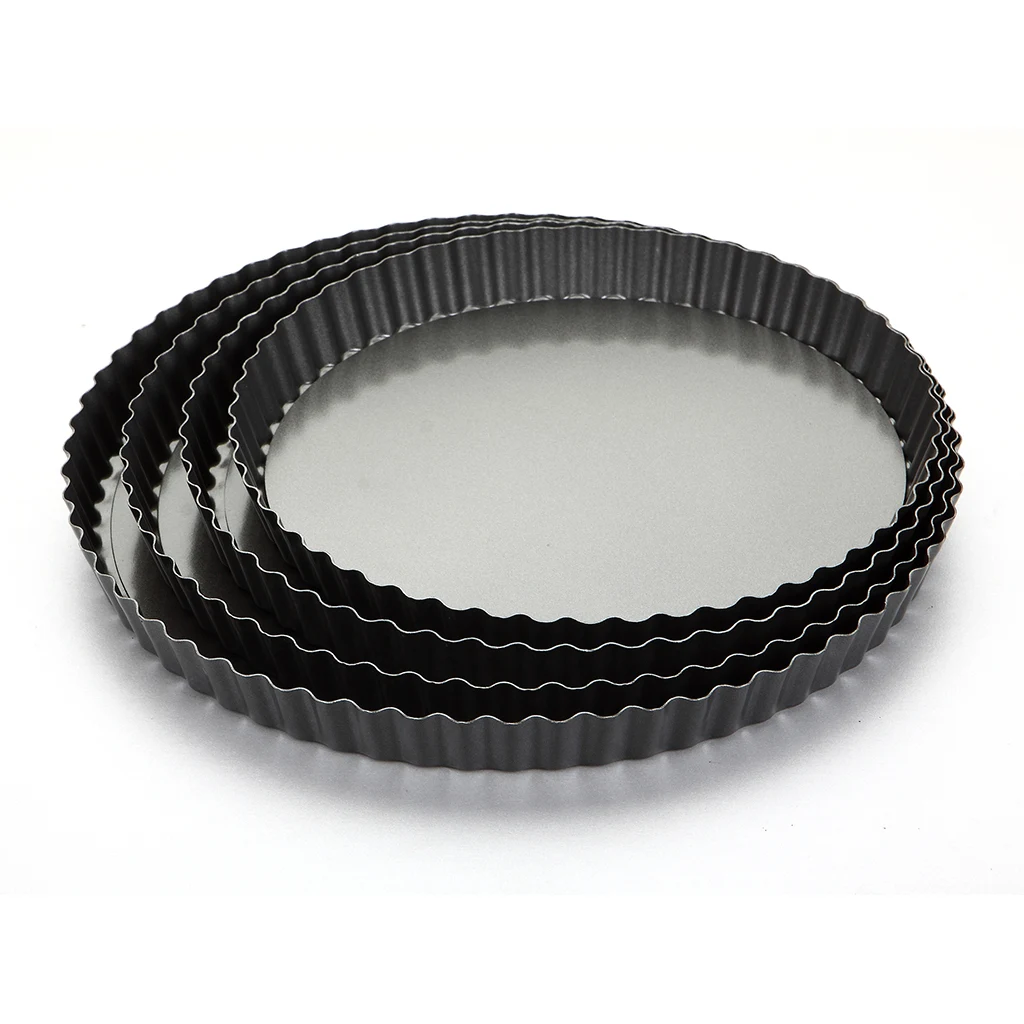
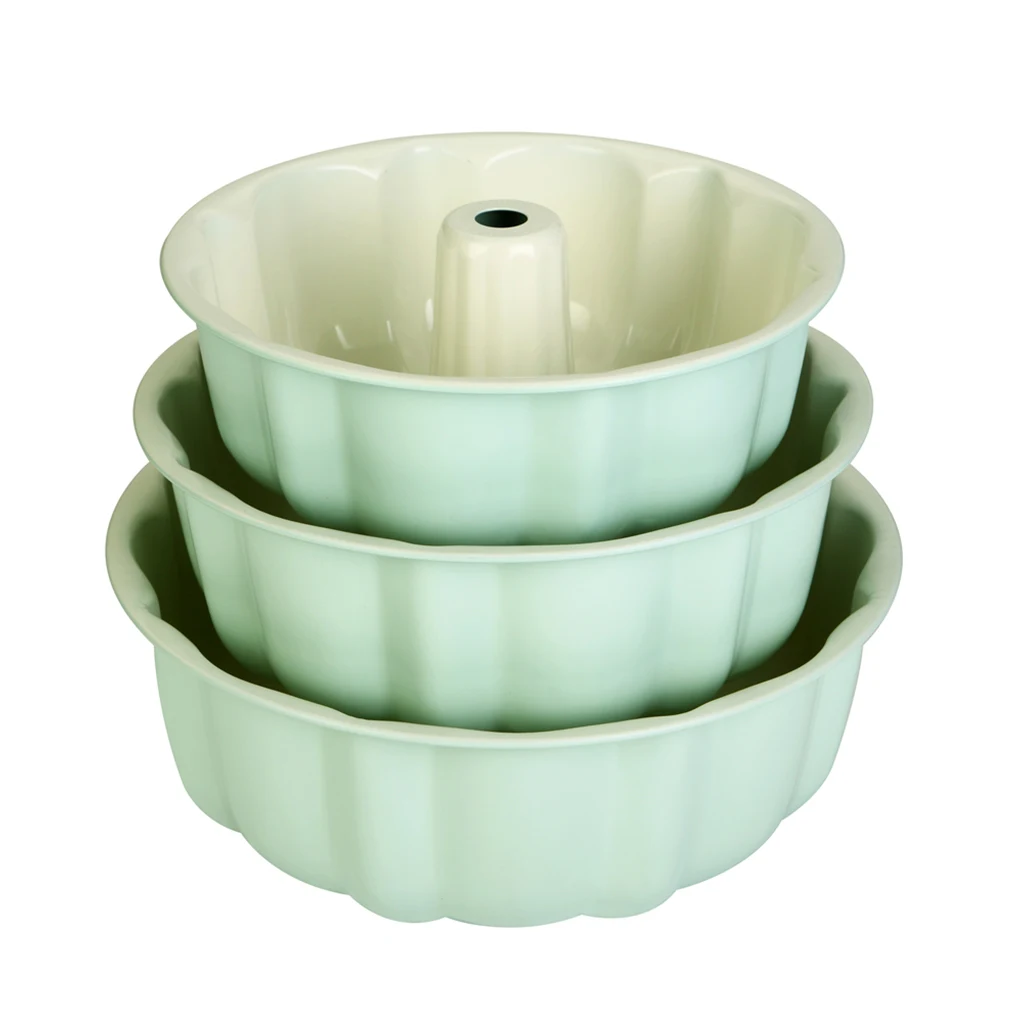
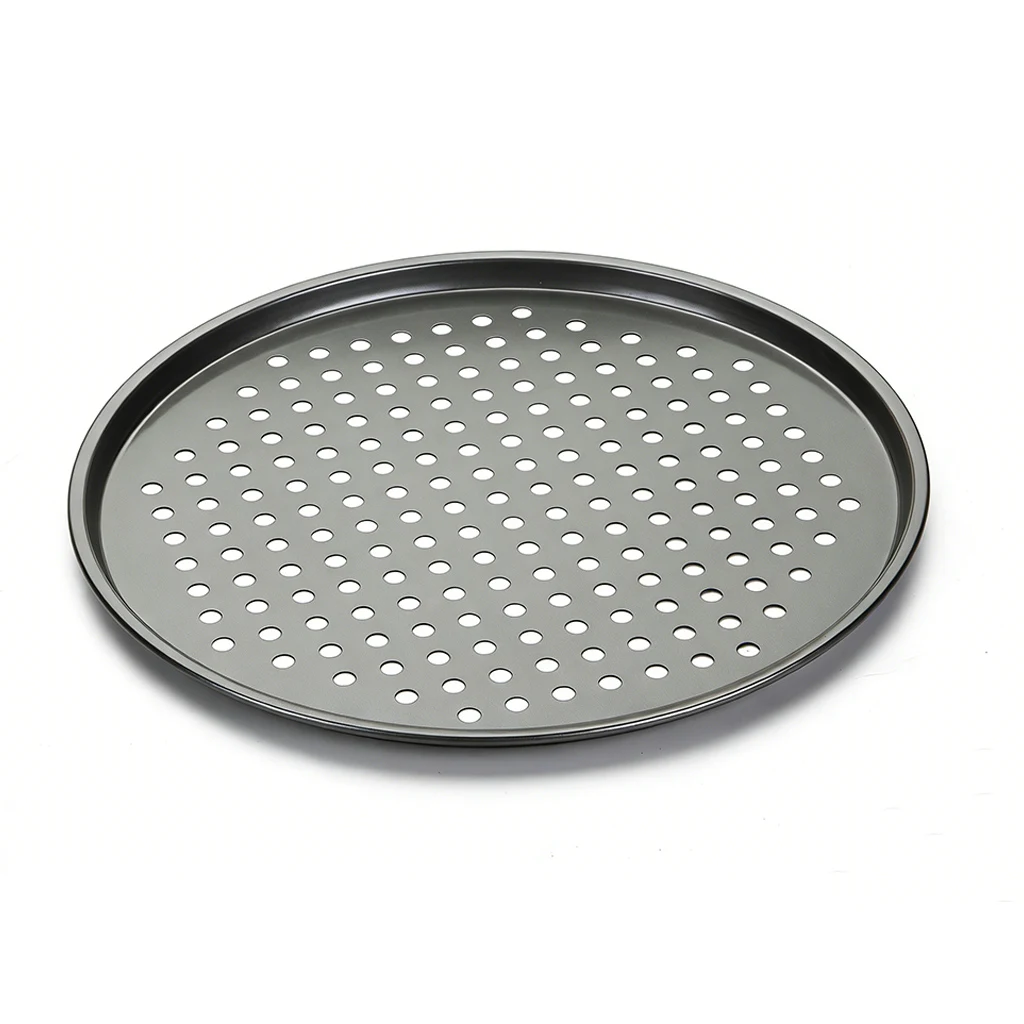
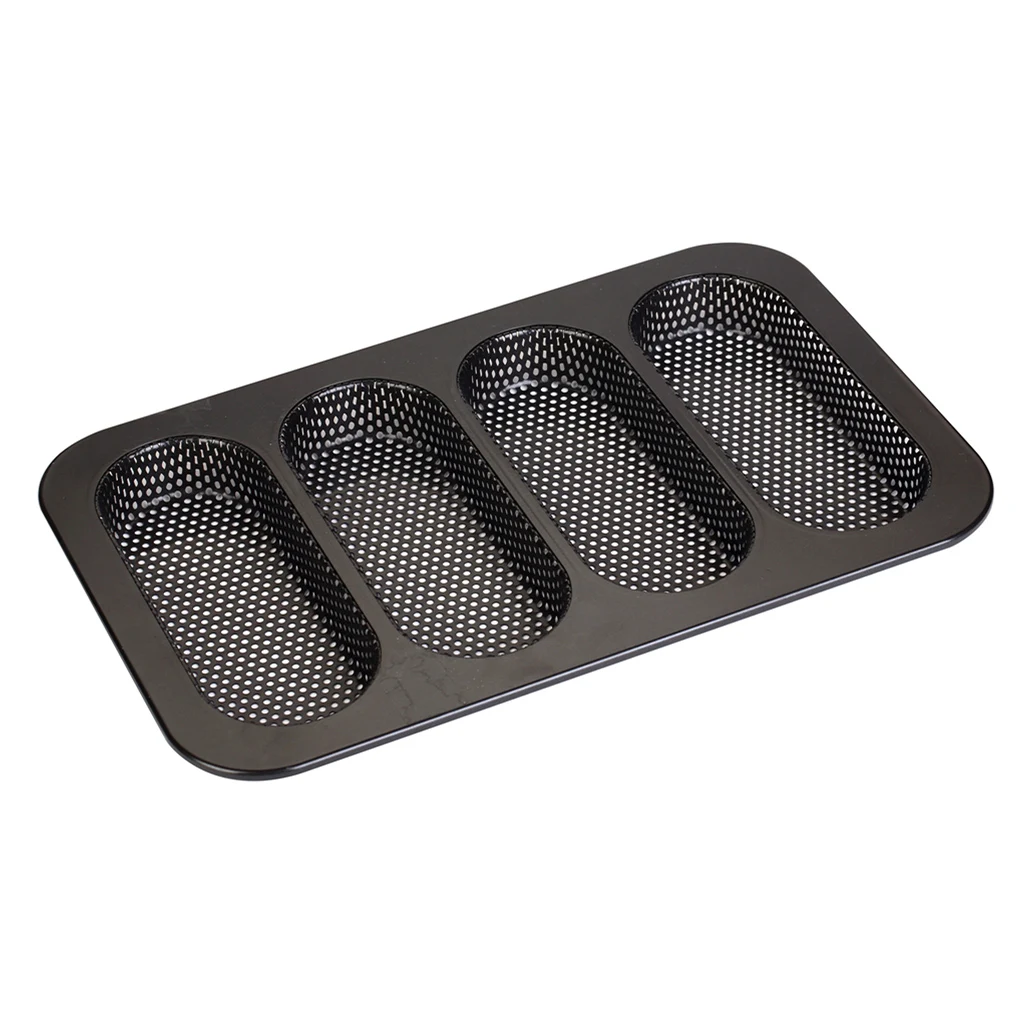
Introduction
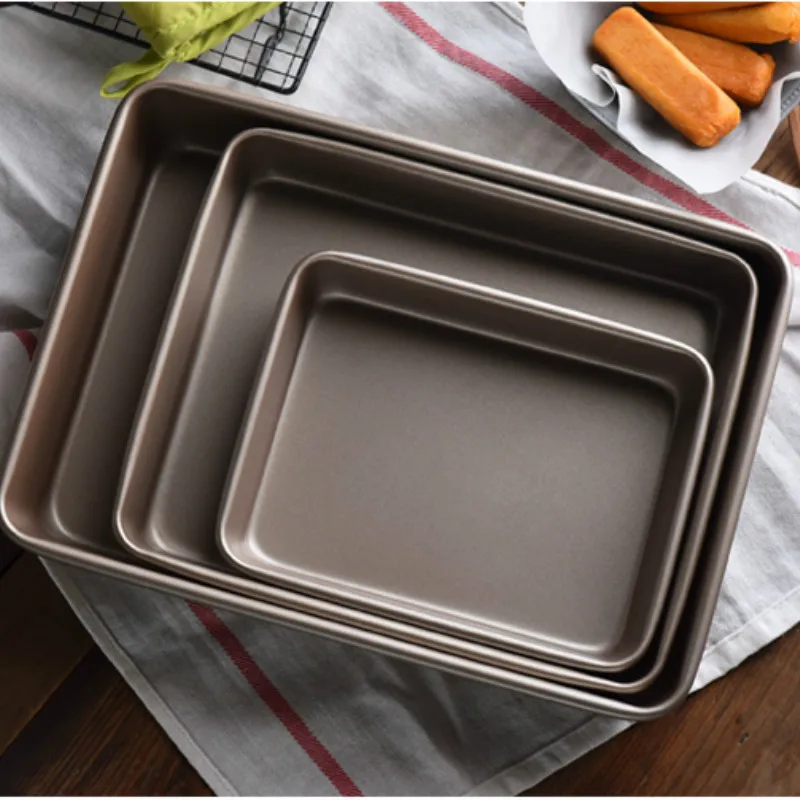
Thicker pans are made from heavier metal than standard baking pans. This extra thickness makes a real difference in baking performance. Many home bakers do not realize how much pan thickness affects their results. Thicker pans provide better heat distribution and more consistent baking.
Heavy gauge bakeware resists warping under high heat. It holds heat more evenly across the entire pan surface. This means your food bakes more consistently with thick pans than with thin, flimsy options. Many professional bakers prefer heavier gauge options for this reason.
This article covers 6 reasons why thick pans outperform thin ones. You will learn about heat distribution, durability, browning, and more. By the end, you will understand why heavy gauge bakeware is worth the investment for any home baker.
Whether you bake bread, cakes, or roasted vegetables, quality pans deliver better results. The quality of your bakeware directly affects the quality of your food. Let us get started with the first reason.
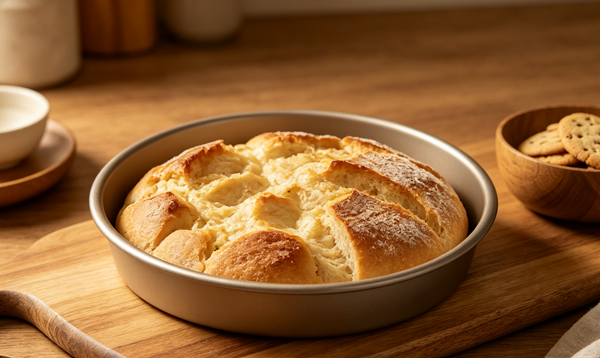
Reason 1: Even Heat Distribution
Thicker pans heat more evenly across the entire surface. The heavier metal spreads heat without creating hot spots. This means your food cooks at the same rate from edge to center. Thin pans often have uneven heat distribution.
Thin pans often have uneven heat. Some areas get too hot while others stay cool. Heavy gauge bakeware solves this problem with its consistent thickness and superior metal quality. The result is more predictable baking every time.
With quality pans, you get better baking results. Cakes rise evenly without domed centers or sunken edges. Cookies brown uniformly across the entire sheet. Roasted vegetables cook at the same rate across the pan.
The even heat of heavy gauge bakeware gives you more control over your baking. You can trust that your food will cook as expected every time you use it. This consistency is why many bakers switch to thicker options.
Reason 2: Resists Warping
Thicker pans do not warp under high oven temperatures. The heavy metal holds its shape even when heated to 450°F or higher. Thin pans often bend and twist in the oven, which ruins their performance.
Warped pans do not sit flat on the oven rack. This causes uneven baking and can ruin your food. Heavy gauge bakeware stays flat and true throughout the baking process. It maintains its shape even after years of use.
The warp resistance of quality pans means they last much longer than thin alternatives. You will not need to replace your pans every few years. This makes heavy gauge bakeware a smart long-term investment for any kitchen.
For bakers who use high heat often, thicker pans are essential. They handle the heat without losing their shape or performance. This reliability is one of their biggest advantages over thinner pans.
Reason 3: Better Heat Retention
Heavy gauge bakeware holds heat longer than thin pans. The extra metal stores more warmth throughout the baking process. This helps your food cook more consistently from start to finish.
When you open the oven door, thin pans lose heat quickly. Heavy gauge bakeware stays hot and continues baking your food evenly. This is especially helpful for bread, pastries, and other items that need steady heat.
Better heat retention also means heavy gauge bakeware keeps food warm after baking. Your roasted dishes stay at serving temperature longer while you prepare the rest of the meal.
The heat retention of heavy gauge bakeware makes it reliable for all types of baking. Your results will be more consistent than with thin pans that cannot hold heat effectively.
Reason 4: More Durable Construction
Heavy gauge bakeware is built to last. The thick metal is resistant to dents, scratches, and bending. This makes it a durable choice for everyday baking that can handle heavy use.
Thin pans are easy to damage. They bend when you drop them, scratch easily, and wear out quickly. Heavy gauge bakeware holds up to regular use without showing signs of wear.
The durability of heavy gauge bakeware means you will not need to replace it often. A single pan can last for a decade or more with proper care. This durability makes it a better value over time.
For bakers who use their pans daily, heavy gauge bakeware is a practical choice. It handles the demands of frequent baking with ease and maintains its performance.
Reason 5: Consistent Browning
Heavy gauge bakeware produces more consistent browning on baked goods. The even heat distribution helps food brown uniformly across the entire surface. This gives your baked goods a professional appearance.
Thin pans often cause uneven browning. Some parts get too dark while others stay pale. Heavy gauge bakeware solves this with its superior heat transfer and steady temperature.
For bread bakers, heavy gauge bakeware creates a golden, crispy crust that looks bakery-quality. For roasted vegetables, it promotes even caramelization for better flavor.
The browning quality of heavy gauge bakeware is one of its most appreciated features. Your food not only tastes better but also looks more appealing when cooked properly.
Reason 6: Worth the Investment
Thicker pans cost more than thin pans, but they are worth the price. The superior performance and durability make them a smart investment for any baker who wants better results.
Thin pans are cheaper upfront but need frequent replacement. Over time, you spend more on replacing thin pans than buying quality heavy gauge bakeware. The long-term savings are significant.
Thicker pans also improve your baking results. Better heat distribution, less warping, and consistent browning all lead to better food. This makes heavy gauge bakeware a valuable tool in your kitchen.
For serious home bakers, quality pans are an essential investment. They deliver better results and last for many years, making them the smarter choice overall.
How to Choose Heavy Gauge Bakeware
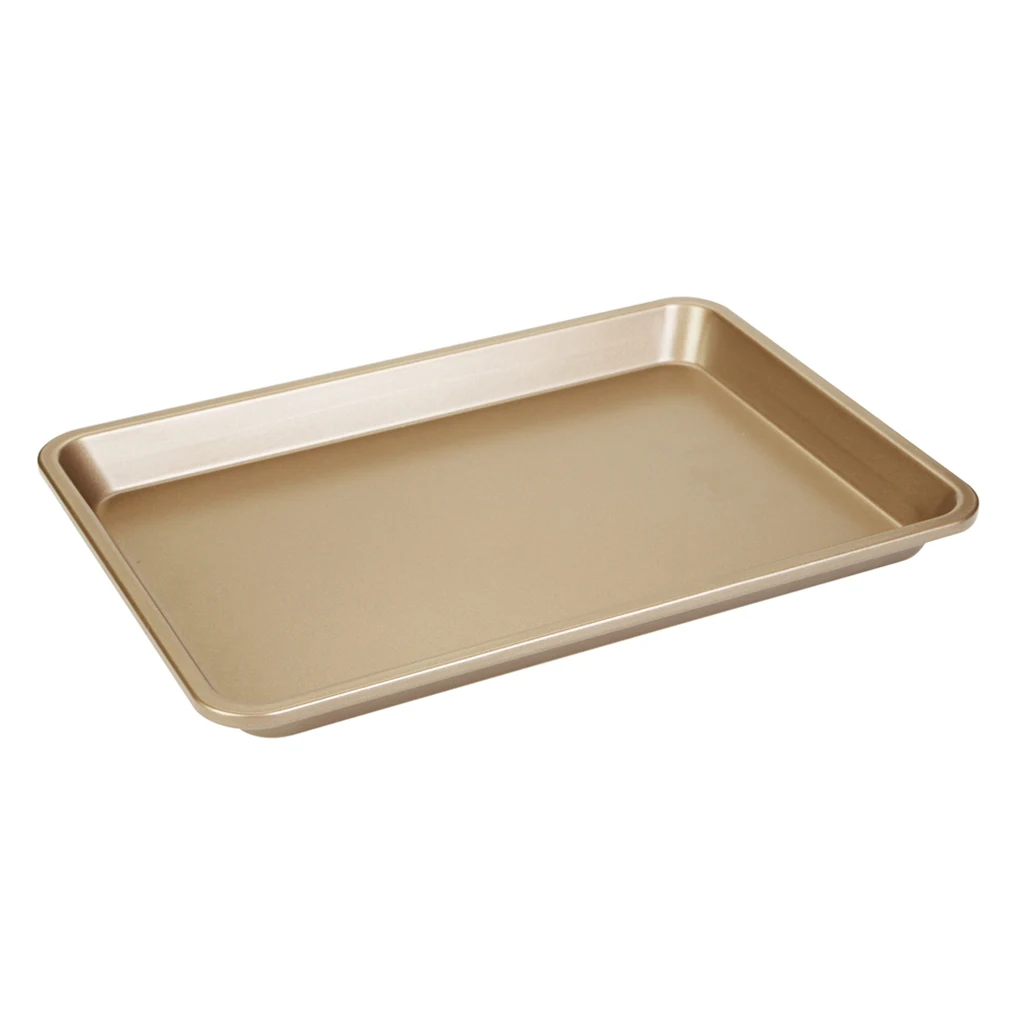
When shopping for heavy gauge bakeware, look for pans that feel sturdy and heavy in your hands. The weight is a good indicator of quality. Check the thickness of the metal by comparing it to thinner pans in the store.
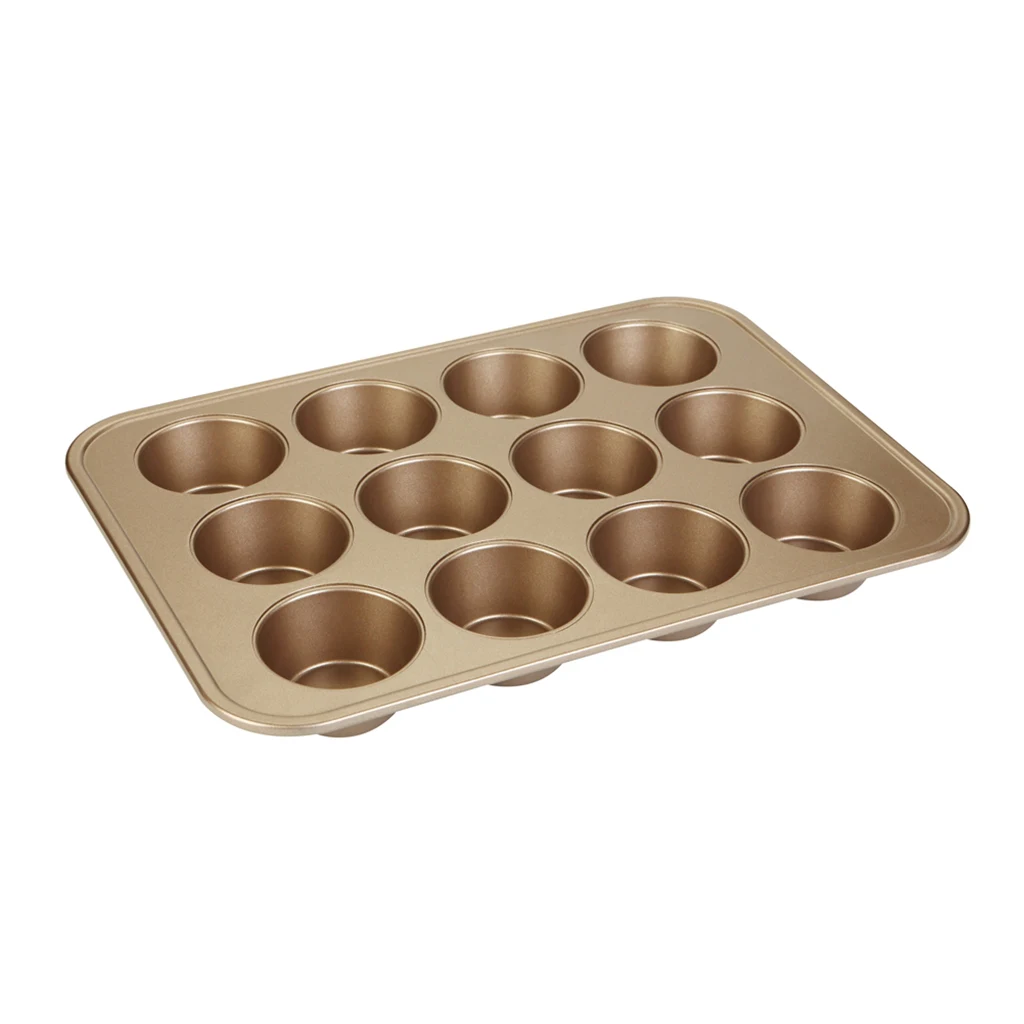
Look for reinforced rims that add extra strength to the pan. These help prevent warping and give the pan a more durable feel. Rolled edges are a good sign of quality construction.
Consider the material as well. Carbon steel and aluminized steel are common choices for heavy gauge bakeware. Both offer good heat performance and durability. Choose the one that best fits your baking needs.
Read product descriptions carefully. Look for terms like “heavy gauge,” “commercial grade,” or “thick gauge” to identify quality heavy gauge bakeware. Avoid pans that feel flimsy or lightweight.
Caring for Heavy Gauge Bakeware
Proper care helps your pans last longer. Follow these simple tips to protect your investment.
Hand wash your pans with warm, soapy water. Use a soft sponge to clean the surface. Avoid steel wool or abrasive scrubbers that can damage the pan.
Dry your pans completely after washing. This helps prevent rust, especially on carbon steel pans that are not fully coated.
Avoid metal utensils that can scratch the surface. Use silicone, nylon, or wooden tools instead to protect the non-stick coating.
Store your pans in a dry place. If stacking with other pans, place a paper towel between them to prevent scratches from contact.
Common Questions
Is heavy gauge bakeware worth the cost? Yes, it performs better and lasts longer than thin pans. The investment pays off over time.
Does heavy gauge bakeware warp? It resists warping much better than thin pans due to its thicker construction and better materials.
Can heavy gauge bakeware go in the dishwasher? Most should be hand washed to protect the surface and prevent damage to the non-stick coating.
What gauge is considered heavy? Look for 18-gauge or lower. Lower numbers mean thicker metal and better quality.
Is heavy gauge bakeware better for all baking? It performs well for most baking tasks and is especially good for high-heat baking and foods that need even browning.
Conclusioon
Heavy gauge bakeware is a worthwhile investment for any home baker. It offers even heat, durability, and consistent browning that thin pans cannot match. The extra cost is quickly offset by better results and longer lifespan.
The 6 reasons covered in this guide are:
Even heat distribution
Resists warping
Better heat retention
More durable construction
Consistent browning
Worth the investment
Choosing heavy gauge bakeware for your kitchen will improve your baking results for years to come. It is a smart choice that pays for itself over time.