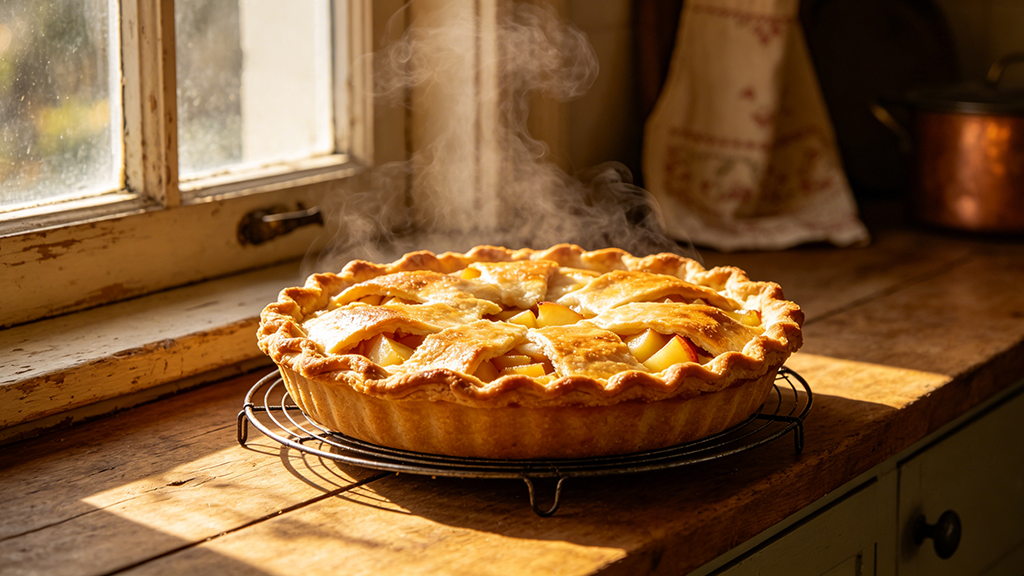
When you think of a pie pan, the immediate image that likely springs to mind is a golden-brown apple pie cooling on a windowsill. While classic fruit pies are indeed the “star of the show,” many professional buyers often ask: what is a pie pan used for beyond the basics? Limiting this versatile tool to only sweet treats is a significant culinary oversight. For professional bakers, commercial kitchenware importers, and home enthusiasts, understanding the full versatility of this specialized bakeware is essential.
A pie pan—often referred to as a pie dish or pie tin—is a shallow, sloped-sided baking vessel. But beyond the traditional lattice-top cherry pie, what is a pie pan used for in a modern professional kitchen? From savory dinner entrees to innovative dessert formats and even non-baking preparations, the humble pie pan is a workhorse of the culinary world. In this guide, we dive deep into the diverse applications and technical benefits of this essential tool.
“The pie pan is the bridge between the home kitchen and the professional bakery. Its design hasn’t changed much in centuries because it is the perfect marriage of form and function.”
The Anatomy of a Pie Pan: Why Shape Matters
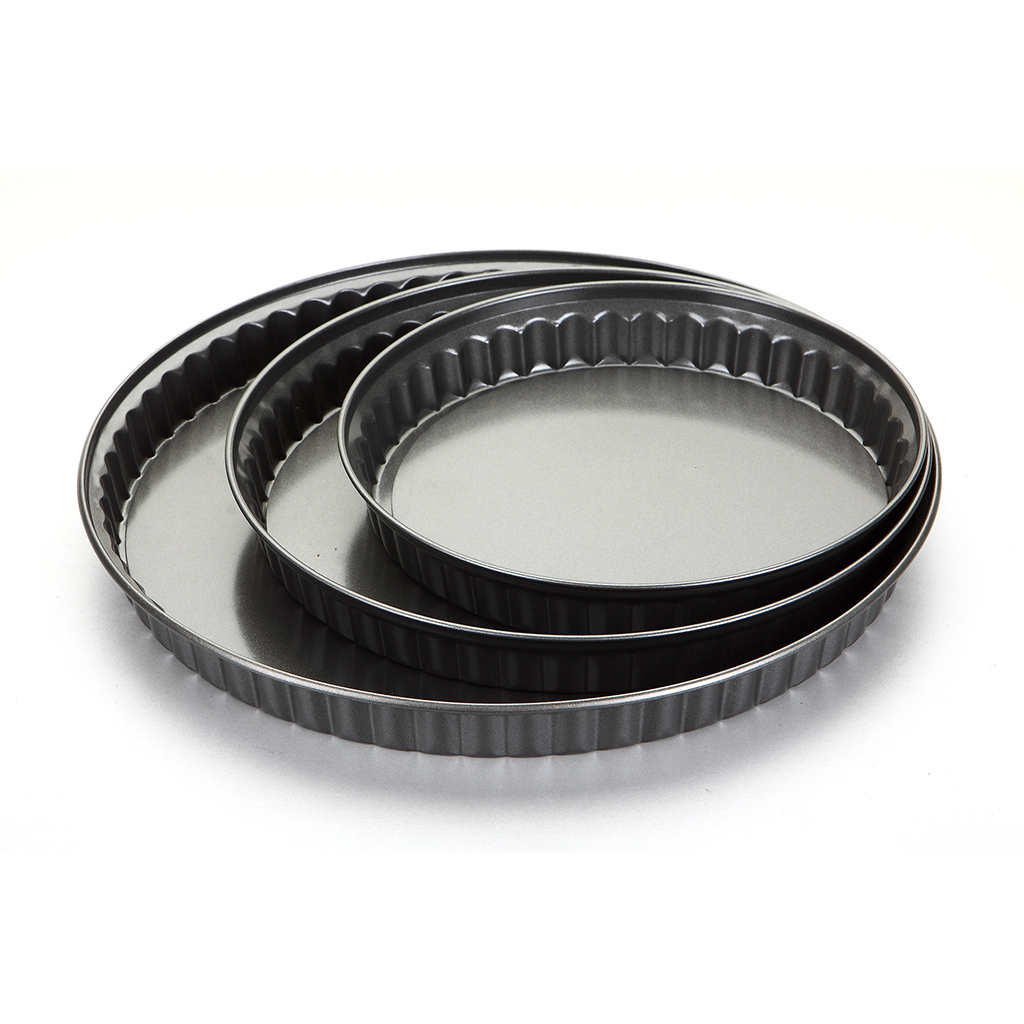
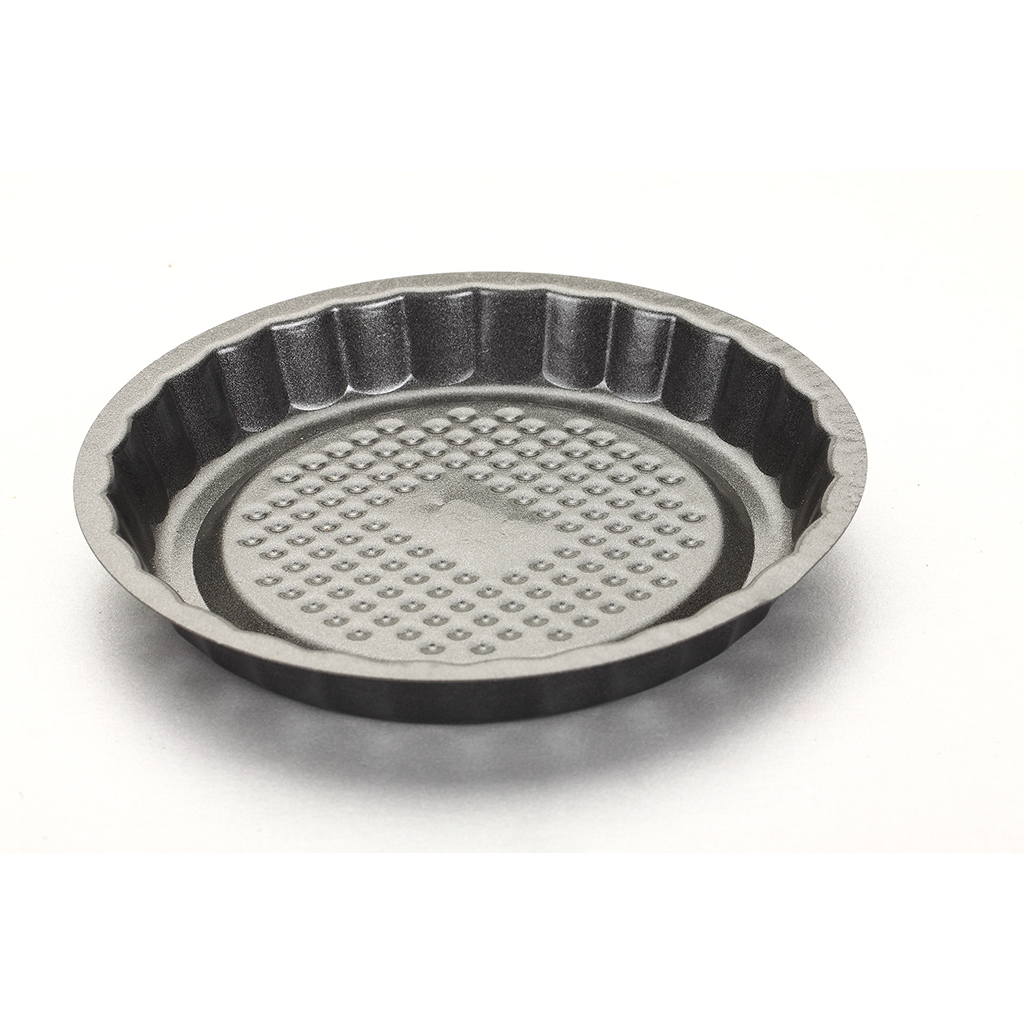
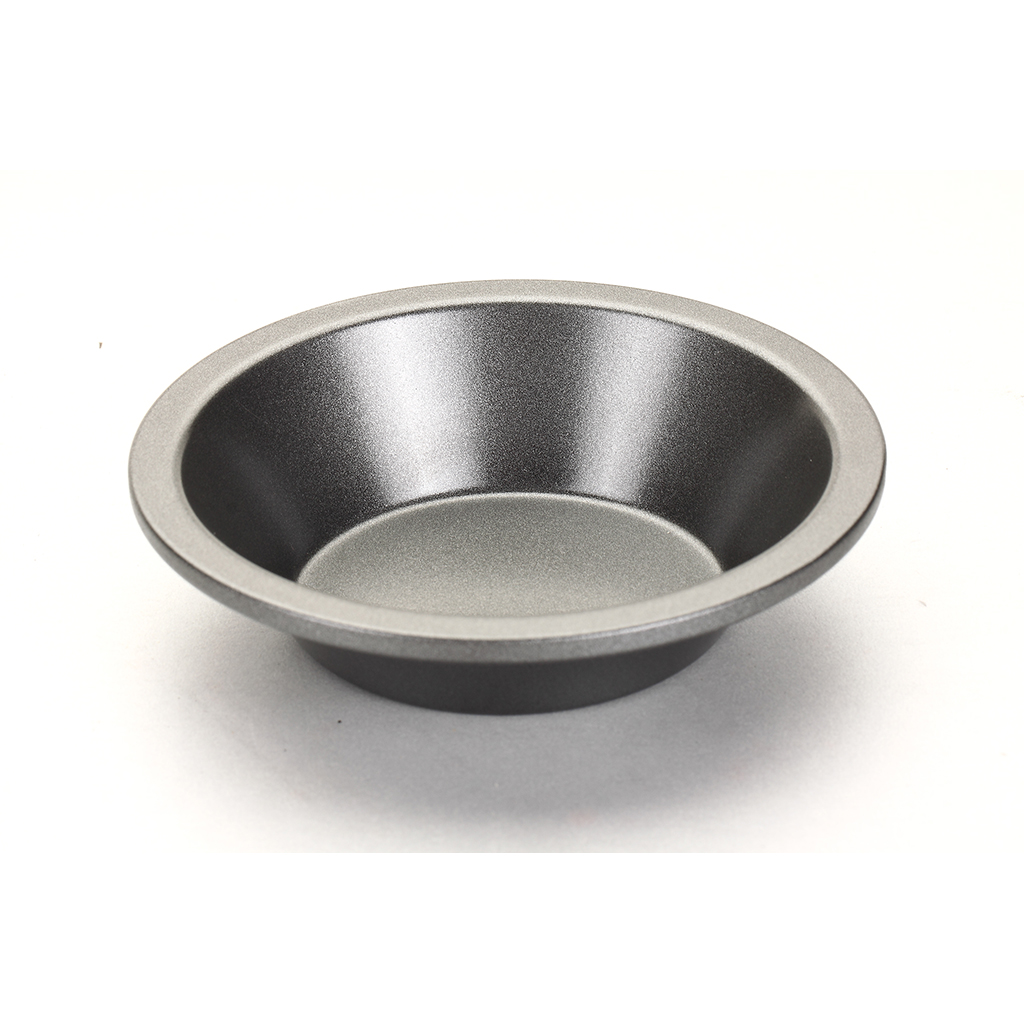
Before exploring what is a pie pan used for, we must understand the “why” behind the pie pan’s design. Unlike cake pans, which have vertical 90-degree walls, pie pans feature sloped sides (usually at a 45-degree to 60-degree angle). This is not just for aesthetics; it serves critical functional purposes:
Crust Support and Fluting
The sloped sides provide a ramp for the pie dough to rest against. This prevents the heavy filling from causing the crust to collapse inward during the initial stages of baking. Furthermore, the flared rim (the “lip”) gives bakers a canvas to create beautiful fluted or crimped edges, which seal the top and bottom crusts together.
Steam Release and Heat Circulation
The shallow nature of a pie pan (typically 1.25 to 2 inches deep) allows heat to reach the center of the filling quickly. In a deeper vessel, like a cake pan, the edges of a pie might burn before the thick fruit filling in the center reaches the necessary boiling point to thicken properly.
Primary Uses: The Classic World of Sweet Pies
Naturally, the most common answer to “what is a pie pan used for” involves traditional desserts. However, even within this category, there is immense variety.
Double-Crust Fruit Pies
Apples, berries, peaches, and cherries—the classic American double-crust pie requires a sturdy pan that can handle the high moisture content of fruit. A high-quality carbon steel pie pan with a non-stick coating is ideal here, as it ensures the bottom crust becomes crisp rather than “soggy” by conducting heat rapidly.
Custard and Cream Pies
Think Pumpkin, Pecan, or Chocolate Silk pies. These are often “single-crust” pies. Sometimes the crust is pre-baked (blind baked), and the pie pan must be able to withstand the weight of pie weights or beans without warping. The sloped sides are essential for sliding a clean wedge of soft custard onto a dessert plate without the tip of the slice breaking off.
Icebox and No-Bake Pies
Pie pans aren’t just for the oven. They are frequently used for refrigerator pies made with graham cracker or Oreo cookie crusts. The pan acts as a mold that holds the chilled cream filling until it sets firmly enough to be sliced. So if you’re wondering what is a pie pan used for outside of traditional baking, no-bake desserts are a perfect example.
The Savory Side: Dinner Applications for Your Pie Dish
If you only use your pie pan during the holidays, you are missing out on its potential as a dinnerware powerhouse. Savory pies are a staple in European and Australian cuisines, and they are gaining massive traction in the North American market. This brings us back to the question: what is a pie pan used for when it comes to savory dishes?
Pot Pies and Shepherd’s Pies
A chicken pot pie with a flaky puff pastry lid is a quintessential comfort food. The pie pan provides the perfect depth—deep enough for a hearty stew of chicken and vegetables, but shallow enough that the pastry lid bakes to a crisp at the same time the filling is bubbling.The pie pan provides the perfect depth—deep enough for a hearty stew of chicken and vegetables, but shallow enough that the pastry lid bakes to a crisp at the same time the filling is bubbling. BBC Good Food offers classic British pot pie recipes.
Quiches and Frittatas
While quiches are often made in tart pans with removable bottoms, a standard pie pan is actually the preferred vessel for a “Deep Dish Quice.” It allows for a higher ratio of egg custard to crust. For those following a gluten-free or low-carb diet, a “crustless quiche” or frittata baked in a greased pie pan offers an elegant presentation and easy cleanup.
Savory Meat Pies
From British pork pies to French-Canadian Tourtière, savory meat pies require a pan that can handle rendered fats. Carbon steel pie pans are excellent for this because they distribute heat evenly, preventing “hot spots” that could scorch the meat while leaving the crust undercooked.
Creative Non-Pie Baking Uses
Thinking outside the box (or the crust) allows you to use your pie pan for a variety of other kitchen tasks. If you’re still asking what is a pie pan used for, here are some creative answers:
- Cinnamon Rolls: If you don’t want a huge batch, a 9-inch pie pan is the perfect size for baking 6 to 7 large cinnamon rolls. They nestle together perfectly, creating soft, pull-apart edges.
- Cornbread: Baking cornbread in a pie pan gives you those coveted crispy, wedge-shaped slices that are perfect for dipping into chili.
- Giant Cookies: The “Pizookie” (pizza-cookie) phenomenon involves pressing cookie dough into a pie pan and baking it. It’s served warm, often directly in the pan, topped with scoops of vanilla ice cream.
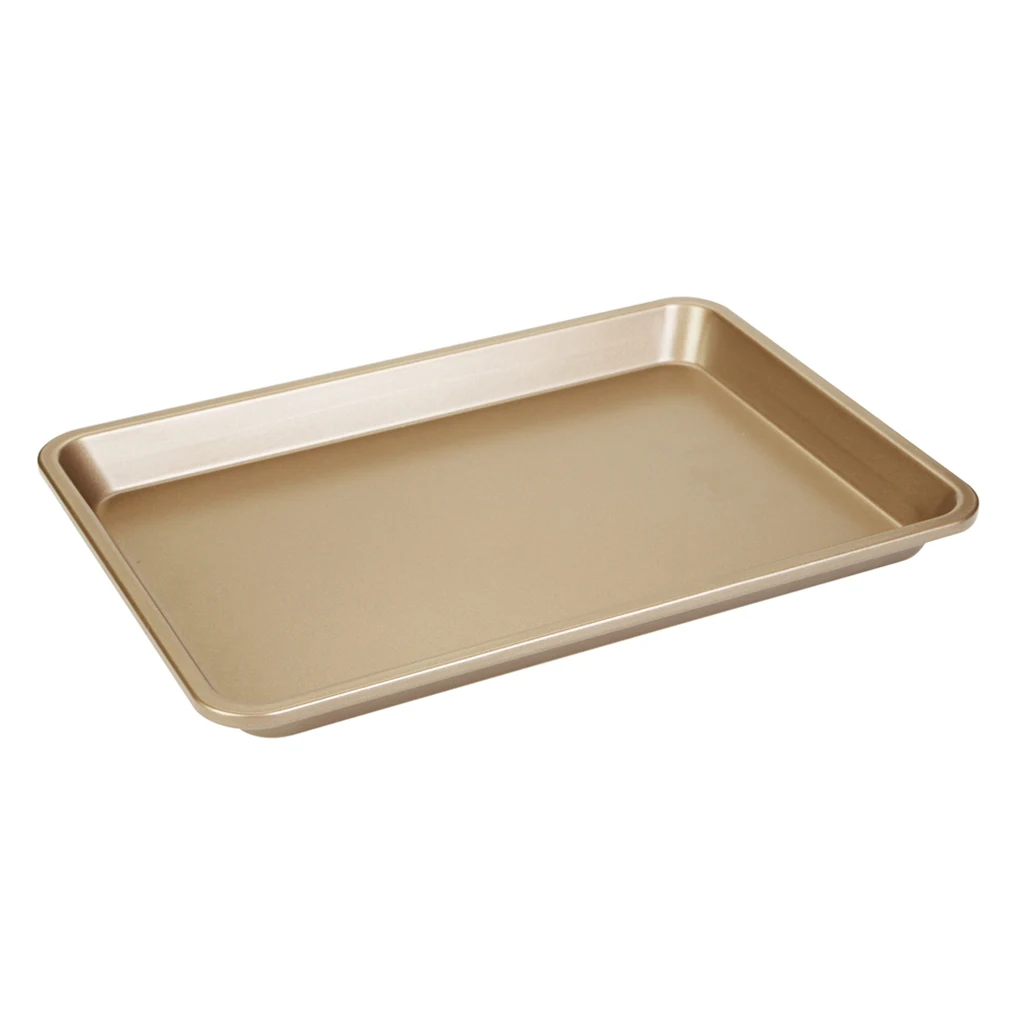
- Roasted Vegetables: For a small household, a pie pan is a great alternative to a large sheet pan for roasting a few cloves of garlic, a handful of asparagus, or a small portion of potatoes.
Pie Pan vs. Cake Pan: Can They Be Interchanged?
This is one of the most frequent questions from consumers. While they are both round baking vessels, they are not identical in function. When considering what is a pie pan used for compared to a cake pan, the differences become clear.
Can you bake a cake in a pie pan?
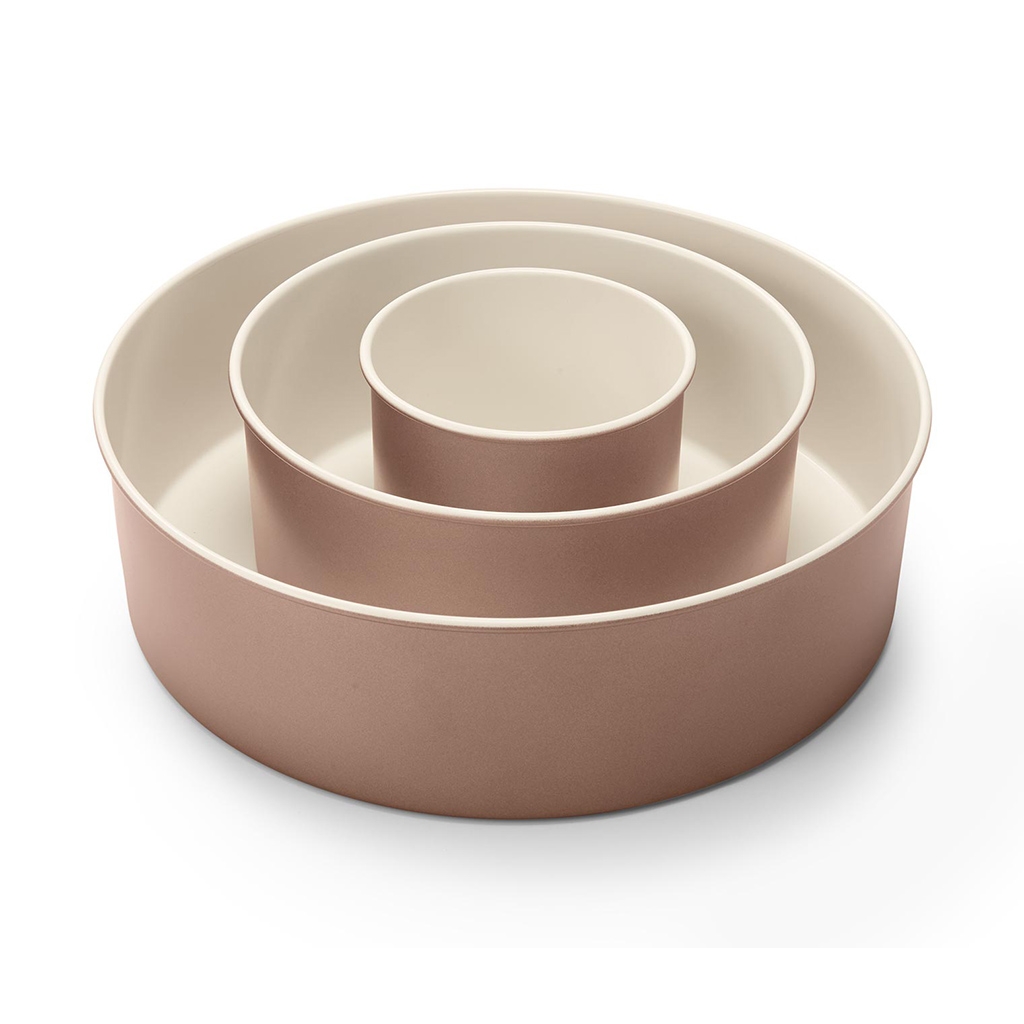
You can, but with caveats. Because the sides are sloped, the cake will have angled edges, making it difficult to stack or layer. Additionally, pie pans are usually smaller in volume than a standard 9×2 inch cake pan. If you pour a full cake recipe into a pie pan, it may overflow.
Can you bake a pie in a cake pan?
Yes, but extraction is the nightmare. Without the sloped “ramp” of a pie pan, getting the first slice of pie out of a deep, vertical-sided cake pan often results in the crust shattering. If you must use a cake pan for a pie, we recommend using a parchment paper sling to lift the entire pie out once it is chilled.
Material Matters: Why Carbon Steel is the Professional’s Choice
What a pie pan is used for is often dictated by what it is made of. At Aolijue, we specialize in high-quality metal bakeware for a reason.
Carbon Steel with Non-Stick Coating
This is the gold standard for commercial and high-frequency baking.
- Superior Browning: Metal conducts heat much faster than glass or ceramic. This is the secret to avoiding the “soggy bottom” in fruit pies.
- Durability: Unlike glass, carbon steel won’t shatter if dropped or subjected to thermal shock (moving from fridge to oven).
- Easy Release: Our specialized silicone non-stick coatings mean savory meat pies or sticky pecan pies slide right out without leaving half the crust behind.
Glass and Ceramic
Glass is great because you can see the bottom crust browning, but it is a poor conductor of heat, often requiring longer bake times. Ceramic is beautiful for “oven-to-table” service but is prone to chipping and uneven heating.
B2B Perspective: Why Importers Should Prioritize Versatile Pie Pans
For kitchenware importers and retailers, the pie pan category is a stable, high-volume segment. When selecting a supplier like Aolijue, consider the following commercial advantages:
- The “One-Pan” Marketing Angle: Consumers are moving away from single-use gadgets. Marketing a pie pan as a “Multi-Use Savory & Sweet Baker” increases its marketability to minimalist millennials and urban dwellers. This directly answers what is a pie pan used for in today’s market.
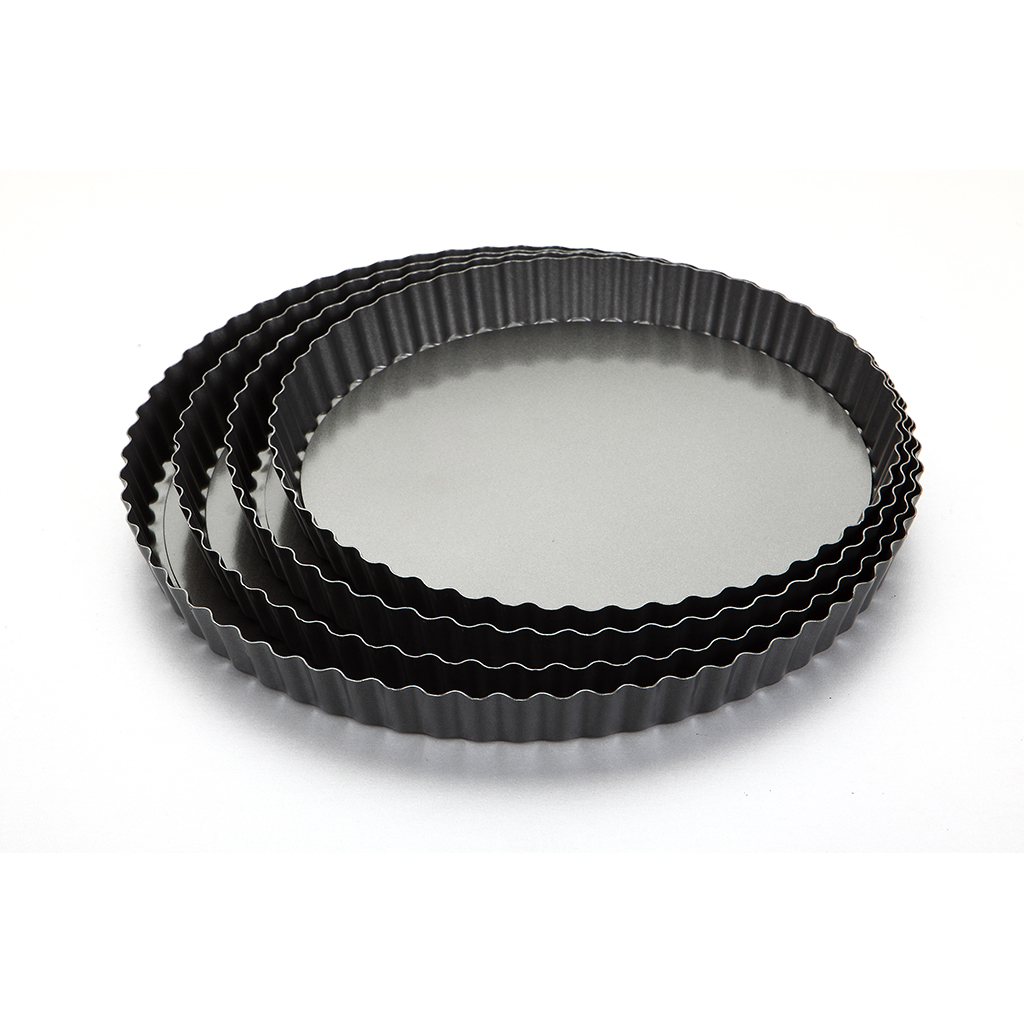
- Nesting and Logistics: Because of their sloped sides, pie pans nest perfectly inside one another. This significantly reduces shipping costs and warehouse footprints compared to vertical-sided pans.
- Compliancy and Safety: Aolijue’s commitment to PFOA-free, safe coatings ensures your brand is protected from regulatory risks.
Frequently Asked Questions (FAQs)
Do I need to grease a pie pan?
If you are using a traditional butter-heavy pastry crust, the fat in the dough usually prevents sticking. However, for graham cracker crusts, savory quiches, or when using a pan without a premium non-stick coating, a light greasing is highly recommended.What is the most common size for a pie pan?
The standard size in the US and Europe is 9 inches (23 cm) in diameter. “Deep dish” pans usually measure 9.5 to 10 inches and offer more depth for fruit-heavy pies.Can I use a tart pan instead of a pie pan?
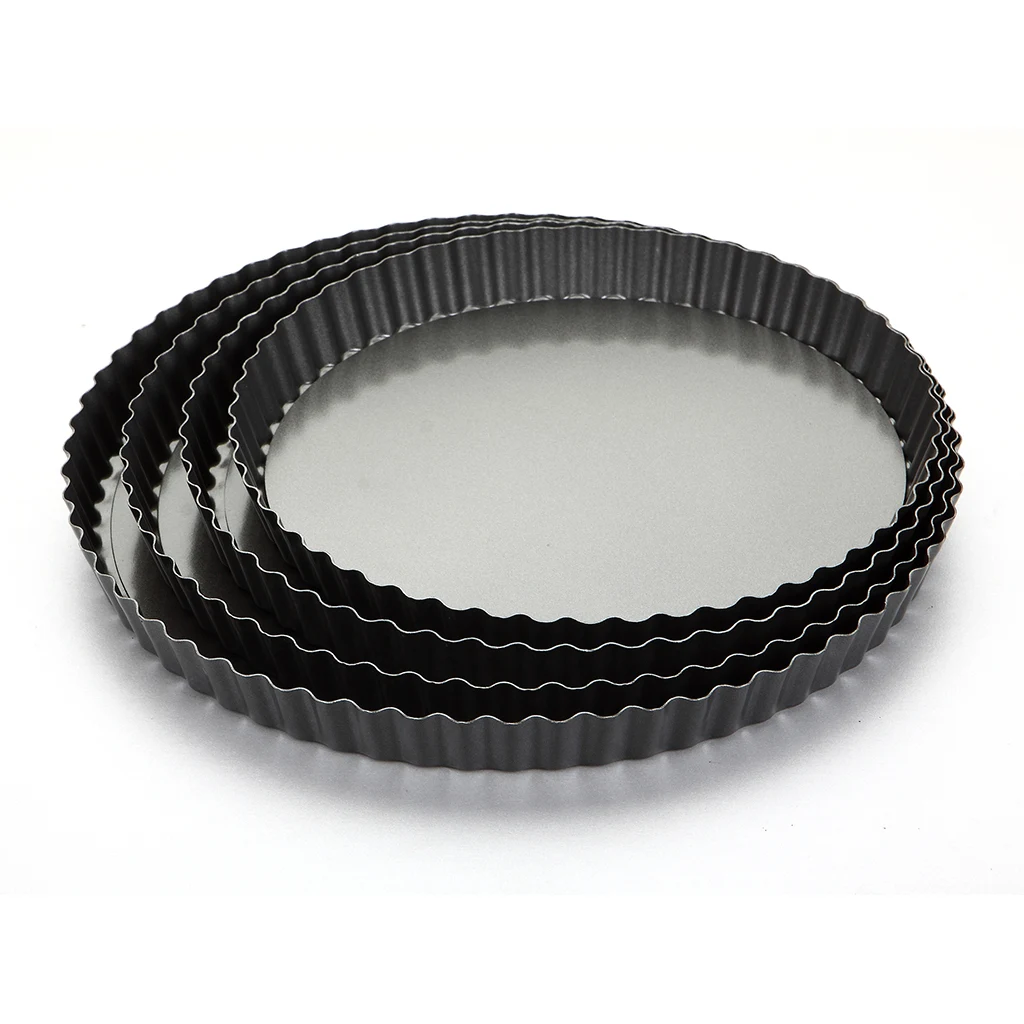
Tart pans have straight, fluted sides and usually a removable bottom. They are used for tarts where the crust is meant to stand alone as a structural element. You can bake a pie in a tart pan, but the crust will be much thinner and the filling capacity will be reduced.Core Takeaways for Maximizing Your Pie Pan
- Versatility is Key: Use your pan for quiches, cornbread, and roasted meats, not just dessert.
- Material is the Secret to Success: Choose heavy-duty carbon steel for the crispest crusts and most even bakes.
- Temperature Control: For the best results, always chill your pie crust in the pan for at least 30 minutes before it hits the hot oven.
Whether you are a professional chef developing a new savory meat pie for a restaurant chain, or a retail buyer looking for the most reliable bakeware for your customers, understanding the multifaceted uses of the pie pan is the first step toward better baking.
Ready to upgrade your inventory or your kitchen? Explore Aolijue’s Professional Collection of carbon steel bakeware. From our perfectly sloped Round Cake Pans that double as shallow bakers, to our precision-engineered Tart Pans and heavy-duty Baking Pans, we provide the tools that turn “just a recipe” into a culinary masterpiece.
Bake with confidence. Bake with Aolijue.
Discover our full range of professional-grade Round Cake Pans, Tart Pans, and versatile Baking Pans today.