
Why Professional Bakers Prefer Aluminum Baking Trays: The Science Behind Better Baking Results
Introduction
In the baking industry, equipment selection directly affects product consistency.
For professional bakers, a baking tray is not simply a container for holding dough or batter. It is an important tool that influences heat transfer, baking time, product appearance, and final quality.
Among different materials available on the market, aluminum baking trays have become a preferred choice for many professional bakeries, food manufacturers, and kitchenware brands.
The reason is not only because aluminum is lightweight or affordable. The real advantage comes from the material’s performance during the baking process.
1. Heat Distribution Determines Baking Consistency
One of the biggest challenges in baking is achieving consistent results.
Uneven heat distribution can cause:
- Over-browned edges
- Undercooked centers
- Uneven texture
- Different results between batches
Aluminum has excellent thermal conductivity, allowing heat to transfer quickly and evenly across the baking surface.
For professional applications where hundreds or thousands of products are baked every day, consistent heat performance is extremely important.
A small difference in baking results can affect:
- Product appearance
- Production efficiency
- Customer satisfaction
2. Aluminum Thickness Influences Performance
Many people think a thicker baking tray is always better.
However, professional baking tray design requires a balance between:
- Heat response
- Structural strength
- Weight
- Production cost
A tray that is too thin may deform under repeated heating.
A tray that is too thick may increase cost and change baking characteristics.
Experienced manufacturers select suitable aluminum thickness according to:
- Tray size
- Application
- Baking temperature
- Market positioning
3. Tray Design Affects Final Baking Results
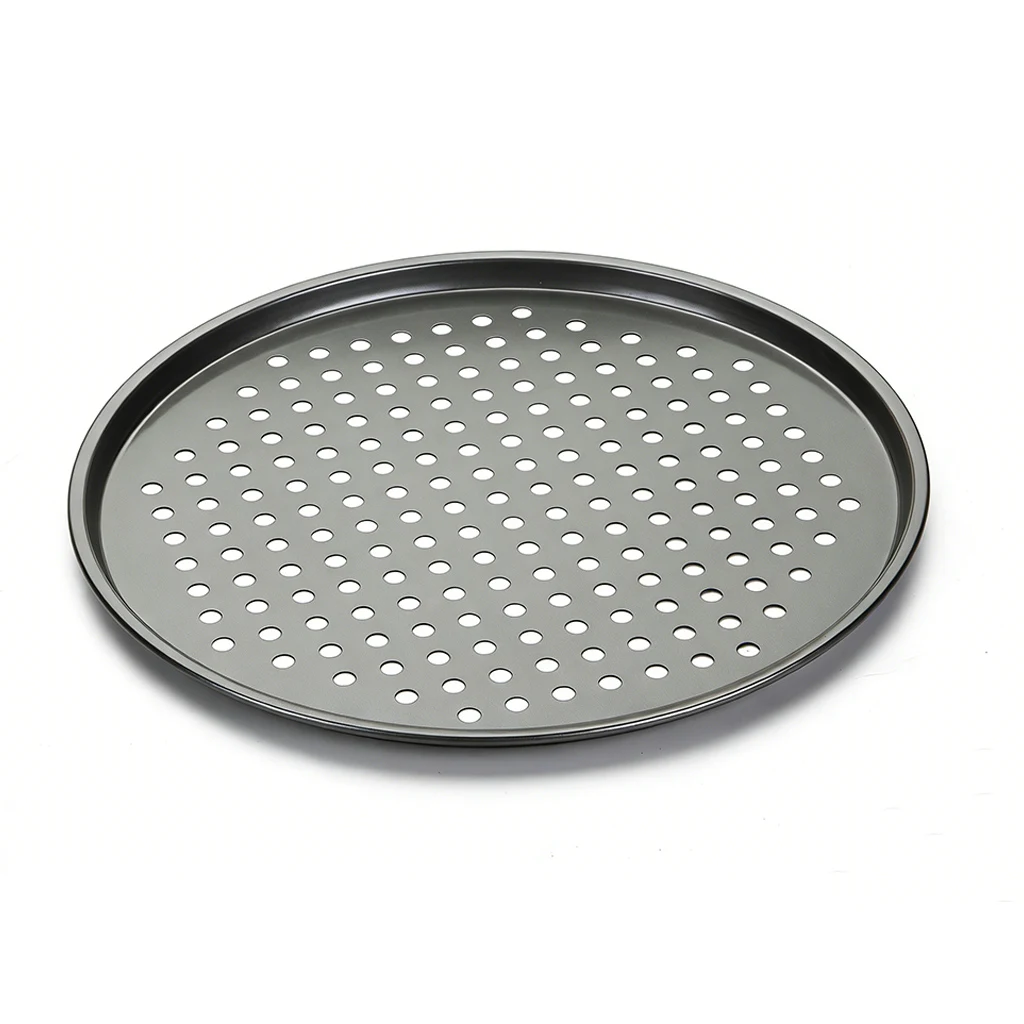
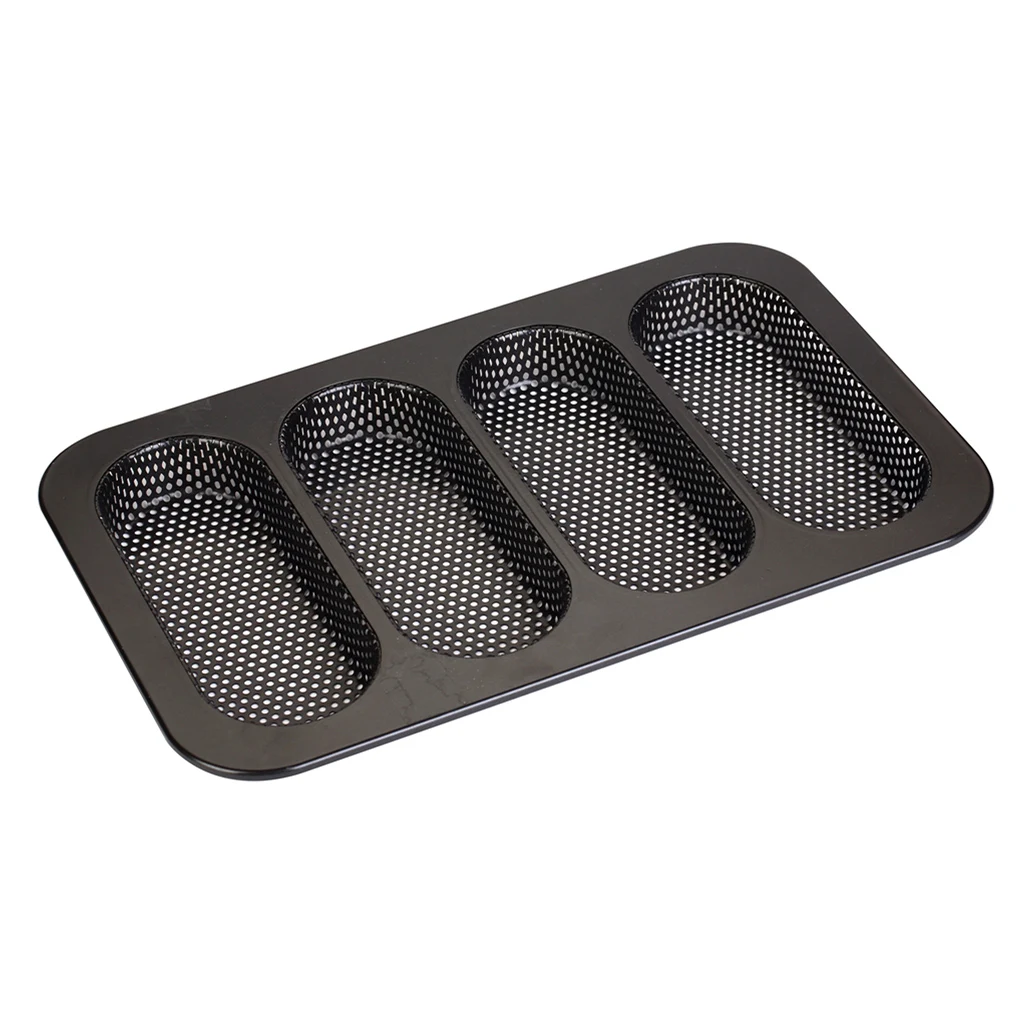
The performance of a baking tray depends not only on the material but also on the design.
Important factors include:
Surface Structure
The flatness of the baking surface influences:
- Product shape
- Heat contact
- Baking consistency
Edge Structure
The edge design affects:
- Tray rigidity
- Handling safety
- Resistance to deformation
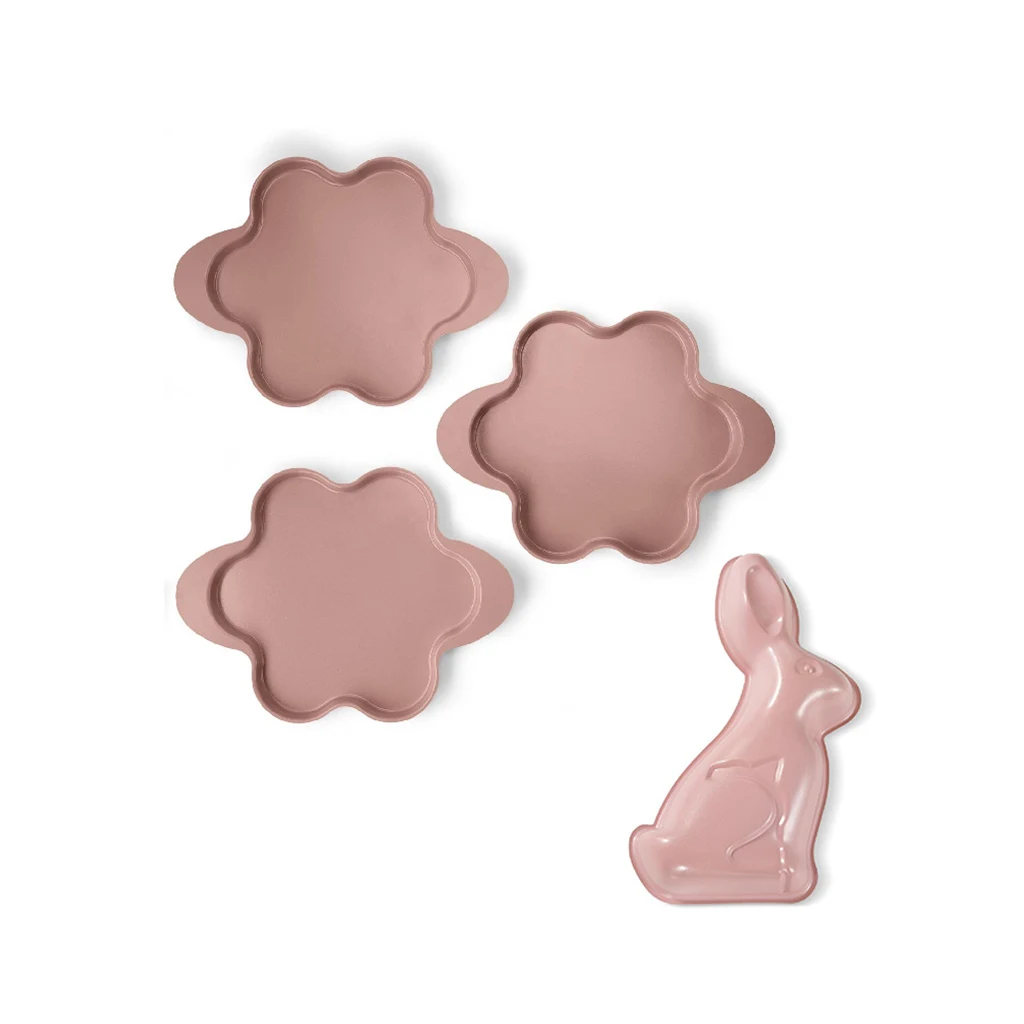
Shape and Depth
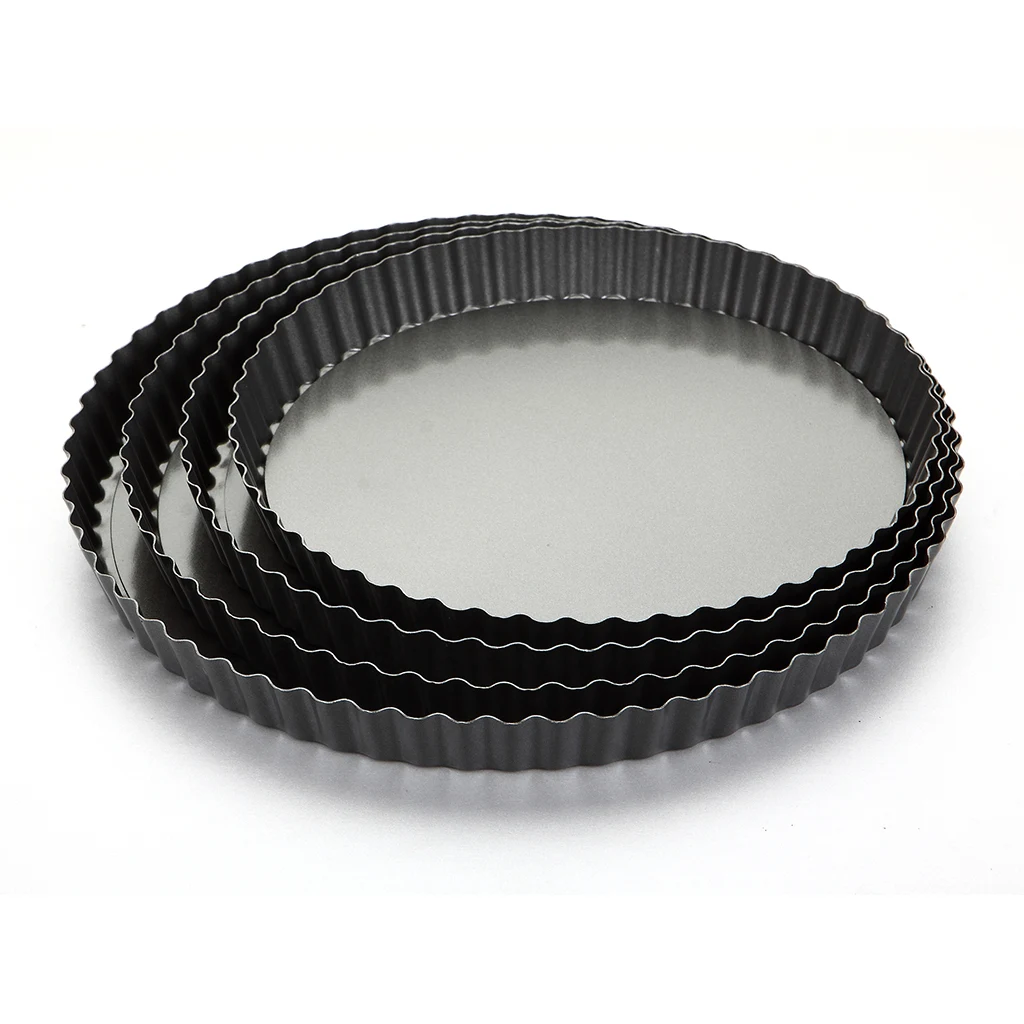
Different products require different designs.
For example:
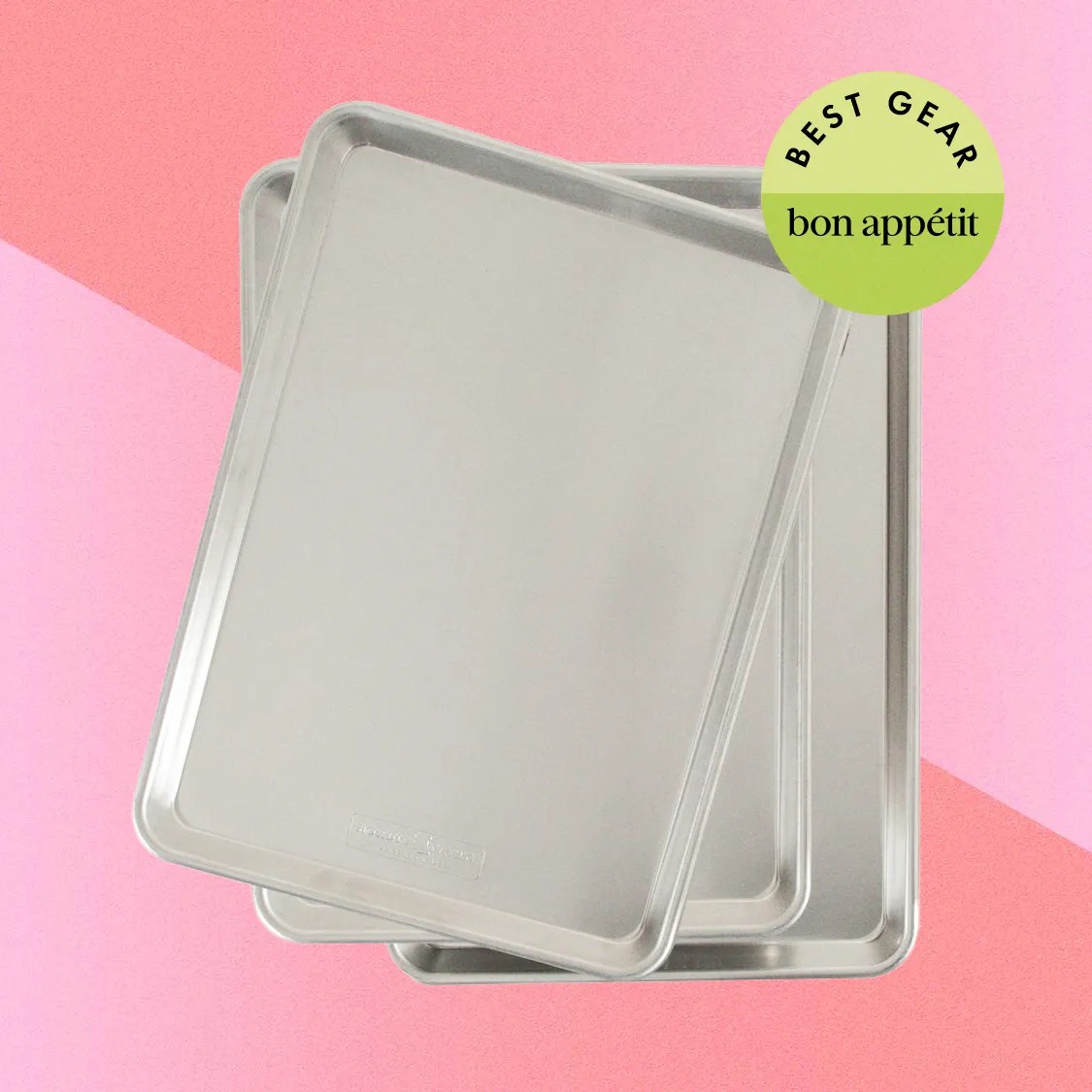
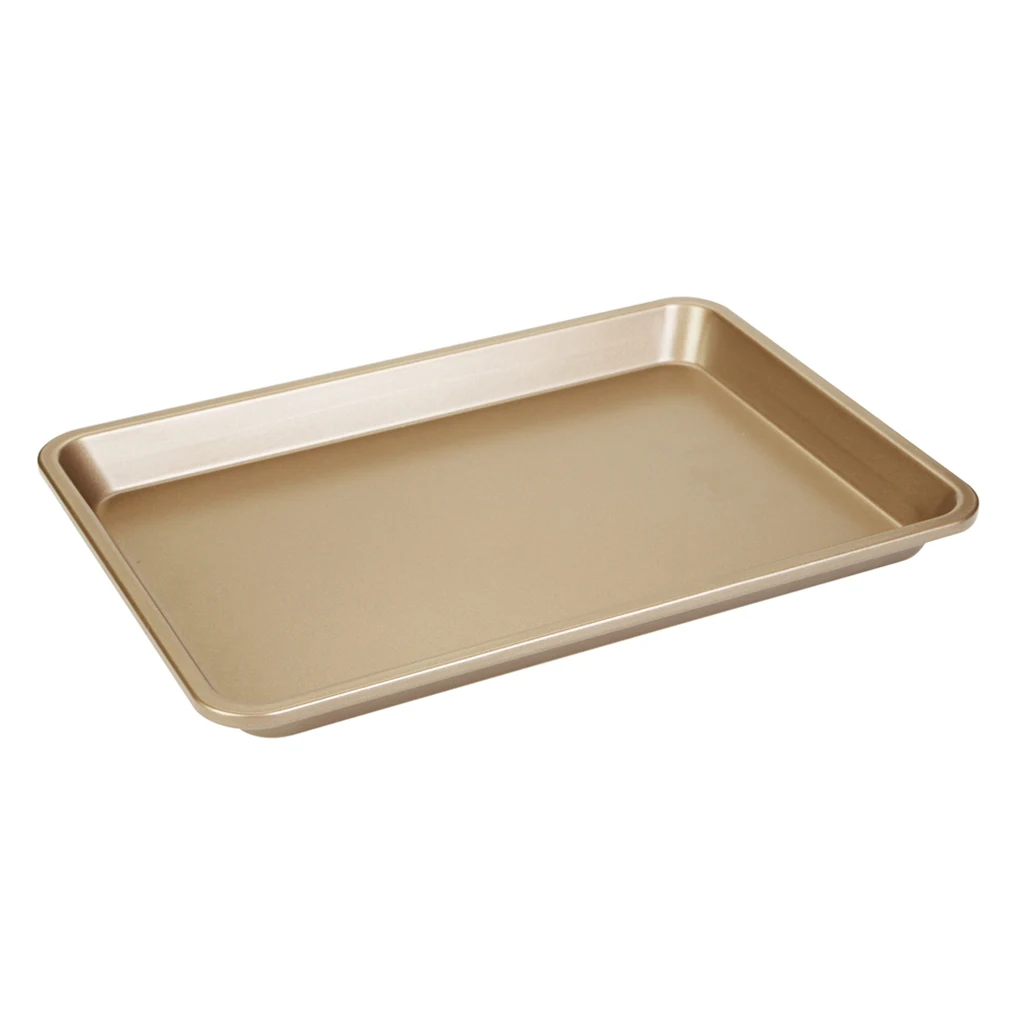
- Cookies may need shallow flat trays.
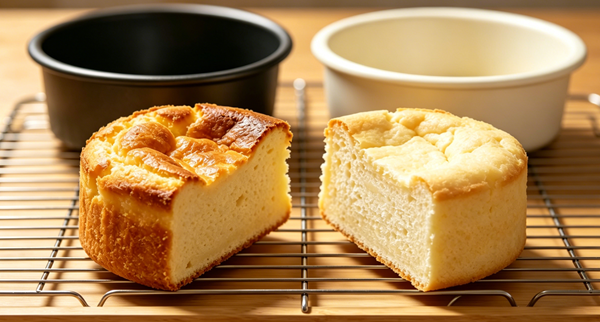
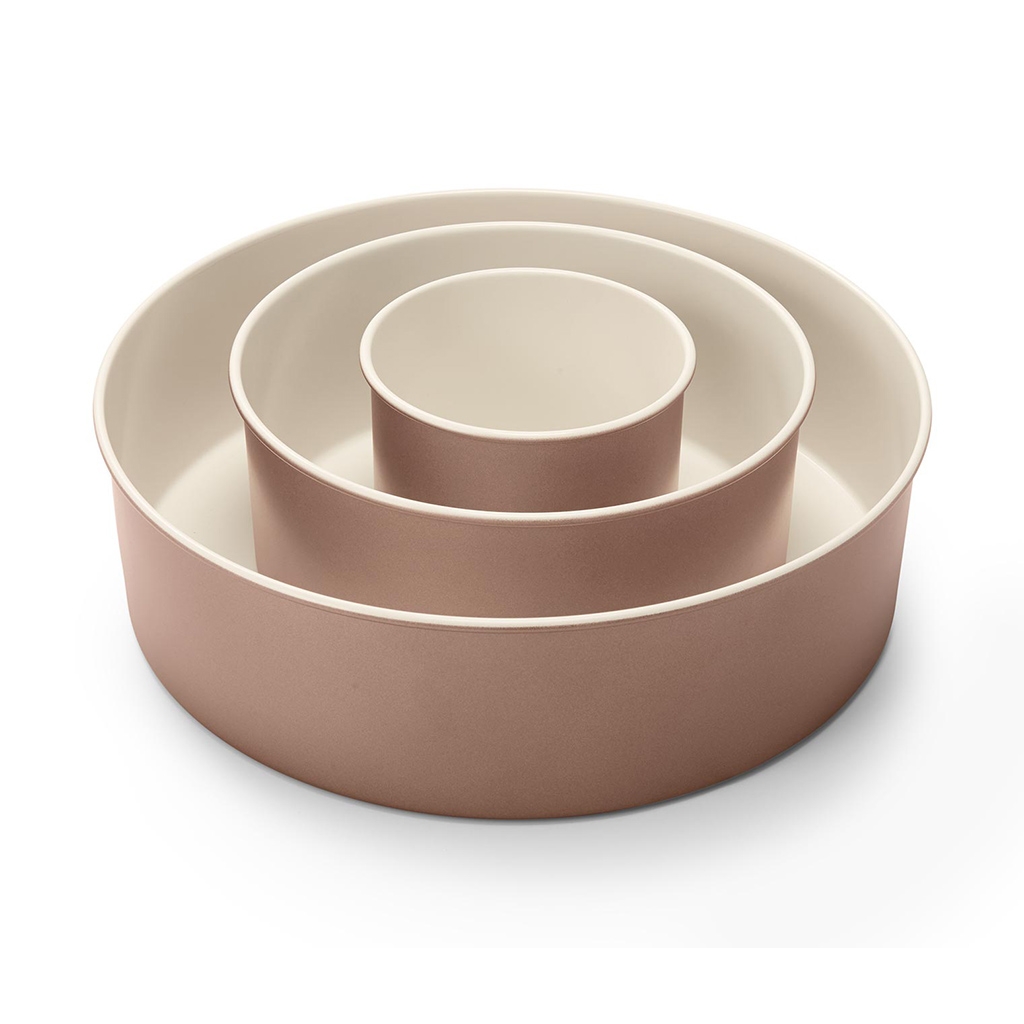
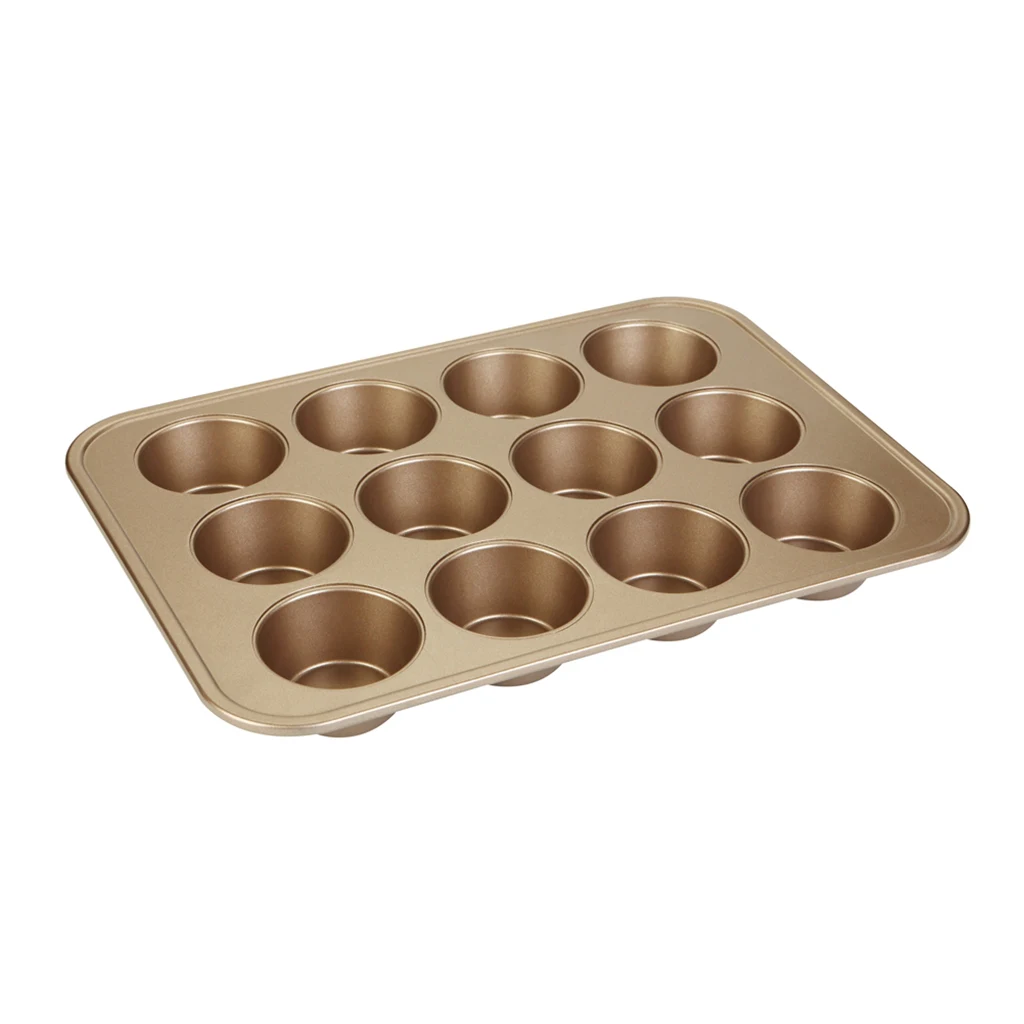
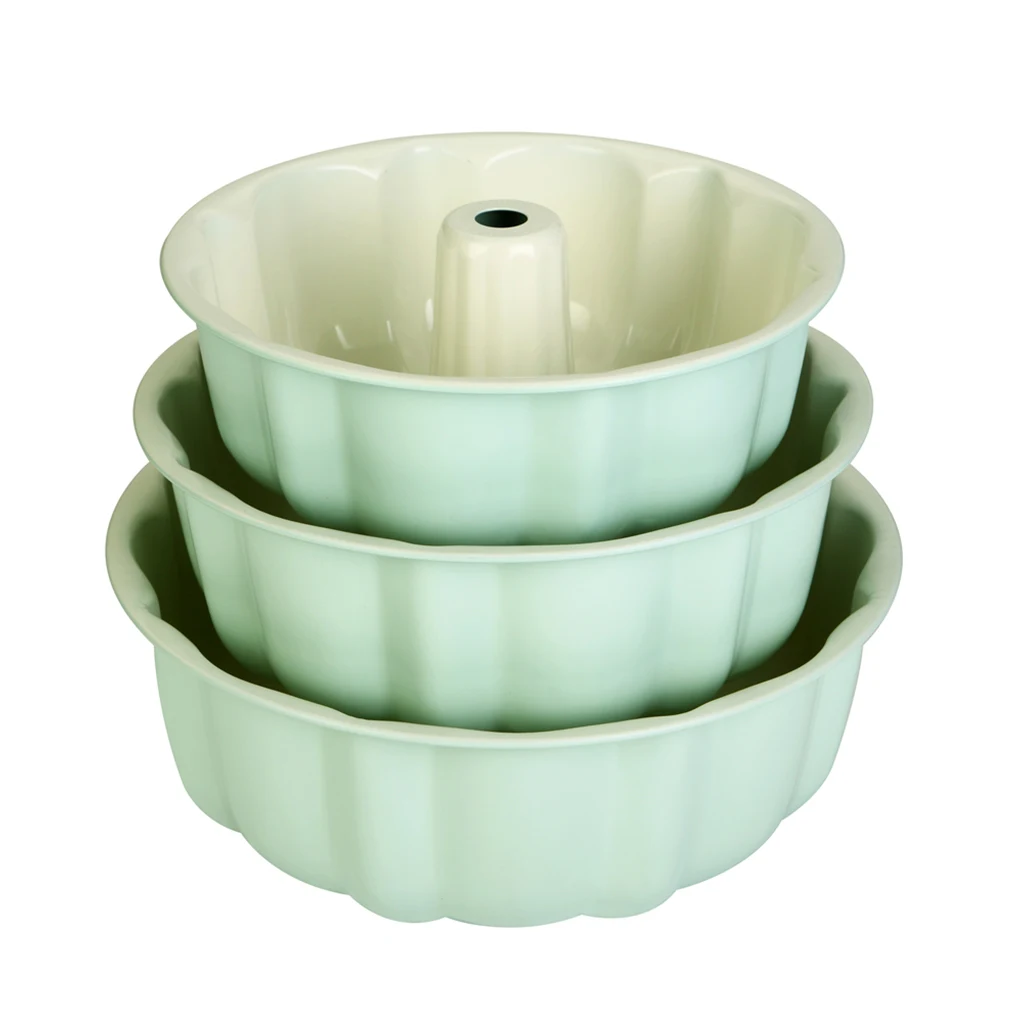
- Cakes may require deeper structures.
- Commercial baking may require specific dimensions for production efficiency.
4. Why Professional Users Have Higher Requirements
Home users may use a baking tray occasionally.
Professional bakeries use the same equipment repeatedly under demanding conditions.
Their requirements include:
- Stable dimensions
- Long service life
- Reliable performance
- Easy maintenance
This is why commercial baking products often require stricter manufacturing standards.
5. Choosing the Right Aluminum Baking Tray Manufacturer
For brands developing baking products, choosing a supplier is not only about product appearance.
A reliable manufacturer should understand:
- Aluminum material characteristics
- Forming technology
- Surface treatment
- Quality control
The supplier should be able to provide solutions based on the product’s actual application.
Conclusion
Professional bakers choose aluminum baking trays because performance matters.
The right aluminum tray helps improve:
- Baking consistency
- Production efficiency
- Product quality
For kitchenware brands, understanding the relationship between material, design, and manufacturing technology is essential for creating successful products.
A high-quality baking tray is not just manufactured — it is engineered for better baking results.