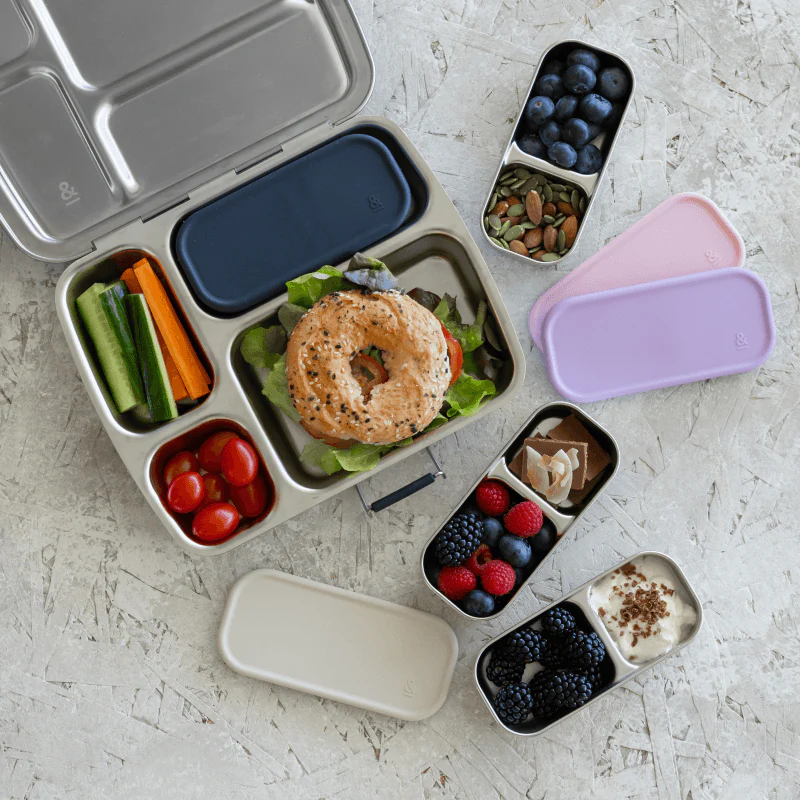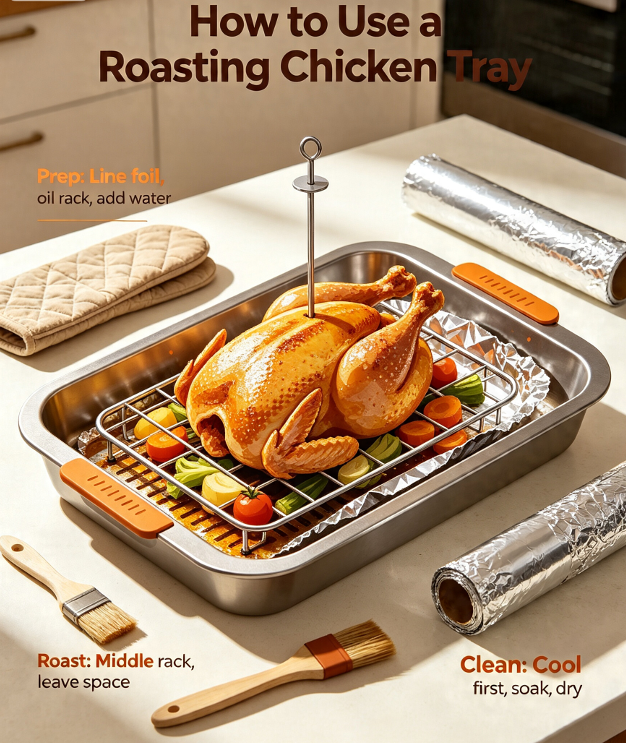
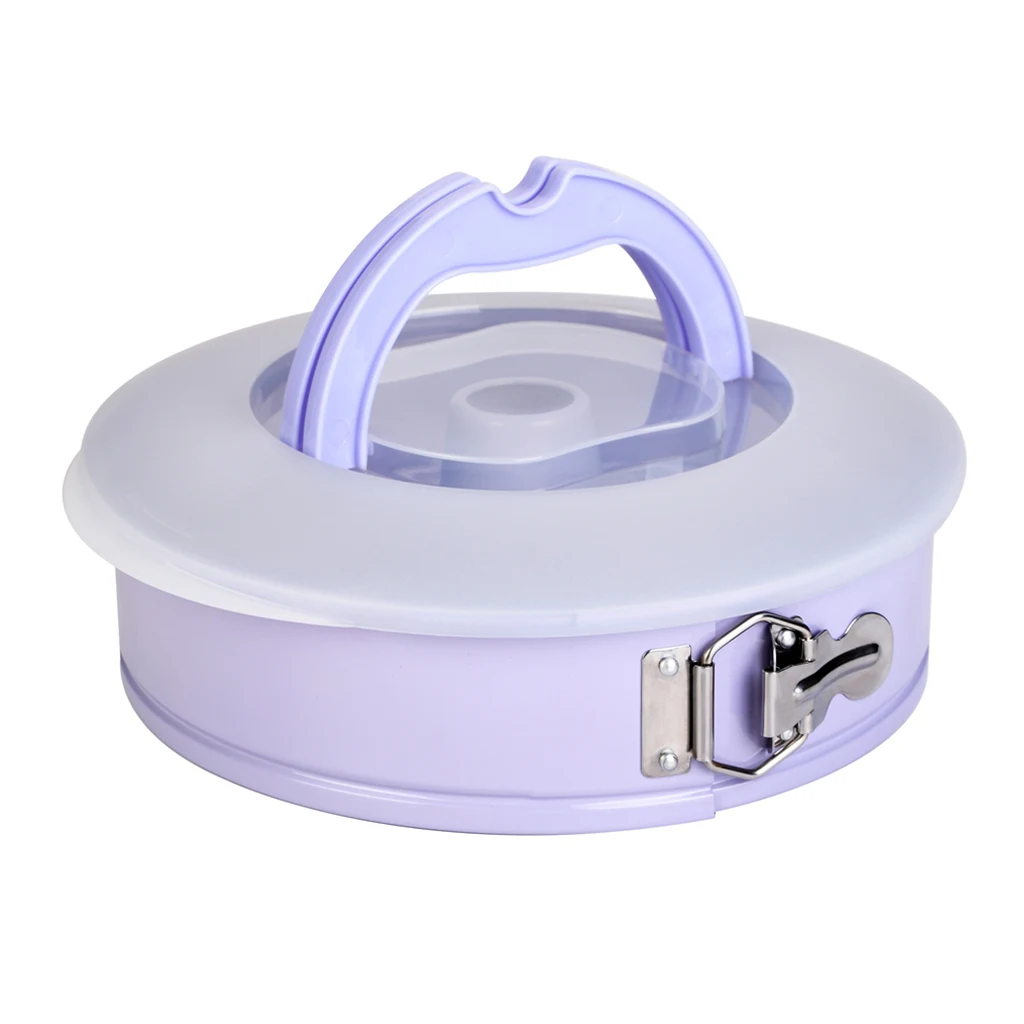
Stainless Steel vs. Aluminum Lunch Boxes🌱 Choosing the Right Material for Modern Food Storage
As consumers become more aware of sustainability, food safety, and product durability, reusable lunch boxes are becoming increasingly popular around the world.
However, when selecting a lunch box, one important question often comes up:
Stainless steel or aluminum — which material is better?
Both materials have unique advantages and are widely used in food containers. The best choice depends on factors such as weight, thermal performance, durability, design, and application.
Let’s explore the key differences between stainless steel and aluminum lunch boxes.
⚙️ 1. Material Characteristics: Stainless Steel vs. Aluminum
🥇 Stainless Steel Lunch Boxes
Stainless steel is one of the most common materials used in reusable food containers.
Advantages:
✅ Excellent corrosion resistance
✅ High mechanical strength
✅ Long service life
✅ Easy to clean and maintain
Because of its durability, stainless steel is widely used for everyday lunch boxes, school containers, and outdoor food storage.
However, stainless steel is relatively heavier compared with aluminum, which can be a disadvantage for consumers looking for lightweight solutions.
🪶 Aluminum Lunch Boxes
Aluminum is known for being lightweight while maintaining good strength.
Advantages:
✅ Lightweight and portable
✅ Excellent heat conductivity
✅ Modern premium appearance
✅ Highly recyclable
The lightweight characteristic makes aluminum lunch boxes especially attractive for consumers who carry food regularly, travel frequently, or prefer minimalist designs.
🔥 2. Heat Performance and Cooking Experience
Material selection directly affects thermal performance.
Stainless Steel
Stainless steel has lower thermal conductivity compared with aluminum.
This means:
- It heats up more slowly
- It retains heat well
- It provides stable performance for food storage
Aluminum
Aluminum has excellent thermal conductivity.
Benefits include:
🔥 Faster heat transfer
🔥 More even temperature distribution
🔥 Efficient cooling and heating performance
For applications where temperature response matters, aluminum offers a significant advantage.
🛡️ 3. Food Safety Considerations
Food safety is one of the most important factors when choosing reusable lunch boxes.
Both stainless steel and aluminum can be suitable for food contact applications when manufactured correctly.
Important considerations include:
✔️ Food-grade materials
✔️ Proper surface treatment
✔️ Compliance with food contact regulations
✔️ Quality manufacturing processes
For aluminum lunch boxes, surface treatments or food-grade coatings are often applied to improve durability and prevent direct contact between food and aluminum.
♻️ 4. Sustainability and Environmental Impact
Sustainability has become a major purchasing factor for consumers and brands.
Both materials offer environmental benefits:
Stainless Steel
♻️ Long lifespan
♻️ Reusable for many years
♻️ Highly recyclable
Aluminum
♻️ Infinitely recyclable
♻️ Lower transportation weight
♻️ Efficient recycling process
Because aluminum is lightweight, it can help reduce transportation energy consumption throughout the supply chain.
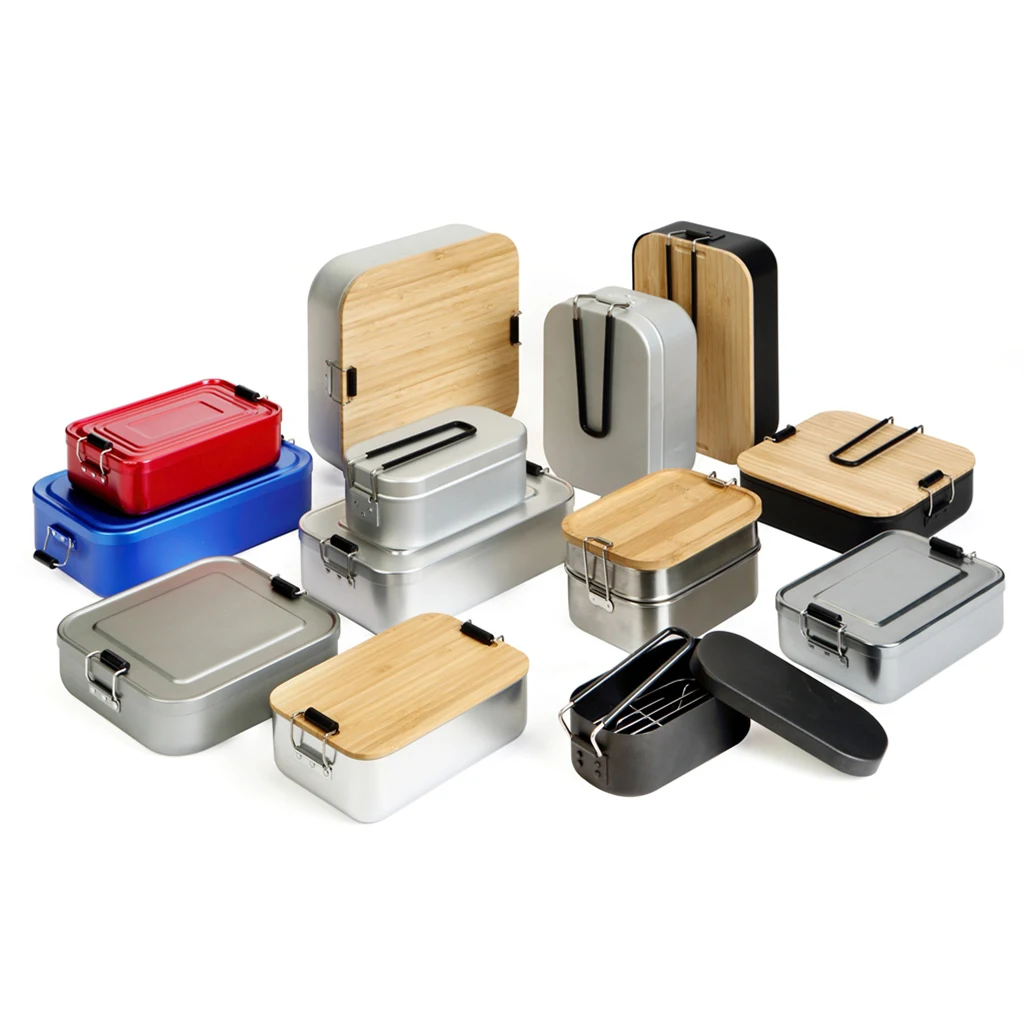
🎨 5. Design and Customization Possibilities
Modern consumers expect products that combine functionality with attractive design.
Stainless Steel Lunch Boxes
Common features:
- Brushed finishes
- Double-wall structures
- Vacuum insulation
- Strong outdoor designs
Aluminum Lunch Boxes
Common features:
- Anodized finishes
- Color coating
- Laser engraving
- Custom printing
- Lightweight premium designs
For brands looking for customized appearance and differentiation, aluminum provides excellent flexibility.
🏭 6. Which Material Is Better for Different Applications?
The ideal choice depends on the market and usage scenario.
Choose Stainless Steel for:
🥘 Heavy-duty daily use
🏕️ Outdoor activities
👨👩👧 Family food storage
☕ Insulated containers
Choose Aluminum for:
🎒 Lightweight lunch solutions
✈️ Travel-friendly products
🌱 Sustainable lifestyle products
🏢 Corporate promotional products
✨ Premium retail collections
🚀 The Future of Reusable Lunch Boxes
The lunch box market is moving beyond simple food storage.
Future trends are focusing on:
🌍 Sustainable materials
🎨 Premium designs
♻️ Circular economy solutions
🧳 Lightweight products
🔒 Better food preservation
Both stainless steel and aluminum will continue to play important roles in the reusable packaging industry.
The best material is not simply the strongest one — it is the one that best matches the consumer’s lifestyle, brand positioning, and sustainability goals.
💡 Final Thoughts
When comparing stainless steel vs. aluminum lunch boxes, there is no single winner.
Stainless steel offers strength and durability, while aluminum provides lightweight performance, excellent recyclability, and modern design possibilities.
For brands and manufacturers, understanding these differences helps create products that meet changing consumer expectations.
The future of food storage is not only about keeping food fresh — it is about creating smarter, more sustainable solutions.
#LunchBox #AluminumLunchBox #StainlessSteelLunchBox #SustainablePackaging #ReusablePackaging #EcoFriendlyProducts #FoodStorage #Kitchenware #CookwareIndustry #FoodContactMaterials #AluminumProducts #GreenLiving #CircularEconomy #OEMManufacturing #KitchenInnovation