
How Aluminum Baking Tray Design Influences Consumer Experience
Introduction
When developing a new baking tray, many brands focus on the basic requirements:
- Größe
- Material
- Price
- Production capacity
However, successful kitchenware products are not only defined by manufacturing specifications.
The design of an aluminum baking tray directly influences how consumers interact with the product, from the moment they see it on a shelf to the moment they use it in their kitchen.
For kitchenware brands, good design is not only about appearance. It combines functionality, usability, and brand value.
1. Shape Design Determines Product Performance
The shape of a baking tray affects more than visual appearance.
Different baking applications require different structures.
For example:
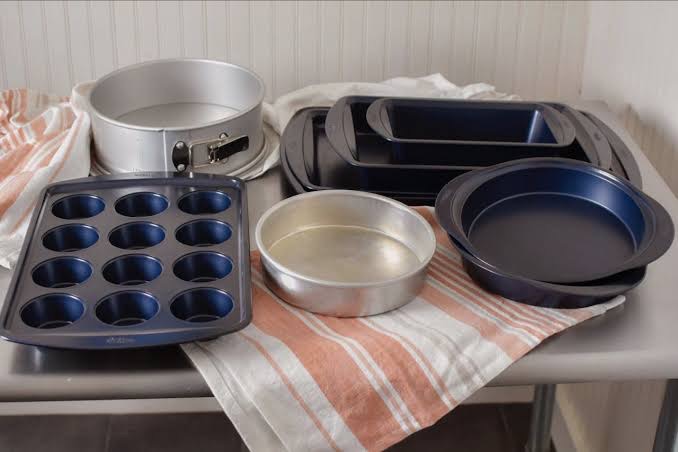
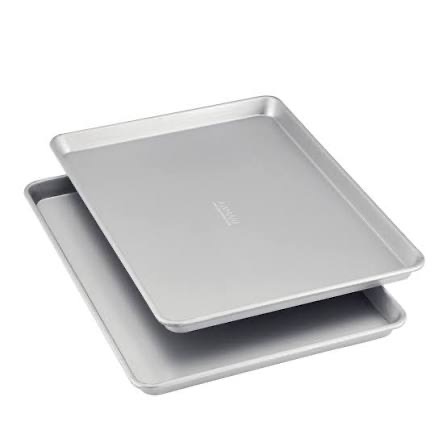
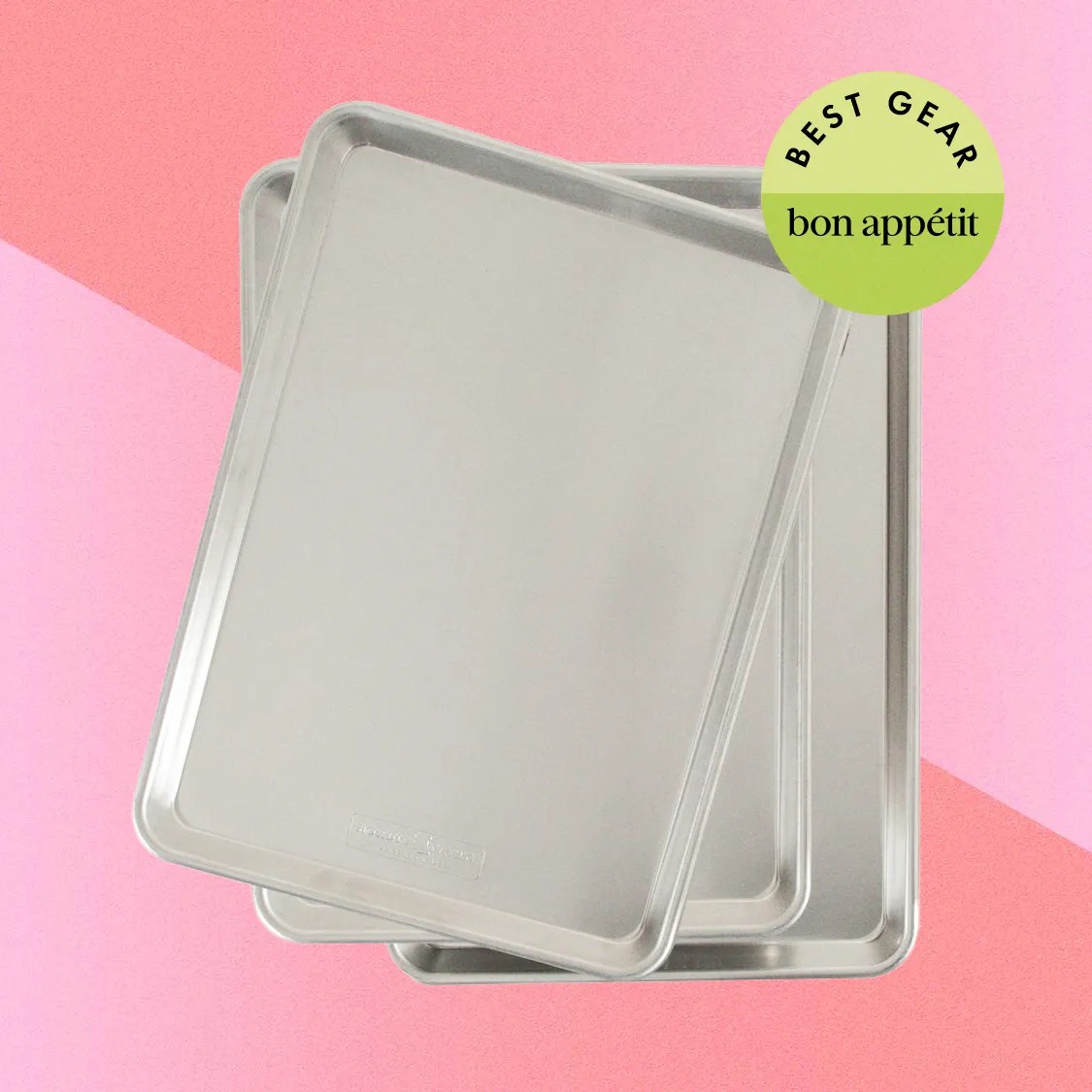
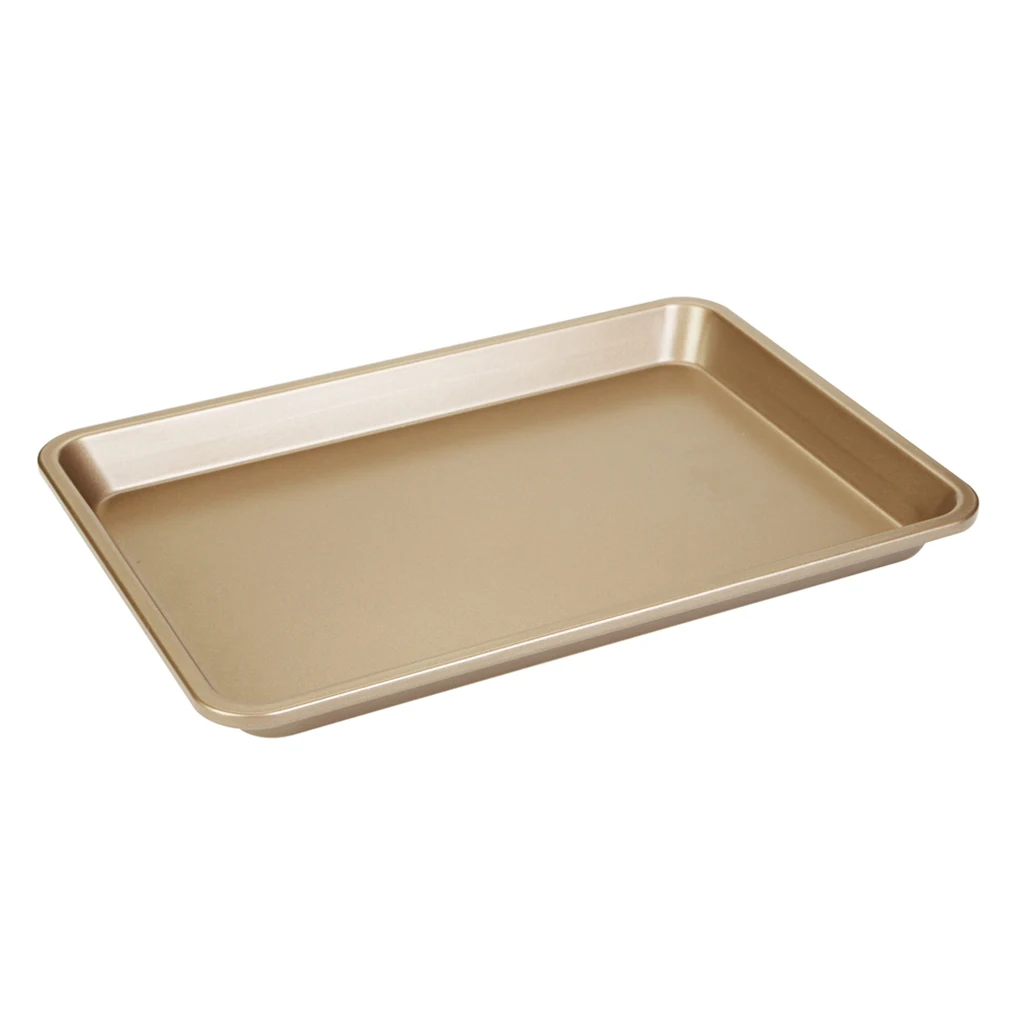
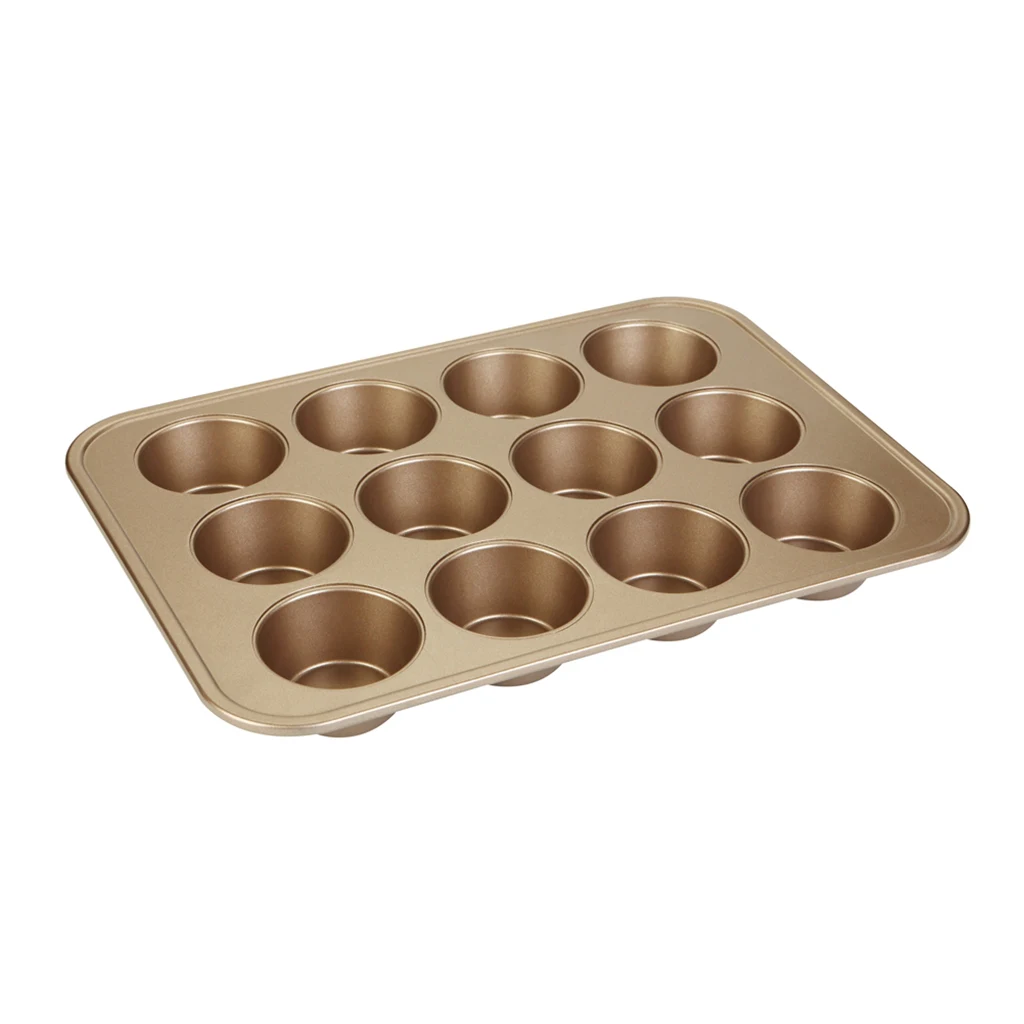
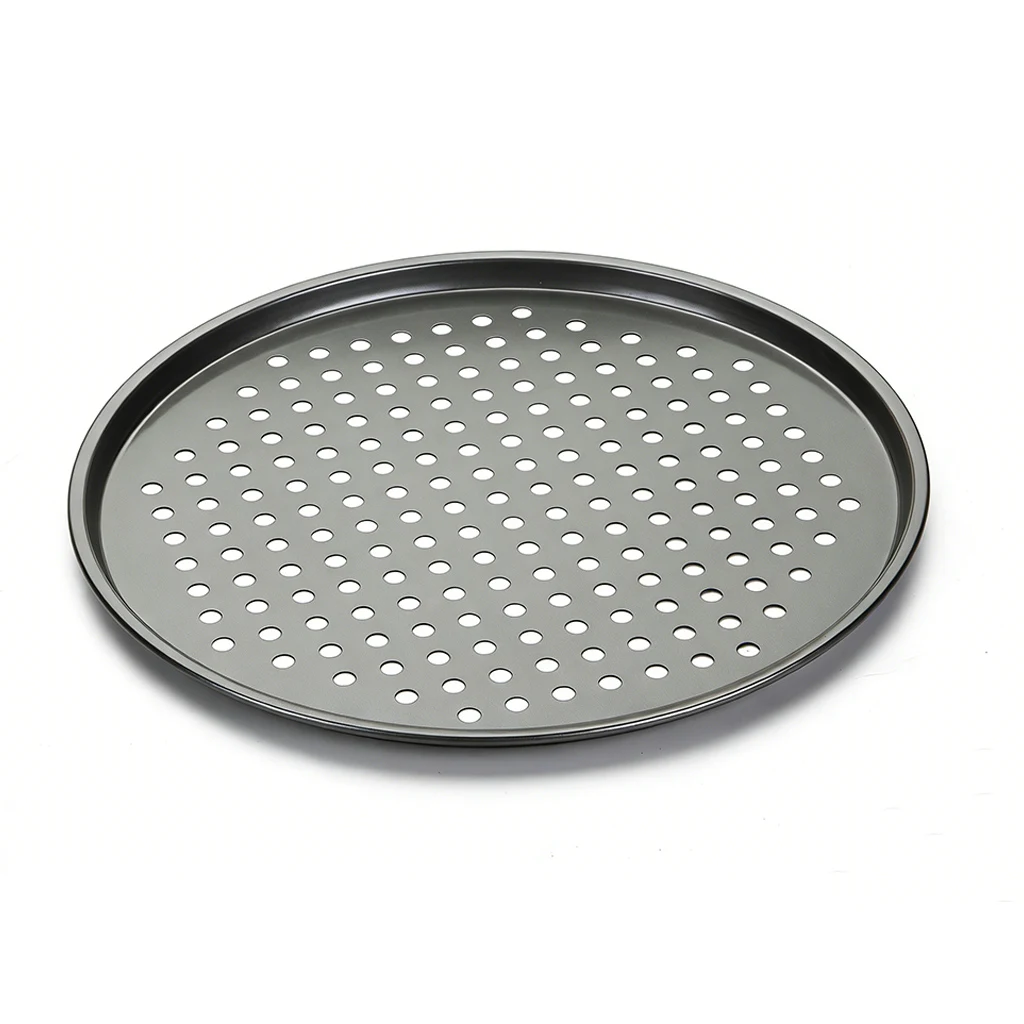
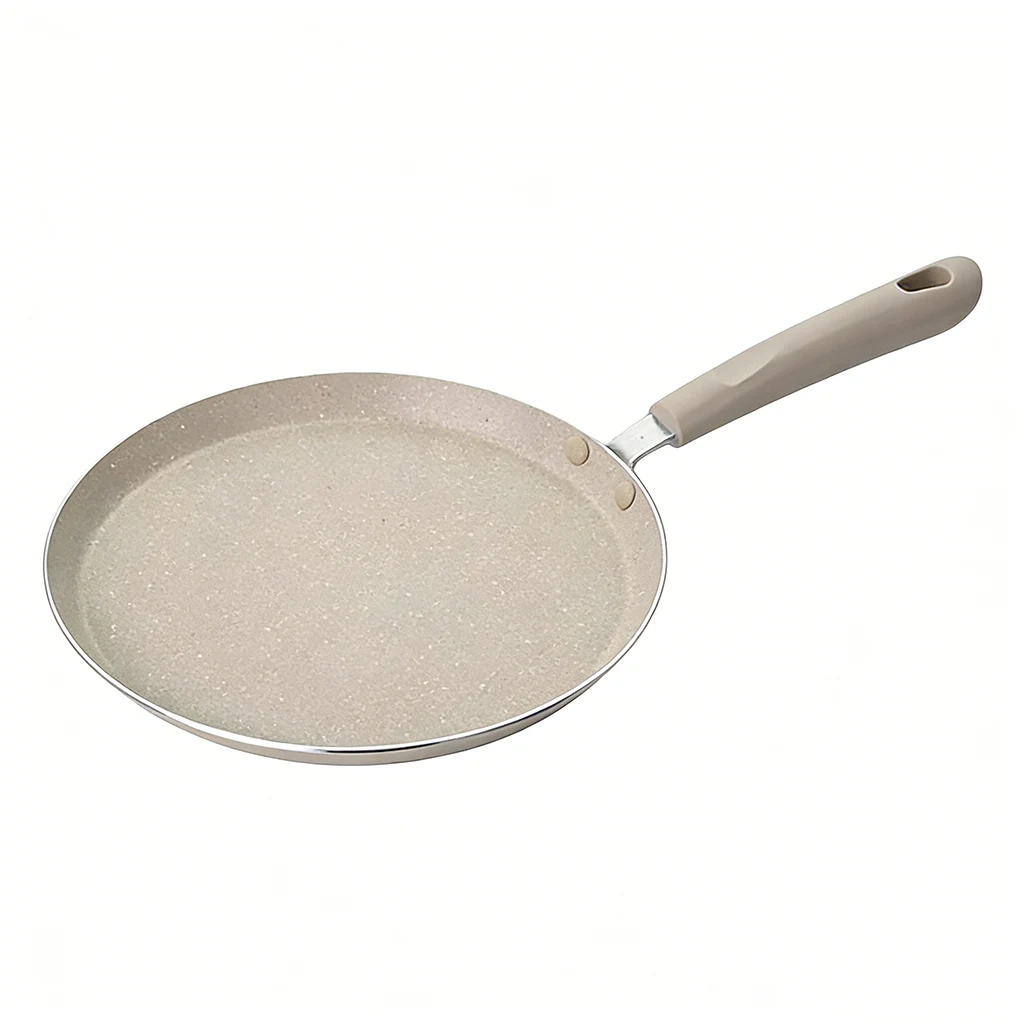
Flat Baking Trays
Commonly used for:
- Cookies
- Biscuits
- Pastries
They require:
- Stable flat surfaces
- Good heat contact
- Easy handling
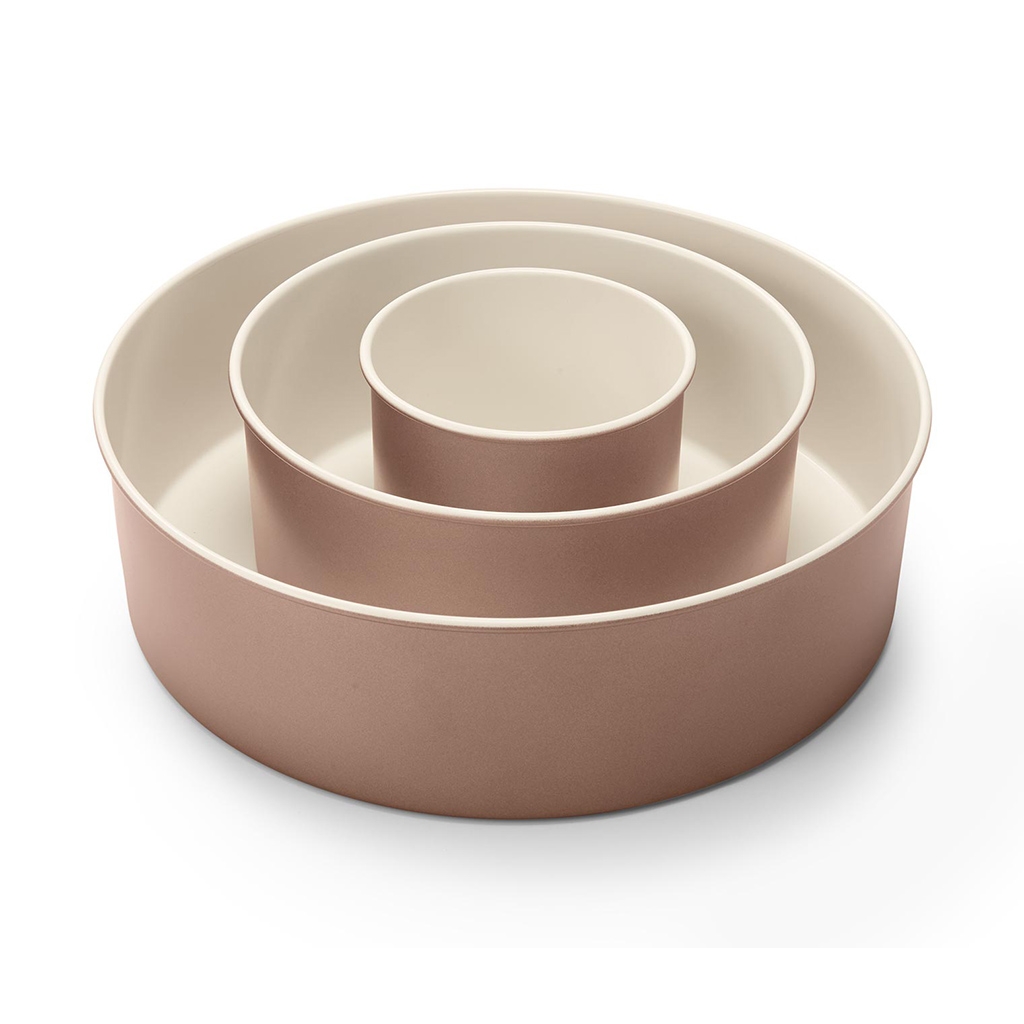
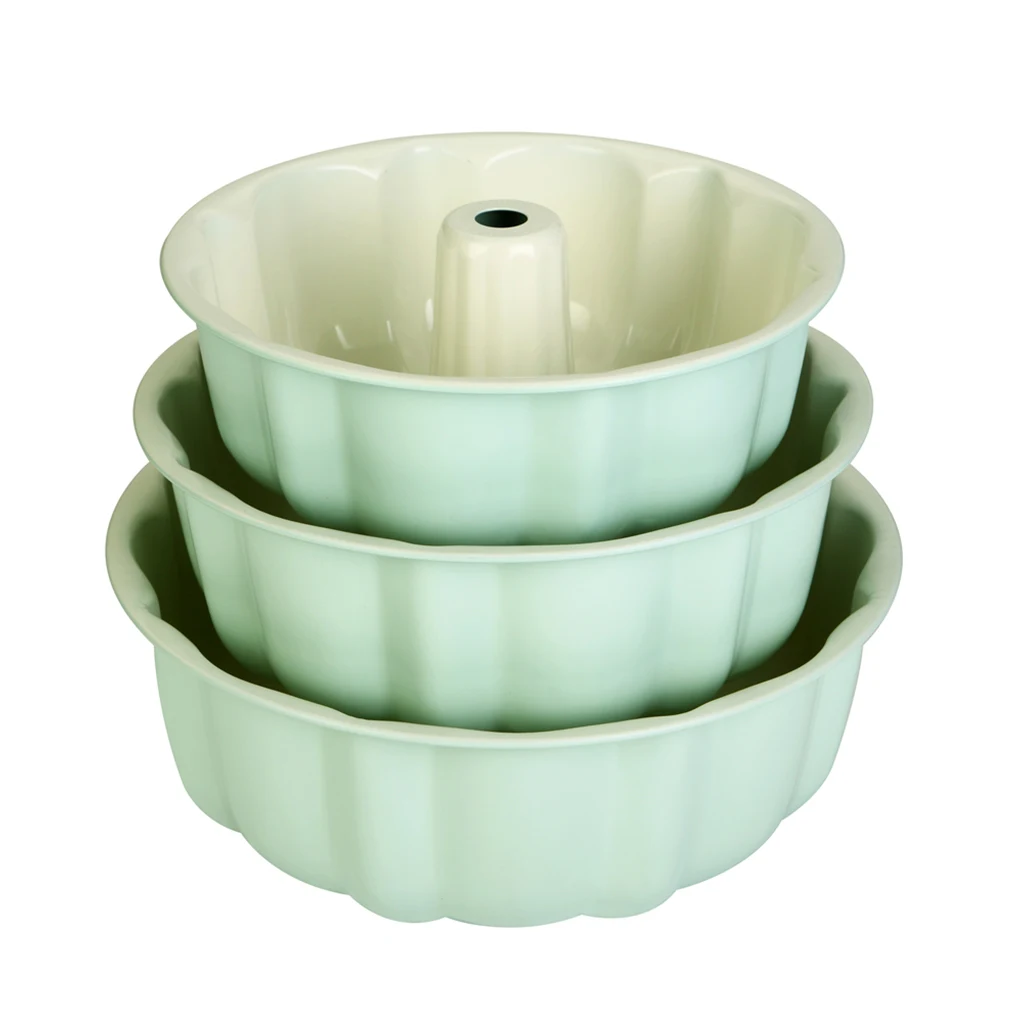
Deep Baking Pans
Commonly used for:
- Cakes
- Bread
- Roasting applications
They require:
- Strong side walls
- Stable structure
- Suitable depth
A professional manufacturer should evaluate the product purpose before finalizing the design.
A visually attractive design that does not match the application may create poor user experience.
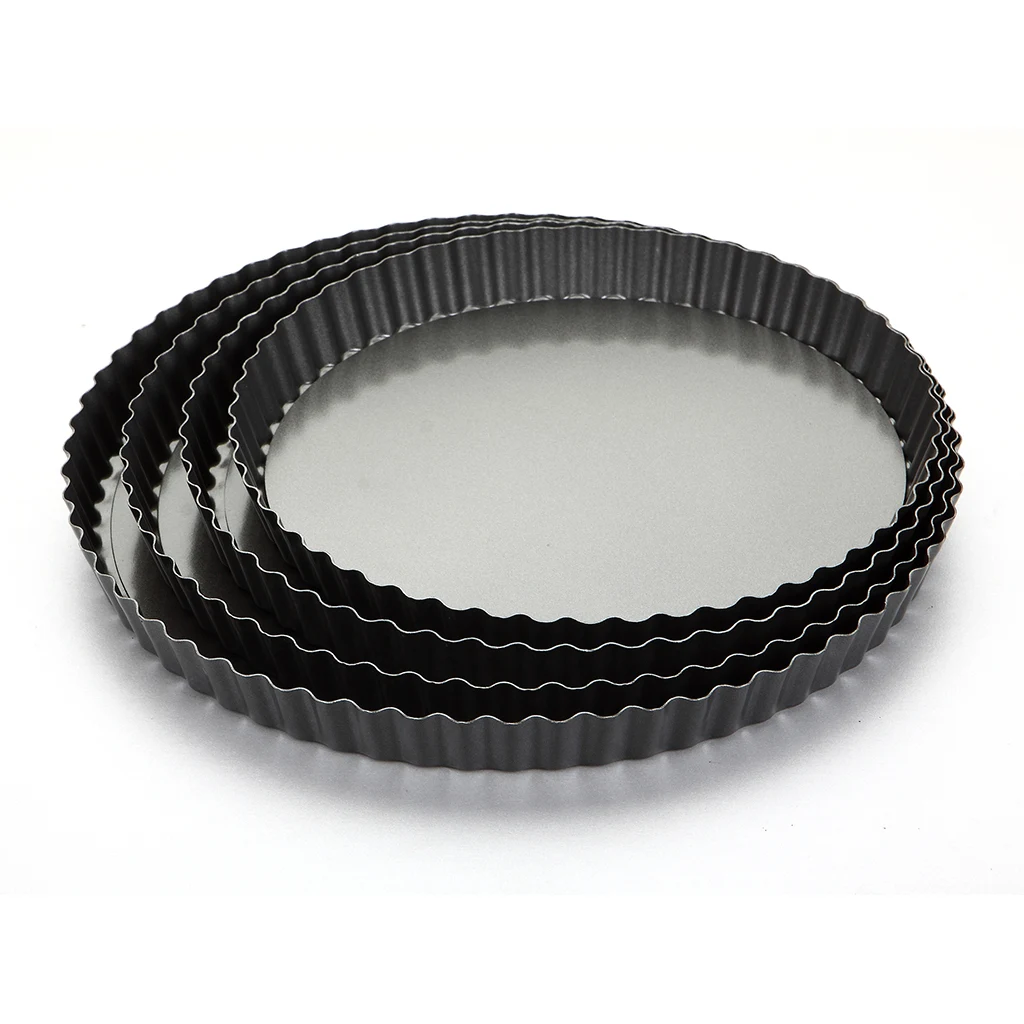
2. Edge Design Creates Both Function and Safety
The edge of a baking tray is often overlooked.
However, it plays an important role in:
- Structural strength
- Handling comfort
- Product appearance
A well-designed edge can improve:
Rigidity
The tray becomes more resistant to bending and deformation.
Safety
Smooth edges reduce the risk of sharp surfaces during handling.
User Experience
A comfortable grip makes the product easier to use.
For premium kitchenware brands, these details can create a noticeable difference compared with lower-quality products.
3. Surface Design Influences Daily Usage
The surface of a baking tray affects how consumers experience the product.
Important considerations include:
Food Release
A suitable surface treatment can help users remove baked products more easily.
Cleaning Experience
Consumers often judge product quality after usage.
A tray that is difficult to clean may reduce customer satisfaction.
Appearance
Surface finish contributes to:
- Premium feeling
- Brand recognition
- Retail appeal
The right surface solution should balance performance and market positioning.
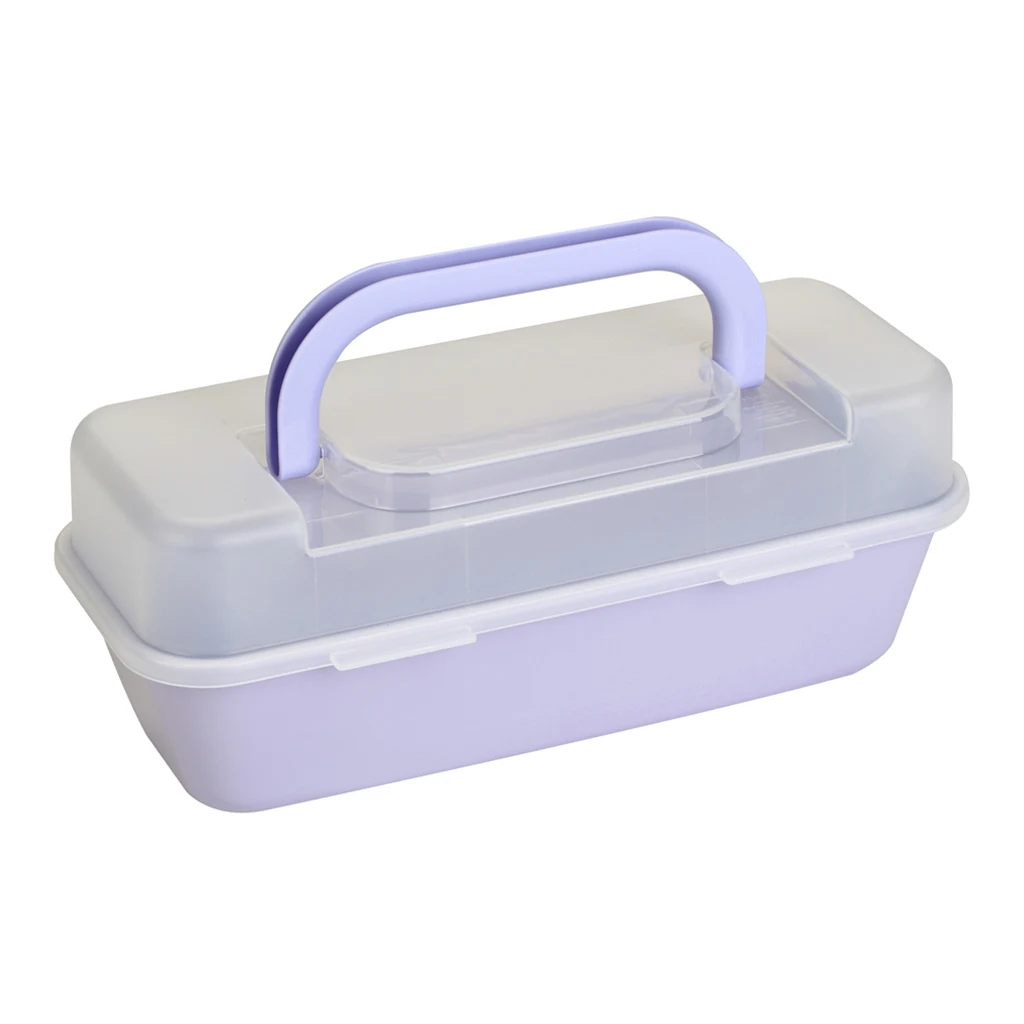
4. Packaging Design Also Affects Product Value
For international kitchenware brands, the product experience begins before the customer uses the tray.
Packaging influences:
- First impression
- Shelf presentation
- Transportation safety
A professional supplier should consider packaging requirements during product development.
Poor packaging can result in:
- Scratches
- Deformation
- Increased logistics costs
5. Customization Helps Brands Build Differentiation
The kitchenware market is highly competitive.
Many products have similar functions, so brands need ways to create differentiation.
Customization options may include:
- Special sizes
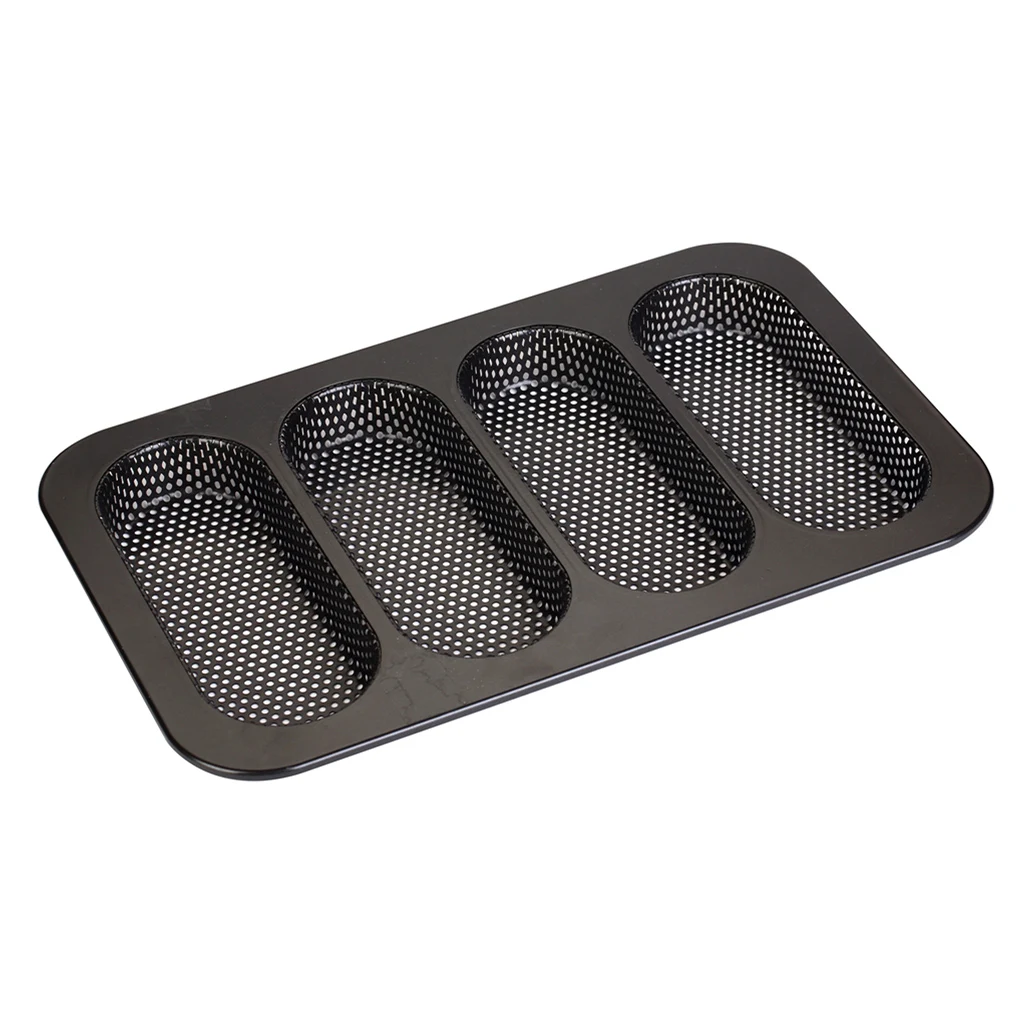
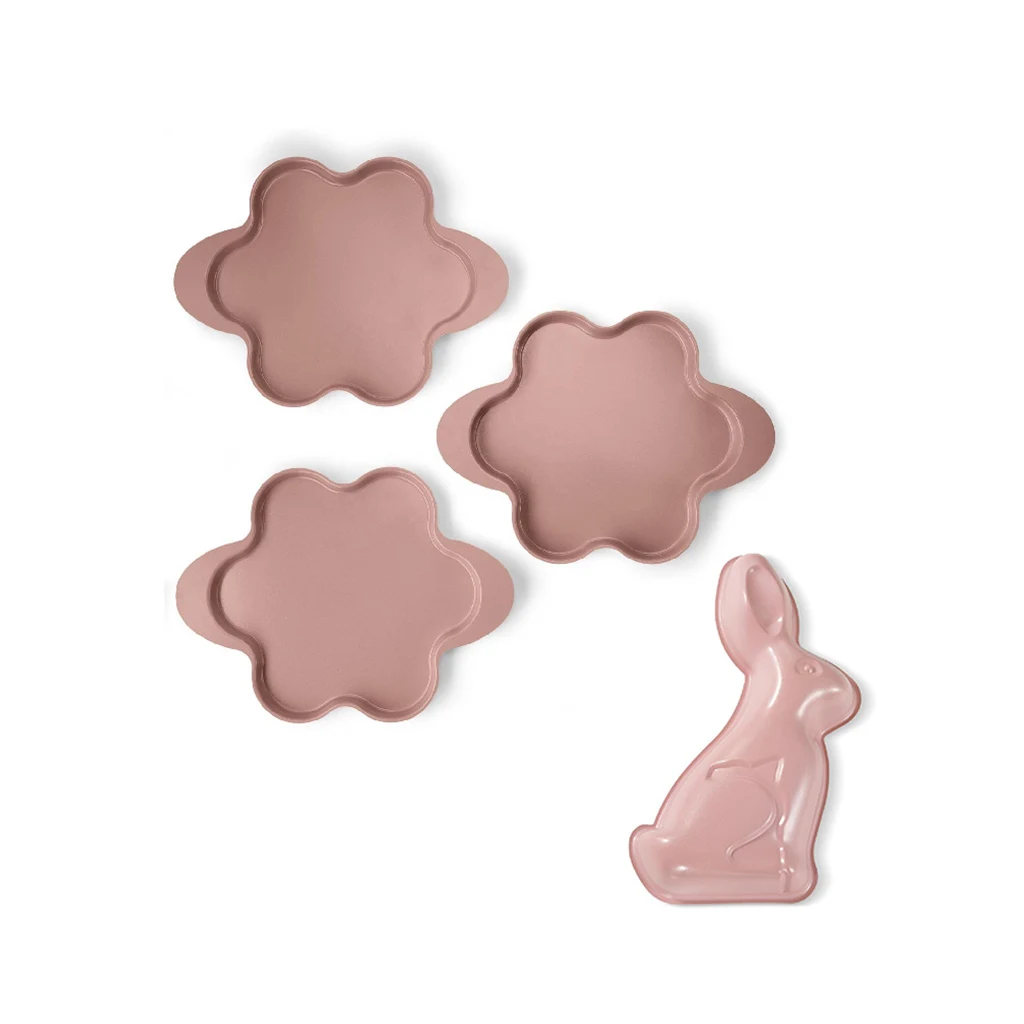
- Unique shapes
- Surface finishes
- Logo solutions
- Retail packaging
A customized baking tray allows brands to create products that better match their target customers.
Conclusion
A successful aluminum baking tray is not only a manufacturing product.
It is a consumer experience designed through:
- Form
- Structure
- Oberfläche
- Packaging
- Functionality
For kitchenware brands, working with an experienced manufacturer during the design stage can help create products that are not only produced efficiently but also perform well in the market.
Good design connects manufacturing capability with consumer expectations.