Introduction
Forget everything you thought about selling flavor first. Today’s most sophisticated palates are driven by a more primal pursuit: baking texture. Bakers have entered a new frontier where the deliberate engineering of mouthfeel defines success.
Why does this matter for your baking? The answer is simple: consumers are consciously seeking multi-sensory experiences. Research shows that baking texture is now a key enjoyment driver in sweet bakery, with products featuring chunky textures seeing gradual growth over the last five years.
This is especially true for younger consumers. Gen Z, heavily influenced by bakery visuals on social media, want contrast—crunchy and creamy, soft and gooey—in every bite. The “texture mashup” trend is about layering multiple textures into a single item, creating an eating experience that is more engaging and memorable. Mastering baking texture is essential for any baker who wants to stay relevant.
This article covers 5 ways to add irresistible crunch to your bakes, helping you create the texture-forward products that today’s consumers crave. Let us explore how baking texture can transform your creations.
Why Crunch Matters in Baking Texture
The texture trend’s strength lies in a clear, actionable framework. It prioritizes three distinct tactile sensations: crunch, chew, and creaminess. Understanding baking texture helps you balance these elements effectively.
Crunch is all about structural drama—the audible, shattering crisp of a perfectly laminated layer, or the glassy crust of fully caramelized sugar. The goal is maximum contrast with the interior. Great baking texture is what makes a product memorable.
Achieving this crunch demands precision in moisture control, fat distribution, and baking thermodynamics. Creating a fragile, brittle matrix requires balancing low water activity, appropriate fat ratios, and the right baking temperature curve. Mastering baking texture is a science as much as an art.
For bakers, mastering crunch opens up huge opportunities. Texture-forward products are inherently experiential and shareable. They attract culinary adventurers and generate organic visual marketing. Focusing on baking texture can set your products apart from the competition.
Method 1: Frozen, Grated Butter in Crumbles
One of the most reliable ways to add crunch is through a well-executed crumble topping. The secret? Using frozen, grated butter. This technique is a game-changer for baking texture.
The Science Behind It
Grating frozen butter creates tiny, perfectly distributed shards that stay cold. These cold butter pieces create steam pockets in the oven, resulting in an unbelievably light, crispy, and crunchy texture. This is baking texture at its finest.
How to Do It
Freeze your butter for at least 15 minutes
Grate it directly into your dry ingredients using a box grater
Work quickly to prevent warming
For extra crunch, chill the entire crumble topping for 15-20 minutes before baking
This method works for fruit crisps, coffee cakes, and even savory bakes. The visible butter pieces you leave in the mixture are what create the magic—those pockets of fat produce the coveted crunchy texture. This is one of the simplest ways to improve baking texture.
Pro tip: Add chopped nuts like pecans, walnuts, or sliced almonds to your dry ingredients for another layer of flavor and crunch. The combination creates an even more complex baking texture.
Method 2: Sugar and Temperature Control for Caramelized Crust
A great crunchy crust comes from the right sugar and temperature combination. Sugar caramelization creates a glassy, shatteringly crisp surface. This technique directly enhances baking texture.
How Sugar Works
The key to a crackly top in brownies or the crispy exterior of cookies is proper sugar dissolution and caramelization. When sugar melts and recrystallizes, it forms a brittle, crunchy structure. Many bakers find that beating sugar and eggs together well helps achieve this effect. This is a fundamental principle of baking texture.
Temperature Tips
Bake at the right temperature to promote surface drying
Dark pans absorb more heat and may brown faster—adjust temperature accordingly
Watch closely in the final minutes to prevent burning while maximizing crunch
The right temperature curve is essential for achieving that ideal baking texture. Too hot and you burn the outside; too cool and you lose the crunch.
Method 3: Lamination and Layering
Lamination is one of the oldest and most effective techniques for creating crunch. By creating many thin layers of dough separated by butter, you get a flaky, crispy result. This classic technique is central to French baking texture.
Mastering Lamination
Laminated dough achieves its crisp layers through meticulous butter layering and tight control over proofing humidity to prevent excess moisture from softening the outer layers. The result is a baking texture that is both delicate and shatteringly crisp.
The hybrid pastry revolution has taken this further. Products like the Cronut (laminated pastry meets frying) have become iconic specifically because of their textural complexity—crisp exterior, airy interior, creamy filling. This is baking texture innovation at its best.
Application for Home Bakers
Keep butter very cold during lamination
Work quickly to prevent the butter from softening
Create thinner layers for more crunch
For flaky pastries, watch proofing humidity carefully
The dramatic crunch of a well-laminated product is hard to replicate through other methods. It represents the pinnacle of baking texture craftsmanship.
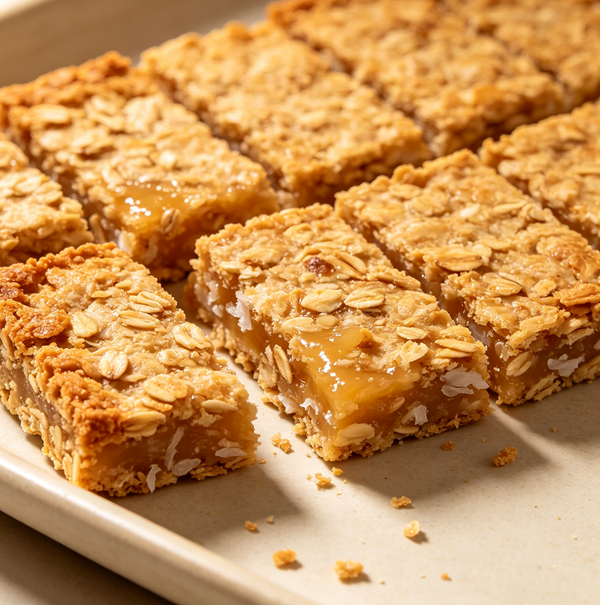
Method 4: Sugar-Syrup Binder in Bars and Slices
A hot butter-and-syrup binder creates crunch in bar cookies and slices. When combined with oats and coconut, it produces crisp edges with a satisfying chew. This is a more forgiving approach to baking texture.
The Baking Process
Make a hot butter-syrup-sugar mixture
Stir in bicarbonate of soda (it will foam)
Combine with dry ingredients
Press firmly into your baking pan
Bake until golden brown
The two-stage bake method works well: first at a higher temperature for browning, then lower to finish without burning. Pressing the mixture firmly before baking is essential—it compacts the ingredients so the sugar-butter binder knits them together properly during baking. This ensures a consistent baking texture.
Fine-Tuning Crunch
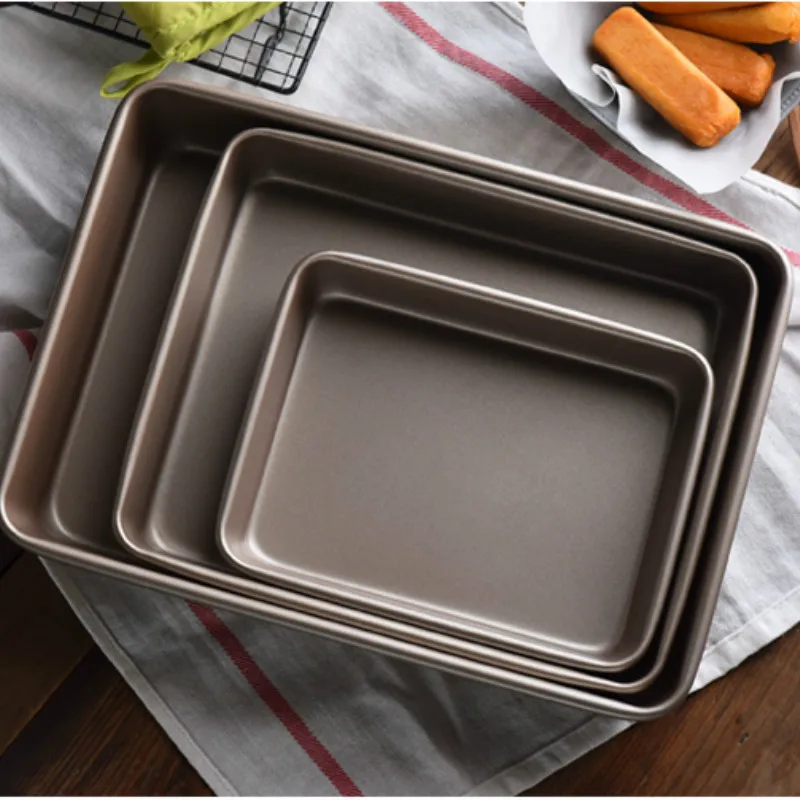
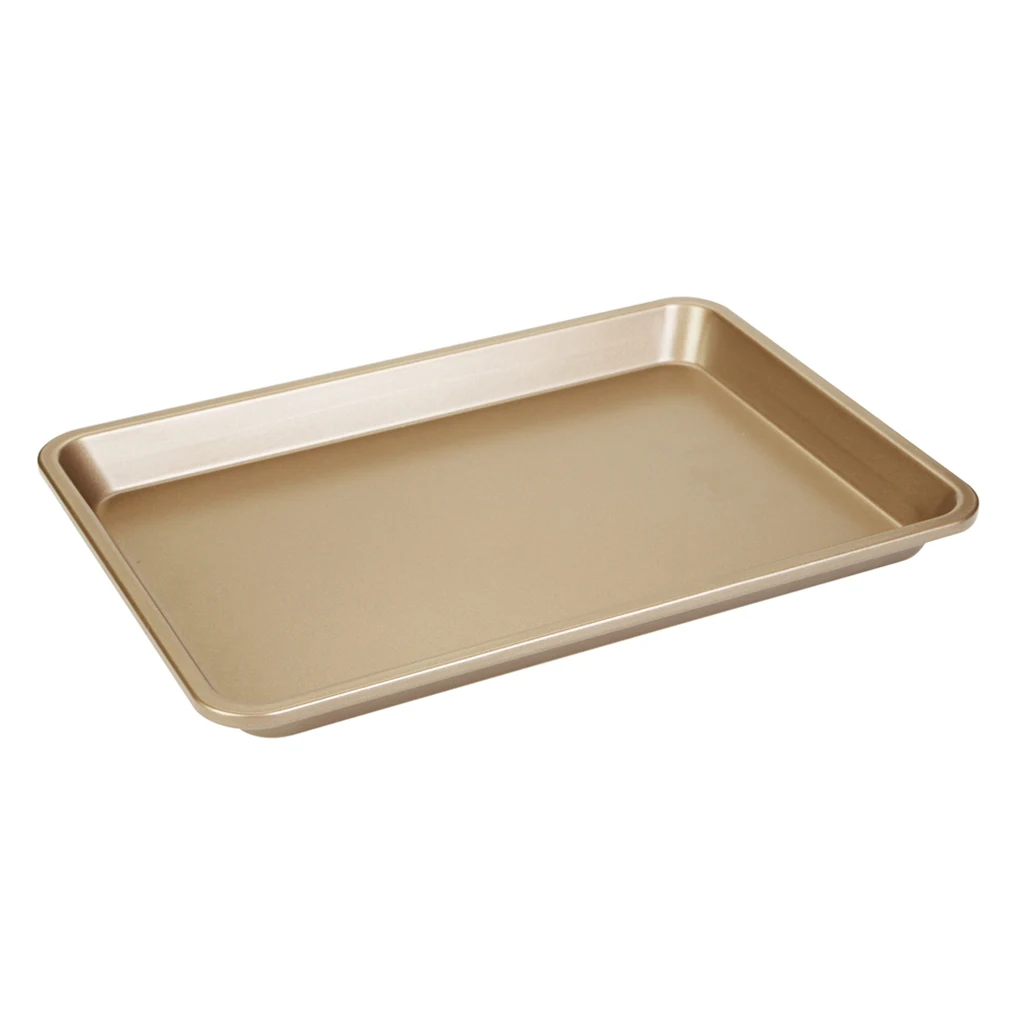
Tray size matters. A smaller tray yields thicker bars and longer bake times, while a larger tray gives thinner, crisper squares. Let the bars cool completely before slicing for clean edges. These small adjustments can completely change the final baking texture.
Method 5: Texture Pairings in Hybrid Bakes
The most potent symbols of the texture trend are hybrid pastries—deliberate, technical exercises in blending contrasting textures. These creations push the boundaries of baking texture.
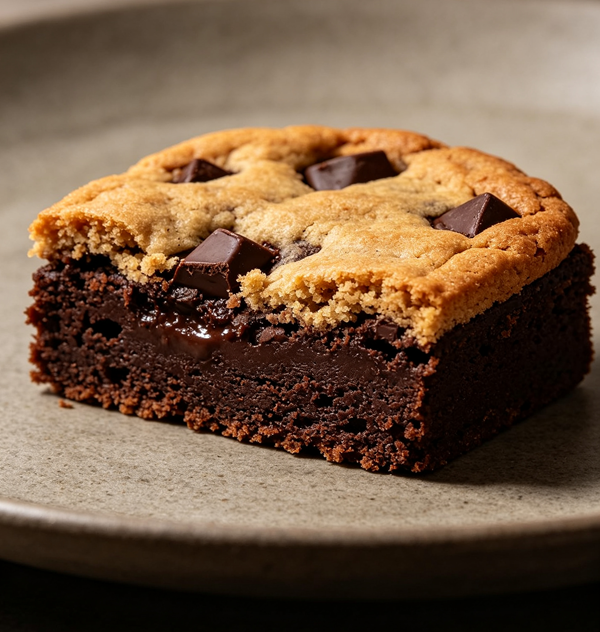
The Brookie Approach
The brookie challenges bakers to combine two distinct chew profiles in one bake. Dense, fudgy brownie texture must coexist with structured, slightly crisp cookie texture. Success depends on managing batter viscosities and heat transfer rates for each layer. This is advanced baking texture work.
The Mookie Approach
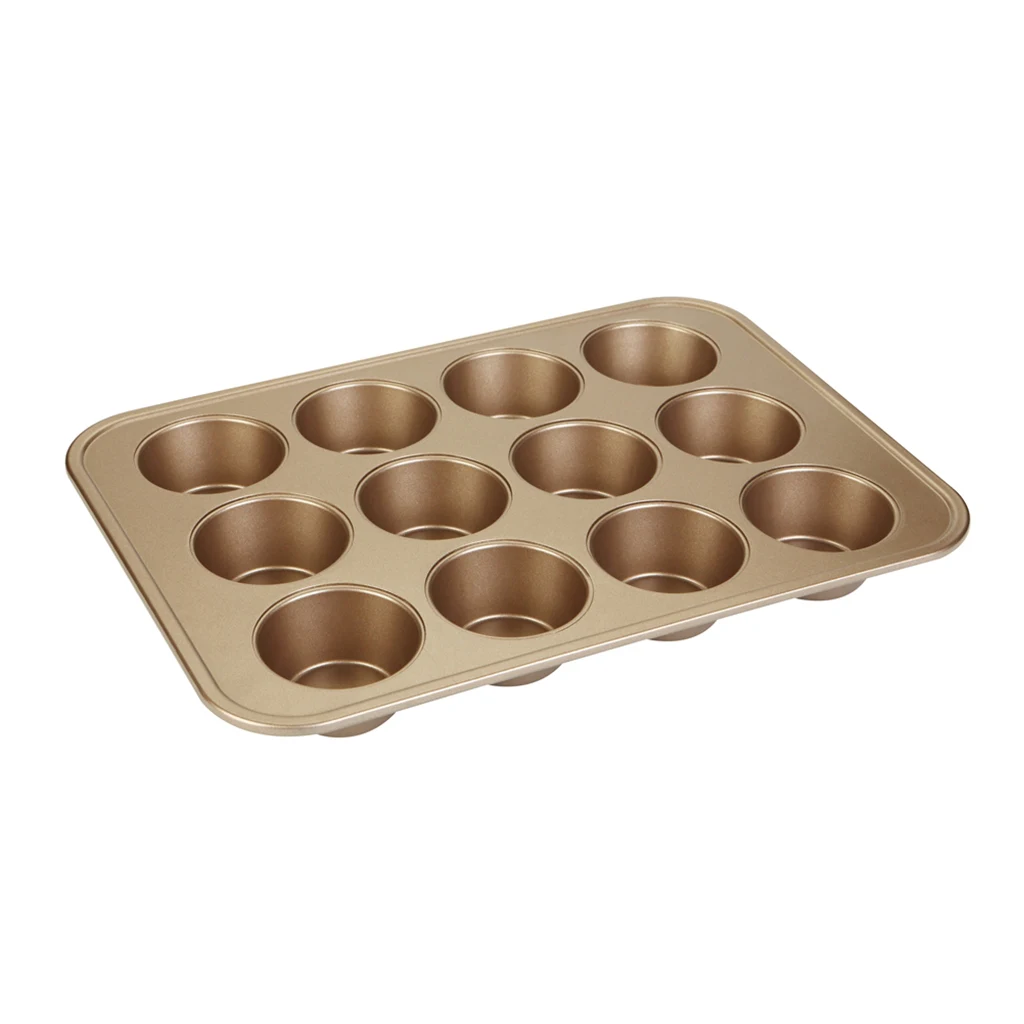
The cookie-muffin hybrid pursues a specific duality: a soft, cakey interior cradled within a thin, crisp, craggy crown. Achieving this requires manipulating surface drying while maintaining a high-moisture, tender crumb underneath. This creates a baking texture that is both comforting and exciting.
Key Principles for Texture Mashups
Layer contrasts intentionally (crunchy and creamy, soft and gooey)
Manage moisture differences between components
Consider bake times and temperatures for each element
Use textural contrast to create a more premium sensory experience
When consumers experience a good texture mashup, it feels exciting and special. Research shows that different and surprising textures please consumers, making their experience feel more premium. Excellent baking texture is what makes them come back for more.
The Future of Crunch
Bakery trends for 2026 are clearly moving toward multi-sensory experiences. The combination of nostalgia with a premium twist—familiar favorites with upgraded textures—is a winning strategy. This shift puts baking texture at the center of innovation.
For bakers, this means:
Old favorites can be re-energized through texture storytelling
Signature showstoppers can be developed by focusing on textural signatures
A new audience can be attracted through experiential, shareable products
Whether through frozen butter, proper sugar caramelization, lamination, or hybrid baking, there are many ways to add crunch to your bakes. The key is understanding the science behind each method and applying it with intention. Mastering baking texture will keep you ahead of the curve.
Conclusion
Crunch is more than a texture—it’s an experience. Today’s consumers want engaging, multi-sensory eating experiences, and baking texture is becoming a major focus for bakery innovation.
The 5 methods covered in this guide are:
Frozen, grated butter in crumbles
Sugar and temperature control for caramelized crust
Lamination and layering
Sugar-syrup binder in bars and slices
Texture pairings in hybrid bakes
Each method offers a way to add that desirable crunch to your bakes. With practice, you can create bakery products that are both satisfying and memorable. Your mastery of baking texture will set your creations apart.