Introduction
A baking sheet is one of the most useful tools in any kitchen. You can use it for roasting vegetables, baking cookies, cooking sheet pan dinners, and even toasting nuts. But with so many options available, how do you pick the right one?
The material, size, and coating of a baking pan can affect how your food cooks. Some sheets heat quickly and create crisp, golden edges. Others bake more gently and produce softer results. Understanding these differences helps you choose a pan that matches your cooking style.
This article covers 6 smart ways to choose the right baking sheet for your kitchen. You will learn about different materials, sizes, coatings, and construction features. By the end, you will know exactly what to look for when shopping for bakeware.

1. Understand the Different Materials
The material of a baking pan affects how it heats and how long it lasts.
Carbon Steel with Non-Stick Coating
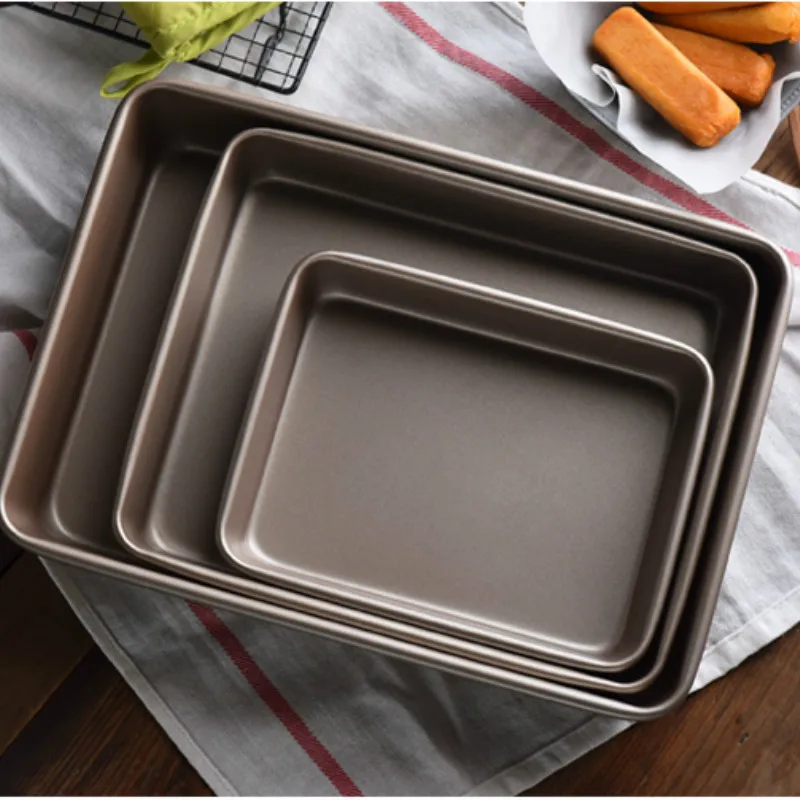
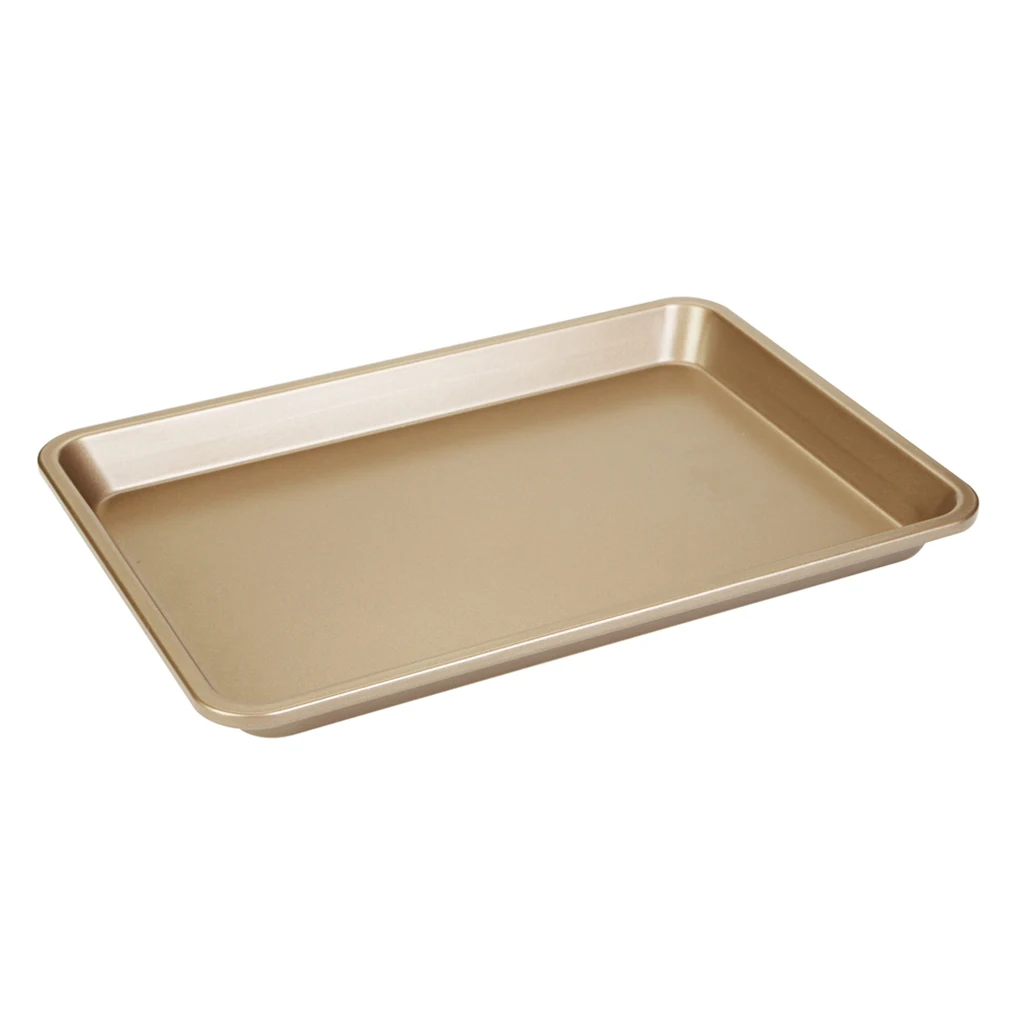
Carbon steel is a popular choice for bakeware. It is heavier than aluminum and holds heat well, which helps create good browning. Most carbon steel baking sheet products come with a non-stick coating applied to the surface. This coating helps food release easily and makes cleanup faster.
The non-stick coating can scratch if you use metal utensils. It can also degrade at very high temperatures. Most manufacturers recommend hand washing a coated carbon steel pan to protect the surface. Carbon steel can rust if the coating is damaged and the pan is not dried properly.
For most home cooks, a carbon steel baking sheet with a quality non-stick coating offers a good balance of performance and value.
Aluminum
Aluminum is another common material for bakeware. It heats quickly and fairly evenly. Aluminum sheets are lightweight and easy to handle. They are also affordable compared to other materials.
However, thin aluminum pans can warp under high heat. Some aluminum reacts with acidic foods like tomatoes or citrus, which may affect the flavor. Uncoated aluminum sheets require greasing to prevent sticking.
Stainless Steel
Stainless steel pans are durable and resistant to rust. They do not react with acidic foods. However, stainless steel does not conduct heat as evenly as aluminum or carbon steel. Some stainless steel products have an aluminum core to improve heat distribution.
For most home cooks, a carbon steel baking sheet with a non-stick coating offers a good balance of performance and value.
2. Pick the Right Size
Bakeware comes in several standard sizes. The size you choose depends on your oven and how many people you usually cook for.
Half-Sheet Pan
A half-sheet pan measures about 18 x 13 inches. This is the most common size for home kitchens. It fits in most standard ovens. A half-sheet pan can hold about 24 cookies arranged in a 4×6 grid.
This size is versatile enough for most tasks. You can roast a batch of vegetables, bake a sheet cake, or cook a full sheet pan dinner on a half-sheet baking sheet.
Quarter-Sheet Pan
A quarter-sheet pan measures about 13 x 9 inches. This size is good for smaller batches or for toaster ovens. A quarter-sheet pan can hold about 12 cookies.
If you often cook for one or two people, a quarter-sheet pan may be sufficient. It is also useful for preparing smaller portions or for tasks like toasting nuts or seeds.
Jelly Roll Pan
A jelly roll pan is a type of bakeware with slightly taller sides, usually about one inch. It is designed for making rolled cakes. However, a jelly roll pan also works for other tasks like baking bars or roasting small batches of vegetables.
Full-Sheet Pan
A full-sheet pan measures about 26 x 18 inches. This size is too large for most home ovens. Full-sheet pans are typically used in commercial kitchens. Unless you have a very large oven, a half-sheet pan is a better choice.
When choosing a baking sheet, measure your oven first. Make sure the pan fits comfortably with space around it for air to circulate.
3. Consider Dark vs. Light Surfaces
The color of your bakeware affects how it absorbs heat.
Dark Pans
A dark pan absorbs more heat than a light one. This means your food will brown more quickly and deeply. A dark baking sheet is a good choice if you like crispy, golden-brown edges on roasted vegetables or cookies.
If you use a dark pan, you may need to lower your oven temperature by 25°F. You should also start checking for doneness a few minutes earlier than the recipe suggests.
Light Pans
A light pan reflects more heat. It produces gentler browning, which can be desirable for delicate baked goods like certain cookies or pastries.
A light pan may take slightly longer to achieve the same level of browning as a dark one. You can usually follow recipe temperatures without adjustment.
Which Color Is Better?
Neither is inherently better. The choice depends on your preferences. If you like deeply browned, crisp results, a dark baking sheet may suit you well. If you prefer lighter, more even browning, a light pan is a good choice.
Some cooks keep both types. They use dark pans for roasting vegetables and light pans for baking cookies.
4. Look at the Rim Design
The rim of a baking pan affects what you can use it for.
Rolled or Raised Rims (All Four Sides)
A traditional baking pan has rolled or raised edges on all four sides. These rims are usually about half an inch to one inch tall. The raised edges prevent juices, oils, or runny batters from sliding off the pan.
This design is good for roasting vegetables, cooking sheet pan dinners, baking bars, and any recipe that involves liquids or marinades. A baking sheet with raised edges is the most versatile choice for most home cooks.
Open or Flat Sides (Cookie Sheet Style)
Some pans have only one or two raised edges, or sometimes none at all. These are often called cookie sheets. They are designed specifically for baking cookies. The open sides allow air to circulate more freely and make it easier to slide cookies off the pan.
However, a pan without raised edges is not good for recipes with liquids. The lack of rims means juices can spill off the pan and into your oven. For most everyday tasks, a baking sheet with raised edges is more useful.
Rim Height
The height of the rim matters too. A pan with very short rims (about half an inch) is good for baking cookies and pastries. A pan with taller rims (about one inch) is better for roasting vegetables or cooking sheet pan dinners, as it contains more liquid.
If you could only buy one baking sheet, choose one with rolled edges on all four sides and a rim height of about half an inch to one inch.
5. Check the Gauge and Construction
The thickness of your bakeware affects how well it resists warping.
What Is Gauge?
Gauge refers to the thickness of the metal. A lower gauge number means thicker metal. For example, a 13-gauge pan is thicker than an 18-gauge pan.
A thicker baking sheet is less likely to warp under high heat. It also distributes heat more evenly. Thicker pans tend to be heavier, but the extra weight is worth it for better performance.
Recommended Thickness
Look for a pan that is at least 18-gauge. Thicker options like 13-gauge or 14-gauge are even better. Avoid very thin pans, as they are more likely to warp and can cause uneven baking.
Reinforced Rims
Some bakeware products have reinforced rims or rolled edges. This design adds structural strength and helps prevent warping. A baking sheet with reinforced rims is a good investment if you bake frequently.
How to Test for Warping
Place the pan on a flat counter. Press down on each corner. If it rocks or wobbles, it is warped. A warped baking sheet will not sit flat on your oven rack, which can cause uneven cooking.
6. Care for Your Baking Sheet
Taking care of your bakeware helps it last longer.
Hand Washing
Most non-stick baking sheet products should be hand washed. Dishwasher detergents can damage the non-stick coating over time. Use warm, soapy water and a soft sponge. Avoid steel wool or abrasive scrubbers.
Removing Stuck Food
If food sticks to your pan, soak it in warm, soapy water for 15 minutes. Use a soft sponge or nylon brush to remove residue. For stubborn spots, make a paste of baking soda and water. Apply it to the spots and let it sit for 15 minutes, then scrub gently.
Avoiding Metal Utensils
Metal utensils can scratch the non-stick coating on your baking sheet. Use silicone, nylon, or wooden tools instead.
Storing Your Baking Sheet
Store your bakeware in a dry place. If you stack pans, place a paper towel or soft cloth between them to prevent scratches. Do not stack heavy items on top of your baking sheet, as this can cause warping.
When to Replace a Baking Sheet
A non-stick coating will eventually wear out. When the coating starts to peel or food begins to stick, it is time to replace your baking sheet. A warped pan that no longer sits flat should also be replaced.
With proper care, a good baking sheet can last for many years. Investing in a quality pan saves you money in the long run.
Common Questions About Baking Sheets
Do I need to grease a non-stick baking sheet?
Even with a non-stick baking sheet, a light greasing can help. Use a small amount of oil or cooking spray. For baking cookies, parchment paper or a silicone baking mat works well.
Can I put my baking sheet in the dishwasher?
Check the manufacturer’s instructions. Most non-stick bakeware should be hand washed. Dishwasher detergents can damage the non-stick coating over time. Uncoated aluminum or stainless steel pans are usually dishwasher safe.
Why does my baking sheet warp?
Warping happens when the metal expands and contracts unevenly. Thin pans are more likely to warp. Avoid putting a hot baking sheet directly under cold water. Let it cool before washing.
What size baking sheet should I buy first?
A half-sheet pan (18 x 13 inches) is the most versatile choice. It fits in most standard ovens and works for a wide range of tasks. Once you have a half-sheet pan, you can add a quarter-sheet pan for smaller batches.
Can I use a baking sheet for broiling?
Yes, but be careful. A baking sheet with raised edges can contain juices when broiling. However, high broiler heat can damage non-stick coatings. If you broil often, consider an uncoated aluminum or stainless steel pan.
What is the best baking sheet for cookies?
A light-colored, heavy-gauge baking sheet with rolled edges works well for cookies. You can also use a true cookie sheet with open sides if you bake cookies very often. For most home bakers, a standard half-sheet pan is sufficient.
Conclusion
A baking sheet is a simple but essential tool in any kitchen. The right pan helps you cook more evenly, clean up more easily, and get better results.
The 6 smart ways to choose a baking sheet are:
Understand the different materials (carbon steel with non-stick coating, aluminum, stainless steel)
Pick the right size (half-sheet is most versatile)
Consider dark vs. light surfaces
Look at the rim design (rolled edges on all four sides)
Check the gauge and construction (thicker is better)
Care for your baking sheet properly
A good baking sheet is an investment in your cooking. With proper care, a quality pan can help you roast, bake, and broil delicious food for many years.